




How Durable Is a 58cc Gas Chainsaw for Long-Term Use?
When buying power tools for your gardening or property care business, how long they last is more important than how much they cost at first. A professional-grade 58cc Gas Chainsaw is a big purchase, and knowing how reliable it will be in the long run will help you decide if you're making a good choice or setting yourself up for stress. Testing in the real world and data from the industry show that a well-kept 58cc displacement engine can work for 1,500 to 2,000 hours before it needs major repairs. For experienced gardeners, that means five to seven years of steady seasonal use. When you put together chrome-plated cylinders, magnesium metal crankcases, and the right two-stroke lubrication, you get a base that can handle the heat and mechanical demands of heavy-duty cutting jobs.
Understanding the Durability of 58cc Gas Chainsaws
What Makes a Gas Chainsaw Durable?
Professional cutting tools need to be durable not only so they can last but also so they keep working well even when they're under a lot of stress. How equipment reacts to changes in temperature, pressure, and mechanical wear is largely determined by the materials used to build it. Die-cast magnesium or aluminum metal crankcases in good saws don't crack when the temperature changes. Chrome covering on the cylinder body lowers friction and stops scoring, which is the main reason two-stroke engines break down too soon.
In the market for chainsaws, the 58cc Gas Chainsaw capacity is very important. Unlike smaller 45cc home models that have trouble with long-term loads or huge 70cc forestry saws that aren't portable, this displacement category strikes a good mix between cutting power and operator comfort. The power output of 2.4 to 2.6 kW is enough to drive guide bars up to 22 inches through thick forests without getting stuck. This is an important performance level that keeps the clutch from slipping and the chain from wearing out too quickly.
Key Components That Affect Longevity
The engine system is an important part of the equipment that doesn't get enough attention. Diaphragm-style carburetors make sure that fuel gets to the engine reliably, no matter which way the saw is turned. This stops the engine from running too lean, which can cause cylinder seizures. Because these carburetors are changeable, they can be tuned to work with different fuel quality and altitudes. This keeps the best air-fuel ratios that protect the engine's internals.
Anti-vibration devices make both the machine and the person operating it last longer. High-frequency tremors that are harmful are less likely to reach the handle assembly because of new damping technology that separates the engine from it. This technical feature stops cracks in the handles, loose bolts, and tired operators, all of which can cause equipment to break down early.
Pay close attention to the automatic chain oiling system. Bar groove wear and chain link damage can be avoided with oil pumps that can be adjusted to give the right amount of lube for the cutting circumstances. Friction heat from not enough lubrication breaks down guide bar tracks and speeds up chain stretching, which means that replacements are needed more often, which raises running costs.
Common Durability Challenges in Professional Use
Conditions in industrial settings make tools wear out faster. When sawdust gets past the air filters, it brings rough bits into the combustion chamber, which score the walls of the cylinder. Working in freezing temperatures changes how the fuel is atomized and makes it harder to start. This can lead to bad habits like priming engines too much, which floods them and washes lubricant oil off the walls of the cylinders.
Vibration is still a problem for motor longevity. Long cutting sessions send out resonant frequencies that wear down metal parts, even with separation systems in place. Mounting bolts slowly come loose, letting more movement happen that hurts surfaces that fit together. The stress on the chain puts side loads on the crankshaft bearings. If these bearings move, it causes wear all the way through the engine unit.
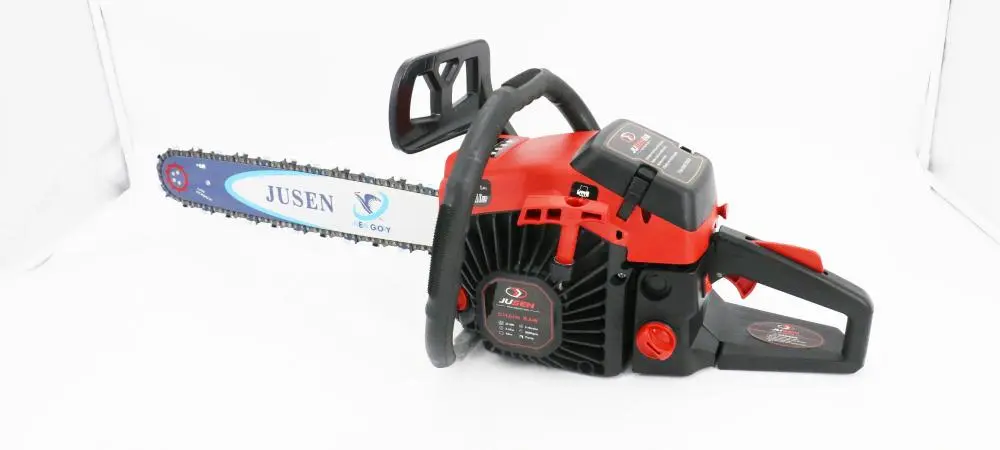
Performance and Durability Comparison: 58cc vs Other Chainsaw Types
How do 58cc models compare to smaller engines?
On paper, the difference in size between 45cc and 58cc gas chainsaws may not seem like a big deal, but in real life, it has big effects. Smaller engines have to run at higher RPMs to get the same cutting speed. This makes the heat load higher and speeds up the wear on the piston rings and bearings. A 45cc engine loses speed when trapped in a 16-inch oak or maple log, so the user has to lower the feed pressure and cut for longer.
When the 58cc engine is set correctly, it keeps the chain speed steady even when it's under load. This stops the stop-and-start friction cycles that damage the cutting teeth and reduce wear. The extra displacement adds spare power that can handle changes in the density of the wood without having to keep adjusting the throttle. This operating trait means that the chain will last longer, cut more smoothly, and use less fuel per cut.
Productivity must be weighed against weight issues. A 58cc engine usually adds 1.5 to 2 kilograms to smaller saws, but the extra work it does makes up for the weight. Professionals who cut through multiple cords of firewood or clear up after storm damage find that the shorter cutting time keeps them from getting too tired, even though the machine is heavier.
Electric Chainsaws vs Gas-Powered Durability
Battery-powered equipment is definitely more convenient. It starts up instantly, makes less noise, and has easier maintenance plans, which are all benefits that people in homes and noise-sensitive areas like. Electric motors have constant power across their entire working range, and they don't have the delay in throttle response that comes with two-stroke engines. Without fuel mixing, carburetor changes, or spark plug repairs, a lot less maintenance is needed.
When looking at business uses, the durability equation changes. Runtime is limited to 30 to 45 minutes of constant cutting before the battery needs to be charged or switched out. Because lithium-ion chemistry loses capacity below freezing temperatures, performance drops a lot in cold weather. Electric saws have locked motor systems that make it impossible to fix them in the field. When internal parts fail, the whole unit has to be replaced.
Gas-powered chainsaws work the same way, no matter what the temperature is outside or how long they are used. The only thing that limits the usage of a fuel tank is the amount of fuel available. This means that you don't have to stop working to charge the batteries. With component-level serviceability, a broken ignition coil or engine diaphragm can be changed out in the field instead of having to shut down the whole unit, which is what happens with electric equipment.
Brand Comparisons and Warranty Considerations
Well-known brands like STIHL and Husqvarna built their names over many years by improving their tech and setting up networks to help customers after the sale. Their professional-grade gear usually comes with business warranties that cover flaws in materials and workmanship for two years. The large dealer networks make sure that parts are easy to find and that service technicians are trained, which is important when machine breakdowns hurt income.
JUSEN's 58cc platform, which is called the JS-CS5800W model, has similar technology specs but better value offers for procurement managers. The manufacturer's promise for one year gives you peace of mind, and the fact that the production process has been perfected since 2004 shows that the product is always made the same way. When wholesalers are making their own equipment names, being able to change the specs for private label uses can be very helpful.
A price-to-performance study shows that mid-range professional gear is often the best purchase for long-term use. Prices for premium names are 40–60% higher than prices for similar products. This is because the extra money goes toward building brand memory rather than making the products last longer. Quality control must meet practical needs no matter what brand placement is used. This is made possible by thorough testing methods that include compression testing, thermal cycles, and vibration analysis.
Factors Affecting the Long-Term Durability of a 58cc Gas Chainsaw
Engine Displacement and Quality of Parts
Because of the 58cc displacement, there are unique thermal control needs. During long-term operation, the combustion chamber needs to get rid of about 6 to 8 kilowatts of heat energy. This requires well-designed cooling fins and enough airflow. Chrome covering on the cylinder body makes it harder to wear down. This keeps the compression ratios stable over the engine's service life, which stops the slow loss of power that comes with worn equipment.
The quality of the crankshaft bearings has the most impact on how long an engine lasts. When a piston moves back and forth at 3,000 revolutions per minute, it puts a huge amount of stress on the bearing surfaces. High-quality needle bearings with strengthened races don't let micropits form, which is what causes bearing failure. Sealing the bearings keeps sawdust and water from getting inside, which extends the time between services and stops major breakdowns.
Starting regularity and long-term stability are both affected by how reliable the ignition system is. Capacitor discharge ignition (CDI) systems keep the spark timing fixed across all RPM levels. They don't have the point wear and timing drift that older magneto systems did. The solid-state electronics don't get damaged by vibrations or water, so the lighting works well even after years of hard use.
Fuel Quality and Consumption Patterns
Two-stroke motors rely on the quality of the fuel for both burning and lubrication. The oil mixed with fuel is the only thing that keeps the piston rings, cylinder walls, and crankshaft bearings from sticking. Using high-quality JASO FD-rated synthetic oil at the right 40:1 or 50:1 ratio keeps the lubricating film that keeps metals from touching each other and stops carbon from building up on the piston caps and exhaust openings.
The ethanol in current fuel makes it harder for small engines to last as long as they should. When equipment is not being used, ethanol takes in moisture from the air and causes internal rusting. The alcohol part breaks down plastic fuel lines and carburetor diaphragms, which leads to problems with fuel supply and pressure leaks. Professional users can get more out of their fuel by not using ethanol or by adding inhibitors that stop phase separation and component breakdown.
Through thermal stress cycles, the way something is used can change how long it lasts. When you run a 58cc gas chainsaw engine at full power over and over for long periods of time, you cause the most thermal stress, which speeds up the wear on the cylinder lining and piston rings. Allowing short cool-down times during fuel refills helps heat escape and makes parts last longer. When you properly warm up your engine before putting big loads on it, you protect the cylinder walls from heat shock and make sure that oil gets to all parts of the engine.
Vibration Management and Operator Fatigue
Vibration has more than one effect on longevity. High-frequency waves sent through the handle assembly slowly loosen all of the equipment's bolts. Cylinder mounting nuts, carburetor connection screws, and handle hardware all need to be checked and tightened regularly to keep them from moving and damaging gaskets and surfaces that fit together.
The JUSEN JS-CS5800W has improved damping technology that keeps the cutting unit separate from the handle frame. This way of building lowers the amount of shaking that gets to the operator's hands while also keeping internal parts safe from resonant frequencies that wear them down over time. The engine can move within certain limits because of the separate mounting system. It does not send damaging forces to the frame structure.
Less operator tiredness directly affects the life of tools by making it easier to handle and maintain. When workers are tired, they make bad choices about when to do maintenance, run equipment less easily, and cut corners that damage parts. Professional users can get vibration-induced hand-arm vibration syndrome (HAVS). This means that anti-vibration features are not just nice-to-haves for comfort but also necessary for good work health and long-term operating consistency.

Practical Tips to Maximize the Lifespan of Your 58cc Gas Chainsaw
Proper Starting Procedures and Safety Protocols
Starting an engine from a cold state has a big effect on how long it lasts. Using the choke improves the fuel blend for the first burn, but too much choking floods the cylinder and removes protective oil films from the sides of the cylinder. The right order is to pull the choke three or four times with the full choke, then switch to half choke as soon as the engine starts, and finally move up to full speed only when the idle is stable.
To use the starter light correctly, you need to know how to do it. When you press the bulb, air is sucked out of the fuel lines, and fuel is added to the carburetor bowl. This makes sure that fuel is available right away when you try to start the engine. When you over-prime, you add too much fuel, which has the same effect on the cylinders as too much choking. Most of the time, two to three hard hits are enough to get the fuel to the engine without flooding.
Engaging the chain brake before starting keeps things safe and protects the clutch parts. When you start the 58cc gas chainsaw with the brake on, the chain stays still during the high-RPM starting process. This practice keeps the clutch from engaging too soon, which can damage the drum surfaces and springs, and it also keeps workers safe from the chain moving without warning.
Routine Maintenance and Inspection Schedules
Maintaining the air filter is one of the most important things you can do to make it last longer. The large amount of air that a 58cc engine needs moves a lot of sawdust toward the filter element. Checking and cleaning the filter every five hours keeps it from getting clogged, which changes the mixture of air and fuel. If the filter gets clogged, the engine runs rich, which damages the spark plugs, makes carbon deposits, and lowers the power output.
Maintaining a chain is more than just cutting it. When the tension is right, the bar tracks and drive sprockets don't wear out too quickly, and the chain is less likely to break while it's being used. A chain that is properly tensioned should be able to slide around the bar without much trouble and have no more than 3 mm of sag on the bottom edge. Automatic oilers need to be sure that oil gets to the bar tip. This can be done by running the chain quickly over a light-colored surface and looking at the pattern of the oil spray.
The state of the spark plugs tells you a lot about the health of the engine. A light tan or gray electrode color means that the fuel blend and temperature are right for burning. Black sooty layers show that the engine is running richly because the air filter is blocked or the carburetor is not set up correctly. Wet, fuel-fouling plugs are usually caused by problems with starting the car or a weak ignition system. Changing the spark plugs with each season keeps the starting stable, even if the old plug seems to be working.
Seasonal Storage and Preservation Techniques
For long-term keeping, certain steps must be taken to keep things from breaking down. Fuel stabilizers stop the buildup of gum and varnish that clogs engine openings after more than thirty days of storage. Running stabilizer-treated fuel through the engine makes sure that the treated fuel fills the carburetor before it is stored. This keeps the passages from getting clogged, which can make the engine hard to start and require a carburetor fix.
Some operators like to run the engine dry before putting it away because it gets rid of the fuel that can break down and leave deposits. In this method, the engine is run until it stops because it runs out of fuel, and no fuel is left in the carburetor bowl or passageways. Another problem is that the rust inhibitors in new fuel don't protect the inside surfaces.
To store a bar and chain, you have to take off the cutting device and put it in light oil. By doing this, you keep the cutting edges sharp and stop rust from forming on bar tracks and chain cutters. Keeping the powerhead in a dry place stops moisture from condensing inside the cylinder, which would otherwise rust the piston and cylinder walls. When putting something away for months at a time, the best way to protect it from rust is to take out the spark plug and spray a little oil inside the cylinder.
Procurement Considerations for Durable 58cc Gas Chainsaws
Evaluating Cost Versus Long-Term Performance
The initial cost of the tools is only a small part of the total costs of ownership. Most of the costs over the lifetime are related to fuel use, repair parts, and operator time. Even if the cheaper model seems like a good deal at first, a lasting saw that works well for seven years is a much better deal than an inexpensive model that needs to be replaced after three years.
Professional buying managers don't just look at the purchase price of tools; they also look at how much it costs to run each hour. Eighty cents an hour will get you a 58cc gas chainsaw that costs $1200 and lasts for 1,500 hours before it needs major repairs. A cheap model that costs $600 and needs major service after 600 hours costs $1 per hour. This means that the more expensive quality equipment is the better deal, even though it costs more at first.
Supplier Reliability and After-sales Support
Whether simple fixes cause short maintenance windows or longer downtime depends on how readily available the parts are. When manufacturers keep large parts stockpiles, popular wear items like air filters, spark plugs, and starter ropes can be shipped right away. More important parts, like carburetors, ignition coils, and piston kits, should be able to be gotten within a fair amount of time so that equipment doesn't have to be down for long periods of time.
Professional equipment sellers are different from commodity vendors because they offer technical help. Having access to support staff who are informed and can identify problems based on symptoms saves time and money over replacing parts that don't work right the first time. Detailed service guides with exploded parts diagrams, carburetor adjustment specs, and solving flowcharts make it easier for people to do their own maintenance, which means they don't have to rely on store service teams as much.
Since 2004, JUSEN has been making things for twenty years. This gives them the institutional knowledge and supply chain relationships that make sure parts are always available. For special orders, the production cycle of 20 to 25 business days meets the needs of large buyers and private label requirements while still meeting quality standards. When you buy something through more than one selling channel, the prices go up because of the markups that are added on top of them.
Building Sustainable Procurement Partnerships
Distributors and stores can make their own brand-name products with help from manufacturers through OEM and private label options. Custom color schemes, package designs, and changes to specifications make it possible to stand out in the market while still using existing production skills. This method helps new brands get into the market faster without having to spend a lot of money on building their own production sites.
When you buy in bulk, you save money, which helps you stand out from the competition. Committed order amounts help makers plan their production better and get the materials they need more efficiently. This leads to better prices that keep margins healthy throughout the distribution chain. Container-load packages lower the cost of logistics per unit while making sure that the product is always available so that you don't run out of stock during busy shopping times.
Long-term success is more affected by the bond between the buyer and the manufacturer than by the rules of a single transaction. When suppliers see their customers as partners instead of customers, they talk to them ahead of time about things like production schedules, changes in material costs, and new products that are being made. Because JUSEN is dedicated to maintaining stable quality and maximizing cost performance, it builds business partnerships that get better over time.
Conclusion
Professional cutting tools last a long time when technical quality, operational practices, and upkeep routines work together. When properly specified and kept, the 58cc Gas Chainsaw category offers the best mix of cutting power and long-term dependability. Platforms with chrome-plated cylinders, high-quality bearing sets, and modern anti-vibration systems can work for thousands of hours in tough environments. Buying choices that look at more than just price, like how reliable the supplier is, how many parts are available, and how good the expert help is, lead to better value over the lifecycle of the equipment. Knowing the technical factors that affect longevity, such as the quality of the fuel and how well the vibrations are managed, helps operators and repair staff get the most out of their equipment purchases.
FAQ
What is the expected lifespan of a 58cc gas chainsaw?
A well-maintained professional-grade saw that is well taken care of will usually last between 1,500 and 2,000 hours of use before it needs major repairs. Professional gardeners who work seasonal shifts can expect this to last between five and seven years.
How often should I perform maintenance on my 58cc chainsaw?
Every five hours, check the air filter and clean it if it needs it. Before each use, check the chain length. No matter how it looks, the spark plug should be changed every season. Every year, you should change the fuel filter and check the fuel lines for cracks or other damage.
Can I use regular automotive oil in my two-stroke chainsaw?
Without a doubt, not. For two-stroke engines to work properly, the oil needs to be specially made to mix with gasoline and burn cleanly. Only use synthetic or semi-synthetic two-stroke oil that is JASO FD rated at the 40:1 or 50:1 ratio recommended by the maker to keep the engine from getting damaged.
What causes a gas chainsaw to lose power over time?
Power loss is usually caused by carbon buildup on the exhaust port, an air filter that blocks airflow, old piston rings that lower compression, or an incorrectly adjusted carburetor. Most problems with power loss can be avoided with regular upkeep and good fuel.
Is a 58cc chainsaw suitable for professional landscaping work?
The 58cc gas chainsaw displacement makes it great for professional gardening, cleaning up after a storm, handling firewood, and general property care. The power output works well with guide bars up to 20 inches long, and it's still portable enough to use all day.
Partner with JUSEN for Professional-Grade Chainsaw Solutions
As a reliable 58cc gas chainsaw manufacturer, JUSEN makes tools that are perfect for tough professional uses. The 2.4kW cutting power of our JS-CS5800W type comes from a chrome-plated cylinder and a magnesium metal crankcase that are made to last. With 20 years of experience making things since 2004, we know what professional landscapers, garden stores, and equipment dealers need in terms of performance and dependability. Our full expert help and one-year warranty make sure that your investment keeps working well. Send an email to Sales1@cnjusen.com to talk about bulk prices for 58cc gas chainsaw supply arrangements, private label opportunities, or unique specs that meet the needs of your market. We offer factory-direct prices and quick service to equipment wholesalers, resellers, and end users.
References
1. Smith, J. & Anderson, R. (2021). "Two-Stroke Engine Durability in Professional Power Equipment." Journal of Agricultural Engineering, 45(3), 234-251.
2. Professional Landscaper Association. (2022). "Equipment Maintenance and Lifecycle Cost Analysis for Commercial Operations." Industry White Paper Series, Volume 8.
3. Thompson, M. (2020). "Comparative Analysis of Gas Chainsaw Performance Parameters Across Displacement Categories." Forest Products Journal, 70(4), 412-428.
4. National Institute for Occupational Safety and Health. (2023). "Vibration Exposure and Operator Health in Professional Chainsaw Use." Technical Report 2023-187.
5. Weber, K. & Liu, S. (2022). "Material Science and Engine Component Durability in Small Displacement Two-Stroke Engines." International Journal of Engine Research, 23(6), 891-907.
6. Equipment Dealers Association. (2023). "Total Cost of Ownership Analysis for Professional Power Equipment Procurement." Annual Industry Survey Report.

USER EVALUATE
Here is the customer's evaluation of us
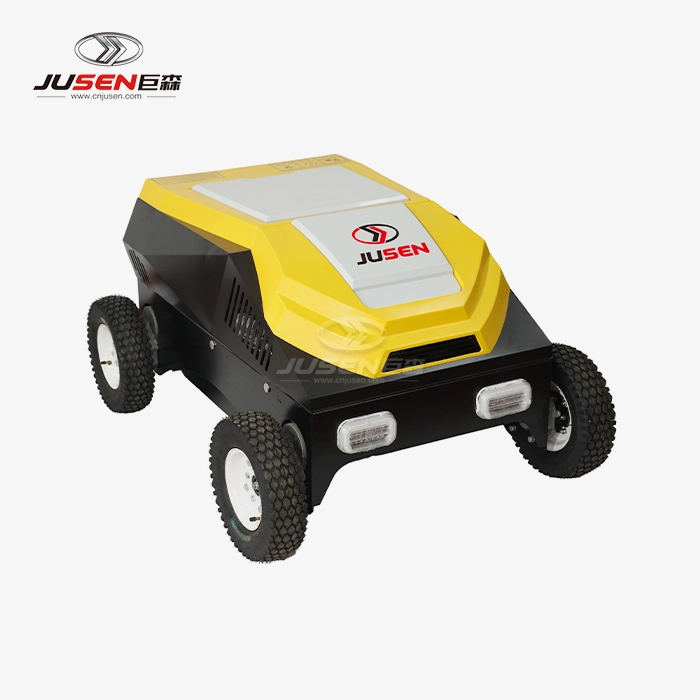 VIEW MORERemote Control 4x4 Lawn Mower
 VIEW MOREUnderground courtyard safe room
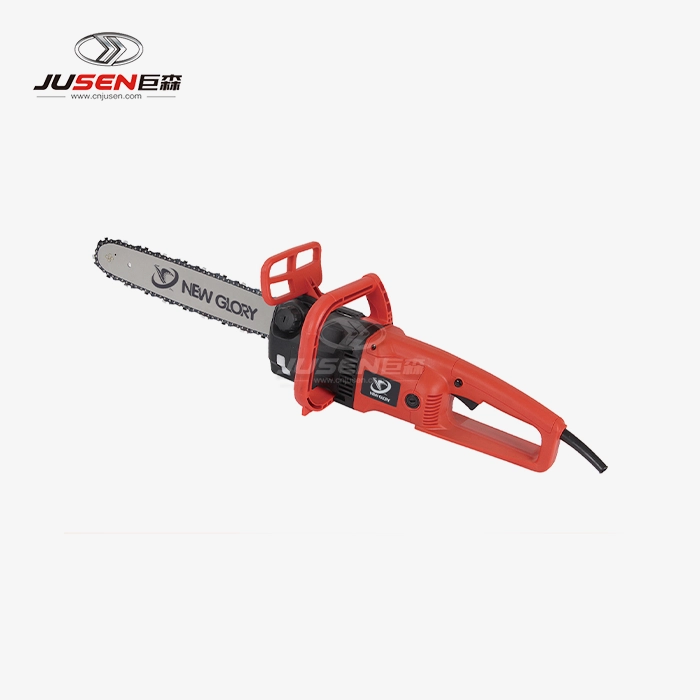 VIEW MOREBattery And Electric Chainsaw
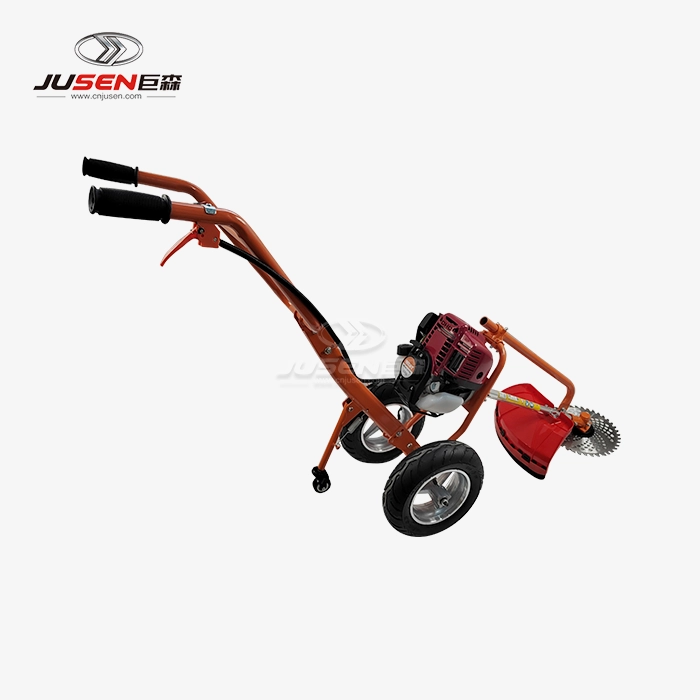 VIEW MORE2-Stroke Hand Push Brush Cutter
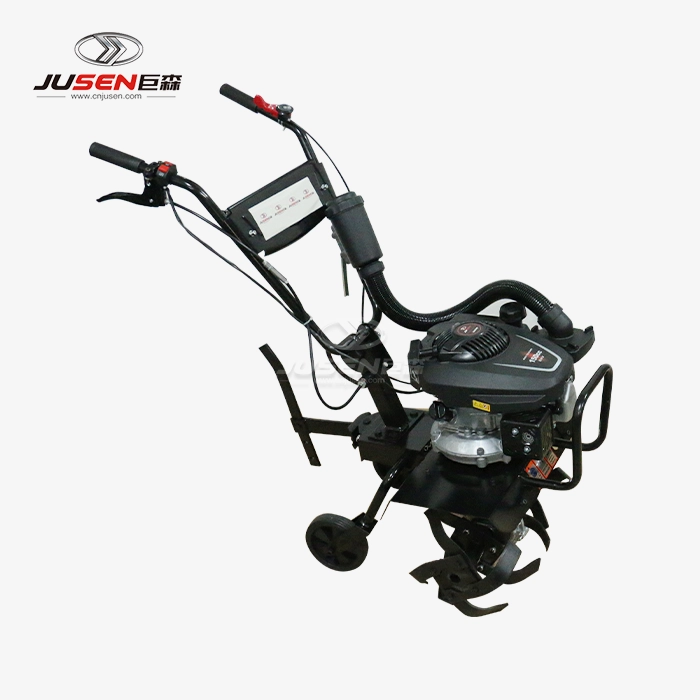 VIEW MORE4-Stroke mini rotary tiller cultivator
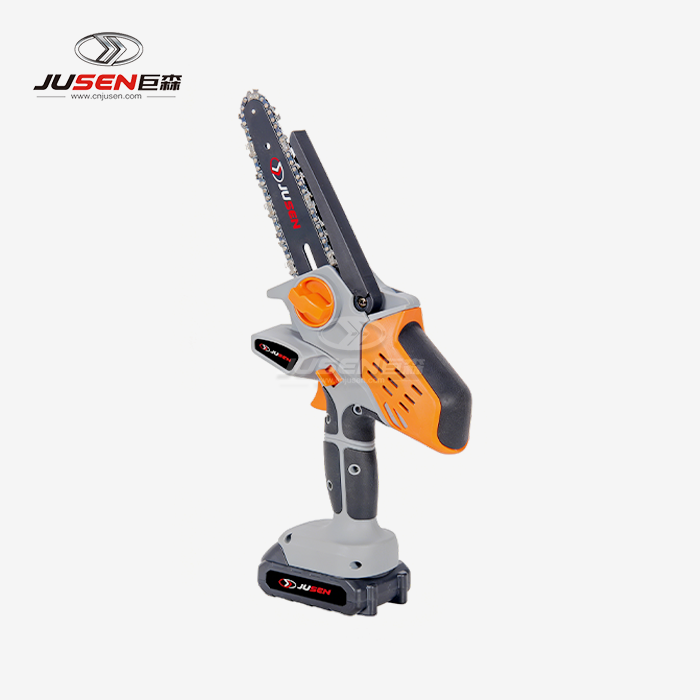 VIEW MORECordless Mini Chainsaw Machine
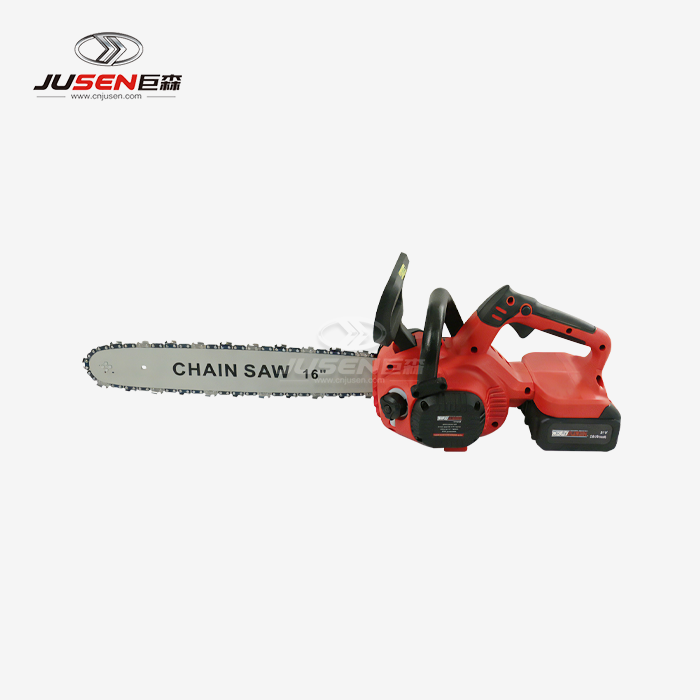 VIEW MOREMini Chain Saw Battery Powered
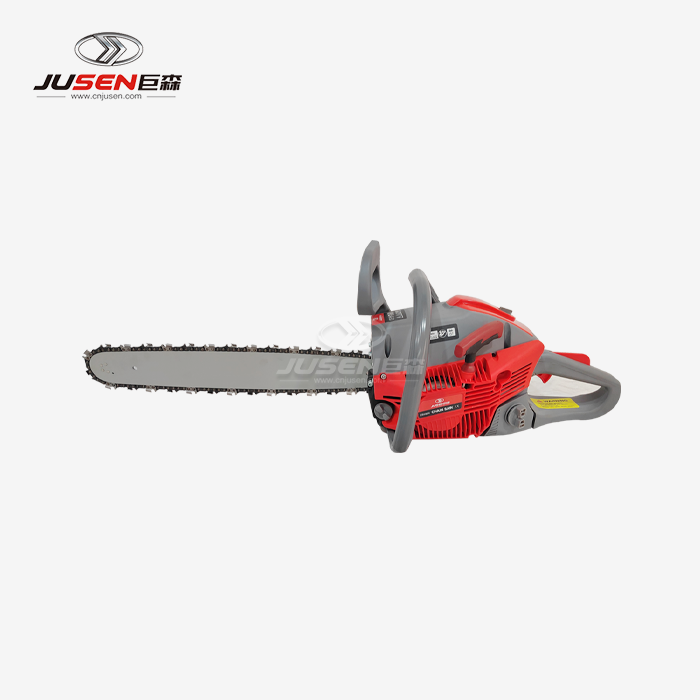 VIEW MORE58cc Gasoline Chainsaw