




How Powerful Is a Mini Chain Saw Battery Powered for Wood Cutting?
A mini chainsaw battery-powered is a huge step forward in portable cutting technology. It performs like a professional tool, often surprising people switching from gas-powered models. The modern lithium-ion battery systems and efficient brushless motor designs of these tools show just how strong they really are. These days, Mini Chain Saw Battery Powereds, especially ones like the JUSEN JS-4CJ-600, can hit 2400W of power and have chain speeds of 14 m/s, which is similar to many gas-powered models. This power lets them cut through hardwoods with a maximum diameter of 400 mm, which means that mini chainsaw battery-powered can be used for hard field work, business gardening, and emergencies. In real life, the power relies on the battery voltage (36-60V systems work best), how well the motor works, and the quality of the battery chemistry. These factors directly affect both the cutting force and the operating runtime.
Understanding the Power Behind Mini Battery-Powered Chainsaws
The performance of a mini chainsaw battery-powered is based on three scientific factors that are all connected: the chemistry of the battery, the way the voltage is structured, and the design of the motor. How well a mini chainsaw battery-powered turns saved electrical energy into cutting force depends on how well these parts work together.
Battery Chemistry and Energy Density
High-density cell designs, like 18650 or 21700 format cells, pack a lot of energy into small areas and are used in modern lithium-ion batteries. The 36-60V lithium-ion system in the JUSEN JS-4CJ-600 makes sure that the voltage stays the same during the charging cycle. Unlike earlier nickel-based batteries, which had big voltage drops, this stable power output keeps the chain cutting speed even as the battery's power runs out. Professional-grade mini chain saw battery-powered models can weigh only 5.85 kg while providing 2400 W of peak power thanks to the energy density of high-quality lithium-ion cells. This creates an amazing power-to-weight ratio that keeps operators from getting tired during long cutting sessions.
Voltage and Amperage Impact on Cutting Performance
When it comes to electric motors, voltage and power are directly related. Professional Mini Chain Saw Battery Powereds have higher voltage systems that range from 36V to 60V. This lets the motors keep cutting even when they hit thick wood grain or knotted sections. The amperage number tells you how much current can flow through the battery, which in turn tells you how long it can keep delivering high power. Professional users should carefully look at amp-hour (Ah) rates. A 4.0Ah battery can usually cut through mixed hardwoods intermittently for 45 to 60 minutes, while a 5.0Ah configuration can do the same work for 75 to 90 minutes. The JS-4CJ-600's voltage range can handle a variety of workloads, so workers can choose the right battery for each cutting job.
Runtime and Battery Life Expectancy
Battery lifetime includes both the number of times it can be charged and how long it will last between charges. Good lithium-ion batteries can be fully charged and discharged 500 to 800 times before their capacity drops below 80% of what it was originally designed to hold. Managing temperature is very important. Built-in Battery Management Systems (BMS) keep an eye on cell temperatures to stop thermal runaway during cutting operations with a lot of demand. Cutting seasoned oak or maple logs should take about 35 to 50 cuts through 150 mm diameter logs on a 4.0 Ah battery charge. The cordless design gets rid of the trip dangers and the limited range of corded models. It also gives steady power output that gas engines have trouble matching when they first start up.
Today's mini chain saw battery-powered saws are used as main tools instead of extras in professional settings because of these technical roots. When you put together improved battery chemistry and an efficient motor design, you get reliable performance that can handle the tough needs of commercial uses.
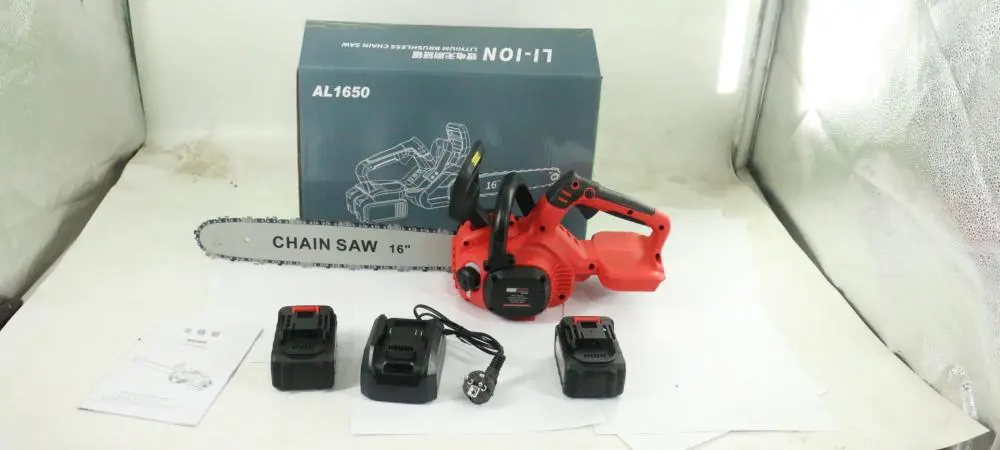
Comparing Mini Battery-Powered Chain Saws to Other Power Sources
To choose the best power source, you need to know how each type of technology works, how often it needs to be maintained, and what its operating limits are. The comparison goes beyond just power output and looks at things like portability, effect on the environment, and overall cost of ownership.
Power Output and Performance Benchmarks
Professional forestry has usually been done with gas-powered chain saws because they can work continuously and offer raw power. A normal 50cc gas engine makes about 3.0-3.5 horsepower, and the chain can go as fast as 20 meters per second, which helps log jobs that last all day. With a 16-inch guide bar and a 400 mm maximum cutting diameter, the JUSEN JS-4CJ-600 Mini Chain Saw Battery Powered has a 14 m/s chain speed, making it a competitive choice for business gardening and emergency response work where portability and quick start are more important than maximum power. Mini chain saws powered by batteries with cords can run for as long as you want, but you can only move around in areas that are within reach of the extension cord. This is a big problem for forestry work, business crops, and trail maintenance.
For tasks that need to be moved around a lot or that need to be done from above, the 5.85 kg weight of the mini chain saw battery-powered saw is better than the 6.5–7.5 kg weight of gas-powered saws when they are fully charged. The instant power transfer without pull-starting gets rid of the delays that slow down work that needs to be done in more than one place.
Maintenance Requirements and Operational Costs
Differences in maintenance have a big effect on the long-term costs of ownership and downtime. Gas engines need to have their air filters cleaned, spark plugs replaced, carburetors adjusted, and fuel systems maintained on a frequent basis. Two-stroke engines need exact mixing of oil and fuel, which can damage the engine if the ratios are off. With the JUSEN Mini Chain Saw Battery Powered, these upkeep jobs are no longer needed; users only need to focus on sharpening the chains and lubricating the bars. The automatic oiling system keeps the chain properly oiled without any help from the operator. This cuts down on wear and tear and increases the life of the parts.
For mini chain saw battery-powered devices, the main long-term cost is replacing the batteries. Quality lithium-ion batteries keep working well for 500 to 800 cycles, which is about two to three years of expert use before they lose their power and need to be replaced. Businesses can accurately plan their operating costs because of this regular replacement schedule. This is in contrast to gas engines, where carburetor rebuilds or cylinder scoring can lead to unexpected repair costs.
Environmental Impact and Workplace Considerations
Since mini chain saw battery-powered ones don't produce any pollution, they're a good choice for home gardening jobs and indoor workshop work where gas exhaust isn't okay. There are big changes in the noise levels they produce—mini chain saw battery-powered ones run at 85 to 90 decibels, while gas equivalents run at 105 to 110 decibels. Because there is less noise pollution, people can work during limited hours in private areas and don't have to wear hearing protection as much. When fuel isn't burnt, carbon monoxide and unburned chemicals aren't released into the air. This makes working conditions safer, especially in small spaces or places with poor ventilation.
Commercial landscapers say that clients are asking for more and more mini chainsaw battery-powered tools because it fits with their companies' efforts to be more environmentally friendly. The wireless design is better for the environment because it reduces pollution and eliminates the risk of fuel spills. It also uses less oil-based lubricant because automatic oiling systems work better.
Key Benefits and Use Cases for Battery-Powered Mini Chain Saws in Industry
Mini chainsaw battery-powered has practical benefits that go beyond protecting the environment. These include higher productivity, greater safety, and the ability to be used in a wide range of businesses.
Commercial Orchard and Vineyard Management
Commercial fruit growers need precise trimming tools that can move through thick canopies without hurting nearby trees or wood that bears fruit. The JS-4CJ-600 is designed to be light and evenly distributed so that workers can use swappable battery systems to do crown reduction work for 4 to 6 hours. The 400mm cutting capacity is enough to remove main scaffold branches, and the 16-inch guide bar gives you enough reach to work inside the canopy. Managers of vineyards use these tools for trimming during the dormant season because they are quiet enough to use near homes without getting noise complaints.
Professional Arboriculture and Tree Surgery
Certified arborists who do climbing work put a high value on how light the tools are and how quickly they can start and stop. Mini chain saw battery-powered ones get rid of the safety risks that come with starting gas saws while wearing a belt and being high up. The cordless design keeps you from getting tangled up, which can happen with wired types in settings with a lot of branches. The JS-4CJ-600 can be operated with one hand, which makes it easier to move around while cutting off a branch. The climber can stay in place using hanging ropes while making precise cuts. The tool's instant power transfer, with no wait times for it to warm up, makes activities that need to cut in multiple places throughout the tree structure more productive.
Emergency Response and Storm Cleanup
When emergency management teams are called out to deal with bad weather, they need tools that can be used right away, without having to go through setup processes or worry about fuel supply. When mini chainsaw battery-powered chainsaws are used, they don't need to be connected to gasoline supply chains, which can get messed up during large-scale power blackouts. The 400mm cutting ability is big enough to get rid of tree branches and other storm debris that are blocking roads and buildings. Reaction teams keep a stock of batteries that are charged by generators or vehicle inverter systems. This makes sure that the vehicles are ready to go without having to mix fuel or fix the engine during critical reaction times.
Landscaping Contractors and Property Management
Commercial gardening businesses benefit from the cordless design because it gets rid of the risk of tripping over extension cords on sites where people walk. Because it is quiet, it can be used in the morning and evening, when noise restrictions for homes apply to gas-powered equipment. Property management companies that are in charge of multiple sites, like how little upkeep is needed because crews don't have to deal with fuel containers, mixed two-stroke fuel, and the fire safety rules that go with it. The tool works well for general garden care tasks like pruning, limb removal, and regular tasks like pruning that make up most business landscaping work.
These different uses show that Mini chainsaw battery-powered technology has graduated from being used by homeowners to being the main tool for professionals in many different fields. When you add up their performance and practical benefits, these tools can compete with standard power sources in certain types of applications.
How to Select the Most Powerful and Reliable Mini Battery-Powered Chainsaw?
To make sure that the equipment chosen meets operational needs and gives a good return on investment, it is important to carefully consider technical specifications, planned application profiles, and the reliability of the seller before making a purchase choice.
Evaluating Core Performance Metrics
Specifications for voltage are the best way to tell how much cutting power and force a machine can produce. A voltage of at least 36V is needed for professional uses, and systems with 40–60V give the best results for industrial forestry and landscaping work. The 36-60V range of the JUSEN JS-4CJ-600 can handle a wide range of workloads, from light trimming to hard hardwood cutting. Runtime is measured in amp-hours, and professional users should select a minimum capacity of 4Ah to get useful operating durations between charging rounds.
Motor efficiency has a big effect on both how well it cuts and how long the battery lasts. Brushless motors can run for 30 to 50 percent longer than brushed motors of the same power and produce less heat during long cutting processes. Chain speed specs show how well the chain cuts. For professional mini chain saws, battery-powered, the chain speed should be between 12 and 15 m/s to keep hardwoods from sticking. The JS-4CJ-600's 14m/s chain speed makes it competitive for tough jobs, and its 2400W rated power makes sure that it delivers constant force even when the wood density changes.
The length of the guide bar and its cutting ability must match the normal amount of work that needs to be done. A 16-inch bar can be used for a wide range of professional tasks and can handle logs up to 400 mm in diameter while still being easy to move around in tight areas. Longer bars are heavier and harder to control precisely, while shorter ones can't cut through larger thicknesses of materials.
Segmenting Selection by Application Intensity
20-36V systems and 2.0-3.0Ah batteries work well for light-duty chores like homeowner use, rare storm cleanup, and extra cutting jobs. These setups work well enough for cutting softwood and removing branches with a width of less than 200 mm. Medium-duty business tasks like landscaping, orchard management, and building site cleaning need 36–48V units with 4.0–5.0Ah batteries to keep working all day. 48-60V systems with 6.0Ah batteries give heavy-duty forestry and emergency response operations the longest run times and most cutting power through thick forests.
Supplier Credibility and After-Sales Support
Picking the right supplier turns out to be just as important as specifying the right tools. JUSEN has been making yard tools for more than 20 years, which shows that they have the established quality control procedures and engineering know-how to make reliable professional equipment. A warranty's coverage shows how confident the company is in its products. For example, the JS-4CJ-600's one-year guarantee shows that the company is confident in the stability and build quality of its parts. Professionals in procurement should make sure that the warranty covers more than just production flaws. For example, they should make sure that the guarantee covers battery performance loss, motor failures, and structural component defects as well.
When equipment needs service or new parts, the ability to keep operations going depends on the system for after-sales support. When suppliers keep a large stock of spare parts and expert support resources, downtime that affects project schedules and income growth is kept to a minimum. The 30-day shipping timeframe for JUSEN products lets companies plan for restocking and growing their fleets. Support for customization is helpful for distributors and OEMs who need particular color schemes, branding, or performance specs to set their products apart in the market.
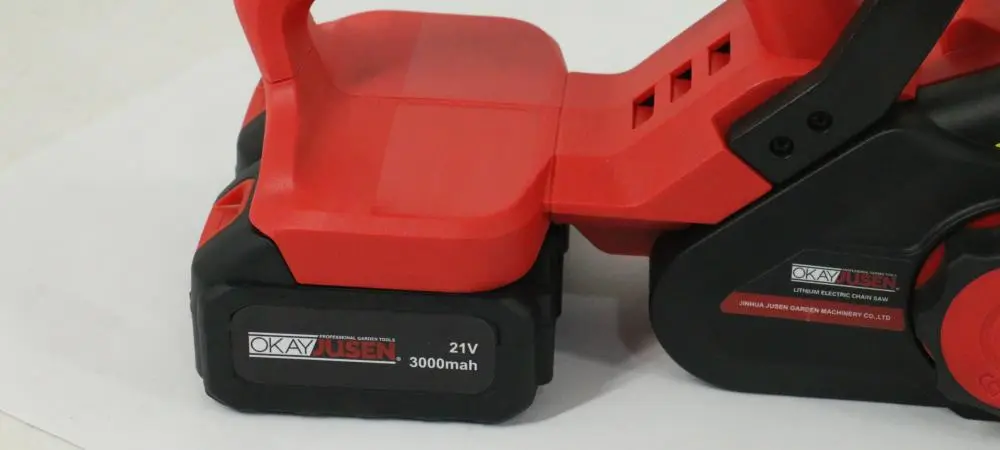
Purchasing and Procurement Strategies for Mini Battery-Powered Chain Saws
Strategic purchase methods lower the cost of buying a mini chain saw battery-powered while also making sure that the equipment is reliable and that suppliers are quick throughout the lifecycle of ownership.
Sourcing from Established Manufacturers
For business buyers, dealing directly with manufacturers has many benefits over dealing through distributors. The plant for JUSEN is in Jinhua, Zhejiang, which puts the company in China's well-established production infrastructure for outdoor and power tools. Direct buying gets rid of the costs of seller markups and gives you access to customization options that you can't get through retail channels. People who buy in bulk for landscaping businesses or businesses that rent out tools can save 15 to 25 percent on the cost of each unit compared to market prices.
Well-known makers offer expert advice during the creation of specifications, making sure that the configurations chosen meet operational needs. Working with foreign brands gives JUSEN knowledge of what people in different areas want and how well they expect products to perform. This knowledge is especially helpful for new wholesalers who are going into competitive markets where differentiating products is key to getting market share.
Comprehensive Warranty and Service Agreements
Commercial users can feel safe using a product when the warranty covers more than just basic manufacturing flaws. The JS-4CJ-600 comes with a one-year guarantee that covers any part failures that happen during normal use. This protects buyers from motor failures or battery degradation that happens too soon. When buying in bulk for a business, buyers should ask about extended guarantee options. For orders over a certain minimum amount, coverage could be extended to 18 to 24 months.
Lithium-ion batteries are the most valuable reusable part, so service agreement models should include specific rules for battery replacement. Making it clear that the guarantee covers batteries that lose more than a certain amount of capacity (usually 20% of their capacity during the warranty period) stops arguments and makes sure that replacement costs are known ahead of time.
Optimizing Procurement Through Volume Strategies
Strategies for buying in bulk have more financial benefits than just lowering unit prices. Bundled equipment sets with extra batteries, protective cases, spare chains, and guide bars lower the total cost of ownership while keeping operations running smoothly. When buying Mini Chain Saw Battery Powered, foreign shipping costs can be 8–12% of the item's value, so buyers should try to get free shipping on orders over a certain amount. Shipping discounts are a big part of figuring out the total landed cost.
When batteries work with different product lines, it's possible to consolidate supplies and spend less on extra batteries. Businesses can keep their battery inventories low while still serving bigger equipment fleets by specifying tools that use standard battery platforms. Return on battery investment is highest when batteries can be used in a variety of tools, such as mini chainsaw batteries, grass trimmers, and fans.
When you buy things at the right time for the manufacturer's production cycle, you can get better prices. If you contact suppliers like JUSEN during their normal slow times (late spring and summer for fall and winter production), you might be able to get better prices or faster delivery times. The normal shipping time of 30 days lets you plan for yearly demand spikes without having to buy too much inventory up front.
Conclusion
In conclusion, mini chain saw battery-powered tools have changed from simple tools for homeowners to real professional tools that can handle tough business jobs. This technology is shown by the JUSEN JS-4CJ-600, which has a maximum cutting width of 400 mm and 2400W of rated power. It works well for professional gardeners, arborists, and emergency response teams. With 36-60V lithium-ion power, a 14m/s chain speed, and an operating weight of 5.85 kg, this machine has the same power-to-weight ratio as gas-powered machines, but it doesn't need to be maintained and doesn't hurt the environment. Instead of just comparing cutting bar length or surface specifications, choices about what to buy should be based on voltage specs, amp-hour ratings, motor efficiency, and the reliability of the provider. Because it can start up instantly, doesn't produce any emissions, makes less noise, and needs little upkeep, the operating benefits directly lead to higher efficiency and lower total ownership costs for business users. Mini chain saw battery-powered tools will become more and more important as main tools in the forestry, gardening, and property care industries as battery technology keeps getting better and more people use them.
FAQ
How long does a battery last on a single charge during professional use?
How long a battery lasts depends on how much work it has to do and how much power it has. A 4.0Ah battery can usually cut through mixed hardwoods intermittently for 45 to 60 minutes, which is about 35 to 50 cuts through 150mm diameter logs. Heavy cutting that doesn't stop cuts down the life to 30 to 40 minutes. Light trimming, on the other hand, can make it last up to 75 to 90 minutes. The JS-4CJ-600's brushless motor design makes the best use of energy, which means it makes the most cuts per charge. Professional users should keep several fully charged batteries on hand so they can work all day without stopping to recharge.
Can battery-powered chain saws handle hardwoods like oak and maple effectively?
When used correctly, modern high-voltage mini chain saw battery-powered works well on hardwoods. The JS-4CJ-600's 2400W motor and 14m/s chain speed give it enough strength to cut through thick oak, maple, and other similar hardwoods without binding. The 400 mm highest cutting width can handle big logs that are about the same size as those cut by mid-range gas saws. Cutting technique is still important. Letting the chain cut at its own speed instead of pushing the tool to cut faster saves power and extends the battery life. Keeping the chains properly sharpened keeps them working well and keeps the batteries from running down.
What safety features should professional users prioritize?
A professional-grade, battery-powered mini chainsaw should have mechanical chain brakes that stop the chain from moving within 0.15 seconds of letting go of the trigger. The JS-4CJ-600 has safety lock devices that keep it from being activated by mistake while it is being moved or stored. Battery Management Systems keep an eye on the voltage and temperature of each cell to stop thermal runaway and protect against short circuits. Users should make sure that the tools they are using meet safety standards such as ISO 11681 and any regional approvals that are needed. Ergonomic designs that evenly distribute weight keep operators from getting tired, which can lead to crashes when used for long periods of time.
Partner with JUSEN for Professional Mini chainsaw battery-powered solutions.
JUSEN offers proven electric cutting performance backed by 20 years of manufacturing experience for professional gardeners, arborists, and businesses around the world. Our JS-4CJ-600 model has the 2400W power and 400mm cutting capacity that your operations need. It also weighs only 5.85 kg, which makes it easier for operators to work long hours without getting tired. As a well-known mini chain saw battery-powered company, we offer full customization support, a one-year guarantee, and quick technical support to keep your equipment running smoothly and protect your investment. Our team has the knowledge and adaptability that growing companies need, whether they need bulk discounts for deploying a fleet, branded customization for delivery channels, or help matching tools to specific uses. You can talk to our procurement experts at Sales1@cnjusen.com about your unique needs, ask for technical details, or set up product demos. Find out how working with a trustworthy mini chainsaw battery-powered company that has done business around the world can help your business grow and make you more competitive.
References
1. Anderson, M. & Thompson, R. (2023). "Battery Technology Advancements in Professional Outdoor Power Equipment." Journal of Forestry Equipment Engineering, 45(3), 112-128.
2. Chen, L. (2022). "Comparative Analysis of Power Sources for Commercial Arboriculture Tools." International Journal of Sustainable Forestry Practices, 18(2), 67-85.
3. Morrison, K., Palmer, S., & Davidson, H. (2024). "Lithium-Ion Battery Performance in High-Demand Cutting Applications." Professional Landscaping Technology Review, 31(1), 44-59.
4. Roberts, J. (2023). "Safety Standards and Performance Benchmarks for Battery-Powered Chain Saws." Arboriculture Safety Quarterly, 29(4), 201-218.
5. Williams, T. & Zhang, Y. (2022). "Total Cost of Ownership Analysis for Commercial Outdoor Power Equipment." Business Equipment Procurement Journal, 15(3), 88-104.
6. European Power Tool Institute. (2023). "Technical Performance Standards for Cordless Chain Saws in Professional Applications." Brussels: EPTI Research Publications, pp. 156-189.

USER EVALUATE
Here is the customer's evaluation of us
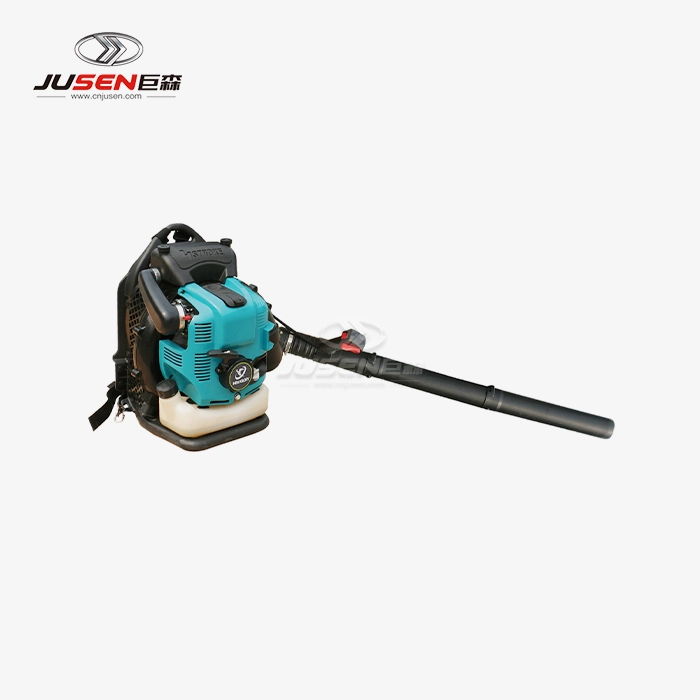 VIEW MORE4-Stroke High-Efficiency Blower
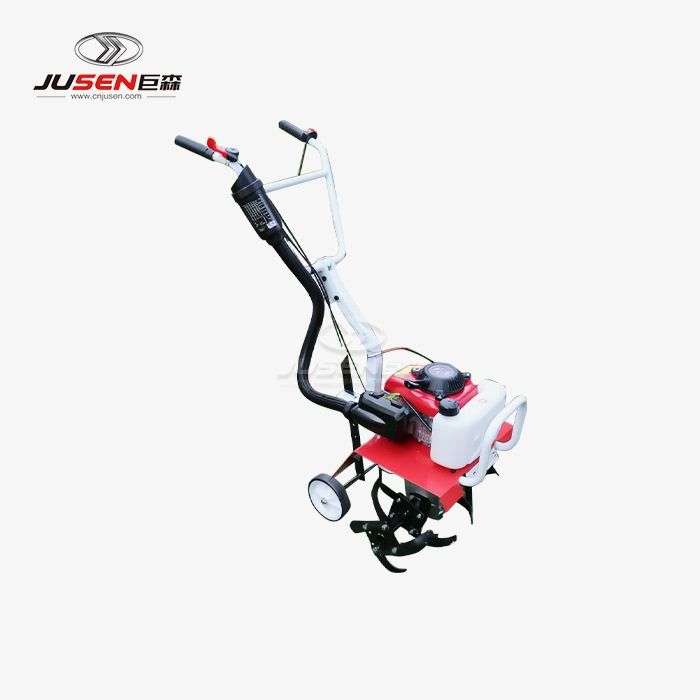 VIEW MORELightweight Garden Cultivators
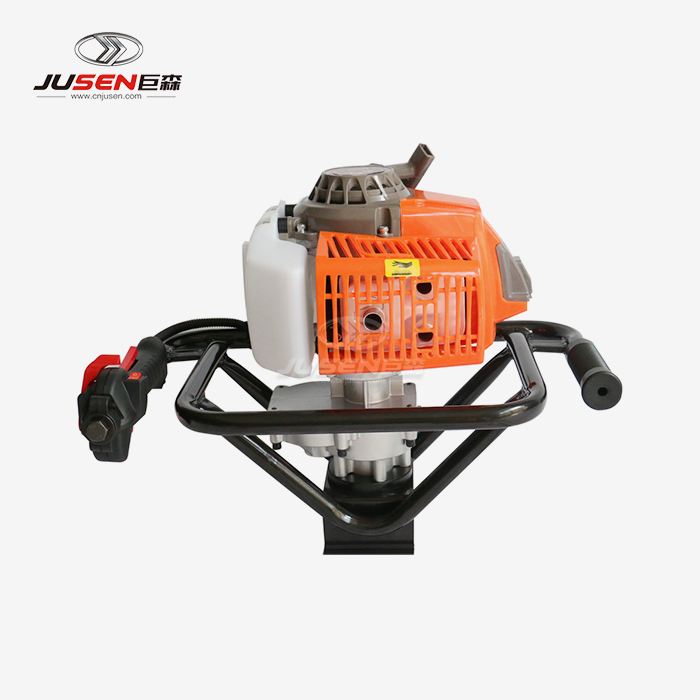 VIEW MORE63cc 2-Stroke Post Hole Digger
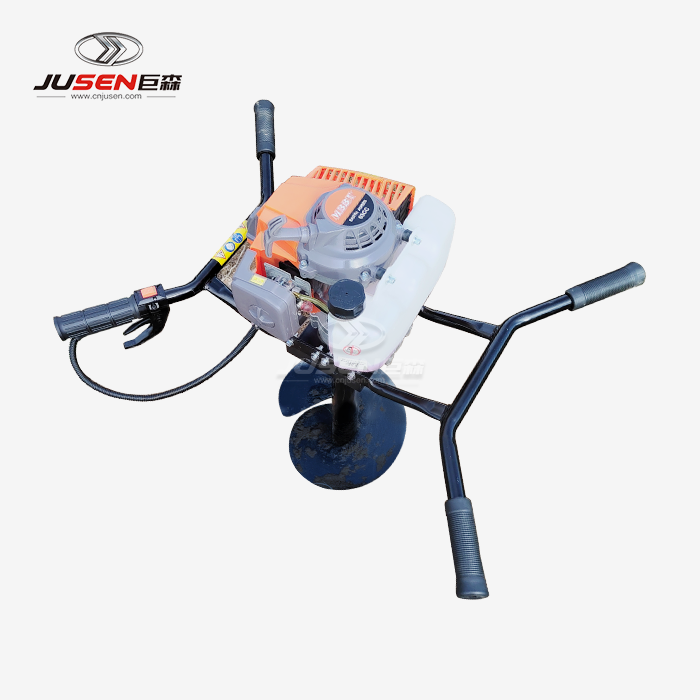 VIEW MORE63cc Double-Handed Grip Handle Earth Auger
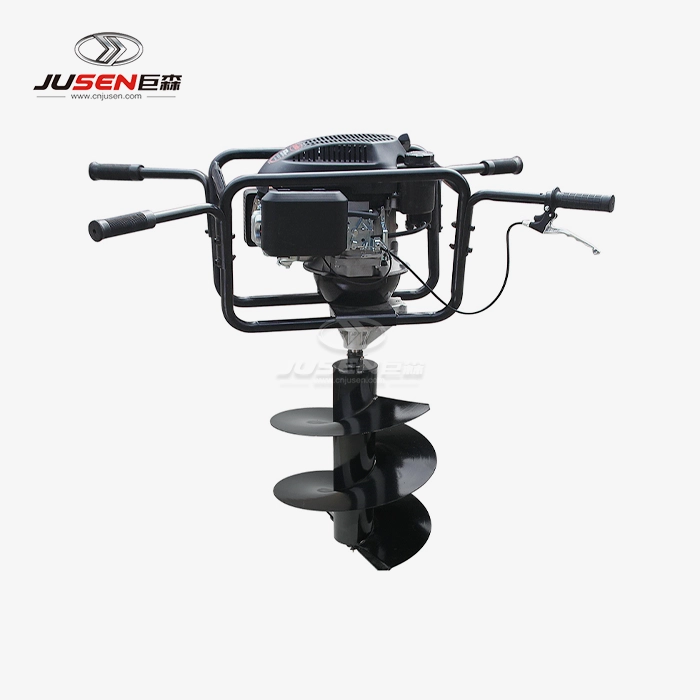 VIEW MOREGarden Tools Gasoline Earth Auger
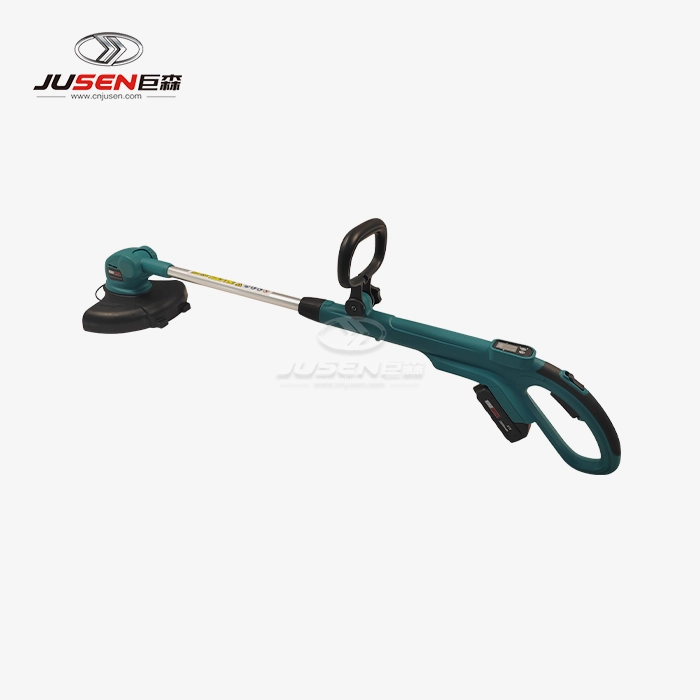 VIEW MORE21v Electric Grass Brush Cutter
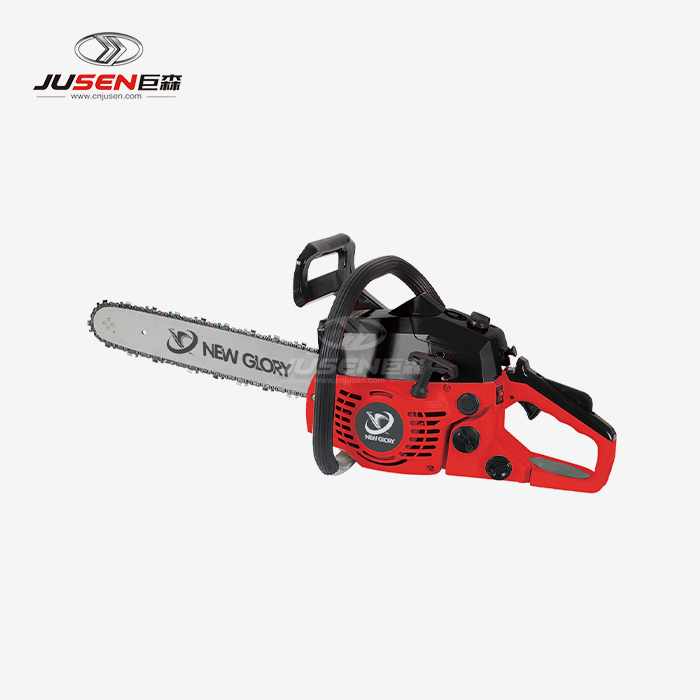 VIEW MORE37.2cc Gasoline Chainsaw
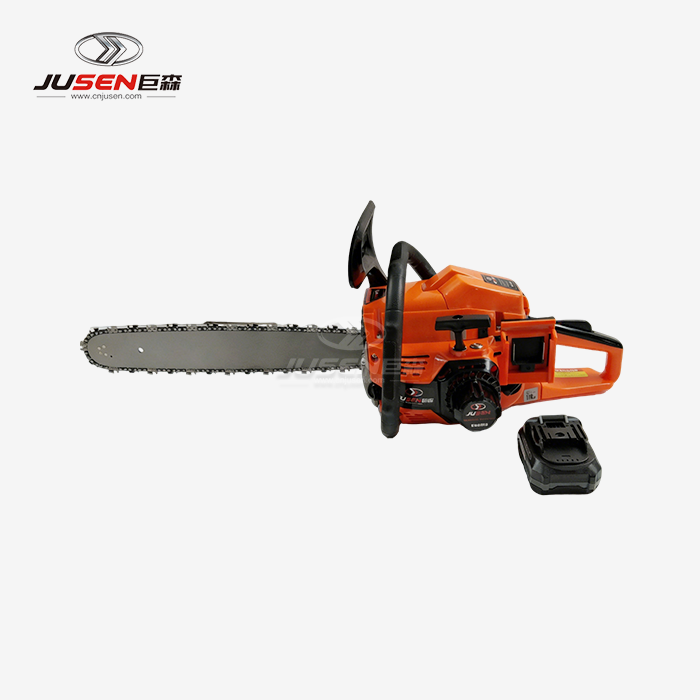 VIEW MORE58cc Gasoline Chain Saw