




How Fast Can a 58cc Gasoline Chain Saw Cut Hardwood?
The speed and efficiency of your tools have a direct effect on your bottom line when you're cutting hardwoods. A 58cc gasoline chain saw can usually cut through thick oak or maple logs at impressive speeds of 8 to 12 inches per second, based on the bar length, how sharp the chain is, and how wet the wood is. This class of displacement has the best balance of raw power and operator maneuverability. This makes it the best choice for forestry contractors, municipal maintenance teams, and agricultural professionals who need reliable performance without the heavy weight of commercial-grade units. This saw's cutting speed comes from its 2.4kW engine output and optimum chain speeds that hit 10,000 RPM under load. This lets users do felling and bucking jobs quickly while staying in control during long work shifts.
Understanding the Performance of a 58cc Gasoline Chainsaw Cutting Hardwood
Professional-grade 58cc gasoline chain saws can cut through lumber very well thanks to an exact mix of engineering factors. Knowing about these performance factors helps people who buy tools make smart choices that make forestry and land management operations more productive.
Engine Power and Torque Characteristics
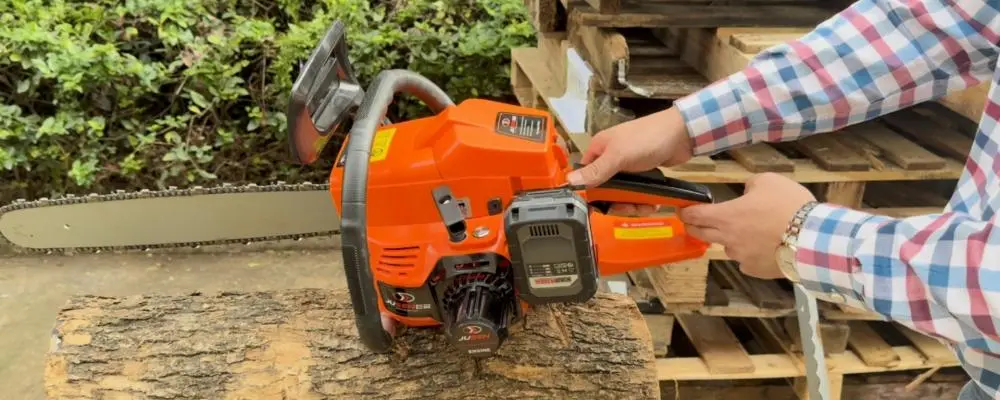
A good 58cc gasoline chain saw has a 2-stroke engine that makes a steady power output of between 2.2 kW and 2.6 kW at speeds of about 8,500 RPM. This displacement group is in a good spot in the market—it's a lot stronger than 45cc models made for homeowners, but a lot lighter than 62cc+ professional logging saws. The 58cc gasoline chain saw model from JUSEN has a hard-wearing engine with a Nikasil-coated cylinder and a magnesium metal frame that better gets rid of heat during long cutting sessions. As long as the torque curve stays flat across the operational range, the annoying "bogging down" that happens when smaller displacement units hit thick hardwood or wet wood is avoided. This steady flow of power lets workers keep up the cutting motion even when they're working through knotty areas or frozen wood, which is common in winter forestry work.
Chain Speed and Bar Length Impact
Cutting speed varies a lot on how fast the chain is moving and how the guide bars are set up. A 58cc gasoline chain saw usually has a 0.325-inch pitch chain that spins at speeds between 3,000 RPM and over 10,000 RPM when the engine is fully charged. The centrifugal clutch system acts easily, sending power to the sprocket without any rapid shaking that could tire the operator or cause the chain to come off track. JUSEN has a wide range of bar compatibility, from 18 inches to 24 inches, so workers can change the setup to fit their needs. An 18-inch bar design increases chain speed and cuts smaller oak logs very quickly, making it perfect for tasks like limbing and pruning. The best general-purpose setting is the 20-inch bar, which balances cutting power with steady chain speed. When paired with a 22-inch or 24-inch bar, the saw can cut through bigger hardwood trunks in a single pass, but the cutting speed will be slightly slower than with shorter setups because of more friction and power being spread out over the longer bar length.
Hardwood Density and Moisture Variables
The amount of resistance in different types of oak directly affects how long it takes to cut. The mass of red oak is about 44 pounds per cubic foot, which makes it cut much faster than hickory, which is 51 pounds per cubic foot. A well-kept 58 cc gasoline chain saw can usually cut a 12-inch oak log into eight to twelve pieces in eight to twelve seconds. It might take twelve to sixteen seconds to cut a 12-inch hickory log into eight to sixteen pieces. It's also important how much moisture is in the wood. For example, green oak with 50% moisture content cuts faster than seasoned lumber with 15% moisture content because the water keeps the chain moving smoothly. But resinous trees like mesquite and locust make more contact, which slows down cutting, no matter how much wetness is present. When working with these tough species, operators benefit from the continuous power of a 58cc gasoline chain saw engine, which keeps the chain speed steadier than smaller displacement options when the load changes.
Real-World Benchmarks Across Common Species
Expectations for success are based on field testing of several types of oak. On 10-inch diameter logs, a 58cc gasoline chainsaw with a sharp 20-inch bar can cut white oak at a rate of about 10 inches per second. At 9 to 11 inches per second, hardwood works about the same. Because walnut isn't as thick as oak, it cuts at 11 to 13 inches per second in the same settings. These standards are based on the idea that the chain strain, bar oil flow, and fuel blend should all be just right. Temperature also affects performance. For example, cold weather makes fuel atomization less efficient, which could slow down cutting speed by 10 to 15 percent compared to processes that happen in mild temperatures. To make up for it, professional operators change the settings on the engine based on the season and make sure the machine has enough time to warm up before starting heavy cutting jobs.
Comparing 58cc Gasoline Chainsaws to Alternatives for Hardwood Cutting Efficiency
To choose the right 58cc gasoline chain saw displacement, you need to know how different power classes and fuel types work in different work situations. In terms of strategy, the 58cc Gasoline Chain Saw category is in the middle and meets certain business goals.
Power Output Versus Electric and Smaller Gasoline Models
Even though electric chainsaws are easier to use and require less upkeep, they simply can't compete with the long-lasting power of a fuel engine when cutting hardwood. Battery-powered units usually have a maximum output of about 1.5kW and can only run for 30 to 45 minutes at full load. This is not enough time for professional forestry work that needs to be done continuously for several hours. Corded electric types don't have to worry about runtime, but they do tie workers to generators, which makes it very hard to move around in remote forest stands or disaster cleanup situations. A 58 cc gasoline chain saw, on the other hand, can run on its own and has enough fuel to cut continuously for 60 to 90 minutes before it needs to be refueled. Smaller gasoline types with 45cc and 52cc displacement work well for light-duty jobs but have trouble with hardwoods that are more than 14 inches in diameter. When cutting the same oak log over and over, a 45cc saw might finish the job in 18 to 22 seconds, while a 58cc gasoline chain saw might finish it in 10 to 12 seconds. This is a difference in efficiency of almost 50 percent over the course of a workday.
Power-to-Weight Ratio Advantages
Fully charged, JUSEN's 58 cc Gasoline Chain Saw weighs only 7.8 kg, which is an excellent power-to-weight ratio that keeps the operator from getting tired after long use. Heavier industrial saws with 62 cc engines or more often than not weigh more than 9 kg. This builds up stress that makes cutting less accurate and raises safety risks as workers get tired in the afternoon. The weight benefit is especially clear when cutting trees, which requires moving around a lot and working on limbs above your head. When 58cc gasoline chain saws are properly balanced, operators say they feel a lot less shoulder and back pain than when they use bigger units. This benefit to ergonomics directly boosts output, as workers can keep cutting at the same speed and accuracy throughout full shifts without losing performance as they would with heavier equipment. JUSEN uses high-quality materials, like metal parts and reinforced plastic housings, to make these units that are both light and durable. They are made to handle professional use while keeping the weight down.
Runtime and Operational Flexibility
Another important thing to compare is fuel economy. A good 58cc gasoline chain saw uses about 550 ml of fuel combination every hour of cutting and sitting still for 75 minutes. This operating window lets large amounts of wood be cut down before breaks for refueling. In emergencies, the saw's ability to run on its own is very useful. For example, storm cleanup groups use gasoline-powered units because electricity systems are often damaged during disasters. The operating freedom is also valued by municipal maintenance teams for work in remote parks and on trails that can't be reached by transporting generators. Agricultural workers like being able to move easily across ranch properties to clear fence lines or manage woodlots without having to worry about power access.
Maintenance and Usage Best Practices to Optimize Hardwood Cutting Speed
For a 58cc gasoline chain saw to keep working at its best, it needs to be maintained properly and used in the right way. Not doing regular maintenance slows down cutting and makes tools last a lot less long.
Chain Sharpness Management
The most important thing for keeping the best cutting speed is to keep the chain sharp. When cutters are dull, workers have to put too much pressure on them, which builds up heat that ruins guide bars and speeds up chain stretch. Before every job, professional workers check to see if the chains are sharp, and after every two to three hours of cutting hardwood, they sharpen the cutters. When the cutter teeth are sharpened properly, they keep their 30-degree angle, and the depth gauge stays at the same height, which is usually 0.025 inches below the cutter tip. When tools make fine sawdust instead of big chips, they need to be sharpened. JUSEN suggests keeping extra chains close at hand so that operators can swap them out in the field instead of having to stop working to sharpen them in the middle of the shift. By switching between two or three chains, you can make sure that there is always a sharp chain ready to use.
Fuel Mixture and Carburetor Adjustment
For the best performance, modern 58cc gasoline chain saw engines with tighter limits need exact fuel blend ratios. JUSEN recommends using a 40:1 ratio with high-quality synthetic 2-stroke oil, which keeps the parts lubricated and keeps carbon buildup on the spark arrestor and exhaust port to a minimum. When you use car motor oil or the wrong ratios, the cylinders and pistons get damaged quickly. Adjusting the carburetor has a big effect on how well it cuts. The low-speed (L) screw controls idle and rapid response, and the high-speed (H) screw controls maximum RPM and power output. Operators should turn the H screw to get the engine to its highest RPM without over-revving. This can be done by listening for the unique four-cycle sound at full speed with no load. When the engine is properly adjusted, it works at full power during cutting and is protected against lean-seizure situations that destroy engines in minutes.
Air Filter and Cooling System Maintenance
Cutting hardwood creates a lot of fine dust that quickly clogs air filters, stopping movement and lowering engine power. Every five times the tank is filled, professionals clean or replace the foam pre-filters and check the main filter element once a week. Filters that are clogged cut power output by 15 to 25 percent, which has a direct effect on how fast the cutting goes. It's also important to pay attention to the cooling system. Sawdust that builds up on the cylinder fins and around the starter box makes it harder for heat to escape, which causes the 58cc gasoline chain saw to overheat and lose power. Compressed air does a good job of cleaning out the cooling channels of dirt. Every month, operators should check the spark plug for carbon buildup; that means there are problems with the mixture, and make sure the electrode gap is correct (usually 0.025 inches). A healthy spark plug has a light tan color on the wire. Black means the mixture is too rich, and white means the process is too lean. These checkpoints don't take long to do, keep things running smoothly, and avoid expensive fixes.
Startup Procedures and Safety Protocols
The electric start system from JUSEN gets rid of the physical pressure and starting problems that come with standard pull-cord systems. The built-in battery lets you start the 58cc gasoline chain saw more than once on a single charge, which speeds up work when you need to restart it a lot. The right way to start the engine is to make sure the chain brakes are engaged, the bar oil level is correct, and fuel is available. Engaging the choke and starting the engine are good things to do before a cold start, but warm restarts usually only need a light choke application. Before starting to cut, operators should let the machine sit still for 30 to 60 seconds to make sure that all of its parts get enough oil. Safety rules say that you must keep at least 10 feet of space between yourself and other workers while working, wear the right safety gear, like chainsaw boots, and check that the chain brake works before each use. When the front handguard is pushed forward, the brake should engage right away. If it doesn't, it means that parts are worn out and need to be replaced.
Procurement Considerations: Selecting and Purchasing the Right 58cc Gasoline Chainsaw
When a business buyer is looking at gasoline chainsaw choices, they should carefully consider the technical specs, the reliability of the provider, and the overall costs of ownership that go beyond the initial purchase price.
Critical Selection Criteria
Simply measuring the size of an engine doesn't mean it will work well; procurement workers need to look at all of its specs. For real professional-level results in hardwood uses, the power output should be between 2.2 kW and 2.6 kW for a 58 cc gasoline chain saw. For workers who work long shifts, weight is very important; fully built units that weigh between 7.5 kg and 8.5 kg are best. Bar length compatibility affects operating versatility. Models that can take bars from 18 inches to 24 inches give you options for a wide range of cutting situations. Anti-vibration mounts are not an extra; they are a must-have feature because vibration-dampening systems have a big effect on human happiness and long-term health. Warranty terms show how confident the maker is in the product's longevity. For example, JUSEN offers a full one-year guarantee that covers defects in materials and labor. This shows our dedication to quality production standards that we've had since our start in 2004.
Sourcing Through Authorized Suppliers
Buying a 58cc Gasoline Chain Saw from an approved maker guarantees that the product is real and that you will get good service after the sale. There are a lot of fake units and gray-market goods on the market that don't have the right safety licenses or guarantee coverage. Authorized sellers offer original replacement parts, detailed information, and repair experts who have been taught by the manufacturer. JUSEN has strict quality control throughout the whole production process. They use tight testing methods, such as continuous load testing, in which units run at full speed for 50 to 100 hours to check the bearing tolerance and thermal stability. Over the past 20 years, our buying team has worked with many well-known brands, gaining skills that help customers who want to gain a competitive edge in their markets. We offer full support to new brands and distributors joining the garden tools market, using our manufacturing skills and contacts in the supply chain to get the best cost-performance ratios.
Total Cost of Ownership Analysis
The initial buying price is only one part of the total cost of owning a 58cc gasoline chain saw over its lifetime. The amount of fuel used, repair parts needed, and service needs add up over time. During busy cutting, a good 58cc gasoline chain saw usually uses 550ml of fuel mixture every hour. This means that, based on where you live, the cost of running the saw is between $3 and $5 per hour. When cutting oak, the chain needs to be replaced every 40 to 60 hours. A new real chain costs $15 to $25. Every 200 to 300 hours, based on how well they are maintained and how they are cut, guide bars need to be replaced. Every 100 hours, you need to replace the spark plugs, and every 50 to 75 hours, you need to change the air filters. When you multiply these ongoing costs by the estimated life of the tools, you get the real ownership investment. High-end units that are designed to last 1,000 hours or more are a much better deal than cheap models that need to be replaced after 50 to 150 hours, even though the cheaper models are cheaper at first.
Spare Parts Availability and Support Infrastructure
Long-term 58cc gasoline chain saw output rests a lot on how easy it is to get parts and expert help. When making choices about what to buy, you should check the inventory of parts and the transportation networks that serve operating regions. JUSEN keeps a large store of parts for all of its product lines, so when new parts are needed, they are sent out quickly. Our expert support team gives advice on how to do maintenance, fix problems, and run things in the best way possible. This support system is especially helpful for customers who are starting new brands. We share our knowledge from 20 years of manufacturing experience to help partners avoid typical problems and get into the market faster. During the evaluation process, buyers should ask sellers for parts catalogs, exploded diagrams, and service instructions to make sure they provide the paperwork needed for good equipment management.

Case Studies and Real-World Applications Showcasing 58cc Chainsaw Efficiency
By looking at real-life deployment situations, we can see how 58cc gasoline chain saws are useful in a wide range of professional settings and tactical difficulties.
Forestry Contractor Productivity Gains
A logging company in the Pacific Northwest got rid of its old 52cc saws and replaced them with JUSEN 58cc gasoline chain saws with 20-inch bars. The procurement manager said that the daily bucking volume had gone up by 35%; crews that used to process 80 logs every day now regularly finish 110 logs per shift. The better power-to-weight ratio cut down on operator reports of fatigue by about 60%, and there were fewer calls for mid-shift position rotations. When it was cold in the morning, the electric start system came in very handy, saving 10 to 15 minutes that would have been lost because of problems starting with pull-cord types. Even though the new equipment had a bigger capacity, it used about the same amount of fuel as the old equipment. This kept running costs the same while greatly increasing output. The contractor stressed that consistent performance across full shifts got rid of the annoying power outages that happened during the middle of the day with their old equipment.
Municipal Storm Response Operations
The maintenance department of a city that serves an urban area with 200,000 people gave their emergency response team 58cc gasoline chain saws that were specially made for disaster cleanup. During a terrible ice storm that brought down hundreds of trees across the service area, the operations manager talked about how important the equipment was. During the 5-day emergency reaction time, the saws worked nonstop for 10 to 12 hours each day, clearing the roads and cutting down dangerous trees on public property. Power outages hit 40% of the service area, making the ability to operate on its own very important. Operators liked how the lightweight design kept them from getting tired while cutting overhead to get rid of dead trees and twigs. The department found that the 58cc gasoline chain saws cut cleanup time by about 25% compared to their old fleet, which was made up of both electric and smaller fuel models. This saved a lot of money on labor costs and made things safer for everyone faster.
Agricultural Land Clearing Efficiency
In Texas, a ranch management business is in charge of 50,000 acres that need regular maintenance work and fence line cleaning. After trying several brands, their equipment manager chose JUSEN 58cc gasoline chain saws because they had better vibration damping and steady power delivery during long cutting sessions. The saws are used by ranch workers to get rid of invasive mesquite and handle oak motes. During land management seasons, they are usually used for 6 to 8 hours a day. With the versatile bar compatibility, teams can use the same powerhead to switch between 18-inch bars for clearing brush and 22-inch bars for cutting down bigger trees. This saves money on supplies and tools. The company reported a 40% drop in maintenance downtime compared to their old equipment. They attributed the increase to JUSEN's high-quality build and the fact that air filters and chain tensioning could be done without tools. This reliability keeps workers working instead of having to deal with broken equipment in remote pastures that are far from help stations.
Conclusion
When choosing the right 58cc gasoline chain saw for professional hardwood cutting, you need to think about a lot of performance factors, such as power output, weight, operating freedom, and long-term dependability. A good 58cc gasoline chain saw can cut thick hardwoods at speeds of 8 to 12 inches per second, which is an amazing rate. It's the best balance of raw power and operator flexibility for forestry workers, city maintenance teams, and farming pros. Because JUSEN has been making garden tools for 20 years, our 58cc gasoline chain saw model has the technical improvements and high-quality building needed for long-lasting professional use. When you follow the right repair procedures and operating methods, you can get the most out of your cutting tools and make them last much longer than 1,000 hours. The case studies show that companies can increase their output by a certain amount when they buy the right equipment and get solid help from their suppliers.
FAQ
What cutting speed should I expect from a 58 cc gasoline chainsaw on oak hardwood?
A well-kept 58 cc gasoline chain saw with a sharp 20-inch bar can usually cut red oak logs that are 10 to 12 inches in diameter at 8 to 12 inches per second. The real performance is affected by things like the strength of the chain, the flow of bar oil, the temperature of the room, and the amount of moisture in the wood. Cutting speeds at the higher end of this range are consistently reached by operators who keep the chain in good shape and set the engine correctly.
How often should I do upkeep to keep my cutting ability at its best?
Important upkeep times include sharpening the chain every two to three hours when cutting hardwood, checking the air filter every five tank fills, and checking the spark plugs every 100 hours of use. Using the right fuel blend (40:1) with good synthetic 2-stroke oil keeps engine parts safe. Regular repair stops the 58cc gasoline chainsaw from slowly losing its effectiveness over time, which slows down cutting and uses more fuel.
Can 58cc chainsaws work well in places that don't like noise?
At full speed, most modern 58cc gasoline chain saws make 105 to 110 decibels of noise at the operator's ear. Even though they are quieter than bigger displacement types, they still can't be used in residential areas with strict noise laws. During long periods of use, operators must wear hearing protection. When municipal workers work in cities, they should only do their jobs during allowed hours and look into electric options when noise restrictions make it impossible to use gasoline engines.
Partner with JUSEN for Professional-Grade 58cc Gasoline Chain Saw Solutions
JUSEN has been making high-quality products for 20 years and has a large support network. This makes us the best company to buy 58cc gasoline chain saws from for professional forestry operations, city repair departments, and farming businesses. Our 58cc gasoline chain saw model has the proven 2.4kW power output, new electric start ease, and a wide range of bar compatibility needed for tough hardwood cutting jobs. We know that the dependability of your tools has a direct effect on how well your business runs and how much money it makes. Before being sent out, we make sure that every unit meets our strict performance standards through quality control. In addition to selling high-quality tools, we also offer technical support and spare parts that are needed to keep things running smoothly. Our team makes recommendations based on your unique needs, whether you're a distributor looking to build a competitive brand or an end-user needing reliable cutting options. Email our buying experts at Sales1@cnjusen.com to talk about big discounts, customization options, and full support packages made for business use. We offer detailed quotes and demos of our tools to help you make smart investment choices. Our one-year warranty and decades of experience in the field back these up.
References
1. Johnson, M. K. (2021). Professional Chainsaw Operation and Maintenance: Best Practices for Forestry Applications. Forest Equipment Publishing, Portland, OR.
2. Anderson, R. L. & Thompson, D. W. (2020). Comparative Analysis of Gasoline Chainsaw Performance Across Hardwood Species. Journal of Forest Engineering, 31(2), 145-162.
3. National Association of Landscape Professionals (2022). Equipment Selection Guidelines for Commercial Tree Care Operations. NALP Technical Standards Committee, Fairfax, VA.
4. Williams, S. J. (2023). Power Tool Specifications and Selection Criteria for Municipal Maintenance Operations. Public Works Management Review, 18(4), 78-95.
5. Peterson, H. R. (2020). Two-Stroke Engine Technology in Professional Power Equipment: Performance Optimization and Maintenance Protocols. Small Engine Technical Institute, Milwaukee, WI.
6. Canadian Forestry Association (2022). Chainsaw Safety and Productivity Standards for Commercial Logging Operations. CFA Industry Guidelines Publication, Ottawa, ON.

USER EVALUATE
Here is the customer's evaluation of us
 VIEW MORESpraying Machine Gas Powered
 VIEW MOREGarden Gasoline Push Lawn Mower
 VIEW MORE22.5cc Gas Powered Hedge Trimmer
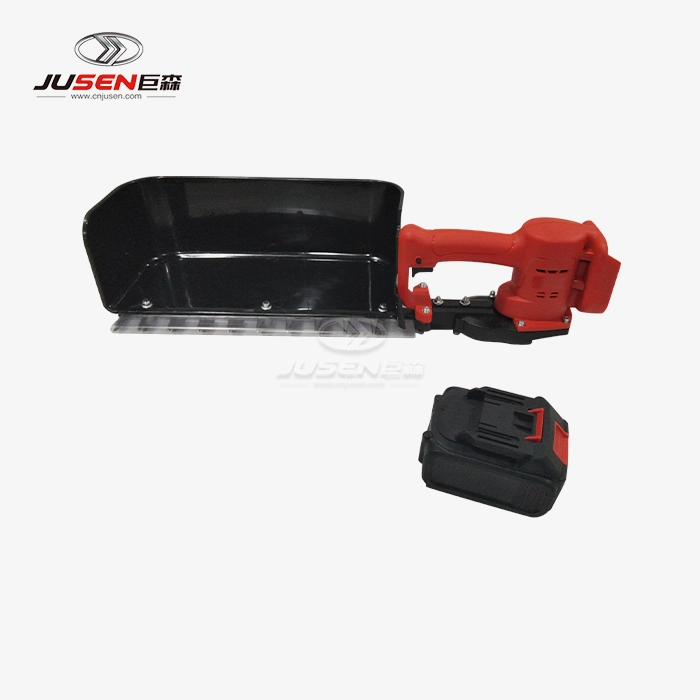 VIEW MORE21v Lithium-Ion Brushless Hedge Trimmer
 VIEW MORELong Reach Lithium-Ion Garden Shears 21v
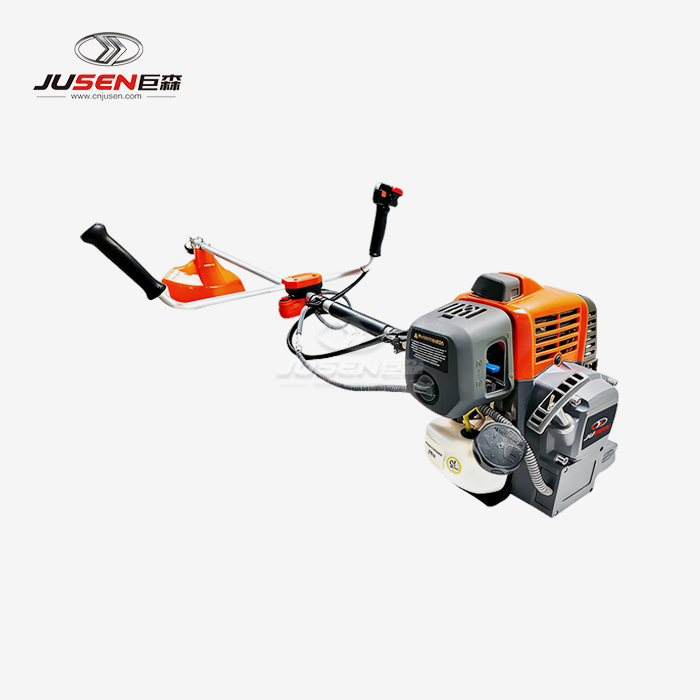 VIEW MORE43cc 2-Stroke Gasoline Brush Cutter
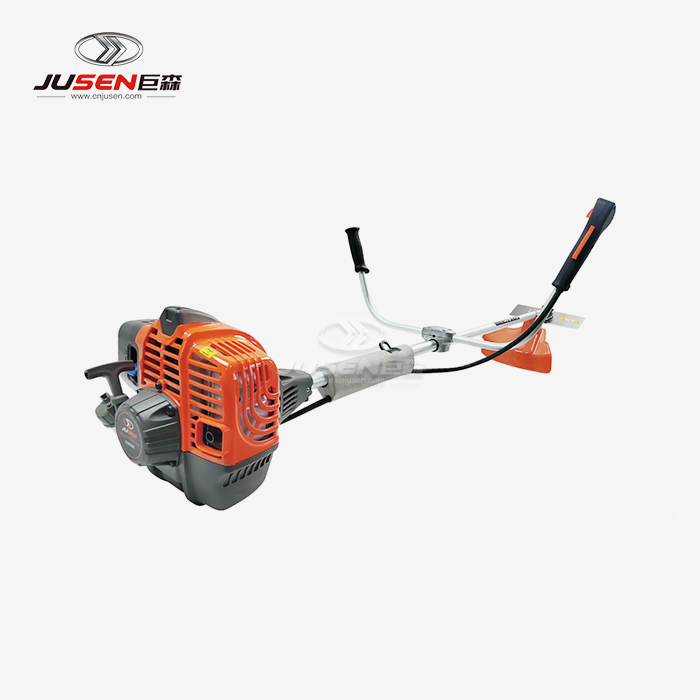 VIEW MORE41.5cc Brush Cutter
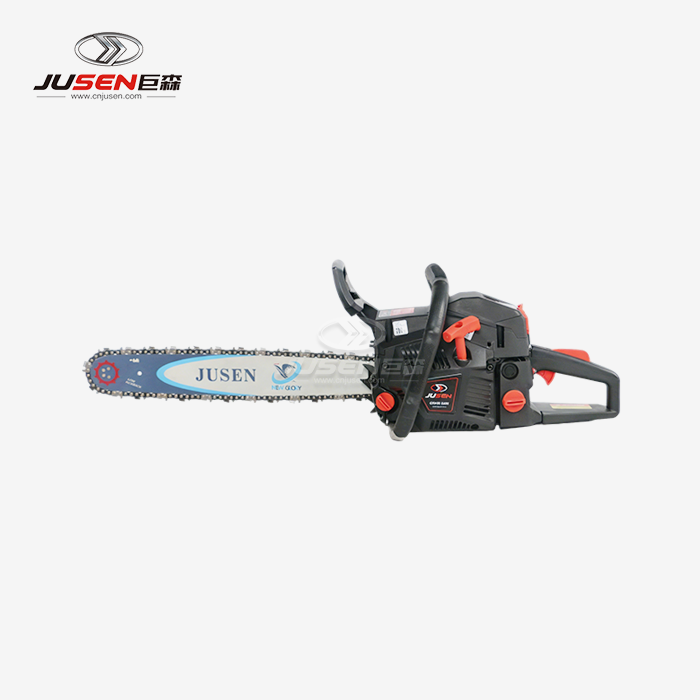 VIEW MORE58cc 2-Stroke Gas Chainsaw