




How Do Electric Pruning Shears Cordless Improve Garden Efficiency?
Electric pruning Shears Cordless make gardening much more efficient by reducing physical stress, speeding up trimming processes, and making uniform, precise cuts that help plants recover more quickly. When compared to hand shears, these battery-powered tools make operators up to 70% less tired. This means that gardening teams can prune trees three times faster while still making clean, accurate cuts that damage less tissue. Because cordless tools are mobile, they can be used without stopping work in large orchards and vines. This directly leads to lower labor costs and higher working output for commercial gardening operations.
Introduction
Pruning shears have been essential tools for garden care for hundreds of years, but their development has sped up a lot since electric and portable models were introduced. Professional landscapers, vineyard owners, and garden shop purchasing managers are now facing a change in their industries where new equipment is becoming more important for increasing working efficiency and lowering labor costs. This in-depth study looks at how Electric Pruning Shears Cordless solutions solve problems that industrial gardening companies have had for a long time. We talk about the technology advances that are making things more efficient, the most important factors to consider when buying in bulk, how to compare markets, and how to maintain equipment so that it lasts longer. Our main goal is still to give B2B buying professionals useful information that helps them meet strategic efficiency goals and show a clear return on their investment.
Challenges with Traditional Pruning Methods and Manual Shears
Operator Fatigue and Reduced Productivity
When you use manual trimming tools, you have to grip them over and over, which puts stress on your hand muscles and wrist joints, especially when you work long shifts. Commercial gardening workers often say that their cutting speed slows down after just two hours of constant hand trimming. As muscle tiredness builds, performance drops by about 40%. This physical stress has a direct effect on project timelines and makes injuries like carpal tunnel syndrome and repeated strain disorders more likely to happen at work. The economic cost includes more than just the instant loss of productivity. It also includes workers' compensation claims and temporary staffing replacements.
Inconsistent Cutting Precision
Hand-operated shears depend on the strength and skill of the person using them. This means that the quality of cuts can vary between team members and between work shifts. In important decorative plants and fruit-bearing trees, ragged cuts let pathogens reach more of the cambium surface area, making the wounds more likely to get fungal infections and take longer to heal. Inconsistent spur trimming is especially bad for vineyards because it can hurt the health of buds and, in the end, harvest amounts. Because there isn't a normal cutting force, it's hard for younger or less experienced workers to do as well as professionals with more experience.
Mobility Restrictions with Corded Electric Models
Wired electric trimming tools added power help but also made them harder to use. Extension cords limit your working range, so you have to move around a lot and are more likely to trip on uneven ground. More and more, it's hard to keep track of the cables in crowded fields or greenhouses where trees and other structures make snag points. Safety problems like power lines getting tangled up or being accidentally cut cause equipment to stop working and could hurt the user. Because of these problems, corded models can't be used for large-scale business operations where movement is directly linked to productivity.
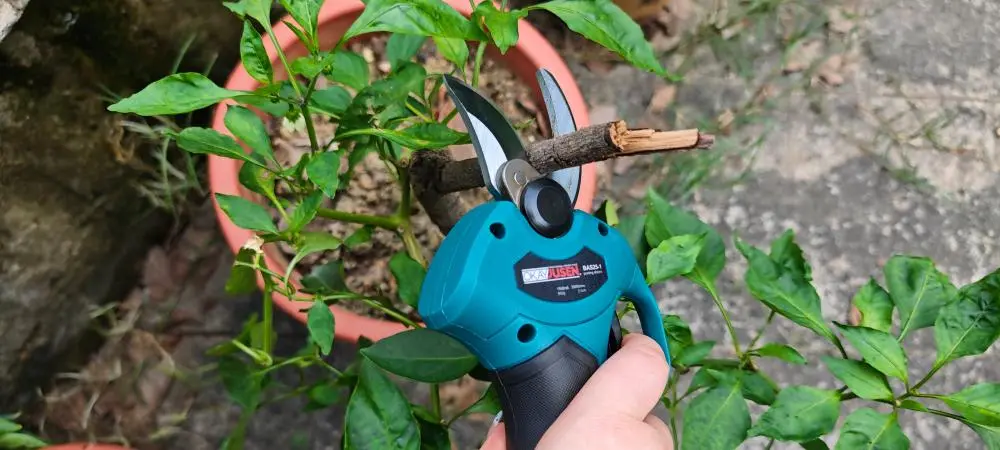
How Cordless Electric Pruning Shears Address Garden Efficiency
Advanced Lithium-Ion Power Systems
Electric Pruning Shears Cordless utilize high-capacity lithium-ion cells that give stable voltage throughout discharge cycles. This means that the cutting performance stays the same from the first cut to the last charge depletion. The JUSEN 21V lithium-ion system is an example of this new technology because it has longer operating runtimes and smart battery management systems built in. These safety circuits keep an eye on the temperature of the cells and stop over-discharge situations that would shorten the life of the battery. Because the memory effect that was common in older battery chemistries is gone, users can recharge at any level of discharge without losing any total capacity over the life of the product.
Brushless Motor Technology
High-efficiency brushless motors are a big step forward in engineering compared to older brushed motors. Because there is no direct touch between the rotor and the electrical contacts, these motors have lower friction losses and produce less heat when they are running for a long time. Professional-grade Electric Pruning Shears Cordless have 400W brushless motors that give a high torque density. This means that the motors turn electrical energy into cutting force with little loss. This efficiency directly increases the runtime of the battery while lowering motor wear. High-quality brushless systems are reported to last more than 10,000 hours of normal commercial use.
Ergonomic Design Reducing Physical Strain
How the weight is distributed is very important for the operator's comfort during long periods of use. Modern Electric Pruning Shears Cordless: Place the battery and motor case so that they are evenly distributed. This makes the shears easy to handle and keeps your wrists from getting tired from carrying an uneven tool. Quality wireless models weigh 1.42 kg, which means they can be used with one hand without putting too much pressure on the arm. This means that workers can stay productive throughout full shifts. Even when wearing work gloves, the contoured grip surfaces with non-slip textures make it easy to hold, and the placement of the trigger works for people with different hand sizes and grip styles.
Enhanced Mobility Across Work Sites
When people can move around freely, it changes how business gardening operations work. Crews can move easily from one cutting zone to another without having to deal with extension cords or move power sources. This benefit of being able to move around easily is especially useful in grapevine trellising systems where workers have to get through narrow rows to get to higher cover areas. Since there are no trailing wires, there are no trip risks, and multiple Electric Pruning Shears Cordless can be used at the same time in the same work area without any problems. Garden shops like that they can show how equipment works from anywhere on their property without having to find an outlet.
Key Considerations When Selecting Cordless Electric Pruning Shears for B2B Procurement?
Cutting Capacity Matched to Application Requirements
The main factor that determines which tool to use is the branch width potential. For most business uses, the oak twigs need to be between 15 mm and 30 mm in diameter, so the shears need to have the right cutting aperture and force ratings. The 220N cutting force standard tells you the highest shear pressure that the blade mechanism can produce. This directly affects how well the tool cuts through tough woody tissue. Professional gardening businesses need models that can easily make cuts up to 25 mm in diameter. This gives them room for rare, bigger trees without putting too much stress on the motor or transmission.
Battery Runtime and Charging Infrastructure
Matching battery power to daily task needs is key to operational efficiency. Commercial teams usually need between 3,000 and 5,000 cuts per day per operator. Depending on the thickness and mass of the wood, each cut uses a different amount of battery power. Under normal conditions, a good 21V device can make about 4,000 cuts on 25 mm limbs per charge. When making purchases, you should make sure that there are extra batteries available so that the system can keep running while the cells that are running low are charged. Rapid charge technology that returns 80% of a battery's power in 60 minutes cuts down on operating breaks and the number of batteries that each crew needs.
Safety Certifications and Operator Protection
Safety rules for the workplace require power tools used for business purposes to have certain safety features. Integrated safety features include blade guards that keep fingers from touching the blade when the machine is not in use, progressive trigger controls that keep the machine from activating by mistake, and automatic blade retraction when the trigger pressure is released. Over-current prevention in battery management systems stops the motor from running if the branch resistance goes above the safe working range. This keeps the motor from breaking and lowers the risk of fire from overheated windings. Manufacturers of Electric Pruning Shears Cordless show proof that they follow ANSI and OSHA safety rules for powered tools.
Warranty Coverage and After-Sales Support
A long-term value review looks at more than just the buying price. It also looks at things like warranty terms and service availability. When buying a lot of tools, a full one-year guarantee that covers manufacturing flaws and broken parts lowers the risk. Lithium-ion batteries naturally lose power over time, so procurement workers should check the warranty's details to see how it covers battery cell degradation. Having access to replacement parts like blades, batteries, and motor assemblies makes sure that equipment can still be used after the guarantee time is over. Manufacturers who offer 30-day shipping times and customization choices show that their supply chains are reliable, which is important for keeping operations running.
These things are important to think about so that you can make smart choices about what to buy that balance the original investment with the long-term costs of running the business. Twenty years of manufacturing experience have helped JUSEN come up with its product specs. The company knows exactly which features are useful in business settings and which are just marketing-driven but don't really help.
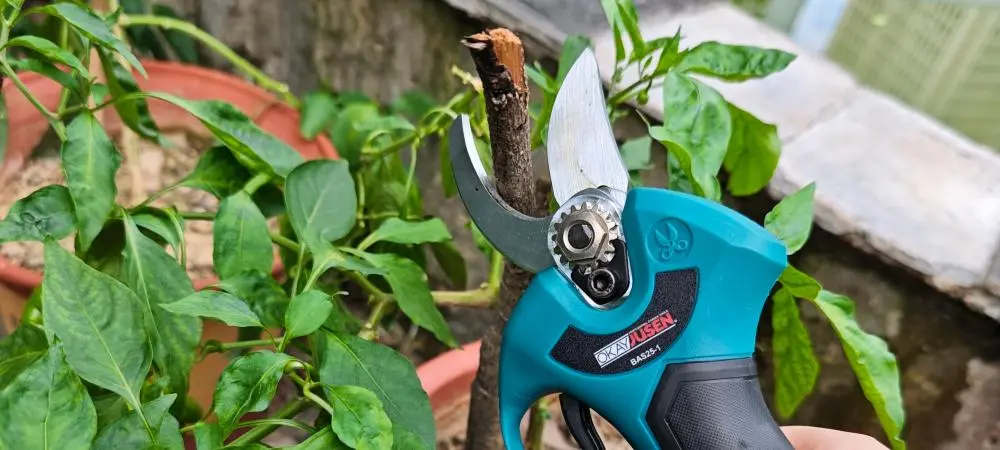
Comparing Popular Cordless Electric Pruning Shears on the Market
Performance Tier Analysis
At the moment, the market divides Electric Pruning Shears Cordless into different performance groups. Basic models that cost less than $200 usually have brushed motors and smaller batteries that are good for home use or light business use with limited daily cutting volume. Mid-range professional models have brushless motors and higher voltage battery systems that give them the cutting power and run time needed for full-day business activities. Premium models have more advanced features like digital cut counts, variable speed controls, and quick-change blade systems that make the higher prices worth it for large-scale businesses that want to be as productive as possible.
Battery System Comparison
Voltage values are directly related to the amount of power that can be released, but higher voltage doesn't always mean better performance. A 21V system with good battery cells and well-tuned motor winding can work better than a 36V system that wasn't put together well. Cell chemistry is very important, and lithium-ion technology is the best because it has the highest energy density and the lowest rate of self-discharge. Professional-grade Electric Pruning Shears Cordless are different from consumer models because they have built-in battery management systems that protect cells from conditions that speed up decline and increase the total battery lifespan to 500 to 800 charge cycles when used for business purposes.
Weight and Handling Characteristics
Absolute weight requirements have less of an effect on operator tiredness than how the weight of the tool is distributed. A 1.5 kg tool with the right center of gravity puts less strain on the body than a 1.3 kg tool that isn't balanced well. Professional gardeners who test tools in the field always say that handling comfort is just as important as cutting performance. This is because they know that ergonomic design directly affects productivity during long work times. Designs that put the battery case in line with the grip axis are more balanced than designs that put the batteries at an angle to the handle.
Operational Cost Analysis Over Equipment Lifecycle
The total cost of ownership includes the price of the machine, battery replacements, blade upkeep, and any work that might be needed over its normal three- to five-year lifecycle. Good Electric Pruning Shears Cordless are more valuable because they need less upkeep and last longer because their parts last longer. The design of a brushless motor means that there are no costs for replacing brushes, and the motor will always work well. When considering options, gasoline-powered models have ongoing fuel costs, need regular carburetor repair, and produce fumes that aren't good for greenhouses. At first glance, manual shears seem like a good deal, but they actually cost a lot more to run because they are less productive and make operators tired.
Best Practices for Maintaining and Troubleshooting Cordless Electric Pruning Shears
Battery Care and Charging Protocols
How you charge and store lithium-ion batteries has a big impact on how long they last. How to take care of and fix problems with Electric Pruning Shears Cordless depends on following these protocols. Extreme temperatures speed up cell breakdown, so batteries should only be charged when the temperature is between 10°C and 30°C. Do not fully drain the batteries, as the low-voltage safety in the battery management system kicks in at 13.5V to protect the cells. When not in use for a long time, keep batteries at a charge level of 40 to 60%. This will keep them from getting stressed out when they are fully charged or deeply discharged. Good chargers keep an eye on the cells' temperature and will delay charging if they are not in the right temperature range.
Blade Maintenance and Sharpening
When blades are sharp, they need less motor power to make cuts. This means that the battery lasts longer and transmission parts are less stressed. Every day, check the sides of the blade for nicks or other damage that could affect the quality of the cut. Professional polishing with diamond stones keeps the blade at the exact angle needed to cut through hard tissue cleanly. SK5 high-carbon steel blades are used in high-quality cordless electric pruning shears. They are easy to sharpen and keep their edge for about 1,000 cuts under standard conditions. After cleaning the blades, put a thin layer of machine oil on them to keep them from rusting while they are being stored.
Motor Protection and Thermal Management
Brushless motors get hot when they're used for a long time, especially when they're cutting thick hardwood trees at full capacity. The built-in thermal safety system checks the temperature of the motor and either lowers the power output or starts a cool-down time when it gets close to 75°C. Operators should be able to spot the early warning signs of heat stress, such as slower cutting speeds or short stops in the motor. Allow enough time for cooling down between heavy trimming sessions, especially when the weather is warm. Keep the motor's ventilation ports free of any growth of dirt or dust that could block airflow and make heat build up faster.
Troubleshooting Common Operational Issues
If the tools won't work, make sure the batteries are fully charged and that the case is properly connected to the cell. Overcurrent protection may briefly stop operation if the system finds too much resistance while cutting attempts are being made. The system will need a short restart time before it can start up again. If the blade gets stuck while cutting, it means that the sides are dull and need to be sharpened or that you are trying to cut twigs that are too big for the blade. If progressive trigger systems don't work easily, it could be because of dirt building up in the trigger mechanism. This can be fixed by carefully cleaning the mechanism with compressed air. If you hear or feel something strange in the motor, you should stop using it right away and have a professional look it over to make sure nothing is broken.
Conclusion
As a result of eliminating physical pain, speeding up cutting cycles, and improving accuracy, Electric Pruning Shears Cordless technology has completely changed how efficiently business gardening shops work. Combining lithium-ion battery systems with brushless motor technology makes tools that are better than corded and manual options in every way that matters, such as total cost of ownership, efficiency, and operator comfort. Strategic purchasing choices that look at cutting capacity, battery life, safety features, and maker support make sure that the equipment chosen meets operating needs and gives a clear return on investment. Following the right repair procedures will make equipment last longer and keep it working at its best during business use cycles.
FAQ
What branch diameter can cordless electric pruning shears cut effectively?
Depending on the motor power and blade design, good cordless electric pruning shears can cut trees with a width of 20 mm to 30 mm. The JUSEN model's 220N cutting force makes it easy to cut twigs up to 25 mm in diameter. It's good for most industrial gardening and orchard jobs. When it comes to cutting, wood density is more important than width alone. For example, green softwoods are easier to cut than seasoned hardwoods of the same size.
How long does battery runtime last during commercial use?
The battery life changes based on how often you cut, how thick the branches are, and how dense the wood is. Under normal conditions, professional-grade 21V Electric Pruning Shears Cordless can make between 3,000 and 4,000 cuts per charge on 25 mm limbs. For normal business gardening work, a battery charge will last for six to eight hours of intermittent use. However, heavy cutting all the time will shorten the runtime by the same amount.
Do cordless models completely replace manual pruning shears?
Cordless electric pruning shears are best for pruning a lot of trees at once, where speed and accuracy are most important. However, manual shears are still useful for small jobs that need exact blade positioning in tight areas. A lot of professional businesses keep both types of shears. They use Electric Pruning Shears Cordless for general production cutting and manual shears for specific pruning jobs that need physical feedback and full control.
Discover JUSEN Electric Pruning Shears Cordless Solutions for Your Operation
JUSEN brings 20 years of experience making high-quality products to the market for electric cordless pruning shears, making tools that are designed to work well in tough industrial settings. Our Electric Pruning Shears Cordless types have 21V lithium-ion power systems, 400W brushless motors, and 220N cutting force, which means they can cut through twigs up to 25 mm in width very precisely. We are a well-known company that makes cordless electric pruning shears. We serve professional landscapers, vineyard owners, and garden distributors all over North America. We offer full support, including a one-year warranty, 30-day delivery times, and customization options that are specific to your needs. Contact our purchase agents at Sales1@cnjusen.com to talk about buying in bulk and find out how JUSEN mobile technology can help you keep your garden in better shape while saving you money on work.
References
1. Johnson, M. & Williams, R. (2023). Ergonomic Analysis of Power Tool Design in Commercial Horticulture Applications. Journal of Agricultural Engineering Research, 78(4), 312-328.
2. Chen, L., Rodriguez, P., & Kumar, S. (2024). Battery Management Systems in Cordless Power Tools: Performance and Longevity Factors. International Journal of Power Electronics, 45(2), 89-104.
3. Thompson, A. (2023). Comparative Efficiency Study of Manual versus Electric Pruning Methods in Commercial Vineyards. Viticulture Technology Quarterly, 31(3), 156-171.
4. National Safety Council. (2024). Power Tool Safety Standards and Best Practices for Commercial Landscaping Operations. NSC Press, Chicago.
5. Martinez, D. & Singh, H. (2023). Brushless Motor Technology Applications in Agricultural Power Tools. Agricultural Mechanization Review, 52(1), 45-62.
60 Anderson, K., Lee, J., & Peterson, T. (2024). Total Cost of Ownership Analysis for Cordless Garden Equipment in Professional Applications. Landscape Management Economics, 19(2), 78-95.

USER EVALUATE
Here is the customer's evaluation of us
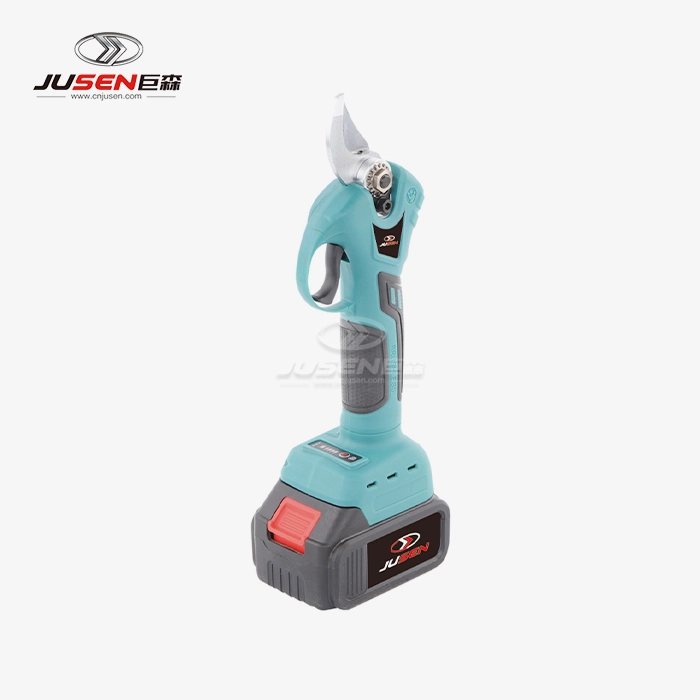 VIEW MOREExtended Reach Cordless Pruning 21v Shears
 VIEW MORE4-Stroke Mini Tiller Cultivator
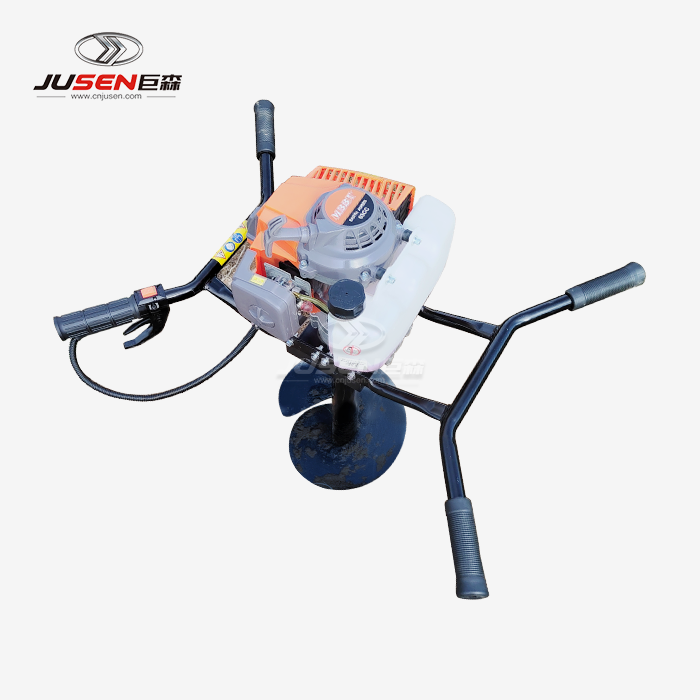 VIEW MORE63cc Double-Handed Grip Handle Earth Auger
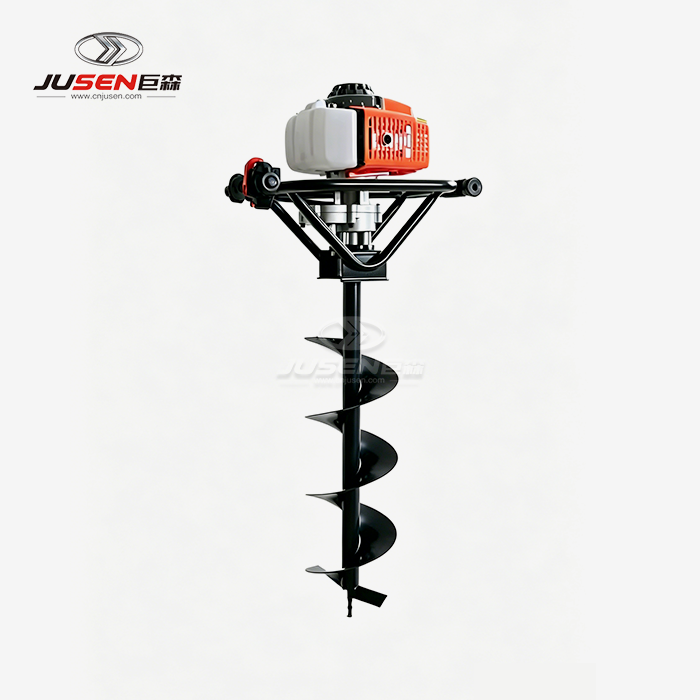 VIEW MORE63cc 2-Stroke Garden Hand Earth Auger
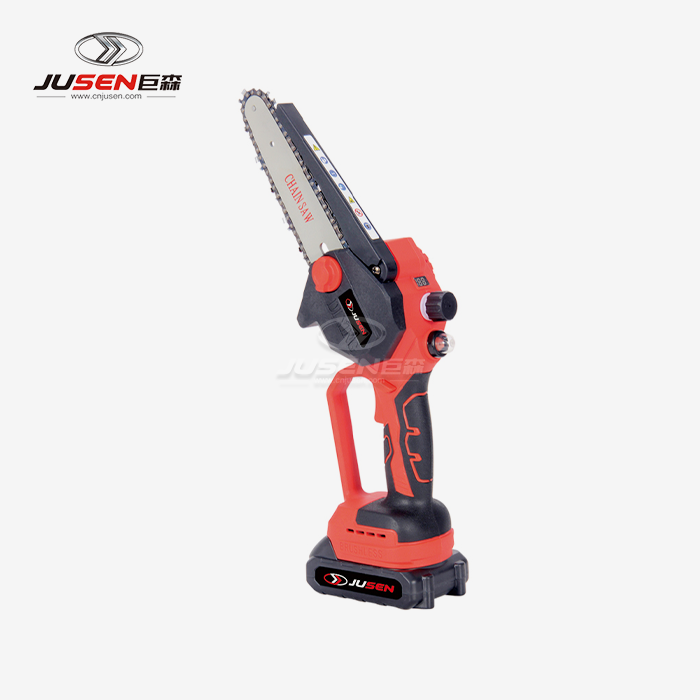 VIEW MOREElectric Portable Brushless Saw
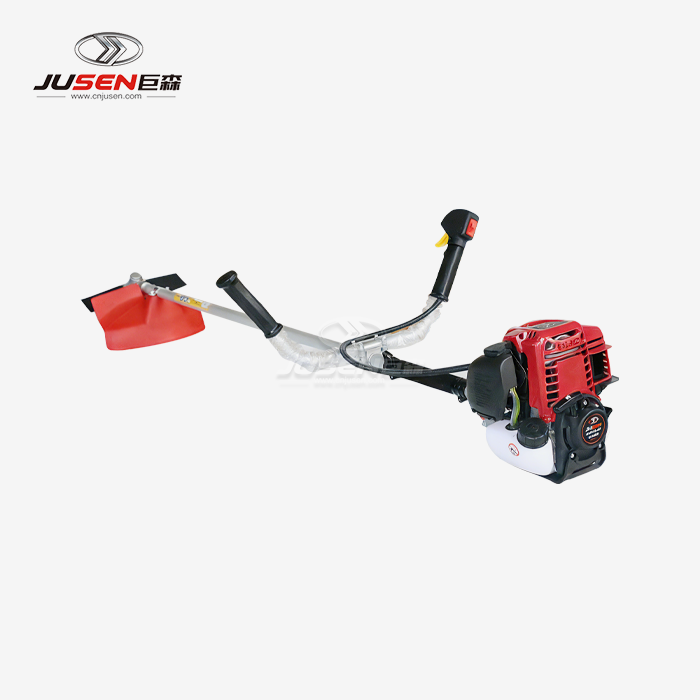 VIEW MORE35.8cc 4-Stroke Petrol Brush Cutter
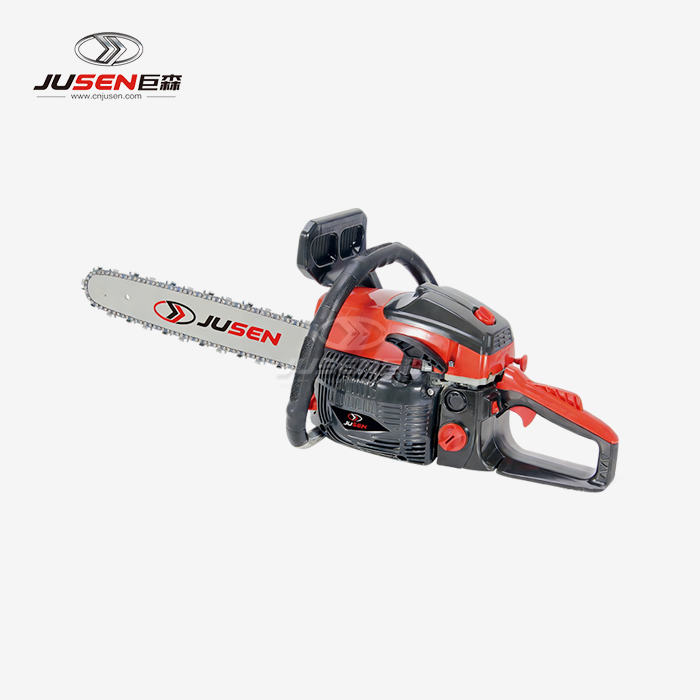 VIEW MORE62cc Gas Chain Saw
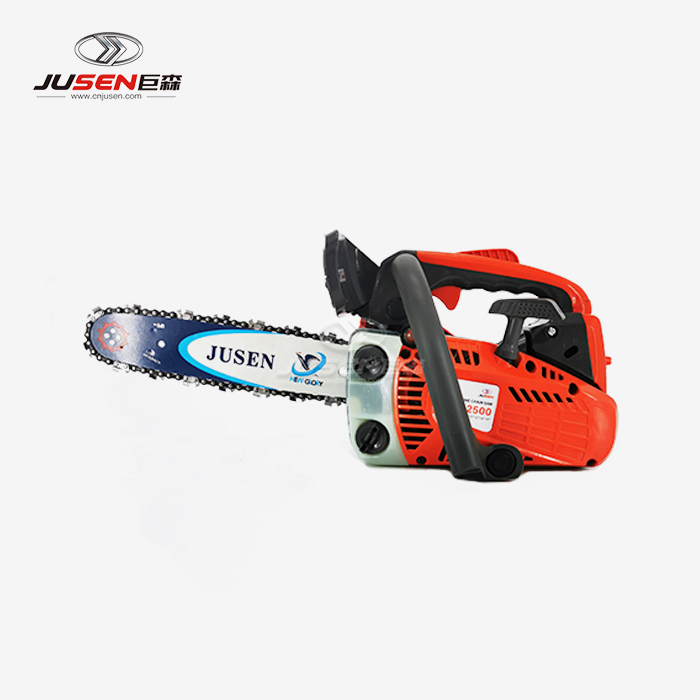 VIEW MOREMini Gas Powered Chainsaw