




What Accessories Maximize a 58cc Gasoline Chain Saw’s Performance?
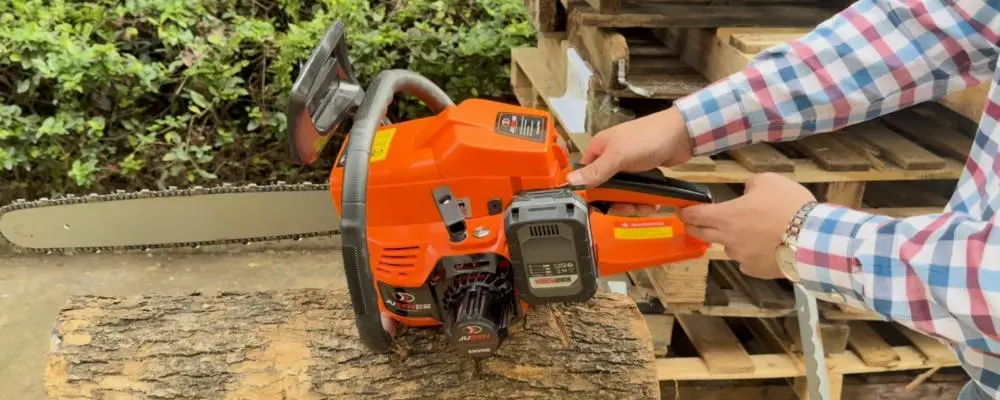
To get the most out of a 58cc gasoline chain saw, you need to carefully choose accessories to go with the base unit. The right items can change how well you cut, how long your tools last, and how safe you are while doing hard work. The full potential of a 58cc gasoline chain saw can be reached with premium chains that are made to work with certain types of wood, advanced ventilation systems that keep the engine responsive, and specialized lubrication solutions. These improvements fix common problems that happen in setups that aren't effective, like chains wearing out too quickly, fuel not being used efficiently, and too much shaking. When gardening workers and forestry crews use JUSEN's 58cc models with their 2.4kW engines and variable bar lengths, they get more done and spend less on operations when they pair the saw with the right accessories.
Understanding the Core Performance Factors of a 58cc Gasoline Chainsaw
Engine Specifications and Accessory Compatibility
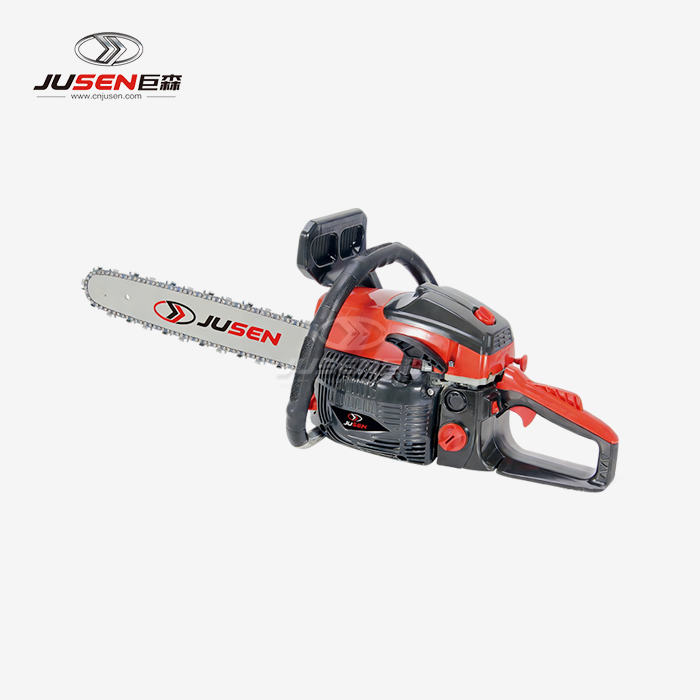
The 58cc displacement group is a good middle ground between light-duty home saws and heavy professional logging tools. The 58cc Gasoline Chain Saw from JUSEN has a two-stroke engine that makes 2.4kW of power. It idles at 3000 rpm and reaches its best performance at 8500 rpm. This power output tells you which devices can work well without putting too much stress on the engine or making the operation unsafe. The fact that the saw can work with 18", 20", 22", and 24" guide bars shows how important it is to match the bar length to the job at hand—longer bars need more engine power to keep the chain moving quickly through thick wood.
Fuel blend ratios have a direct effect on how well an item works. Modern 58cc engines usually use 40:1 gasoline-to-oil ratios and synthetic two-stroke oil, which keeps spark arrestors and exhaust ports from getting too much carbon buildup. This cleaner burning makes the engine response better and lets performance parts work at their best, like high-flow air filters and performance chains. When you add items that change the way air flows or how exhaust sounds, you need to make sure that the high- and low-speed carburetor adjustment screws are set correctly.
Common Performance Bottlenecks
Most of the time, effectiveness is limited by chain wear. When chains are dull, workers have to put too much downward pressure on the machine, which increases sound, fuel use, and cutting time. A sharp chain on a bar that is properly tensioned makes cutting wood easy. The saw's weight alone moves it through the wood. Performance is also affected by chain tension. Chains that are too tight cause friction, which loses engine power and makes too much heat. Chains that are too free can come off the track and cause uneven wear patterns.
Saws that are used in dusty places often have problems with their air filters. If the air filter gets clogged, oxygen can't get to the carburetor. This makes the fuel blend too strong, which floods the engine, makes it hard to start, and makes too much exhaust smoke. This situation makes the engine make less power and can cause carbon to build up on the top of the piston and the exhaust port. High-quality air filter devices with more surface area and better filtration media keep the flow of air steady even in tough conditions.
Unbalanced chains, broken bar rails, or anti-vibration systems that don't work well enough can cause vibration problems. Too much shaking makes the user tired, lowers the accuracy of the cuts, and can damage the saw's internal parts over time. Professional-grade 58cc models have handles that are fixed on springs to separate vibration, but aftermarket dampening devices offer even more safety for users who are cutting for long periods of time.
Must-Have Accessories to Enhance Cutting Efficiency and Power
Premium Chains and Bar Combinations
Choosing the right chain has a big effect on how well you cut. With a 0.058" gauge and a 0.325" pitch, standard chains work, but different tooth combinations are used for different tasks. Full-chisel chains with square-cornered teeth cut clean softwood and frozen wood aggressively, but they get dull quickly when they hit dirt or rough hardwoods. The rounded teeth on semi-chisel chains help them stay sharp longer when they're dirty, but they slow down the cutting process. For grinding tasks, ripping chains with specific tooth angles cut wood efficiently along the grain.
The cutting power and flexibility of a bar depend on its length. The JUSEN 58cc Gasoline Chain Saw can handle bar lengths from 18" to 24", with 20" being the best balance for general forestry work. Longer 22" and 24" bars let you make single-pass cuts through larger diameter logs, but they slow down the chain and make kickback more likely. For limbing and precise work, shorter 18" bars give you the best of both worlds: chain speed and control. The type of bar you use is important. Laminate bars with changeable sprocket noses last longer than solid bars and keep their cutting line better over time.
Newer air filters improve how the throttle responds and keep engine parts from wearing out too quickly. Larger particles are caught by high-capacity foam pre-filters before they reach the main filter element. This means that in dusty places, service times are longer. When compared to throwaway paper elements, reusable polyurethane filters are cheaper to run because they can be washed and cleaned more than once. Some professional models have cyclonic pre-separation systems that use centrifugal force to spin waste off the filter surface. This keeps the airflow strong even when there is a lot of sawdust.
Spark Plugs and Ignition Components
When you change the engine's speed or load, good spark plugs keep the ignition time constant. Iridium or platinum electrode plugs don't wear away as easily as copper electrodes do, and they can keep the right gap for more than 100 hours of use. Both pre-ignition and carbon fouling can't get too hot or too cold if the heat range is right. Spark plugs with protruding wires that don't foul help keep carbon from crossing in two-stroke engines that might run a little rich when they are cold or when they are not being used.
Specialized Fuel and Lubrication Solutions
Pre-mixed alkylate fuel protects engines better and takes the guessing out of mixing amounts. These synthetic fuels burn cleaner than regular gasoline, don't have any ethanol that can hurt parts of the fuel system, and stay stable for long periods of time. Because there are no aromatic hydrocarbons, the user is less likely to be exposed to dangerous vapors while filling and running the vehicle. Professional lawn teams that use multiple saws every day say that moving to alkylate fuels makes the saws run more consistently and with fewer problems with the carburetors.
Bar and chain oil with tackiness chemicals sticks to the bar and chain when they're running at high speeds. This saves oil and keeps links from drying out and breaking. Working near rivers with biodegradable vegetable-based oils is good for the environment and keeps things moving smoothly. Winter-grade oils keep their proper thickness in cold weather, which keeps flow from being slowed down and keeps chains from losing their lubrication. The automatic oiler on the JUSEN 58cc Gasoline Chain Saw needs the right amount of oil to work properly. Oil that is too thick won't flow well, and oil that is too thin will throw off the chain before it finishes lubricating it.
When used together, these tools meet the basic needs for consistent combustion, effective cutting, and component security. When buying things for businesses, people in charge of procurement should look at extra sets that come with different kinds of chains, high-capacity filters, and good lubricants. This will help keep the fleet running at all times and lower the cost of doing business per hour.
Accessories for Maintenance and Longevity
Chain Sharpening and Tensioning Equipment
Kits for sharpening chains by hand come with depth measure tools, round files that are the right size for the chain pitch, and file guides that keep the teeth at the right angle. A properly sharpened chain cuts quickly and with little effort. A weak chain wastes fuel and can be dangerous because it can kick back. For high-volume tasks that involve keeping many chains, electric chain cutters offer accurate and consistent sharpening. These tabletop machines can fix chains that have been broken by hitting something with a rock or nail faster than filing them by hand.
Without tool-free methods that could slip while working, chain tensioning tools make sure that the right change is made. Combination screwdriver-wrench tools called scrench tools let you make changes in the field when chains stretch during break-in times or after a lot of use. Side-access tensioning systems make changes easier than the old way of removing the clutch cover, which cuts down on downtime during work sessions.
Cleaning and Component Preservation
Sawdust builds up on cooling fins, air filter housings, and chain oil tubes. Compressed air gets rid of it. Cleaning products are made to get rid of the buildup of sap and pitch that can clog up chain drive parts and bar oil supply systems. When spark plugs get dirty but are still usable, gap gauges and tools for cleaning them get the electrodes back to where they should be. Cleaning kits for carburetors that come with fine wire brushes and solvents can clear out jets that are clogged with oil from old fuel.
Genuine Replacement Parts Strategy
Getting real parts from approved sources keeps operations from failing early, which happens a lot when fake parts are used. Genuine air filters meet the original requirements for how well they screen and how air flows through them. Even though aftermarket chains may look the same, they are often made of lower-quality steel that wears out quickly or stretches too much. JUSEN sells replacement parts that come with technical drawings and promises of compatibility. This makes sure that extras work well with the 58 cc gasoline chainsaw's systems.
Setting maintenance intervals based on working hours instead of date and time is the best way to figure out when to replace parts. Usually, spark plugs need to be replaced every 100 hours of use, air filters need to be cleaned every five fuel tank fill-ups, and chains should be sharpened every day. Keeping detailed service logs helps find problems that keep happening and backs up warranty claims when things go wrong without warning.
To keep downtime to a minimum, procurement teams should build ties with parts providers that offer technical help and fast delivery. When you buy a lot of items like chains, spark plugs, and filters, you can save money on each unit and be sure that you have enough on hand during busy times. With this strategy method, maintenance moves from fixing things when they break to managing assets before they break.
Safety Accessories to Mitigate Risks and Ensure Compliance
Personal Protective Equipment Requirements
Chainsaw-rated helmets have hearing protection, face shields, and impact protection all built into one system. The shell of the hat protects against falling twigs and keeps you safe during falls. The face shield stops flying wood chips and sawdust. Attached earmuffs lower the noise level of the engine from over 100 decibels, which is harmful, to below 85 decibels, which is safer and stops hearing loss over time.
Chainsaw protective gloves are a good mix of cut protection and dexterity. Since the left hand is closer to the chain when the machine is running, left-hand gloves often have extra safety built in. Modern gloves are made of Kevlar or similar synthetic fibers that keep chains from getting through without adding bulk that makes it harder to hold on to things and feel the speed controls.
When the ballistic nylon fibers in chainsaw chaps come into contact with the chain, they stop it in its tracks milliseconds before it hits the skin. Full-wrap chaps protect your legs from all sides, while apron-style chaps only protect the front. Professional workers who work in remote areas might want to consider wearing chaps that meet Class 1 protection standards. These stop chains from moving faster than Class 0 options.
Technology-Enhanced Safety Features
Vibration-damping devices bought after the fact work with stock anti-vibration systems. Handlebar dampeners soak up the high-frequency vibrations that, after a while of use, lead to hand-arm vibration syndrome (HAVS). This problem gets worse over time and makes your grip weaker, giving you numbness or pain. Studies show that good vibration separation increases the amount of time workers can safely work before their performance starts to decline due to tiredness.
Chain brake checking tools make sure that this important safety feature works properly. During kickback events, the inertia-activated brake should stop the chain from moving before it hits the operator within 0.12 seconds. Testing on a regular basis makes sure that the brake bands are still in good shape and the springs are still properly tensioned. The JUSEN 58cc Gasoline Chain Saw has a front handguard that is connected to the chain brake. This protects the user right away when the bar suddenly turns.
Emergency kill switch lanyards are attached to the operator's wrist or belt. If the operator falls or loses control, the engine will shut off by itself. Having these extras is especially helpful when working at heights on ladders or on rough ground where falls are likely to happen. Training methods that stress where to put the kill switch make sure that workers can quickly turn off equipment in an emergency.
Adding all-around safety items saves human capital and shows that a company cares about worker well-being. Companies that provide the right safety gear keep records of their research, which could lower their liability risks and workers' compensation insurance costs.

Comparing and Selecting Accessories for Different Business Needs
Application-Specific Accessory Packages
For 58cc gasoline chain saws used by forestry companies to cut down grown trees, they need aggressive full-chisel chains and longer 22" or 24" bars. These teams put speed of cutting through clean wood first and usually use small electric grinders to sharpen chains several times a day. Their funds for accessories focus on buying things that will be used up quickly, like chains and spark plugs, and they also buy high-quality anti-vibration gear to protect workers during long shifts.
Urban tree care by landscaping companies needs a wide range of accessory sets. Their 58cc saws usually have 20" bars with semi-chisel chains that can handle some ground contact during limbing operations. These companies like it when they can quickly switch chains between jobs, which is why buying multiple pre-sharpened chains is cheaper than sharpening them on the job site. Biodegradable bar oil protects the client's property and shows that they care about the environment.
Standardized accessory choices help municipal maintenance departments that have to deal with a lot of different types of equipment and limited budgets. For example, choosing one chain type and bar length for all of their chainsaws makes it easier to keep track of their inventory and train new users. These groups also put a high priority on safety accessories that lower their liability exposure and make sure they follow occupational safety regulations.
Vendor Selection Criteria
When looking at accessory suppliers, you need to look at more than just the initial purchase price. Vendor reliability includes things like making sure products are always available, that orders are filled correctly, and that deliveries happen on time. Suppliers who keep enough inventory on hand avoid project delays when consumable items need to be replaced. Technical support helps solve problems with compatibility and makes sure that the right accessories are chosen for each application.
Premium suppliers are different from commodity distributors because they use quality assurance measures. Reputable vendors show proof that their chains meet ANSI B175 safety standards and their protective gear meets relevant EN or ASTM specifications. They also stand behind their products with clear warranty terms and easy return procedures for broken items.
In competitive markets, great suppliers stand out through their after-sales service. Training materials that teach the right way to install accessories, do maintenance, and fix problems add value to the products themselves. Some suppliers offer equipment inspection services that find wear patterns or setup problems that are lowering performance or safety.
Cost-Benefit Analysis Framework
Professionals in procurement have to weigh the costs of accessories against the total costs of owning the equipment over its lifetime. For example, premium chains that cost 40% more than cheaper alternatives often last three times as long before they need to be replaced, which lowers the cost of operating the saw per hour and cuts down on maintenance downtime. This calculation is especially important for commercial saw operators who use their saws for multiple hours every day.
Buying complete accessory packages when you first buy equipment saves you money and makes sure that all the parts you need arrive at the same time. For example, the JUSEN 58cc Gasoline Chain Saw comes with a complete accessory kit that includes multiple chains, premium filtration, quality protective equipment, and maintenance tools. This way of buying saves you money because you don't have to buy each part separately, and it makes sure that all the parts work together.
When you build a long-term relationship with JUSEN as your 58cc gasoline chainsaw supplier, you can get accessory packages that are specifically designed for your business. Buyers in bulk can take advantage of lower prices, priority access when supplies are low, and collaborative product development that includes user feedback in future accessory designs. These partnerships turn transactional buying into strategic alliances that help your business grow and stand out from the competition.
Conclusion
Maximizing the performance of a 58cc gasoline chain saw requires more than just choosing high-quality base equipment. Smart accessory choices that address cutting efficiency, maintenance needs, and safety compliance turn capable tools into optimized systems that deliver measurable productivity gains. Premium chains that are matched to specific applications, advanced filtration that protects engine longevity, and comprehensive safety equipment that protects operators all lower total ownership costs while improving work quality. Procurement professionals should look at accessory needs holistically, taking into account both immediate performance requirements and long-term maintenance strategies and operator protection priorities. Investing in the right accessories pays off by extending equipment lifespan, reducing downtime, and making operators happier, which makes it easier to keep them on the job in a competitive job market.
FAQ
What bar length works best for general forestry applications?
For most forestry work with a 58cc gasoline chain saw, a 20-inch bar is the best balance. With the right cutting techniques, this length can handle trees up to 40 inches in diameter while keeping the chain speed high enough. Longer bars make it harder to turn and increase the risk of kickback, while shorter bars limit the size of a single pass that can be made.
How often should chains be sharpened during professional use?
When professional operators notice that cutting efficiency has dropped, which can happen anywhere from two to four hours of active cutting, depending on the hardness of the wood and how often the chain contacts the ground, they should sharpen the chains. If they see fine sawdust instead of wood chips, this means that the chains are dull. During long workdays, some crews switch between multiple pre-sharpened chains and sharpen the used ones in groups during breaks so as not to stop cutting.
Can aftermarket accessories void manufacturer warranties?
If you use fake accessories and they damage your equipment, you might not be covered by the warranty. The JUSEN one-year guarantee covers failures caused by manufacturing defects but not by accessories that don't work with your equipment or bad maintenance. Always check that the accessories you use are compatible with the manufacturer's requirements and keep proof that you only used genuine parts for warranty claims.
Partner with JUSEN for Complete 58cc Gasoline Chain Saw Solutions
JUSEN has been making high-quality professional power tools for over 20 years. Our 58cc Gasoline Chain Saw is an example of our dedication to closing the performance gaps between consumer-grade tools and high-end commercial equipment. As a well-known company that has worked with many international brands, we know the full ecosystem of accessories that are needed to get the most out of a chainsaw in a wide range of situations.
We offer full support to help distributors and dealers gain competitive advantages through high-quality equipment and smart accessory bundling. In addition to chainsaws, we also sell brush cutters, earth augers, hedge trimmers, and an expanding range of lithium-ion battery tools, making your business a one-stop shop for all outdoor power equipment needs. Every JUSEN 58cc gasoline chain saw ships with strict quality control checks and quick technical support for questions about compatibility or fixing problems.
Contact our team at Sales1@cnjusen.com to talk about custom accessory packages that meet the needs of your market. Whether you need private label options, volume pricing structures, or technical training resources, JUSEN has the manufacturing expertise and business partnership to help you reach your growth goals. Find out how our stable quality, proven cost-performance ratio, and wide range of products give you a long-term competitive edge in your market.
References
1. Anderson, T. & Morrison, K. (2021). Chainsaw Safety and Maintenance Best Practices for Professional Applications. Society of American Foresters Technical Publication Series.
2. Bergstrom, L. (2020). Two-Stroke Engine Performance Optimization Through Accessory Selection. Small Engine Technology Institute Research Report 2020-14.
3. Canadian Centre for Occupational Health and Safety (2022). Chainsaw Personal Protective Equipment Standards and Compliance Guidelines. Government of Canada Publications.
4. Nakamura, H. & Schmidt, R. (2019). Vibration Exposure and Long-Term Health Impacts in Professional Chainsaw Operators. Journal of Occupational Medicine and Ergonomics, 45(3), 287-304.
5. Peterson, M. (2023). Total Cost of Ownership Analysis for Commercial Outdoor Power Equipment. Equipment Management Association White Paper Series.
6. Williams, D. & Chen, J. (2022). Chain Technology and Cutting Efficiency: Comparative Analysis of Tooth Geometries. Forestry Equipment Quarterly, 38(2), 112-129.

USER EVALUATE
Here is the customer's evaluation of us
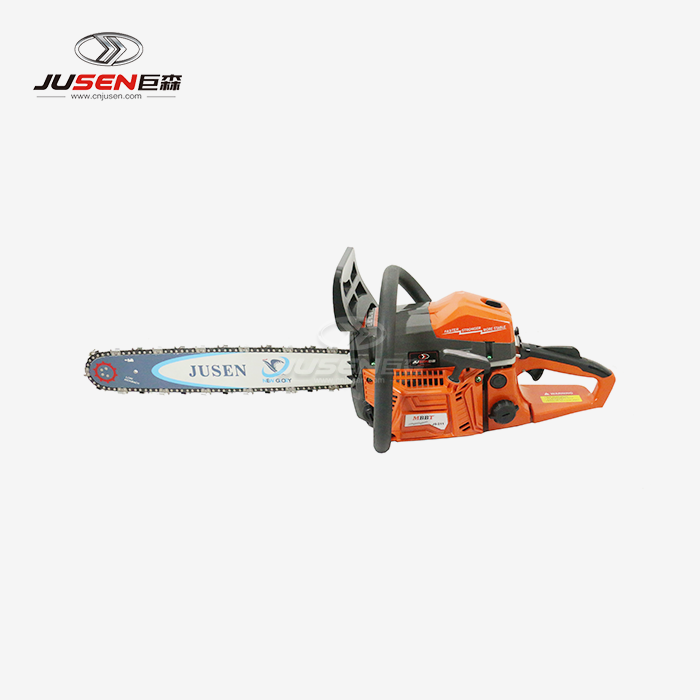 VIEW MOREGas Powered Gas Chain Saw
 VIEW MORESmall And Strong 21v Power Blower
 VIEW MORE2-Stroke Mini Garden Tiller Cultivator
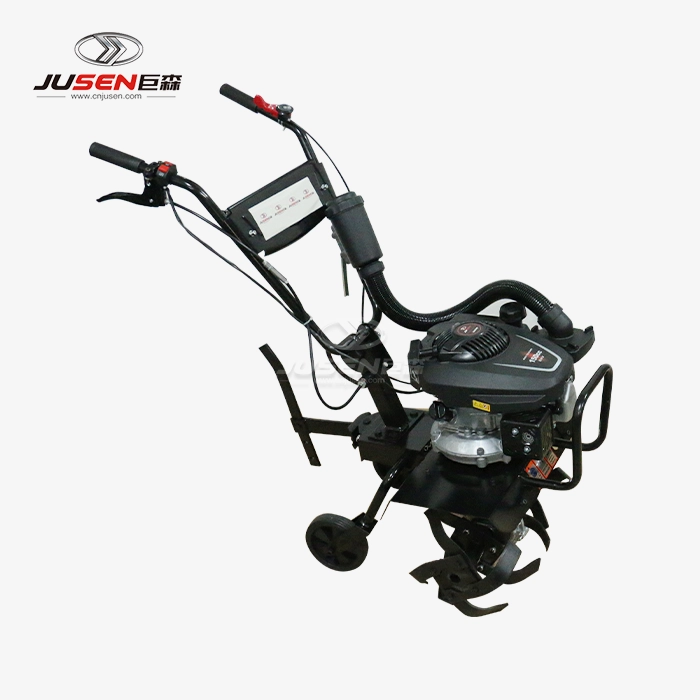 VIEW MORE4-Stroke mini rotary tiller cultivator
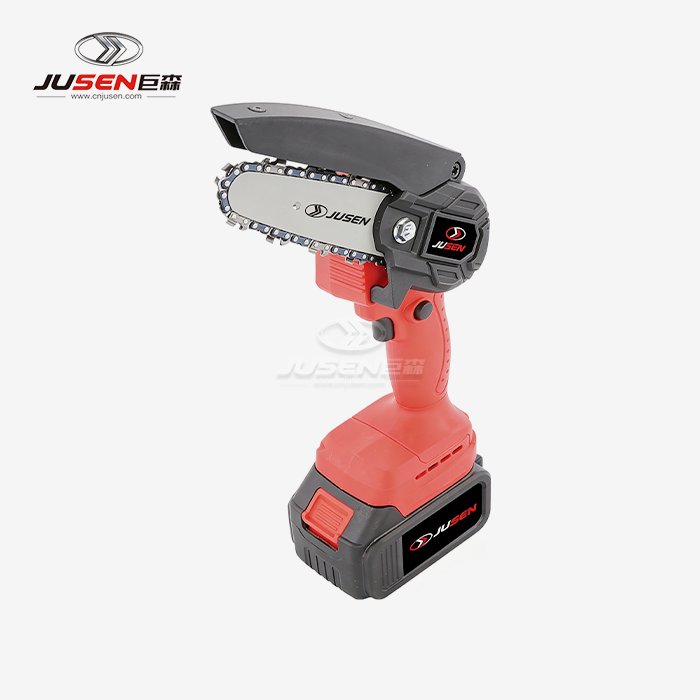 VIEW MOREMini Electric Powered Chainsaw
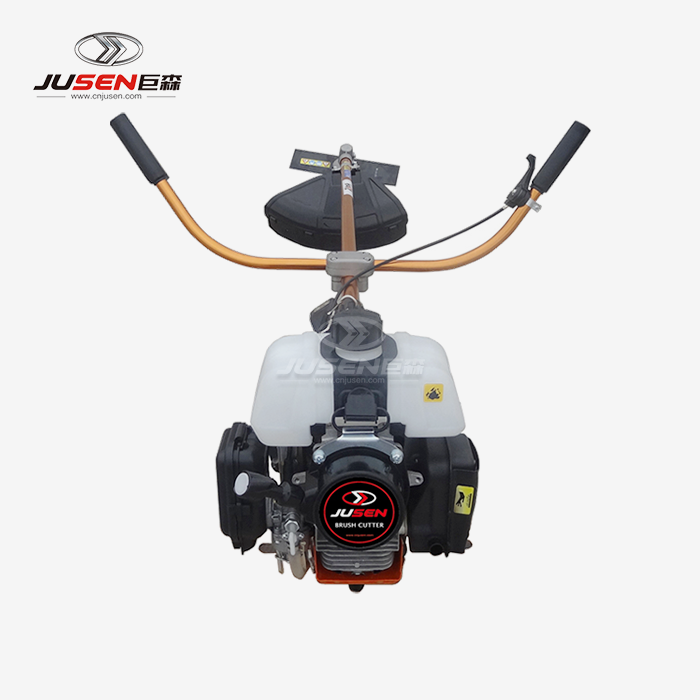 VIEW MORE42.7cc Garden Gasoline Brush Cutter
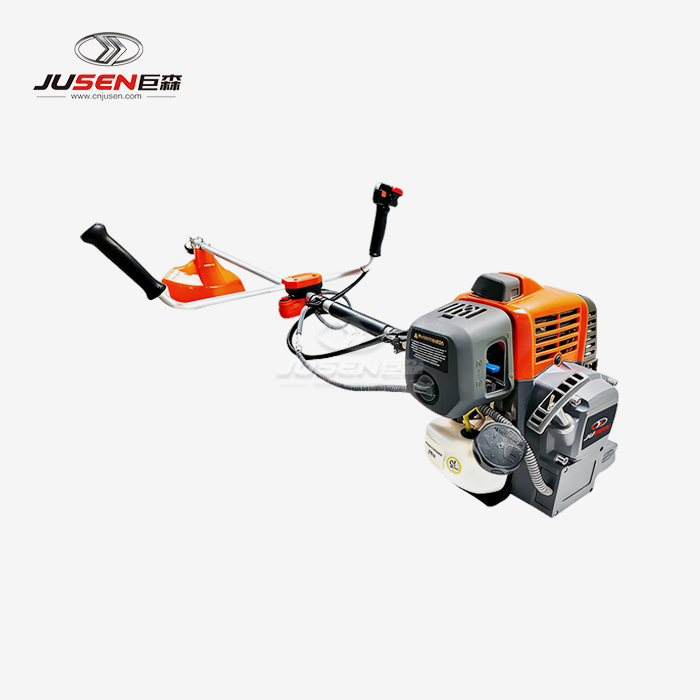 VIEW MORE43cc 2-Stroke Gasoline Brush Cutter
 VIEW MORE62cc Gas Chain Saw