




Why Choose a 58cc Gas Chainsaw Over Smaller Models?
Choosing the right chainsaw displacement has a direct effect on how well it works, how long it lasts, and how much it costs to own. A 58cc gas chainsaw is a good middle-of-the-road option because it has professional-grade cutting power while still being lightweight and fuel-efficient. Smaller market models (40cc to 45cc) often stall when cutting dense hardwoods or thick lumber. A 58cc displacement, on the other hand, produces a steady torque output of 2.4 to 2.6 kW, which keeps the saw from bogging down during long cutting sessions. This makes it perfect for business landscaping, cleaning up after storms, farm management, and processing firewood, all jobs where output can't be hurt by equipment that isn't strong enough.
Understanding the Power and Performance of 58cc Gas Chainsaws
Engine Output and Cutting Capacity
When looking at how well a 58cc gas chainsaw works, volume is directly related to how much torque it delivers and how long it can keep cutting. Its 58cc two-stroke engine makes about 3.2 to 3.5 horsepower, which puts it in a good middle ground between home saws and full forestry tools. The JS-CS5800W model from JUSEN is a good example of this balance. It has a rated power output of 2.4kW, an idle speed of 3,000 RPM, and maximum operating speeds that keep the chain moving even when it's buried deep in hardwood lumber.
The performance edge is clear when doing hard tasks like cutting down trees or working with storm-damaged wood. With a 45cc saw, it might take more than one pass through a 16-inch oak log. But with a properly tuned 58cc engine, the chain speed stays the same throughout the whole cut, which makes the job much faster and less tiring for the user. The chrome-plated cylinder tube helps heat escape, so the engine can keep working at its best for long periods of time without getting too hot.
Guide Bar Versatility and Application Range
One thing that makes mid-displacement chainsaws stand out is that they can drive longer guide bars without losing cutting speed. Professional models in this displacement range can handle bar lengths from 18 inches to 24 inches, but best performance is usually seen with 18- to 20-inch setups. The JUSEN model has flexible guide bar compatibility, which lets workers match the bar length exactly to the cutting tasks they need to do.
Shorter 18-inch bars are easier to move around for limbing and brush work, while 20-inch bars are great for breaking firewood and cutting down medium-sized trees. The flexible oil pump system makes sure that all bar lengths are properly oiled by adjusting flow rates to match the cutting conditions and room temperature. Because it can be used in a variety of settings, this flexibility means that landscaping companies and property care workers don't have to buy as many saws.
Regulatory Compliance and Environmental Considerations
North American and European markets are putting more and more strict rules on pollution for modern two-stroke engines. Good makers make sure that their 58cc platforms meet the standards of EPA Phase 3 and Euro V without lowering the power output. Professional models have an all-position carburetor with a diaphragm design that makes sure the fuel burns completely at all working angles. This cuts down on unburned hydrocarbon fumes and keeps fuel supply reliable in awkward cutting positions.
Another important regulatory issue is noise pollution, especially for businesses that work in residential areas. Advanced anti-vibration systems do two things: they keep operators from getting tired after long hours of work, and they also stop mechanical noise from getting through. With these improvements to the engineering, professional-grade tools can now cut metal at an industrial level while still following noise restrictions and safety rules at work.
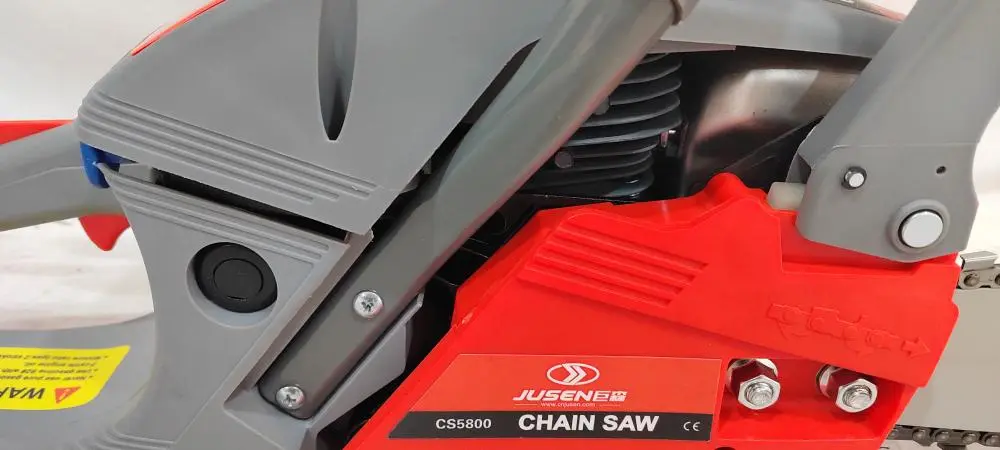
Comparing 58cc Gas Chainsaws with Electric and Other Gas Models
Power Output and Operational Cost Analysis
Electric chainsaws are becoming more and more popular for light-duty home use because they are quiet and don't give off any direct pollution. Models that are driven by batteries don't need to be mixed with fuel and can start right away. Because of these benefits, electric saws are appealing to residents who want to do light trimming or work with pre-cut firewood. When skilled users do their jobs, they have to think about different things.
A normal 58cc gas chainsaw keeps producing the same amount of power for as long as its fuel tank is full. This means that you can cut for 45 to 60 minutes before you need to refuel. Even though lithium-ion battery technology has come a long way, high-demand cutting still quickly drains battery packs. Often, it takes several expensive battery units to match the runtime of a single fuel tank. When you think about how batteries lose power over time (usually 3 to 5 years), the initial cost of buying multiple battery systems is often higher than the difference in price between electric and gas types.
The cost of fuel is always something to think about, and the suggested 40:1 or 50:1 gasoline-to-oil mixture makes things more expensive. Good JASO FD synthetic oil keeps carbon from building up and makes engines last longer, which justifies its higher price by reducing the number of times they need to be serviced. When looking at the total costs of running a business for five years, the better efficiency of a 58cc gas engine—making cuts 30 to 40 percent faster than similarly priced electric models—usually makes up for its higher fuel consumption by saving money on labor.
Performance Comparison with Smaller Displacement Models
When used for heavy-duty tasks, the difference in performance between 45cc and 58cc displacements becomes clear. Smaller consumer saws have trouble cutting through hardwoods for long periods of time because the chain speed slows down when regular cutting pressure is applied. This bogging effect makes users lower the feed pressure, which extends the cutting time and makes operators more tired from holding the tool for longer periods of time.
Test results show that a 58cc engine that is properly tuned can keep the chain speed steady through 18-inch oak logs without needing less feed pressure. The extra displacement means that there is about 25% more power at working RPM ranges. This lets the saw feed itself through dense material without the user having to push down too hard. This trait comes in handy, especially when working at heights, and operators can't use their own body weight to help apply cutting pressure.
Comparing 52cc types shows that as displacement goes up, the benefits become less significant. A 52cc saw fixes many problems with smaller market models, but the small 6cc difference to a 58cc configuration saves only a little weight (usually less than a pound) but takes away about 15% of the usable power. For professionals whose jobs depend on their tools being reliable and productive, the small extra weight of a 58cc displacement is well worth it because it increases cutting capacity and cuts down on the time it takes to finish a job.
Maintenance and Safety Best Practices for 58cc Gas Chainsaws
Essential Maintenance Protocols
Proper care directly stretches the life of 58cc gas chainsaws and stops expensive breakdowns in the middle of use. After five hours of use, the air filter needs to be checked and cleaned right away if you're working in a dusty area or handling dry wood that makes fine sawdust. When the filter gets clogged, it stops air from flowing through. This makes the carburetor run rich, which builds up carbon on the piston crown and exhaust port. This pollution slowly lowers compression and power output, and in the end, an expensive cylinder repair is needed.
Maintenance for chains includes three important steps: making sure the chains are properly tensioned, sharpened regularly, and oiled properly. If the chain is properly tightened, it should be able to slide around the bar without sliding when you lift it from the bottom. Too much tension makes the bars wear out faster by increasing friction, and not enough tension lets the chain slip off the cutting edge. When the fuel tank is repaired, the automatic chain oiler should be supplied so that the ratio of bar oil to fuel mixture is kept at 1:1. This method makes sure that oil is always being delivered, which stops bar groove wear and drive link damage before they happen.
The state of the spark plugs tells you a lot about how to tune the engine and make sure the fuel balance is right. A two-stroke engine that is working properly has electrodes that are a light tan to gray color. Black, sooty layers mean that there is too much oil in the fuel mixture or that the carburetor settings are too rich. On the other hand, white or burned electrodes mean that the fuel mixture is dangerously lean, which can cause the piston to seize up. Changing the spark plugs on a regular basis throughout the year keeps the ignition running smoothly and stops problems with hard starts during busy work times.
Safety Equipment and Operational Protocols
No matter how experienced the user is, they need to wear a lot of safety gear when using a chainsaw professionally. Chainsaw chaps or pants made of cut-resistant fibers, steel-toed boots with cut-resistant panels, leather gloves, safety glasses or face shields, and hearing protection ratings for constant exposure to 100-decibel or louder environments are the bare minimum of safety gear that must be worn. Many business insurance plans require proof of PPE compliance, which means that having the right safety gear is more than just important for your own safety.
The chain brake is the most important safety feature on current chainsaws. It stops the chain from turning within 0.12 seconds of detecting kickback. Before each work session, operators should make sure the brakes work by physically applying the brakes and making sure the chain stops right away when the power is applied. As a result of kickback injuries being the most common type of dangerous chainsaw accident in the industry, a broken brake needs to be fixed right away before cutting can resume.
Getting the work area ready lowers the risk of accidents by a large amount during tree removal and cleanup after a storm. By making sure there are clear escape paths before cutting down trees, workers can get back to safety as the trees start to fall. Taking down ground obstacles keeps people from tripping during a fast escape. Properly stabilizing the logs with wedges or cant hooks stops them from moving quickly, which could pinch the bar or cause an unexpected kickback when the binding tension is released.
Why the 58cc Gas Chainsaw is the Rational Choice for Heavy-Duty Applications?
Matching Equipment Specifications to Industry Demands
Commercial forestry operations, professional gardening businesses, and farming businesses all need equipment that works the same way in all kinds of situations and has as little unexpected downtime as possible. These needs are met by a 58cc gas chainsaw base with a strong engine design that can handle long periods of high load. High-quality models, like JUSEN's JS-CS5800W, have a magnesium alloy crankcase that is stronger and lighter than plastic-housing market saws. The chrome-plated cylinder bore also doesn't score when heated up, which would hurt regular aluminum cylinders.
Mid-displacement saws are used by tree care workers because they can be used for a variety of tasks in the same job spot. When a private tree is cut down, the initial limbing work, processing trunk parts into manageable lengths for removal, and cutting stumps to ground level are all done by the same saw, so no other tools are needed. Because of this operating freedom, less equipment needs to be moved, and time is saved by not having to switch between different specialized tools.
Storm cleanup workers have to deal with very tough conditions because they have to deal with downed trees that often have dirt, rocks, or metal parts that would quickly dull chains. Professional 58cc models are built to last and can handle these rough conditions better than lightweight consumer saws. Their power stores also keep them cutting well even when the chains are only slightly dull. Because of its longevity, this equipment doesn't need to be replaced as often, even after thousands of hours of normal business use.
Long-Term Return on Investment
The initial buying price is only one part of how much the tools really cost. Professional buyers look at the total cost of ownership over the expected service life, taking into account things like fuel costs, upkeep costs, output levels, and replacement times. The price of a good 58cc chainsaw is usually 30 to 50 percent higher than a cheap 45cc model, but this investment pays off in a big way because it lasts longer and works better.
The JS-CS5800W is a great example of this value offer because it is well-built and comes with a full guarantee. The manufacturer's guarantee covers faults for a year, and the production cycle of 20 to 25 business days makes sure that equipment is replaced on time when operations grow. Custom OEM capabilities let businesses that are growing make their own branded equipment line. This helps them build customer recognition while keeping quality control high by working with an experienced maker.
Comparing fuel economy shows that current 58cc engines use about 15 to 20 percent more fuel than 45cc engines when cutting the same amount of wood. The 58cc model can do the same work 25 to 35 percent faster, which makes up for the higher fuel usage. This means that the total fuel cost per cubic foot of processed wood is lower. Labor cuts are even more cost-effective—cutting the time it takes to finish a job by 30% improves the crew's capacity by one-third without having to pay more workers.
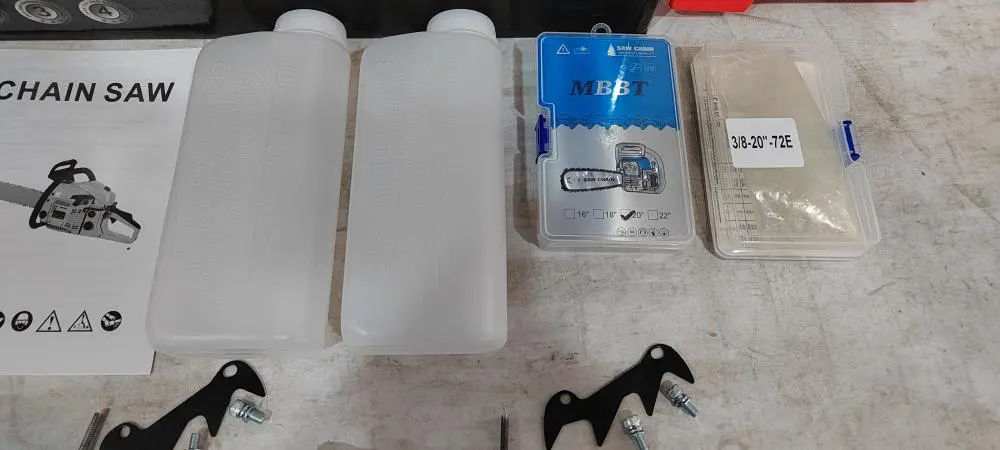
Procurement Insights: Where and How to Buy 58cc Gas Chainsaws?
Evaluating Suppliers and Manufacturers
To buy tools successfully, you must first evaluate suppliers based on their ability to manufacture, their quality control methods, and their after-sales support infrastructure. Since 2004, JUSEN has been making things, which shows that they are stable enough to have long-term supply relationships. Jinhua, Zhejiang, is a well-known center for making power tools. The company takes advantage of established supply lines for key parts while keeping a close eye on the quality of production.
Managers in charge of buying things should make sure that possible suppliers have written quality control methods that cover important safety features. For 58cc gas chainsaws, important tests include checking the carburetor's tuning across a range of RPM, testing the chain brake's inertia reaction to ISO 11681-1 standards, checking the cylinder's compression and leak-down to make sure the piston rings are solid, and checking the chainsaw's ability to start both hot and cold. Suppliers who are ready to provide specific quality documents show the openness that is needed for long-term relationships based on trust.
Customization is another important thing to look for in a seller, especially for distributors that are making their own brands or for regional dealers that need designs that are specific to their market. JUSEN lets you change a lot of the specifications. For example, you can get unique color schemes with a minimum order quantity. You can also get help with packing and labeling that meets brand standards. This gives business partners the freedom to make their products stand out in the market while still using proven technical and manufacturing skills.
Certification Verification and Regulatory Compliance
In the power tool business, counterfeit equipment is always a risk, and illegal copies often don't have important safety features that real goods do. Procurement managers should make sure that sellers show proof of all the necessary certifications, such as EPA emissions compliance for U.S. markets, CE marking for European distribution, and, if necessary, GS safety certification. Authorized sellers have direct relationships with manufacturers that make sure the products they sell are real and that the warranties they offer are valid.
When comparing prices, you should think about the total landed cost, which includes shipping, import taxes, and any service that might be needed during the guarantee period. When a product's price seems too low to be true, it probably has poor build quality, fake parts, or guarantee terms that are hard to follow when problems happen. Established companies like JUSEN offer clear pricing that reflects high-quality materials and well-documented production standards. This keeps buyers from having to pay extra for equipment that breaks down early or raises safety liability issues.
Building relationships with area distributors has benefits that go beyond the original purchases. Distributors who know a lot about tools can help buyers choose the right saw for their needs by giving them expert advice. They keep a stockpile of parts for regular repair items, which cuts down on downtime when consumables need to be replaced. Their service networks offer guaranteed support and repair services, which makes technology more available for as long as it works.
Conclusion
To choose the right 58cc gas chainsaw displacement, you have to weigh the power needs, the costs of operation, and the needs of the individual job. The 58cc platform is perfect for professionals who need to cut things at a professional level but don't want to carry around or pay for full forestry tools. These saws have about 25% more torque than the famous 45cc household models and don't add much weight. This lets you cut faster, which saves you money on labor and boosts productivity. The ability to drive guide bars up to 24 inches makes it possible to use a single tool for a wider range of tasks, from limbing to cutting down trees with a medium-sized width. These professional saws meet government regulations for emissions and have improved safety features that keep users safe. Commercial gardeners, property care workers, and farmers can get more value from their investments in high-quality 58cc equipment from well-known brands over time. This is because the equipment will be more productive, last longer, and cost less to own overall.
FAQ
What fuel mixture ratio should I use for a 58cc two-stroke chainsaw?
Most new 58cc chainsaws need a gasoline-to-oil mixture of either 40:1 or 50:1, depending on what the maker says. The JS-CS5800W from JUSEN can work with both ratios. Instead of regular car oil, you should always use high-quality two-stroke oil with a JASO FD rating. The synthetic blends burn more cleanly, which keeps carbon from building up on the piston crown and exhaust port. Putting straight gasoline into an engine without adding oil causes it to seize up immediately and badly.
Can a 58cc engine handle a 24-inch guide bar effectively?
Even though they are directly compatible with 24-inch bars, they work best with 18- to 20-inch layouts. Longer bars spread the engine power over a larger cutting area, which slows down the chain in thick hardwoods. At full length, the automatic oiler might not be able to get enough oil to the bar tip, which speeds up wear. Professional users usually only use 24-inch bars for large-diameter work once in a while and shorter bars for daily tasks.
How often does the air filter require maintenance?
The air filter should be checked every five hours and either cleaned or replaced if it looks dirty. More regular checks are needed when there is a lot of dust or when working with dry wood. When the filter is clogged, airflow is limited, which makes the engine run rich, lose power, and collect carbon faster. Maintaining the filter properly keeps the engine running well and greatly increases its useful life.
Partner with JUSEN for Professional-Grade 58cc Gas Chainsaw Solutions
Because JUSEN has been making high-quality 58cc gas chainsaws for 20 years, professional wholesalers, landscaping businesses, and farms all over North America trust us as a provider. The 2.4kW engine, chrome-plated cylinder, and magnesium alloy crankcase design of our JS-CS5800W type give it enterprise-grade cutting power. It will last for a long time in tough conditions. As a company that wants to grow, we offer OEM customization, reasonable bulk prices, and full technical support, all backed by a one-year warranty. Contacting our team at Sales1@cnjusen.com is a good way for procurement managers looking for reliable equipment partnerships to talk about specific needs, get detailed specs, and find out how our proven manufacturing knowledge can help you gain a competitive edge in your market. Our expert staff can help you find the right saw setup for your needs and make sure that your order is shipped quickly and that you get help after the sale.
References
1. International Organization for Standardization. ISO 11681-1:2022—Forestry machinery—Portable chain-saw safety requirements and testing - Part 1: Chainsaws for forest service. Geneva: ISO, 2022.
2. Environmental Protection Agency. Phase 3 Small Spark-Ignition Engine Emission Standards: Technical Implementation Guidelines for Two-Stroke Equipment. Washington, D.C.: EPA Office of Transportation and Air Quality, 2021.
3. American National Standards Institute. ANSI B175.1-2020 - Safety Requirements for Gasoline-Powered Chain Saws. New York: ANSI Accredited Standards Committee, 2020.
4. Forest Resources Association. Chainsaw Selection and Maintenance for Commercial Forestry Operations: A Technical Guide. Rockville, MD: Forest Resources Association, 2019.
5. National Institute for Occupational Safety and Health. Logging Safety: Chain Saw Operation and Kickback Prevention. Cincinnati: NIOSH Publications, 2020.
6. Society of Automotive Engineers. SAE J1349 - Engine Power Test Code - Spark Ignition and Compression Ignition - As-Installed Net Power Rating. Warrendale, PA: SAE International, 2021.

USER EVALUATE
Here is the customer's evaluation of us
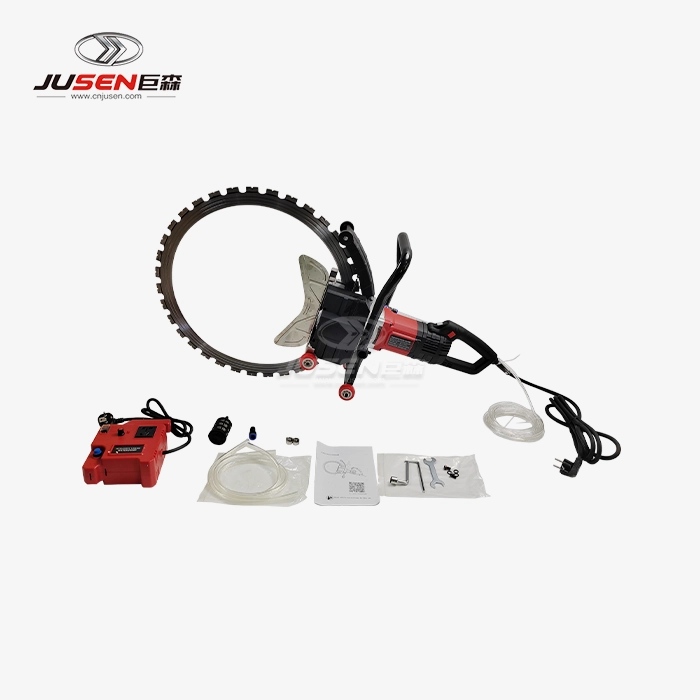 VIEW MOREAdjustable Electric Ring Saw
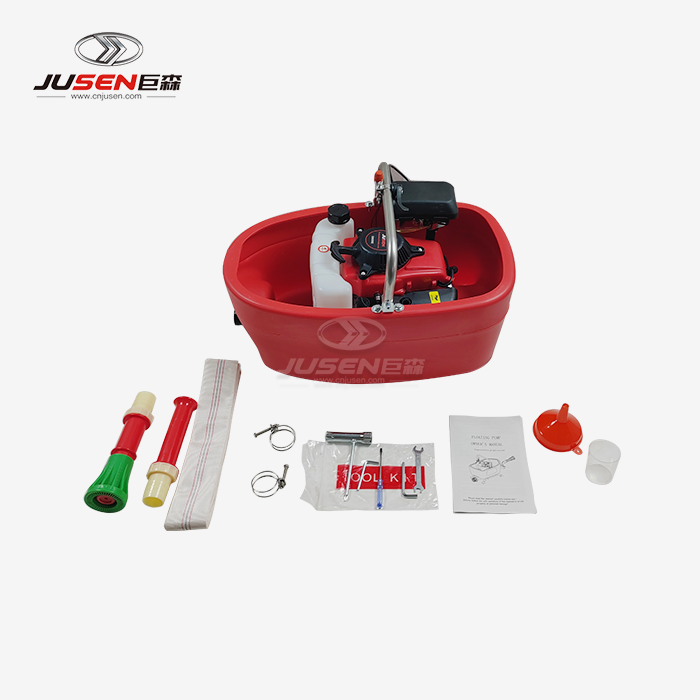 VIEW MOREFloating Water Pumps For Ponds
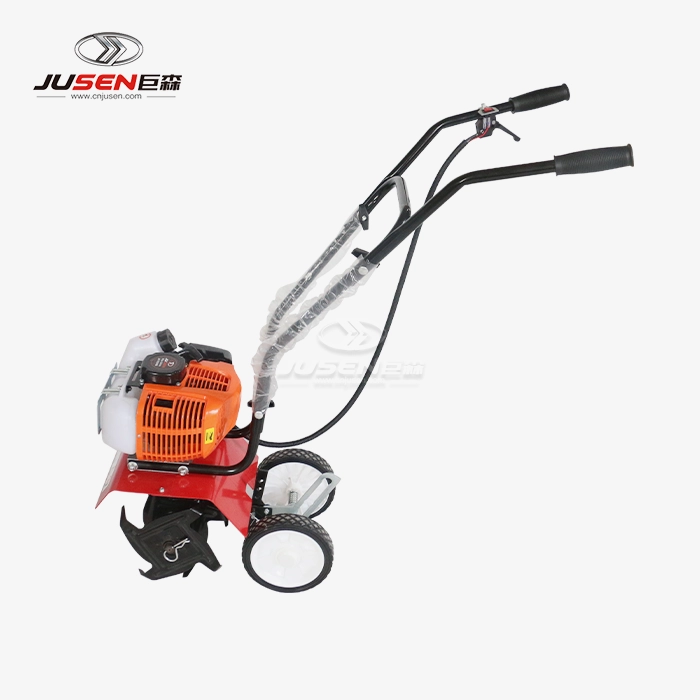 VIEW MORE2-Stroke Mini Tiller Cultivator
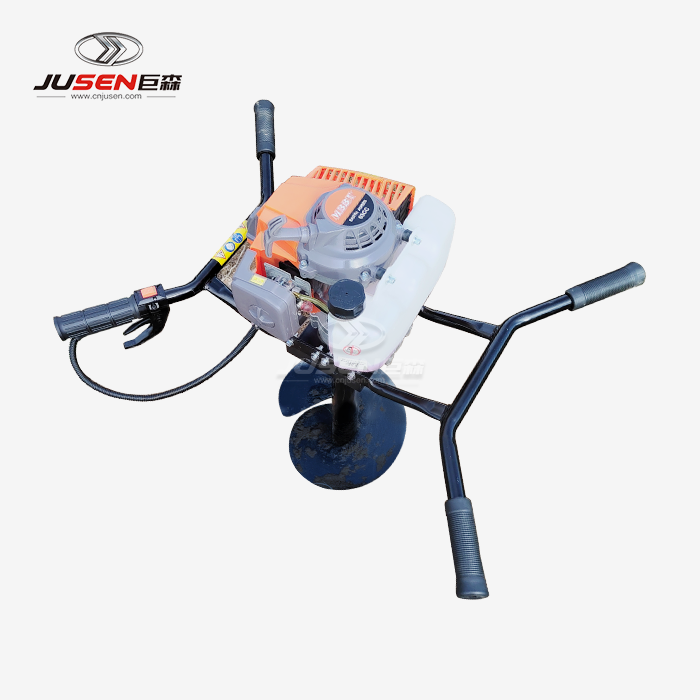 VIEW MORE63cc Double-Handed Grip Handle Earth Auger
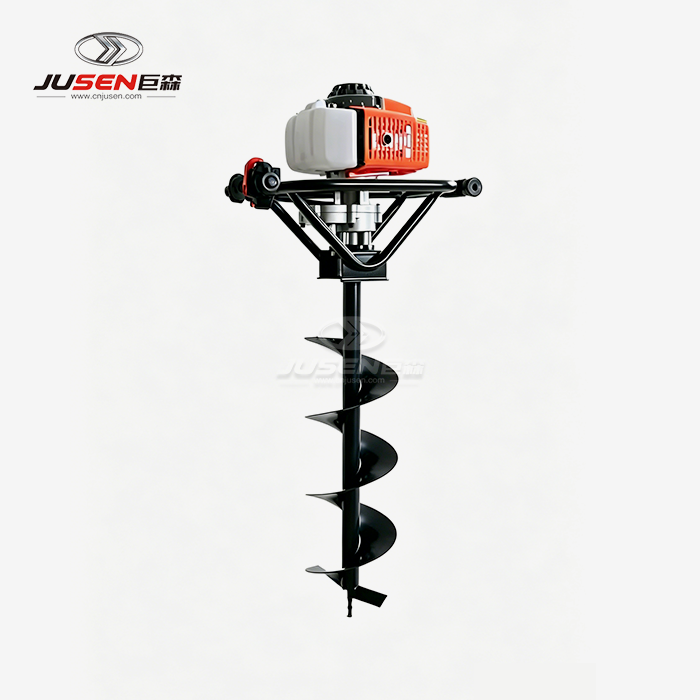 VIEW MORE63cc 2-Stroke Garden Hand Earth Auger
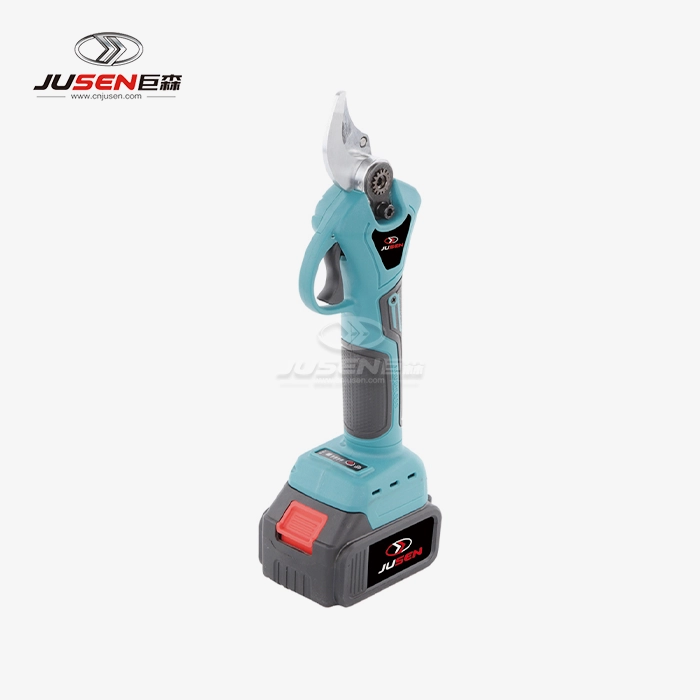 VIEW MORELong Reach Lithium-Ion Garden Shears 21v
 VIEW MORE43cc Float Type Garden Use Backpack Grass Brush Cutter
 VIEW MOREMini Gas Powered Chainsaw