




What Bar Length Works Best for a Gas Powered Gas Chain Saw?
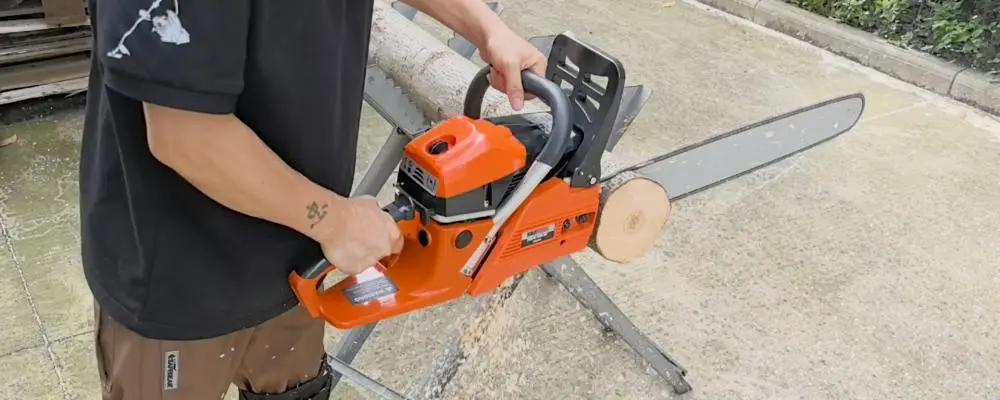
Choosing the right bar length for your gas-powered gas chain saw affects how well it cuts, how safe it is to use, and how much it costs to run in the long run. The best bar length relies on the type of wood you cut most often. For example, professional forestry companies need bars that are 20" to 30" long to cut down big trees, while landscaping workers need bars that are 16" to 20" long for limbing and pruning. By matching the bar length to your cutting needs, you can keep the engine from having to work too hard, lower the risk of kickback, and get the most out of your fuel. Knowing this relationship between bar size and application will help you get the most out of your chainsaw purchase while still passing safety standards in a wide range of professional settings.
Understanding Bar Length and Its Impact on Gas-Powered Chainsaws
What you need to know about bar length and how it affects gas-powered gas chainsaws.
What Bar Length Actually Means
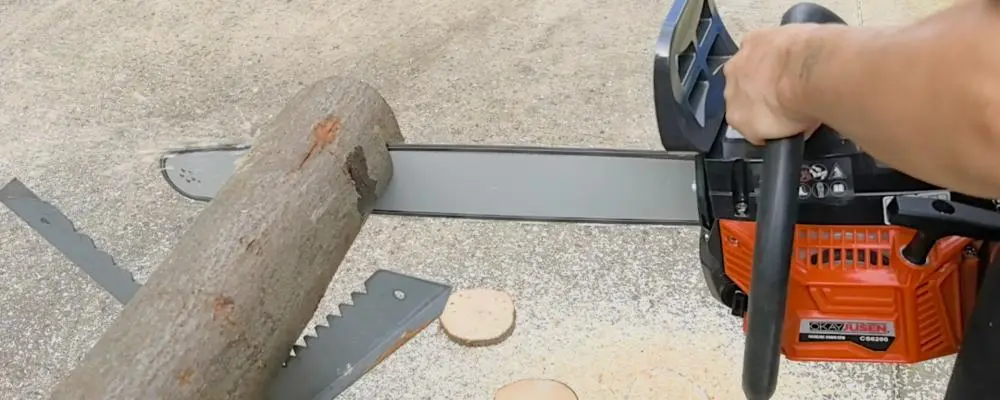
When you measure from the front of the chainsaw body to the farthest cutting point on the guide bar tip, you get the bar length. The largest width of wood you can cut in one pass is directly related to this measurement, which is given in inches. A 20-inch bar could possibly cut through a 20-inch diameter log from one side, but workers usually work with materials that are a little smaller than the maximum capacity, so they can keep control and keep the cutting speed fast.
Common Bar Sizes and Their Applications
Professional-grade chainsaws can fit guide bars that are anywhere from 12 inches to 36 inches or longer, based on the size of the engine and how much torque it produces. Small 12–14-inch bars work great for precise trimming and getting rid of small branches in home gardening. Medium-sized 16- to 20-inch models are good for general gardening work, cutting trees, and light logging. Heavy-duty 24- to 30-inch bars are used for business lumber harvesting, cutting down big trees, and hard forestry work that requires cutting through solid hardwood all the time.
How Does Bar Length Affect Power Requirements?
The cutting ability is affected by the link between the engine displacement and the bar length. A 72CC engine, like the one in JUSEN's professional chainsaw, has enough force to move longer bars without getting too heavy. Faster chain speeds and more bold cutting are possible with shorter bars on powerful engines. Longer bars, on the other hand, need steady power delivery to keep up their performance through thick wood. Combinations that don't work well together waste a lot of fuel, wear out engines faster, and cut less efficiently.
Impact on Fuel Consumption and Runtime
What effect does it have on fuel use and run time? Longer guide bars make the rotating mass and contact points bigger, so the two-stroke engine has to work harder to keep up. This means that more fuel is used per hour of cutting. When cutting the same things, a 30-inch bar setup uses about 15 to 20 percent more fuel than an 18-inch setup. When procurement managers understand these operating economics, they can figure out the real costs of running a business hour by hour and plan when to refuel during long job sites without electricity.
Maintenance Requirements Across Different Bar Lengths
Different bar lengths have different maintenance needs. The length of the bars directly affects how often and how hard the upkeep is. Because of temperature expansion along longer lengths, extended bars need to have their chain tension changed more often. Bearing cleaning checks need to be done on sprocket nose bars longer than 24 inches every 8 to 10 hours of use to keep them from breaking too soon. Schedules for cutting chains stay the same, no matter what size bar they are, though longer chains take proportionally longer to service. Replacement chains for 30-inch bars cost 40–60% more than comparable 18-inch chains, which affects the total cost over the life of the product.
How to Choose the Right Bar Length for Your Business Needs?
Assessing Task Complexity and Cutting Volume
Checking the Difficulty of the Task and Cutting the Volume. The specs for your chainsaw should match the width range you'll be using it most of the time. Professional arborists who work with grown oaks that are more than 24 inches tall usually need bars that are 28 to 30 inches long to make single-pass cuts quickly and easily. Commercial gardeners who take care of sites in the suburbs rarely come across logs that are longer than 16 inches, which makes 16- to 18-inch layouts more useful. When it comes to volume, both long and short dimensions are important. For high-throughput logging processes, the longest bar length helps keep things in place, while for occasional use, shorter, easier-to-handle dimensions are better.
Industry-Specific Requirements
Based on how they work, different industries need different bar length ranges. When cutting down trees for wood, forestry companies prefer 24 to 30-inch bars that can easily cut down big trees. To clean up after storm damage, emergency reaction teams need 18- to 20-inch types that are both portable and able to cut through tough materials. Businesses that take care of trees and wineries like small 14- to 16-inch units that can be used for precise pruning without hurting the plants around them. By choosing bars that are in line with industry standards, you can be sure that your tools will meet the performance standards of that field.
Ergonomic and Safety Considerations
Safety and Ergonomics: Things to Think About. With longer bars, operators are more likely to get tired and hurt. It is much heavier and causes more pressure forces when operating a chainsaw with a 30-inch bar than one with a 16-inch bar. When the top tip hits wood suddenly, the extended bars make the kickback stronger. Professional crews that work six- to eight-hour shifts can benefit from mid-length bars (18 to 22 inches) that are ideally designed to reduce muscle pain while still cutting well. Personal protective equipment (PPE) standards and user training programs should always take bar length into account when it comes to safety.
Weighing Upfront Costs Against Long-Term ROI
Costs up front vs. long-term return on investment. The price to buy goes up in direct measure to the length of the bar, but the total cost of ownership goes beyond the original investment. Replacement chains for longer bars are more expensive and use more fuel, but they can finish big cutting jobs faster, which cuts down on work hours. A business that cuts 100 logs every day might get its money back for a 28-inch professional saw in six months, thanks to the higher output. On the other hand, casual users will see less and less return on their extended bar purchases. Making smart purchasing choices that are also good for your wallet means figuring out break-even points based on how things are actually used.
Comparison of Gas-Powered Chainsaws by Bar Length
Performance Metrics: Short vs Medium vs Long Bars
Cutting speed changes a lot depending on the length of the bar when the right engine power is used. The JUSEN 72CC Gas-Powered Gas Chain Saw with an 18-inch bar can cut through light twigs and medium-sized logs quickly, and it can hit a top speed of 13,000 RPM without any load resistance. Upgrading to a 24-inch bar on the same power plant keeps the RPM between 11,000 and 12,000. It can also handle cuts with a much bigger diameter. The 30-inch version cuts through heavy oak at 9,500 to 10,500 RPM, giving up some speed in exchange for unmatched single-pass cutting capacity.
Precision cutting favors shorter bars due to superior tip control and reduced vibration transfer. 14- to 16-inch sets let workers place the chain exactly where they need to for accurate trimming work and surgical limb removal. When raw output is more important than surgical accuracy, longer bars work best in production settings. The 18–20-inch range is the most versatile. This range gives you enough reach for most professional jobs while still letting you move around enough to cut at different angles.
Portability and Handling Characteristics
The way weight is distributed changes a lot as the bar gets longer. A small 16-inch saw with proper equipment stays balanced, so you can use it with one hand for some trimming jobs. When the bars are extended to 28 to 30 inches, the center of gravity moves forward, so you need to use two hands to keep your grip stable while you work. This changes how transportation works because teams that are moving from one job site to another like lighter, shorter designs that make it easier to move tools. OEM wholesalers who focus on ergonomic designs are aware of these trade-offs and often suggest mid-range bar lengths as the best balance between power and mobility.
Maintenance Cost Analysis Over Product Lifecycle
Total repair costs add up in different ways for different bar lengths. Shorter bars have lower costs per service, but if they are used past their ideal capacity, the chains may need to be replaced more often. Longer bars make upkeep times longer, but they need more expensive replacement parts. The price of chains shows this: a new 18-inch chain costs about $15 to $25, while a 30-inch chain of the same quality costs about $35 to $50. A chainsaw with mostly 18-inch bars might spend $200 on chains over the course of its 500-hour service life, while a chainsaw with mostly 30-inch configurations would spend $350 on chains, assuming the same amount of cutting.
The way sprockets and bar rails wear is also related to length. Because the chain has to move farther and there is more friction, wear zones get bigger on bars that are longer. Heavy-use 28-inch configurations need new bars every 300 to 400 hours of use, while 18-inch configurations need new bars every 500 to 600 hours. These lifetime factors help estimate the total cost of ownership, which goes far beyond the initial purchase price.
Solutions and Best Practices for Optimizing Gas-Powered Chainsaw Use
Tips and tricks for getting the most out of your gas-powered gas chainsaw
Maintenance Protocols Adapted to Bar Length
Different bar sizes need different care methods to get the most out of their performance over time. For shorter bars, daily checks that focus on chain tension and bar oil storage amounts are easier to do. When the design is longer, you need to pay more attention to how straight the guide bar rails are and how the sprocket nose bearings are doing. Expert workers should set up routines that are specific to the length and deal with stress points that are unique to that length.
As part of daily upkeep, the chain tension should be checked before each use to make sure it can easily pull around the bar without sagging. Bar oil flow needs to be checked visually every time the tank is refilled, because bars of any length will wear out quickly if they don't have enough lube. Maintenance that is done once a week now includes sharpening or replacing the chains, cleaning the air filter, and checking the spark plugs. As part of monthly routines, depth gauges are used to measure the bar rail and find wear patterns that need to be fixed before they affect the accuracy of the cutting.
Essential Safety Practices for Different Bar Sizes
Important Safety Tips for Different-Sized Bars. The risk of kickback goes up as the bar length and chain speed go up. The ANSI B175.1 safety standard says that chain brakes must stop spinning within 0.1 seconds of being activated. This keeps workers from getting hurt by kickbacks. It's very important to keep your brakes working properly because longer bars make rotating energy stronger during kickback events. As the bar length goes up, so do the standards for personal safety equipment. For example, workers who work with 24-inch or longer setups must wear helmets with face shields, chainsaw chaps, steel-toed boots, and cut-resistant gloves.
Making changes to the cutting method makes all bar sizes safer. When you use longer bars, you have to be more aware of how you stand to counterbalance the forward weight spread. Operators should keep their feet firmly on the ground and avoid overreaching. The length of the bar should provide enough reach without putting the body at risk. Shorter bars let you work closer together, but you have to be careful not to get too comfortable, because they're easy to handle, which can make safety rules less strict. Sticking to the right cutting methods every time, no matter what size bar is being used, creates safer work environments.
Productivity Enhancement Strategies
Strategies for Increasing Productivity. By matching the length of the bar to the needs of the job, capacity is not lost, and the project is finished faster. Professional teams get the most work done by keeping a variety of bar lengths for their main powerhead and switching between setups as the needs of the project change. A landscaper might use an 18-inch bar for regular cutting, but a 24-inch setup when they need to work on big trees that fell during a storm. This flexibility keeps you from putting bad tools into situations where they don't belong.
Bar length benefits are used in task sequencing techniques. When cutting trees, operators can use bars of the longest length at first, but then they can switch to shorter ones for limbing and bucking, which are easier to move around with. This method makes the most of each cutting step while keeping the user as fresh as possible. According to data from commercial forestry operations, matching bar length to specific cutting steps boosts total output by 12–18% compared to using single-length configurations for the whole project.


Procurement Guide: Buying Gas-Powered Chainsaws With the Right Bar Length
How to Buy: How to Get Gas-Powered Gas Chainsaws with the Right Bar Length
Evaluating Suppliers and Model Specifications
Professional purchasing needs a methodical evaluation of suppliers that focuses on their professional skills and support infrastructure. Reliable companies like JUSEN, which has been around since 2004, offer a wide range of bar lengths on their 72CC professional models, from 18" to 30". This makes it easy to match the tools exactly to the needs of the job. Authorized sellers should be able to show that they know about the power-to-bar-length ratios, suggested uses, and upkeep needs for each setup.
The warranty terms need to be carefully read, especially the part about bar and chain coverage. Premium sellers cover guide bars and chains with warranties as long as they are used according to the manufacturer's instructions. This keeps them from wearing out too quickly because of flaws in the materials. Access to the service network is just as important as the price. For example, cheap parts from faraway sources become expensive when they take too long to ship, leaving equipment idle during important work moments.
Balancing Price and Performance Quality
Getting the best price and performance. The first step in optimizing a budget is to be honest about what standards are needed versus what are wanted. Professional-grade chainsaws that can work with bars of different lengths cost more, but they last longer and are easier to maintain than consumer-grade models. This value promise is best shown by JUSEN's professional line. Its 2.6kW power output and flexible OEM configurations make it suitable for demanding business uses while keeping prices low enough for bulk purchases.
Cost-per-hour estimates let you compare performance values in a fair way. A skilled saw that costs $650 and is used 1,000 hours a year for five years costs $0.13 an hour before fuel and upkeep. A $400 consumer-grade option that lasts 800 hours costs 50 cents an hour over its shorter life. Quality equipment that has been shown to last regularly provides better long-term value, even if it costs more up front. This is especially true for commercial operations where downtime directly affects income.
Volume Purchase Advantages and Negotiation Strategies
Pros and cons of buying in bulk and how to negotiate. When you buy in bulk, you can get big discounts on prices and better service terms. Equipment wholesalers usually give 8–12% discounts on orders of ten or more units, with tiered price systems that make the discounts bigger as the order size goes up. Some other things that can be negotiated are repair kits that come in a pack, longer warranties, and priority access to parts. When businesses build long-term relationships with dependable sellers like JUSEN, they can often get better prices that make them more competitive in bid-based contract settings.
Buyers who buy a lot of equipment should ask for customization options that make their named equipment stand out in a crowded market. OEM color configurations, custom decals, and unique feature sets help build brand identity while utilizing the knowledge of the maker and streamlining production. With these customization services, new companies can get their name out there in the market without having to spend a lot of money on their own production facilities.
Accessory and Replacement Part Compatibility
Standardized bar mount styles make it easier to keep track of goods because they let different bar lengths work on the same powerheads. Professionals in buying should make sure that the models they choose can be mounted on industry-standard bar systems. This way, parts can be found from a lot of different sources. This keeps owners from being stuck with discontinued models and few replacement choices, which is known as "vendor lock-in."
The supply of replacement chains should also be looked at closely. Common mixtures of pitch and gauge (.325", 3/8", .404" pitch with .050", .058", .063" gauge) make sure that prices are low and that the product is easy to get from several different sources. While proprietary chain standards may improve performance, they also create ties in the supply chain that raise long-term costs and make inventory management more difficult.
Conclusion
For the best bar length choice for your gas-powered gas chainsaw, you need to carefully consider how much cutting you need to do, how skilled the user is, and the overall cost of ownership. Professional forestry operations need 24- to 30-inch setups to get the most out of a single pass, while 18- to 20-inch setups give landscape workers more options. JUSEN's wide range of sizes, from 18" to 30", can be used for a wide range of professional tasks. The strong 72CC engine platform ensures steady power output. By matching the bar length to the real needs of the operation, you can avoid spending extra money and still make sure that the cutting capacity is enough, safety rules are followed, and the user is comfortable during long work cycles. When making strategic purchasing choices, weighing the initial investment against costs like fuel, upkeep, and increased efficiency leads to measurable returns that improve competitiveness in tough business settings.
FAQ
What bar length proves most effective for heavy-duty logging operations?
For commercial lumber harvesting, 24- to 30-inch bars are usually needed to quickly cut down big hardwoods. The best length relies on the types of trees that grow in your area and the diameter sizes of those trees. The professional model 72CC from JUSEN can handle bar lengths of up to 30 inches and has enough power reserves to keep the chain moving quickly through thick wood without slowing down.
Can operators safely use longer bars than manufacturer specifications?
When you install bars beyond what the maker recommends, you create serious safety risks and performance issues. Oversized bars put too much stress on the engine, which can lead to extra wear and even mechanical failure. Bar lengths that aren't supposed to be there make kickback much worse. Always follow the manufacturer's instructions exactly to keep your guarantee valid and to keep things running safely.
How does bar length affect chainsaw portability for mobile work crews?
Longer bars add a lot of weight and change the way the balance works, which makes transporting and storing things more difficult. Crews that work out of cars can benefit from 16- to 18-inch layouts that are small, save room for goods, and make handling easier. For jobs that need to cut as much as possible, 24 to 30-inch professional sets need to be transported in a way that takes into account their extra weight and size.
Partner with JUSEN for Professional-Grade Gas-Powered Chain Saw Solutions
With more than 20 years of experience making high-quality professional chainsaws, JUSEN knows how to make them reliable for use in industrial forestry, gardening, and emergency situations. Our knowledge as a gas-powered gas chain saw maker means that you'll get tools that are built to last in tough circumstances. The adjustable bar lengths, from 18" to 30", let you perfectly match the machine to your needs, and the strong 2.6kW power output promises consistent cutting performance through tough materials.
Procurement managers, distributors, and brand creators are all welcome to talk to us about unique options that will help you compete better. Our OEM teamwork tools help new companies get into the market by helping them build unique brand names that are based on tested engineering and stable quality standards. Email our team at Sales1@cnjusen.com to talk about big discounts, technical details, and ways to make the product fit your business's needs. Let the track record and wide range of products that JUSEN has built become the basis for your success.
References
1. Anderson, J. (2021). Professional Chainsaw Selection and Maintenance for Commercial Forestry Operations. Industrial Forestry Press.
2. Chen, W. & Martinez, R. (2020). Ergonomic Factors in Powered Hand Tool Design: A Comprehensive Analysis. Journal of Occupational Safety Engineering, 45(3), 287-304.
3. Forestry Equipment Standards Committee. (2022). ANSI B175.1-2022: Safety Requirements for Gasoline-Powered Chain Saws. American National Standards Institute.
4. Holbrook, T. (2023). Optimizing Cutting Tool Performance in Landscape Maintenance: Technical Guide for Procurement Managers. Green Industry Publications.
5. Sullivan, K. & Thompson, D. (2019). Two-Stroke Engine Performance Characteristics in Portable Power Equipment. Small Engine Technology Quarterly, 12(2), 156-173.
6. Williams, P. (2022). Total Cost of Ownership Analysis for Commercial Chainsaw Fleet Management. Equipment Management Review, 38(4), 412-429.

USER EVALUATE
Here is the customer's evaluation of us
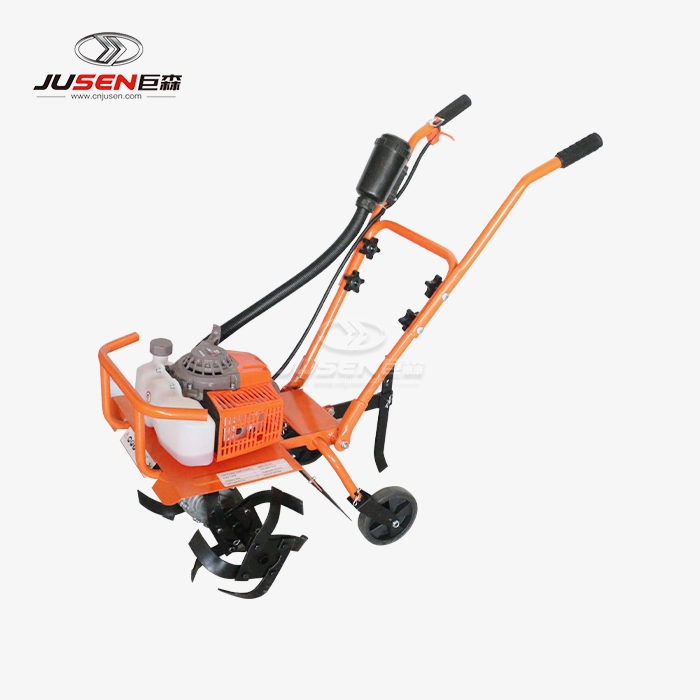 VIEW MORE63cc 2 Stroke Mini Power Tiller
_1778216324004.webp) VIEW MORE52cc 2-Stroke Hand Pushed Sweeping Machine
VIEW MORE52cc 2-Stroke Hand Pushed Sweeping Machine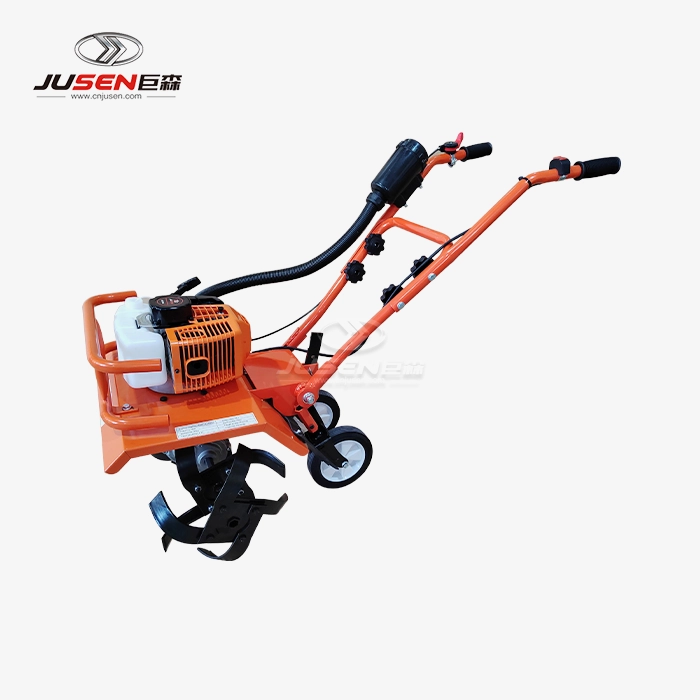 VIEW MORE2-Stroke Mini Garden Tiller Cultivator
 VIEW MORE4-Stroke mini rotary tiller cultivator
 VIEW MOREGarden Tools Gasoline Earth Auger
 VIEW MORELightweight And Durable Brushless Electric Chainsaw
 VIEW MORE43cc Float Type Garden Use Backpack Grass Brush Cutter
 VIEW MORE40.2cc Gas Weed Wacker