




How Easy Is It to Maintain an Electric Start Gasoline Brush Cutter?
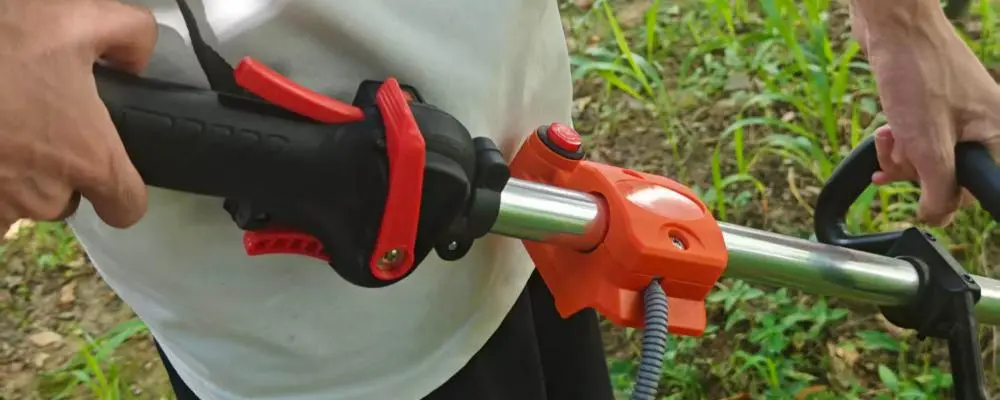
Keeping an electric-start gasoline brush cutter in good shape is a lot easier than keeping up with standard pull-cord types. The built-in push-button starting method keeps the starter's parts from wearing out as quickly. Regular maintenance includes checking the fuel mixture, cleaning the air filter, checking the spark plugs, and sharpening the blades. The lithium-ion battery on board doesn't need much care and can usually give you 40+ starts per charge. It can also charge itself while you're using it. For most expert operators, basic maintenance that takes 15 to 20 minutes a week ensures steady performance and greatly increases the equipment's lifespan.
Understanding the Maintenance Needs of Electric Start Gasoline Brush Cutters
The change from manual-start to electric-start technology has a big impact on how gardening workers make sure their tools work well. In an electric-start gasoline brush cutter, we see a hybrid system that blends the powerful two-stroke gasoline engine with the modern ease of use of an electrical system. When procurement teams and maintenance managers understand these key components, they can correctly estimate long-term running costs.
Key Components Requiring Regular Attention
As always, the fuel engine is the system's heart. The 43cc model from JUSEN has a high-speed tuned two-stroke engine that makes 1.7 kW of power and keeps the rest speed stable at 2800 rpm. The fuel system, ignition parts, and air intake paths need to be carefully thought out for this engine design. The electric start system adds a lithium-ion battery module and a starting motor to the normal setup. However, these parts are designed to last and need little maintenance.
Pay close attention to the fuel system. Using high-quality synthetic two-stroke oil in a 40:1 fuel-to-oil mixture keeps carbon from building up and saves engine parts. The diaphragm carburetor, which is designed to meet pollution standards, needs to be adjusted every so often to keep the throttle response and fuel economy at their best.
Assessing Maintenance Demands for Operational Efficiency
Professional gardeners and city maintenance crews should know that electric-start brush cutters make one important maintenance task easier: fixing broken recoil starting mechanisms. In traditional pull-cord systems, the rope can tear, the springs can break, and the pulleys can wear out, which can stop the tools in the middle of a job. With the electric start system, these weaknesses are gone, and only a few electrical parts have been added that work very well in the field.
The drive system from JUSEN has been strengthened with parts like a 26mm aluminum transmission shaft with a sharpened steel drive sprocket. This design keeps vibration-related wear to a minimum and lowers the number of times that bearings need to be replaced. The power-to-weight ratio, which is only 11 kg, lets workers work easily for long shifts without getting too tired, which could cause them to be careless or cause damage by accident.

Breakdown of Typical Maintenance Tasks and Their Complexity
Routine upkeep is the difference between having effective technology and having to fix it all the time. We've organized maintenance jobs by how often they need to be done and how hard they are to do. This will help teams make service plans that work well and get the most uptime.
Daily Pre-Operation Checks
Before each work session, operators should check the cutting blade for damage or sharpness, make sure there is enough fuel, and make sure the throttle button works smoothly. It only takes three minutes to do these checks, but they keep most field fails from happening. The engine should start within two seconds of pressing the electric start button. This means the battery is fully charged and all the electrical connections are correct.
Weekly Maintenance Procedures
Updating the air filter is the most important thing that needs to be done every week. Working in dirty places or cutting dry plants speeds up the pollution of filters. You should take out the foam or paper air filter, clean it with compressed air or a light soap, and then put it back in after it is completely dry. When the air filter gets clogged, the engine can't work as well and uses up to 25% more gas.
Checking the spark plugs shows how the engine is running. A tan or light gray electrode means that the fuel blend and burning are correct. Black, sooty layers mean the fuel mixture is too rich, or there isn't enough air flow, while white or burned electrodes mean the mixture is too lean or the engine is getting too hot. Changing the spark plugs every 50 hours of use keeps the ignition working well and stops problems with hard starts.
The battery for the electric starter needs only a little but important care. The most common electrical problem is rust at the terminals. Using a wire brush to clean the battery terminals and adding dielectric grease stops oxidation that can prevent the starting from working. Overcharging is prevented by the battery management system, but deep drain, which shortens the battery's life, cannot happen if the battery is disconnected for more than 30 days.
Monthly and Seasonal Service Tasks
There are places on the drive shaft and clutch that need new grease every 25 to 30 hours of use. The styles made by JUSEN have easy-to-reach grease plugs that work with lithium-based grease. Proper lubrication cuts down on contact heat and makes gearboxes last a lot longer. It is important to check the clutch shoes and springs in the centrifugal clutch system for wear. Under normal conditions, these parts should last hundreds of hours.
For upkeep on the fuel system, you should drain old fuel before putting it away and run the engine dry to keep the carburetor from getting gummed up. Fuels mixed with ethanol absorb water and break down within 30 days, making it hard to start and perform poorly. Most problems with fuel can be fixed by using fuel additives or gasoline without ethanol.
Simple hand tools are all you need for these simple repair tasks. Most expert operators do normal work in the field without special tools, so they don't have to spend much time between jobs. Because these steps are so easy, gardening companies can quickly train new workers and make sure that all of their equipment meets the same standards.
Comparing Maintenance: Electric Start vs Manual Start Brush Cutters
A lot of the time, the choice between electric start and manual start methods comes down to how hard they are to maintain and how reliable they are in the long run. Working with both professional landscaping companies and city care offices has shown us that they do things differently, which affects the total cost of ownership.
Mechanical Wear Patterns and Failure Modes
With every pull, manual recoil starts are put under a lot of mechanical stress. The friction and stress cycling in the starter rope cause it to fray. Depending on the operator's skill and the quality of the rope, it usually needs to be replaced every 100 to 200 pulls. The return spring can lose its force or break, especially when it's cold outside, and the metal is more likely to break. The flywheel's pawl parts wear out over time, and the engine stops turning when they slip.
With an electric start device, these parts that wear out quickly are not needed. A gear reduction mechanism connects the starter engine to the flywheel. This mechanism spreads the forces out evenly, which lowers the shock loads. The chemistry of lithium-ion batteries delivers stable voltage over a wide temperature range. This makes them safe for starting in cold weather, which is something that manual methods can't do. In JUSEN's combination design, a backup recoil starter is still there, but it doesn't get used very often, so it lasts longer.
Downtime Reduction and Labor Savings
Professional gardening businesses track their progress by how many acres they clear each day and how many jobs they finish each week. Starting problems waste time that could be billed and make workers angry. Pull-starting is hard on the body, and electric start types take away that need. This is especially helpful for stop-and-go tasks like roadside repair, where workers may have to restart equipment dozens of times every day.
A maintenance supervisor for a city in Ohio said that moving to electric-start brush cutters cut down on equipment-related delays by 40% during the busy summer growing season. No longer did operators have to deal with wet engines or work hard to start equipment that had been sitting overnight. Because JUSEN's tuned two-stroke engine has quick throttle reaction and fast blade speed, cutting can start right away, without any warm-up time.
Total Cost of Ownership Analysis
When procurement pros look at investments in tools, the price of the purchase is only one part of the total costs over its lifetime. Over the course of five years, the costs of repairs, maintenance work, replacement parts, and lost output during repairs often add up to more than the initial cost of the item.
Electric start brush cutters cost about 15 to 20 percent more than similar types that start by hand. But this investment usually pays for itself in 18 to 24 months thanks to lower upkeep costs and higher user output. Just getting rid of the need to fix recoil starters saves $75 to $150 a year per unit in parts and work. Less operator fatigue means higher output throughout the workday.
The main long-term cost of maintaining electric start systems is replacing the batteries. With proper care, good lithium-ion starter batteries last three to five years and cost forty to eighty dollars to replace. This cost is less than the total cost of fixing several recoil starters over the same time frame.
Best Practices and Tips to Simplify Maintenance for Procurement Professionals
How hard it is to maintain tools for years to come depends on how well it is chosen. When compared to buyers who only look for the lowest price, those who value serviceability and long-term support access see a big drop in their running costs.
Selecting Equipment with Maintenance Advantages
When looking at electric start brush cutters, we suggest that you focus on models that have easy-to-reach repair spots and replacement parts that are easy to find. Field serviceability is a big part of JUSEN's design mindset. Standard tools can be used to get to air filters, spark plugs, and drive components. The 43cc displacement class is the best compromise between cutting power and servicing needs that can be handled.
Both user comfort and motor stress are affected by how the weight is distributed. The 11kg operating weight of JUSEN's electric start model lets you use it for a long time without getting too tired, and the engine doesn't work hard when it's under a lot of stress. Less motor stress means that parts last longer and need fewer fixes that aren't planned.
Battery mobility is very important. Models that need to be taken apart in a lot of different ways to get to or change the starting battery make servicing more difficult and take longer. External charging ports and battery release devices with push buttons make service easier and encourage workers to take good care of the batteries.
Establishing Systematic Maintenance Protocols
With documentation, maintenance goes from being reactive to problems to being a regular process that can be planned for. We suggest keeping logs of your equipment's working hours, fuel use, and service jobs that have been performed. This information shows trends of use and helps figure out when to repair parts before they break.
There is a one-year guarantee on JUSEN products that covers manufacturing flaws and broken parts. However, warranty claims need proof that the product has been properly maintained. Keeping track of service times and methods saves your warranty and gives you useful data for judging how well your fleet's equipment is working.
Maintenance schedules should match up with how things are usually done. Weekly repair plans are best for crews that use equipment every day, while once-a-month reviews may be better for crews that only use equipment occasionally. The important thing is to stick to the same time every time.
Leveraging Manufacturer Support and Supply Chains
Purchasing plans that focus on approved dealers and long-term supply ties cut down on emergency downtime. The JUSEN company keeps a large stock of spare parts and can send most orders within 30 days. When time is of the essence, building ties with providers ahead of time guarantees priority service when it comes time to act.
Support for customization is another important thing to think about when buying something. JUSEN can handle custom specs for fleet orders, which lets you standardize all of your tools.
Consistent specifications make it easier for multiple groups and work teams to train, keep track of parts, and do upkeep.
Troubleshooting Common Issues with Electric Start Gasoline Brush Cutters
Even equipment that has been well taken care of can sometimes have problems. Methodical troubleshooting cuts down on repair time and helps workers figure out if fixes can be done in the field or if they need to be taken care of by a professional.
Diagnosing Starting System Failures
When an electric-start gasoline brush cutter won't start, it's important to quickly find the source of the problem. The hybrid start method gives helpful information for diagnosing problems. If the backup mechanical starter works to start the engine, the problem is with the electrical starting system and not with the motor itself.
The first step in an electrical diagnosis should be to check the power of the batteries. A lithium-ion starting battery that is fully charged gives off 12 to 14 volts when there is no load on it. If the voltage drops below 11 volts while the engine is running, it means that the battery is dying or that a cell is failing and needs to be replaced. Terminal rust shows up as white or green deposits around connection points. It causes resistance, which stops the starting motor from getting enough power.
If the battery power is fine but the starter motor won't turn on, the problem could be with the push-button switch, the connections in the wiring harness, or the starter motor itself. It's not often that these parts break, but vibrations can damage wire insulation or open connection pins. A close look often shows clear damage or broken connections that can be fixed by reseating them.
Addressing Engine Performance Degradation
Loss of power and rough runs are usually caused by pollution in the fuel system or problems getting enough air to the engine. The 40:1 fuel mixing ratio is very important. If there is too much oil, the exhaust will smoke and carbon will build up, and if there is not enough oil, the pistons will score, and the engine will break down completely. Premixed fuel gets rid of ratio mistakes and makes sure that performance stays the same.
The engine reaction and cutting power are affected by how the carburetor is adjusted. The idle speed of 2800 rpm for JUSEN's engine makes sure that the centrifugal clutch comes off correctly, which stops blade spin and too much wear. Too little idle speed can cause the engine to stop, and too much idle speed can make the cutting blade work in a risky way. Fuel flow is controlled by adjustment screws at idle and full speed. These changes must be made slowly and carefully while watching how the engine responds.
Unusual sounds or movements need to be looked at right away. When blade-fixing nuts are loose, the blade can wobble, which hurts the drive shaft and makes the work area unsafe. Noises coming from the gearbox mean that it needs to be oiled or that the bearings are wearing out quickly if nothing is done. The two-stroke engine should have a recognizable high-pitched exhaust note. Changes in sound quality often mean problems are starting to show up before performance gets bad enough to be noticed.
Safety Compliance During Maintenance Activities
As part of maintenance tasks, you may come into contact with sharp tools, flammable fuels, and moving parts. According to lockout rules, the spark plug wire must be disconnected before any work can be done on the cutting area or drive components. This easy step keeps the engine from starting by mistake, which could seriously hurt someone.
Handling fuel needs enough air flow to get rid of fumes and keep fires from starting. The two-stroke fuel blend has very flammable parts that give off fumes that are heavier than air and pool in low spots where ignition sources might not be visible at first glance. Properly keeping the fuel in approved containers away from heat sources and living areas keeps the quality of the fuel high and stops accidents.
Safety glasses, work gloves, and hearing protection when starting the engine for testing are all examples of personal protective equipment that are needed during repair. Maintenance areas should have stable work tables and enough light to see small parts and correctly spot damage or wear.
Conclusion
Taking care of an electric start gasoline brush cutter is surprisingly easy if you do it in a planned way. Modern electric starting is combined with tried-and-true gasoline engine technology to make a tool that cuts like a pro without the hassles of standard manual-start systems. Routine maintenance includes jobs that are easy to do and don't require a lot of special knowledge or tools, like checking the fuel blend, cleaning the air filter, taking care of the spark plugs, and maintaining the blades. The electric start parts make the design a little more complicated, but they get rid of the high-wear blowback starter systems that are common in other designs. JUSEN's 43cc electric start model from JUSEN is a good example of this balanced approach. It has 1.7kW of cutting power and weighs only 11kg, so professional gardeners and property managers can use it regularly during busy work seasons.
FAQ
How many starts does the electric starter battery provide before requiring a recharge?
Under normal conditions, a healthy lithium-ion starting battery can usually give you 40 to 60 starts per full charge. A lot of high-end electric start models have magneto-charging systems that charge the battery while the engine is running. This means that the car can be used continuously and start as many times as needed. When it's cold outside, the battery's capacity drops briefly, which could mean that 20–30% fewer starts are possible.
Can the equipment operate if the electric starter battery fails?
Electric start brush cutters made for professionals have mixed starting systems that include backup rebound pull-cord starters. This safety design makes sure that even if the batteries die completely, the tools can still be used in the field. Operators can use the standard pull-cord method to start the engine by hand and keep working while they change or charge the batteries when it's convenient for them.
What fuel mixture ratio is recommended for the two-stroke engine?
The usual fuel blend ratio is 40:1, which means that 2.5% high-quality synthetic two-stroke oil is mixed with new, unleaded gasoline that is at least 90 octane. This exact amount keeps carbon from building up, which can foul spark plugs and hurt the mechanism that engages the electric starting gear. Using two-stroke fuel that has already been mixed or carefully measured amounts will make sure that the engine lasts a long time and keeps performing at its best throughout its service life.
Partner with JUSEN for Your Electric Start Brush Cutter Needs
JUSEN has been making high-quality products for 20 years and now works with professionals in the gardening and grounds care industries. As a maker of Electric Start Gasoline Brush Cutters with a lot of experience, we know how important it is for procurement workers to find the right mix between cutting power, ease of use, and low maintenance. Our 43cc electric start model has a great 1.7kW power output, fast throttle response, a stable 2800rpm idle speed, and easy-to-use push-button starting that keeps operators from getting tired after long work sessions. This professional-grade equipment cuts through thick grass, reeds, and dense plants just as well as bigger-displacement models, even though it only weighs 11 kg and is made with strengthened parts.
We help our direct customers and marketing partners by offering a wide range of customization choices, a one-year warranty, and reliable 30-day shipping schedules. JUSEN offers the quality, creativity, and quick service that make business connections last, whether you're starting a new equipment brand or adding to the products you already sell. Email Sales1@cnjusen.com to talk about bulk prices, custom specs, and how our services as an electric start gasoline brush cutter provider can help you compete in tough markets.
References
1. Thompson, M. & Richards, P. (2021). Two-Stroke Engine Maintenance for Professional Landscaping Equipment. Grounds Management Press.
2. Industrial Equipment Reliability Council. (2022). Comparative Maintenance Cost Analysis: Electric vs. Manual Start Outdoor Power Equipment. IERC Technical Report 2022-08.
3. Anderson, J. (2020). Modern Brush Cutter Technology: Design Innovations and Operational Efficiency. Arborist Equipment Quarterly, 34(2), 45-62.
4. National Association of Landscape Professionals. (2023). Equipment Selection and Maintenance Best Practices for Commercial Landscaping Operations. NALP Professional Standards Manual.
5. Chen, W. & Martinez, D. (2022). Lithium-Ion Starter Systems in Small Engine Applications: Performance and Longevity Studies. Journal of Agricultural Mechanization, 18(4), 112-128.
6. Professional Grounds Management Society. (2021). Total Cost of Ownership Models for Commercial Vegetation Management Equipment. PGMS Research Publication Series, Volume 12.

USER EVALUATE
Here is the customer's evaluation of us
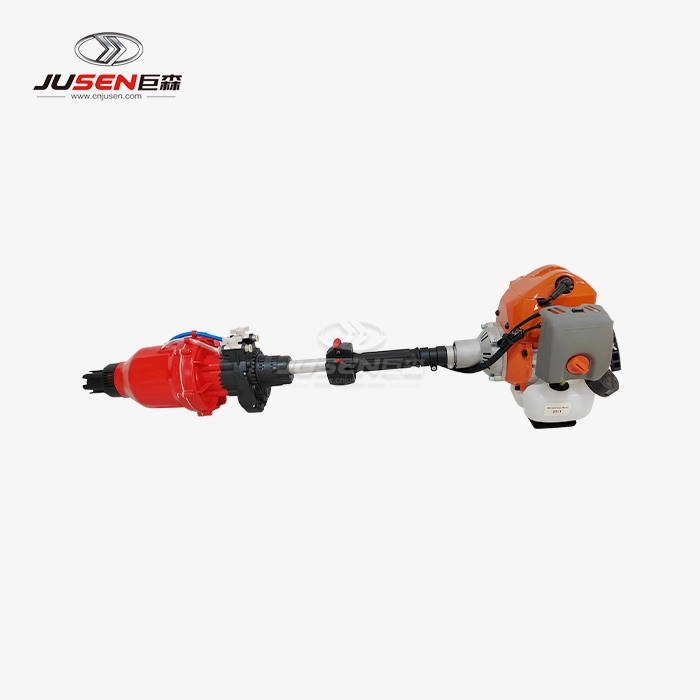 VIEW MOREGasoline Engine Powered Sprayer
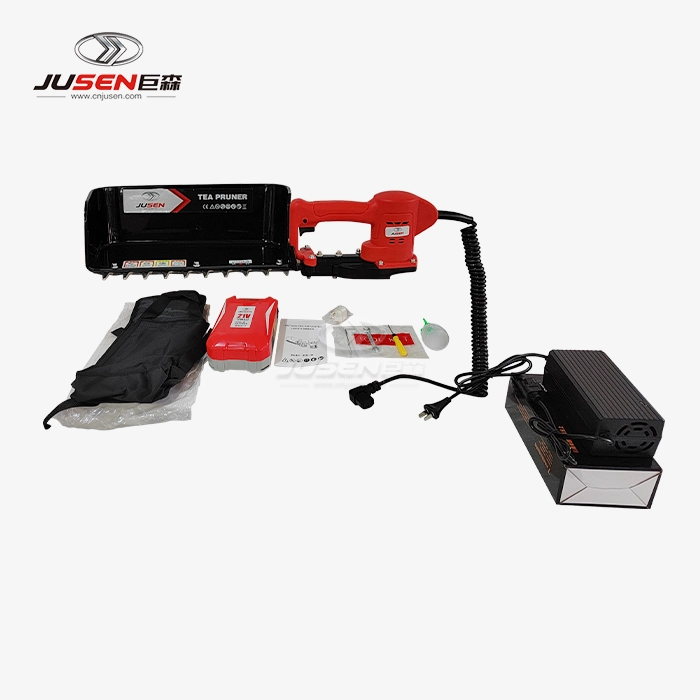 VIEW MORETea Leaf Picking Machine
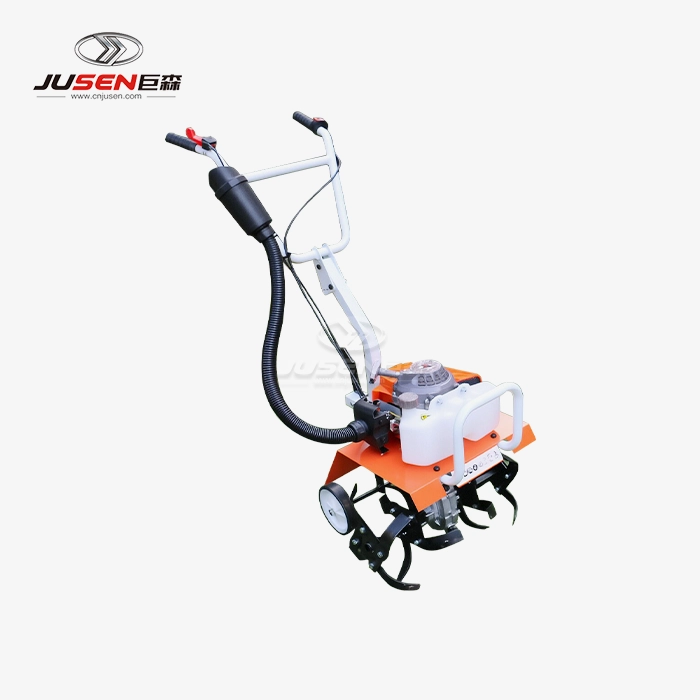 VIEW MOREHandy 2-Stroke 63cc Petrol Mini Tiller
 VIEW MOREElectric Portable Brushless Saw
 VIEW MORELightweight And Durable Brushless Electric Shears
 VIEW MORELightweight And Durable Brushless Electric Chainsaw
 VIEW MORELithium-Ion Battery Cordless Leaf Blower
 VIEW MOREMini Gas Powered Chainsaw