




Why Are Professionals Favoring Gas Powered Gas Chain Saws Today?
Professionals in forestry, gardening, and farming still prefer gas-powered gas chain saws because they have the most power, can run for an endless amount of time, and are very portable in tough field conditions. Unlike battery-powered tools that need to be charged often or electric types that are attached to power sources, a gas-powered chainsaw can work without being connected to anything and keep its torque even when cutting tough hardwoods. Because of this freedom to operate, the ability to quickly refuel, and the faster cutting speed, gasoline-powered equipment is the best choice for business operators who can't afford breaks or performance drops during important projects.
Understanding the Power Behind Gas-Powered Chain Saws
Cutting tools that run on gasoline have stayed the standard for professional use because they have basic mechanical benefits that electric options have a hard time matching.
Core Mechanical Components Driving Performance
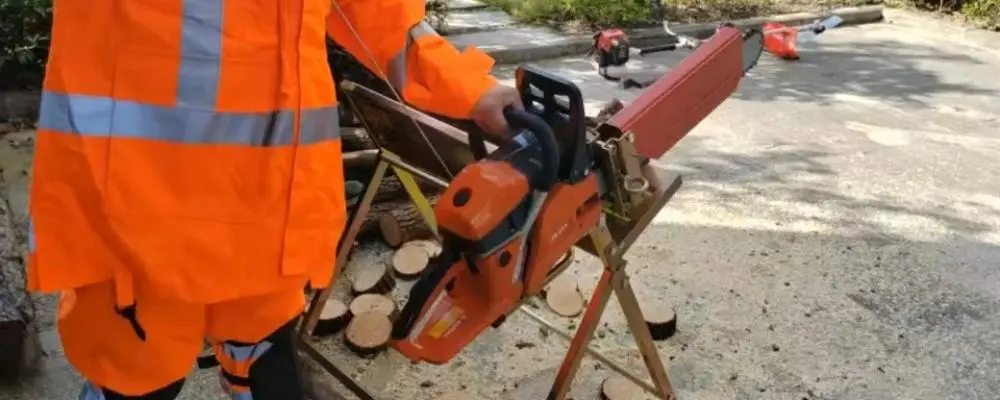
The two-stroke internal combustion engine is the heart of any Gas Powered Gas chainsaw. It turns fuel into spinning force very efficiently. A normal professional-grade unit has a displacement between 50cc and 90cc. JUSEN's top-of-the-line model has a strong 72CC engine that continuously produces 2.6kW of power. This engine powers a rotating clutch system that only engages the cutting chain when the throttle is applied. This makes it safer for the user when the machine is not in use. The fuel system includes a carburetor, a starter bulb, and fuel lines to keep the right amount of air and fuel in the engine at all times and in all weather conditions. The guide bar and chain system, on the other hand, turns rotational energy into linear cutting action. Depending on the purpose, professional models can support bar lengths from 18 inches to 30 inches.
Advantages Over Electric and Battery Alternatives
In three important areas that matter most to business users, gas-powered gas chain saws always do better than battery-powered choices. Power density is still the biggest benefit—a good Gas Powered Gas chainsaw keeps putting out high-torque output without losing power over time like lithium batteries do. Runtime is also important because filling only takes seconds compared to the hours it takes to recharge a battery. This means that workers can stay productive during long shifts. Portability is the last of the three benefits. Gas-powered gas chain saws can be used anywhere because they don't need to be connected to electricity. This makes them important for cleaning up after storms, working in rural forests, and responding to emergencies when grid access isn't possible or available.
Fuel Efficiency and Modern Environmental Standards
Modern gas-powered gas chain saws have come a long way in terms of how much fuel they use and how they control pollution. Modern engines have improved carburetor designs that make burning more efficient. This means that less fuel is wasted while the same amount of power is produced. Catalytic muffler systems and stratified scavenging technology separate fresh air from fuel-air mixtures during the exhaust cycle. This helps many professional models meet EPA Phase 3 and Euro V pollution guidelines. When compared to older designs, these new features cut gas emissions by up to 70% and increase fuel efficiency by about 20%. Under normal load conditions, professional users can expect about 45 to 60 minutes of cutting time per fuel tank. JUSEN models are designed to be as efficient as possible without losing the raw power needed for tough jobs
Key Performance and Maintenance Insights for Professional Use
For business settings to keep working well, they need strict maintenance plans and effective ways to fix problems that stop expensive downtime.
Common Operational Challenges and Solutions
Professional users often run into expected problems that make cutting less efficient and shorten the life of their tools. Chain dullness is the most common type of performance loss. It can be caused by dirt, rocks, or bad cleaning methods. To fix this, the cutting teeth and depth gauges need to be checked every day, and skilled operators should take several pre-sharpened chains so they can switch them out during long jobs instead of having to sharpen them on the job site under time constraints. When an engine won't start, it's usually because the carburetors are clogged, the spark plugs are dirty, or the fuel blend is old. All of these problems can be avoided by storing and managing fuel properly. Using new fuel mixed with high-quality FD-rated synthetic oil in the right 50:1 ratio stops carbon buildup and cylinder scoring, which hurt compression and start-up dependability.
Essential Maintenance Protocols
A tiered maintenance plan with daily, weekly, and yearly service times is what we suggest you do. Every day, chores include checking the chain tension, the oil level in the bars, the air filters, and all the bolts and safety parts visually. Every few uses, the guide bar needs to be rotated to make sure there is even wear, and the spark arrestor screen needs to be cleaned every three months to keep the exhaust from getting clogged. When it's dusty outside, it's especially important to keep your air filters clean. Professional models have two stages of filtering that separate bigger particles before they reach the main filter element. Clean filters keep the engine working right and keep rough particles from getting into the cylinder body. Pay extra attention to how the chain is oiled because if the bar oil flow isn't good, there will be too much friction and heat building, which will quickly kill both the chain and the bar. Good bar and chain oil has tackifying ingredients that stop rotational throw-off, so the protection film stays in place even at 13,000 rpm cutting speeds.
Safety Protocols for Industrial Operations
To keep workers safe from kickback accidents and flying objects, commercial gas-powered chainsaw use must strictly follow ANSI B175.1 and ISO 11681 safety guidelines. Every professional gas-powered chainsaw needs to have an inertia-activated chain brake that stops the chain within 0.1 seconds of spotting fast upward bar movement, which is a sign of a kickback. Operators must wear safety gear like steel-toed boots with cut protection, gas-powered chainsaw chaps or pants made from cut-resistant Kevlar fibers, hearing protection rated for 100-decibel or louder settings, face shields or safety glasses, and cut-resistant gloves. Professional models have anti-vibration systems that keep the handle vibrations below 5 m/s². This lowers the risk of hand-arm vibration syndrome when used for long periods of time. The engineers at JUSEN make sure that all of their tools have vibration dampeners carefully put in to keep the handle assembly from moving with the engine and cutting chain. This makes it more comfortable for the user to cut for long periods of time.
Choosing the Right Gas-Powered Gas Chainsaw for Your Business Needs
Strategically choosing equipment has a direct effect on how well it works, how long it lasts, and how much it costs to own for business users.
Critical Specification Considerations
To choose the right offset and bar length settings, you need to carefully look at what the machine is usually used for cutting. Power and torque are based on the engine's displacement. 40cc to 50cc models are good for trimming and limbing; 50cc to 65cc models can handle general-purpose felling and bucking; and 65cc and up professional gas-powered chainsaws are made for cutting large hardwoods and continued business use. The JUSEN 72CC expert model is in the top level of performance, giving you the steady power you need for tough tasks like cutting down trees and clearing land. The choice of bar length is based on the average thickness of the logs that are encountered. The effective cutting capacity is about twice the bar length, so a 20-inch bar can cut through trees up to 40 inches in diameter. For big timber operations, bars that are 24 to 30 inches long are needed, but they make the whole tool heavier and need engines with more displacement to keep cutting fast through thick wood species.
Comparative Analysis: Gasoline vs Battery vs Electric
Each power source has its own benefits that make it better for certain situations. Gas-powered gas chain saws have the best power-to-weight ratios. They can give 2.5–4 kW from 9–12 kg packages and can run for an endless time because they can be refueled quickly. Battery-powered units are better for noise-sensitive home areas because they are quieter and don't give off any direct emissions. However, they can only run for 30 to 60 minutes, and the power slowly fades out, which makes them less useful for businesses. Even though corded electric chainsaws have a steady output of power and don't use fuel, they are still not useful for outdoor work because of the limitations of the cord and their reliance on electricity. Professional workers prefer gas-powered gas chain saws because they are more flexible on the job site and last longer than battery-powered tools, which have some small convenience benefits. The ability to refuel in seconds instead of having to wait hours for the battery to charge directly affects the number of paid hours and the speed with which a job is finished.
Market Overview: Leading Models and Procurement Insights
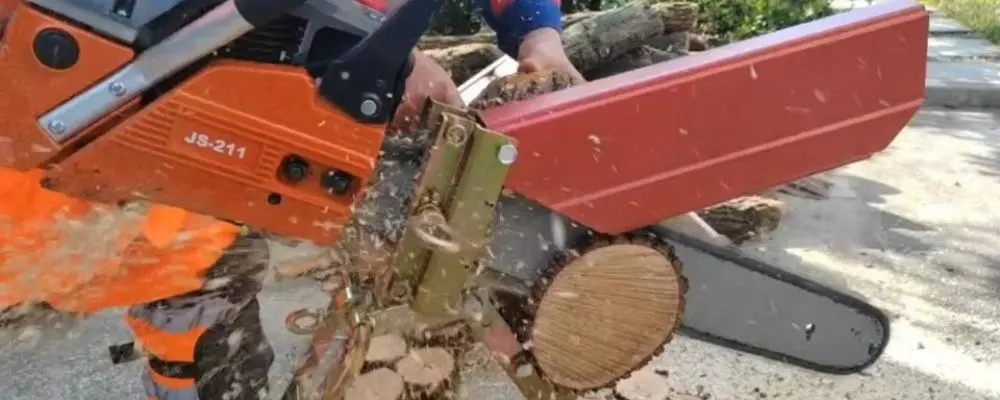
There are a number of well-known companies in the professional gas-powered gas chain saw market that make high-quality tools and have large networks of dealers to support them. Leading names have records that have been built over decades of reliable field performance and easy access to parts. JUSEN competes well in this market by providing professional-grade features such as 72CC displacement, top cutting speeds of 13,000 RPM, and a range of guide bar sizes from 18 to 30 inches. All of these features are available at low prices that appeal to commercial buyers on a budget without sacrificing build quality. Because the company has been making products for 20 years and has OEM relationships in place, it can offer affordable prices while still meeting the quality standards that professional users expect. Warranty coverage, dealer support, and the availability of parts are all important things to think about when buying something. Equipment downtime costs are much higher than changes in the initial purchase price, so supplier trustworthiness and service infrastructure should be the main things you look at when examining possible vendors.
Procurement Guide: Acquiring Gas-Powered Gas Chain Saws for Industrial Use
Strategic methods of sourcing make sure that the equipment is real, that prices are fair, and that there is solid help after the sale, which saves long-term investments.
Locating Verified B2B Suppliers
Professional buyers should give more weight to makers and sellers who have a track record of success in the field and customer references that can be checked. JUSEN was founded in September 2004 in Jinhua, Zhejiang, China. It is a great example of the kind of supplier that commercial buyers should look for: it has 20 years of experience making products, has worked with well-known brands as an original equipment manufacturer (OEM), and has a wide range of products, including gas-powered gas chain saws and lithium-ion battery equipment. When you work directly with a manufacturer, you avoid having to pay markups to middlemen and can get expert help and real replacement parts. When looking at possible suppliers, you need to look at their production certifications, quality control methods, and compliance paperwork that shows they follow safety and emission standards. Asking for sample units to be tested in the field before placing a large order lets you see how well the product works in real-world situations, which is something that specs sheets alone can't do.
Evaluating Cost Structures and Bundle Opportunities
The initial purchase price is only one part of the total cost of ownership. Other parts include the amount of fuel used, the cost of repairs and new parts, and the expected service life. Although professional-grade gas-powered gas chain saws cost more, they last longer and cost less per hour to run because they need less maintenance and break down less often. People who buy a lot of things should try to get packages with extra chains, guide bars, safety gear, and repair supplies at lower prices. As equipment lasts longer, these extra parts add up to big operating costs. Getting good deals on refills lowers long-term ownership costs and makes sure that parts work with each other and offer consistent performance. Customizable OEM configurations from JUSEN let commercial buyers choose color schemes and features that match their brand. This is especially helpful for equipment hire businesses and lawn workers who want to make sure their fleets look like they belong together.
Importance of Compatible Accessories and Replacement Parts
To keep a large business ready to go, you need to strategically handle your inventory of wear parts and supplies that are used up quickly. Professional chains need to be replaced every 5–10 sharpenings, based on how much damage has built up and how much the tooth length has decreased. Guide bars, on the other hand, usually last through 3–4 chain sets before they need to be replaced because of wear patterns. Setting up reliable supply lines for these important parts keeps machines from sitting idle because parts aren't available. Good bar and chain oil made especially for high-speed Gas Powered Gas Chain Saws is a little more expensive than regular lubricants, but they protect against wear and tear and make parts last a lot longer. Before buying aftermarket safety equipment like chains, chain brakes, and throttle interlocks, make sure to only get genuine manufacturer parts. This is because these safety-critical parts directly protect the operator's well-being and must meet original design specifications to work properly in an emergency.
Why Professionals Choose Gas-Powered Gas Chainsaws: Value and Future Outlook?
Commercial operators' continued choice for gas-powered gas chain saws shows that these machines have basic operating benefits that other technologies have not yet been able to overcome.
Superior Power-to-Weight Ratios and Field Reliability
For professional forestry and landscaping jobs, you need tools that give you the most power while also keeping you from getting tired after long periods of use. Modern gas-powered gas chain saws have a very high power density thanks to advanced metalworking and precise manufacturing. For example, JUSEN's 72CC professional model only weighs 9 kg but produces 2.6kW of continuous power, which is a power-to-weight ratio that battery technology can't match right now without making the prices too high for most people to afford. This performance feature is very important when cutting down big hardwood trees, because not having enough power can cause the bar to get stuck and make cutting dangerous. Field dependability in bad conditions is another clear benefit. Gas-powered gas chain saws work well in a wide range of temperatures, from subzero in the winter to high humidity in the summer, which are conditions that make batteries work less well and charge more slowly.
Long-Term Cost-Effectiveness for Commercial Operations
Lifecycle cost analysis always shows that gas-powered gas chainsaws are better for business uses that see a lot of use. Professional-grade gas-powered gas chain saws usually last between 2,000 and 5,000 hours with proper upkeep. Battery-powered units, on the other hand, need expensive battery pack repairs every 500 to 1,000 charge cycles. Fuel and upkeep costs are stable and easy to budget for, but replacing a battery can cost as much as or more than the original purchase price. Commercial owners spread out the cost of buying tools over many years of use, so longevity and repairability are very important. More than sealed battery units, gas-powered gas chain saws have replaceable piston assemblies, carburetor kits, and ignition modules, as well as other parts that can be fixed. This means that they last longer and cost less to run each hour, even though they cost more to buy at first.
Innovation Trends: Efficiency and Environmental Advances
The gas-powered gas chain saw market keeps changing thanks to new tech improvements that protect the environment and make using the saw more enjoyable. Electronic fuel injection systems in next-generation engines make combustion more efficient under different loads and situations. This saves 15–25% of fuel, lowers pollution, and gets rid of problems with flooding at cold starts. Advanced filter technologies increase the time between service visits and shield engine parts from rough dirt, which lowers the number of maintenance visits and the time spent shutting down the engine. Some makers now include digital hour meters and maintenance reminder systems that let workers know when it's time for a service, which keeps failures from happening because of lack of attention. These improvements to technology show that the industry is dedicated to finding a balance between professional performance needs and environmental responsibility. This will help make sure that gasoline equipment stays viable and competitive as pollution laws continue to tighten around the world.
Conclusion
People who work for businesses keep picking gas-powered gas chain saws because they have the power, dependability, and operating freedom that businesses need. Gas-powered gas chain saws are essential for forestry, gardening, and emergency response work because they can run for an endless amount of time after being refueled quickly, have high torque for tough cuts, and don't need to be hooked up to electricity. Even though battery technology is getting better all the time, gas-powered gas chain saws are still needed in challenging professional settings because batteries have limits on their power density, runtime, and performance in extreme weather. Strategic equipment selection, strict repair routines, and relationships with reputable suppliers like JUSEN help business operators get the most out of their equipment while keeping total ownership costs low over its entire lifetime.
FAQ
What fuel mixture ratio should professionals use?
Most professional two-stroke types need a 50:1 gasoline-to-oil mix, which is the same as putting 2.6 ounces of high-quality FD-rated synthetic oil into a gallon of fresh gasoline. Using the right amounts stops carbon buildup and cylinder scoring, which hurts efficiency and durability.
How often should cutting chains be sharpened?
Every few hours of cutting time, professional workers should check the chain's sharpness. Dull chains make it harder to cut, wear out bars faster, and make the workplace more dangerous. A lot of business users keep extra chains that are already sharpened, so they can quickly switch fields without having to stop working to sharpen.
What distinguishes professional-grade from consumer models?
Professional gas-powered gas chain saws have magnesium crankcases, better anti-vibration systems, higher-quality bearings, and stronger clutch units that are made for long-term use in businesses. Because of these changes in engineering, equipment made for professionals lasts longer and works better in tough situations than equipment made for homeowners.
Can gasoline chainsaws operate in cold weather?
When properly kept, high-quality industrial gas-powered gas chain saws can work well in temperatures below zero. Many units have winter/summer carburetor covers that control the temperature of the intake air. This keeps the carburetor from icing and makes sure that it can work reliably in cold weather, which is important for business activities that happen all year.
Partner with JUSEN: Your Trusted Gas-Powered Gas Chain Saw Manufacturer
For more than 20 years, JUSEN has been making high-quality products for businesses that need stable, high-performance cutting tools for tough professional jobs. As needed by forestry workers, landscape contractors, and farming professionals, our 72CC professional gas-powered gas chainsaw has the power, longevity, and ease of use that they need. Since we've been making gas-powered gas chain saws for a long time and have worked with many well-known foreign brands as an original equipment maker (OEM), we know how to balance performance requirements with low costs in a way that helps your business grow. You can gain a competitive edge in your market with our stable quality standards, wide range of products for business and home use, and flexible OEM designs. Email our sales team at Sales1@cnjusen.com to talk about the tools you need, get full technical specs, or set up sample evaluations that show how committed JUSEN is to quality, innovation, and customer success.
References
1. American National Standards Institute. (2017). "ANSI B175.1-2012: Safety Requirements for Gasoline-Powered Chain Saws." American National Standards Institute Technical Committee.
2. Environmental Protection Agency. (2020). "Phase 3 Small Spark-Ignition Engines and Equipment Emission Standards. "EPA Office of Transportation and Air Quality.
3. International Organization for Standardization. (2018). "ISO 11681-1:2011 Machinery for Forestry—Portable Chain Saws—Safety Requirements and Testing." International Standards Organization.
4. National Institute for Occupational Safety and Health. (2019). "Vibration Exposure and Hand-Arm Vibration Syndrome in Forestry Workers." NIOSH Publication Series on Occupational Health.
5. Society of Automotive Engineers. (2021). "Two-Stroke Engine Technology: Advances in Efficiency and Emission Reduction." SAE International Technical Paper Series.
6. Timber Harvesting Magazine. (2023). "Professional Chainsaw Performance Testing: Comparing Leading Commercial Models Under Field Conditions." Timber Harvesting Industry Journal Annual Equipment Review.

USER EVALUATE
Here is the customer's evaluation of us
 VIEW MOREGasoline Power Handheld Pile
 VIEW MOREHand Held Gas Blower
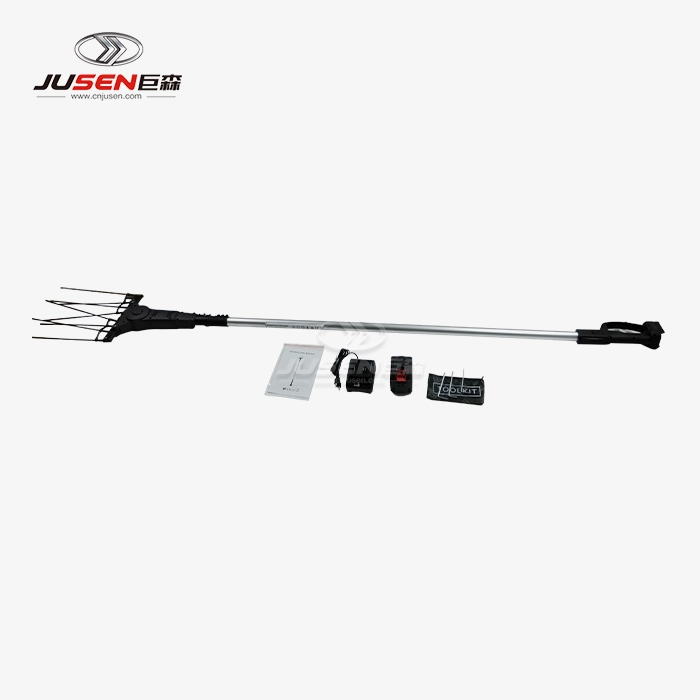 VIEW MOREBattery Olive Harvester
 VIEW MOREFloating Water Pumps For Ponds
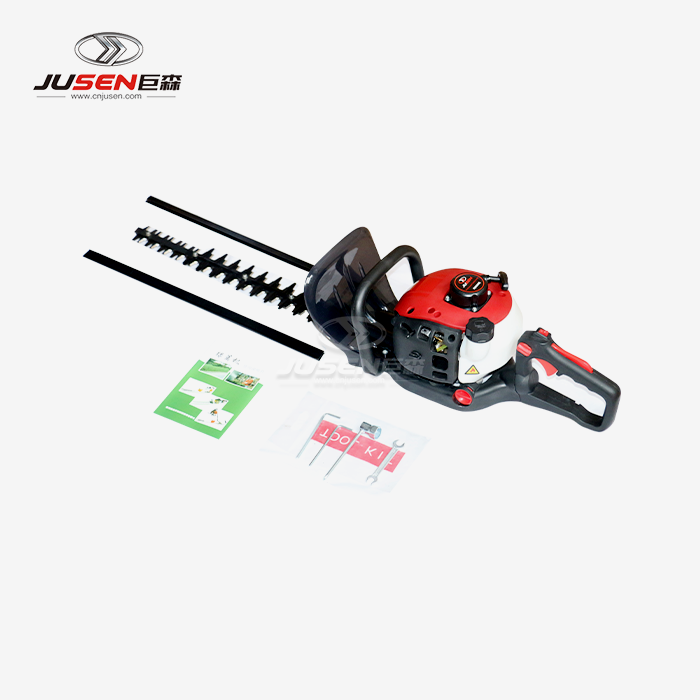 VIEW MORE22.5cc Gas Powered Hedge Trimmer
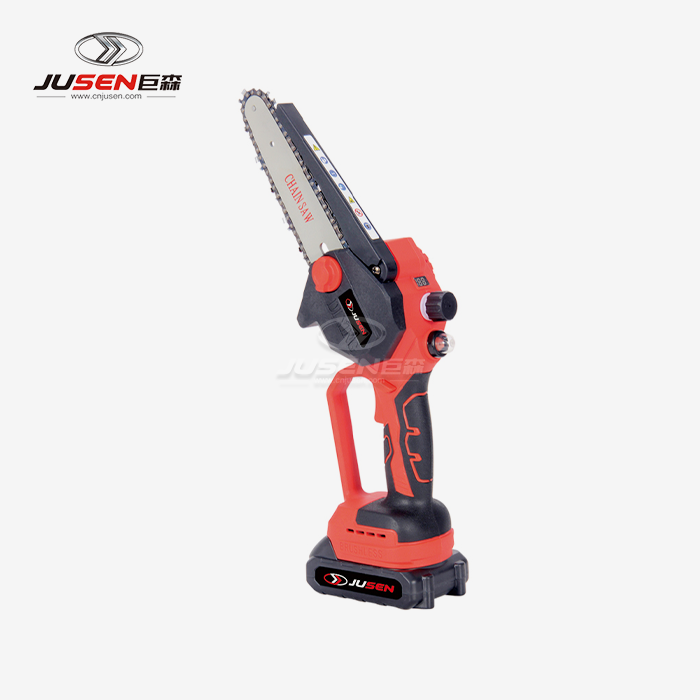 VIEW MOREElectric Portable Brushless Saw
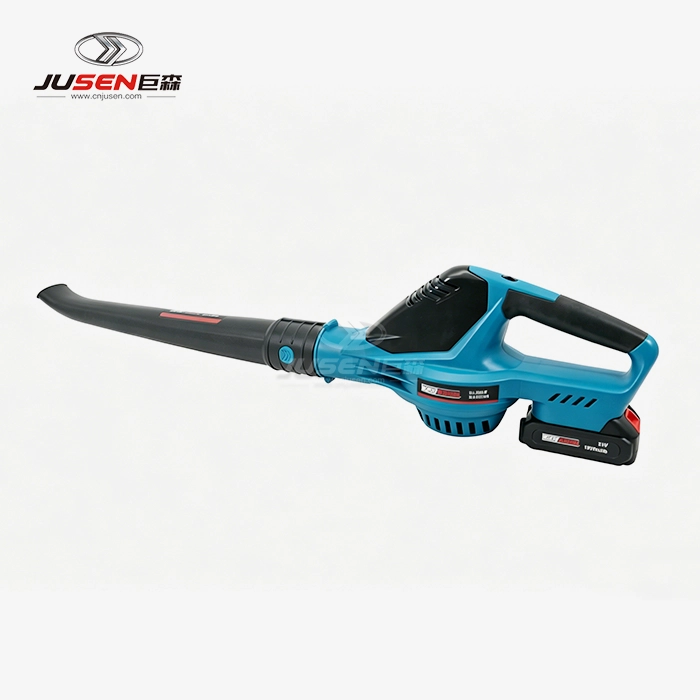 VIEW MORELithium-Ion Battery Cordless Leaf Blower
 VIEW MORELightweight Petrol Brush Cutter