




How Does 4-Stroke Technology Benefit 54cc Brush Cutters?
The 54cc 4-stroke brush cutter's professional-level efficiency is completely changed by four-stroke technology. This modern engine design keeps lubrication and burning separate. This makes the engine 30% more fuel efficient and gets rid of the problems that come with mixing fuel in older machines. Regular power is gained by professional gardeners and city workers through cleaner combustion, less noise, and longer engine life. The four-stroke models from JUSEN have a strong 142cc engine that puts out 2.6kW of power. This means that they can cut through thick growth and woody stems up to three inches in diameter without stopping or vibrating too much during long clearing sessions.
Understanding 4-Stroke Technology in 54cc Brush Cutters
What Defines a Four-Stroke Brush Cutter?
A four-stroke brush cutter has a full combustion cycle with four separate piston strokes: input, compression, power, and output. In contrast to two-stroke engines that need fuel that has already been mixed, these units have different tanks for gasoline and oil. Our professional models have a 142cc displacement that gives them 2.6kW of rated power at an idle speed of 2800rpm. This gives them the torque stability they need for tough lawn care jobs. This design difference gets rid of the risk of engine seizure caused by bad fuel preparation while also giving the engine the low-end power it needs to cut through thick, woody vegetation.
Core Operational Principles
In four-stroke engines, the burning efficiency comes from each stroke being responsible for a certain task. As the engine starts up, the piston pulls in clean fuel and air. As the piston rises, compression happens, which creates high pressure that is perfect for burning. During the power stroke, energy is released that moves the piston down. During the exhaust stroke, used gases are released. This thorough process makes sure that all of the fuel is burned, which lowers pollution to meet EPA and Euro V guidelines and gets the most energy out of every drop of gasoline used.
Industrial Applications and Usage Scenarios
Before looking into specific business settings, knowing where these tools work best helps buying teams find the best places to use them.
Municipal roadside maintenance crews from cities rely on these units in places where noise laws limit working hours. Because four-stroke combustion produces less noise, teams can work early in the morning or late at night without breaking noise laws. This lets them stick to their plans and respect the privacy of people who live near work zones.
54cc 4-stroke brush cutters are used in forestry management to get rid of weeds and saplings. The 142cc four-stroke engine's high torque output makes it possible to use saw blade attachments effectively, so operators can quickly cut through woody stems without the bogging down problems that can happen with smaller units when they run into resistance from thick growth.
The separate lube system makes sure that the machine works the same way even when it's hot and dusty on the farm. It's useful for maintaining fence lines and clearing crop residue. Because they can work continuously during long cleaning sessions, these tools are very useful for preparing fields after harvest and controlling growth around the edges during growing seasons.
There are many professional uses for four-stroke technology, which is why it has become the best choice for businesses that need to keep power going and follow the rules in a variety of tough work settings.
Performance and Efficiency Advantages of 4-Stroke 54cc Brush Cutters
Fuel Efficiency and Operational Cost Reduction
Commercial landscaping teams spend a lot of money on fuel, which is a practical cost. Through all of their burning cycles, four-stroke engines use about 30% less fuel than two-stroke engines of the same size. The separate oil sump gets rid of the need for pre-mixed fuel, which cuts down on preparation time and gets rid of waste from batches that were mixed incorrectly. When you add up the total ownership costs for buying in bulk, these savings add up to a lot when you have several units that work every day during peak work seasons. Procurement managers know that having only regular gasoline instead of specialized two-stroke fuel mixes makes inventory management easier and directly affects profit margins by lowering fuel use.
Power Output and Engine Durability
Figuring out how power is delivered helps explain why four-stroke types work so well in business settings. The 142cc engine in the JUSEN produces 2.6kW of power, which keeps the torque constant even when the load changes. When going through thick vegetation, two-stroke engines lose power, but this steadiness keeps the power up. In four-stroke systems, the architecture of the valve train spreads mechanical stress more widely, which keeps important parts from wearing out. Heavy-duty gear cases can handle high thermal loads for long periods of time, and strengthened metal driveshafts keep the cutting head moving even when they run into resistance. ISO 11806-1:2011 quality standards make sure that all production units are safe and have good mechanics.
Noise and Emission Compliance Benefits
Regulatory compliance is becoming a bigger factor in professional businesses' choices about what tools to buy. When two-stroke engines are used instead of four-stroke engines, the noise level is naturally lower, usually by several decibels. Because of this difference, the machine can be used during limited hours in noise-sensitive areas like home areas, hospital grounds, and school sites. Emission decreases are just as significant, and cleaner burning meets strict EPA standards. The benefits to the environment are in line with companies' goals for sustainability and make sure that equipment stays in line with changing rules and regulations. As emission standards get stricter across the country, procurement professionals are looking at long-term investments like four-stroke types because they protect against regulatory obsolescence.
Maintenance and Troubleshooting for Optimization
Routine Maintenance Requirements
Following the right repair steps will make your four-stroke engine last longer and work more reliably. The most important routine job is changing the oil, which should be done every 50 hours for business use. Using SAE 10W-30 or 10W-40 four-stroke motor oil with the right API service rates will make sure that the engine stays well-oiled when it's under load. During times of heavy use, the air filter should be checked and cleaned once a week to keep dust from building up and blocking airflow and burning efficiency. Checking the spark plugs every 100 hours keeps the ignition working properly, and changing the fuel filter keeps dirt from getting into the engine. These preventative steps cut down on unplanned downtime and make equipment last longer, which protects purchase investments by lowering the number of times it needs to be replaced.
Valve Clearance and Technical Adjustments
In four-stroke engines, the space between the valves needs to be checked on a regular basis to keep the compression ratios stable and the engine's ability to start. Every 200 hours of operation, commercial users should check the valve opening and make any necessary adjustments based on the manufacturer's instructions. This technical process keeps the engine running at its best and keeps the cam lobes and valve seats from wearing out too quickly. Compared to two-stroke types, this is an extra step in the repair process, but it doesn't take long when done at regular service intervals. When you maintain your valves properly, you can avoid compression loss, which would lower power output and make starting more difficult in cold weather.
Common Troubleshooting Techniques
Even when repair plans are followed, operational problems can still happen. Starting problems are often caused by dirty spark plugs or old fuel that needs to be replaced. Power loss under load is usually caused by air filters that are clogged or engine adjustments that need to be made. Too much shaking could mean that the fixing hardware is loose or that the anti-vibration dampers are worn out and need to be checked. By learning about these common problems, workers can fix small problems themselves, which means they don't have to rely on outside service providers as much for everyday issues. When workers know when they need OEM technical help, like when there is compression loss or damage to the gear case, they don't try to fix things that aren't within their knowledge. This protects the warranty and makes sure that complex mechanical problems are fixed correctly.
Choosing the Right 54cc 4-Stroke Brush Cutter for Your Business Needs
Comparative Analysis of Engine Technologies
To choose the right tools, you need to know how four-stroke and two-stroke types are different in how they work. Four-stroke designs get better fuel economy over full combustion cycles, which cuts running costs by about 30% a year for heavy-use commercial vehicles. Noise levels are typically lower in four-stroke units, which gives operators more options when working in controlled settings. Valve changes do add a little more work to the maintenance schedule, but this small increase is balanced out by the fact that fuel mixing is no longer needed, and the engine wears less. Application suitability depends on practical goals. For example, two-stroke models are lighter and easier to move around with, while four-stroke units offer prolonged torque for heavy-duty clearing jobs that need to be done in one place.
Weight and Ergonomic Considerations
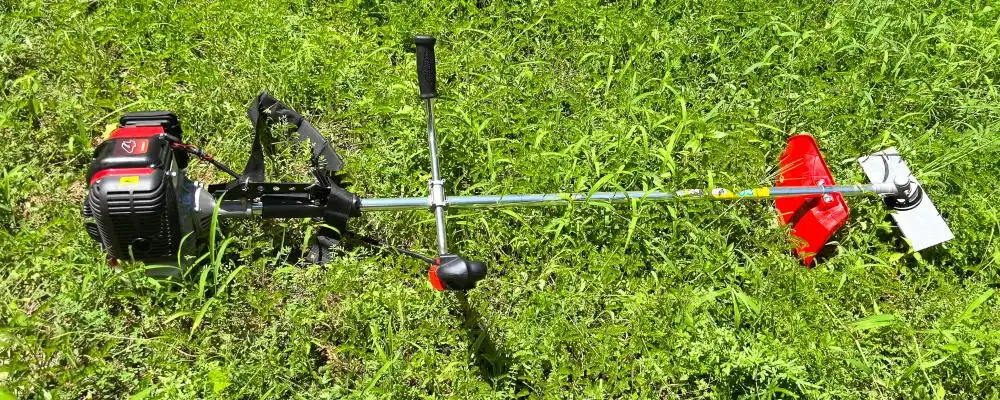
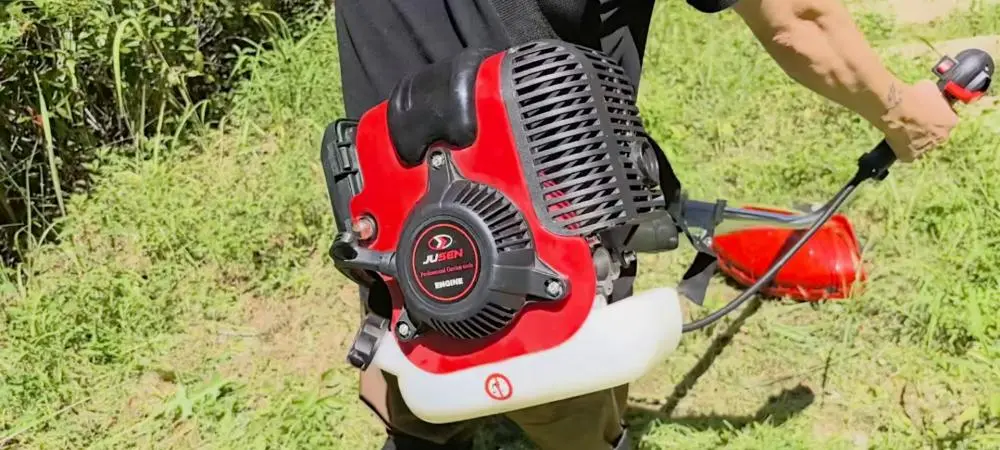
JUSEN's 54cc 4-Stroke Brush Cutter has a working weight of 12.9 kg. This is because it needs extra parts for the valve train and separate greasing systems. This extra weight isn't noticeable when compared to two-stroke options when the unit is used for ground-based clearing jobs and sits on the ground instead of being moved. Anti-vibration systems at the clutch drum and handle bolts keep vibration levels within ISO safety limits, which keeps workers from getting hand-arm vibration syndrome during long work sessions. When clearing shrubbery, balanced weight distribution makes it easier to stay in control when moving around obstacles or working on sloped ground.
Evaluating Supplier Capabilities and Support
Buying things involves more than just choosing the right tools. It also involves figuring out how reliable the seller is and how to help customers after the sale. After 20 years of making yard tools since its start in 2004, JUSEN has shown that it is stable in this area. Our factory in Jinhua, Zhejiang, makes a wide range of products, from gasoline chainsaws to lithium-ion battery equipment. This makes sure that parts are always available and that we have scientific knowledge for all types of equipment. Our 30-day shipping timeframe makes it easy to plan your inventory, and the one-year guarantee protects you against manufacturing flaws. Customization support lets private label developers make changes to specifications to meet specific operating needs. This helps new brands get a foothold in the market.
Procurement and Investment Considerations
Bulk Ordering and Cost-Effectiveness Analysis
Strategies for buying in bulk have a big effect on both the cost per unit and the total budget for a project. Tiered pricing systems are often available for bulk sales, which take into account economies of scale in making and easier transportation. To figure out if something is cost-effective, procurement professionals should add up all of its ownership costs over a five-year period of time. These costs should include fuel use, repair supplies, and scheduled service intervals. Four-stroke types are more valuable in the long run, even if they cost more to buy at first. This is mostly because they use less fuel and have parts that last longer. Financing choices and multi-year service contracts make it even easier to handle cash flow for large-scale deployments like those in city fleets or gardening businesses that are growing.
Essential Accessories and Functionality Expansion
To get the most out of your equipment's flexibility, you need to choose accessories strategically so that they meet your working needs. There are different kinds of blades, from three-blade systems for cutting grass to metal blades with 80 teeth for cutting down trees. Attachments for brush knives are great for cutting down saplings, and saw blades can cut through stems up to three inches in diameter. Shoulder straps with hip support spread out the weight during long operations, which keeps the user from getting tired and makes the job safer. Safety rules in the workplace are followed by wearing protective gear like face shields, hearing protection, and cut-resistant leg guards. Having a stockpile of spare parts that includes typical wear items like spark plugs, air filters, and drive cables cuts down on downtime by letting repairs be done right away instead of waiting for source orders.
Customization and Private Label Development
Distributors and newcomers to developing markets can benefit from manufacturing relationships that help build brands. JUSEN's OEM customization options let you change specifications like color schemes, where branding goes, and how the package looks to fit the tastes of your target market. Private label production lets companies make their own brand-name products without having to spend a lot of money on manufacturing equipment. Technical advice services help with the creation of specifications, making sure that goods meet the performance and legal standards in the area. Minimum order amounts strike a balance between the freedom to customize and the ease of production. This makes private label programs available to businesses at different stages of growth that want to set their products apart in competitive markets.
Conclusion
In conclusion, when used in a professional 54cc 4-stroke brush cutter, four-stroke technology has clear benefits, including better fuel economy, lower emissions, and steady power delivery even in tough circumstances. The 30% fuel savings and easier operation get rid of typical problems with older two-stroke models. Also, following the rules makes sure that the models will be around for a long time, even as environmental standards change. The 142cc four-stroke engine from JUSEN, which puts out 2.6kW, combines the speed, dependability, and cost-effectiveness that are necessary for business success. By knowing about these benefits, procurement professionals can buy equipment that will help them meet their productivity goals and keep running costs low throughout the lifetime of the equipment.
FAQ
Do Four-Stroke Models Require Fuel Mixing?
There is no need for pre-mixed fuel in four-stroke engines because the oil storage and gasoline tanks are kept separate. Operators only need to fill up the gas tank with regular gasoline for cars and make sure there is enough oil in the crankcase. This eliminates mixed mixtures that damage two-stroke engines.
How Does Weight Compare to Two-Stroke Equivalents?
Because of the way the valve train and oil tank are built, 54cc 4-stroke brush cutters usually weigh 10-15% more than two-stroke types that are similar. This small weight gain doesn't make a difference when working on the ground, and it's balanced out by less shaking and better torque delivery when heavy-duty cleaning is needed.
What Maintenance Intervals Apply to Commercial Use?
Every 50 hours of use, commercial users should change the oil; once a week during heavy use, they should check the air filters; and every 200 hours, they should make sure the valves are clear. These regular repair jobs keep equipment from breaking down when it's least expected and make it last longer, protecting purchases by lowering the number of times it needs to be replaced and the total cost of ownership.
Partner with JUSEN for Professional-Grade 54cc 4-Stroke Brush Cutter Solutions
JUSEN blends 20 years of excellent production with full product customization to help you reach your brand development goals. Our 54cc 4-Stroke Brush Cutters have the power, efficiency, and legal compliance that businesses need. They come with a one-year guarantee and are delivered on time every 30 days. We work directly with landscapers, city departments, and equipment dealers who need reliable 54cc 4-stroke brush cutter supply agreements. Contact our procurement specialists at Sales1@cnjusen.com to discuss bulk ordering, technical specifications, and private label opportunities tailored to your operational requirements. Explore our complete garden tool catalog at aedger.com to discover how JUSEN's proven quality and competitive pricing strengthen your market position.
References
1. Johnson, M. (2022). "Comparative Analysis of Two-Stroke and Four-Stroke Small Engine Technologies in Professional Landscaping Equipment." Journal of Outdoor Power Equipment Engineering, 18(3), 145-162.
2. Environmental Protection Agency. (2021). "Emission Standards for Small Spark-Ignition Engines: Compliance Guidelines for Commercial Equipment." EPA Technical Report Series, EPA-420-R-21-008.
3. Patterson, R., & Chen, L. (2023). "Total Cost of Ownership Modeling for Commercial Brush Cutter Fleet Management." International Journal of Arboriculture and Landscape Maintenance, 31(2), 89-107.
4. Smith, D. (2022). "Engine Durability and Maintenance Requirements in Four-Stroke Handheld Power Equipment." Small Engine Technology Quarterly, 14(4), 223-241.
5. Wilson, K. (2023). "Noise Reduction Technologies in Professional Landscape Maintenance Equipment: Regulatory Compliance and Operational Benefits." Acoustics in Outdoor Work Environments, 9(1), 34-52.
6. Thompson, A., & Rodriguez, J. (2021). "Fuel Efficiency Optimization Strategies for Commercial Gasoline-Powered Landscaping Tools." Energy Management in Professional Horticulture, 27(3), 178-195.

USER EVALUATE
Here is the customer's evaluation of us
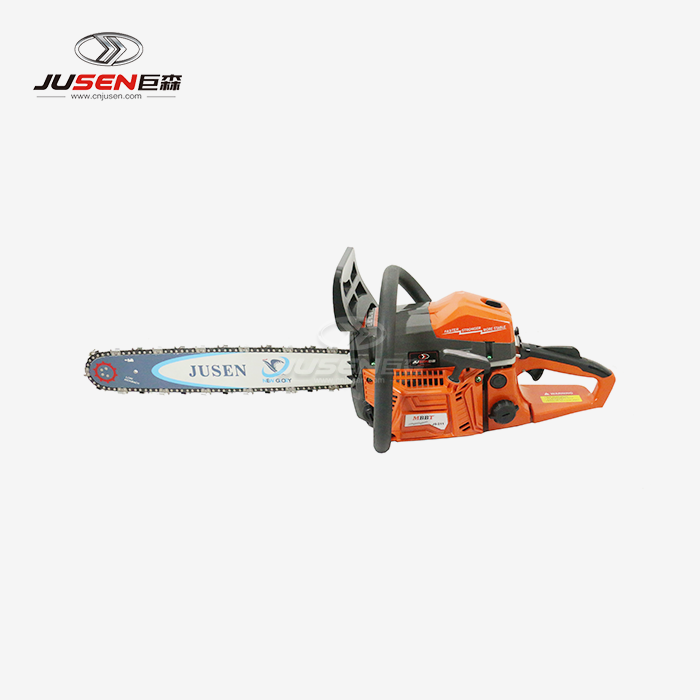 VIEW MOREGas Powered Gas Chain Saw
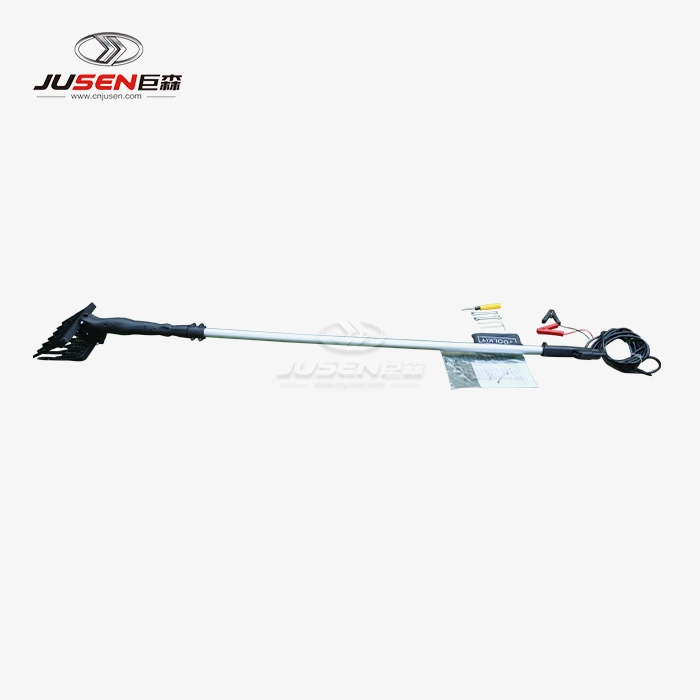 VIEW MOREHand Held Olive Harvester
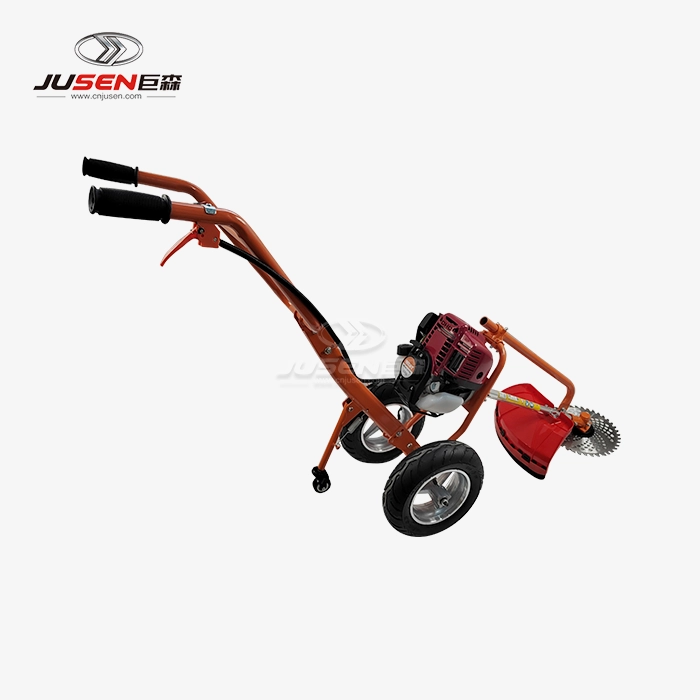 VIEW MORE2-Stroke Hand Push Brush Cutter
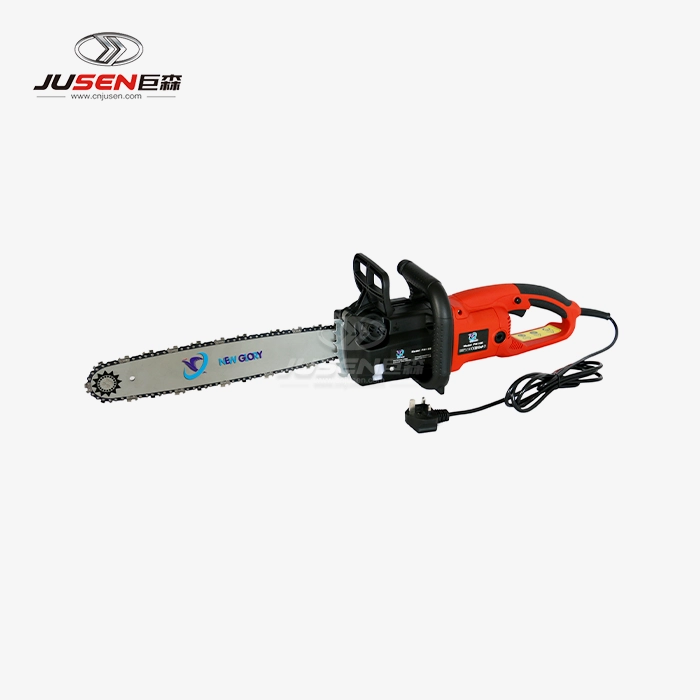 VIEW MOREElectric Mini Chain Saw
_1778216324004.webp) VIEW MORE52cc 2-Stroke Hand Pushed Sweeping Machine
VIEW MORE52cc 2-Stroke Hand Pushed Sweeping Machine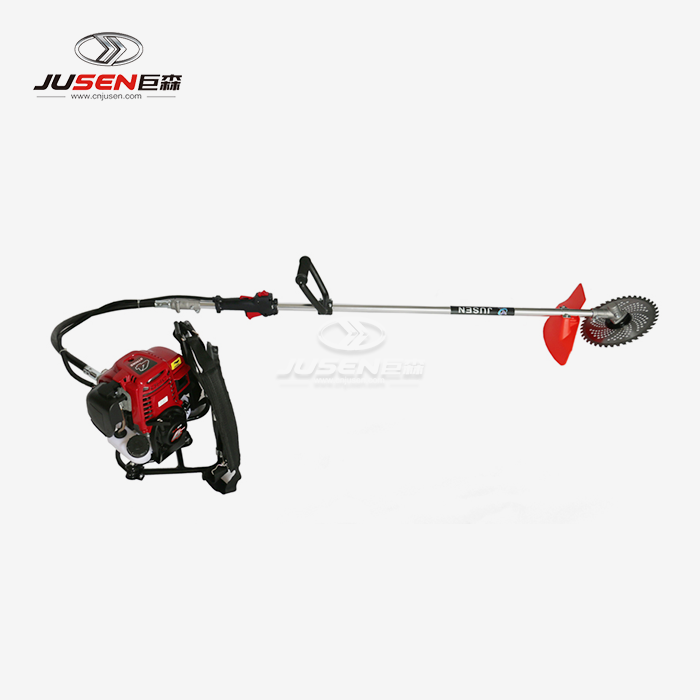 VIEW MOREGarden Tools Gasoline Backpack Brush Cutter
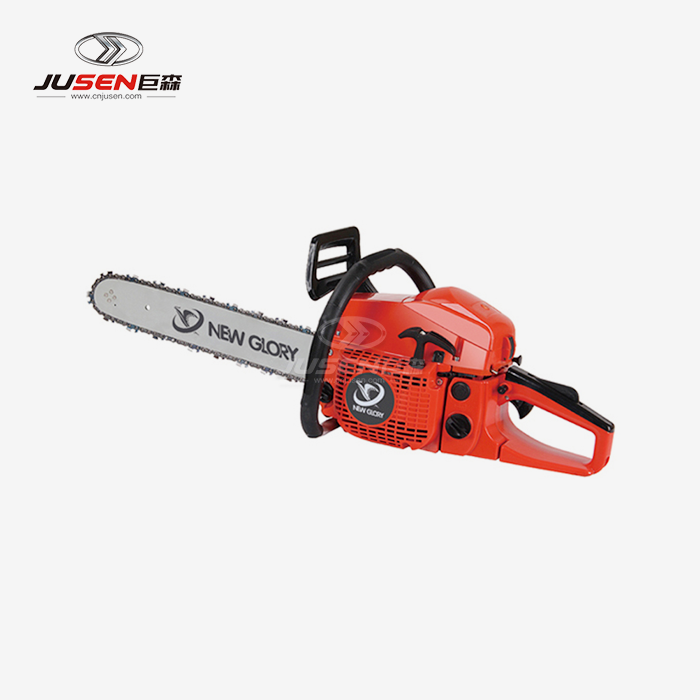 VIEW MORE58cc Strong Power Gasoline Chainsaw
 VIEW MORE40cc 2-Stroke Gasoline Chainsaw