




How Safe Are 52cc Petrol Brush Cutters for Beginners?
The 52cc Petrol Brush Cutter stands out among powerful gardening tools for new users because it is both powerful and easy to use. Even though it's easy to use, this tool's two-stroke gasoline engine makes 1.7kW of power. This makes it safer than most people think. People should be careful around these machines because they are very strong and have difficult physics. However, beginners can use them safely if they know the rules and get well-made models like JUSEN models. Instead of staying away from the tool completely, it's important to know how dangerous it is and follow organized safety procedures.
Understanding the Safety Concerns of 52cc Petrol Brush Cutters
The risks of clearing tools that run on gasoline are very different from those of tools that run on batteries. To get ready to use these kinds of tools, people who are just starting should know about these problems.
Hazards from Sharp Blades and Flying Debris
These machines have cutting tools that spin faster than 7,500 RPM. This makes a lot of kinetic energy. Steel blades that can cut through tree roots up to 7 cm in diameter can throw rocks, twigs, and other hard objects at very high speeds, which can be dangerous. People who work in forestry say that shots have gone more than 15 meters away from where they are cutting. Carbide-tipped blades hit hidden stones or fence posts and send pieces flying.
Brush cutters today have caps that go around the cutting head to keep it safe. When something hits the JUSEN 52cc Petrol Brush Cutter, it sends the piece of metal down instead of toward the person. When shields are kept in good shape, they cut the range of bullets by about 70%, but they can't get rid of the risk entirely. When cutting is going on, operators must keep a 15-meter safety zone around the area and never take down guards that the factory has put up.
Vibration, Noise, and Fuel Handling Risks
It normally feels like the handles are on a two-stroke engine when they are moving at 4 to 8 m/s. When you are exposed to something for a long time, Hand-Arm Vibration Syndrome (HAVS) can happen. This can hurt the muscles in your arms and hands. In places where the operator's ears are, the noise from these tools is often 95 to 110 decibels, which is a lot louder than the 85 decibel level that needs hearing protection.
Technology has made these fears less important. There are rubber damping plates between the engine body and the shaft unit. Gears in the JUSEN 1E44F-5 engine are adjusted, which means that noises are less likely to get to places where people are touching the engine. When the tool is used for a long time, anti-vibration handles also cut down on high-frequency waves.
One more thing to think about is the fuel control. Because two-stroke engines need a 25:1 mix of fuel and oil, refilling is more likely to catch fire. It's easy for gasoline fumes to catch fire near hot engine parts, especially after the engine has been running for a while. It could start a fire or burn your skin if you spill fuel on something hot. When you need to fill, you should let the engines cool down for five minutes. Don't work near fires and make sure the room is well-ventilated. Also, only use approved fuel tanks with flame arrestors.
Ergonomic Challenges and Power Output Standards
It can be hard to hold a 52 cc petrol brush cutter for long amounts of time because it weighs 11.9 kg when it's fully equipped. Having your lower back muscles and shoulder joints under extra stress while you work is caused by being in the wrong position. People get tired very quickly when they don't use the right support methods or try to cut from above.
These fears are taken care of by rules and regulations that people must follow. Models that are CE-certified meet European standards for the amount of noise they make and how much shaking they can handle. The ISO 9001 standards are followed when making the JUSEN 52cc Petrol Brush Cutter, which keeps the shaking below the level that is safe for eight-hour workdays. Before the gear gets to the people who will use it, these approvals make sure that it meets health and safety standards at work.
When people who work in buying know about these basic safety problems, they can correctly evaluate risk profiles. City maintenance offices and land managers can use these specific types of risks to make training programs that are right for the job instead of general equipment advice.

Best Practices for Safe Use of 52cc Petrol Brush Cutters
Much more important than the qualities of the tools is how well they are made and how they are used. When people who have never used a tool before do it the right way the first time, they build safety habits that last as long as they use the tool.
Pre-Operation Checks and Personal Protective Equipment
Every time you start to work, you check the tools. Make sure the fuel blend is still fresh. Blends of gasoline and oil break down after 30 days, which hurts the engine and makes it hard to start. See if the cutting blade is broken, bent, or missing teeth. If it is, you should get a new one. To keep the blade in place, connect the handle, and make sure that all the bolts on the shaft joints are tight. Parts that are too free can cause shaking and even separation while the machine is running.
Wearing safety gear is the best way to stay safe and avoid getting hurt. Covers that go over the whole face protect better from falling items than safety glasses alone. This is especially true when clearing brush, where big pieces can fall off at any time. Hearing aids that block at least 25 dB of noise are good for your long-term hearing health. When tools are dropped or blades touch, steel-toed boots with extra support around the ankle keep feet from getting hurt. Work clothes don't keep your legs from being cut by a blade, but brush cutter Kevlar shorts do.
Correct Handling Techniques and Startup Procedures
Place the machine where it will be safe and out of the way of people. If the engine is cold, open the fuel valve and set the choke so that it is fully open. If the engine is warm, close the choke. Press on the fuel bulb until resistance shows that fuel is present. This will prime the carburetor. Don't move the machine around. Instead of short, sharp strokes, pull the starting line in long, smooth ones.
Put the choke back to its normal position as soon as the engine starts, and wait 30 seconds. Because of thermal stability, the engine doesn't stop when the clutch is first pressed while the engine is running. Even on steep hills, good models have a vacuum-type diaphragm carburetor that keeps the fuel flow steady. However, it's still important to start up the bike the right way.
The most important parts of working skills are being able to move with control and cut at the right angle. Hold the machine with both hands and make sure you have a firm grip on both the front and back handles. Move the machine from right to left and make sure the cutting head is level with the ground. When someone faces this way, things are thrown away from them instead of toward them. When cutting hard plant roots, move the blade down at a small angle so that it doesn't get stuck and kick back.
Safety Distance and Emergency Preparedness
During the process, keep an eye on what's going on around you at all times. Not anyone, no car, and no building can be in the 15-meter safety zone. When thrown from a long way away, stones can break glass and damage stopped vehicles. As you work near a road, make sure that the cutting circle keeps the trash out of the way of cars.
Before they happen, learn how to handle situations. Find the button that turns off the engine and try using it without looking. Keep a fire extinguisher within 10 meters that can put out oil fires while the tank is being filled. When you're working in a rural area, know where the closest medical center is and have ways to get in touch with other people on hand. Professional gardeners should keep first aid kits with special things for treating cuts and what to do if someone is exposed to fuel.
With these well-thought-out steps, you can safely use a tool that could be dangerous. It's easy to use the safety features on the JUSEN 52cc Petrol Brush Cutter. For instance, the centrifugal clutch only engages at the right speeds. This keeps the engine and the person using it safe from shocks caused by sudden engagement. When these technical rules are joined with disciplined processes, they allow newbies to work with trust.
Maintenance Tips to Ensure Safety and Longevity
Keeping up with maintenance is a direct link to safe running and longer service life. Not taking care of equipment can cause it to break down in ways that are unsafe for both the person and the equipment.
Routine Cleaning, Lubrication, and Fuel System Care
Every five hours, or more often if the room is dusty, you should clean the air filter. But when filters get stuck, they stop air from moving. This makes lean fuel mixes, which can cause the engine to overheat and even cause seizures. If there is any loose dirt, tap it out and wash the foam parts in warm, clean water. Before putting it back in place, let it dry all the way through. Instead of being cleaned, paper parts need to be changed.
The 1E44F-5 engine's chrome-plated cylinder doesn't wear out quickly, but how long it lasts relies on how well it is oiled. Two-stroke oil that meets current synthetic standards and has a JASO FD grade is the only kind that should be used. Mineral-based oils don't burn as cleanly as these mixtures, but they do keep things safer when they get hot. To mix the fuel, make sure you use the right containers and the right amounts. Too rich or too lean will cause carbon to build up or the pistons to score.
Drain the engine before putting it away for more than two weeks. The carburetor gets oily from old fuel, which blocks the jets and makes it impossible for the engine to start. First, make sure there is no more gasoline in the fuel system. Then, run the engine until it runs out of fuel and stops. Don't worry about long-term keeping; this simple step will keep you there.
Blade Maintenance and Troubleshooting Common Issues
Sharp edges are safer and do a better job than dull ones when cutting. You have to use too much force when cutting with dull blades, which makes it harder to control and wears you out. Every 20 hours, you should change or clean the blades. When you're done sharpening, make sure you balance the right way. Shaking blades that aren't balanced can damage bearings and shaft parts, which can be very risky. To make a cone-shaped balancing work for blades, take away stuff from the heavy side until the blade is flat on the ground.
There is usually something wrong with the carburetor when an engine stops while it is running. The high-speed mixing screw needs to be set every so often because the fuel quality, altitude, and temperature change. When the engine is set up right, it starts up quickly and smoothly, and even when it's working hard, the RPM stays the same. If there is too much smoke, the blend is too thick. If there is too much heat, the process is too dry. Wait a little while for these changes to take effect, but they will greatly improve comfort and safety.
If there is too much shaking above and beyond what is normally seen, there are problems with the motor that need to be fixed right away. Check that the blade joint is tight, the drive shaft link is solid, and the bearings in the gearhead are in good shape. When something is running all the time and moving in a strange way, parts break faster, and it's harder to control, which increases the risk of an accident.
If you take these steps to maintain the 52cc Petrol Brush Cutter, it will keep working as it should for as long as you use it. Some JUSEN products come with a full one-year promise, which means the company is sure they will last as long as they are taken care of. If you keep an eye on these details, they won't break down slowly, which is what turns useful tools into dangerous risks.

Comparing 52cc Petrol Brush Cutters with Other Models on Safety
How do the safety rates for different power classes and fuel types change? This will help you pick the right tools. The 52cc size was chosen by engineers because it is a good mix of speed and controllability.
Power-to-Control Ratios Across Engine Sizes
Since they are lighter and make less noise, 26cc to 33cc engines are easier to handle. You can use these to trim trees and plants around your house and do some light weed control. But because they don't put out much force, they are less safe when they hit things they weren't expecting. It's easy for weak tools to get stuck in thick growth, which makes people want to cut too hard. This rough method makes kickback and blade locking more likely.
When it comes to forestry jobs, bigger displacement units (over 60cc) are good because they have a lot of cutting power and can cut down trees and heavy brush. They are safer to handle when you are bigger and have more experience because they are heavy and shake more. These tasks are easy for experienced foresters, but newcomers often have trouble keeping their balance when they get tired.
This is a good range, with the 52cc group being a good medium ground. It has 1.7kW of power, which is strong enough to cut through thick stems up to 7 cm in diameter without stopping. There is no forced cutting, which can make it hard to keep your cool. It is possible to carry the working weight of 11.9 kg for a long time if the right support systems spread the weight across the shoulders instead of putting it all on the arms. This power-to-weight optimization makes it easy for beginners to work without worrying about how to handle more advanced models that are heavy.
Fuel-Related Risks and Emission Considerations
Electric brush cutters are safe for companies that care about safety because they don't need to deal with fuel, which comes with a lot of risks. Models that run on batteries don't pollute and are much quieter when they're in use than models that run on gasoline. They can only be used in small spaces, though, since each charge only lasts 30 to 45 minutes. Professional farming and cleaning up a lot of land need power that lasts for a long time, which only gasoline can provide.
A two-stroke engine gives off carbon monoxide and fuel that hasn't been burned when it's going. These trash fumes are stronger when you work in small areas or places that don't have good air flow. If you are exposed to them for a long time, they can be bad for your health. These days' engines that meet EURO V emission standards pollute a lot less than older ones. It burns fuel more efficiently in the JUSEN 52cc Petrol Brush Cutter because of the way its combustion chambers are built. This cuts down on both smog and fuel use.
There is a big difference between engine types when it comes to noise. Most electric types run at 75 to 85 decibels, which is below the level of noise that can hurt your ears after a certain amount of time. Most fuel engines make noise between 95 and 110 decibels when they are running for a long time. Good manufacturers make exhaust systems that keep the engine going well and make less noise. Gas models still make more noise than electric models, even though these changes have been made.
If you know about these things that help you compare, you can buy things that work for your business. The slope-angle function of gasoline types with diaphragm carburetors can be useful for cities that are in charge of highway embankments. Estate managers need tools that last a long time and can cut through tough plants when they have to fix up overgrown properties. When you match the features of your tools to the needs of the job, you get more done and stay safer.
Procurement Considerations for Safe 52cc Petrol Brush Cutters
A company thinks about more than just the price when they buy something. They also think about how to handle operational risk and the total value of the business. To make sure long-term happiness and worker safety, safety measures and performance standards should be looked at together.
Evaluating Safety Features and Engine Specifications
When you're trying tools, look for ways to lower the sound. If a product is good, the company that makes it will say exactly how much vibration there is at the handle locations instead of making broad claims about "reduced vibration." Look for rubber isolator mounts that separate the engine from the shaft assembly and the handle connection points. Handles that don't shake and have built-in spring systems give you even more space. In the long run, these features lower health risks and make the user more comfortable while they use it for long amounts of time.
Check to see if the speeds at which the clutch strikes are the same as what the maker says should be done. Centrifugal gears should be able to easily connect between 3,000 and 3,500 RPM, slowly moving power from one part to another. It is harder to handle, and the motor parts are put under more stress when the clutch strikes quickly. The clutch springs on the JUSEN 52cc Petrol Brush Cutter type are fine-tuned to make sure the clutch always connects in the same way.
As you think about buying something, check to see how flexible the cutting tool is. Having tools that can use various blades and nylon line heads gives you more ways to work, which raises the value of your initial purchase. Businesses benefit from quick-change systems because they allow them to quickly switch between double-line bump feed heads for cutting tasks and three-tooth steel blades for moving thick brush. It doesn't need many tools because it can do many things.
Warranty Terms, Support, and Supplier Verification
There is a warranty on the item, which means the company that made it trusts that it will last and work well. Full one-year guarantees that cover both parts and labor are a sign of well-built products that have been tested thoroughly. Read the guarantee terms very carefully. Some manufacturers don't cover parts that get worn out quickly, like blades and screens. Other manufacturers cover everything, even parts that get worn out quickly.
Having access to help after the sale has a big impact on the continuation of a business. Find out if there is professional help and how long it takes to get a response before you buy. If a company promises to answer expert questions in two hours, that shows they care about their customers. If you can get new parts quickly, you don't have to wait too long for repairs. Because JUSEN's production takes 20 to 25 days, parts are always on hand. Smaller manufacturers often have to wait a long time for parts to arrive.
Checking the provider keeps you safe from fake goods and sellers who are breaking the law. You should only buy from authorized distributors that keep real parts in stock and train their service technicians with maker-trained technicians. Parts that aren't made by approved sellers are often of poor quality and don't work as well or safely. When sellers want to place big orders, they should first check with the makers to make sure they are allowed to.
Cost-Effectiveness and Customization Options
When you figure out the total cost of ownership, you should think about how long the car is expected to last, how much fuel it will use, and how many repairs it will need. At first, cheap equipment that needs to be fixed often or uses a lot of fuel may look like a good deal. But in the long run, it costs a lot more. For example, JUSEN models are made of strengthened plastics, steel, aluminum, and brass, which are all long-lasting materials and well-built. This promises steady performance that makes the initial investment worthwhile.
Being able to make changes helps brands and suppliers break into the market. It's possible to stand out in a crowded market if the maker lets you customize the specs, logos, and packages. Garden stores and stores that sell tools can offer unique lines of goods that keep customers coming back with private labeling. The 30 days it takes for custom orders to arrive is a good balance between being quick to answer and getting things done quickly.
These things help people make decisions about what to buy, besides just price comparisons. There are a lot of different services that the JUSEN 52cc Petrol Brush Cutter provider network provides. Some of these are thorough papers, training tools, and helpful customer service. Tool use is made possible by this system for skilled landscaping, city care programs, and large-scale property management.
Conclusion
52cc petrol brush cutters can be useful for both newbies and experts if you know how to use them safely and have the right knowledge. The risks that come with these strong tools can be managed if you know where they come from, follow strict operating procedures, and make sure you fix things on time. The 52cc displacement category is great for first-time users because it has enough power to cut tough plants without being too heavy or moving like bigger forestry tools do. Quality engineering, like how JUSEN uses sound-cancelling systems, reliable 1E44F-5 engines, and safety-focused design elements, turns tools that could be dangerous into ones that you can trust and use with confidence. The people who buy things for businesses should think about more than just the starting cost when they decide to buy these machines. In addition to the specs, they should look at things like the manufacturer's name, the length of the warranty, and the availability of expert help.
FAQ
Can complete beginners safely operate a 52cc petrol brush cutter?
It's safe for beginners to use these tools as long as they learn how to do it right and always follow safety rules. Figuring out the right way to stand, paying attention to your surroundings, and learning how the tool responds to different types of plants are the hardest parts of the learning curve. You can get better at the game without making it too hard by starting with easier tasks and working your way up to tougher, thick brush.
What personal protective equipment is essential for safe operation?
A full-face shield, hearing protection with a minimum 25 dB grade, steel-toed boots with ankle support, and Kevlar pants made just for using a brush cutter are all pieces of safety gear that must be worn. Work gloves that are tough on your hands keep them safe and help you hold things better. Garbage can't touch your skin if you wear long sleeves and pants that reach your ankles.
How frequently should maintenance be performed?
The air filters should be cleaned more often than every five hours if the air is dirty. Check the blades for sharpness and tightness every 20 hours. Before putting something away for more than two weeks, make sure the fuel system is empty. Parts inside the car that need special tools and knowledge are taken care of by professionals once a year. These parts include clutch systems and gearhead bearings.
Partner with JUSEN for Reliable Brush Cutter Solutions
Garden tools made by JUSEN have been very accurate since 2004. Professional gardeners, city maintenance departments, and property management firms all over the world use their tools. Twenty years of success in engineering have led to our 52cc Petrol Brush Cutter. It has the tried-and-true 1E44F-5 engine along with safety-focused design elements that keep people safe while still delivering solid performance. Our full support system will make sure the project goes smoothly, whether you're a gardening company buying more tools, a distributor starting a new line of goods, or a city department getting rid of old gear.
We trust our goods to last and want them to do well, which is shown by our one-year warranty and promise to answer technical questions within two hours. Customers who want their names to stand out in the market can get what they need from us, and our 30-day production rounds let you choose when to get your products. You can talk to experienced staff at Sales1@cnjusen.com about your unique needs. They know what professional plant control needs. Our team gives you detailed information, helps you with applications, and helps you buy options that are perfect for your business.
References
1. Miller, R.D. & Thompson, J.L. (2019). Occupational Safety Standards for Handheld Gasoline-Powered Equipment. Industrial Safety Publications.
2. European Committee for Standardization. (2021). EN ISO 11806-1:2021 - Agricultural and forestry machinery - Safety requirements and testing for portable, hand-held, powered brush-cutters and grass-trimmers.
3. Anderson, K.M. (2020). Ergonomic Assessment of Vibration-Dampening Systems in Two-Stroke Garden Equipment. Journal of Occupational Health Engineering, Vol. 34, Issue 2, pp. 127-145.
4. National Institute for Occupational Safety and Health. (2018). Criteria for a Recommended Standard: Occupational Noise Exposure - Revised Criteria. Department of Health and Human Services Publication.
5. Williams, P.S. & Chen, L. (2022). Comparative Analysis of Power-to-Weight Ratios in Brush-Clearing Equipment: Implications for Operator Safety. International Journal of Forest Engineering, Vol. 18, pp. 89-104.
6. Harper, D.J. (2021). Two-Stroke Engine Emission Standards and Health Impact Assessment in Outdoor Power Equipment. Environmental Technology Review, Vol. 29, No. 4, pp. 312-328.

USER EVALUATE
Here is the customer's evaluation of us
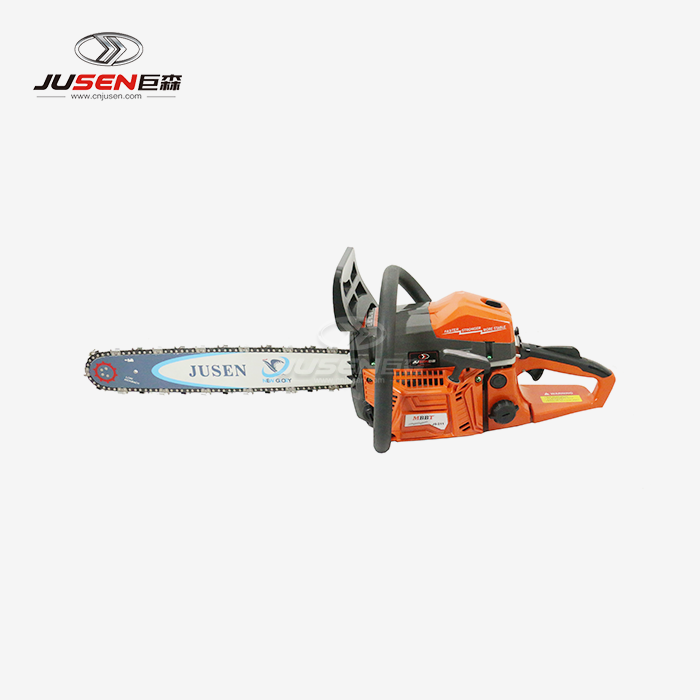 VIEW MOREGas Powered Gas Chain Saw
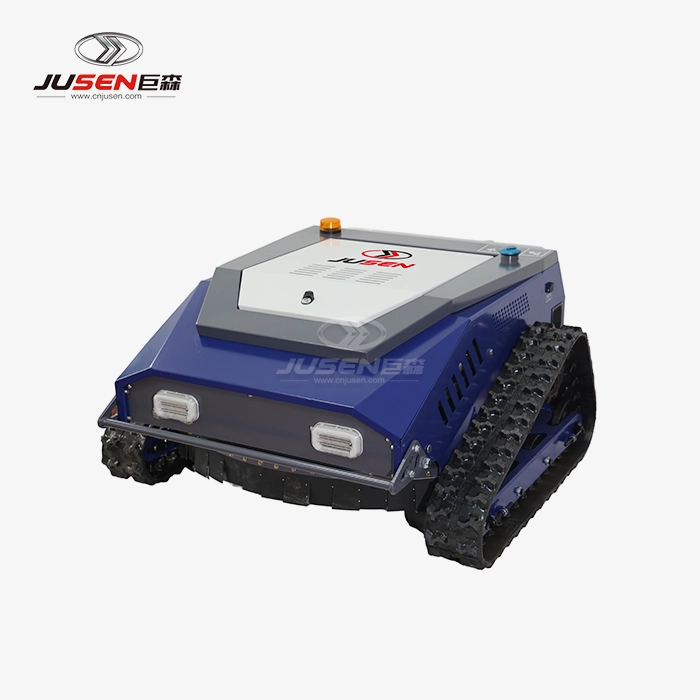 VIEW MOREGasoline Remote Control Lawn Mower
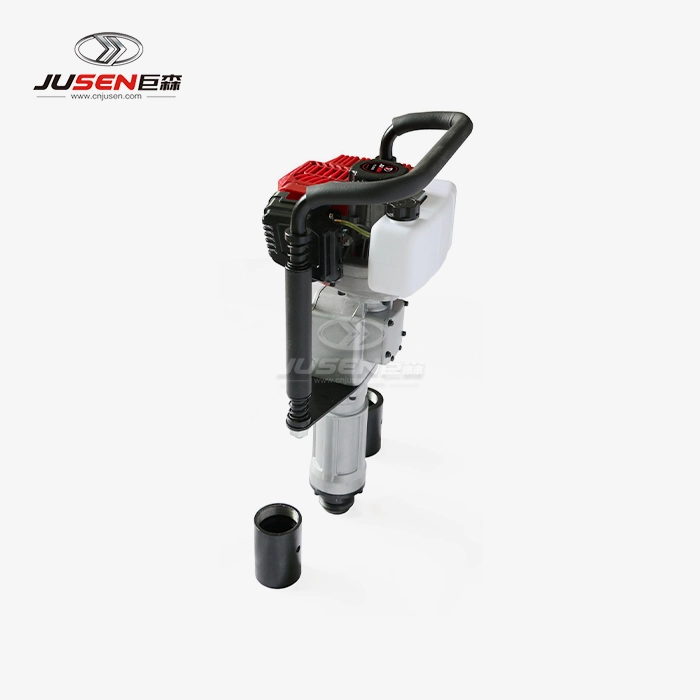 VIEW MOREGasoline Power Handheld Pile
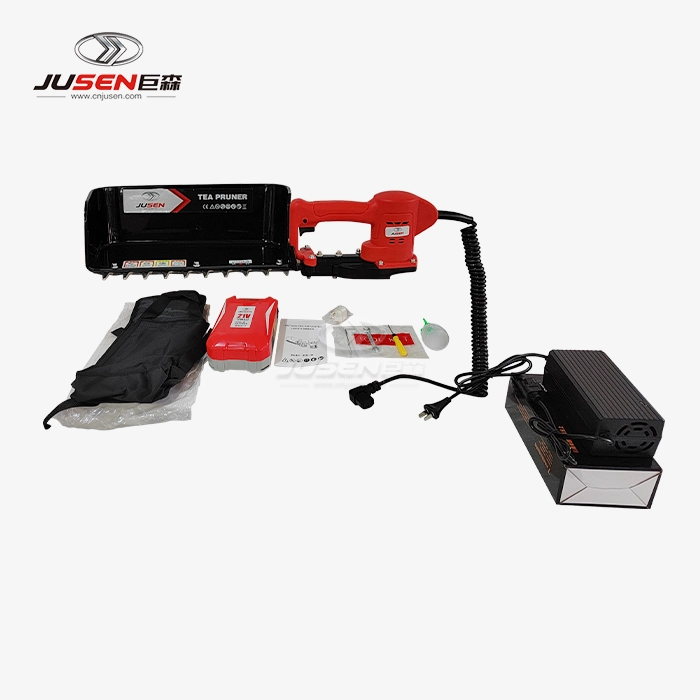 VIEW MORETea Leaf Picking Machine
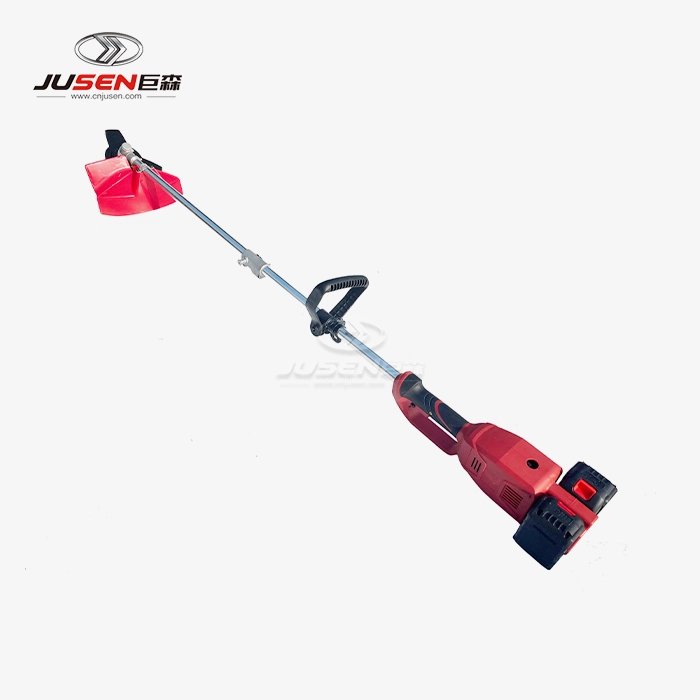 VIEW MOREMultifunctional Electric Brush Cutter
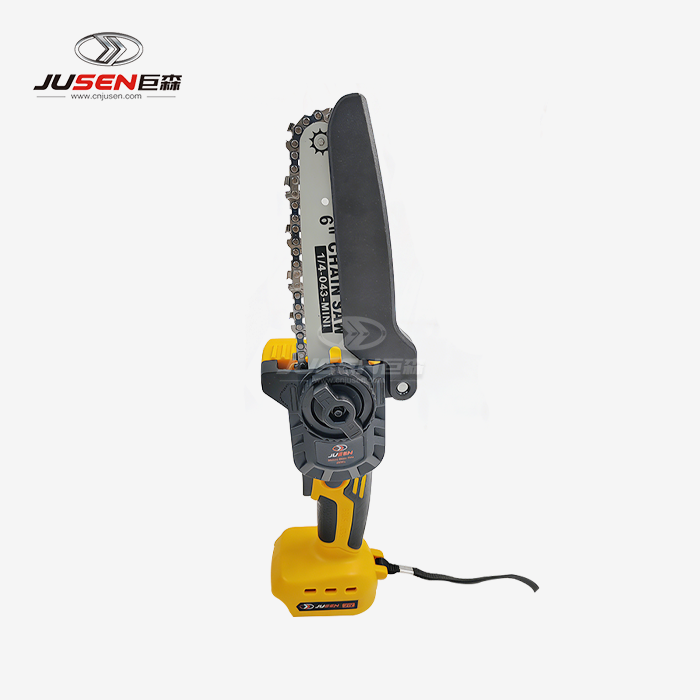 VIEW MOREBrushless Mini Cordless Chainsaw
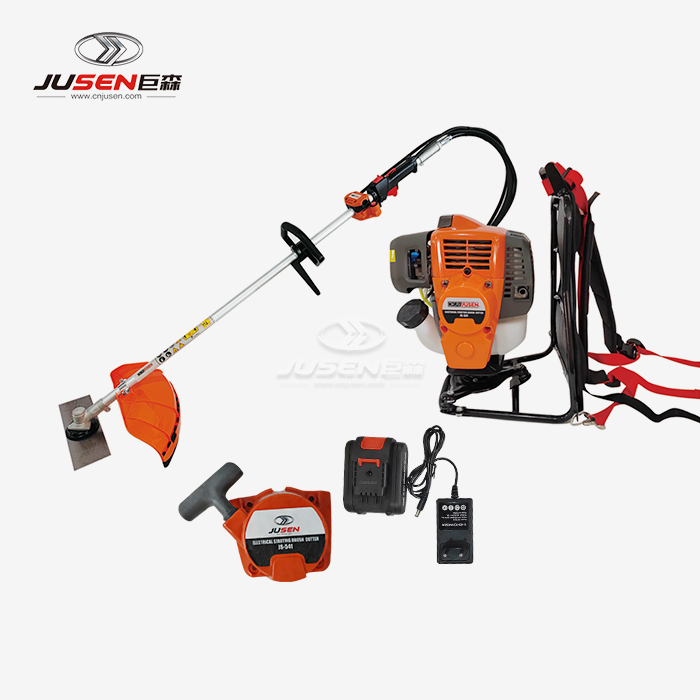 VIEW MORE43cc Electric Start Gasoline Brush Cutter
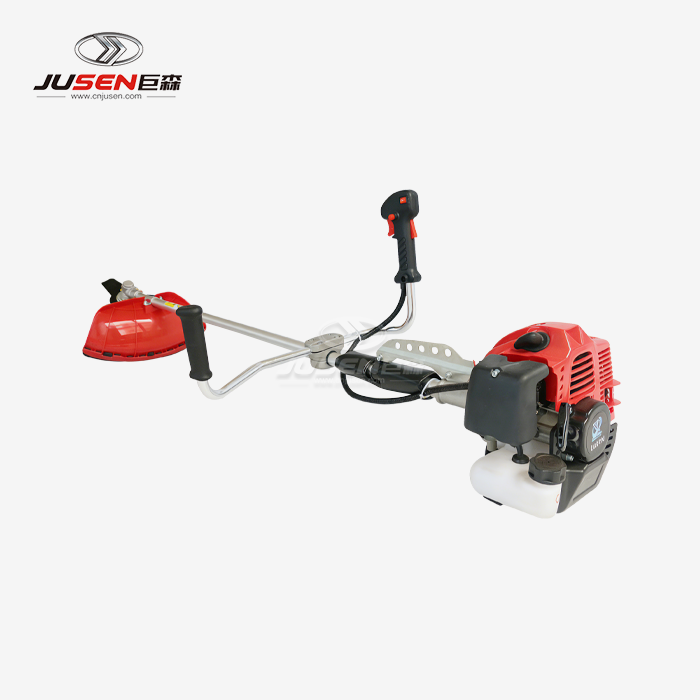 VIEW MORE52cc Petrol Brush Cutter