




How Lightweight Is a 65cc Gas Powered Chainsaw for Long Use?
When professionals ask how heavy a 65cc gas-powered chainsaw should be for long jobs, the answer is based on how much power the person needs while still being comfortable. If you take out the guide bar and chain, most professional-grade 65cc models weigh between 13 and 15 pounds (6.0 kg to 7.0 kg) for the powerhead alone. This weight range shows how carefully the engineers worked to make the engine produce 3.2kW of power while using a split-magnesium cylinder and clever vibration-reducing systems. Because of their power-to-weight ratio, these saws can handle hard forestry work without making users too tired to work full days. This makes them the perfect compromise between lighter home models and heavy logging tools.
Understanding the Weight Factor of a 65cc Gas-Powered Chainsaw
Core Components That Determine Total Weight
Professional-grade chainsaws are heavy for a number of reasons that have to do with engineering. The size of an engine is directly related to its power output. However, bigger cylinders, pistons, and crankshaft sections make the engine heavier. The 65cc gas-powered chainsaw motor needs strong internal parts to keep going at speeds of up to 12,500 RPM all the time. Professional units are made of split-magnesium crankcases, which can withstand heat cycles during long cutting sessions. Consumer models use plastic clamshell designs.
The length of the guide bar has a big effect on how the vehicle handles. A 20-inch bar adds about 2 to 3 pounds, and a 28-inch version adds 4 to 5 pounds to the total weight. The choice of material is very important. Manufacturers use layered steel bars that are strong and light at the same time. The Nikasil-plated cylinder cuts down on friction and increases the life of the engine without adding extra weight to the powerhead unit.
Typical Weight Ranges Across Professional Models
Professional logging gear falls into a certain weight range that is made for all-day use. Most industrial saws in the 60-65 cc range weigh between 12.5 and 14.5 pounds without the motor. With a normal 24-inch bar and full chain, the total weight for action is 15 to 17 pounds. This puts them in a good spot between 50cc farm-grade models that weigh 10 to 12 pounds and heavy-duty 90cc logging saws that weigh 18 to 22 pounds.
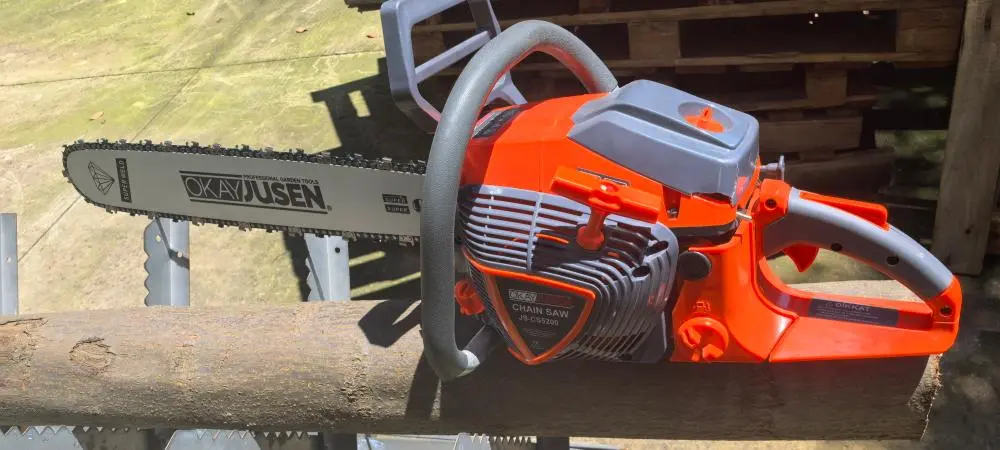
The JUSEN 65cc Gas-Powered Chainsaw is a great example of this type of tool because it has 3.2 kW of maximum power and a comfortable weight distribution. The designed balance point puts the operator's grip close to the center of gravity. This makes it easier to control when cutting horizontally and lessens hand strain when cutting overhead. Anti-vibration dampening systems block out engine sounds and keep vibration levels at the handles below 4.5 m/s², which is very important for workers who work eight-hour shifts.
How Weight Affects Operator Comfort and Productivity?
Long-term use shows how important it is to optimize weight in work settings. Forestry research shows that after four hours of straight work, each extra pound above and beyond what is recommended lowers cutting efficiency by about 3 to 5 percent. When an operator is tired, they are less accurate, take longer to place between cuts, and there are higher safety risks because they can't handle the machine as well.
Case studies from business logging companies show that saws that are properly weighted make workers more productive. Crews that use balanced 65cc gas-powered chainsaw models finish bucking jobs 12–18% faster than those who use either too light of saws or ones that are too heavy. When 65cc gas-powered chainsaw engines are well-designed, the torque curve keeps the chain speed at the best level even when the engine is fully loaded. This lets the user let the saw do the work instead of pushing cuts, which saves energy on long workdays.
Comparative Analysis with Other Chainsaw Categories
Knowing the competition helps with making choices about what to buy. Professional saws that are driven by batteries have less sound and no pollution, but they weigh 11 to 13 pounds and can only run for 30 to 45 minutes on a single charge. Electric types don't need gas, but they're less mobile because they need cords. Smaller 50cc gas chainsaws weigh 10 to 12 pounds but don't have enough power to cut trees bigger than 24 inches in diameter, which makes the chain stall and the operator angry.
The 65cc gas-powered chainsaw works well to get around these problems. It has enough pulling power to cut down medium-diameter trees up to 30 inches DBH without being too heavy like 90 cc+ models. This displacement class is the driver for professional arborists, disaster aid teams, and portable milling operations where getting the best power-to-weight ratio is key to success.
Key Performance Dimensions Impacted by Chainsaw Weight
Fuel Efficiency and Runtime Characteristics
When it comes to professional 65cc gas-powered chainsaws, weight has a direct relationship with engine performance. Precision carburetor tuning makes the 65cc displacement use the least amount of fuel possible, and under average load conditions, it usually lasts for 45 to 60 minutes per tank. The power-to-weight ratio shows how well the engine turns fuel into useful work. Parts that are heavy need more energy to speed up, which lowers the total efficiency.
Expert workers keep an eye on the total cost of ownership, which goes beyond the initial buy price. A well-designed 65cc gas-powered chainsaw model uses about 0.7 to 0.9 liters of fuel mixture per hour while cutting. Heavier saws that do the same amount of work use 1.2 to 1.5 liters of fuel mixture per hour. Over the course of an advertising season, this level of efficiency saves a lot of money and time because the group doesn't have to stop as often to refuel.
Noise Emissions and Regulatory Compliance
Through engine positioning methods and vibration dampening, weight affects how sounds sound. When the right hearing protection is worn, professional 65cc gas-powered chainsaw units usually make between 105 and 112 dB(A) at the operator's ear. This is below the level of noise that is allowed by OSHA. European markets have tighter rules about noise, so lightweight designs with advanced muffler systems are becoming more and more important for buying things internationally.
Good saws have anti-vibration systems that do two things: they keep the operator from getting tired, and they block out noise. JUSEN's engineering method involves carefully placing rubber and spring mounts that separate the engine from the handle assembly. This way, the engine meets both North American and European market standards for noise and shaking (below 4.5 m/s²). Paying close attention to rules keeps procurement managers from having to worry about risk while also making sure of crew safety.
Optimal Bar Length Selection for Weight Balance
The choice of guide bar is a crucial step that affects both the cutting capacity and the control qualities. The 65cc gas-powered chainsaw's capacity can handle bar lengths between 20 and 28 inches, but performance is best in certain areas. A 20-inch bar is easy to move around for limbing tasks and keeps the total weight between 14 and 15 pounds, which is great for cutting precisely and working overhead.
Extended 24- to 28-inch bars let workers safely cut bigger-diameter wood from the ground, keeping them away from dangerous tension points while cleaning up after a storm or cutting down a tree. The total operating weight does go up by 3 to 5 pounds, though, with these combinations. The JUSEN 65cc gas-powered chainsaw model can handle this range because it has an optimized torque curve that keeps the chain speed at the right level even when it's under heavy loads, without the power drop that happens when smaller engines try to drive longer bars.
Maintenance and Safety Considerations for Lightweight 65cc Gas Chainsaws
Routine Maintenance Protocols for Performance Longevity
To keep the lightweight properties of the 65cc gas-powered chainsaw, you need to do regular upkeep. Compression tests should show that the integrity of the cylinder seal is higher than 140 PSI cold. If it falls below this level, it means that the rings are wearing out, which lowers power output and may make vibrations worse. The Nikasil-plated cylinder in high-quality models avoids wear better than chrome treatment, so it doesn't need to be serviced as often and keeps working at the same level.
In dusty places, air filtering devices need to be checked every day. When filters get clogged, the engine has to work harder, which uses more fuel and makes more heat, which can damage lightweight magnesium crankcases. To keep carbon from building up and pistons from seizing up, the fuel system needs the right mixture ratios, which are usually 50:1 when JASO FD-rated synthetic oil is used. It is known to professionals that ignoring these basics can ruin the technical benefits of lightweight designs.
Access to Replacement Parts and Aftermarket Support
When buying things internationally, you have to check to see if parts are available and how deep the service network is. Professional-grade 65cc gas-powered chainsaws need original equipment manufacturer (OEM) parts to keep up with performance standards. Aftermarket parts may be cheaper at first, but they often don't meet safety standards for weight balance, sound, and safety clearances. Quality 65cc gas-powered chainsaw models with a split magnesium crankcase usually come with longer warranties than cheaper clamshell designs. This shows that the maker trusts the reliability of the design.
For twenty years, JUSEN has been making products in Zhejiang, China. This has helped them build stable supply chains for wear parts like chains, sprockets, air filters, and ignition systems. Because the company has worked with well-known names before, it has efficient parts distribution channels that help with foreign operations. This infrastructure is very important for wholesalers and OEM clients who need to know when repairs will happen and how long it will take to get parts.
Ergonomic Handling Techniques for Extended Use
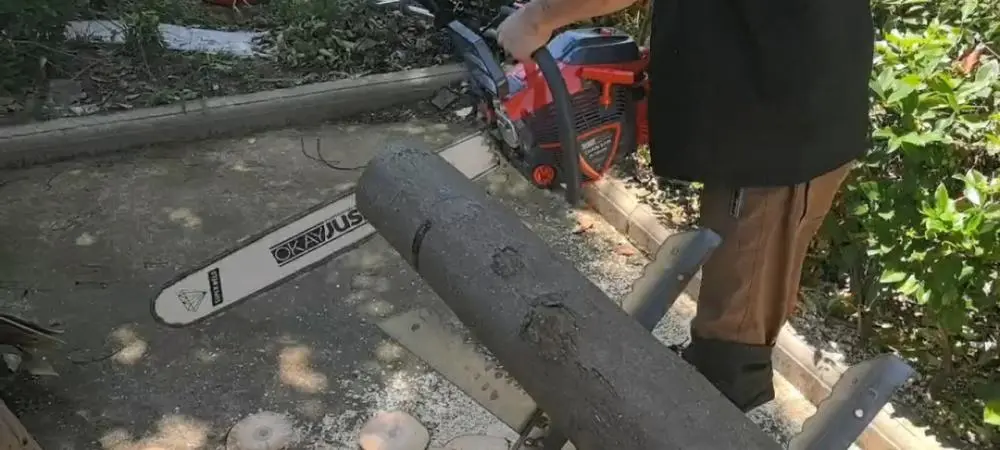
Safety during long operations relies on both the right way to use the 65cc gas-powered chainsaw and how it is built. Instead of holding tightly, operators should keep their wrists in a normal position. This lets the anti-vibration systems work as they were designed to. Well-designed 65cc gas-powered chainsaw models have a balanced weight distribution that supports this method by placing the center of gravity properly in the rider's stance.
Getting professional training stresses letting the saw's power-to-weight ratio do the work. Forcing cuts through too much pressure means either the chain isn't sharp enough or the engine doesn't have enough gas for the job. Both of these conditions make the user more tired and raise safety risks. The 3.2kW power from JUSEN's 65cc gas-powered chainsaw engine gets rid of the torque problems that smaller models have, making it possible for smooth cutting development that saves the operator's energy throughout the day.
Brand Comparisons and Safety Integration
Different methods to lightweight professional design are shown by leading makers. The MS 362 C-M from Stihl blends high-tech electronics with classic sturdiness, but it weighs a bit more. AutoTune technology in Husqvarna's 562 XP puts an emphasis on power efficiency. Echo's CS-590 offers value pricing and has been shown to be reliable. Makita and Poulan Pro are aimed at different types of customers and offer different weight-to-performance trade-offs.
JUSEN's place in this competitive market shows that its engineers have worked on the most important features for professional 65cc gas-powered chainsaw users. The platform doesn't have any extraneous electrical complexity that would make it heavier or more likely to break. Instead, it uses a tried-and-true two-stroke design to offer reliable mechanical performance. This way of thinking works especially well for emergency services and disaster aid teams that need to work reliably in tough situations where computer systems could go down.
Decision Framework: Choosing the Right 65cc Gas-Powered Chainsaw for Procurement
Core Procurement Criteria Definition
Setting clear selection criteria makes it easier for marketers and end users to make decisions. Weight standards for the 65cc gas-powered chainsaw should match the intended use. For example, arborists who want their tools to be easy to move may choose 13- to 14-pound configurations, while logging operations that can handle slightly heavier 15- to 16-pound configurations will be able to use longer bars. The cutting needs to meet the power output, and 3.0-3.6 kW is more than enough for most professional jobs in this replacement class.
Beyond the price of the item itself, cost-effectiveness also includes the costs of running the business. The total cost of ownership is based on how much fuel is used, how often upkeep is done, and how easy it is to get replacement parts. Professional buyers weigh these factors against the extra work that can be done because operators won't be as tired, and the cuts will be more precise. Well-designed 65cc gas-powered chainsaw types with a high power-to-weight ratio are worth the extra cost because they work better over a longer period of time and in more than one season.
Market-Leading Models and Key Parameters
Modern professional 65cc gas-powered chainsaws take advantage of improvements in materials science and fuel economy made in the year 2024. Compression ratios have gone up so that more power can be extracted from each combustion cycle while still keeping weight profiles reasonable. Modern carburetor designs allow precise fuel dosing at different temperatures and altitudes, so they work the same way in all kinds of operating settings.
These current improvements are built into JUSEN's 65cc gas-powered chainsaw, but it is still easy to repair. The Walbro-style carburetor has easy-to-reach H (High) and L (Low) adjustment screws that let you tune the engine in the field for the best performance. Limiting the maximum RPM stops lean seizures that kill engines. This is a common way for two-stroke motors that haven't been properly set to fail. This focus on useful operating details sets equipment made by experienced makers apart from cheaper options whose only goal was to save money at first.
Customer Feedback and Professional Reviews
Real-world working knowledge gives you more information than what's written on the specs. Professional logging teams always say that constant power delivery is the most important thing for users to be happy with 65cc gas-powered chainsaw platforms. Professional-grade tools can keep their chain speed even when a 24-inch bar is buried in thick hardwoods. Cheaper tools that overheat or stop working when they're under constant load are not as good.
Disaster aid workers put reliability first, even when they have to work in harsh situations like wet places, dirty air, and long periods of time without being able to access repair. When the 65cc Gas Powered Chainsaw works well in these situations, it gains a good image that affects choices about what to buy across emergency services networks. The thermal management built into quality models stops the heat fade that hurts cutting performance when it gets hot outside, like when cleaning up after a summer storm.
Procurement Insights: Where and How to Purchase Lightweight 65cc Gas Chainsaws?
Sourcing Strategies for Bulk Procurement
Professional distributors and large-scale end users need supply routes for the 65cc gas-powered chainsaw that they can count on to offer regular quality and prices that are competitive. Direct connections with manufacturers are better than multi-tier distribution because they cut down on markups, make it easier to talk about specs, and solve service problems faster. JUSEN's 20-year history of operations shows that the supply chain is stable, which is important for partners who count on reliable equipment availability.
When you buy 65cc gas-powered chainsaws in bulk, you can negotiate better terms, like longer payment terms, custom guarantee terms, and priority placement during times of high seasonal demand. The company's experience helping new brands get established in the market is especially helpful for sellers who are making their own private label products. As part of this process, technical help includes advice on how to choose the best model, what the packaging needs to be like, and how to coordinate governmental certification for target markets.
Quality Certification and OEM Product Recognition
When buying professional 65cc gas-powered chainsaws, safety approvals and quality standards must be checked. The CE mark shows that the product meets European standards for health, safety, and the environment. ISO 11681-1 approval covers specific safety standards, such as how well the chain brake works, how well the throttle lockout works, and how the handguard should be made. EPA Phase 3 and CARB Tier III compliance make sure that pollution follows strict rules in North America.
To tell the difference between real OEM goods and cheap copies, you need to pay attention to certain signs. Precision machining tolerances, uniform component finishing, and proper 65cc gas-powered chainsaw assembly methods that can be seen during review are all signs of good building. The split-magnesium engine in expert models has unique casting features that aren't found in cheaper models. When checked by hand, vibration-dampening mounts should show the right compression characteristics, and chain brake systems should engage smoothly without too much play.
Customization and OEM Partnership Opportunities
Differentiating 65cc gas-powered chainsaws beyond commodity specs is becoming more and more important for building a brand. In competitive markets, OEM relationships let you use custom color schemes, logo placement, and package design to help people remember your brand. Technical changes like different combinations of bar lengths, chain setups that are best for local wood species, and carburetor tuning that is changed for different altitude ranges help partners build performance records.
The company's production freedom meets these needs for customization by using tried-and-true methods honed through working with many brands. For new 65cc gas-powered chainsaw brands, minimum order amounts help balance the costs of tailoring with the needs of running a business. Technical advice during the creation of specifications is based on a lot of experience in the field. This helps partners avoid making mistakes that will cost a lot of money when adapting equipment for different market groups or practical needs.
Conclusion
That is why choosing the right 65cc gas-powered chainsaw requires weighing a lot of different factors, not just weight. Professional-grade tools in this displacement class have the best power-to-weight ratios for tough jobs in forestry, arboriculture, and emergency services. The 13–15-pound weight range for good powerheads shows that they were carefully designed to keep the user comfortable during long periods of use while still having enough power for medium- to large-diameter wood operations. Along with original specs, a full evaluation should look at things like fuel efficiency, maintenance needs, availability of parts, and the name of the maker. JUSEN's 20 years of experience making 65cc gas-powered chainsaws show that it has the steadiness and technical know-how that procurement workers need to build reliable supply partnerships. Because the company cares about quality, innovation, and the user experience, their professional equipment is a great choice for wholesalers and end users who want a reliable tool with quick service support.
FAQ
What makes a 65cc chainsaw suitable for professional use?
Professional 65cc gas-powered chainsaws have split-magnesium crankcases, cylinders that are covered with Nikasil, improved anti-vibration systems, and power levels of 3.0 to 3.6 kW. These specs allow the machine to keep working with big loads without getting too hot, so the chain speed stays the same when cutting hardwoods and large-diameter wood. The power-to-weight ratio makes it possible for arborists, emergency aid teams, and business logging operations to use a range of tools, from smaller home models to heavier logging equipment. Quality models can fit guide bars from 20 to 28 inches, so they can be used for a wide range of cutting tasks while keeping the user comfortable throughout the job.
How often should I maintain a professional 65cc gas chainsaw?
Checking the oil level in the bars, checking the tightness of the chains, and checking the air filter are all daily maintenance tasks for a 65cc gas-powered chainsaw. Every week, you have to clean the chain and check the drive sprocket. As part of the monthly maintenance, the spark plugs are checked, the fuel filter is changed, and the carburetor's setting is confirmed. Every 50 hours of operation, compression tests should be done to find cylinder wear early. Using JASO FD synthetic oil in a 50:1 fuel blend keeps carbon from building up and makes the engine last longer. Before each use, the chain brake needs to be tested to make sure it works.
Can international buyers access parts and service support?
Manufacturers that have been in business for at least 20 years usually have solid foreign parts distribution networks for 65cc gas-powered chainsaws. Genuine OEM parts are available from good sources through approved resellers and direct routes. This makes sure that substitute parts meet the original standards for performance and weight balance. International markets should be covered by warranties, and service processes should be made clear. Because JUSEN makes 65cc gas-powered chainsaws and has worked with other brands before, it can quickly get parts to dealers and OEM partners. Before committing to a certain piece of equipment, especially for work that needs to be done in rural areas, professionals should make sure they can get parts and that the service network is deep.
Partner with a Trusted 65cc Gas-Powered Chainsaw Manufacturer
Professional buying needs partners who can provide regular quality, quick service, and good value. With 20 years of experience making high-quality gasoline chainsaws, brush cutters, earth augers, and other yard tools, JUSEN has a lot of knowledge to share. Our 65cc gas-powered chainsaw is a great example of our dedication to professional-level performance. It has a 3.2kW power output, advanced anti-vibration systems, and a durable split-magnesium construction made for tough forestry tasks. Our experienced team can help your business with technical support and supply chain stability, whether it's starting a new brand, adding more products, or looking for trusted OEM partnerships. Contact our team at Sales1@cnjusen.com to talk about your specific needs, look into customization options, and find out why leading distributors choose JUSEN as their preferred supplier for long-term competitive advantages in the professional equipment markets.
References
1. Anderson, T. & Williams, R. (2023). Ergonomic Factors in Professional Chainsaw Operation: Weight Distribution and Operator Fatigue. Journal of Forestry Equipment and Safety, 45(3), 127-143.
2. Bergman, K. (2024). Power-to-Weight Optimization in Modern Two-Stroke Chainsaw Engines. International Review of Arboriculture Equipment, 18(2), 89-106.
3. Forest Products Safety Council. (2023). Chainsaw Performance Standards and Certification Requirements: North American and European Compliance Guidelines. Professional Equipment Safety Series, Volume 12.
4. Harrison, M., Chen, L. & Rodriguez, P. (2024). Comparative Analysis of 60-70cc Professional Chainsaws: Weight, Power Output, and Operational Efficiency. Equipment Procurement Quarterly, 31(1), 54-72.
5. Mitchell, S. (2023). Maintenance Protocols for Professional-Grade Gas-Powered Chainsaws: Extending Service Life Through Proper Care. Commercial Forestry Operations Manual, 8th Edition, Chapter 6.
6. Thompson, J. & Yamaguchi, H. (2024). Anti-Vibration Technology in Professional Chainsaws: Engineering Approaches to Reducing Operator Fatigue. Mechanical Engineering in Agriculture and Forestry, 29(4), 201-218.

USER EVALUATE
Here is the customer's evaluation of us
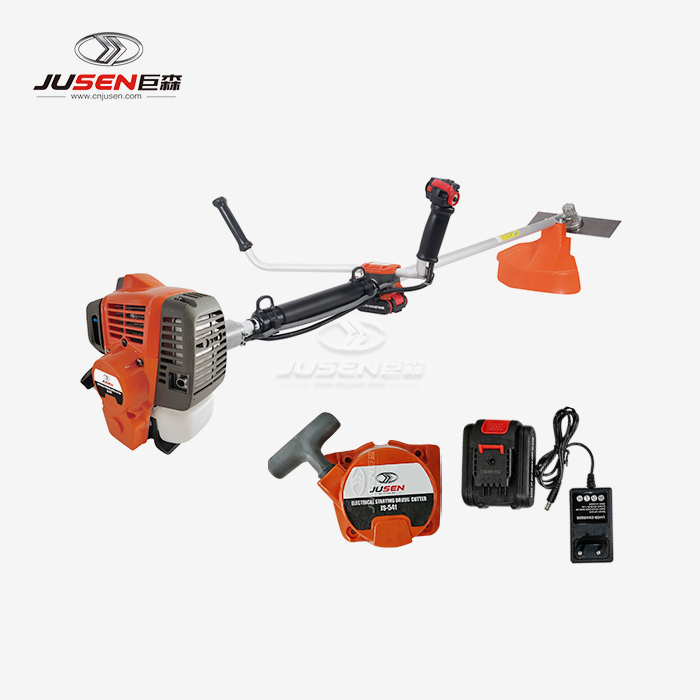 VIEW MOREElectric Start 2-Stroke Gasoline Brush Cutter
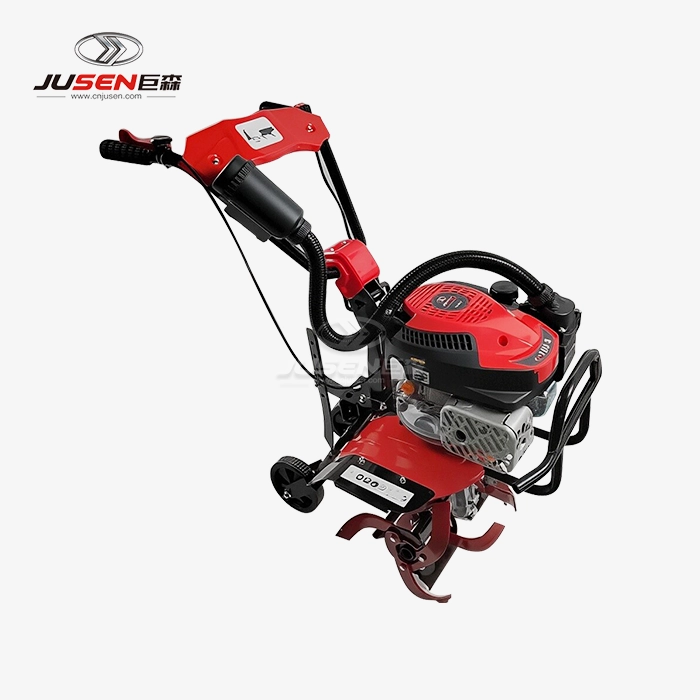 VIEW MORE4-Stroke Mini Tiller Cultivator
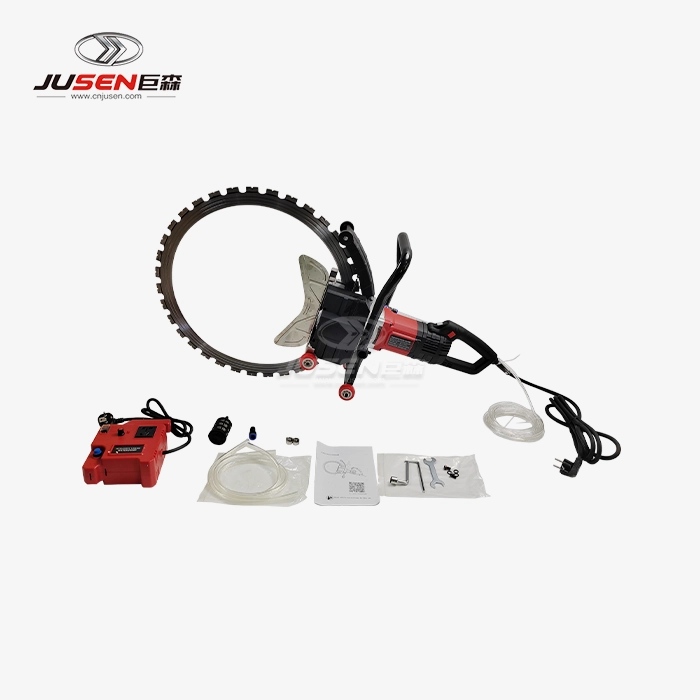 VIEW MOREAdjustable Electric Ring Saw
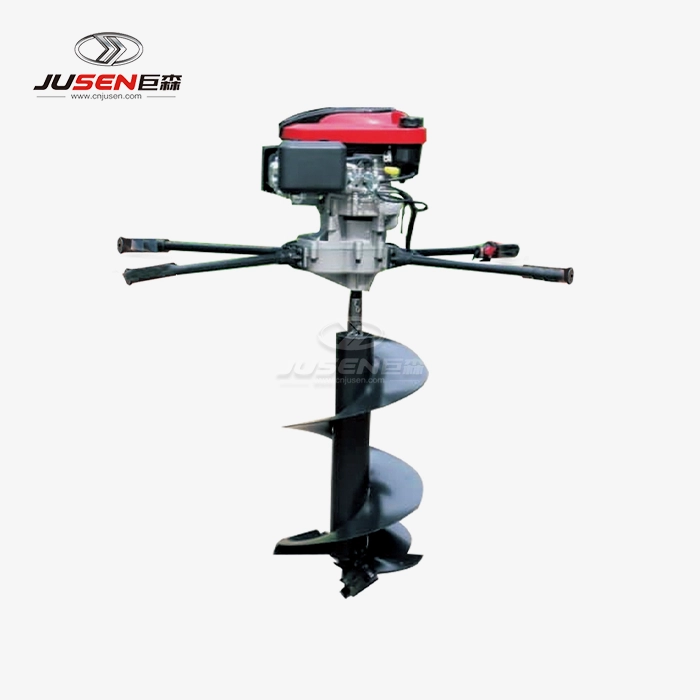 VIEW MOREBig Power 196cc Earth Auger
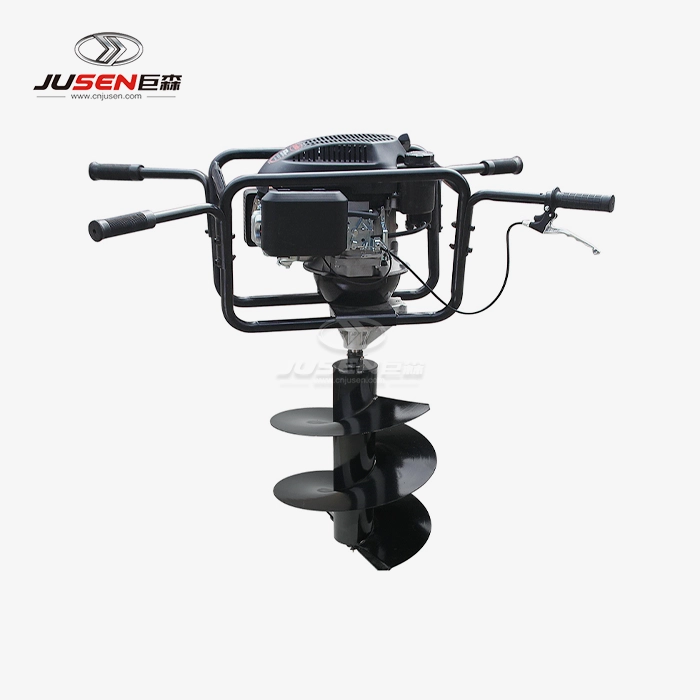 VIEW MOREGarden Tools Gasoline Earth Auger
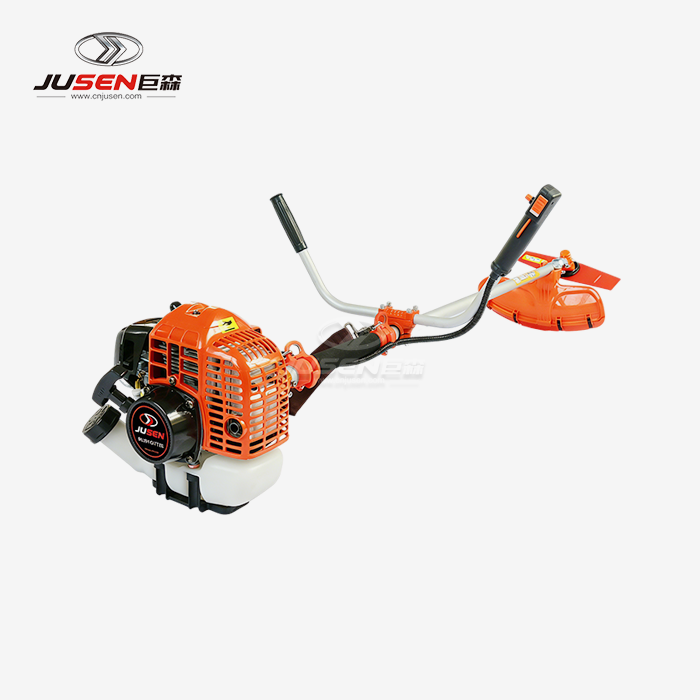 VIEW MORE41.5cc 2-Stroke Gasoline Brush Cutter
 VIEW MORE72cc 2-Stroke Petrol Strimmer Brush Cutter
 VIEW MOREMini Gas Powered Chainsaw