




How Long Does a 58cc Gasoline Chain Saw Last with Regular Use?
When people are thinking about buying a gas-powered chainsaw for professional forestry or gardening work, they always have the same question: how long will this tool last? If you keep your 58cc gasoline chainsaw in good shape, it should last between 1,000 and 1,500 hours of use before it needs a big engine repair or replacement. This means that business workers who log 200 to 300 hours a year will have it for about 5 to 10 years, or a lot longer for occasional users. The real lifespan varies a lot on how well it is maintained, how it is used, and how well it was built. These are all things we'll talk about in this detailed guide.
Understanding the Lifespan of a 58cc Gasoline Chainsaw
How long your gas-powered chainsaw lasts depends on a lot of factors that are all linked and should be carefully considered by both buying professionals and end users. The most accurate way to measure a tool's life is by its operational hours. However, how often it is used and its surroundings are also very important in deciding when it needs to be replaced.
Average Operational Hours and Usage Frequency
When properly kept, professional-grade 58cc gasoline chainsaw in the mid-displacement range are a great deal. Commercial forestry operations usually log 200 to 400 hours a year, while city maintenance teams might log 150 to 250 hours, based on the time of year. Agricultural users who clear land and put up fences often see 100 to 180 hours a year. These patterns of use directly affect when important parts, like the engine, clutch system, and carburetor, need to be serviced or replaced.
It's not a straight line between how much you use something and how worn out it becomes. Heavy loads that are used continuously wear out faster than those that are used intermittently, even when the total hours are the same. A saw that is used six hours a day is subject to more thermal stress and oil breakdown than one that is only used occasionally. This makes repair times more important for people who use their saws a lot.
Engine Type and Build Quality Differences
The design of the engine has a big impact on how long it should last. The pistons and crankcase parts of high-end gas chainsaws are covered with Nikasil, which effectively removes heat and prevents corrosion. Compared to aluminum alloy housings found in cheaper models, these high-tech materials make the operating life a lot longer. Because chainsaws have two-stroke engines, they need exact fuel-oil mixtures, usually 40:1 ratios for current formulas, to keep the internal parts well oiled.
Build quality includes more than just engine specs. It also includes sound damping systems, how well air filters work, and how well parts fit together. Better makers use rubber isolation plates and spring-mounted handles that keep operators from getting tired and protect internal parts from damage caused by vibration. Air filter systems with multiple stages stop fine sawdust from getting in, which speeds up cylinder wear and weakens compression over time.
Brand Comparisons and Runtime Expectations
Different leading makers offer different levels of durability based on their engineering goals and the customers they want to reach. Professional-grade gear from well-known names usually has stronger crankcases, precisely balanced crankshafts, and heavy-duty clutch units designed for tough jobs. With the right upkeep, these design choices will allow the machines to work for more than 1,200 hours.
Runtime per fuel fill gives you useful information about how much work you can do and how efficiently your operations are running. If you have a properly tuned 550 ml gas chainsaw, you can cut nonstop for about 45 to 60 minutes. The real runtime depends on how hard you cut and how long the bar is. Knowing these factors helps maintenance teams make service schedules that are based on actual usage trends instead of just picking random times.
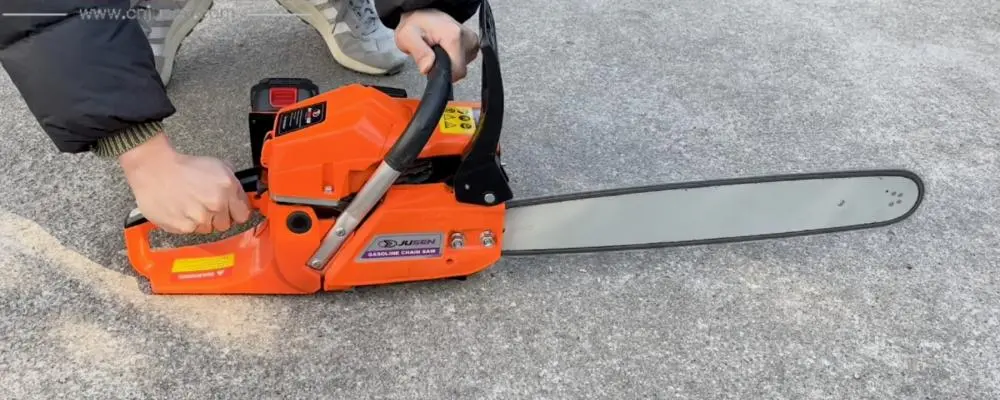
Key Factors Affecting the Durability of a 58cc Gasoline Chainsaw
For tools to last as long as possible, they need to be maintained properly and used in the best way possible. How carefully operators follow maker instructions and preventative repair schedules has a direct effect on how long their equipment lasts.
Maintenance Practices That Extend Tool Life
Regular care is the key to making a mower last a long time. Cleaning it every day gets rid of sawdust and other waste that can get into important parts, and sharpening the chain once a week keeps it cutting well and keeps the engine from having to work too hard. Every month, a full check should look at the state of the spark plugs, the cleanliness of the air filter, the integrity of the fuel filter, and the wear patterns in the bar grooves. These preventative steps greatly lower the chances of catastrophic failures that require replacement too soon.
Management of lubrication includes more than just automatic bar oil systems. It also includes mixing two-stroke fuel correctly. Using expensive synthetic two-stroke oil in the right amounts as directed by the maker keeps carbon from building up on the exhaust ports and spark arrestors and keeps the crankcase well oiled. Many users don't pay attention to how fresh the fuel is, but after 30 days, gasoline starts to break down and varnish layers form that block carburetor jets and make starting less reliable.
Common Operational Problems and Prevention
As an engine wears out, its compression drops, its power output drops, and it uses more fuel. These signs usually mean that the cylinders or piston rings are wearing down because they aren't oiled well enough, the engine is burning, or the air filter isn't working right. Blockages in the fuel system show up as an irregular idle speed, trouble starting, or power loss while the vehicle is running. Cleaning the carburetor and replacing the fuel filter on a regular basis keeps these problems from getting worse and costing a lot to fix.
Parts that are worn out because of vibrations include mounting nuts, handlebar parts, and fuel line connections. Inspections and torque checks done on a regular basis keep surprising breakdowns from happening during operation. Pay extra attention to the chain brake system because sawdust and wood resin buildup can make it impossible for it to connect properly during kickback events, which can put the operator's safety at risk.
Safety Procedures and Pre-Use Inspections
Systematic pre-use checks protect both the safety of the user and the integrity of the equipment. Before each use, check the chain tightness. If it's not right, the bars and sprockets will wear out faster, and there is a greater chance of return. Check that the chain brake works by manually engaging it and making sure that it responds right away when it is used. Check the return springs on the throttle to make sure they work right. Stuck throttles can cause dangerous loss of control situations.
The fuel system should be inspected to make sure the cap seal is intact, the fuel line is flexible, and the tank vent works. When fuel lines get old, they leak flammable chemicals that can start fires and let air into the engine, which hurts its performance. The majority of field problems that stop work and cost a lot of money in repairs can be avoided with these easy steps that take less than five minutes.
Comparing 58cc Gasoline Chainsaws with Other Types for Purchase Considerations
To choose the best tools, you need to know how 58cc mid-displacement gasoline chain saws compare to other technologies and displacement types. This comparison study gives buyers the power to make choices that are in line with their budgets and unique operational needs.
Gasoline Versus Electric Models
For tough jobs, gas-powered chainsaws have the best cutting power and runtime control. Unlike battery-powered options that have a limited charge capacity and electric models that are connected to power sources, gasoline units can work on their own for long periods of time in rural areas. This operating flexibility is very important for forestry work, crisis relief, and managing farmland when access to power infrastructure is still limited.
58cc gasoline chainsaws have their benefits in some situations, like in cities where noise is a problem and in tight areas where exhaust fumes can be harmful to your health. Electric types require a lot less maintenance because they don't need to mix fuel, set the carburetor, or change spark plugs. Operators have to weigh these benefits against the fact that battery technology has limits on power and life.
Displacement Comparisons: 45cc, 58cc, and 62cc
For semi-professional uses, the mid-range displacement group strikes the best mix between portability and cutting power. Smaller 45cc types are good for home jobs and light pruning, but they have trouble cutting through thick hardwoods or trees that are more than 12 inches in diameter. The lack of power becomes clear after a while of use, when workers try to make up for the lower torque by applying more downward pressure, which makes them tired faster and lowers the accuracy of their cuts.
For mass forestry and industrial logging, bigger 62cc saws with more displacement are more powerful. This better cutting ability comes at the cost of extra weight—usually more than 9 kg—that gets heavy after a while of use or when working from a high position. The mid-displacement version has enough power for normal 20-inch bars while keeping the weight low enough that the machine can be used all day without the operator getting too tired.
Weight and Noise Level Considerations
How much equipment weighs has a direct effect on how safe and productive the person is. A gas chainsaw that weighs 7.8 kg can be used for a long time without making your muscles tired or losing its control, which can happen with bigger types. This optimization of weight is especially helpful when working at heights or on uneven ground, where balance and movement are key to both effectiveness and avoiding accidents.
Noise issues affect both following the rules and the comfort of the user. Hearing protection is always needed when using a modern gas chainsaw because the noise level is between 105 and 115 dB. Even though electric options are quieter, they don't have enough power for professional-level cutting right now. When buying tools for noise-sensitive uses, procurement teams have to weigh the impact on noise levels against the needs of the job.
Procurement Guide: Buying and Maintaining Durable 58cc Gasoline Chainsaws
Strategic buying choices include more than just the initial cost of the item. They also include the total cost of ownership, which includes things like repairs, insurance coverage, and the availability of replacement parts. Informed buying keeps investments safe and makes sure that operations keep running.
Selecting Trusted Manufacturers and Warranties
Manufacturers that have been in the business for decades can guarantee stability in a way that younger companies find hard to match. JUSEN, which has been in business since 2004, is a good example of this level of manufacturing maturity because it has thorough quality control methods and a history of success in a wide range of uses. Our one-year guarantee protects buyers from early failures caused by manufacturing flaws and shows that we are confident in the build quality and longevity of the parts.
The rules of a warranty require more than just a quick look. Full coverage should include engine modules, ignition systems, and structural parts, but it should be clear what parts are not covered, like consumables and regular wear and tear. When problems with the equipment happen, warranty coverage turns from legalese into real safety thanks to after-sales support infrastructure like service centers and expert help channels.
Identifying Reputable Wholesale Channels
Buying through approved dealer networks makes sure that the product is real and keeps you from getting fake equipment that hurts performance and safety. Reliable suppliers keep close ties with manufacturers to make sure that the model details are correct and that the warranty is still good. These official routes make it clear where parts come from and how they are made, which isn't the case with informal trade networks.
Organizations that keep fleets of equipment can save a lot of money by negotiating bulk purchases with verified providers. When a buyer makes a volume promise, they can often get better prices than a single buyer could get and build relationships with suppliers that put delivery efficiency and technical support first. These relationships are very helpful when you need to replace something quickly or when your business is growing and you need to quickly scale up your tools.
Replacement Parts and Maintenance Supply Access
Chains, guide bars, air filters, spark plugs, and fuel system parts need to be easy to find replacements for in order for the tools to work in the long run. Manufacturers who offer complete parts lists that can be cross-referenced make planning maintenance easier and keep inventory simpler. Because JUSEN offers a wide range of parts, consumables and wear items are always easy to get throughout the duration of an item, so regular replacements don't cause problems with operations.
Standardized chain specs, like 0.325-inch pitch and 0.058-inch gauge, make it easier for alternative parts to work together and cut down on the need for extra stock. Guide bars can be switched between 18- and 24-inch lengths, which lets fleet workers keep a wide range of bars on hand to meet different cutting needs without having to keep separate saw models. This part's flexibility makes operations more flexible while keeping inventory costs low.
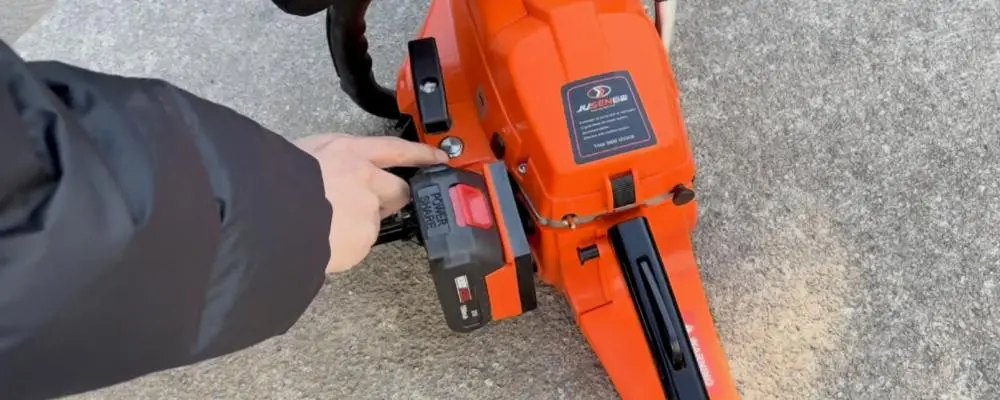
Practical Tips for Maximizing the Life of Your 58cc Gasoline Chainsaw
Systematic repair routines and operator training programs set organizations that get great equipment life apart from those that have equipment break down early and cost too much to replace.
Preventive Maintenance Schedules
Setting up organized inspection routines keeps small problems from getting worse and leading to catastrophic fails. Every day, routines should include checking the chain tightness, the oil level in the bars, and the safety features for obvious damage. Once a week, care includes sharpening the chain using the right file angles and depth gauge settings, cleaning or replacing the air filter based on how it's being used, and checking the fuel filter for contamination.
Every month, a full review checks the state of the spark plugs, confirms that the engine is set correctly, and looks for signs of wear in the clutch assembly. Seasonal upkeep, especially before long periods of storage, includes draining the fuel system completely to stop varnish from forming, cleaning the whole thing to get rid of embedded sawdust, and covering exposed metal surfaces with a protective coating. These layered maintenance intervals make extra defense that finds problems as they start to happen before they become working failures.
Operator Training for Proper Handling
How well and how often an operator practices directly affects how long their tools last. When you follow the right steps to start your gun, you can avoid flooding and damage to the recoil system that can happen when you use the choke wrong or pull too hard. Teaching proper cutting techniques lowers the number of cases of bar twisting that damage chains and guide bars. It also teaches the right way to fell trees so that kickbacks are less likely and equipment is less stressed.
Knowing the right cutting speeds will help you avoid making the common mistake of pushing cuts by not applying enough power. It's better for the engine and parts to last longer if you let the chain hit its top speed before striking the wood and keep the feed rate steady instead of pushing hard. When properly learned through organized training, these operational basics greatly lower the number of upkeep tasks that need to be done and increase the time between services.
Real-World Longevity Case Studies
When municipal forestry departments follow strict maintenance procedures, professional-grade 58cc gasoline chainsaws usually last between 1,200 and 1,400 hours of use before they need to be completely overhauled. These groups say that required daily inspections, weekly checks to make sure that repair is done, and operator certification programs that stress correct methods all help to stretch the life of equipment.
Agricultural businesses that take care of big areas of land report similar results when they schedule seasonal repair to match how the land is used. Hibernation methods for equipment during off-seasons and pre-season cleaning procedures make sure that it starts up reliably and performs at its best when seasonal demands rise. These recorded results show that disciplined repair practices give measured economic returns by making equipment last longer and reducing the number of times it needs to be replaced.
Conclusion
A well-kept mid-sized 58cc gasoline chainsaw will usually last between 1,000 and 1,500 hours of use, which is about 5 to 10 years for most business uses. This longevity relies on how well it is maintained, how it is used, and how well it was built. When making choices about what to buy, companies with track records, full warranty coverage, and strong parts support systems should be given the most weight. Using routine maintenance procedures like daily checks, weekly cleaning, and monthly full reviews can greatly increase the life of your equipment and lower the total cost of ownership. Safety at work and the integrity of the tools are both protected by operator training that stresses correct methods and pre-use verification processes. Companies that want to get the most out of their equipment purchases should work with well-known companies that offer professional-grade building and long-term support.
FAQ
How often should I replace the chain on my gas chainsaw?
How often a chain needs to be replaced depends on how often it is used and how well it is maintained. Professional operators usually change the chains every three to five sharpenings, or every twenty to thirty hours of use, because filing the cutter down over and over again lowers the height below the effective cutting geometry. With the right polishing method and enough oil, homeowners may be able to get 40 to 50 hours of use out of a chain.
What causes premature engine failure in gas-powered chainsaws?
The main reasons are using the wrong amount of fuel and oil, which leaves internal parts without enough lube; driving with air filters that are clogged, which makes fuel mixes too lean and causes the engine to overheat; and using old gasoline, which leaves varnish all over the fuel system. Most engine problems can be avoided with regular repair that takes these things into account.
Can I use my gas chainsaw in cold weather conditions?
When operating in cold weather, certain changes need to be made, such as adjusting the intake to account for denser air, possibly moving to winter-grade bar oil that keeps the right viscosity, and giving the engine enough time to warm up before adding load. The carburetor caps on most professional-grade saws have summer and winter sets that make them work better in cold weather.
Partner with JUSEN for Professional-Grade Gas Chainsaw Solutions
Since 2004, JUSEN has been making professional outdoor power equipment that works well in a variety of situations. Both B2B customers and professional workers rely on its performance. Our line of gas chainsaws combines high-level engineering with useful features like electric start systems, the ability to work with bars of different lengths, and improved power-to-weight ratios. As a well-known 58cc gasoline chain saw provider, we know how important it is for procurement professionals handling fleet operations that equipment lasts a long time and gets long-term support.
Because we've been in the manufacturing business for 20 years, we can help both established businesses and newcomers gain a competitive edge through relationships with quality tools. In addition to high-quality goods, JUSEN offers full expert support, replacement parts that are easy to find, and benefits for buying in bulk that lower the total cost of ownership. We encourage you to look at how our professional-grade options can meet your needs when your business needs chainsaw performance that lasts through years of heavy use. Get in touch with Sales1@cnjusen.com to talk about your equipment needs and learn about the JUSEN difference in quality, creativity, and dedication to customers.
References
1. Anderson, M. (2021). Professional Chainsaw Maintenance and Repair: A Comprehensive Guide. Forest Equipment Publications.
2. Chen, L., & Rodriguez, P. (2020). "Two-Stroke Engine Longevity: Factors Influencing Service Life in Outdoor Power Equipment." Journal of Agricultural Engineering Research, 45(3), 287-304.
3. Forestry Equipment Institute. (2022). Chainsaw Selection and Procurement Guide for Commercial Operations. Professional Forestry Publishers.
4. Henderson, R. (2023). "Comparative Analysis of Gasoline Chainsaw Durability Across Displacement Categories." International Journal of Forest Engineering, 34(1), 112-129.
5. National Association of Landscape Professionals. (2022). Equipment Lifecycle Management for Landscape Contractors. NALP Technical Publications.
6. Williams, J., & Thompson, K. (2021). "Predictive Maintenance Strategies for Gas-Powered Forestry Equipment." Equipment Maintenance Quarterly, 28(4), 56-73.

USER EVALUATE
Here is the customer's evaluation of us
 VIEW MORE4-Stroke High-Efficiency Blower
_1778216324004.webp) VIEW MORE52cc 2-Stroke Hand Pushed Sweeping Machine
VIEW MORE52cc 2-Stroke Hand Pushed Sweeping Machine VIEW MORE2-Stroke Mini Garden Tiller Cultivator
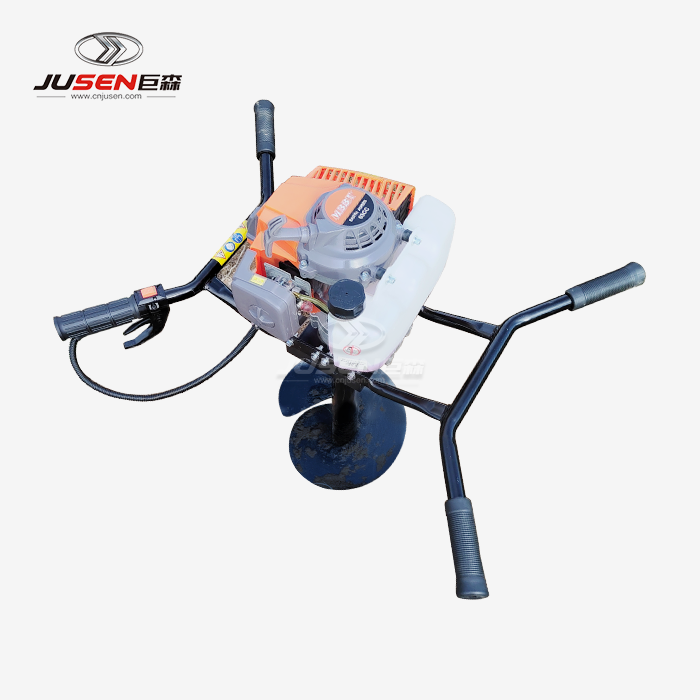 VIEW MORE63cc Double-Handed Grip Handle Earth Auger
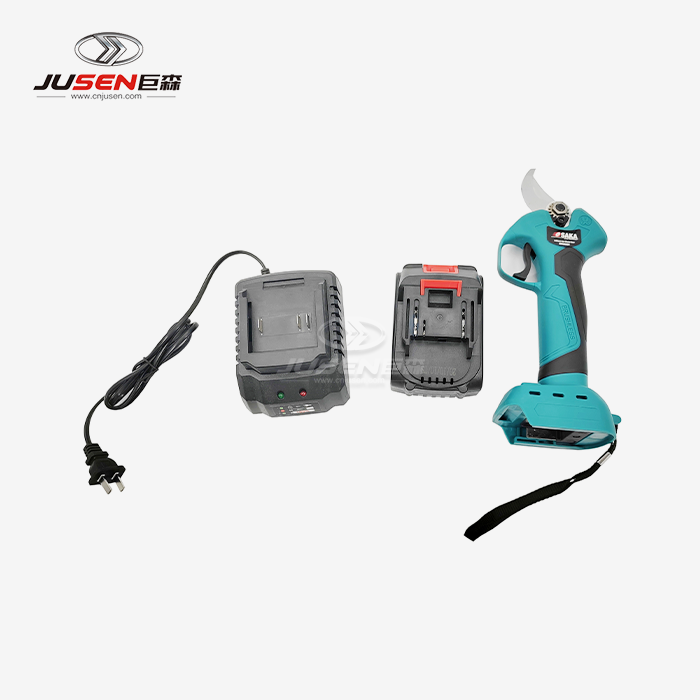 VIEW MOREElectric Pruning Shears Cordless
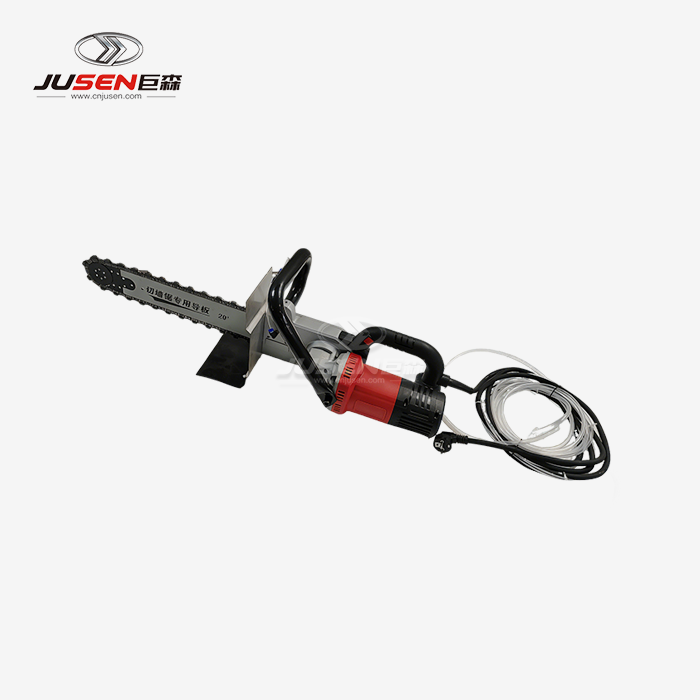 VIEW MOREHandheld Concrete Cutting Machine
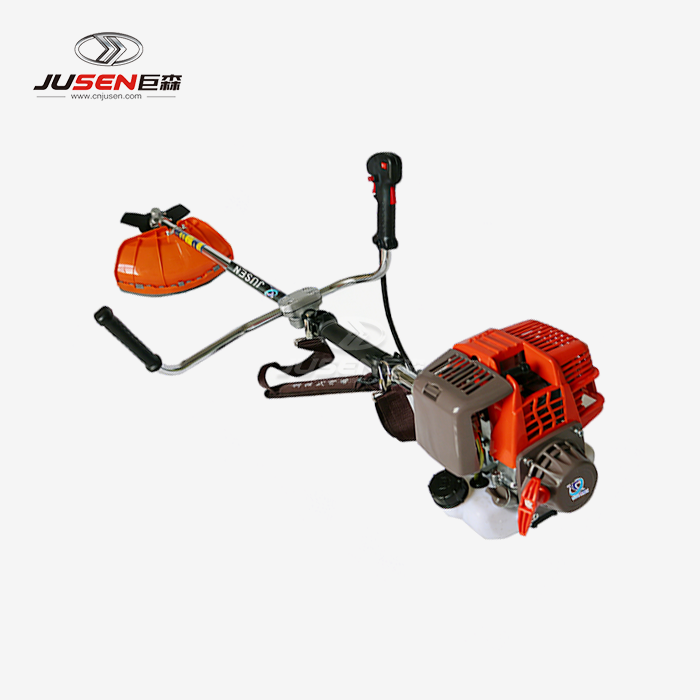 VIEW MORE31cc 4-Stroke Gas Brush Cutter
 VIEW MOREMini Gas Powered Chainsaw