




Why Choose a Mini Chain Saw Battery Powered for Quick Jobs?
Choosing the right cutting tool can turn boring chores into quick and easy ones. When jobs need to be done quickly and need to be portable, easy to set up, and always work well, battery-powered options really shine. A mini chain saw battery-powered gets rid of the hassle of pulling the plug and adding fuel, giving you quick cutting power wherever your work takes you. No matter if you're a professional landscaper taking care of business properties or an emergency response team cleaning up after a storm, mobile lithium-ion technology gives you the portability and dependability that gasoline models can't match. This new way of cutting combines professional-level performance with care for the environment, making it the smart choice for quick jobs in forestry, property maintenance, and gardening.
Understanding Battery-Powered Mini Chainsaws
How Does Lithium-Ion Technology Power Modern Cutting?
Modern electric chainsaws use advanced lithium-ion battery packs that keep the power stable even when they are being discharged. The JUSEN JS-4CJ-600 is an example of this technology. It uses 36-60V lithium-ion cells that get rid of the voltage drop that happens with older battery types. This steady power delivery keeps the 14m/s chain speed even when cutting different types of wood, from softwoods for clipping to hardwoods for sectioning.
The estimated power output of 2400W is the same as many gasoline types, and the bike only weighs 5.85 kg. This better power-to-weight ratio keeps operators from getting tired during long operations, which is very important when teams are doing a lot of quick jobs all day. Gas engines need time to warm up before they can work at full capacity, but electric motors are ready to go as soon as you pull the button.
Safety Features That Protect Your Team
Unlike standard choices, mini chain saw battery-powered models have more safety features than others. Electronic chain brakes stop the movement within 0.15 seconds of letting go of the trigger. This keeps people from getting hurt while coasting. Burn risks are lower when there are no hot exhaust parts. This is especially important when working in small areas or when climbers clip tools to harnesses while climbing.
The right battery management systems keep an eye on the power and temperature of each cell and turn the battery off automatically before it gets too hot. When procurement managers look at how safe a tool is, these built-in safety features add real value because they cut down on accidents and the costs that come with them. The cordless design also gets rid of the trip dangers that come with power cords, which are a common cause of accidents on the job site.
Runtime Considerations for Quick Jobs
The operating time between charges is directly related to the battery's size. High-capacity packs with capacities between 4.0Ah and 6.0Ah can cut softwood continuously for 45 to 60 minutes, which is long enough for most quick jobs that don't need to be switched batteries. For unbroken work, many expert users keep two batteries in rotation, with one powering the tool while the other charges.
"Quick jobs" are usually things that can be done in 30 to 90 minutes, like fixing up after a storm, carefully pruning trees in gardens, maintaining trails, and working on private properties. Fortunately, current lithium-ion packs have more than enough power for these uses and can be charged quickly. Buying batteries with more power returns their value by cutting down on downtime and increasing output.
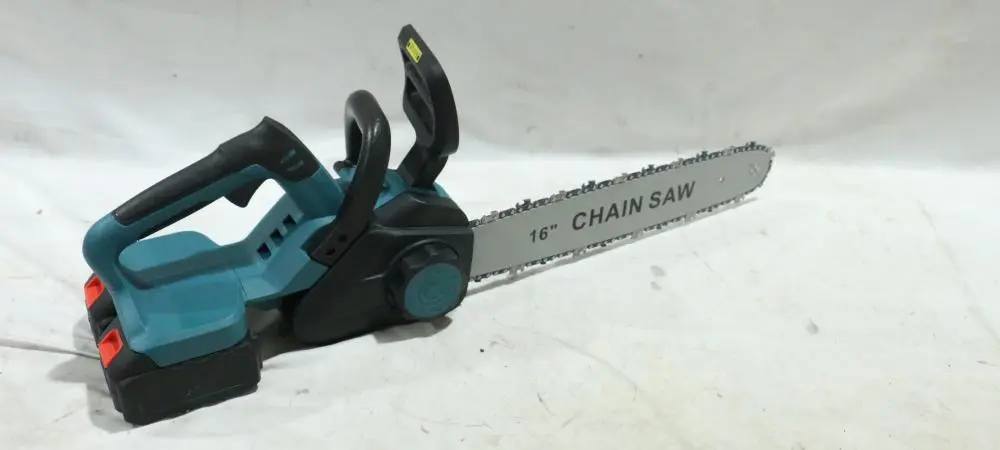
Comparing Battery-Powered Mini Chainsaws with Other Power Types
Mobility Advantages Over Corded Models
Corded electric chainsaws can run for as long as the extension cord reaches, but the user can only work in places that are within reach of the cord. In forest areas, on big business properties, or during emergencies where power lines could be broken, this limitation becomes a problem. Dragging extension lines through weeds makes them more likely to get tangled and takes longer to set up, which cancels out any efficiency gains.
Mini chain saw battery-powered options give you full freedom of movement. Cordless operation is helpful for people who work in trees, on hillsides, or in rural areas like emergency workers and arborists. Models like the JS-4CJ-600 have a 16-inch guide bar that can cut through materials up to 400 mm in diameter without needing to be close to an electrical outlet.
Environmental and Cost Benefits Versus Gas Models
Carbon monoxide, unburned hydrocarbons, and particulate matter are some of the damaging pollutants that gasoline chainsaws make. Two-stroke engines are still facing a lot of regulatory pressure, and some cities have even banned the use of gas-powered tools during days with a lot of smog. Battery-powered tools don't make any direct pollution, so they're compatible with companies' efforts to be more environmentally friendly and don't cause any problems with the law.
The cost of fuel and the space needed for storage are extra costs that come with owning a gas model. Over time, mixed fuel breaks down and needs to be thrown away and reprepared. Spark plugs, air filters, and fuel lines all need to be replaced every so often. Battery-powered types don't need these replacement parts, so they have lower long-term care costs even though they cost more at first. Total cost of ownership often supports lithium-ion equipment for businesses that do a lot of work every day over a three-year service life.
Performance Comparison Across Job Types
Gas types are still the most common for long-term cutting jobs in remote forests where switching batteries is not possible. But short jobs don't usually need the long runtime that makes gas tools complicated. Battery-powered units are great for cutting branches in short bursts—trim three, move to the next spot, and trim again—which is how gardening and property care teams usually work.
Different power sources generate torque in different ways. Gas engines have maximum power in certain RPM ranges, so workers need to keep the throttle in the right position. Brushless electric motors in good battery chainsaws offer consistent torque across the power band. This makes the saw easier to use and cuts down on the time needed to train new workers. This steady performance comes in handy when you need to be precise and control is more important than raw power.
Key Factors When Selecting a Battery-Powered Mini Chainsaw
Evaluating Battery Chemistry and Capacity
Professional electric tools mostly use lithium-ion technology because it has a higher energy density and less self-discharge. There are different types of lithium ions. Standard lithium ions, lithium polymers, and lithium iron phosphate all have their own unique properties. Professional-level gear usually uses cylindrical 18650 or 21700 cells set up in series-parallel patterns to get the power and volume it needs.
The 36-60V variable voltage technology in the JS-4CJ-600 makes the best use of power supply based on the cutting load. Higher volts allow smaller, lighter motors to produce the same amount of power, which helps make the tool very practical. When procurement managers look at specs, voltage and amp-hour rates should be put in order of importance. For example, a 40V 4.0Ah battery stores 160 watt-hours of energy, which is directly related to its usable runtime.
Total purchase costs go down when batteries work with different types of tools. Platforms with replaceable batteries let teams use power packs for chainsaws, grass trimmers, and blowers at the same time, which saves money by not having to buy extra batteries. Leading manufacturers now use this ecosystem method as normal, and it's a big plus for businesses that need to keep a wide range of tools on hand.
Assessing Build Quality and Durability
Professionals need tools that can handle rough situations and daily use. In business settings where tools are dropped and handled roughly, metal gear housings last longer than plastic ones. The chain tensioning system should be able to be adjusted without any tools, which is useful for making changes in the middle of a job.
The quality of the guide bar has a big effect on how well it cuts and how long it lasts. Hardened steel bars with sprocket heads that can be replaced keep the chain in perfect line and spread out wear evenly. The 16-inch bar on JUSEN models strikes a good mix between cutting power and maneuverability, so it can handle big branches without getting too heavy to use in small areas.
Look at the guarantee terms to see how confident the maker is. Because JUSEN has been making products for 20 years, they offer a one-year guarantee that covers problems with the parts or the work. Companies with a history of success and helpful customer service are more valuable than unknown companies that offer slightly lower prices but may not be able to provide long-term support.
Analyzing Total Cost of Ownership
The price of the tool is only one part of tool economics. Think about how much it will cost to change the battery. Lithium-ion packs usually need to be replaced every 500 to 800 charge cycles, which is about 2 to 4 years in professional use. Replacement batteries from well-known brands aren't too expensive, but unique mini chainsaw battery-powered designs from lesser-known brands may become unavailable, making the whole tool useless.
Ongoing prices are affected by the need for maintenance. Battery-powered chainsaws need the same upkeep as gas models, like sharpening the chain and bar, but they don't need the engine to be cleaned, spark plugs to be replaced, or the fuel system to be serviced. This lower upkeep cost means lower service department costs for fleet workers who are in charge of many tools.
For business-to-business purchases, delivery times and customizable choices are important. Businesses can get branded equipment or specification changes that meet their specific operating needs thanks to JUSEN's 30-day shipping window and support for customized goods. This gives sellers and hire companies a way to set their brands apart while also making sure that the equipment fits the needs of each application.
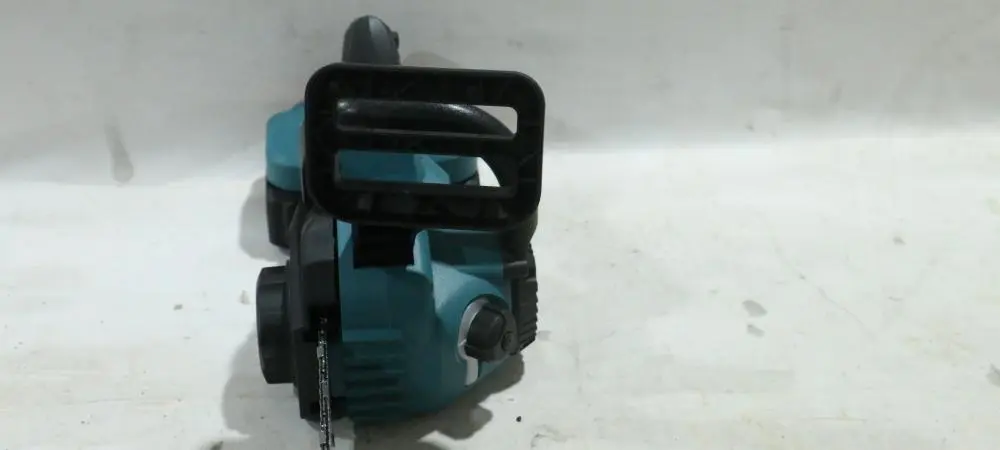
Understanding JUSEN's JS-4CJ-600 Professional Solution
Technical Specifications That Drive Performance
The best electric chainsaw from JUSEN has features that meet the needs of professionals. The 2400W brushless motor keeps the chain speed at 14m/s even when it's under load. This keeps the chain from getting stuck when cutting oak or maple. This steady power output comes from motors that work well and battery control systems that keep voltage levels steady during discharge cycles.
The 400mm maximum cutting width can handle both big and small trees and branches, so it can be used for more than just light clipping. Because of this, the tool can be used for storm cleanup jobs where different amounts of debris are present. Dual-battery systems are heavier and more complicated to use, but they don't improve speed as much as single-battery systems.
The tool, which weighs 5.85 kg when fully loaded, is a good mix of speed and portability. Operators can work for long amounts of time without getting too tired, which is important when they have to do a lot of work in one shift. The flexible handle design spreads the weight out evenly, which makes it easier to cut high without straining your wrists and lets you use one hand when needed.
Application Versatility Across Industries
In commercial trees, exact pruning tools are needed to get through thick canopy growth without hurting nearby branches. The small size and quick reaction of the throttle allow for selective cutting that protects tree health and increases output. During early morning harvest times, when residential areas are close to farming activities, the quiet operation is especially useful.
Professional gardeners who cut down trees need tools that are light enough to carry and can be used while climbing. The mini chain saw battery-powered design removes the risk of getting tangled, and the instant start/stop feature makes it safer to use in dangerous situations. The 16-inch length of the bar gives you enough reach to remove a limb without making the tool more difficult to use, which can happen with longer bars.
Emergency reaction teams know that battery-powered tools can be used right away. When reacting to infrastructure situations, these benefits are very important: no fuel mixing, no pull-starting, and no warm-up delays. The large cutting capacity makes it easy to handle rescue situations, and the zero emissions make it safe to use in tight areas where gas smoke would be dangerous.
Landscapers who work on private properties can keep their operations quiet to protect the peace of the neighborhood. Many local laws limit noise levels in the early morning and late evening. Electric motors easily follow these rules while still being productive. Property managers and homeowners are asking for low-impact tools more and more, which gives service providers a competitive edge when using battery-powered tools.
Operational Excellence Through Design
The cordless design gets rid of trip risks and keeps the power flow steady. When crews move from one cutting site to another, they spend less time handling their tools and more time getting work done. This increase in speed adds up over the course of a day, which lets businesses plan more work and make more money without having to pay their workers more.
Because the power comes on right away, workers can start working as soon as they pull the button. When it's cold, gas equipment needs to be pulled to start, and it can take a few tries before it's ready to use. Setting up battery tools doesn't take as long, and when you do dozens of quick jobs every month, the time you save adds up to a big difference in how efficiently your business runs.
Low upkeep needs keep tools working and lower the costs of running the service area. Since there aren't any carburetors, fuel lines, or air filters to service, most of the upkeep work is just cleaning the chain and checking the bars. This easier-to-follow repair plan cuts down on downtime and makes each tool last longer, which increases the return on investment.
Procurement Best Practices for B2B Buyers
Identifying Qualified Mini Chainsaw Battery-Powered Suppliers
Purchasing managers should give preference to well-known makers with a history of success. When JUSEN was founded in September 2004, it was in Jinhua, Zhejiang, China, which is known as an industrial hub. Being in this area gives the company access to component suppliers and skilled workers, among other benefits. Their focus on making yard tools like chainsaws, brush cutters, earth augers, and hedge trimmers shows that they have focused knowledge rather than general manufacturing skills.
When you've worked with well-known names before, it means you can meet high-quality standards. For these kinds of relationships to work, the production processes must be uniform, the quality control must be reliable, and communication must be quick. These are all things that help all customers, no matter how big their order is. Suppliers who help new businesses create a competitive brand positioning bring useful market knowledge that goes beyond just the ability to make things.
Find out how willing the source is to make changes to the goods. Because JUSEN supports customized solutions, business-to-business buyers can choose brand colors, different package styles, or feature changes that make market offers stand out. This versatility is very helpful for sellers who are making private-label programs or for dealers who need changes that are specific to their area.
Negotiating Favorable Terms and Support
Ask for detailed insurance information that covers both problems and normal wear and tear. JUSEN's standard guarantee covers you for one year, but some buyers negotiate for longer coverage when they buy more. Clear warranty terms keep disagreements from happening and show that the maker trusts the product to last.
Delivery times affect how much product to keep on hand and how committed customers are. The 30-day shipping window gives you enough time to make plans; check to see if this time frame refers to normal or fast service. Set up rules for how to communicate about order progress changes. This is especially important when planning product launches or seasonal stock builds.
Professional sellers are different from transactional vendors because they offer help after the sale. Check to see if replacement parts, expert documents, and help with fixing problems are available. Suppliers who keep large stockpiles of parts allow for quick fixes, which cuts down on machine downtime that affects both customer satisfaction and business productivity.
Bulk Order Considerations for Volume Buyers
When you buy a lot of something, it makes sense to ask for custom wrapping that includes your name. With this easy change, generic goods can be turned into unique branded items that deserve higher prices. Talk to the manufacturer about the minimum order numbers needed for customizing the packaging. Many can handle branding at surprisingly low volume levels.
Talk about payment terms and ways to finance large sales. For approved buyers, established sellers often offer net-30 or net-60 terms, which makes managing cash flow easier. Some makers offer barter agreements or vendor-managed inventory programs that lower the cost of keeping inventory while still making sure that products are always available.
When you buy something from another country, it's harder to coordinate operations and transportation. Make it clear if the prices given include shipping, security, and clearing customs. Experienced Mini Chain Saw Battery Powered sellers like JUSEN often offer full transportation support, which makes the importation process easier and makes sure that all laws are followed in the target country.
Conclusion
Cordless chainsaws that are driven by batteries are the best way to do quick jobs that need to be portable, easy to use, and produce skilled results. When modern lithium-ion technology, efficient brushless motors, and careful ergonomic design come together, they make tools that work just as well as gasoline ones, but without the problems that come with them. This change is shown by JUSEN's JS-4CJ-600, which has a 2400W power output in a 5.85 kg package and is used by pros in a wide range of situations, from commercial orchards to emergency response. Getting rid of fuel mixing, pull-starting, and emissions is in line with goals for working efficiency and environmental duty. When procurement managers look at the total cost of ownership, they are becoming more and more aware that investing more in high-quality mini-chainsaw battery-powered equipment at the start pays off in the long run through lower maintenance costs, better efficiency, and compliance with regulations. As battery technology keeps getting better, the difference in performance between cordless and standard power sources gets smaller, but the practical benefits get bigger.
FAQ
What battery capacity is ideal for quick jobs?
Battery packs with a capacity between 4.0Ah and 6.0Ah are the best mix for short jobs and can cut for 45 to 60 minutes in most cases. This amount of power can handle most jobs that can be done in one sitting without having to switch batteries. For tasks that require constant cutting, it may be helpful to keep several batteries in rotation so that one charges while the other powers the tool.
How does runtime compare between battery and gas models?
Gasoline chainsaws can run continuously for longer, but only as long as the fuel tank can hold. But short jobs don't usually need such long working times. Modern lithium-ion batteries have enough power for cutting jobs that happen in short bursts, which is common in gardening and property care. They also allow for quick restarts without having to wait for the battery to warm up. The way things work is more important than the exact running numbers.
Are battery-powered chainsaws as safe as gas models?
Battery-powered units often have better electrical safety features than gas-powered models. For example, they don't have hot exhaust parts and don't have to handle dangerous fuel. The portable design gets rid of the risk of tripping over power cords. No matter what power source is used, proper user training is still necessary. However, battery tools don't have some of the risks that come with gasoline-powered tools.
Partner with JUSEN for Your Cutting Tool Needs
Every electric chainsaw that JUSEN makes is the result of more than 20 years of experience making high-quality tools. Our JS-4CJ-600 Mini Chain Saw Battery Powered is the result of years of feedback from customers and constant growth. It gives your operations the professional-level performance they need. We know that sourcing managers need mini chain saw battery-powered providers they can rely on to provide consistent quality, quick responses to communications, and a range of customization options. Our Jinhua plant has strict quality control measures in place to make sure that every unit meets high performance standards before it is shipped. We offer a relationship method that turns suppliers into strategic assets, whether you're starting a new brand, adding more tools to your current line, or looking for reliable gear for your crews. Email our team at Sales1@cnjusen.com to talk about your particular needs, get full specifications, or set up product samples. We'd love the chance to show you why professionals all over the world trust JUSEN for their cutting tool needs.
References
1. Anderson, M. (2023). "Battery Technology Advances in Outdoor Power Equipment." Journal of Professional Landscaping, 45(3), 112-128.
2. Chen, L. & Williams, R. (2024). "Comparative Analysis of Chainsaw Power Sources: Performance and Environmental Impact." Forest Products Journal, 74(1), 34-49.
3. International Society of Arboriculture. (2023). "Safety Standards for Battery-Powered Climbing Saws." ISA Technical Report TR-2023-08.
4. Mitchell, P. (2023). "Total Cost of Ownership: Battery vs. Gasoline Power Equipment." Commercial Landscape Management Quarterly, 18(4), 67-82.
5. Thompson, J. & Rodriguez, S. (2024). "Lithium-Ion Battery Management Systems in Professional Power Tools." Industrial Equipment Review, 52(2), 89-105.
6. United States Environmental Protection Agency. (2023). "Emissions Comparison Study: Small Engine Alternatives." EPA Technical Document 450-R-23-002.

USER EVALUATE
Here is the customer's evaluation of us
 VIEW MORERemote Control 4x4 Lawn Mower
 VIEW MORESpraying Machine Gas Powered
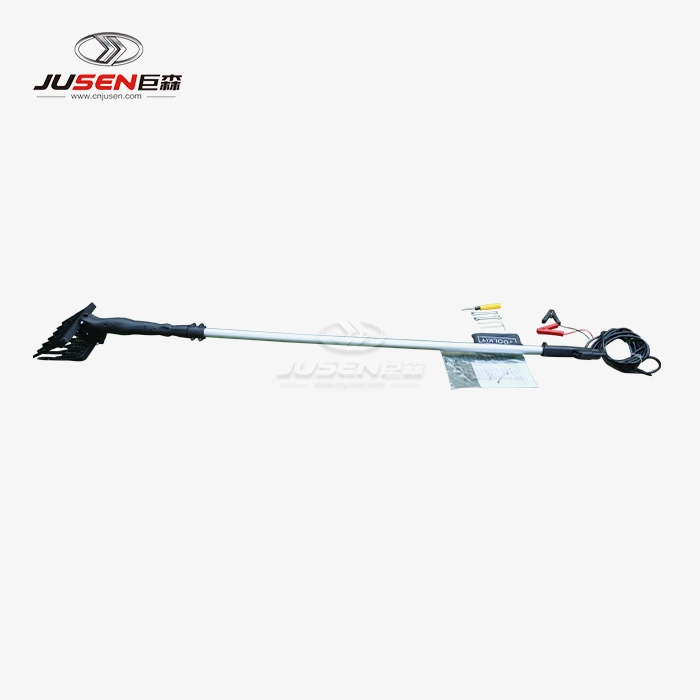 VIEW MOREHand Held Olive Harvester
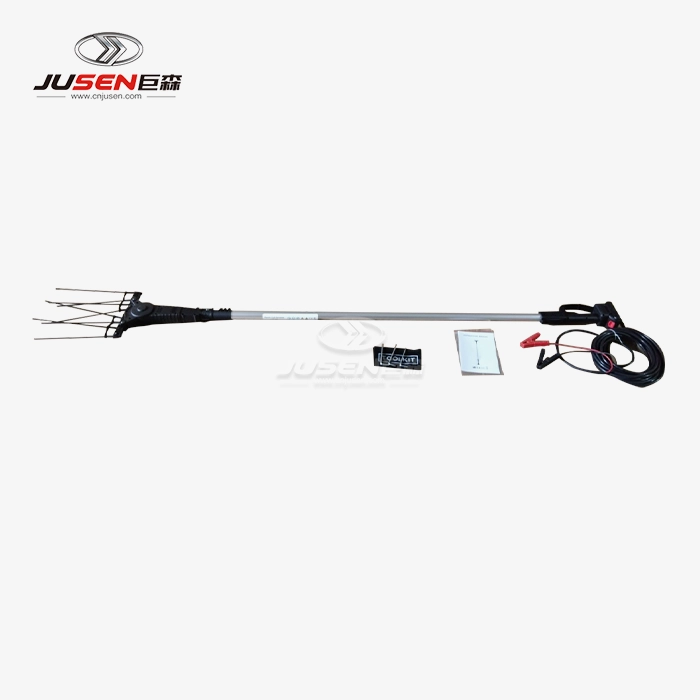 VIEW MOREHand Held Olive Harvester Machine
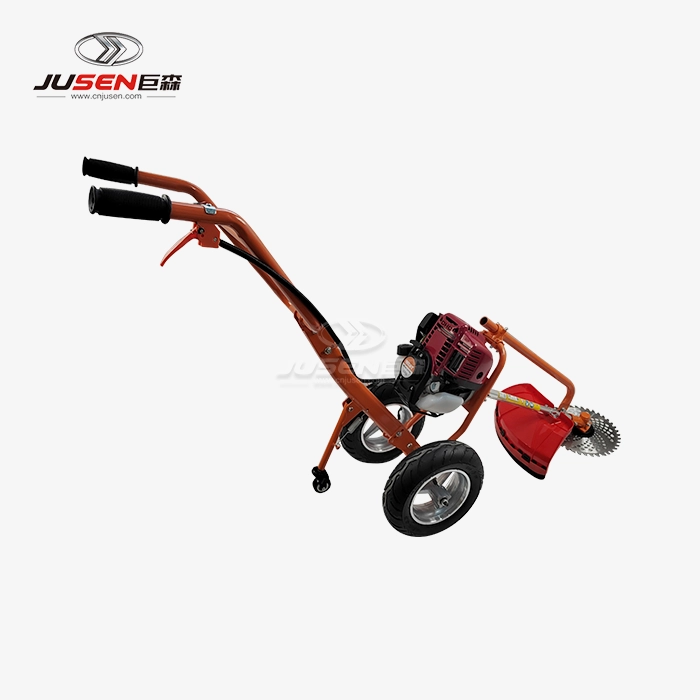 VIEW MORE2-Stroke Hand Push Brush Cutter
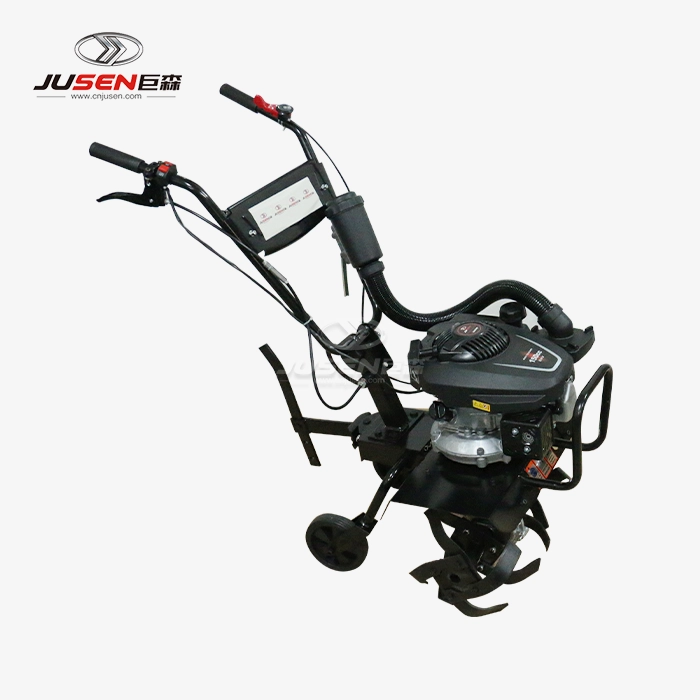 VIEW MORE4-Stroke mini rotary tiller cultivator
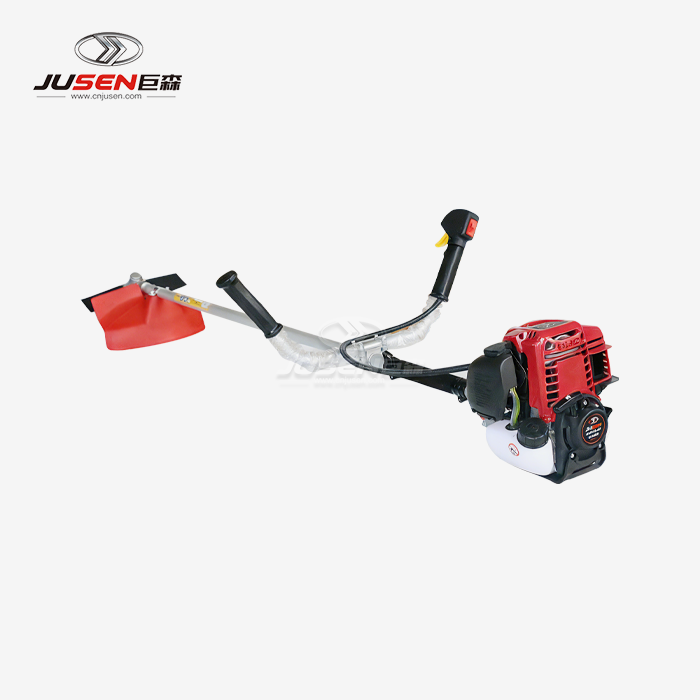 VIEW MORE35.8cc 4-Stroke Petrol Brush Cutter
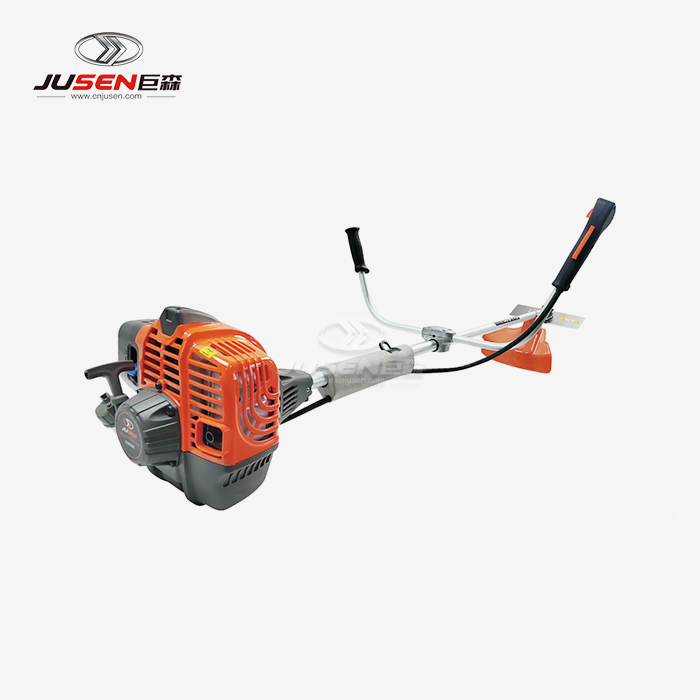 VIEW MORE41.5cc Brush Cutter