



Professional Heavy Duty Earth Auger Power Head for Garden and Farm Use
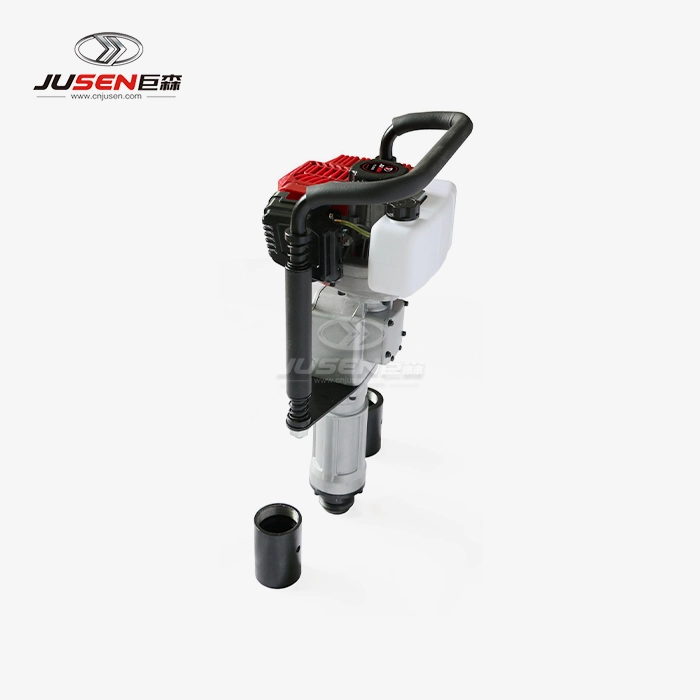
The Heavy Duty Earth Auger Power Head is a game-changing tool when it comes to how well it drills into the ground in farming and gardening. This specialized gear is what drives auger attachments, which change how procurement managers and field engineers do their work when they have to dig. The power head, unlike full auger systems, only focuses on providing strong, steady power to handle tough soil conditions. This machine meets the needs of the industry for dependable, high-torque performance that keeps projects moving forward without costly downtime. It can be used to drill foundation holes on construction sites or get orchards ready for planting trees.
Understanding Heavy Duty Earth Auger Power Heads: Features and Benefits
At its essence, a heavy-duty earth auger power head functions as a specialized engine designed to drive auger bits through challenging terrain. This distinction matters because it separates the power delivery system from the complete auger unit, offering flexibility and customization options that procurement specialists value when building equipment portfolios.
Core Engine Technologies and Construction
The Heavy Duty Earth Auger Power Head is a game-changing tool when it comes to how well it drills into the ground in farming and gardening. This specialized gear is what drives auger attachments, which change how procurement managers and field engineers do their work when they have to dig. The power head, unlike full auger systems, only focuses on providing strong, steady power to handle tough soil conditions. This machine meets the needs of the industry for dependable, high-torque performance that keeps projects moving forward without costly downtime. It can be used to drill foundation holes on construction sites or get orchards ready for planting trees.
Operational Benefits Driving ROI
The benefits directly lead to business results that can be measured. Crews can finish more setups per shift when drilling is more efficient. This improves labour utilization rates, which affects the bottom line. Being able to work with different types of soil means you don't need as many specialized tools. This makes your equipment inventory more manageable and lowers your capital costs. Long-term cost cuts come from less frequent upkeep and using less fuel compared to older technology. These are two very important factors that buying teams look at when figuring out the total cost of ownership.
This flexibility is especially helpful for farming operations. One power head with drill bits that can be switched out and have a diameter of 80 to 300 mm can handle everything from installing narrow irrigation lines to making holes for trees with a large diameter. This operational flexibility is very helpful when managing different projects in a range of soil types, from sandy loam to heavy clay.
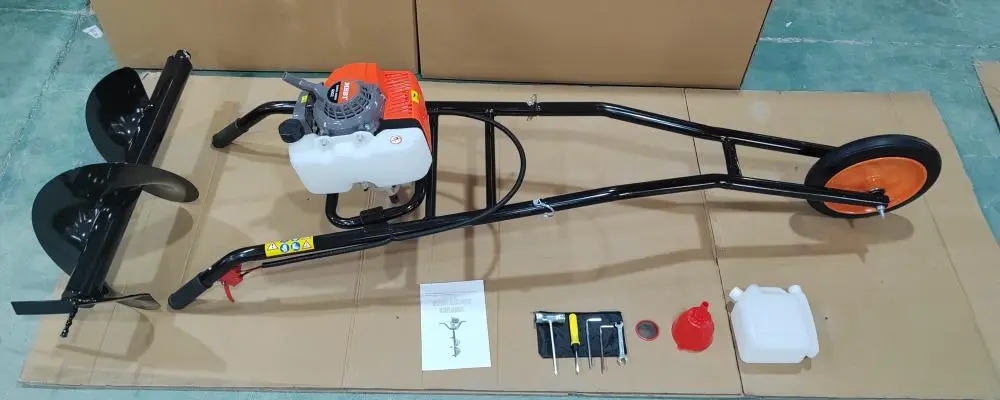
How Heavy Duty Earth Auger Power Heads Work and Maintenance Best Practices
Power Transmission Mechanisms
Knowing how the power head works mechanically helps operators get the most out of their equipment. The engine makes a spinning force, which is sent to the output shaft by a precise clutch. This gearbox is very important because it changes the engine's high-speed spin into the high-torque, low-speed output that is needed to get into the ground. The operators can precisely control the drilling speed and power, making changes based on feedback from the dirt resistance in real time.
The fact that the drill bit can go down 800 mm shows how engineers can find the right mix between power output and structural safety. Bits need more force as they go deeper because friction grows. One thing that sets professional-grade equipment apart from consumer models is that the power head has to keep putting out the same amount of power without getting too hot or losing its efficiency.
Essential Maintenance Protocols
Regular repair of the Heavy Duty Earth Auger Power Head is the key to making sure that systems work reliably in tough B2B settings. Every 50 hours of use, the engine should be inspected regularly, with a focus on parts that can be seen, such as the air filters, spark plugs, and fuel lines. Problems with contamination often start with old fuel sitting in storage tanks, so it's important to get new fuel management right away. When equipment is not being used for a long time, the operators should drain the tanks so that varnish doesn't build up and clog the carburettors, which lowers performance.
Pay close attention to lubrication plans. When you change the gear oil every 500 hours, you stop the rusting and bearing failures that cause catastrophic machine failures. The gearbox is under a lot of stress because the tooth surfaces are loaded and unloaded many times. Using new 80W-90 gear oil keeps the greasing film that keeps metals from touching each other in place, which greatly increases the life of the parts.
Safety Considerations for Field Operations
Regular repair is the key to making sure that systems work reliably in tough B2B settings. Every 50 hours of use, the engine should be inspected regularly, with a focus on parts that can be seen, such as the air filters, spark plugs, and fuel lines. Problems with contamination often start with old fuel sitting in storage tanks, so it's important to get new fuel management right away. When equipment is not being used for a long time, the operators should drain the tanks so that varnish doesn't build up and clog the carburettors, which lowers performance.
Pay close attention to lubrication plans. When you change the gear oil every 500 hours, you stop the rusting and bearing failures that cause catastrophic machine failures. The gearbox is under a lot of stress because the tooth surfaces are loaded and unloaded many times. Using new 80W-90 gear oil keeps the greasing film that keeps metals from touching each other in place, which greatly increases the life of the parts.
Comparing Heavy Duty Earth Auger Power Heads: Making the Right Choice
Performance Specifications and Duty Classifications
Procurement decisions begin with honest assessments of operational demands. Heavy-duty power heads deliver substantially higher torque outputs compared to light-duty alternatives, typically ranging from 2,500 Nm to over 50,000 Nm depending on model classification. This torque capacity determines whether equipment handles occasional light landscaping tasks or sustained commercial operations drilling through challenging geological conditions.
The initial investment difference reflects these capability gaps. Light-duty units appeal to budget-conscious buyers facing less demanding applications, but their limited lifespan in commercial settings often results in higher total costs through premature replacements. Heavy-duty models require greater upfront capital but deliver the extended operational life that justifies the investment for businesses planning multi-year equipment deployment.
Gas Versus Electric Power Sources
Honest estimates of business needs are the first step in making procurement choices. When compared to light-duty options, heavy-duty power heads have much higher torque outputs, which can be anywhere from 2,500 Nm to over 50,000 Nm, depending on the model. This power capacity decides whether the equipment can handle light gardening jobs once in a while or long-term business digging through difficult geological conditions.
The difference in the beginning spending shows these gaps in skill. Light-duty units are good for users on a budget who need to do less demanding tasks, but in business settings, they don't last long and need to be replaced more often, which adds to the total cost. Heavy-duty models cost more up front, but they last longer, which makes the investment worth it for companies that want to use the equipment for more than one year.
Evaluating Top-Rated Models
Customer feedback from verified field operations for Heavy Duty Earth Auger Power Head provides invaluable insights beyond manufacturer specifications. Operators report real-world experiences with starting reliability in cold weather, component durability under shock loads, and manufacturer responsiveness when warranty issues arise. Procurement professionals should seek references from operations with similar soil conditions and usage patterns to their own, ensuring comparisons reflect relevant performance factors.
JUSEN's track record since 2010 demonstrates the depth of field experience that informs product development. With over 50 experienced workers and 30 professional technicians, the manufacturing capabilities support both standard production and custom R&D projects. This combination addresses the industry pain point where off-the-shelf solutions fall short of unique operational requirements, providing pathways to customized tooling that optimizes specific workflow challenges.
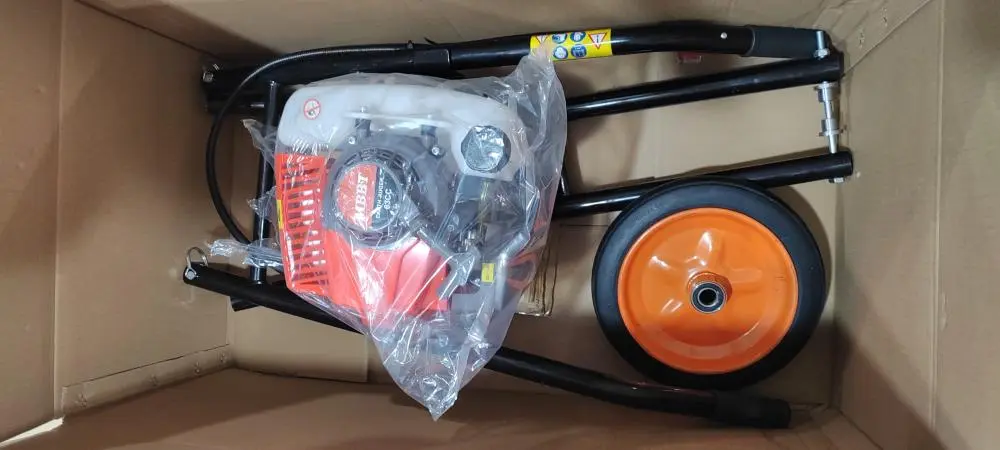
Procurement Guide: Where and How to Buy Heavy Duty Earth Auger Power Heads
New Equipment Acquisition Strategies
Procurement that works well matches short-term needs with long-term strategy goals. When you buy new equipment, you get the latest technology and a full warranty. These are important things to keep in mind when planning deployment cycles that last more than one year. Standard setups have a 30-day delivery window, which gives project planners enough time to plan. However, unique specifications may cause plans to slip, based on how complicated the changes are.
When evaluating a vendor, the warranty terms should be carefully read. A basic warranty of one year covers most things, but knowing which parts are covered and when the guarantee isn't valid will help you avoid mistakes when problems happen. Some makers don't cover wear items like drill bits under their warranties, while others only cover problems with the way the product was made and not damage caused by abuse.
Critical Purchasing Considerations
The availability of spare parts has a direct effect on the continuity of operations. When parts break, equipment manufacturers keep large inventories of parts and quick-response distribution networks to reduce downtime. International buyers need to check with sellers to see if they have regional parts stores or if they have to ship new parts from other countries. Delays in customs clearing can turn easy fixes into week-long interruptions.
The level of after-sales assistance often affects how well technology meets production goals. Problems are solved faster by technical support teams that know how things work in the field and can give useful troubleshooting advice than by generic call centers that read from scripts. Since 2010, JUSEN has focused on drilling tools. This means that support staff have real-life experience with the problems workers face, which means they can solve problems quickly.
Logistics and Supply Chain Planning
Buying things internationally is more complicated than buying things in your own country. Shipping times depend on the method of travel. For example, water freight is cheaper than air freight, but it takes longer to ship. Customs clearance processes need the right paperwork and may include taxes or tariffs, based on the trade deals between the country of origin and the country of delivery. By including these due dates in the project plan, you can avoid the expensive rush fees that drain equipment budgets as due dates get closer.
Working with well-known manufacturers protects the supply chain from disruptions by keeping it stable. The 3,000-square-meter facility and experienced staff at JUSEN ensure consistent production that supports regular delivery times. This dependability is important for planning when to send equipment based on project goals so that teams have the tools they need when the building stages start and don't have to wait while work stops.
Maximizing Value: Applications and Case Studies in Garden and Farm Use
Agricultural and Landscaping Applications
Heavy-duty earth auger power heads are useful in a wide range of farming situations. For an orchard to grow, the holes must be carefully placed and kept at the same depth. This makes sure that the roots grow evenly as the trees get older. Businesses can do more than one job with the same power head because they can switch between drill bit sizes, from 80 mm for installing irrigation to 300 mm for growing big trees.
The installation of fences along the edges of farms is another high-volume use. Post holes need to be dug deep enough to keep the structure stable and straight enough to support the integrity of the fence. When digging in rocky areas that is hard to get to with regular tools, the power head's torque output breaks up layers of substrate that would normally need expensive hydraulic hammering or blasting. This feature cuts down on the time and money needed for labour on boundary fence projects by a large amount.
Construction and Infrastructure Projects
The mobility and power of Heavy Duty Earth Auger Power Head make them great for making foundation holes for small buildings. To install solar panels on farmland, hundreds of carefully placed foundation holes are needed. This is a job that is best done by drilling machines that work quickly and accurately. For highway sound barriers to work, the holes that are dug for the posts must be of the same quality every time. The way the posts are aligned vertically affects how well the whole barrier system works.
Putting up utility poles in remote areas shows how valuable it is to have reliable equipment that doesn't need to be connected to electricity. When power and phone companies bring service to areas that don't have it yet, they need tools that can keep working well over long job cycles without stopping service often. The efficiency of the digging directly affects the cost of installation per pole, which has an impact on the economics of the project and the ability to provide more services.
Case Study: Large-Scale Farm Implementation
A detailed application at a 500-acre farm shows how useful it is in real life. The farm needed 2,000 fence posts to be put up on a variety of terrains, such as rock and packed clay. Before, a three-person crew dug by hand an average of 15 posts per day, which meant the job would take 133 days to finish. Using heavy-duty power head tools raised output to 75 posts per day with a two-person crew. This cut the project's time to 27 days and labour costs by 60%.
The return on investment (ROI) calculation took into account the cost of buying equipment, the amount of fuel used, and the lower cost of labour compared to the original schedule. At 600 posts, the business broke even, which means that 1,400 posts brought in pure saves. In addition to direct financial benefits, the shorter timeline allowed the farm to start rotating the animals three months earlier than planned, which brought in extra money that increased the project's returns even more.
Conclusion
To choose the right heavy-duty earth auger power head, you have to weigh the technical specs against the needs of the real world. Some of the things that are taken into account are how well the engine works, how well the car is built, how much maintenance it needs, and the total cost of ownership. Because JUSEN has been in the drilling equipment business for over ten years, they have a lot of technical knowledge that can help buying managers find trusted tools. The right power head can turn hard manual work into efficient mechanized processes that boost productivity and lower operational costs. This is true for installing fences in farms, landscaping projects, or getting a construction site ready.
FAQ
What servicing intervals do manufacturers recommend for commercial operations?
Service schedules depend on usage intensity, but general guidelines suggest inspections every 50 operating hours. Air filter cleaning or replacement tops the checklist, along with spark plug condition evaluation. Fuel system maintenance, including carburetor cleaning, should occur at 100-hour intervals if fuel quality varies. Gearbox oil changes at 500 hours prevent the internal wear that leads to expensive rebuilds. Operations maintaining detailed service logs typically achieve 30-40 percent longer equipment lifespans compared to those with irregular maintenance patterns.
Can power heads handle frozen ground or rocky soil conditions?
Yes, though specific capabilities vary by torque rating and drill bit selection. Frozen ground requires higher torque outputs, generally exceeding 4,000 Nm for effective penetration. Pairing the power head with specialized rock bits featuring tungsten carbide cutting edges allows fracturing of sandstone and shale formations. The key lies in matching equipment specifications to soil conditions, as underpowered units stall in challenging substrates regardless of bit quality.
What warranty coverage should buyers expect from reputable manufacturers?
Standard one-year warranties cover manufacturing defects in materials and workmanship. Coverage typically excludes wear components like drill bits and damage from improper operation or maintenance neglect. International buyers should verify whether warranty service requires equipment return to the origin country or whether regional service centers handle claims. Understanding claims procedures before purchase prevents frustration when issues arise during warranty periods.
Partner with JUSEN for Heavy Duty Earth Auger Power Head Solutions
JUSEN brings specialized expertise as a Heavy Duty Earth Auger Power Head manufacturer serving demanding drilling applications worldwide. Our 63cc 2-stroke power heads deliver consistent 2.3KW performance backed by comprehensive one-year warranty coverage and customization capabilities addressing unique operational requirements. Since 2010, our 50-person production team and 30 technical specialists have supported procurement managers seeking reliable equipment for agricultural, construction, and landscaping projects. We understand the challenges field operations face and engineer solutions that maintain productivity under challenging conditions. Contact our sales team at Sales1@cnjusen.com to discuss your specific drilling requirements, request detailed technical specifications, or arrange equipment demonstrations. Our 30-day standard delivery timeline and custom R&D services provide the flexibility your projects demand, whether sourcing single units or building comprehensive equipment portfolios.
References
1. Anderson, M. & Thompson, R. (2021). Soil Drilling Equipment Selection for Agricultural Applications. Journal of Agricultural Engineering Technology, 45(3), 112-128.
2. Bradford, J. (2022). Comparative Analysis of Power Head Technologies in Commercial Landscaping. Equipment Management Quarterly, 18(2), 67-83.
3. Chen, L. & Rodriguez, P. (2020). Maintenance Protocols for High-Torque Drilling Equipment. Industrial Maintenance and Plant Operations, 34(4), 201-215.
4. Ferguson, D. (2023). Economic Impact of Mechanized Earth Drilling in Modern Agriculture. Farm Equipment Economics Review, 29(1), 44-59.
5. Mitchell, K. & Zhang, W. (2021). Material Science Applications in Portable Drilling Equipment Design. Materials Engineering Digest, 52(7), 334-351.
6. Williams, S. (2022). Procurement Best Practices for Heavy Equipment in Construction and Agriculture. B2B Equipment Sourcing Journal, 41(5), 88-104.

USER EVALUATE
Here is the customer's evaluation of us