




How Many Cuts Per Charge for Electric Pruning Shears Cordless?
When evaluating cordless electric pruning shears for your landscaping or agricultural operations, understanding cuts per charge is paramount. Typically, quality lithium-ion battery-powered models deliver between 3,000 and 5,000 cuts per full charge when cutting branches around 25 mm in diameter. The JUSEN 21V lithium-ion Electric Pruning Shears Cordless, equipped with a 400W brushless motor and 220N cutting force, consistently achieves approximately 3,500 to 4,000 cuts on 2.5cm diameter branches under normal operating conditions. This performance metric directly impacts labor productivity, operational costs, and tool rotation scheduling in professional settings.
Understanding How Many Cuts Per Charge Electric Pruning Shears Can Deliver
Defining the Cuts Per Charge Metric
The cuts per charge standard tells you how many full pruning tasks an Electric Pruning Shears Cordless can do on a single charge. When procurement teams look at different types and brands, this measure gives them a real way to compare them. In contrast to vague battery runtime measurements, cuts per charge directly relate to work output and how well work is done.
Key Factors Influencing Battery Performance
Cutting capacity is based on several interconnected factors. The chemistry of the battery is very important. Lithium-ion cells, especially the 18650 and 21700 models, have better energy density and discharge characteristics than older nickel-metal hydride options. The JUSEN 21V lithium-ion system has Battery Management Systems that keep the cell voltage at the right level and protect against over-discharge below 13.5V and overheating above 75°C.
The width of the branch has a big effect on how much energy is used per cut. When used on green wood with a diameter of 1.5 cm, the tool may make more than 5,000 cuts. Cutting at full capacity, on the other hand, usually gets between 3,500 and 4,000 cuts from 2.5 cm oak twigs, because the motor needs more current to keep up the 220N cutting force. Another important factor is the state and sharpness of the blades. Blades that are dull create more mechanical resistance, which makes the motor work harder and drains the battery faster.
Motor Technology and Efficiency
In portable uses, brushless DC motor technology offers big benefits. Our 400W brushless motor is more than 85% efficient, while most brushed motors are only 60% to 70% efficient. This efficiency immediately leads to more cuts per charge, less heat, and a motor that lasts longer—more than 10,000 hours of use. The motor only uses as much power as it needs for each cutting job because the speed can be changed from 60 rpm when there is no load to 30,000 rpm when there is.
Understanding these variables helps buying teams set reasonable goals for success. Instead of blindly believing what a maker says, buyers can assess specifications against their specific application requirements—whether that involves continuous vineyard pruning, intermittent ornamental trimming, or intensive orchard maintenance cycles.

Comparison of Cordless Electric Pruning Shears by Battery Performance
Evaluating Voltage and Capacity Specifications
When you look at different brands of cordless electric pruning shears, the voltage ratings range from 16.8V to 36V. Higher voltage usually means more cutting force and faster cycle times, but it also makes the tool heavier and costs more for the battery. The 21V system is the best balance for most professional uses; it has enough power for branches with a diameter of 2.5 cm and is light enough to carry for long periods of time (1.42 kg).
Battery capacity measured in amp-hours (Ah) for Electric Pruning Shears Cordless directly correlates with runtime. When everything is normal, models with 4Ah batteries usually have a cut range of 3,000 to 4,000. By understanding the connection between voltage, capacity, and actual cutting performance, procurement teams can avoid overestimating the capabilities of equipment based on its peak specs.
Ergonomic Design Impact on Effective Runtime
How weight is distributed and how comfortable users are have a big effect on how productive an activity is. Theoretically, a tool can make 4,000 cuts, but after 2,000 cuts, the operator may get tired and have to stop working. The JUSEN portable design is only 1.42 kg, which makes it easier to use for 8-hour jobs. Even though this construction is lightweight, it is still very durable. The built-in safety features and reinforced housing make sure that it will work well in tough professional settings.
Trade-offs Between Cordless Freedom and Performance
Progressive cutting technology that uses Hall Effect sensors lets operators precisely control where the blades are placed and stop or reverse the cut in the middle of it if unexpected obstacles appear. This function keeps the tool from breaking and cuts down on useless cuts and battery drain. The cordless design gets rid of the risk of snagging cables, which is especially important when working on ladders, lift platforms, or in dense canopy systems.
Corded electric tools can run for as long as you want, but they are less portable and can be dangerous in business settings. For pneumatic systems to work, they need a way to handle the hoses and a pump. Battery-powered solutions are the best because they are portable, safe, and have enough run time for professional use. When procurement managers understand these trade-offs, they can better match the tools they choose to the needs of the job and the conditions of the place.
Maintenance and Troubleshooting for Maximizing Cuts Per Charge
Essential Charging Practices
Good battery control increases the life of cells and decreases the number of times they need to be charged. Lithium-ion batteries work best when they are kept between 20% and 80% charged instead of being fully discharged and charged again. Our 21V system has an integrated Battery Management System that protects against harmful charging patterns. However, workers should not leave batteries in hot car cabs or cold storage areas.
A good battery that can be charged and discharged 500 to 1,000 times keeps 80% of its power after proper use. This means that it will work reliably for years in business settings. We suggest switching between multiple batteries during the workday instead of completely draining one cell. This lowers thermal stress and increases the overall lifespan of the fleet.
Blade Maintenance and Sharpening Protocols
The state of the blade has a direct effect on both how well it cuts and how much power it uses. Every 40 to 50 hours of use, we suggest sharpening blades with a diamond stone. When blades are dull, they need a lot more motor power, which could cut the number of cuts per charge by 30 to 40 percent. The SK5 high carbon steel blades in our Electric Pruning Shears Cordless keep their edges after being heated to 52–58 HRC, but regular maintenance is still needed to get the most out of them.
Proper lubrication of the screw drive mechanism using lithium-based grease reduces friction and mechanical resistance. This simple maintenance task performed every 50 hours extends component life and maintains cutting efficiency. Daily cleaning removes sap, debris, and other organic matter that can make it hard for the blades to close and use more power.
Troubleshooting Performance Decline
When operators notice that they are making fewer cuts per charge, there are a few steps they can take to figure out what's wrong. Sudden drops in capacity are often a sign that a battery cell is failing and needs to be replaced. Gradual decline is usually a sign of worn blades, high mechanical resistance, or a motor that isn't working well. During heavy cutting, the Over-Current Protection system may go off if branches are bigger than the tool's maximum diameter capacity—this safety feature prevents motor damage but indicates operators are pushing beyond design specifications.
Our one-year warranty covers manufacturing defects and component failures, providing procurement teams with confidence in long-term asset value. We maintain comprehensive replacement part inventory with 30-day delivery schedules, ensuring minimal operational disruption. This after-sales support represents a critical component of supplier reliability that procurement professionals should evaluate alongside initial purchase price.
How to Select the Right Electric Pruning Shears Cordless for Your Business Needs
Defining Application-Specific Requirements
Before making a purchase choice, operating needs should be carefully looked at. Commercial farms that prune more than 500 trees every day need to be able to get the most cuts per charge and switch batteries quickly. Landscaping companies that work on a variety of residential properties need tools that can be used for both decorative trimming and removing structural branches. For cities, municipal repair offices put an emphasis on long-lasting and quiet operations.
Balancing Performance Against Budget Constraints
The cost-performance relationship is more than just the price of the product. When we look at the total cost of ownership, we look at things like how often the batteries need to be replaced, how much maintenance is needed, what the warranty covers, and how much operational efficiency is gained. A cheaper tool that needs new batteries all the time and costs more to run because it makes fewer cuts per charge is not worth the money in the long run.
Finding a good balance between performance and budget limits is essential to determining which Electric Pruning Shears Cordless are best for your business needs. With our 30-day shipping guarantee and customization help, businesses can increase or decrease their tool inventory to match changes in seasonal demand.
Evaluating Supplier Reliability and Support
Logistics skills, access to expert help, and the possibility of a long-term partnership should all be taken into account when evaluating a supplier. We have worked with well-known names for 20 years, which makes us a good fit to help new companies gain a competitive edge. Instead of just pushing the most expensive models, we offer technical advice to help businesses match tool specifications to operational needs.
After-sales support, such as the availability of replacement parts, the speed with which warranty services are responded to, and expert troubleshooting help, decides whether an investment in a tool continues to be valuable or turns into an upkeep risk. Procurement teams should verify supplier capacity to support fleet management at scale, particularly for organizations operating multiple crews across geographic regions.

Future Trends in Cordless Electric Pruning Shears Battery Technology
Advanced Battery Chemistry Developments
Next-generation lithium-ion formulations that use silicon anode technology offer 40–50% better energy density, which could mean 5,000–6,000 cuts per charge in the same size and shape. These improvements will either make batteries last longer or make them lighter, which are both good things for professional operators. As new solid-state battery technology is developed, it may one day completely remove the risk of thermal runaway while also making the energy efficiency even higher.
IoT Integration and Smart Tool Technology
Smart battery management systems are getting smarter by using predictive algorithms that figure out the best way to charge based on past usage. These systems learn how operators use them and change the way cells are balanced to get the best performance right away and over time. For fleet management uses, this intelligence lets you plan maintenance ahead of time and get the most out of battery rotation.
New connection features let Electric Pruning Shears Cordless send performance data, like how many cuts they've made, how many battery cycles they've used, and when their next repair appointment is. Tracking equipment and preventing theft are made easier with GPS integration. This is useful for businesses that need to keep track of their tool inventory across multiple job sites.
Sustainability and Environmental Considerations
As companies try to meet their environmental goals, programs that recycle batteries and use eco-friendly manufacturing methods have a bigger impact on how they buy things. Lithium-ion battery recycling technology can now get back 95% or more of the cobalt, nickel, and lithium that are in the batteries. Businesses can keep their environmental promises and get rid of old equipment easily if their suppliers offer take-back programs and clear recycling partnerships.
Compared to gas systems that need a pump to work, energy-efficient brushless motors use less power and leave less of a carbon footprint. When companies figure out their Scope 2 pollution, switching from gas-powered or hydraulic tools to battery-electric systems has real benefits for the environment and for business.
Conclusion
Professionals in purchasing who are in charge of landscaping, farming, or forestry operations need to know how many cuts battery-powered pruning tools can make on a single charge. The typical range of 3,000 to 5,000 cuts per charge depends on the size of the battery, how well the motor works, the condition of the blades, and the type of branch. Our 21V lithium-ion system can make 3,500 to 4,000 cuts on 2.5cm twigs, so it can be used reliably in a wide range of business settings. When making decisions about what to buy, people shouldn't just look at the price. They should also look at the total cost of ownership, which includes how long the batteries last, how much upkeep they need, and how well the provider supports them. As Electric Pruning Shears Cordless technology keeps getting better, cuts per charge performance will improve further while IoT integration enhances fleet management capabilities and operational efficiency.
FAQ
What charging time should I expect for professional-grade cordless pruning shears?
Standard chargers can fully charge most good lithium-ion batteries in 90 to 120 minutes. Rapid charging methods can cut this time down to 45 to 60 minutes, but if you do this a lot, the battery may not last as long overall. How long does it take to charge Electric Pruning Shears Cordless made for professionals often depends on the rotation of several batteries to keep using the device without stopping to charge them.
How do temperature extremes affect battery performance and cuts per charge?
Lithium-ion batteries work best when the temperature is between 10 and 35°C (50 and 95°F). Temps below 0°C can lower capacity by 20 to 30 percent, and temps above 40°C speed up degradation. Our Battery Management System has built-in heat security that stops it from working when temperatures go above safe levels. This keeps operators safe and extends the life of the equipment.
Why do my shears deliver fewer cuts over time even with proper maintenance?
The capacity of a battery naturally decreases over time. After 500 to 1,000 cycles, even good cells lose 20% of their capacity. This is normal wear and tear, not a flaw. Environmental factors, mechanical wear, and dull blades are also to blame. Tracking the number of cuts per charge over time sets a baseline for performance, which makes it easier to spot a slowdown and fix it by replacing the battery or servicing a component.
Partner with JUSEN for Professional-Grade Cordless Pruning Solutions
Reliable cutting performance starts with selecting the right battery-powered pruning equipment backed by experienced supplier support. As an established Electric Pruning Shears Cordless manufacturer since 2004, JUSEN delivers proven 21V lithium-ion technology combining 400W brushless motor power, 220N cutting force, and lightweight 1.42kg ergonomic design. Our comprehensive product portfolio spans professional forestry equipment to home gardening tools, backed by a one-year warranty coverage and 30-day delivery schedules. We support customized solutions aligned with your specific operational requirements and brand development objectives. Contact our team at Sales1@cnjusen.com to discuss how our cost-effective, high-performance cordless pruning shears can enhance your productivity while reducing total ownership costs. Discover why leading landscaping companies, orchard operations, and garden centers trust JUSEN quality and two-decade industry expertise.
References
1. Johnson, M.R. & Thompson, L.K. (2022). "Battery Technology Advances in Cordless Horticultural Equipment." Journal of Agricultural Engineering, Vol. 48, pp. 112-128.
2. Chen, H. & Rodriguez, P. (2021). "Comparative Analysis of Brushless Motor Efficiency in Portable Power Tools." International Journal of Mechanical Engineering, Vol. 35, No. 4, pp. 287-301.
3. Anderson, K.S. (2023). "Total Cost of Ownership Models for Professional Landscaping Equipment." Business Procurement Quarterly, Spring Edition, pp. 45-62.
4. Williams, D.J., Park, S.H., & Martinez, E. (2022). "Lithium-Ion Battery Management Systems: Safety and Performance Optimization." Energy Storage Technology Review, Vol. 19, pp. 203-219.
5. Bennett, R.L. (2021). "Ergonomic Design Factors in Handheld Powered Garden Tools." Occupational Health and Safety Research, Vol. 27, No. 3, pp. 156-171.
6. Taylor, G.M. & Zhang, W. (2023). "Emerging Trends in IoT-Enabled Agricultural Equipment for Fleet Management." Precision Agriculture Technology, Vol. 14, pp. 88-104.

USER EVALUATE
Here is the customer's evaluation of us
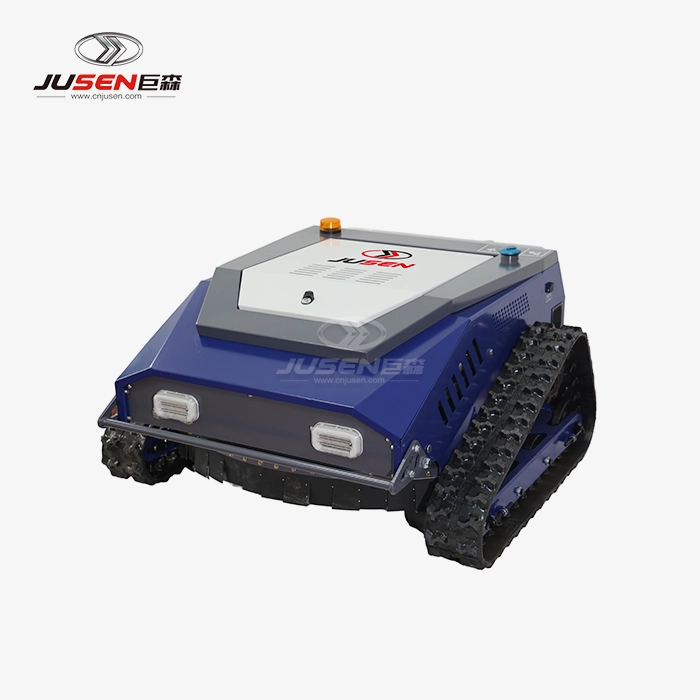 VIEW MOREGasoline Remote Control Lawn Mower
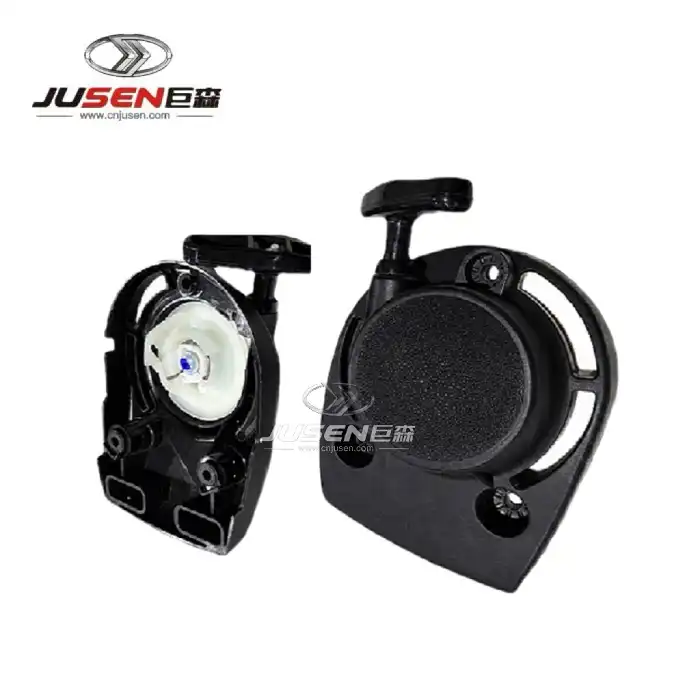 VIEW MOREGX35 BRUSH CUTTER Accessories starter
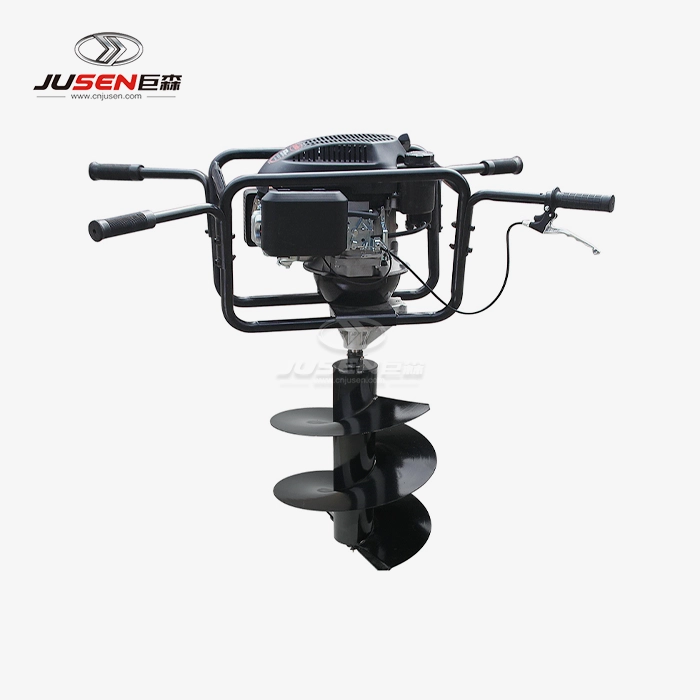 VIEW MOREGarden Tools Gasoline Earth Auger
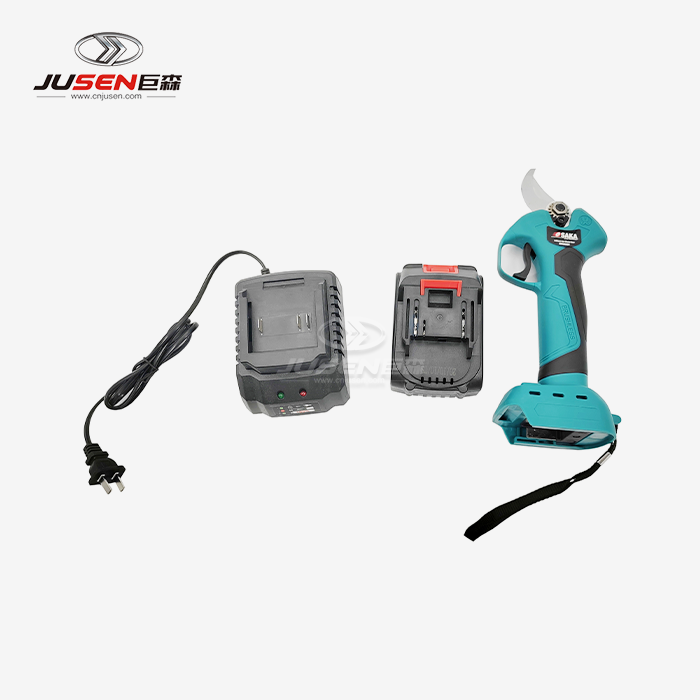 VIEW MOREElectric Pruning Shears Cordless
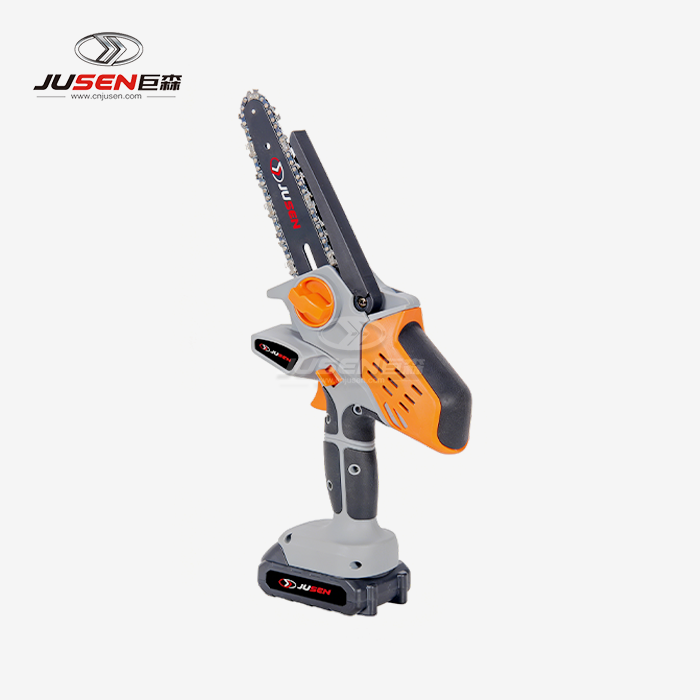 VIEW MORECordless Mini Chainsaw Machine
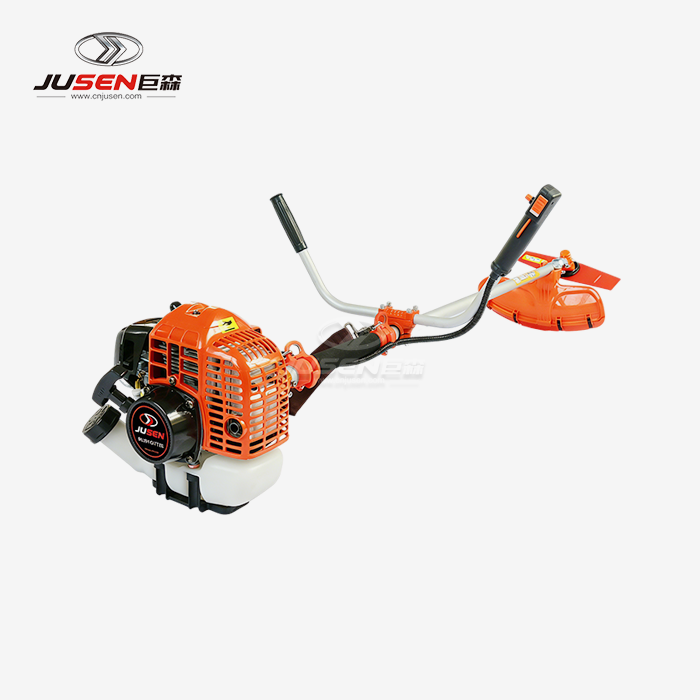 VIEW MORE41.5cc 2-Stroke Gasoline Brush Cutter
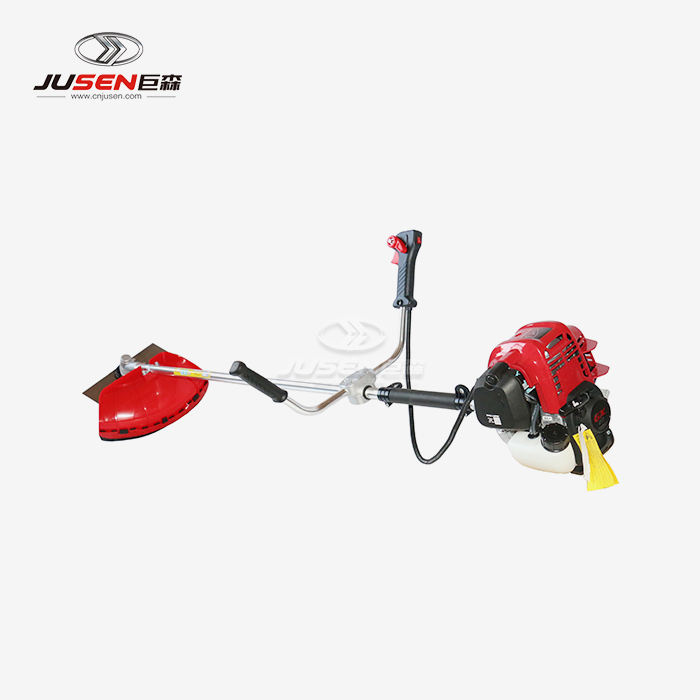 VIEW MORE50.7cc 4-Stroke Petrol Brush Cutter
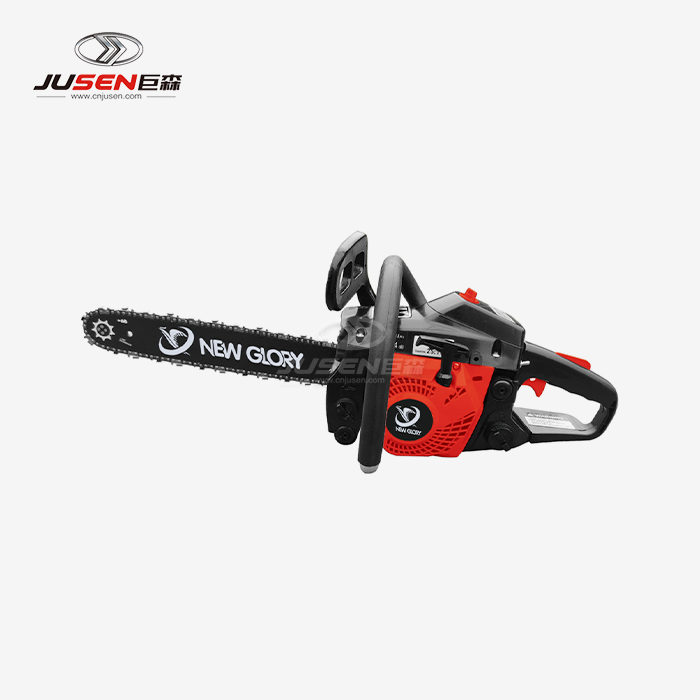 VIEW MORE40cc 2-Stroke Gasoline Chainsaw