




Are 54cc 4-Stroke Brush Cutters Good for Commercial Use?
When evaluating equipment for professional landscaping and vegetation management, the question naturally arises: are 54cc 4-Stroke Brush Cutters with 54cc displacement truly suitable for demanding commercial operations? The answer is a resounding yes. These machines combine enterprise-grade power with environmental compliance and operational efficiency, making them ideal for professional landscapers, municipal crews, and agricultural operations. The 142cc four-stroke engine technology delivers 2.6kW of consistent power while eliminating fuel mixing hassles, reducing emissions, and providing the torque necessary to handle woody vegetation up to 3 inches in diameter without stalling.
For over 20 years, we at JUSEN have witnessed the evolution of commercial-grade vegetation management equipment. Our experience working with professional crews across North America has taught us that equipment selection directly impacts profitability, crew productivity, and customer satisfaction. This guide examines why four-stroke brush cutters represent a strategic investment for commercial operators seeking reliability, compliance, and long-term value.
Understanding the 54cc 4-Stroke Brush Cutter Technology
Procurement managers can make better decisions when they know how these tools work mechanically. 54cc 4-Stroke Brush Cutters feature separate fuel tanks and oil sumps, which eliminates preparation mistakes that can cause engine seizures. Traditional two-stroke engines require precise oil-gasoline mixing.
How Four-Stroke Engines Differ From Two-Stroke Models
The combustion cycle is what makes the main difference. Four-stroke engines make power through four separate movements of the pistons: intake, compression, power, and exhaust. This design makes the fuel burn more completely, which means it uses about 30% less fuel than two-stroke engines of the same size. The 142cc engine in the JUSEN stays at a steady 2800rpm idle speed, providing smooth power across the entire operating range. The separate greasing system keeps oil from burning with fuel, which meets EPA and Euro V environmental guidelines and cuts down on smoke emissions by a huge amount.
Key Technical Specifications That Matter
Professional buyers should look at a number of important factors. The 54cc displacement gives it enough cutting power without making it too heavy, and the 2.6kW power output gives it enough force for commercial vegetation density. Our units are stable while they're working and easy to move from job site to job site because they weigh 12.9 kg. The high torque feature keeps the cutting head moving even when it hits resistance, which stops the annoying bogging that happens with underpowered tools. These standards directly address the operational problems that crews face when they have to clear weeds from along highway edges, in forests, and along farm fence lines.
Environmental Impact and Regulatory Compliance
Four-stroke technology is necessary for forward-thinking businesses because emission rules are getting stricter. Compared to older two-stroke designs, clean combustion cuts hydrocarbon and particulate emissions by a large amount. The lower noise level—usually 5 to 8 decibels quieter—allows operation during limited hours in residential areas and in cities that have noise ordinances. Commercial owners who want to be more environmentally friendly find that four-stroke equipment fits in with their goals while still giving clients the mowing performance they expect.

Key Benefits of Using 54cc 4-Stroke Brush Cutters in Commercial Settings
For commercial gardening to work, the equipment needs to always do its job and keep costs low. 54cc 4-Stroke Brush Cutters have benefits that can be measured and have a direct effect on your bottom line.
Superior Fuel Efficiency Reduces Operating Costs
Fuel costs make up a big part of the budgets for running equipment. Crews can run for longer on a gallon of fuel because four-stroke engines burn fuel thoroughly. This 30% fuel economy boost saves hundreds of dollars per unit over the course of a heavy-use season. Crews can work longer without having to stop to refuel, which makes faraway job sites more productive. Using regular gasoline for cars without mixing oil makes managing fuel easier and gets rid of the need to buy expensive premixed fuel.
Reduced Maintenance Requirements Increase Uptime
When there is downtime, contracts are delayed, and work is not done, which costs money. Two-stroke brush cutters need to be serviced more often than four-stroke ones. The separate lubrication system keeps carbon from building up on the spark plugs and exhaust ports, which are typical places for two-stroke engines to break. The JUSEN units have improved power output and durability with stable idling, which lowers the mechanical stress that wears parts down too quickly. The overall maintenance schedule is not as strict, but the valve clearance should be checked every 200 hours of commercial use. Our one-year warranty gives commercial buyers who are investing a lot of money in equipment extra peace of mind.
Ergonomic Advantages Protect Workforce Health
Comfort for operators has a direct effect on safety and efficiency. The advanced four-stroke engine technology in these units keeps vibration fatigue to a minimum even after long sessions. This lowers the risk of Hand-Arm Vibration Syndrome, which happens to people who work with high-vibration equipment. The quieter operation is better for your ears and makes long workdays less tiring. For business owners who are worried about workers' compensation claims and following the rules, these ergonomic improvements really lower the risk. It is easier for workers to do their jobs when they are comfortable, which leads to better cutting quality and less redo.
54cc 4-Stroke vs 2-Stroke Brush Cutters: Which Suits Commercial Procurement Best?
To choose between engine types, you need to know how each one works in real-world business situations. There are uses for both types of technology, but 54cc 4-Stroke Brush Cutters are better for professional use.
Performance Metrics in Demanding Applications
Different types of engines have very different ways of delivering power. Two-stroke engines make power every time the crankshaft turns. This makes a power band with a peak that responds quickly to throttle input. Every other revolution, four-stroke engines make power, but their torque is wider and more consistent across the RPM range. This trait comes in handy when cutting through different types of vegetation. The high-torque design works well with saw blade attachments, so woody plants can be cut down quickly without the user having to keep adjusting the throttle to keep it from stopping. When city workers clear the edges of highways, they like how the predictable power keeps the cutting speed up through thick spots.
Total Cost of Ownership Analysis
The purchase price only covers the initial cost of the item. The real value can be seen by adding up the total costs of ownership over a three- to five-year working life. At first, four-stroke brush cutters are about 15 to 20 percent more expensive than similar two-stroke models that are similar. Total costs are usually lower, though, because 30% less fuel is used, upkeep costs are lower, and the engine lasts longer before it needs major repairs. The separate lubrication system makes sure that the machine works well in dusty farms during long clearing sessions, keeping internal parts from wearing out faster than they should. These savings are even bigger for commercial operators who run multiple units with different crews.
Warranty Support and Service Availability
Service networks must be easy for commercial equipment to connect to. When looking at different suppliers, make sure you check the warranty terms and repair center sites. JUSEN offers a full one-year warranty that covers both manufacturing flaws and normal wear and tear on parts. Our 30-day delivery time guarantees that replacement units will arrive quickly when fleets grow. Large buyers can choose features that meet their operating needs when goods can be customized. Building relationships with equipment manufacturers that offer quick technical support and easy access to parts will protect your investment and reduce downtime during busy times.
Best Practices and Maintenance Tips for Maximizing Commercial Use
Proper repair makes sure that equipment lasts longer and works the same way even during busy work seasons. Setting up routines for systematic care for 54cc 4-Stroke Brush Cutters will protect your investment.
Routine Maintenance Schedule for Commercial Operations
When compared to home use, commercial use speeds up wear. Setting up a maintenance routine keeps things from breaking down without warning. Check the oil level in the engine every day before it is used, and change it every 50 hours or once a month if it is used a lot. When working in dusty conditions, clean or replace air filters once a week because limiting airflow lowers power and raises fuel use. Every day, check the cutting heads for damage or looseness and tighten the mounting hardware to keep the blades from coming apart, which could be dangerous. Check the valve clearance every 200 hours to keep the right compression and make starting easy. These preventative steps may take some time, but they keep expensive breaks from happening at crucial contract dates.
Operational Techniques That Extend Engine Life
How operators use equipment has a big impact on how long it lasts. Let motors warm up for a few minutes before putting big loads on them. This will allow the oil to reach all of the parts. Instead of going at full power all the time, match the engine speed to the cutting needs. Instead of trying to force the blade through thick growth all at once, make several passes that meet. This method makes the drivetrain less stressed and stops the gear case from wearing out too quickly. If you sharpen the blades correctly and handle the load properly, you can keep the engine from burning from too much resistance. Teaching workers these methods helps keep equipment's value and lowers the number of times it needs to be replaced.
Seasonal Storage and Fuel Management
How equipment is stored during the off-season affects how well it works when spring contracts start. Modern gasoline mixed with ethanol breaks down and leaves varnish deposits that clog carburetors, so drain fuel tanks or add stabilizer before storing for a long time. To keep engines from gumming up, run them until the fuel tanks are empty. Before putting the engine away for the winter, change the oil because used oil has burning acids that damage internal surfaces. Keep units in dry places that are away from places with high temperatures. When spring comes around, give the units a full inspection before putting them back into service. When equipment is stored correctly, it starts up reliably and works like new, keeping the crew productive from the start.

Procurement Insights: Selecting, Buying, and Partnering with Top Brands and Suppliers
When buying equipment strategically, you need to look at more than just price and specs. Having a relationship with a supplier of 54cc 4-Stroke Brush Cutters you can trust gives you a competitive edge.
Evaluating Your Operational Requirements
Before you call suppliers, you should think about what you need. Figure out how many acres your crews clear each year and what kinds of plants they come across. Fields with a lot of trees need more torque than fields with grass. Certain noise levels or emission certifications may be needed for municipal contracts. Standardizing on a single model helps large businesses keep track of parts more easily and train workers in different areas. By matching the capabilities of tools to the needs of the job, you can avoid spending too much on features that aren't needed or not getting enough capacity, which can slow down work.
Identifying Reliable Manufacturers and Suppliers
Long-term satisfaction is greatly affected by the reputation of the supplier. Since its founding in September 2004 in Jinhua, Zhejiang, JUSEN has gained a lot of experience working with skilled gardeners, forestry workers, and farms. Because we've worked with well-known names before, we can help new companies gain a competitive edge by providing them with high-quality, low-cost tools. When deciding which suppliers to work with, look into their background of making, how they control quality, and customer reviews. Following ISO 11806-1:2011 guidelines for vibration analysis, compression and leak-down tests, and checking the thermal endurance of the gear case all ensure mechanical integrity. Before putting their goods on the market, reputable companies test them for 300 hours to make sure the valve opening stays stable and the cams don't wear out.
Negotiating Bulk Orders and Service Agreements
Commercial buyers who buy more than one unit have more negotiating power. Talk to providers directly about big discounts, delivery times, and ways to make things fit your needs. JUSEN supports customized products, so fleet buyers can choose features that meet operational needs. Talk to the seller about good payment terms and shipping times that work with your holiday needs. Make it clear what the warranty covers, especially when it comes to business use situations that might be different from those in private warranties. Set up clear ways for people to talk about technical support and ordering parts. Building relationships with suppliers who know what businesses need makes them reliable and protects your company's reputation.
Conclusion
54cc 4-Stroke Brush Cutters deliver the power, efficiency, and environmental compliance commercial operations require. The 142cc engine's 2.6kW output makes it easy to cut down vegetation while also cutting down on fuel costs and maintenance needs. These machines are very good at getting rid of weeds over a large area, trimming shrubs, and other farming tasks that are typical of commercial landscaping work. Environmental laws are getting stricter, and operators who follow the EPA and Euro V emission standards are ready for it. The simplified fuel system gets rid of mixing mistakes, and the strong construction can handle the constant use that business workers need. Modern four-stroke technology is a smart investment in operational efficiency and worker productivity for procurement managers and business owners looking for equipment that balances performance with total ownership costs.
FAQ
1. Do Four-Stroke Brush Cutters Require Oil-Gas Mixing?
The oil reservoirs and fuel tanks in these engines are separate, so there is no need to mix them. Fill the crankcase with SAE 10W-30 or 10W-40 four-stroke motor oil that has an API service grade of SJ or higher, and then fill the fuel tank with regular gasoline for cars. This design keeps the engine from seizing up because the fuel wasn't prepared properly, which is a common way for two-stroke equipment to break down.
2. How Does Weight Compare to Two-Stroke Models?
The valve train and oil tank parts of four-stroke engines make them weigh 10-15% more than two-stroke engines. The JUSEN model weighs 12.9 kg, which is still doable for professionals. The extra weight makes the machine more stable while it's working, which keeps the operator from getting tired from controlling lighter, more responsive machines.
3. Can These Units Handle Metal Cutting Blades?
The 54cc engine gives the heavy 80-tooth or brush knife metal blades the power they need to cut through woody branches easily. The high torque feature keeps the blade's motion even when it meets resistance, which stops it from stopping, which happens a lot when equipment isn't strong enough. Because of this, they are perfect for clearing undergrowth and taking care of saplings up to 3 inches in diameter in forests.
Partner With JUSEN for Your Commercial Brush Cutter Needs
Commercial landscaping operations deserve equipment that delivers consistent performance season after season. As a 54cc 4-Stroke Brush Cutter manufacturer with 20 years of experience, JUSEN understands the operational demands facing professional crews. Our 2.6kW brush cutters are very good at getting rid of weeds, trimming shrubs, and other farm work over big areas while also meeting strict environmental standards. We offer customized products that are made to fit the needs of your fleet, and 30-day delivery makes sure that your equipment gets to you when it's needed.
Every relationship we have with a customer is based on our company's spirit of responsibility, capability, gravity, and persistence. We give you the technical know-how and high-quality products that your reputation depends on, whether you run a landscaping business that's growing, take care of maintenance contracts for the city, or sell tools to professionals. Your business will keep growing as long as the quality stays stable and the cost-performance is good.
Email our teahttps://www.aedger.com/contact-usm at Sales1@cnjusen.com to talk about your specific business needs. We'll help you decide if four-stroke technology fits your needs for controlling vegetation and give you full details, competitive bulk prices, and delivery dates. Partner with a 54cc 4-Stroke Brush Cutter provider that cares about your long-term success.
References
1. Anderson, M. (2022). Four-Stroke Engine Technology in Commercial Landscaping Equipment. Professional Grounds Management Association.
2. Chen, L. & Roberts, K. (2023). Total Cost of Ownership Analysis for Commercial Vegetation Management Equipment. Journal of Landscape Management Technology, 18(3), 142-158.
3. Environmental Protection Agency. (2021). Emission Standards for Small Off-Road Engines: Compliance Guide for Commercial Operators. EPA Office of Transportation and Air Quality.
4. International Organization for Standardization. (2011). ISO 11806-1:2011 Agricultural and Forestry Machinery - Safety Requirements and Testing for Portable Hand-Held Brush Cutters and Grass Trimmers.
5. Martinez, D. (2023). Ergonomic Considerations in Commercial Landscaping Equipment Selection. Occupational Health and Safety Review, 41(2), 89-104.
6. Thompson, R. & Liu, Y. (2024). Comparative Performance Analysis of Two-Stroke and Four-Stroke Brush Cutters in Professional Applications. Commercial Landscaping Equipment Quarterly, 29(1), 24-37.

USER EVALUATE
Here is the customer's evaluation of us
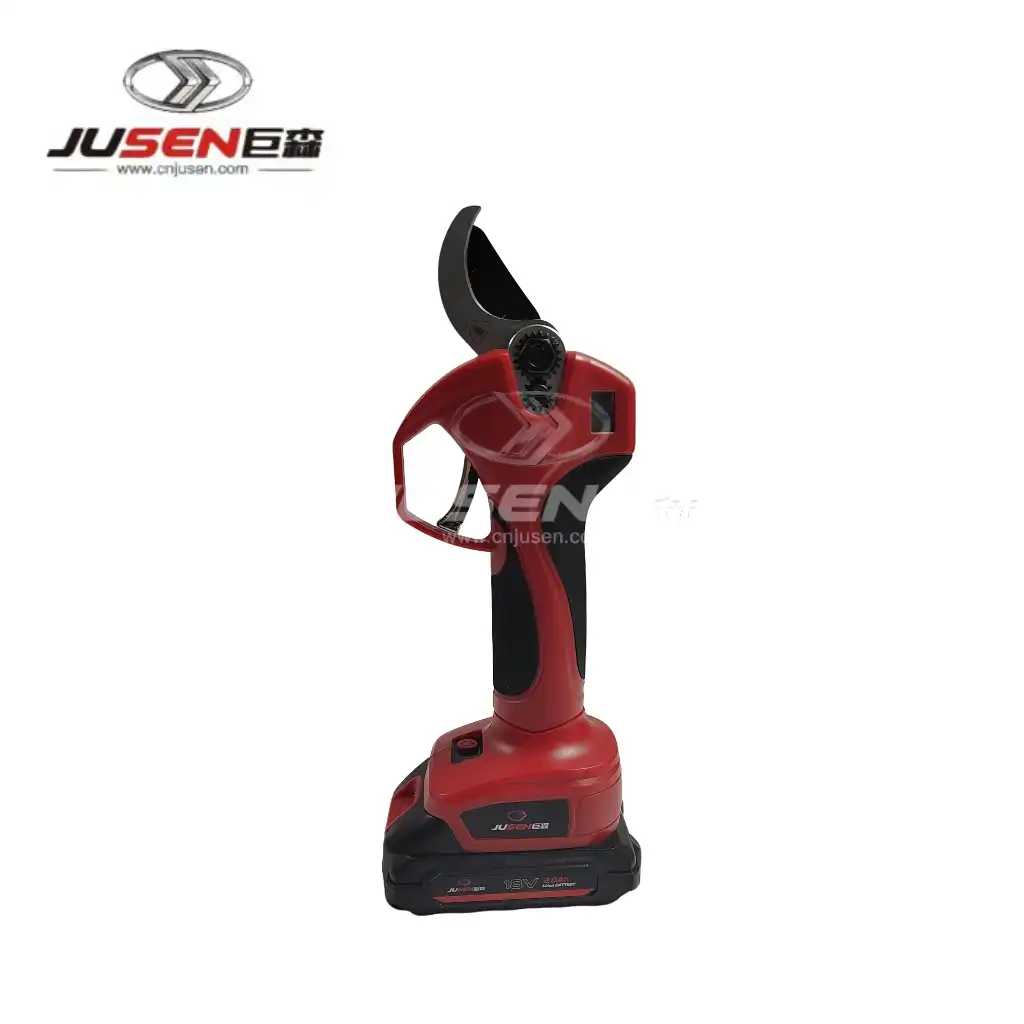 VIEW MORECordless Electric Pruning Shears Rechargeable Battery Powered
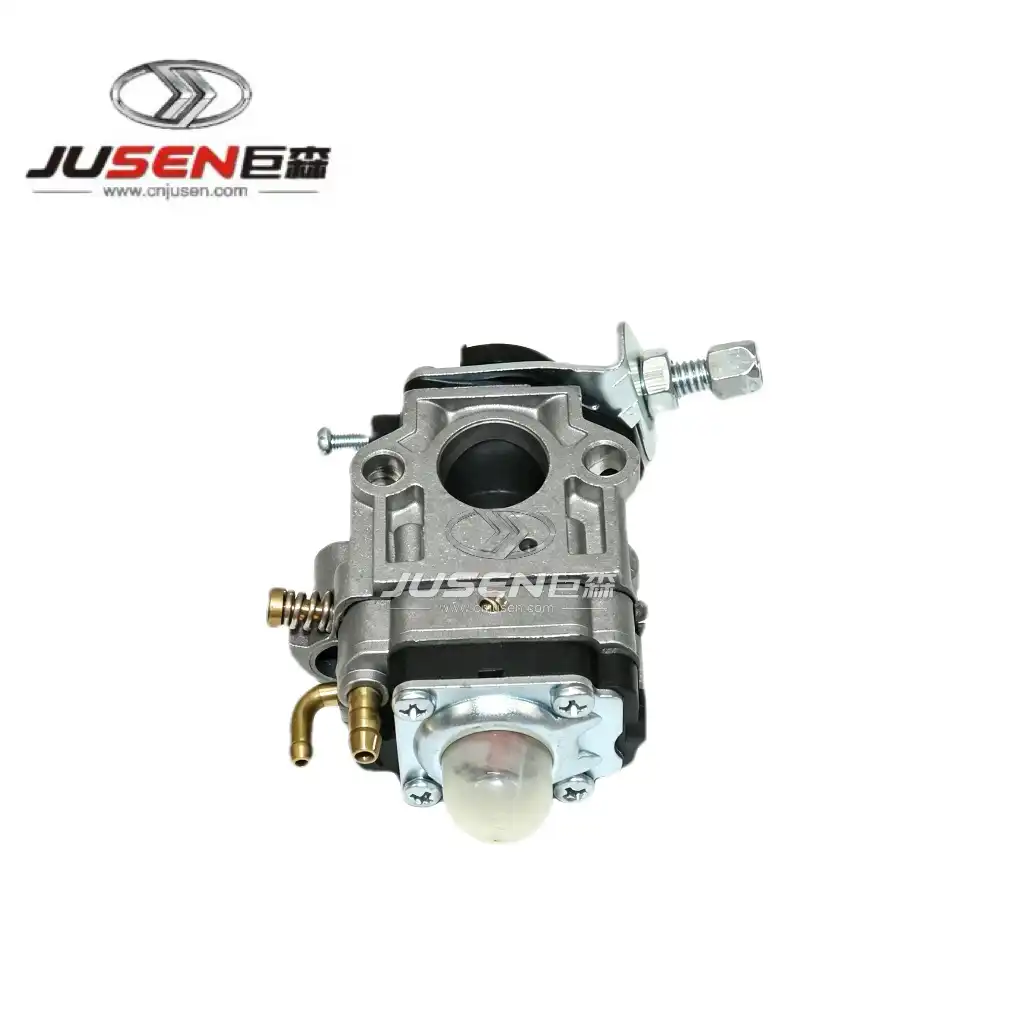 VIEW MORE43cc Brush Cutter Carburetor
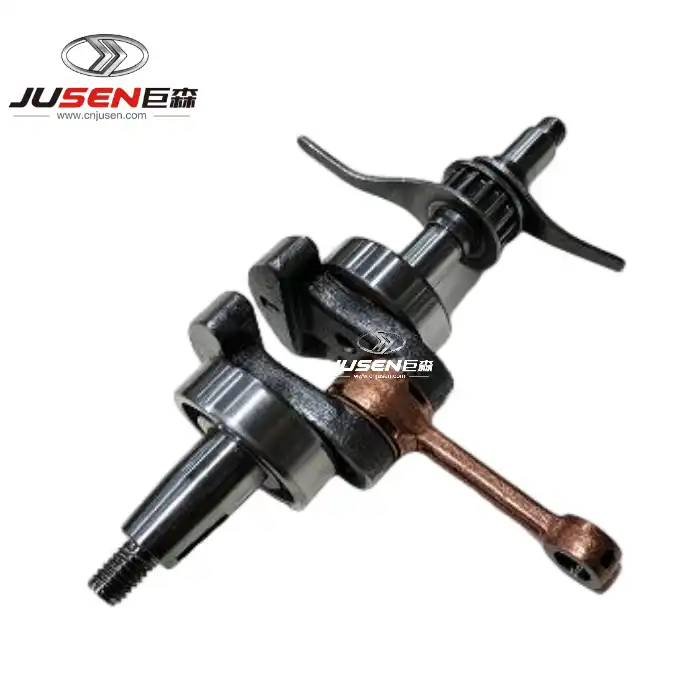 VIEW MOREGX35 Brush Cutter Crankshaft
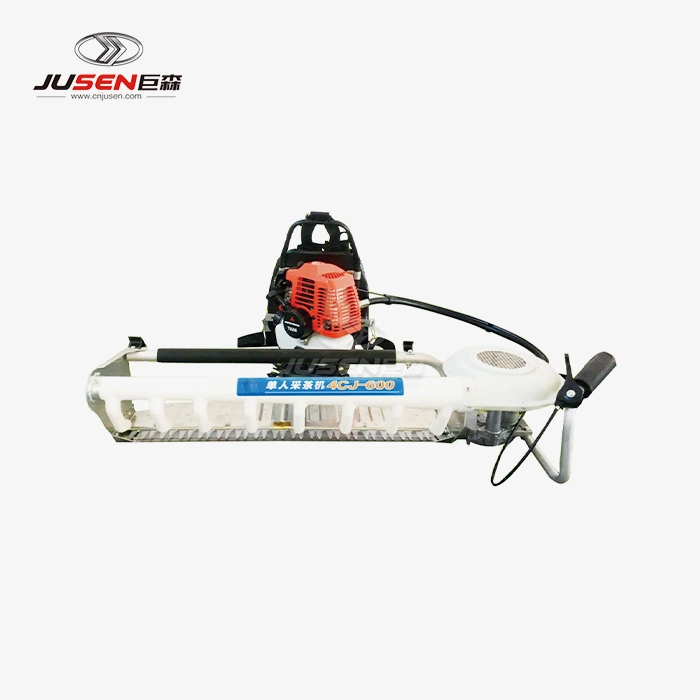 VIEW MORESingle-Person Tea Picking Machine
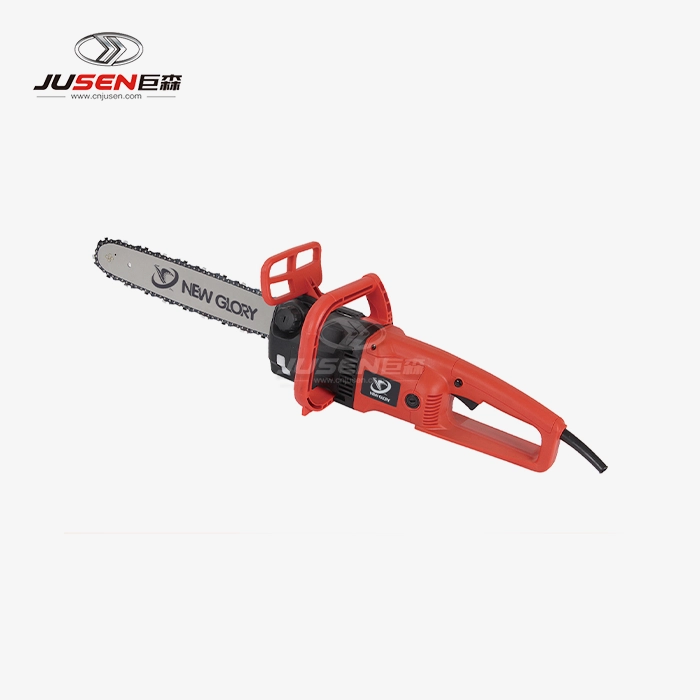 VIEW MOREBattery And Electric Chainsaw
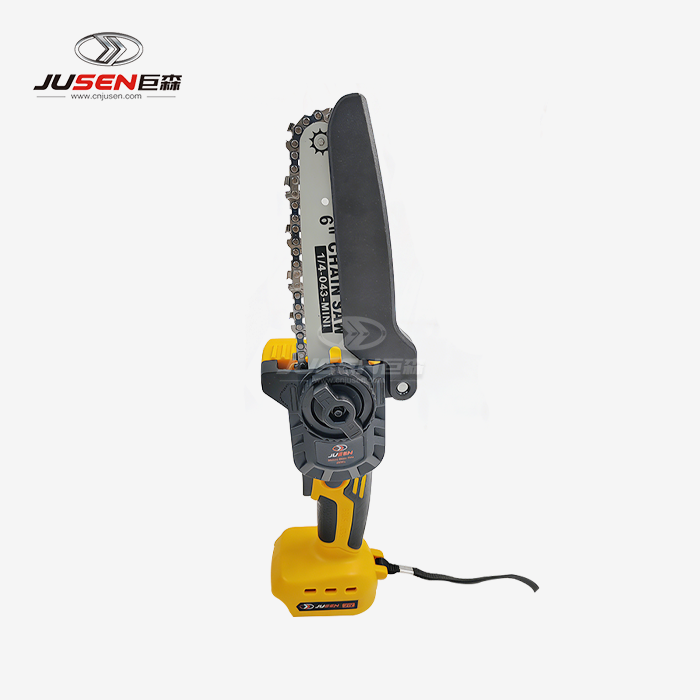 VIEW MOREBrushless Mini Cordless Chainsaw
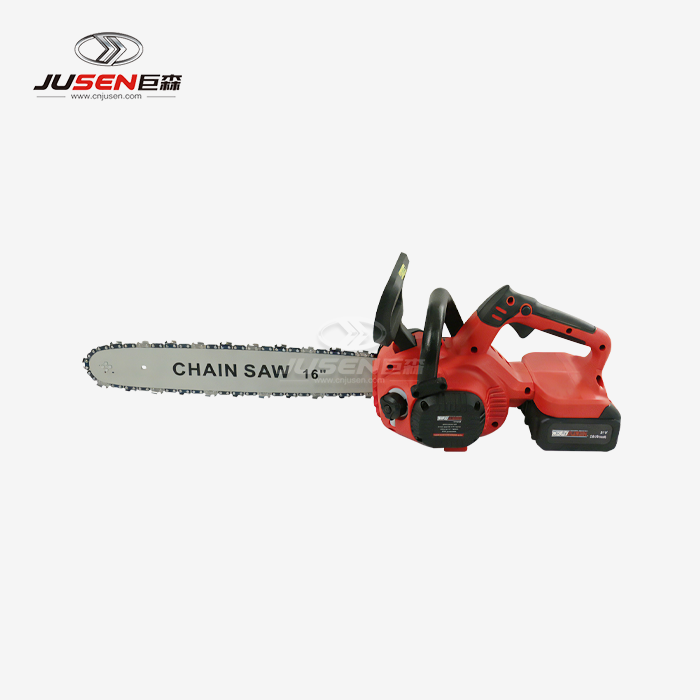 VIEW MOREMini Chain Saw Battery Powered
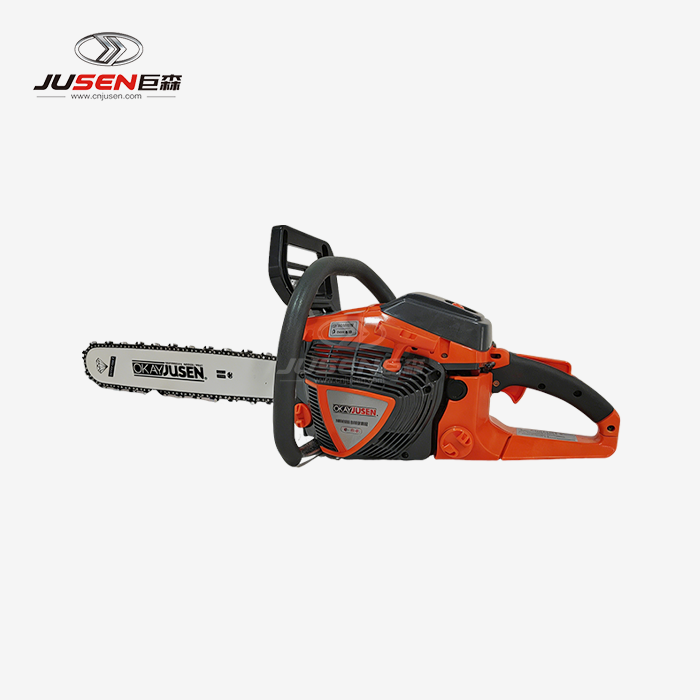 VIEW MORE65cc Gas Powered Chainsaw