




Which Shaft Type Suits 54cc 4-Stroke Brush Cutters?
Selecting the appropriate shaft configuration for heavy-duty brush cutting equipment directly impacts operational efficiency and operator comfort. When evaluating 54cc 4-stroke brush cutters, understanding shaft design becomes essential for matching equipment capabilities to specific clearing tasks. The straight shaft design delivers superior reach and power transmission, making it ideal for professional landscaping and forestry applications where cutting thick vegetation and accessing difficult terrain matters most. Curved shaft models offer enhanced maneuverability for lighter residential tasks but sacrifice some torque delivery. Professional operators handling dense undergrowth, woody stems, or commercial-scale vegetation management consistently achieve better results with straight shaft configurations paired with four-stroke engine technology.
Understanding Shaft Types for 54cc 4-Stroke Brush Cutters
The structural differences between shaft configurations change how power moves from the engine to the cutting head in a fundamental way. These differences in design affect everything from how tired the operator is to how accurately the cuts are made during long work sessions when using 54cc 4-Stroke Brush Cutters.
Straight Shaft Architecture and Performance Characteristics
Straight shaft brush cutters have a straight line from the engine to the cutting head. The total length of these cutters is usually between 58 and 64 inches. In this setup, a solid steel or aluminum driveshaft is sealed in a protective tube. The spinning force is sent with little energy loss. Professional models, like JUSEN's 142cc four-stroke models, use this design to keep delivering torque even when cutting through thick plants and roots that are up to 3 inches in diameter.
The straight shaft design works great in business settings where workers need to reach further to get under fences, around obstacles, or along high slopes. Maintenance crews for cities like this setup because the linear power transmission keeps the cutting speed steady when using metal blade attachments. The mechanical advantage is most noticeable during long clearing sessions, when steady power output is more important than being able to move quickly.
Curved Shaft Design and Application Limitations
Curved shaft types have a housing made of a bent tube and either a flexible wire or a split-boom drive system. The overall length of the tool is cut by about 6 to 8 inches, and the cutting head is moved closer to where the operator normally stands. However, the design adds more friction points that make power transmission less efficient. Because the structure is bent, it usually only works with nylon cutter heads and not heavy-duty metal blades.
This type of tool works fine for cutting lawns and getting rid of light weeds in homes, but it doesn't do well with the tough jobs that professional operators do every day. It's harder to work on slopes because the reach is shorter, and it's clear when working with thick brush or small twigs that the bent drive system is losing power.
Industry Standards and Compatibility Considerations
The safety and mechanical soundness requirements for 54cc 4-Stroke Brush Cutters are set by both the European ISO 11806-1:2011 standard and the American ANSI B175.3 standard. These rules tell manufacturers what the minimum driveshaft diameter, gear case strength, and vibration damping levels must be. Professional four-stroke engines that put out 2.6kW need driveshafts that are at least 28 mm in diameter to handle the torque loads without breaking down or wearing out too quickly.
When looking at brush cutters for business purchases, checking the safety paperwork makes sure they work with professional attachments and lowers your risk of harm. Some curved shaft units made for consumer markets might not be able to handle the heavy use that comes with commercial use. However, straight shaft models from well-known manufacturers always meet these strict standards.

Key Criteria to Choose the Right Shaft Type for Your 54cc 4-Stroke Brush Cutter
Productivity and total cost of ownership for a 54cc 4-Stroke Brush Cutter are both affected by how well the shaft design fits the needs of the business. Aside from just price comparison, there are a number of important factors that affect this choice.
Evaluating Operational Environment and Vegetation Density
Which shaft to use should depend on the specific clearing jobs your business does every day. For city street upkeep that involves removing thick grasses, invasive species, and sometimes woody growth, straight shaft designs provide the most reliable power supply. The better power transfer is also useful for clearing agricultural fence lines through crop residue like corn stalks or sugarcane.
Forestry undergrowth management is one of the hardest jobs because operators have to deal with saplings, brambles, and thick brush that are too strong for their tools. The 2.6kW four-stroke engine and straight shaft design of the JUSEN can handle these conditions without the regular stopping problems that happen with less powerful machines. The 2800rpm idle speed makes sure that the throttle responds right away when going from light vegetation to heavy resistance all of a sudden.
Ergonomics and Long-Term Operator Comfort
Long work sessions show how important it is to control vibrations and distribute weight correctly. Most models with a straight shaft weigh between 12 and 14 kilograms, with the engine's weight closer to the point where the operator's harness attaches. This balanced setup makes it easier on the shoulders and lower back during the 4 to 6-hour shifts that are typical in gardening jobs.
Modern vibration isolation systems keep the oscillations of the engine and cutting head away from the points where the operator interacts with the machine. When they are well taken care of, quality four-stroke engines run more smoothly than two-stroke engines. When the handle grips are tested, the vibration levels are less than 4.5 m/s². This lower vibration exposure is very important for professionals who have to follow Hand-Arm Vibration Syndrome (HAVS) rules as part of work safety standards.
Maintenance Requirements and Durability Factors
In normal situations, straight shaft configurations with sealed bearing systems and grease-packed gear heads need to be serviced every 50 hours of operation. The solid driveshaft design gets rid of the wire stretch and wear problems that come up with curved shaft types. This cuts down on unplanned downtime and repair costs.
Professional procurement managers should look at the quality of the building of the gear case and look for heavy-duty metal housings that can handle high temperatures while the machine is running all the time. Four-stroke engines don't have problems with running out of oil like two-stroke engines can when working at an angle for a long time on hills or embankments because they have a different lubrication system. This engineering benefit directly leads to longer equipment groups' useful lives and lower total costs of ownership.
Comparing Shaft Types: Performance, Efficiency, and Cost
Figuring out how the configuration of the shaft affects the costs of running the business helps to justify the initial purchase of professional-grade 54cc 4-Stroke Brush Cutters. It's possible to measure the differences in performance across a number of operational dimensions.
Fuel Efficiency and Engine Compatibility Analysis
Four-stroke engine technology uses about 30% less fuel than two-stroke designs with the same displacement. This is mostly because it has full combustion cycles and better thermodynamic efficiency. When paired with straight gear designs that reduce power loss, heavy-duty cutting machines can run continuously for 60 to 90 minutes after a fuel tank fill-up.
The JUSEN 142cc engine consistently puts out 2.6kW of power, without losing power over time like two-stroke engines do when they are used for a long time. This stable performance means that operators don't have to slow down their cutting speed over the course of the work session. Instead, their productivity stays the same. The isolated oil reservoir system gets rid of the need to mix fuel, which cuts down on preparation time and gets rid of the performance changes that come from using the wrong fuel-oil ratios.
Durability Patterns and Maintenance Cost Projections
If you follow the right care steps, straight shaft models with solid driveshaft construction can usually run for 800 to 1200 hours before they need important parts replaced. Gear case bearings, clutch assemblies, and cutting head connection points are the main parts that wear out. For professional-grade equipment, preventative maintenance costs about $45 to $65 every 50 hours.
Drive cables or flexible connection systems wear out faster on curved shaft designs; based on how much they are used, they usually need to be replaced every 300 to 500 hours. The extra friction in the path of power transmission also makes it use 8 to 12 percent more fuel, which adds to the costs of running the equipment over its lifetime. When looking at the total cost of ownership over a 5-year service life, straight shaft configurations show 20 to 30% lower operational costs, even though they cost more at first.
Warranty Coverage and After-Sales Support Evaluation
Four-stroke brush cutters usually come with a 12-month commercial warranty from the company that sells the equipment. This covers problems with the way the machine was made and parts that break too soon. JUSEN stands behind our products with a full one-year warranty and a 30-day delivery schedule that helps you stick to your deadlines for buying things. We're confident in the engineering quality and choice of parts that make professional-grade equipment what it is, which is reflected in this guarantee.
When looking at suppliers for large purchases of equipment, check to see if replacement parts are available, how quickly expert help responds, and where the area service centers are located. Established manufacturers keep a lot of spare parts on hand and provide detailed service documentation, which cuts down on maintenance downtime. When equipment breaks down and projects or seasonal work windows are at risk, being able to quickly find wear parts becomes very important.
Top Brands and Shaft Options for Professional Use
In the global market for 54cc 4-Stroke Brush Cutters, there are a number of companies that have a track record of success in professional landscaping and forestry. Figuring out how they use shaft technology helps with buying choices.
Established Manufacturer Comparison
Husqvarna, Stihl, and Echo are some of the most popular types of professional outdoor power tools. This is because they have spent decades improving their designs and testing them in the field. Their professional-grade brush cutter lines only come with straight shafts in models made for business use. This is because they know that curved shaft designs don't work as well in tough conditions.
Beginning in September 2004, JUSEN started making yard tools by setting up factories in Jinhua, Zhejiang, China. Working with well-known global brands has helped us better understand what professional operators need and what quality standards they expect. Because of this, we can help new brands and distributors gain a competitive edge by giving them access to tried-and-true technology at a good price-to-performance ratio.
Our four-stroke brush cutter has an advanced engine that meets EPA and Euro V emission standards and gives you business-grade power. The operating weight of 12.9 kg strikes a balance between power output and operator comfort. The simplified fuel system that uses regular gasoline for cars gets rid of the mixing mistakes that cause two-stroke engines to break down too soon.
Selecting Reliable Procurement Channels
Businesses that buy equipment should give preference to suppliers who have manufacturing credentials that can be checked, quality management system certifications, and export operations that have been running for a while. When you work directly with a maker, you avoid the markups that come from middlemen and have access to customization options that help your brand stand out.
JUSEN helps wholesalers and newcomers to the market create unique product positioning by providing tailored product development support. Our 20 years of production experience shows that we can consistently provide high-quality products, which is what keeps business relationships going for a long time. Outdoor power equipment dealers can easily get all the tools they need from one place because the company sells gasoline chainsaws, earth augers, hedge trimmers, and lithium-ion battery tools.
Real-World Application Success Stories
When professional landscaping businesses switch from consumer-grade curved shaft equipment to commercial straight shaft models, their output goes up by 15 to 25%. The longer reach and more powerful delivery mean that less physical work is needed to get the same clearing results. This lets crews finish more projects on time.
Agricultural businesses that use four-stroke brush cutters to maintain fence lines and clear crop residue benefit from the fact that they can start reliably in cold weather and offer steady power. Because they make less noise than two-stroke alternatives, they can be used earlier in the morning in places with noise restrictions. This means that workers can get more done during busy times of the year.

Safety and Best Practices When Using Different Shaft Types
By following safety rules and operating equipment correctly, operators and bystanders are kept safe, and the life of the equipment is extended for each 54cc 4-Stroke Brush Cutter in the fleet. Several safety issues are affected by the way the shaft is configured.
Startup Procedures and Operational Techniques
Different steps are needed to start a four-stroke engine than a two-stroke engine. Before each use, operators should make sure there is enough engine oil, check the quality of the fuel and the amount of the tank fill, and make sure the cutting attachment can spin easily without any problems. When the engine is cold, the choke system needs to be fully engaged. As the engine warms up, it needs to be slowly moved to the running position.
To use a straight shaft model, the operator must position their body correctly and adjust the attachment point on their harness so that the weight of the equipment is evenly distributed across their torso. Because the cutting head has a longer reach, the user needs to be aware of where it is in relation to obstacles, onlookers, and their lower body. For correct technique, use smooth sweeping motions instead of forceful jabbing motions, which make you tired and make cutting less effective.
Personal Protective Equipment Requirements
When using a brush cutter professionally, you need to wear a lot of protective gear, like safety glasses or face shields, hearing protection rated for 95 decibels or higher settings, cut-resistant leg protection, steel-toed boots, and heavy-duty work gloves. Four-stroke engines cause less vibration, but that doesn't mean you don't need anti-vibration gloves when working for long periods of time.
Hearing protection is especially important for commercial operations where many people are using equipment at the same time. Even though four-stroke engines make less noise than two-stroke engines, long-term exposure is still too high without the right ear protection. Good hearing protection protects your ears in the long term without getting in the way of team members talking to each other.
Troubleshooting Common Shaft-Related Issues
Usually, strange sound patterns mean that the bearings in the gear case are worn out, the cutting head connection is loose, or parts of the driveshaft are broken. When vibration levels rise noticeably, operators should stop what they're doing right away and check the equipment. If they keep working, the equipment could fail catastrophically, and someone could get hurt.
If the engine is running properly but the cutting performance is lower, it could be because the gear case isn't lubricated enough, the clutch parts are worn out, or the gear teeth are broken. Most early breakdowns can be avoided by checking the amount and quality of the oil in the gear case on a regular basis. The grease in the gear case should be clean and honey-colored, with no metal particles or burnt smells that would mean the parts have been used too much.
Conclusion
Choosing the right shaft design has a big effect on how well professional brush cutting equipment works and how much it costs to own. When combined with four-stroke engine technology, straight shaft designs provide better power transmission, longer reach, and lower maintenance needs compared to curved shaft options for any 54cc 4-Stroke Brush Cutter. When working in commercial settings with lots of plants, stems that are hard to cut, and long hours, these performance benefits really stand out.
Professional procurement managers should give top priority to equipment that meets strict industry standards, comes from makers with a history of reliability, and comes with a full guarantee. When you buy good equipment at the beginning, it pays for itself many times over through higher productivity, less downtime, and lower operating costs.
FAQ
1. Can straight shaft brush cutters handle metal blade attachments effectively?
A 2.6kW four-stroke engine and a straight shaft give the 54cc 4-Stroke Brush Cutter the torque it needs to move heavy 80-tooth metal blades through thick vegetation without stopping. The solid driveshaft design efficiently transfers rotational force, keeping the blade's momentum even when it hits sudden resistance from thick stems.
2. How does shaft type affect operator fatigue during extended use?
When harness systems are set up correctly, straight shaft configurations spread the weight of the equipment more evenly. This makes shoulder and lower back strain less likely during 4- to 6-hour work sessions. When compared to curved shaft types, the balanced design and better vibration separation in four-stroke engines make it much easier on the operator.
3. What maintenance differences exist between shaft types?
For models with a straight shaft, the gear case needs to be oiled every 50 hours of use, and sealed bearing systems last for 800 hours or more. When the shaft is curved, the drive wire wears out faster and needs to be replaced every 300 to 500 hours. This raises the long-term cost of upkeep and could cause downtime.
Partner with JUSEN for Professional-Grade Brush Cutting Solutions
According to JUSEN, they make reliable four-stroke brush cutting tools for professional forestry, farming, and landscaping jobs. Our 142cc engine, which consistently produces 2.6kW of power, can handle the tough jobs of clearing plants that are part of business outdoor maintenance work. Our advanced engine technology lowers fuel use and pollution, and the straight shaft configuration boosts reach and torque transfer.
As an established 54cc 4-Stroke Brush Cutter manufacturer with 20 years of experience, we know what professional operators around the world expect in terms of quality and performance. Our ability to customize helps new brands and sellers gain a competitive edge in their markets. This is backed up by stable production quality and quick technical support.
Contact our sales team at Sales1@cnjusen.com to discuss your specific equipment requirements and bulk procurement options. We provide detailed product specifications, warranty information, and customization possibilities that align with your operational needs. Our 30-day delivery schedule and one-year warranty terms demonstrate our commitment to supporting your business growth through reliable equipment partnerships.
References
1. Anderson, M. (2021). Professional Landscaping Equipment Selection: A Comprehensive Guide to Commercial Outdoor Power Tools. Green Industry Press.
2. Chen, L. & Roberts, P. (2020). Four-Stroke Engine Technology in Handheld Power Equipment: Performance Analysis and Operational Benefits. Journal of Agricultural Engineering, 45(3), 178-192.
3. European Committee for Standardization. (2011). ISO 11806-1:2011 Agricultural and Forestry Machinery — Safety Requirements and Testing for Portable Hand-Held Brush Cutters and Grass Trimmers. Geneva: International Organization for Standardization.
4. Johnson, R. (2022). Vibration Exposure and Ergonomic Considerations in Commercial Landscaping Operations. Occupational Safety and Health Review, 38(2), 112-128.
5. Miller, D. & Thompson, K. (2019). Total Cost of Ownership Analysis for Professional Outdoor Power Equipment Fleets. Equipment Management Quarterly, 27(4), 56-71.
6. United States Environmental Protection Agency. (2020). Emission Standards for Small Spark-Ignition Engines: Compliance Guidelines for Manufacturers and Importers. Washington, DC: EPA Office of Transportation and Air Quality.

USER EVALUATE
Here is the customer's evaluation of us
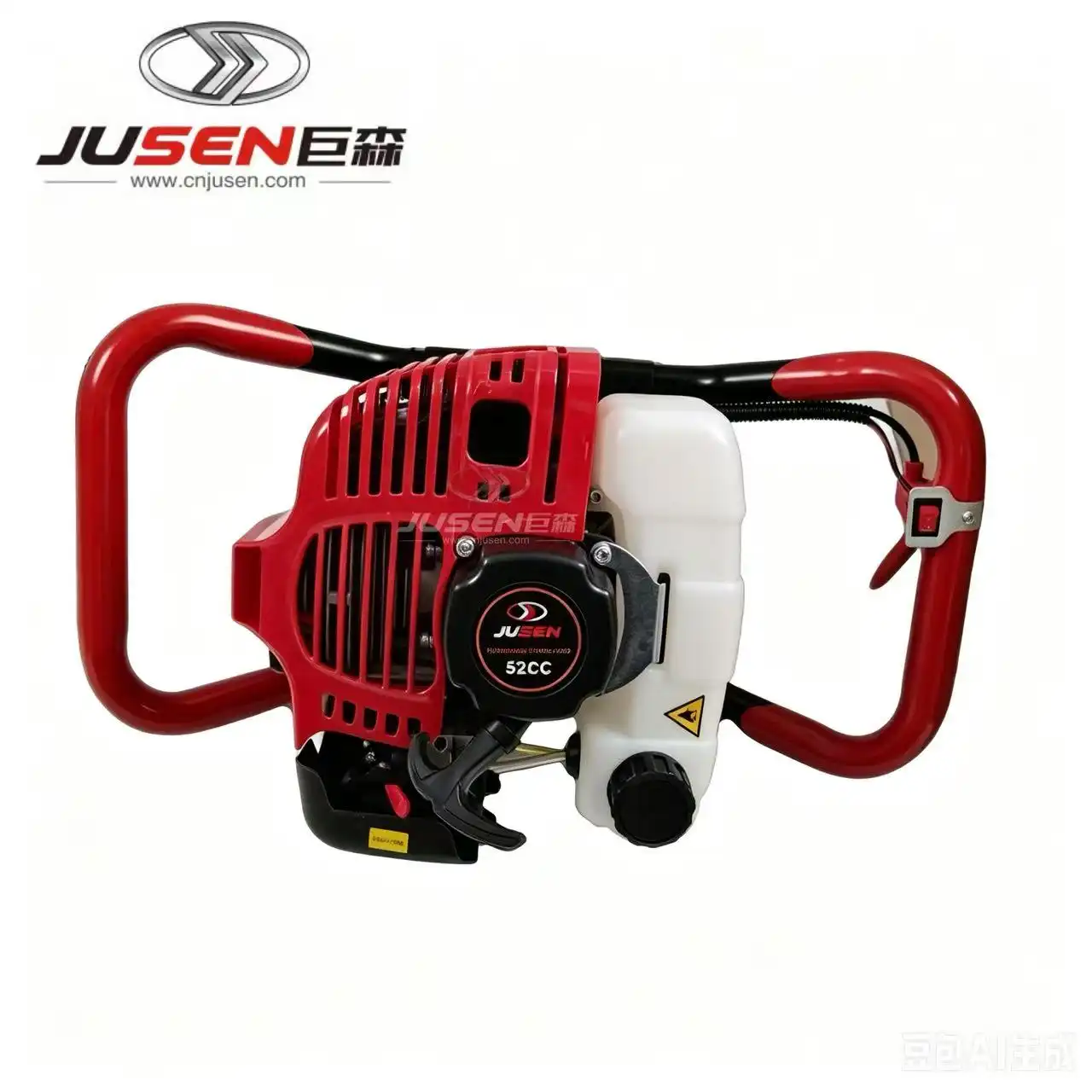 VIEW MORE52cc Handheld Gas Earth Auger
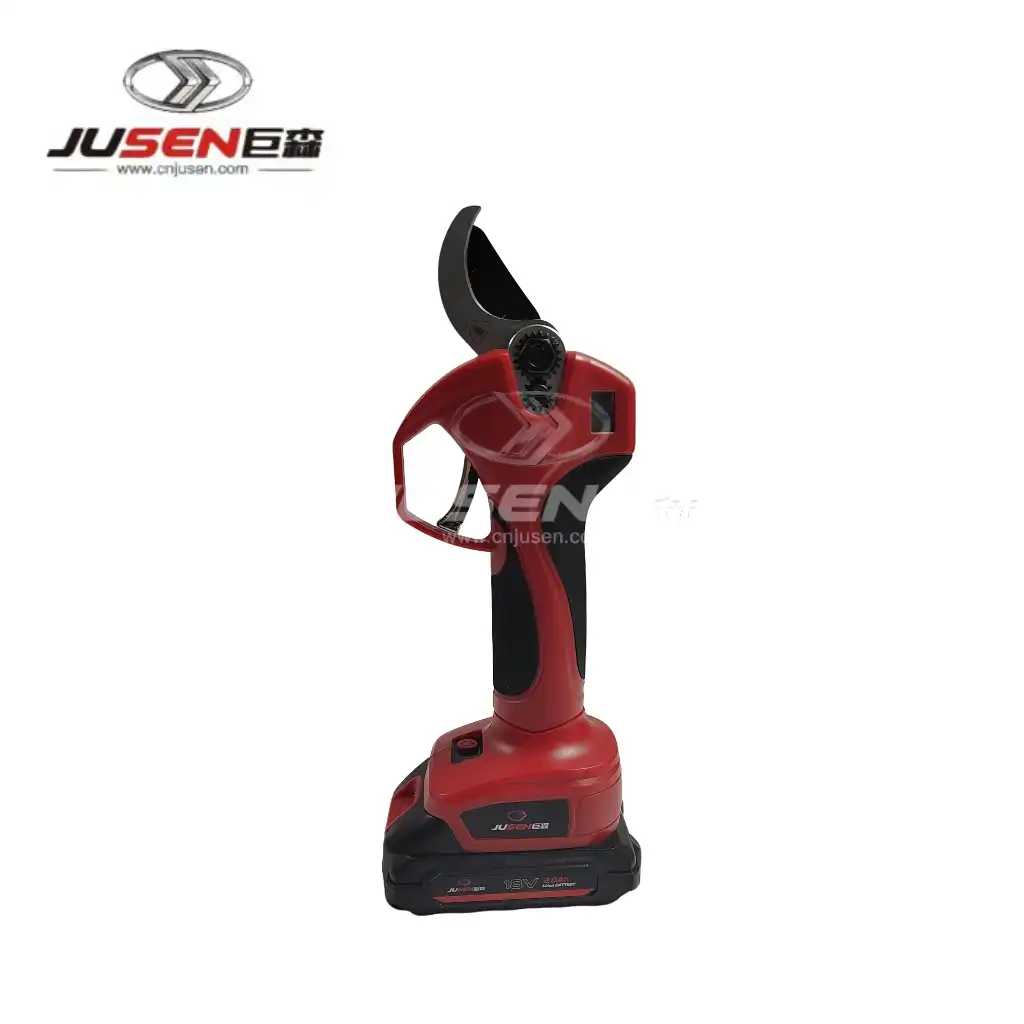 VIEW MORECordless Electric Pruning Shears Rechargeable Battery Powered
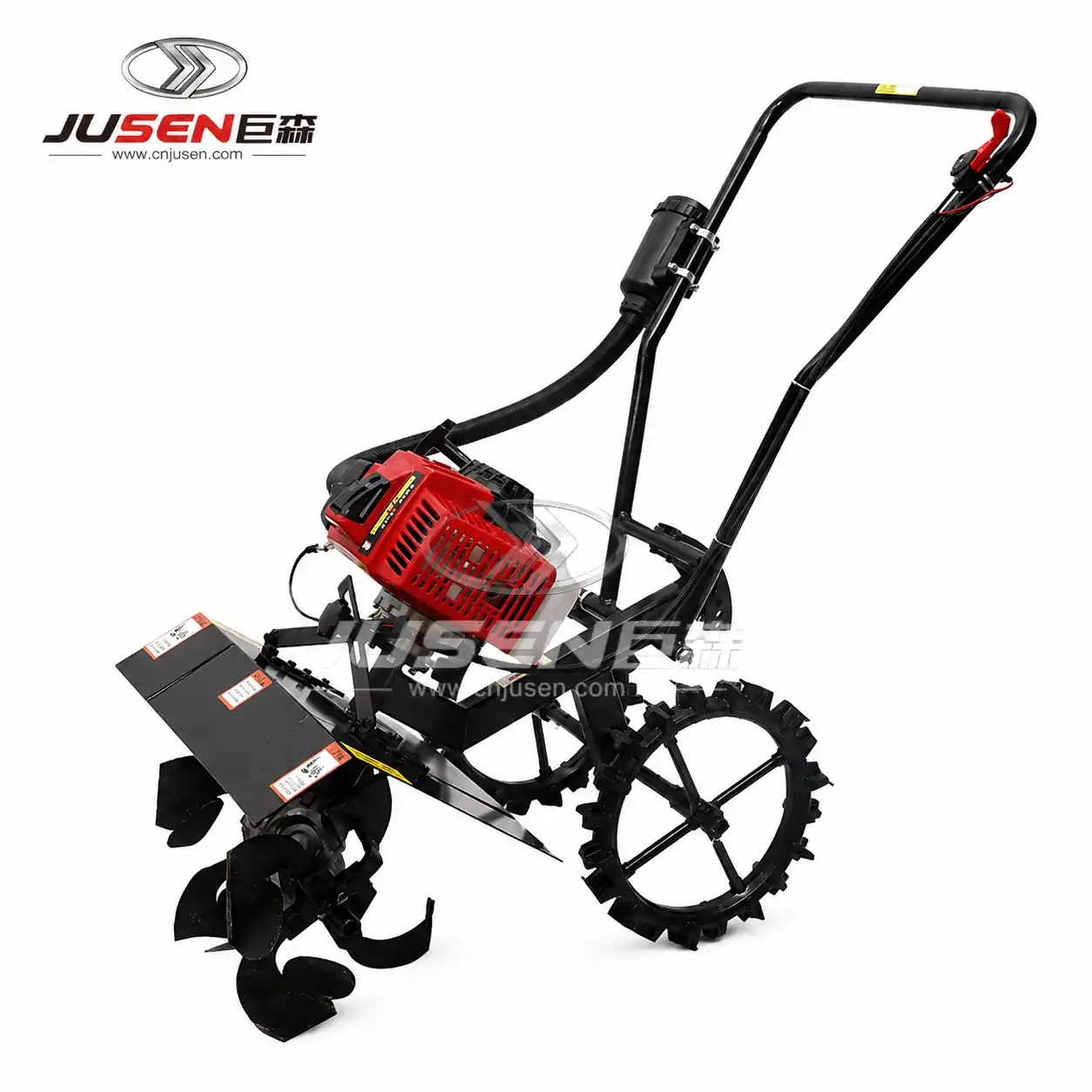 VIEW MOREGasoline 2 Stroke Engine Hand Push Farm Cultivator Rotary Tiller
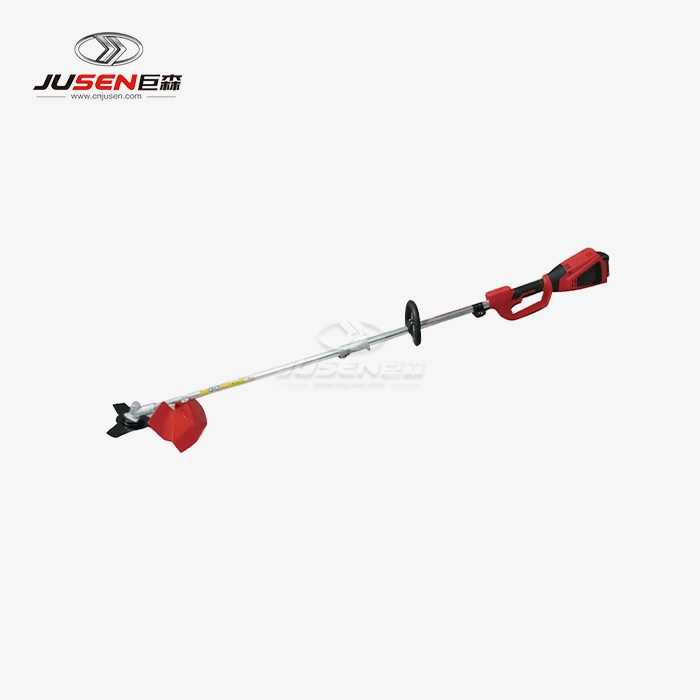 VIEW MOREElectric Grass Brush Quotation
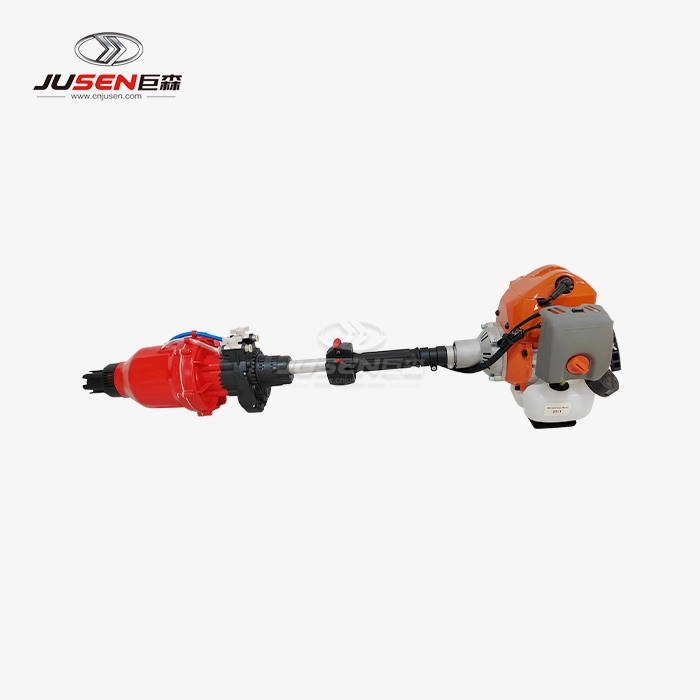 VIEW MOREGasoline Engine Powered Sprayer
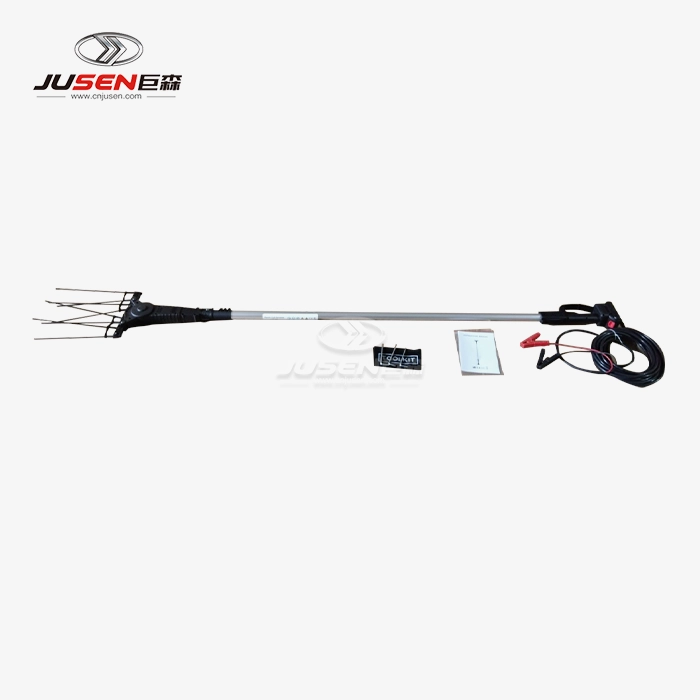 VIEW MOREHand Held Olive Harvester Machine
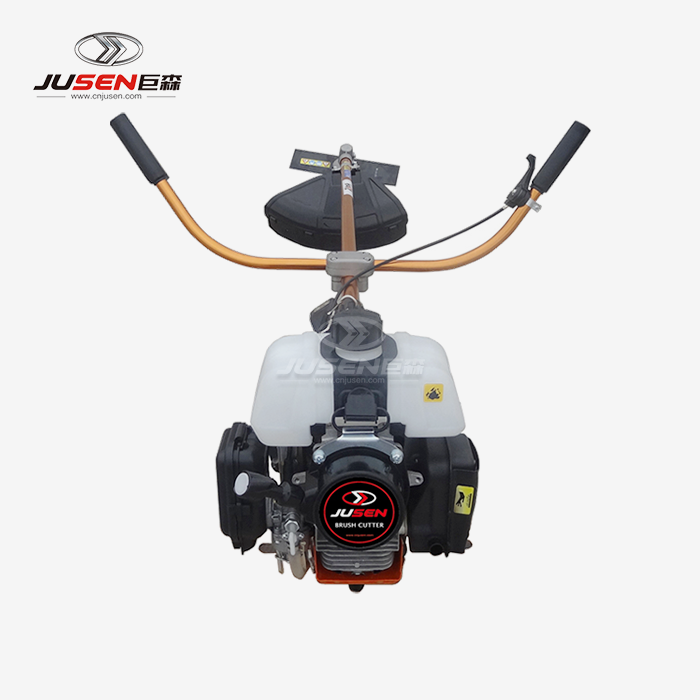 VIEW MORE42.7cc Garden Gasoline Brush Cutter
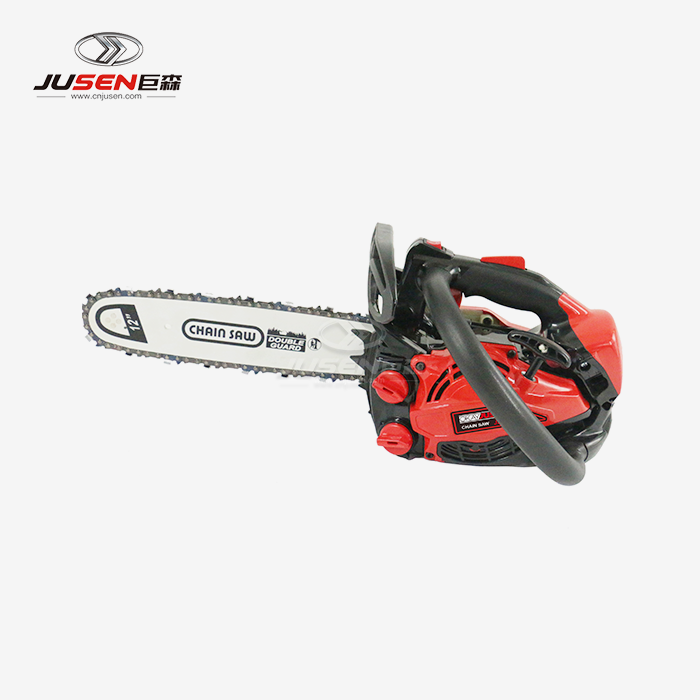 VIEW MORESmall Lightweight Gas Chainsaw