




How to choose a gas chain saw for thick tree logging?
Choosing the right equipment for thick tree logging isn't just about purchasing power—it's about securing operational efficiency, safety, and long-term value. When you're dealing with large-diameter hardwoods or commercial forestry projects, a Gas Powered Gas Chain Saw becomes essential. These machines deliver unmatched torque and runtime independence, solving critical challenges like mobility in remote locations and sustained cutting performance under heavy load. We've designed this guide to help procurement managers, landscaping professionals, and distributors make informed decisions that align with both operational demands and budget constraints.
Key Technical Criteria for Choosing a Gas Chain Saw for Heavy-Duty Logging
The technical specs of a saw tell you right away if it can handle your work. By focusing on the right factors, you can be sure that the tools you buy will work well right away and last for a long time.
Engine Power and Displacement Requirements
The main way to tell how much wood a machine can cut is by its movement, which is measured in cubic centimeters (cc). Professional logging companies usually need engines bigger than 50cc to make enough torque for working on thick trees. The Gas Powered Gas Chain Saw from JUSEN has a strong 72CC two-stroke engine that puts out 2.6kW of power, which is enough to keep cutting through thick hardwood without stopping. This category of displacement makes sure that workers can keep working without having to keep moving or going through the same cut more than once.
Guide Bar Length and Chain Configuration
The length of the bar determines the maximum diameter of the trunk you can cut in one pass. Professional bars tend to be 18 to 30 inches long. Longer bars are better for cutting through larger-diameter trees but are heavier and require more engine power to keep the chain moving. JUSEN offers guide bars in sizes from 18" up to 30", so you’ll be able to choose the right equipment for your typical project size. Also, the chain's pitch and gauge must be the same as the bar's requirements. Most pros use 3/8-inch pitch chains with.050 or.058 gauge for the optimum durability while cutting hardwood.
Thoughts on Power-to-Weight Ratio
In protracted writing sessions, operator exhaustion has a huge influence on how much work can be achieved. The good weight-to-power ratio allows the machine to run for a long period without too much stress. The JUSEN gasoline chainsaw only weighs 9 kg and is manufactured from high-quality steel and metal components that combine to provide professional strength without the bulk that most other models have. For tree surgeons working at heights or individuals who clean up after a storm, this balance is especially vital since movement is just as critical as cutting force.
Fuel Efficiency and Operating Expense Control
Two-stroke engines require correct fuel-to-oil ratios (most often 50:1) for good lubrication and efficiency. Today’s engines are equipped with centrifugal air-cleaning systems to maintain the efficiency of the combustion process and to extend the life of the filters. In evaluating models, you should consider their fuel efficiency vs their cuts. Gas chain saws typically consume 0.5 to 0.8 litres of gas per hour when not under a heavy load. The actual consumption varies on the density of the wood and the way it is cut. The true running expenses are more than what you bought it for. You may compare the cost of gasoline to the improvement in productivity.
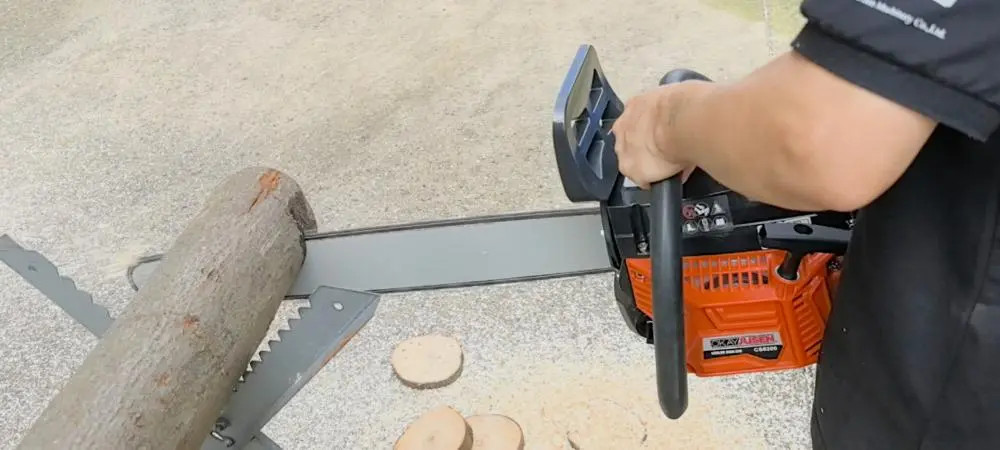
Comparing Gas Powered Chain Saws with Alternative Options for Thick Tree Logging
It's easier to understand why gas-powered models rule the professional logging market when you know how different power sources work in tough situations.
Gas vs. Battery-Powered Performance in Heavy-Duty Applications
Battery-powered saws have come a long way, and now they make less noise and produce less pollution. But lithium-ion systems still have runtime limits when they are being used for heavy cutting. Professional logging often requires working nonstop for 6 to 8 hours, which is far longer than what most batteries can handle without buying multiple expensive backup packs. Gas-powered gasoline chain saws don't have this problem because they can keep working as long as fuel is available. Because internal combustion engines have a high power density, they also have a high torque output, which is necessary for cutting through thick layers of bark and dense grain structures.
Electric Models and Their Operational Limitations
Electric saws with cords can only be used in places with electricity, so they can't be used for woodwork in remote areas. The working range is limited by the length of the extension cord, and energy loss over distance lowers the power that is available. The weather can also be difficult. For example, using electric tools when it's wet creates safety issues that gas-powered units don't have. Electric models are good for maintaining homes, but they don't have the mobility and long-lasting power that are needed for commercial logging.
Brand Considerations for B2B Procurement
Well-known brands like Husqvarna, STIHL, and Echo have built their names over many years of coming up with new ideas and improving their service networks. These brands offer full warranties, a lot of help for dealers, and replacement parts that are easy to find. These are all very important when equipment breakdowns directly affect revenue. JUSEN has built up a similar level of dependability through 20 years of making products and working with big names in the industry. Distributors and newcomers to the market can gain a competitive edge from our OEM skills and stable quality standards. At the same time, we keep the cost-performance ratios that help businesses grow.
Maintenance and Safety Protocols for Sustained Performance
Proper care directly increases the life of professional petrol logging saw and keeps it from breaking down in dangerous ways while it's being used.
Routine Maintenance Tasks That Prevent Costly Repairs
Sharpening chains is the most common repair job that needs to be done. When chains are dull, operators have to put too much pressure on them, which speeds up engine wear and raises the risk of kickback. Sharpening needs to be done at different times for different types of wood, but usually every two to three hours of cutting. Cleaning the air filter keeps dirt and other particles from getting into the combustion chamber, where they can cause scoring and early cylinder wear. By getting rid of big bits before they hit the main filter, JUSEN's centrifugal air cleaning method lowers the number of times the filter needs to be serviced. Checking and replacing the spark plugs every 100 hours makes sure that the engine will start and burn fuel efficiently.
Safety Equipment and Operator Training Standards
Personal protective equipment (PPE) needs to include chaps or pants for chainsaws that meet ISO 11381 standards, gloves that won't cut, face shields, and hearing protection. Professional gas-powered chain saws must have an inertia-activated chain brake that works within 0.1 seconds in order to be safety certified. When an operator is trained, they should learn the right way to start the machine, how to cut safely, and how to recognize the kickback zone. Before logging starts, emergency plans for injuries or broken equipment must be made. This is especially important in remote areas where getting medical help right away may be hard.
Troubleshooting Common Fuel System Issues
Two-stroke engines are sensitive to the type and amount of fuel used. Using gasoline with more than 10% ethanol can damage fuel lines and carburetor parts, making it hard to start and making the engine behave strangely. If you store mixed fuel for more than 30 days without adding fuel stabilizer, gum will form and clog the carburetor jets. To start fixing an engine that won't start or idles rough, make sure the fuel mixture is correct, check the condition of the spark plugs, and make sure the air filter is clean. These three processes are where most problems that can be fixed in the field start. Most operating interruptions can be prevented with regular repair schedules, which maximize productive uptime during key project stages.
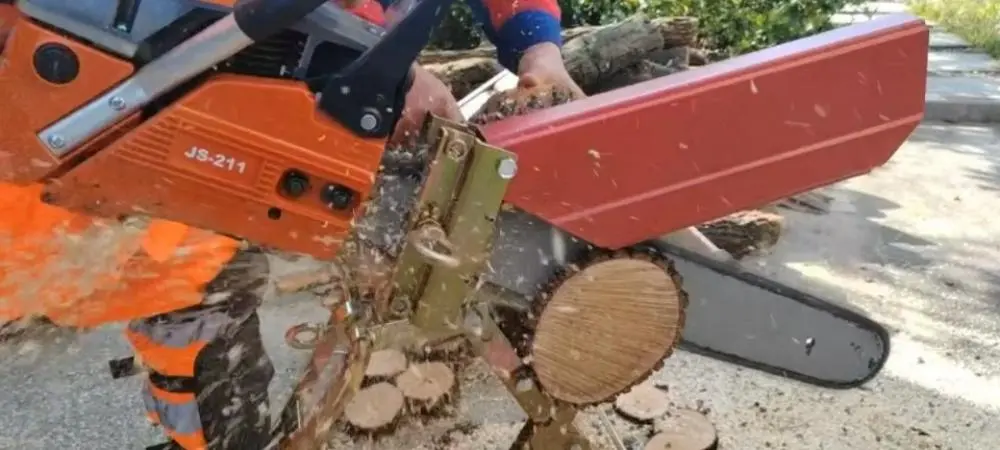
Procurement Strategies and Final Selection Checklist
When making strategic purchases, people weigh the need for instant functionality against the total cost of ownership over the equipment's useful life.
Matchinchainsawst Specifications to User Profiles
Commercial forestry operations that cut down a lot of trees need engines with large displacements (70cc or more) and longer bar lengths. To cut down trees and take care of estates, professional landscapers usually need mid-range models (50–65cc) with 18–22-inch bars. 45–55cc saws with 18–20-inch bars can often do a good job for farmers who need to clear land or manage woodlots. By matching saw specs to real-world use cases, you can avoid both spending too much on capacity that you don't need and buying too little equipment that doesn't meet your needs. The 72CC Gas Powered Gas Chain Saw from JUSEN is a professional-level tool that is good for builders and forestry operations that need to keep big loads going for a long time.
Evaluating Total Cost of Ownership
The purchase price is only one part of the costs of owning a home. The expected service life, fuel consumption, and availability of parts all affect the long-term value of an item. With regular maintenance, gas-powered gasoline chainsaws from well-known brands should last 5–10 years, which is a lot longer than cheap models that might need to be replaced every two to three years. There are a lot of different warranty terms. Professional-grade saws usually come with 2-year business warranties that cover defects and standard wear and tear. When fixes need to be done, the length of downtime is affected by the availability of after-sales help. Looking at the total cost of ownership instead of just the initial investment can help you find the tools that will give you the best return over their useful life.
Purchase Channel Considerations and Supplier Selection
Authorized dealers may charge more than other stores, but they do have trained repair techs and original replacement parts. Online sites have reasonable prices, but the standard of their after-sales service varies a lot. B2B buyers should look at how stable the supplier is, how well they can honor warranties, and how easy it is to get technical support. JUSEN is both a maker and a provider. They give dealers who are building their own brands direct access to engineering knowledge and the ability to change the way their products are set up. Our OEM color choices and flexible order quantities help businesses get into new markets while keeping quality standards that keep customers from filing warranty claims and being unhappy.
Conclusion
To choose the right gas-powered chainsaw for cutting down thick trees, you need to carefully look at the engine specs, bar length options, and long-term maintenance needs. Professional-grade tools have better power-to-weight ratios, steady torque output, and safety features that keep operators safe during tough cutting jobs. Even though the original investment prices may be higher than consumer-grade options, the increased dependability, durability, and productivity make the cost worth it for business use. With 20 years of experience making things and a dedication to stable quality, JUSEN is a reliable partner for sourcing managers looking to gain a competitive edge in the gardening and forestry industries.
FAQ
What engine size is optimal for cutting dense hardwood trees?
For hardwood cutting, engines with 60cc or more displacement are usually needed. Oak, hickory, and maple all have dense grain structures that need to be torqued for a long time. The 72CC engine from JUSEN has enough power reserve to keep cutting these tough materials at a fast speed without getting too hot or stopping.
How do maintenance requirements differ between gas and electric chainsaws?
Chain saws that run on gasoline need to have their fuel blend prepared, their spark plugs maintained, and their engine adjusted. Electric models get rid of these tasks, but they need to be managed and can only run for a certain amount of time. With proper care, gas engines last longer, which makes them more cost-effective for professional use even though they are harder to service.
Are there environmentally responsible options in gas-powered chainsaws?
Catalytic converters and stratified scavenging systems are built into newer two-stroke engines, which cut emissions by up to 70% compared to older models. Current gas-powered chainsaws meet EPA Phase 3 and Euro V compliance standards, which make sure they have the least impact on the environment while still having enough power for professional logging jobs.
Partner with JUSEN for Professional-Grade Gas Powered Chain Saw Solutions
Every Gas Powered Gas Chain Saw for sale that JUSEN makes is the result of 20 years of experience in the business. It meets the needs of professional landscapers, forestry operations, and equipment distributors for performance and dependability. To meet the needs of thick tree logging, our 72CC professional chainsaw has a high power output, is lightweight, and comes with a bar length that can be changed. We are both a maker and a seller, so we can offer cheap B2B prices, OEM setups that can be changed to fit your needs, and quick technical support that keeps your business from having to deal with costly downtime. Whether you're adding to your current fleet of equipment or starting a new brand in the garden tools market, our stable quality standards and wide range of products will help your business grow in the long term. You can talk to our purchasing agents at Sales1@cnjusen.com about how JUSEN's Gas Powered Gas Chain Saw products can help your business be more competitive in the professional gardening and forestry markets.
References
1. American National Standards Institute. (2019). ANSI B175.1-2012: Safety Requirements for Gasoline-Powered Chain Saws. New York: ANSI Publications.
2. Forest Resources Association. (2021). Logging Equipment Selection and Productivity Analysis. Rockville: FRA Technical Release.
3. International Society of Arboriculture. (2020). Best Management Practices: Chainsaw Use in Tree Care Operations. Champaign: ISA Publishing.
4. Occupational Safety and Health Administration. (2018). Logging Operations: Chainsaw Safety Guidelines. Washington: U.S. Department of Labor.
5. Society of American Foresters. (2022). Timber Harvesting Equipment: Performance Standards and Operator Safety. Bethesda: SAF Publications.
6. Timber Harvesting Magazine. (2023). Chain Saw Technology Review: Power Systems and Cutting Efficiency in Professional Forestry. Montgomery: Hatton-Brown Publishers.

USER EVALUATE
Here is the customer's evaluation of us
 VIEW MORERechargeable Handheld Electric Pruner Shears
 VIEW MORERechargeable Battery Powered Garden Pruner
 VIEW MOREgx35 brush cutter Accessories Carburetor
 VIEW MOREUnderground courtyard safe room
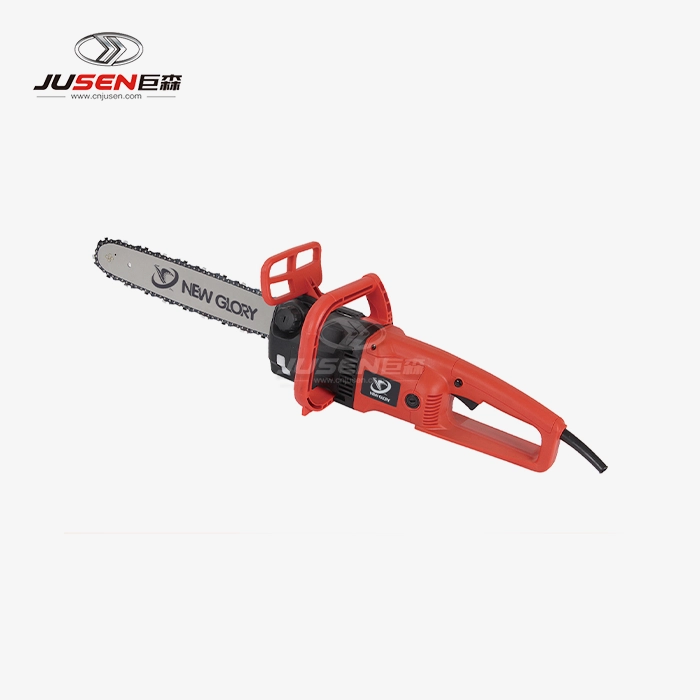 VIEW MOREBattery And Electric Chainsaw
 VIEW MORE4-Stroke mini rotary tiller cultivator
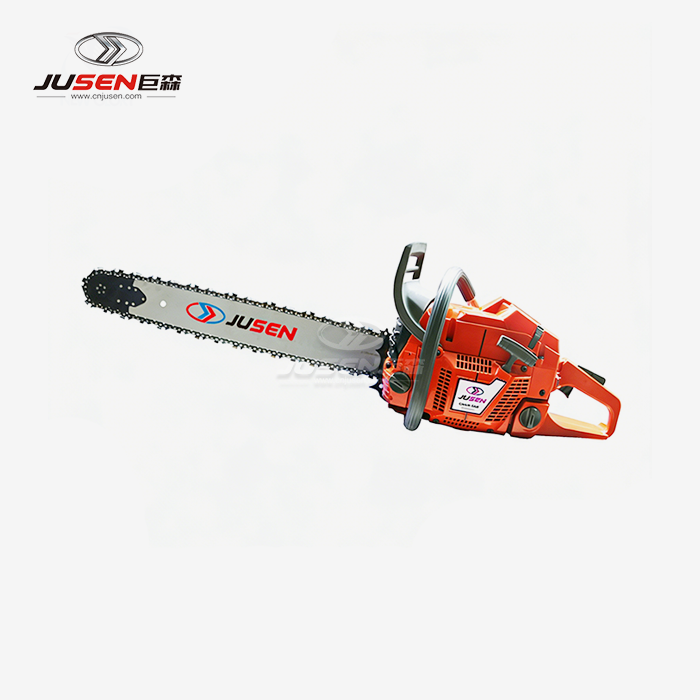 VIEW MORE62cc Gas Powered Chain Saw
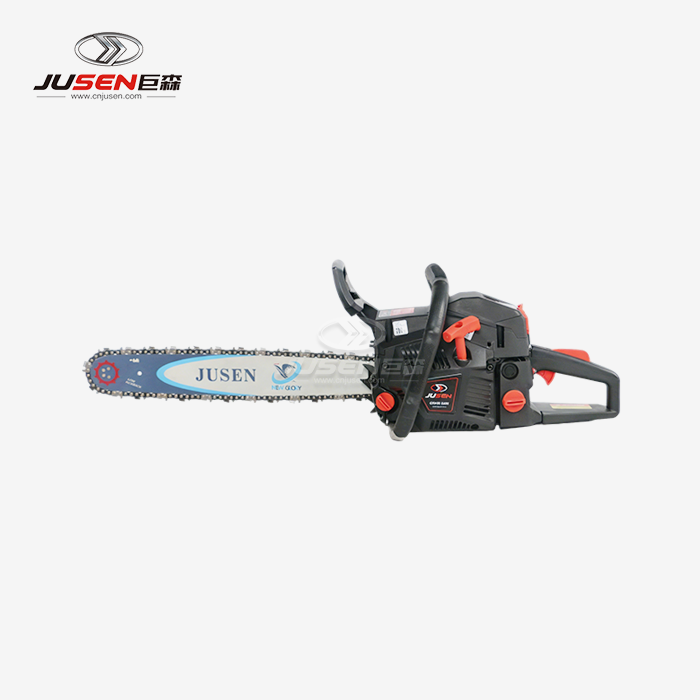 VIEW MORE58cc 2-Stroke Gas Chainsaw