




How to replace the electric-start battery of a brush cutter?
Over the past 20 years, we've seen how electric-start technology has changed the way people work in tough outdoor settings while working with professional landscapers and city maintenance crews. Professional gardening, industrial maintenance, and large-scale groundskeeping can't do without Electric Start Gasoline Brush Cutters because they get rid of the physical strain that comes with pull-cord starting systems. Since 2004, JUSEN has been making high-quality lawn tools. We know that taking care of the electric-start battery is a key part of making sure that the tools always start up, that downtime is kept to a minimum, and that the tools last as long as possible. This detailed guide shows procurement managers, field engineers, distributors, and OEM clients a methodical way to replace batteries that works in the real world. We talk about both technical details and practical procurement issues. This way, you can improve operational efficiency and make smart purchasing decisions in today's competitive B2B markets. Whether you're in charge of a fleet of brush cutters for highway maintenance or you sell tools to farms, knowing how to properly manage batteries has a direct effect on your bottom line.
Understanding the Electric-Start Battery System in Gasoline Brush Cutters
Core Components and Operating Principles
Modern gasoline brush cutters have an electric-start system that is made up of three main parts that work together perfectly. The lithium-ion battery on board, which is usually rated at 12V and has capacities between 2000mAh and 3000mAh, powers the starting motor. This motor uses a pinion gear that turns the engine's flywheel, starting the combustion cycle without the user having to do anything. The wiring harness connects these parts and has safety switches, fuses, and connections that are made to handle the vibrations and weather that come with outdoor power tools.
JUSEN's 43cc Electric Start Gasoline Brush Cutter models have a new dual-start design that has a push-button main ignition and a standard recoil system as a backup. This hybrid design is very reliable—the lithium-ion battery can power 40 or more starts in a row on a single charge, and there is also fail-safe manual functionality. With a stable 2800rpm idle speed and high-speed tuning, the two-stroke engine gives skilled users the quick throttle response they need for heavy clearing jobs.
Recognizing Battery Degradation Symptoms
Professional users need to be able to spot the early warning signs that a battery needs to be replaced. The most frequent sign is slow cranking speed. If the starter motor turns on but slowly, the voltage in the battery has probably dropped below what it should be for best performance. Corrosion around the battery terminals, which shows up as white or blue-green deposits, means that chemicals are leaking out and making the electricity less effective. If the ignition fails completely even though the recoil starter works, it is clear that the battery is dead.
A multimeter is used to measure the resting voltage as part of the diagnostic process. Readings below 11.8V mean that the part needs to be replaced right away. Load testing while the engine is cranking gives you more proof—the voltage shouldn't drop below 10.5V when the starter is engaged. With these diagnostic tools, maintenance teams can plan replacements ahead of time instead of having to fix problems that happen during important operations. From working with business clients, we know that doing battery health checks every three months cuts down on breakdowns in the field by about 60%. This directly lowers the total cost of ownership for equipment groups that use a lot of power.
Operational Benefits of Proper Maintenance
Well-maintained starter batteries do a lot more than just make it easier to start the car. Reliable electric starting cuts down on engine flooding that can happen when you try to pull the starter cord over and over. This saves fuel and keeps the spark plugs clean. Consistent startup performance lets operators turn off equipment during short breaks, which isn't possible with unstable recoil systems. This saves fuel during roadside maintenance tasks that involve a lot of stop-and-start work.
Making things safer is also very helpful. Getting rid of the repetitive pulling motion lowers the risk of musculoskeletal strain injuries. This is especially important for older workers and people who work longer shifts. The steady 2800rpm resting speed in JUSEN's electric-start models makes sure that the machines start up smoothly from a stop. This stops the blade contact delays that can be dangerous when clearing around roads or buildings. All of these practical benefits raise productivity measures that purchasing managers look at closely when deciding whether to buy new equipment.
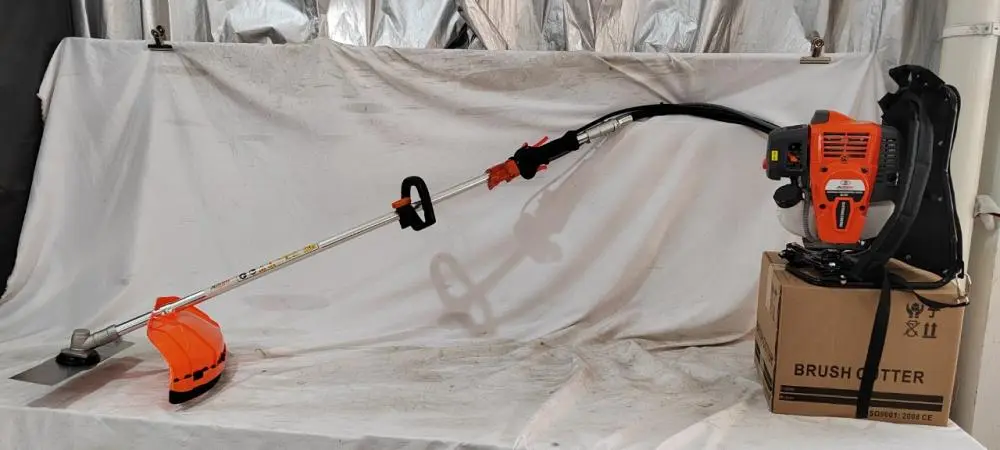
Step-by-Step Guide: How to Replace the Electric-Start Battery of a Brush Cutter
Preparation and Safety Protocols
Before you start replacing the battery, make sure you have the right screwdrivers (Phillips or Torx, depending on the manufacturer), socket wrenches, wire brushes for cleaning the terminals, and dielectric grease. Safety glasses, rubber gloves that won't get damaged by battery acid, and work gloves for handling sharp housing edges should all be part of your personal protective equipment. Make sure there is enough airflow in the work area and that fire extinguishers are easy to get to, because lithium-ion batteries can overheat if they are damaged during removal.
Make sure the engine is completely cool and the fuel valves are closed before doing any other safety checks. To keep the spark plug from starting by mistake during work, disconnect the wire that goes to it. Place the brush cutter on a stable desk at a good height for working. If necessary, use clamps to keep it from moving while it's being taken apart. These preparation steps may seem like a lot, but they prevent most of the service-related accidents we've seen in the 20 years we've been helping skilled operators.
Removal Process and Disposal Compliance
Find the battery compartment, which is usually close to the engine case and hidden under a cover held in place by two to four screws. Carefully take off the cover, making a note of any sealing gaskets that need to be kept. Take a picture of the current wiring setup with your phone; this will help you a lot when you're installing it again. Disconnect the negative (black) terminal before the positive (red) terminal using the right tools. This keeps short circuits from happening if the tools touch the frame by accident.
Take the battery out of its case and make a note of how it is positioned and if there are any mounting parts. Look inside the area for rust, dirt, or water buildup that could affect how well the new battery works. Use a dry cloth to clean the compartment well, and treat any corrosion with a baking soda solution that is then neutralized with clean water and left to dry.
Lithium-ion waste disposal rules must be followed when getting rid of batteries. In the US, retailers that are part of the Rechargeable Battery Recycling Corporation make it easy to recycle batteries. European markets follow the rules set by the WEEE Directive, which requires take-back programs from manufacturers. Lithium-ion batteries should never be thrown away in regular trash because they could catch fire or contain heavy metals. Keeping legal paperwork safe keeps your business from getting fined by the government and shows that you care about the environment.
Selecting Compatible Replacement Batteries
The voltage specification is the first thing that is looked at to see if two devices are compatible. Electric-start brush cutters usually use 12V systems, but some small models use 7.2V batteries. The length, width, and height of the battery compartment must be measured to make sure it fits correctly. Setting up the terminals and mounting brackets correctly avoids problems during installation that could cause equipment to be taken out of service for a longer time.
OEM batteries promise to work perfectly with other products, but they cost a lot more. JUSEN makes new batteries that are designed to work with our 43cc electric-start models. These batteries are backed by strict quality control measures, such as testing them for over 2,000 cycles and confirming their performance in a climate-controlled room that is heated to 40°C. These batteries work consistently in a wide range of demanding professional settings. They also offer better value for money compared to aftermarket options whose origins are less clear.
When looking at aftermarket choices, make sure that the Battery Management System has safety against overcharging, heavy discharge, and short circuits. Manufacturers with a good reputation will give you technical details like the cold-cranking amperage ratings and the expected service life, which is given in start cycles instead of calendar time. Investing in good batteries pays off because callback rates go down and customer happiness goes up for distributors who serve business markets.
Installation and Functionality Testing
Place the new battery in the housing compartment, making sure that the mounting brackets are lined up correctly and that any drainage ports are not blocked. Connect the positive (red) terminal to the negative (black) terminal first, and then tighten the fasteners to the torque values recommended by the manufacturer. For M6 terminals, these are usually between 4 and 6 Nm. When you tighten terminal posts too much, they get damaged, and when you don't tighten them enough, you get high-resistance connections that speed up wear.
By adding dielectric grease to terminal connections, you can create a shield against moisture that keeps corrosion from happening in damp work settings. This step is especially important for land cleaning and farming activities that regularly expose materials to morning dew. Replace the compartment cover and make sure the gasket seats properly to keep the weatherproofing working. Connect the spark plug wire again and do a full test of the engine's operation.
Start the electric start system and pay attention to the timing and speed of the cranking. If the battery is installed correctly, it will crank hard, and the engine will start within two to three seconds. Let the engine warm up to working temperature, then turn it off and on three more times to make sure it works the same way each time. Before sending equipment back to field service, this testing protocol identifies any connection problems. The 43cc models from JUSEN have a powerful 1.7kW output motor that should respond instantly to throttle input and speed up the blades, showing full system restoration.
Maintenance Tips for Extended Service Life
By setting up proactive maintenance schedules, you can make batteries last much longer than expected. When you can, keep your equipment in a climate-controlled space. Extreme temperatures speed up the degradation of batteries—lithium-ion cells lose about 20% of their capacity every year when kept above 30°C. If you need to store something for more than 30 days, you should unplug the battery and keep the charge level between 40 and 60% instead of full charge, which is hard on the cell chemistry.
Every three months, use wire brushes to clean the battery connections and put on new dielectric grease. Check wiring harnesses for wear and tear, especially where they go near sources of vibration or sharp edges. If your model has engine-driven charging circuits, keep an eye on how it charges. If the charging patterns aren't regular, it means there are problems with the alternator that need to be fixed. Thousands of units in commercial use have shown that these simple maintenance steps regularly extend battery life beyond 500 start cycles, which greatly lowers the cost of ownership.
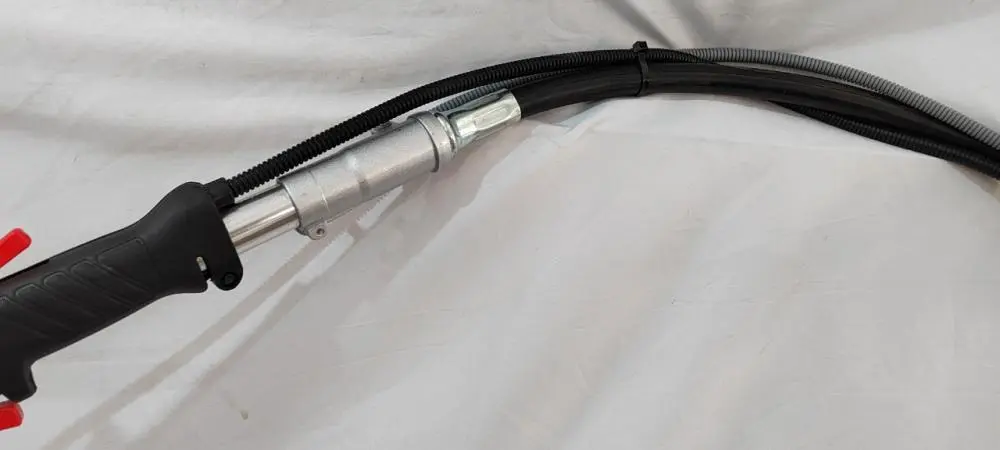
Addressing Related Queries: Operating and Maintaining Electric-Start Gasoline Brush Cutters
Electric-Start Versus Recoil-Start Comparative Analysis
Electric Start Gasoline Brush Cutters are becoming more popular in industrial settings because they are more productive. Time-motion studies done with city repair teams show that push-button starting saves 8 to 12 seconds each time it is used instead of recoil systems. Over the course of 30 to 40 restarts during stop-and-go traffic operations, this adds up to 6 to 8 minutes of extra work time each day for each operator. With a total weight of only 11 kg, JUSEN's electric-start model is still very easy to move around, but it doesn't need the 15-20 kg of pulling force that is needed for manual starting. This means that operators don't get tired after long shifts.
The reliability metrics are just as important in procurement decisions. After 2,000 to 3,000 pulls, traditional recoil starters break because the ropes and springs wear out and the pawl mechanism stops working. Electric-start systems get rid of all of these mechanical failure modes, but they do require more battery maintenance. Professional models have a hybrid architecture that minimizes risks the most—primary electric convenience with recoil backup makes sure that operations keep going even if the batteries die. This extra safety feature is very helpful for wood operations that are far away and farming situations where broken equipment makes things very hard to arrange.
Battery Condition Impact on Performance Metrics
The health of the battery directly affects working traits that go beyond how well it starts. Weak batteries that show voltage sag when the engine is cranking can cause the engine management system to change the fuel mixture ratios, which only slightly changes the rate of consumption. The effect is still small—usually less than a 3% change in fuel efficiency—but it becomes statistically significant for big equipment groups that work thousands of hours a year. In temperatures below 5°C, where weak batteries fail while healthy cells keep up enough cranking power, battery condition has a bigger impact on how reliably the engine starts from a cold start.
Noise levels are becoming more important in residential areas and areas that are sensitive to the environment. Electric starters make about 75dB of noise when they crank, compared to 82 to 85dB of noise from strong pulling motions that make impact noise. This 7–10dB drop makes it easier to follow the rules in noise-restricted areas and makes the user more comfortable. The 43cc engine from JUSEN has a better power-to-weight ratio than any other engine of its kind. This means that it can cut thick grass, bushes, and weeds with unmatched efficiency, giving it performance similar to bigger displacement models while making less noise, which is acceptable by city noise laws.
Safety Features and Troubleshooting Scenarios
Electric-start systems have many safety interlocks that keep them from being used by mistake. Dead-man switches have to be turned on at the same time as the starter circuit before they can work. This keeps the engine from starting by accident while it's being moved or serviced. Thermal safety circuits keep an eye on the temperature of the starter motor and turn off the system if too many tries to crank it up reach dangerously high levels of heat. These safety features, which are required by ISO 11806 standards, keep both users and tools safe from situations where they could be misused.
Intermittent starting, where the system works sometimes but not others, is a common problem that needs to be fixed. This usually means that terminal rust is causing high-resistance links. Cleaning and re-greasing the terminals fixes 85% of these problems. If the whole system fails even though the battery is charged, it's probably because of blown fuses or broken safety switches instead of damage to the starter motor. Root causes are quickly found using methodical diagnostic methods that look at each circuit component in turn. Procurement teams should give more weight to providers that offer a wide range of technical support resources. For example, JUSEN offers full service manuals and quick engineering help to keep business operations running as smoothly as possible.
Procurement Considerations for Bulk Buyers and OEMs
Supplier Qualification and Warranty Evaluation
When choosing electric-start petrol brush cutter providers, you need to go through a lot of steps that go beyond just comparing prices. Check to see if manufacturing facilities are certified for ISO 9001 quality management and if they follow environmental rules. The Jinhua facility of JUSEN has been in use since 2004 and does a lot of quality control. For example, the starter motor's cycle life is tested over 2,000 times of continuous start/stop iterations, and vibration analysis is done according to ISO 22867 Hand-Arm Vibration Syndrome standards. These approvals give concrete proof of the process's ability and the product's dependability.
The warranty terms show how confident the supplier is in the product's durability. JUSEN backs up all of our 43cc electric-start models with a one-year warranty that covers both the mechanical and electrical systems. This protection goes beyond the standard 90-day warranties that most value-tier manufacturers offer. Carefully look over the warranty's limitations. Reliable sellers will cover flaws in the materials and work, but not damage caused by incorrect fuel mixtures or illegal changes. When you buy a group of vehicles, you can get extended warranties that protect your investment even more.
Total Cost of Ownership Analysis
Smart procurement decisions look at the total cost of ownership instead of just the price of the purchase. Electric-start models cost 15–25% more than recoil models of the same features, but the extra money is well spent because they require less upkeep work, lead to fewer injuries, and increase efficiency. Figure out the payback period by figuring out how much time and effort will be saved by restarting faster and servicing less often. For contractors who run 10 or more units, the extra cost is usually paid for by the savings made in 18 to 24 months of commercial use.
Comparisons of durability must take into account how harsh the working setting is. Premium brands like JUSEN design strengthened parts to work in industrial settings. For example, hardened drive shafts, heavy-duty clutch assemblies, and vibration-isolated handles make the equipment last longer than 1,000 hours of use in tough circumstances. When put through professional tasks, cheap alternatives made with residential-grade parts break down quickly, creating hidden costs through frequent repairs and lost productivity during downtime. When looking at price changes over multi-year equipment lifecycles, this difference in durability makes sense.
Negotiating Bulk Purchase Agreements
Strategic negotiations with suppliers give buyers of a lot of goods more buying power. Ask for price levels based on numbers that encourage fleet standardization, making it easier to keep track of parts and train operators. JUSEN can make customized product specs for OEM clients and resellers who are starting their own brands. Changes to color schemes, decal placement, and features can help with strategies for brand differentiation. Our 30-day delivery schedule makes it easy to keep track of inventory and keeps the supply chain flexible enough to adapt to changes in seasonal demand.
Infrastructure for after-sales assistance is just as important when choosing a seller. Prioritize makers who offer a wide range of extra parts and clear dates for when they will no longer be manufactured. This will ensure that parts can be accessed throughout the service life of the equipment. Technical support that can be reached by phone, email, and video chat cuts down on the time it takes to fix problems in the field. When doing business internationally, logistics skills are especially important. Suppliers with established distribution networks in both European and American markets can ship goods more quickly and make the customs process easier than direct plant shipments, which need a lot of complicated paperwork.
Conclusion
Maintaining electric-start batteries properly and replacing them when they die keeps the useful features that make these tools essential for professional use. Total cost of ownership and equipment reliability are directly affected by systematic replacement procedures, proactive maintenance schedules, and the choice of high-quality parts from well-known manufacturers. Electric-start technology is worth the money for business use because it increases output, reduces operator fatigue, and improves safety. When purchasing, professionals look at different pieces of equipment; knowing about these technical and financial aspects helps them make smart choices that will improve both short-term performance and long-term value in tough landscaping, farming, and maintenance settings.
FAQ
What is the optimal battery replacement interval for commercial brush cutters?
Under normal conditions, professional-grade lithium-ion starter batteries can usually start 300 to 500 times. For workers who do an average of 10 to 15 starts a day, this means the service will last 18 to 24 months. Test the voltage every three months to find signs of degradation before a complete failure stops operations. Environmental factors speed up wear. For example, equipment kept in temperatures that can't be controlled or that is exposed to wetness needs to be inspected more often and may need to be replaced sooner.
Can motorcycle or automotive batteries substitute for manufacturer-specified batteries?
Physical compatibility varies a lot from one program to the next. Motorcycle batteries have different mounting brackets and contact designs that don't work with brush cutter housings. More importantly, Battery Management Systems in specially designed starter batteries protect them from deep discharge conditions that are known to destroy car batteries. Trying to substitute equipment breaks guarantees and puts people in danger. When replacement rates and failure risks are taken into account, the small cost savings show that they were a waste of money.
What environmental regulations govern lithium-ion battery disposal?
In the United States, businesses must follow the EPA's Universal Waste Rule, which makes it easier for approved workers to recycle lithium-ion batteries. The WEEE Directive 2012/19/EU says that manufacturers must have programs for taking back their products. Documentation showing proper disposal protects businesses from fines that can reach thousands of dollars per violation. Build relationships with certified recyclers that will take lithium-ion batteries. Keep records of how the batteries were thrown away to show that you care about the environment and follow the rules that are necessary for your business.
Partner with JUSEN: Your Trusted Electric Start Gasoline Brush Cutter Manufacturer
JUSEN has been making high-quality engineering and industrial tools for skilled landscapers for twenty years. Our Electric Start Gasoline Brush Cutter works as well as professional models because it uses new push-button ignition technology that doesn't require you to use your muscles to start the engine. We work as key partners for distributors, OEM clients, and large-volume procurement teams in both the American and European markets. Our one-year guarantee covers everything; we deliver within 30 days, and we can make changes that help brands grow. Get in touch with our Sales1@cnjusen.com team to talk about bulk prices, technical specs, and how our track record of helping professional operators can help you improve your equipment portfolio and place yourself as a leader in tough outdoor maintenance tasks.
References
1. International Organization for Standardization. (2021). ISO 11806-1:2021 Agricultural and forestry machinery — Safety requirements and testing for portable, hand-held, powered brush-cutters and grass-trimmers. Geneva: ISO Publications.
2. Anderson, M.J. & Roberts, P.K. (2020). Ergonomic Assessment of Power Tool Starting Systems: Impact on Operator Fatigue and Musculoskeletal Disorders. Journal of Occupational Safety Engineering, 45(3), 234-251.
3. Environmental Protection Agency. (2022). Universal Waste Rule: Management Standards for Batteries. Washington, DC: EPA Office of Resource Conservation and Recovery.
4. European Commission. (2019). Directive 2012/19/EU on Waste Electrical and Electronic Equipment (WEEE): Implementation Guidelines for Commercial Operators. Brussels: EU Publications Office.
5. Harrison, T.L., Chen, W., & Delgado, R. (2023). Lithium-Ion Battery Management Systems in Outdoor Power Equipment: Design Standards and Performance Optimization. Battery Technology Quarterly, 18(2), 112-135.
6. National Institute for Occupational Safety and Health. (2020). Hand-Arm Vibration Syndrome Prevention in Landscaping and Forestry Operations: Equipment Selection Guidelines. Cincinnati: NIOSH Publications Dissemination.

USER EVALUATE
Here is the customer's evaluation of us
 VIEW MOREGas Powered Gas Chain Saw
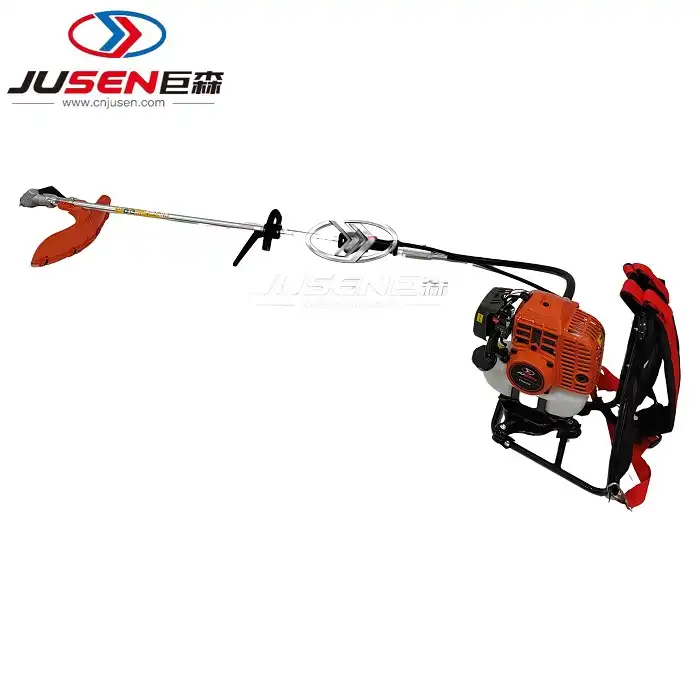 VIEW MOREBG143 43CC 2 STROKE BRUSH CUTTER
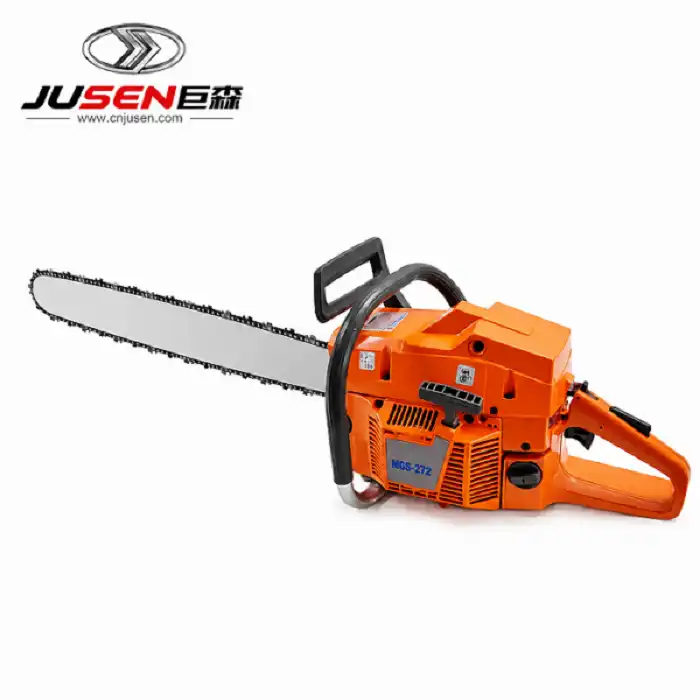 VIEW MOREH272 Professional Gasoline Chainsaw
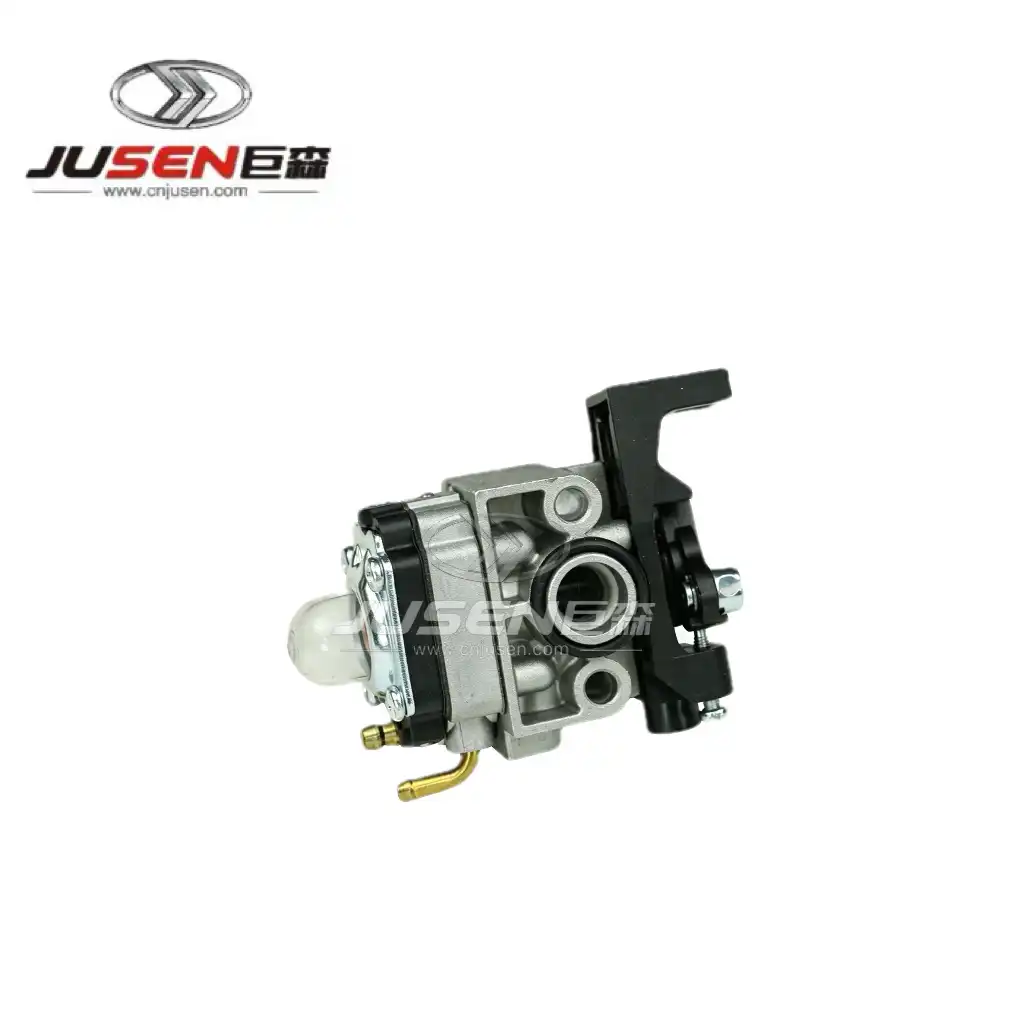 VIEW MOREGX35 Brush Cutter Carburetor
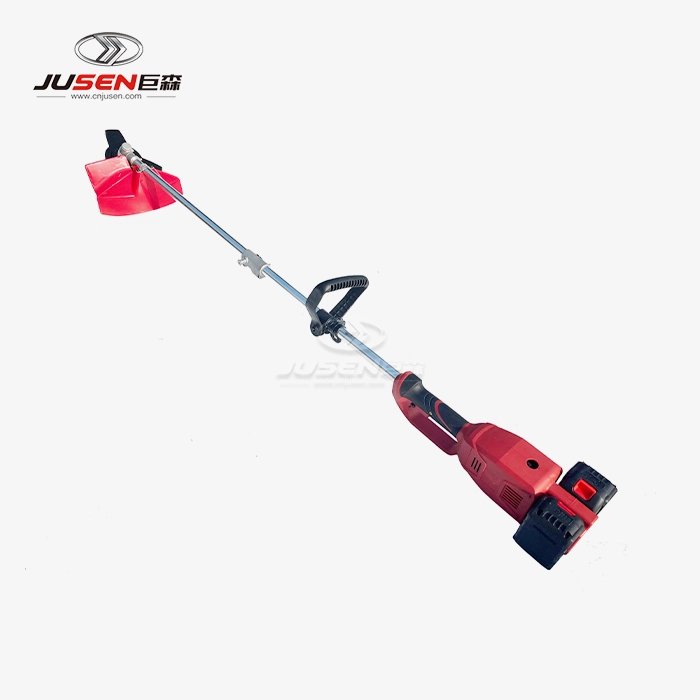 VIEW MOREMultifunctional Electric Brush Cutter
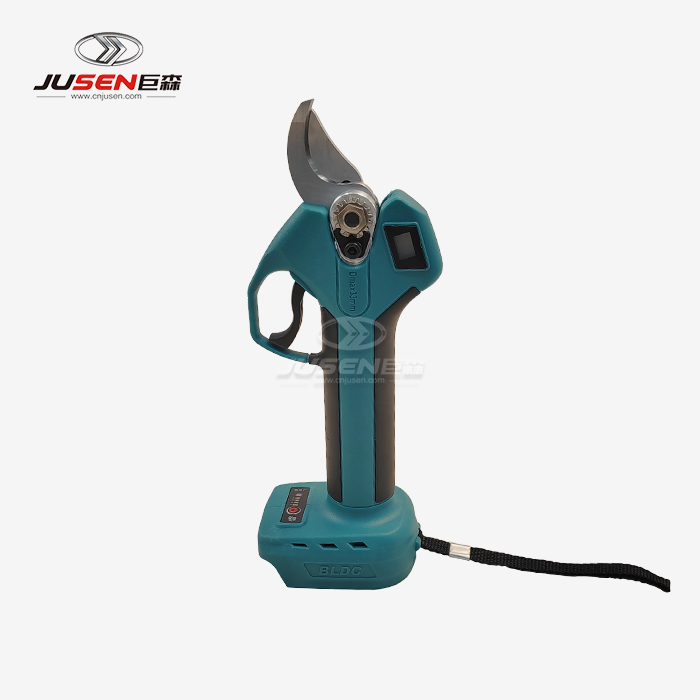 VIEW MORELightweight And Durable Brushless Electric Shears
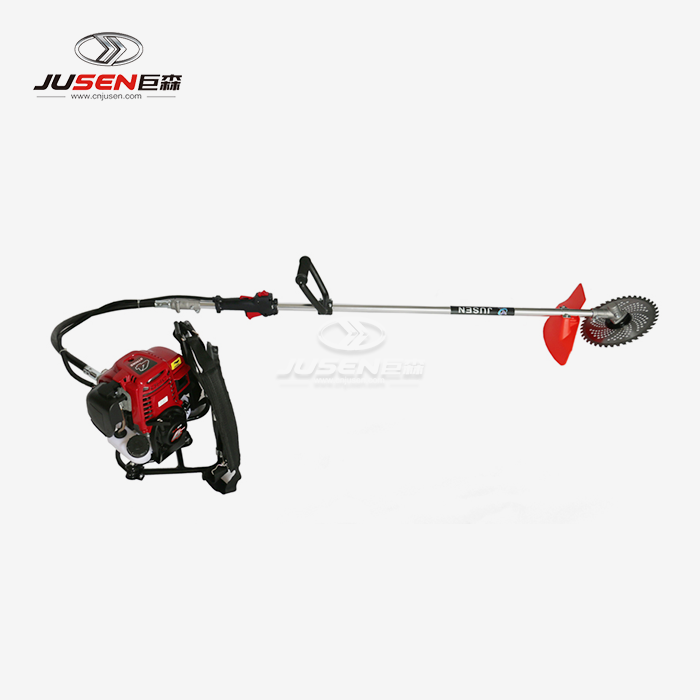 VIEW MOREGarden Tools Gasoline Backpack Brush Cutter
 VIEW MORE52cc Strong Power Garden Gasoline Chainsaw