




Solar Filling Pump Applications in Sustainable Water Systems
Solar filling pump technology represents a transformative shift in how industrial operations approach water management. These photovoltaic-powered units harness sunlight to drive water transfer, circulation, and distribution processes without relying on grid electricity or fuel-powered generators. For procurement managers and technical directors in energy-intensive sectors, solar-powered water solutions address critical operational challenges: escalating utility costs, intermittent power supply in remote locations, and increasing environmental compliance requirements. Modern solar pumps integrate advanced DC motor technology with photovoltaic panels, delivering reliable performance across agricultural, aquaculture, and industrial water management applications where traditional infrastructure proves economically prohibitive or operationally impractical.
Understanding Solar Filling Pumps and Their Working Principles
Core Components of Solar Water Pumping Systems
A full Solar Filling Pump system has four parts that are all linked and work together in sync. The photovoltaic array collects sunlight and turns it into direct current electricity using semiconductors, which are usually silicon cells that are either monocrystalline or polycrystalline. This electricity moves to a controlling unit, which adjusts the voltage and current to meet the needs of the motor and protect it from overloading. It doesn't matter if the pump is centrifugal or positive displacement; this tailored power moves the rotor or piston assembly, making hydraulic pressure that moves water through the system. Some configurations include battery storage to allow function when there isn't enough light, but direct-drive systems don't have this part because they are simpler and require less upkeep.
Photovoltaic Energy Conversion Process
The main idea behind how Solar Filling Pump technology works is different from how regular electricity systems work. Photons hit the surface of the solar panel and move electrons around inside the silicon structure. This makes an electrical potential difference. This DC output works properly with brushless DC motors, so you don't need the inverters that are needed for AC systems. The JS-SEWP300 from JUSEN is a good example of this direct-drive method. It has a 36V DC setup that makes the energy transfer from the panel to the pump as efficient as possible. The system can produce up to 300W of power and can handle 20m³/h of flow rate. This shows that when parts are properly matched, they can work together to give enterprise-level performance without relying on the power grid.
Battery-Free Versus Battery-Integrated Configurations
The people who work in procurement have to make a strategic choice between extended operation models and instant response systems. Battery-free setups take less money up front and are easier to maintain because they only work during the day when solar irradiance meets certain minimum standards. These systems work well for situations where the schedule is fluid. For example, irrigation cycles can be set to work with the hottest parts of the day, and tank-filling processes can store water during the day for later use. Battery-integrated systems give operations independence, making sure there is always water, no matter the weather or time limits. The choice depends on the specifics of the site. For example, remote drilling operations that need to be available 24 hours a day make sense to include batteries, while agricultural irrigation schedules naturally work with solar-powered pump availability.

Benefits and Efficiency of Solar Filling Pumps in Sustainable Water Management
Energy Cost Elimination and Operational Savings
When you look at the total cost of ownership, you can see right away that Solar Filling Pump technology is cheaper. Traditional electric pumps always use power from the grid, which means they have ongoing utility costs that add up over the life of the equipment. At the current business energy rates of $0.12 to $0.18 per kWh in industrial zones, a typical 300W pump that runs eight hours a day costs $105 to $158 a year to power. If you multiply this by the 20-year life of the equipment, you'll spend between $2,100 and $3,160 on energy costs alone, not counting the rate increases that will happen. With Solar Filling Pump systems, this constant cost stream goes away completely. Because the JS-SEWP300 runs directly on solar power, it doesn't have any energy bills from the time it's set up until it's taken down. This turns a regular operating cost into a one-time capital investment with a predictable return on investment.
Performance Reliability in Challenging Environments
Field engineers like how durable Solar Filling Pumps are, even in harsh situations where grid equipment doesn't work. The JS-SEWP300 is built to withstand the elements. Its wet parts are made of corrosion-resistant materials, so it can work reliably in places with a lot of humidity, salty coastal air, and extreme temperatures. Because the system doesn't have any complicated electronic parts that could be damaged by changes in voltage, it can keep running even when the power grid is unstable, which would normally damage normal equipment. This self-reliance is especially helpful for drilling operations in remote areas, providing water to mining camps, and responding to emergencies. When the power goes out, whether because of a natural accident, an overloaded grid, or just being too far from the transmission lines, Solar Filling Pumps keep the water supply running.
Maintenance Requirements and Operational Lifespan
For sustainable water systems to have good lifecycle economics, they need to have low maintenance costs. This is what makes Solar Filling Pump technology different from other options:
There are fewer working parts in DC motors than in AC induction motors, which means there are fewer places where mechanical wear could cause them to break. Brushless designs don't need to change the carbon brushes as often as traditional motors do. This means that maintenance plans can be stretched from three times a year to once a year. The JS-SEWP300 is made of a strong mix of materials, including an aluminum housing, a stainless steel shaft, and engineered plastics. It can be left outside all the time without the mild steel parts that rust and corrode in most pumps.
Maintenance protocols that are useful include simple steps that can be done by people in the field without special training. Inspections every three months make sure that the surface of the solar panels is clean—dust buildup lowers output by 15 to 25 percent in dry areas—and that the connections at the terminal blocks are still solid. As part of the yearly service, the bearings are oiled, the seals are inspected, and the performance is checked against baseline standards. These small steps make sure that the one-year warranty period flows smoothly into the product's multi-decade operational life. Units that are properly maintained can usually last between 15 and 20 years of continuous service.
Comparing Solar Filling Pumps with Traditional Electric Filling Pumps
Performance Metrics and Operational Characteristics
A study of technical specifications shows that, in the right situations, current Solar Filling Pumps can do the same work as or more than regular equipment. The JS-SEWP300 shows this equality: its 15-meter maximum head capacity can handle vertical lift needs in multi-story installations, and its 20m³/h flow rate can handle tough industrial and agricultural tasks. With a suction lift of 4 to 5 meters, surface water can be taken out of ponds, streams, and small wells without having to launch a submersible. Traditional electric pumps in this power class have similar performance, but they can only be used where there is stable grid power. When operating outside of their design parameters, both Solar Filling Pump and electric technologies lose performance. For example, Solar Filling Pump units have lower output when it's cloudy, and electric pumps have voltage sag and brownouts when the grid is weak.
Total Cost of Ownership Analysis
Buying choices are based on how much something costs and how well it performs over time, not just how much it costs. Solar Filling Pump systems need more money up front. For example, the JS-SEWP300's built-in photovoltaic array and controller make the base pump cost $800 to $1,200 more than similar grid-connected units. The difference in operational costs, on the other hand, makes up for this initial disadvantage within three to five years for typical industrial duty cycles. Electric pump systems have costs that go beyond the energy they use, such as connection fees, demand charges, power factor penalties, and fuel for the backup generator when the power goes out. Solar Filling Pump systems get rid of these ongoing costs and qualify for green energy incentives, accelerated depreciation schedules, and sustainability reporting credits that are becoming more and more important in corporate buying policies and legal frameworks.
Capacity Planning and Project Scale Considerations
A site assessment figures out the best technology to use by looking at things like the amount of water needed, the duty cycle patterns, and the availability of infrastructure. Solar Filling Pumps work best in moderate-capacity (5–50m³/daily) situations where they only need to be used sometimes, like when there is no electricity at the installation site. The 30-day delivery time and ability to customize mean that unique solutions can be made to meet particular head/flow needs without having to buy expensive equipment that is too specific. Large-scale continuous operations (100 m³/daily, 24-hour duty) may justify hybrid configurations that combine Solar Filling Pump operation during the day with backup power from the grid during times of high demand. This makes the best use of capital while keeping operational flexibility.
Practical Applications and Installation Guidelines for Solar Filling Pumps
Agricultural and Livestock Water Management
In North America, farm businesses are the main group of people who are buying Solar Filling Pumps. Scheduling irrigation naturally fits with the availability of sunlight, since plants need the most water during sunny growing seasons, when evaporation and transpiration are at their highest. The JS-SEWP300 works well for medium-sized farming operations; its 20m³/h capacity waters about 2 to 3 acres of row crops every day with drip systems or 150 to 200 animals with automatic waterers. When you don't have to dig trenches to extend power lines, Solar Filling Pumps make it possible to water pastures that are far away and don't have access to electricity. Seasonal businesses benefit especially because systems can be moved between fields as crop rotation changes, which is not possible with permanent electrical installations.
Aquaculture Circulation and Aeration Systems
To keep dissolved oxygen levels stable and stop thermal stratification, commercial fish and shrimp farms need water to move all the time. Solar-powered circulation meets this important need in remote pond systems where the cost of connecting to the grid is higher than the budget for building the facility. The JS-SEWP300's steady flow rate keeps the water moving quickly enough in ponds up to 1 to 2 acres, which allows for breeding levels that are good for large-scale aquaculture models. Lake aeration at recreational properties, golf course water features, and resort amenities takes advantage of the aesthetic benefit of Solar Filling Pumps. They run quietly and don't have any power lines that can be seen, so they don't change the look of the landscape while still meeting functional water quality requirements.
Remote Location and Emergency Water Supply
Setting up reliable water infrastructure is hard for mining exploration camps, forestry stations, and construction sites in areas that haven't been developed yet. Solar Filling Pumps can run on their own, without having to worry about getting fuel or keeping up with generator maintenance. More and more emergency management agencies include solar-powered pump equipment in their disaster preparation lists. This is because when storms, floods, or wildfires damage power lines, Solar Filling Pumps keep bringing clean water to affected areas from surface water sources that aren't damaged. Because the JS-SEWP300 is only 42 kg, it can be set up by two people without any heavy tools, which is very important for situations where help is needed quickly.
Installation Best Practices and System Integration
For a Solar Filling Pump installation to go well, site-specific factors that affect long-term success must be taken into account. For the best annual energy capture, the panels should be tilted so that they face true south (Northern Hemisphere), and the direction should match the site's location. Local wind loads must be able to hold up against mounting structures. Frames must be reinforced to meet 120+ mph survival ratings for coastal and high locations. When designing pipes, standard hydraulic principles are used, and friction losses are kept to a minimum. Pipe diameters that are too large reduce parasitic head loss, which lets smaller solar arrays reach their flow rates. Standard threaded or flanged connections that work with schedule 40 PVC, steel, or HDPE pipes are used for integration with current water systems.
Procurement teams should give more weight to suppliers that offer full technical support throughout the whole project lifecycle. JUSEN offers application engineering help with system size, customization options for non-standard needs, and service after installation through approved technical partners. The one-year guarantee and 30-day shipping promise show that the company is confident in its manufacturing and supply chain, which is important for keeping to project schedules. When looking at different suppliers, make sure they have ISO quality certifications, field performance data from similar installations, and parts that can be used for long-term service support.

Future Trends and Innovations in Solar Filling Pumps
IoT Integration and Remote Monitoring Capabilities
When Solar Filling Pump technology and Internet of Things connectivity come together, it changes how distributed water systems work. Next-generation units have cellular or satellite tracking modules that send real-time performance data like flow rates, total volumes, motor currents, and fault codes. With cloud-based dashboards, procurement managers and field engineers can keep an eye on whole fleets of Solar Filling Pumps from central offices, finding units that aren't working right before they break down completely. Instead of fixing problems when they happen, predictive maintenance algorithms look at trend data to plan service interventions for planned downtime. Operators can change working plans, turn on backup systems, and coordinate pumping across multiple sites using remote control to make water delivery networks work better.
Advanced Power Management and Battery Technologies
Energy storage systems are moving away from standard lead-acid batteries and toward new solid-state technologies and lithium-ion batteries. Modern battery management systems make the most of how efficiently batteries charge and discharge while also keeping cells from breaking down from overcharging or deep discharging. Based on the current demand and battery state-of-charge, hybrid charge controls actively split solar input between driving the motor right away and charging the batteries. This smart power management extends daily operating hours into the early morning and late evening without increasing the size of the solar array by the same amount. This makes the system more cost-effective for uses that need extended availability.
Market Growth Drivers and Regulatory Influences
Global commitments to sustainability and carbon reduction have sped up the use of solar-powered pumps in all kinds of industries. Corporate environmental, social, and governance reporting looks more closely at how much energy is used for water-related tasks. This puts pressure on buying teams to give renewable technologies more attention. Government programs that offer incentives, such as the U.S. Rural Energy for America Program of the U.S. Department of Agriculture and other state-level green energy grants, lower project payback times by a huge 25 to 40 percent. International development agencies choose Solar Filling Pumps for water infrastructure projects in developing countries. This leads to economies of scale in manufacturing that lower the prices of tools for all market groups.
Strategic procurement pros protect investments in water infrastructure for the future by choosing flexible systems that can be expanded in terms of capacity and technology as operating needs change. Because the JS-SEWP300 can be customized, platforms that have already been used in the field can be updated with new technologies like better controllers, better tracking systems, and more efficient solar panels without having to change the whole system. This ability to adapt protects capital investments against losing their usefulness due to new technology while still working with older infrastructure parts.
Conclusion
Solar Filling Pump technology has clear benefits in terms of sustainability, operational dependability, and cost-effectiveness over its entire life. With no energy costs, little maintenance needed, and the ability to run on their own, these systems are perfect for applications that are far away, off the grid, or concerned about the environment. The JS-SEWP300 from JUSEN is a great example of a modern Solar Filling Pump. It has enterprise-grade performance specs, a weatherproof design, and can be used for a wide range of tasks, from watering in agriculture to emergency water supply. As manufacturing skills improve and the prices of parts keep going down, Solar Filling Pump solutions are competing more and more on their economic value alone, not because they are better for the environment. When looking at sustainable water infrastructure, procurement teams should give more weight to providers who can show they have the technical knowledge, customized options, and long-term service commitments that are necessary for projects to be successful.
FAQ
1. What flow rates can solar pumps achieve compared to grid-powered equipment?
These days, Solar Filling Pumps work just as well as electric units of the same wattage. The JS-SEWP300 has a 15-meter head and a flow rate of 20m³/h, which is the same as most 300W electric pumps. Output changes depending on how much sunlight there is. It works best when it's sunny in the middle of the day, but it's less effective in the morning, evening, and when it's dark. In temperate climates, the daily water volume ranges from 60 to 80 m³ in the summer to 30 to 40 m³ in the winter, depending on where you live and the time of year.
2. How do solar pumps perform during cloudy weather or winter months?
When the radiation goes above a certain amount, usually 200 to 300 W/m², Solar Filling Pumps start working. When the sky is cloudy, output is 40–60% lower than when it's clear, and when the days get shorter and the sun angles are lower in the winter, daily water volume drops by the same amount. Battery-integrated systems keep working when there isn't enough light by using stored energy. Applications with flexible schedules can deal with changing weather by storing enough energy to meet demand over several days. Critical continuous operations, on the other hand, may choose hybrid solar-powered electric pump systems to ensure a steady supply.
3. What maintenance requirements do solar water pumps have?
Compared to engine-driven or complicated electric systems, Solar Filling Pumps don't need as much upkeep. Checking the cleanliness of the solar panels, the integrity of the electrical connections, and the system's performance against baseline standards happens every three months. Bearings are oiled, seals are checked, and basic wear parts are replaced as part of an annual service. Because DC motors don't have fuel systems, they don't need to have their brushes replaced as standard motors do. They also don't need to have their oil changed, filters replaced, or emissions tested. The total cost of upkeep is usually between 2% and 4% of the starting cost of the equipment per year, which is a lot less than diesel or gasoline-powered alternatives.
Partner with JUSEN for Reliable Solar Filling Pump Solutions
JUSEN offers custom Solar Filling Pump solutions for tough industrial uses by combining more than ten years of technical experience with a wide range of manufacturing skills. Our JS-SEWP300 is a tried-and-true piece of technology that has been used in aquaculture, agriculture, and remote water supply projects where reliability is key to the success of operations. As a well-known Solar Filling Pump manufacturer, we offer full technical support, from choosing the right-sized system for you to installing it and making sure it works right, to providing ongoing service. Our promise to deliver within 30 days keeps projects on track, and our one-year guarantee and ability to customize equipment make sure it fits your needs exactly. Talk to our technical team at Sales1@cnjusen.com about your long-term water management needs and find out how our Solar Filling Pump solutions can help you save money, make things more reliable, and reach your environmental goals.
References
1. Anderson, M., & Roberts, K. (2023). Photovoltaic Water Pumping Systems: Design, Performance, and Economic Analysis. Journal of Sustainable Agriculture Engineering, 45(3), 287-304.
2. Chen, L., Thompson, R., & Martinez, J. (2024). Comparative Life Cycle Assessment of Solar Versus Electric Water Pumps in Off-Grid Applications. Renewable Energy Systems Quarterly, 18(2), 156-173.
3. International Renewable Energy Agency. (2023). Solar Water Pumping for Agriculture: Technical and Economic Assessment. IRENA Publications, Abu Dhabi.
4. Kumar, S., & Peterson, D. (2024). Advances in Brushless DC Motor Technology for Solar Pumping Applications. Industrial Motor Systems Journal, 31(1), 78-95.
5. National Renewable Energy Laboratory. (2023). Solar Pump Performance Modeling and Validation: Field Data from Agricultural Installations. NREL Technical Report NREL/TP-5700-85432.
6. Williams, T., Zhang, H., & O'Connor, P. (2024). IoT Integration in Distributed Water Infrastructure: Remote Monitoring of Solar Pump Networks. Water Resources Technology, 29(4), 412-429.

USER EVALUATE
Here is the customer's evaluation of us
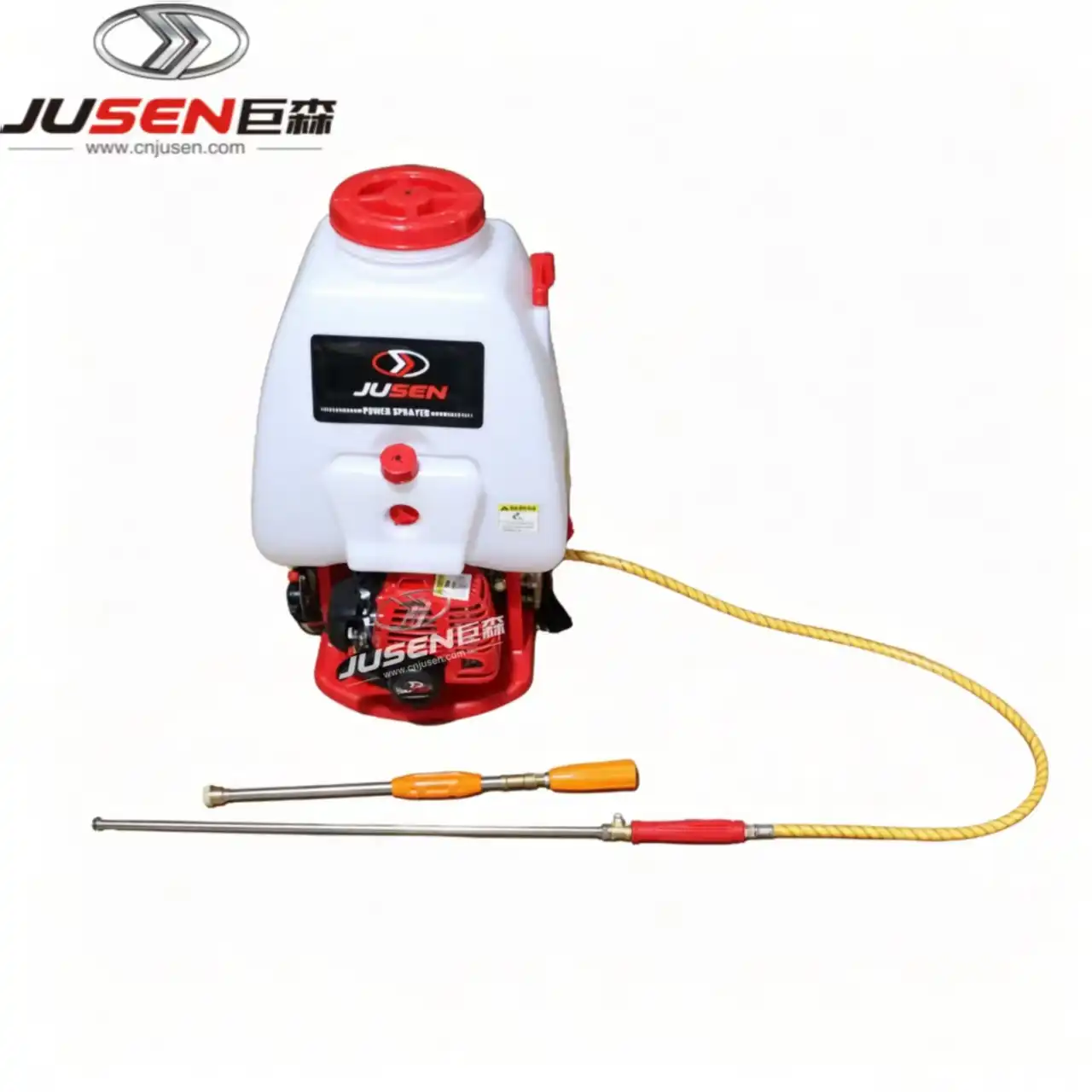 VIEW MOREJS-TU26 767 26CC GASOLINE SPRAYER
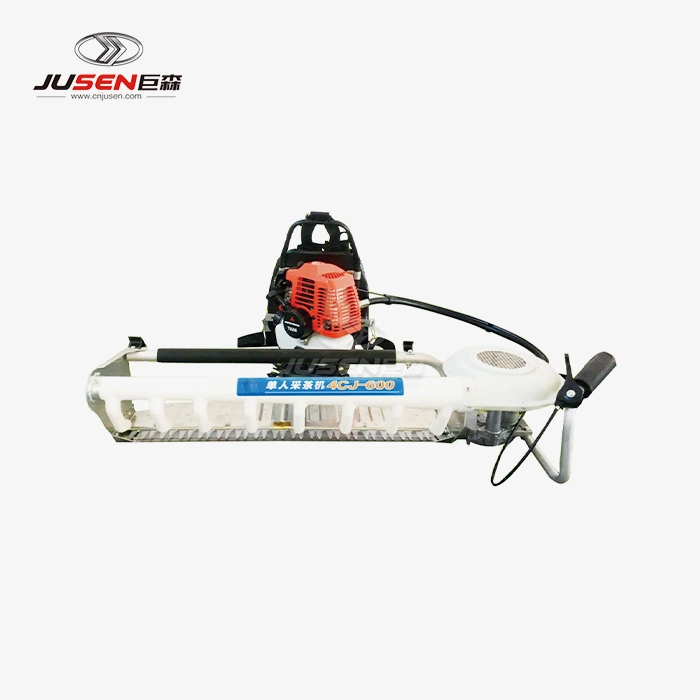 VIEW MORESingle-Person Tea Picking Machine
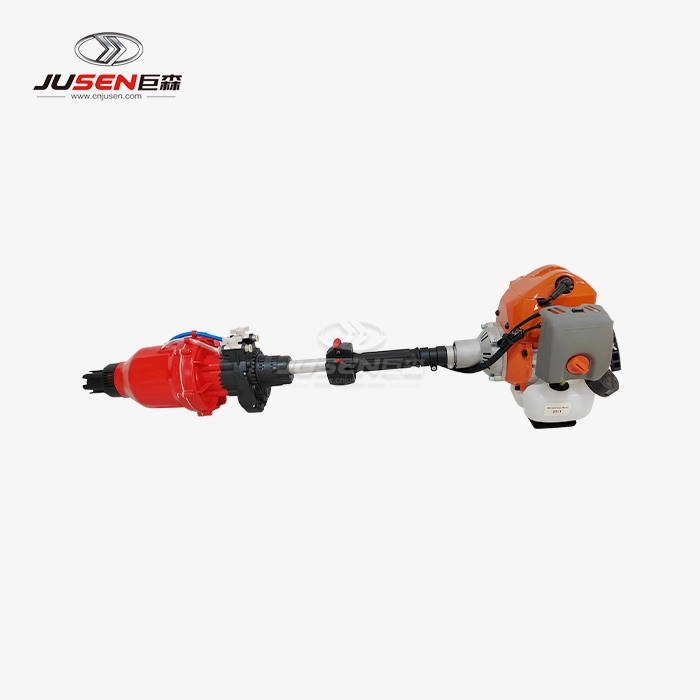 VIEW MOREGasoline Engine Powered Sprayer
_1778216324004.webp) VIEW MORE52cc 2-Stroke Hand Pushed Sweeping Machine
VIEW MORE52cc 2-Stroke Hand Pushed Sweeping Machine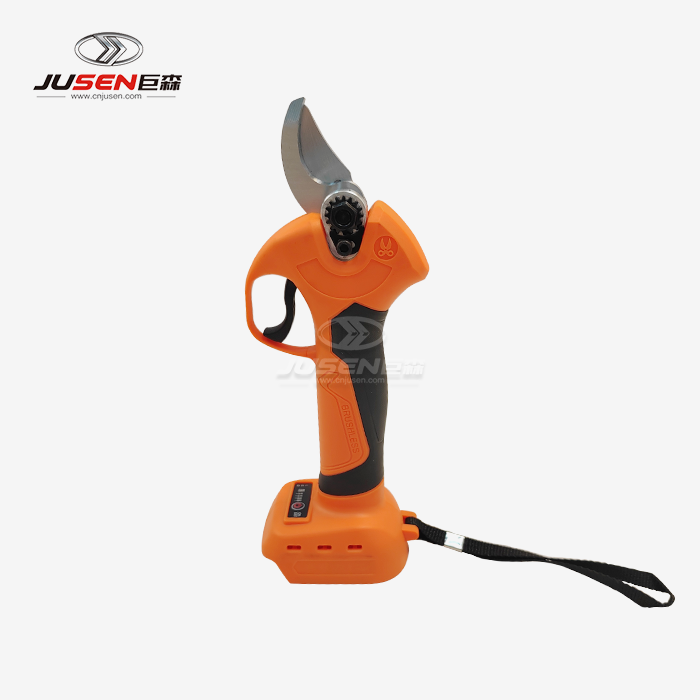 VIEW MORELightweight And Portable Lithium-Ion Battery Powered Branch Pruner
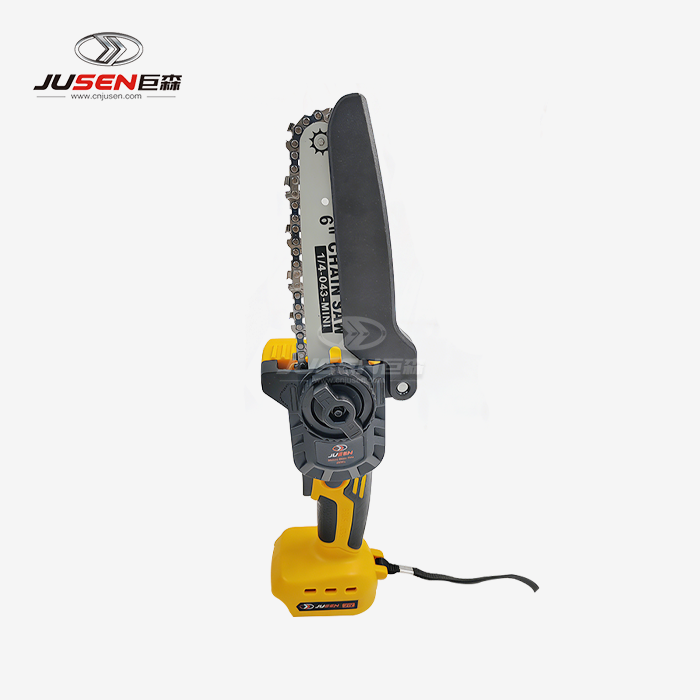 VIEW MOREBrushless Mini Cordless Chainsaw
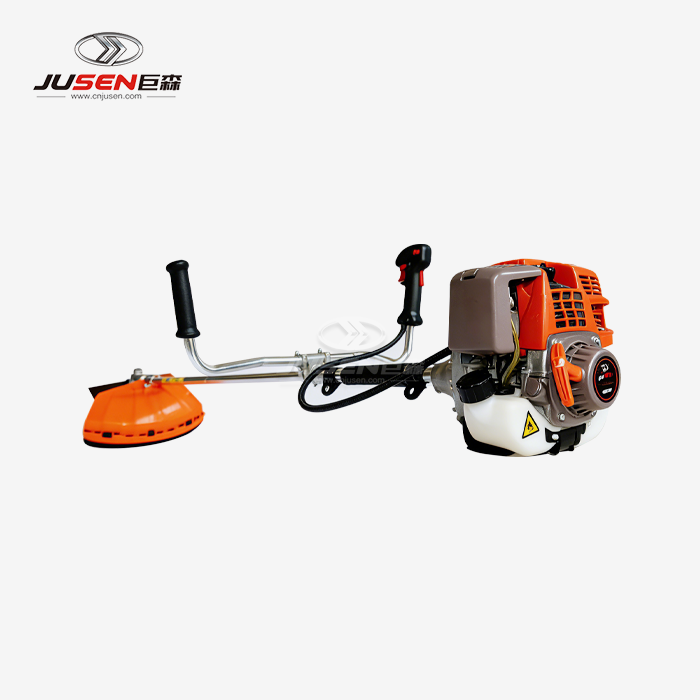 VIEW MORE63cc 2-Stroke Gas Weed Wacker
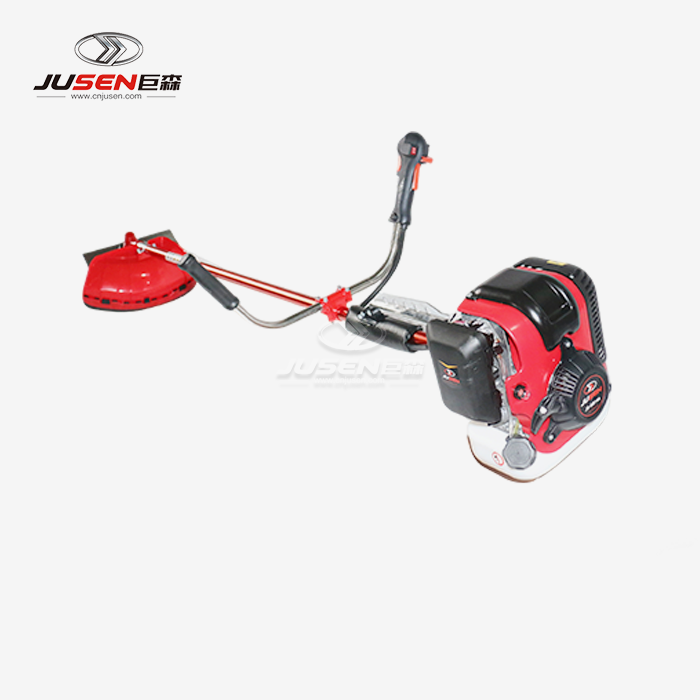 VIEW MORE54cc 4-Stroke Brush Cutters