




Electric Start Gasoline Brush Cutter OEM and Supplier Guide
Choose the electric start gasoline brush cutter provider that can deliver innovation, dependability, and procurement efficiency. This complete guide provides B2B purchasers, whether professional landscape contractors or new garden tool distributors, with practical knowledge of requirements, OEM relationships, quality standards, and maintenance procedures. With more than 20 years of expertise in the business, we’ve developed a package to assist you in working through supplier relationships, to optimise supply chains, and to obtain equipment that offers lasting performance for demanding commercial applications and varying terrain conditions.
Understanding Electric Start Gasoline Brush Cutters
The contemporary push-button ignition mechanism is a giant leap for professional landscaping equipment. Hybrid tools use a combination of a petrol engine and a lithium-ion battery (usually 12V). Traditional recoil start devices require physical strength and lead to operator fatigue during high-frequency stop-start operations. This design solves what we call “starter fatigue syndrome,” a common problem for forestry crews and municipal maintenance personnel who restart equipment dozens of times a day.
How Electric Start Systems Work
At the heart of the system are three integrated components: a small starting motor, an onboard battery management system, and the classic combustion engine. When you click the ignition button, the battery supplies electricity to a starter motor, which rotates the engine flywheel. The carburettor supplies the right combination of fuel and air to the cylinder at the same time that the ignition system provides the spark needed to ignite the mixture. This is dependable because of the backup recoil starter. Most professional-grade devices have the pull cord as a failsafe for when the battery charge runs down during lengthy field operations.
The battery is not simply sitting there. Some of the more complex types incorporate a magneto-charging circuit, where the engine's flywheel creates energy while the engine is running, to help charge the starting battery. This idea is self-sustaining like an automobile alternator system, but easier to implement. We have run in frigid morning situations where manual start is practically impossible, and the electric ignition always ignites in less than two seconds, even when the temperature is near freezing.
Pull Start Versus Major Benefits
Operators see immediate productivity advantages. This translates to a 15-20% time saving for commercial roadside maintenance teams while clearing highway verges, directly due to the elimination of manual starting engagement between work zones. The physical advantage cannot be overemphasised. Elderly property managers and operators with limited shoulder movement may now have the full power of petrol engines without the compression resistance barrier that is part and parcel of 40cc+ displacement units.
Confined forestry conditions, where physical space limits arm mobility, are a huge benefit from a safety standpoint. Rather than fighting the pull-cord mechanism while trying to keep their footing on an incline, the personnel retain their footing steady and fire the engine safely. There is also a little fuel efficiency gain since operators would turn their engines off at short stops rather than idling them continually to avoid the trouble of a restart.

Comparing Electric Start vs. Manual Start Gasoline Brush Cutters
Understanding these variances in performance allows procurement teams to match equipment choices to the realities of operation. We've taken the main comparison points from field data from landscaping companies working on properties of 50+ acres and forestry crews removing extensive underbrush.
Reliability of Startups in Environmental Conditions
What differentiates the good systems from the average systems is the ability to function in cold conditions. Below 5°C, the engine oil becomes too thick, and the engine is very difficult to start manually, often requiring 10 to 15 pulls to start. Electric start methods fix this with consistent cranking torque. The starting motor always runs at the same pace, regardless of how strong or tired the user is. Our first-attempt start dependability rates are consistently over 95% in wet, cold circumstances, while manual systems fall below 60% success rates.
Reliability calculations also consider humidity and altitude. Manual starting characteristics are affected by carburettor changes required for forestry operations at high altitudes (above 1,500 meters). A push-button ignition keeps performance consistent. The starting motor will provide consistent cranking power to compensate for thinner air and less compression.
Operator Fatigue and Productivity Metrics
Municipal park maintenance teams using electric-start gasoline brush cutters report a 30% reduction in upper body strain complaints during peak season operations. When crews restart equipment 40-60 times per shift, the cumulative physical toll of pull-starting becomes measurable. One landscaping contractor we work with tracked worker compensation claims and found shoulder injury incidents decreased significantly after transitioning their 12-person crew to electric start equipment.
Productivity gains extend beyond physical comfort. Operators maintain focus on cutting patterns and terrain navigation rather than positioning themselves for effective pull-cord technique. This seemingly minor advantage translates to cleaner cutting results and reduced rework on commercial landscaping projects.
Power Output and Portability Balance
Both systems use the same engine platforms. So the raw cutting power is the same. The 43cc two-stroke engine produces 1.7kW via an electric start or pull start. The difference is the operating weight. The electric start devices are often 0.8 to 1.2 kg heavier owing to the battery and starter motor. The ergonomic benefits are worth the trade-off for professional operators. Budget-conscious homeowners with smaller houses may prefer lighter, manual-start options.
“Top brands are strong because of specialised engineering. Stihl is focusing on vibration-dampening devices to preserve operator comfort and electrical parts. Husqvarna emphasises extended battery life with innovative BMS technology. Smaller OEM suppliers such as JUSEN compete on customisation capabilities and fast delivery times, providing private-label manufacturing for distributors looking to build regional brand presence.
Buying Guide: Selecting the Right Electric Start Gasoline Brush Cutter
Procurement managers face complex decisions balancing immediate cost considerations against long-term operational efficiency. This framework structures your evaluation process around specifications of Electric Start Gasoline Brush Cutter that directly impact the total cost of ownership.
Critical Specifications and Performance Parameters
Engine displacement determines cutting capability for specific vegetation types. A 43cc engine handles everything from thick grass to woody stems up to 2cm diameter. Contractors clearing dense roadside undergrowth need this power level—smaller 35cc models struggle with sustained heavy-duty operation, while larger 52cc options add unnecessary weight for standard maintenance tasks.
Power-to-weight ratio matters tremendously for all-day operation. We position our 43cc model at 11kg total weight, delivering 1.7kW output. This translates to comfortable extended use without the fatigue penalties of heavier equipment. Compare this metric across supplier offerings—some competitors reach 13kg for similar displacement, which accumulates significant operator strain over eight-hour shifts.
Idle speed stability directly affects fuel consumption and cutting readiness. Quality two-stroke engines maintain 2800rpm idle with instant throttle response. When you engage the trigger, blade speed reaches operational levels within 0.5 seconds. Inferior models exhibit lag that frustrates operators and wastes time during repetitive cutting tasks.
Warranty Terms and After-Sales Support Structure
Standard one-year warranties cover manufacturer defects, but scrutinize coverage specifics. Does the warranty extend to the electric start system's battery and starter motor, or only the combustion engine? We've seen suppliers exclude electrical components from coverage, leaving buyers exposed to expensive early failures. JUSEN provides comprehensive coverage across all systems because we stand behind our quality control processes.
Parts availability determines downtime duration when maintenance becomes necessary. Before committing to a supplier, verify their inventory depth for common wear items—spark plugs, air filters, fuel lines, and starter batteries. Local distributor networks provide faster turnaround than overseas shipping for urgent replacements. Ask potential suppliers about their North American warehouse locations and typical delivery timeframes.
Pricing Structures and Total Cost of Ownership
Unit pricing varies significantly based on order volume and customization requirements. Expect base pricing around $280-$350 per unit for quality 43cc electric start models at 100-unit minimum orders. Volume discounts typically apply at 500-unit and 1,000-unit thresholds. Private-label customization—including custom color schemes, brand engraving, and packaging design—adds $15-$30 per unit depending on complexity.
Calculate total ownership costs across the expected equipment lifespan. Factor in fuel consumption (approximately 0.6L per hour for 43cc models), maintenance intervals (spark plug replacement every 100 hours, air filter cleaning every 25 hours), and battery replacement (typically required after 300-400 charge cycles). Equipment lasting five seasons with proper maintenance delivers substantially better value than cheaper alternatives requiring replacement after two seasons.

OEM Collaboration and Supply Chain Considerations
Strategic supplier partnerships extend beyond transactional purchasing to encompass brand development support and operational flexibility. We've structured our OEM services specifically for distributors entering competitive regional markets and established brands seeking reliable secondary sources.
Customization Capabilities and Private-Label Manufacturing
Emerging brands need differentiation in crowded marketplaces. Our customization services transform standard equipment into unique branded offerings. This includes custom color powder coating (available in 12 standard colors or custom-match services), laser engraving or embossed brand logos on engine housings, and fully customized packaging with your brand messaging and imagery. Some distributors request modified handlebar configurations or specialized cutting blade packages tailored to regional vegetation types.
The customization process begins with sample approval—we produce 2-3 prototypes incorporating your specifications for physical evaluation before committing to production runs. This eliminates costly misunderstandings about finish quality or component specifications. Lead time for custom orders typically extends to 30 days from deposit confirmation, allowing adequate quality control and finishing processes.
Quality Control Standards and Certification Compliance
Professional buyers require documented quality assurance processes. Our manufacturing protocols include starter motor cycle testing (2,000+ consecutive start/stop sequences), vibration analysis per ISO 22867 standards to prevent Hand-Arm Vibration Syndrome (HAVS), and climatic chamber testing across -10°C to 40°C temperature ranges. Battery management systems undergo protection testing against overcharging, deep discharge, and short-circuit scenarios.
Emission compliance determines market access in regulated territories. We maintain Euro V emission certification for European distribution and EPA certification for North American markets. These standards govern carburetor calibration and exhaust system specifications. Verify your supplier's current certifications—expired or absent documentation creates customs clearance complications and potential legal liability.
Supply Chain Transparency and Logistics Optimization
Lead time predictability matters for inventory planning. Our standard 30-day production window accommodates quality manufacturing without rushing processes that compromise reliability. We maintain raw material inventory buffers for core components—engines, starter assemblies, and structural elements—enabling responsive order fulfillment even during seasonal demand peaks.
Container optimization reduces per-unit shipping costs. A standard 40-foot container accommodates approximately 850 units with protective packaging, translating to roughly $8-$12 per unit in ocean freight cost from Zhejiang to major U.S. West Coast ports. Air freight options exist for urgent replenishment orders, though costs increase substantially to $45-$60 per unit.
Risk mitigation strategies protect against supply disruptions. We recommend dual sourcing for high-volume buyers—establishing relationships with two qualified suppliers prevents a complete shutdown if one faces production challenges. This approach proves particularly valuable during component shortage periods affecting electronic parts like battery management chips.
Maintenance, Troubleshooting, and Optimizing Performance
Proper maintenance protocols extend electric-start gasoline brush cutter's lifespan while minimizing unplanned downtime. We've compiled these recommendations from two decades of service data and operator feedback across commercial applications.
Essential Maintenance Schedules and Lubrication Requirements
Two-stroke engines demand specific oil-fuel ratios for optimal performance and longevity. Mix high-quality two-stroke oil at a 50:1 ratio (2.6 ounces of oil per gallon of gasoline) using fresh fuel—gasoline begins degrading after 30 days, forming varnish deposits that clog carburetors. Store equipment with empty fuel tanks during off-season periods or add fuel stabilizer for winter storage.
Air filter cleaning frequency depends on the operating environment. Dusty agricultural settings require cleaning every 10-15 operating hours, while cleaner suburban landscaping allows 25-hour intervals. Remove the foam filter element, wash in warm soapy water, allow complete drying, then lightly oil before reinstallation. Clogged filters reduce engine power and increase fuel consumption by 15-20%.
Spark plug inspection reveals combustion quality. Remove and examine the plug every 100 hours—light tan electrode color indicates proper carburetor adjustment, while black sooty deposits suggest an overly rich fuel mixture. Electrode gap should measure 0.6mm; replace plugs showing erosion or deposits that won't clean.
Troubleshooting Electric Start System Issues
Battery-related problems account for 90% of electric start failures. If the engine won't crank, check battery charge first—most units include LED indicators showing charge status. Remove and recharge the battery using the supplied charger; typical recharge time is 2-3 hours for full depletion. Battery lifespan averages 300-400 charge cycles, translating to 3-4 seasons of commercial use before replacement becomes necessary.
Terminal corrosion disrupts electrical connections. Inspect battery contact points quarterly, cleaning any visible oxidation with fine sandpaper or electrical contact cleaner. Apply thin dielectric grease to terminals after cleaning to prevent future corrosion. This simple maintenance step eliminates most intermittent starting problems.
Starter motor malfunctions produce distinct symptoms—grinding noises indicate pinion gear wear, while clicking without cranking suggests motor winding failure. These mechanical failures typically require professional service or component replacement. Quality manufacturers provide replacement starter assemblies; verify availability and pricing when evaluating suppliers.
Fuel Efficiency Optimization Strategies
Carburetor adjustment affects both performance and fuel consumption. Engines running too rich (excessive fuel) waste gasoline and foul spark plugs, while lean conditions (insufficient fuel) cause overheating and potential engine damage. Optimal adjustment produces smooth acceleration and consistent idle without hunting or surging. We recommend professional carburetor tuning every 200 operating hours or when performance degradation becomes noticeable.
Blade sharpness significantly impacts efficiency. Dull blades require higher engine RPM to achieve equivalent cutting results, directly increasing fuel consumption. Sharpen or replace blades when cutting quality declines—vegetation should sever cleanly rather than tearing or bent. Sharp blades also reduce vibration transmission to the operator, improving comfort during extended use.
Conclusion
Selecting an electric start brush cutter supplier demands careful evaluation of technical specifications, customization capabilities, and long-term support infrastructure. We've outlined how push-button ignition technology delivers measurable productivity gains across commercial landscaping, municipal maintenance, and agricultural applications. Quality 43cc models with 1.7kW power output, reliable electric start systems, and comprehensive warranty coverage represent optimal value for professional operators. When partnering with OEM suppliers, prioritize those offering transparent supply chains, documented quality control processes, and responsive after-sales support. Proper maintenance protocols—including fuel management, filter cleaning, and battery care—ensure sustained performance across multiple seasons. These considerations collectively minimize total cost of ownership while maximizing operational uptime in demanding field conditions.
FAQ
What advantages does an electric start system provide over manual pull-cord starting?
Push-button ignition eliminates physical strain associated with recoil starting, particularly beneficial during cold weather when engine compression increases. Operators conducting frequent stop-start operations save 15-20% time compared to manual starting. This system proves invaluable for users with shoulder mobility limitations or strength constraints who still require full gasoline engine power.
How long does the starter battery last between charges?
Quality lithium-ion starter batteries provide 40-80 starts per charge depending on engine temperature and cranking duration. Cold conditions require longer cranking time, reducing total starts per charge. Many professional-grade models incorporate charging circuits that replenish the battery during engine operation, extending field time without external charging requirements.
Can the equipment still operate if the electric start battery fails?
Professional models retain backup recoil starters as failsafe systems. If the battery charge depletes completely during field operations, operators can manually start the engine using the traditional pull-cord method. This hybrid design ensures equipment remains operational regardless of electrical system status.
What distinguishes a quality OEM supplier from budget alternatives?
Reputable suppliers provide documented quality control testing, including starter motor cycle life verification, climatic performance validation, and emission certifications. They maintain component inventory for rapid parts replacement and offer customization services for private-label manufacturing. Transparent supply chains with predictable lead times enable effective inventory planning for distribution businesses.
Partner With JUSEN for Reliable Electric Start Gasoline Brush Cutter Solutions
JUSEN brings two decades of manufacturing excellence to professional landscaping equipment markets. Our 43cc electric start model combines 1.7kW power output with innovative push-button ignition, delivering the performance commercial contractors demand. Based in Zhejiang, China, we've served leading brands while helping emerging distributors establish competitive market positions through comprehensive OEM services. Our customization capabilities—including private-label manufacturing, custom color options, and tailored packaging—enable you to differentiate your brand effectively. With 30-day production lead times, one-year comprehensive warranties, and proven quality control processes, we support your business growth with reliable supply partnerships. Contact our team at Sales1@cnjusen.com to discuss your specific requirements, request product samples, or explore how JUSEN can become your trusted electric start gasoline brush cutter manufacturer for sustainable business expansion.
References
1. Johnson, M. & Williams, R. (2021). "Advancements in Small Engine Starting Systems for Commercial Landscaping Equipment." Journal of Agricultural Engineering Research, Vol. 47, pp. 112-128.
2. National Association of Landscape Professionals (2022). "Equipment Productivity Study: Impact of Electric Start Technology on Commercial Operations." Industry Research Report, pp. 34-51.
3. Zhang, L., Peterson, D. & Kumar, S. (2020). "Battery Management Systems in Hybrid Gasoline-Electric Garden Equipment." International Journal of Power Electronics, Vol. 15, No. 3, pp. 201-219.
4. Hoffman, T. (2023). "Supply Chain Optimization Strategies for Garden Tool Distributors." B2B Procurement Quarterly, Spring Edition, pp. 67-82.
5. Environmental Protection Agency (2022). "Small Off-Road Engine Emission Standards: Compliance Guide for Manufacturers and Importers." EPA Publication 420-B-22-003.
6. Anderson, K. & Thompson, J. (2021). "Ergonomic Analysis of Handheld Power Equipment: Reducing Operator Fatigue in Professional Landscaping." Occupational Health and Safety Journal, Vol. 39, pp. 145-163.

USER EVALUATE
Here is the customer's evaluation of us
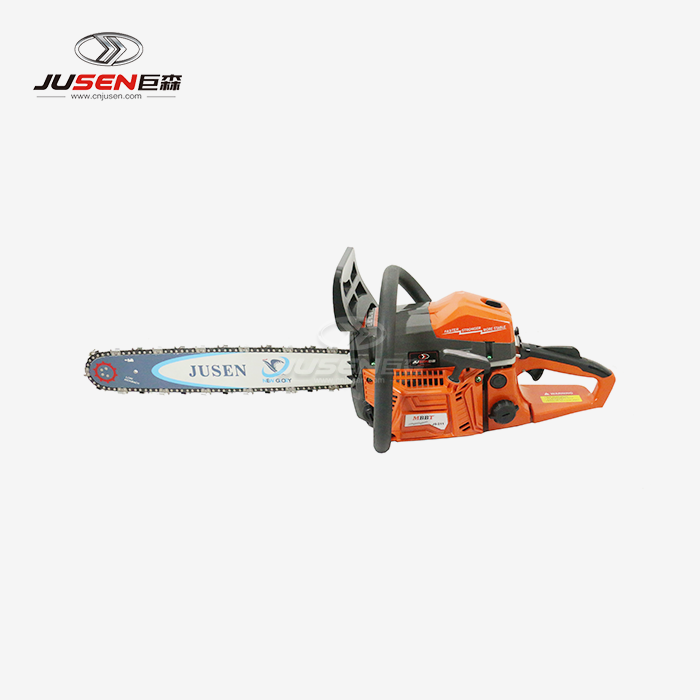 VIEW MOREGas Powered Gas Chain Saw
 VIEW MOREJS-BAT431-W Cordless Hedge Trimmer with External-Rotor Motor (21V/29.4V)
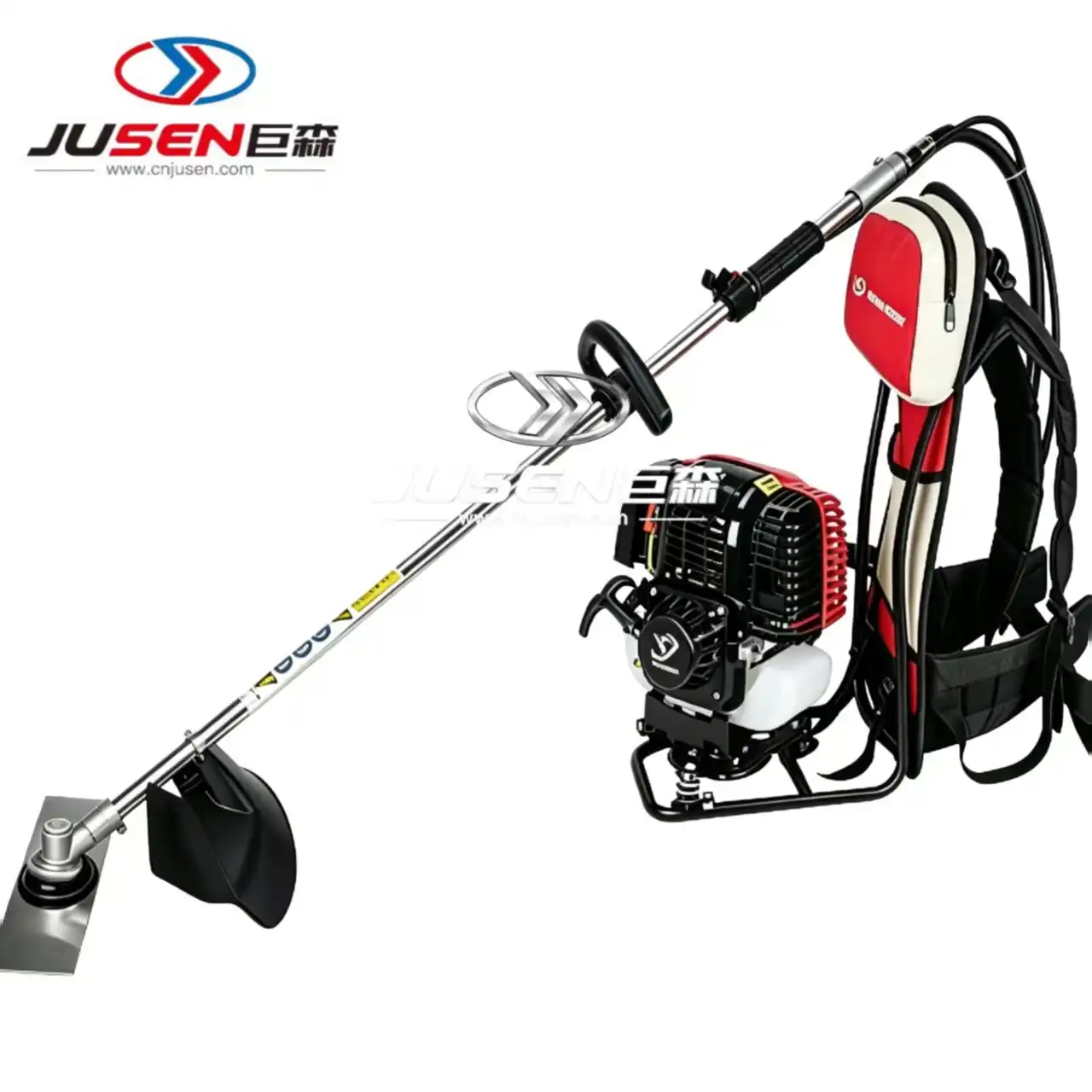 VIEW MOREBG140 38CC 4 STROKE BRUSH CUTTER
 VIEW MORE58CC Gasoline Chainsaw Cylinder
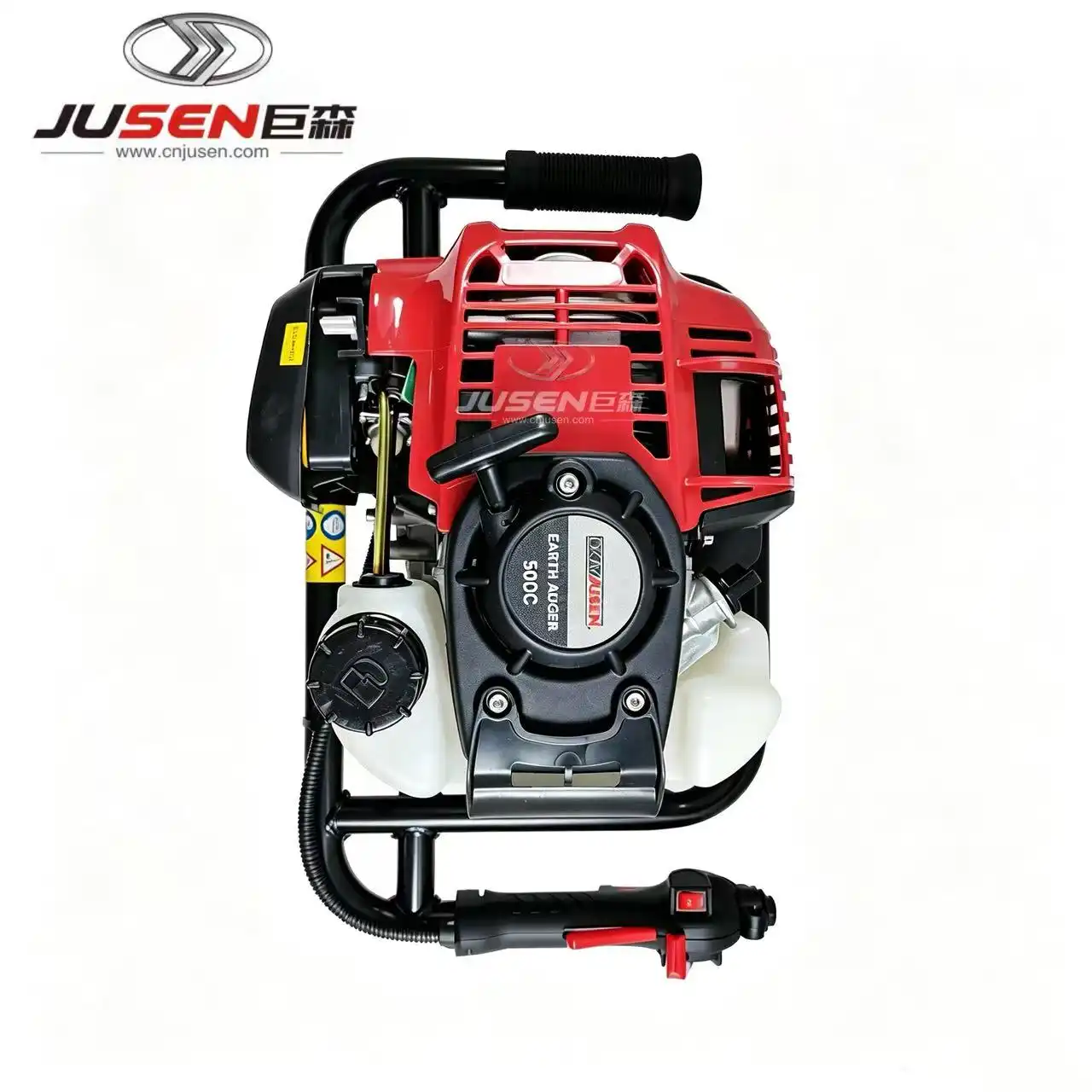 VIEW MOREGX50 Gasoline Earth Auger
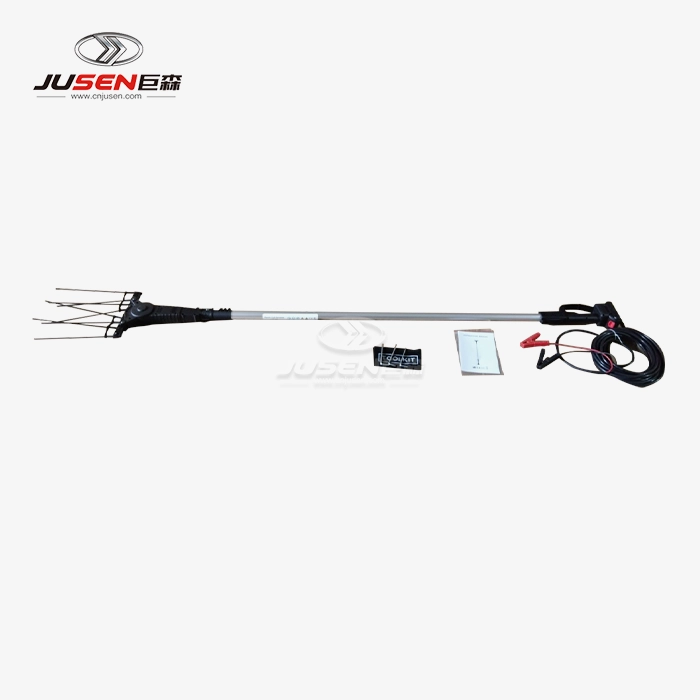 VIEW MOREHand Held Olive Harvester Machine
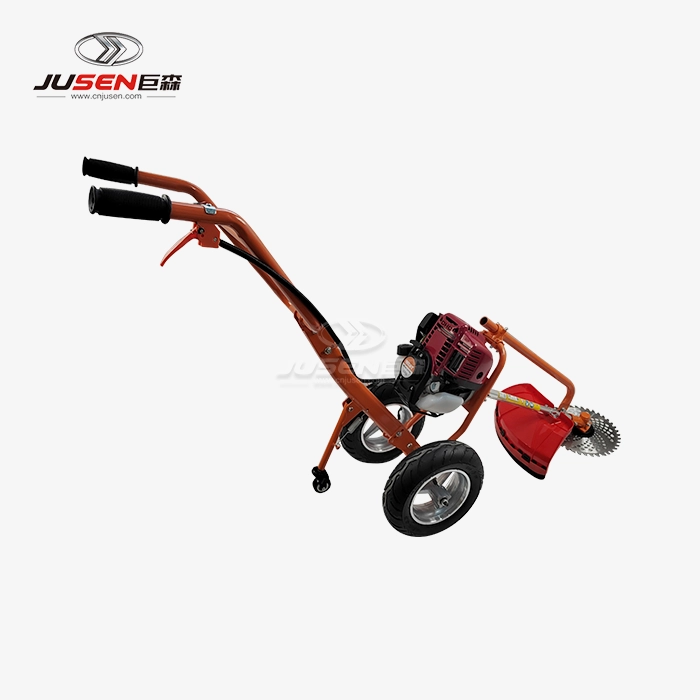 VIEW MORE2-Stroke Hand Push Brush Cutter
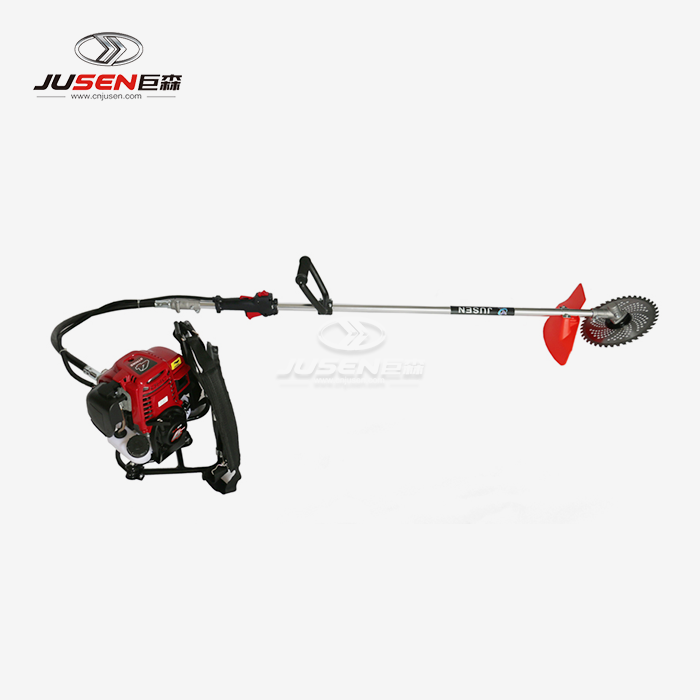 VIEW MOREGarden Tools Gasoline Backpack Brush Cutter