




58cc gas chainsaw safety operation guide
For the safe operation of a 58cc Gasoline Chain Saw, you must have a complete knowledge of the equipment specifications, the right way to handle the equipment, and the maintenance procedures that must be followed consistently. Professional-quality power tool with 2.4kW power output and a two-stroke engine system. Ideal for semi-professional forestry work, agricultural land clearance and emergency response. The blend of strong cutting power and manageable weight presents distinct safety issues, which are different from those of both lighter household versions and larger commercial equipment. Understanding these differences keeps personnel safe and helps maximise productivity on demanding applications.
Understanding the 58cc Gasoline Chainsaw – Specifications and Safety Essentials
Engine Performance and Technical Specifications
Displacement and power output A 58cc gasoline chainsaw works on the. JUSEN 58cc Gasoline Chain Saw has a 2.4kW engine which idles at 3000rpm. This provides continuous torque delivery for extensive cutting sessions. The two-stroke design requires a fuel-oil combination, typically 40:1 when using synthetic two-stroke oil. This combination turns the crankshaft and also lubricates the interior parts. This engine arrangement has enough power to keep the chain going even while you’re cutting through thick hardwoods or damp wood, when lower-displacement machines sometimes stall.
The way the weight is distributed has a huge impact on how weary and in control the person is. This professional chainsaw weighs 7.8 kg and has the proper power for its weight, so you may use it for a long period without feeling too fatigued. Its tiny size (27.8 cm x 26 cm x 16.25 cm) lets you manoeuvre easily in limited places during falling or bucking. It can operate constantly for 45 to 60 minutes before stopping for refuelling with a gasoline volume of 550ml and an oil tank of 260ml.
Personal protection and basic safety equipment
Any gasoline chainsaw must be operated with personal safety equipment, which covers a wide range of dangers. The most vital safety gear:
Head and Face Protection: A certified forestry helmet with an integrated face shield protects your head and face from flying items and falling branches. The shield should meet the impact resistance criteria as set out in ANSI Z87.1. 58cc petrol engines generate noise levels of about 105–110 dB, which can be muffled with hearing protection with a noise reduction rating of a minimum of 25 dB.
Protection for the body and limbs: Chainsaw chaps or trousers feature many layers of protective fibres that wrap up the chain as they come into contact with it, preventing it from spinning in milliseconds. Steel-toed boots with material that won't cut and rough track patterns protect your feet from slipping on tough ground. The cut-resistant gloves include reinforced palms to preserve your grip and protect your hands when you’re adjusting the chain.
Breathing Protection: If you will be exposed to two-stroke exhaust and wood dust for prolonged periods, breathing protection is required, especially in restricted work areas. N95-rated masks work very well as a particle filter during cutting activities.
These safety precautions provide a number of barriers between workers and anything that might harm them. The 58cc Gasoline Chain Saw produces a lot of kickback force if the bar tip accidentally contacts something. In these instances, injuries are substantially less serious when protective gear is used.
Safety Inspections Before Operation
The cutting tools are systematically checked before every use to discover any problems that could arise before they might cause accidents. Check that the chain brake is working and install the front hand guard. This will prevent the chain from turning straight away. Loss of control is the leading cause of accidents; thus, the throttle lockout and trigger should operate smoothly and not become stuck.
The guide bar must be examined to see that it is appropriately tight as part of the examination of the chain tension. When you raise the chain at the midway point, it should come away from the bar a bit, but as soon as you let go, it should snap back into place. If it is too loose, the train may derail in operation. If it is too tight, it may accelerate wear on the chain and bar.
The integrity of the fuel system should be examined closely. Hot engines can ignite petrol vapours, and broken pieces of the tank or leaking fuel lines can spark fires. The bar oil reservoir should be full of lubricating oil. If you don't lube the chain properly, you'll have too much friction, which can soon dull the chain and possibly harm the bar.

Step-by-Step Safe Operation Guide for 58cc Gasoline Chainsaws
Pre-Operation Preparation and Environmental Assessment
The first step in safe chainsaw use comes long before you crank the motor. Look around the work area for dead limbs or 'widow makers' that might fall and hit someone during the felling operation. Remove a path for escape at 45 degrees from the direction of fall and remove everything that might hinder a speedy escape. Trees alter the weather. Trees affect the safety of the workers. Don't work when you have strong winds that make it difficult to predict how the trees will fall.
“Be sure to have the correct fuel blend before you fill the tank. Some older models call for 25:1; however, modern 58cc gas chainsaws with precise production tolerances do best with 40:1 ratios. Use of improper quantities results in the formation of carbon deposits on the spark arrestors. These reduce the efficiency of the engine and may cause the failure of the engine in the course of vital activities. Use only certified containers for gasoline, and keep them away from anything that might cause a fire. Never add fuel to a hot engine.
To begin, place the chainsaw on a firm surface. JUSEN's 58cc model has a revolutionary electric start technology that eliminates the need to pull a hefty wire to start the engine. The engine is easier to start, and the shoulders are less tired. On a classic recoil-start type, you have to make sure you get your foot through the back handle so the saw doesn't leap.
Start-Up and First Operation
Put the chain brake on before you try to start the engine. If the engine is switched on, this safety device prevents the chain from rotating by itself. Turn off the choke to start the engine cold. If the engine is heated, start it with the throttle half closed. The electric start button will start the engine without pulling a cable. But users need to make sure they have a firm grasp on both handles before they start.
When the engine begins, warm up the engine at idle for 30 seconds before it remains running. This period allows the inside sections of the engine to achieve the ideal temperature for operating and ensures the correct flow of gasoline through the carburettor. Gradually open the throttle and see how the engine responds. A smooth acceleration tells you that the engine is properly tuned, whereas a slowdown or halt indicates that the carburettor requires adjusting.
Check that the idle is stable and the cutting area is clear, then release the chain brake. To test throttle responsiveness, pull the trigger fast and watch the chain instantly accelerate. When you ease off the throttle, the engine should return to idle smoothly. If the reaction is delayed, or the chain keeps rotating when it shouldn't be, it's a mechanical faults that need to be corrected before you go farther.
Cutting Procedures and Safety Precautions
Good body positions can also help to prevent fatigue and maintain control during lengthy periods of cutting. Stand with your feet shoulder-width apart, knees slightly bent, to absorb vibrations sent via the handles. The 58cc Gasoline Chain Saw vibrates on the handles with an acceleration of roughly 8-10 m/s 2. The transmission is reduced by anti-vibration mounting devices, but it is still vital to have the correct posture so that you can minimise fatigue.
When you are cutting, keep the powerhead of the saw to the right of your body and the guide bar away from your legs and chest. When operators know that the chain is rotating to the powerhead on the bottom of the bar, they may position themselves securely away from the region of the chain kicking back.
The most dangerous spot for kickback is in the top half of the bar tip. When this zone strikes anything solid, it spins up violently and can drag the saw toward the operator's head and upper torso. When you are able, don't cut with the bar tip. It's better to utilise the bottom section of the bar, so you have greater control.
When you are bucketing or cutting dead trees into pieces, pay attention to the binding forces. Compressed logs can bind chains, which can harm or injure equipment. Identify the areas of tension and compression in the log to decide if it will open or close when cut. Cut partially from the tension side, then finish from the compression side so the cloth does not stick.
Post-Operation Procedures: Equipment Storage
How to shut down equipment properly is the best method to prevent accidents and prolong its life. Take your foot off the throttle and let the engine run for 30 seconds before shutting it off. This cooling time prevents vapor-locking of the engine and allows the internal temperatures to settle. Turn the chain brake on before placing the saw down, never while the saw is running.
Allow to cool for about 10 minutes, then clean sawdust and other debris from the cooling fins, air filter housing, and bar groove. When used again, it overheats due to blocked airflow from accumulated debris. Remove the bar and chain and thoroughly clean the oilway. A blocked oilway will cause the machine not to oil itself correctly and increase wear.
Keep 58cc gasoline chainsaw away from flammable materials, in a dry, well-ventilated area. If you plan on storing fuel for longer than 30 days, drain it because petrol decomposes and deposits layers of varnish that clog engine jets. Lightly lubricate the chain to prevent corrosion. When not in use, store the device with the bar cover on to protect the chain teeth.

Common Problems and Troubleshooting: Enhancing Safety Through Maintenance
Fuel System Issues and Engine Performance
Fuel supply problems will manifest as hard starting, inconsistent power, or sudden halting while the engine is running. H & L screws. The high speed (H) and low speed (L) adjustment screws on the carburettor of a 58cc Gasoline Chain Saw govern the fuel-to-air mixture across the range of RPM's. Factory settings are a great baseline for performance, but minor tweaks may be needed if the surroundings or fuel quality change.
If it stalls when you move from idle to full throttle, it is probably too lean on the low-speed mixture. Turn the L screw clockwise in 1/8 turns until you have steady acceleration. In contrast, too much smoke and poor throttle response imply the mixture is too rich and should be adjusted anticlockwise. The high-speed combination affects the cutting performance. A rich mixture reduces power and increases carbon buildup; a lean mixture makes the engine overheat and may freeze up.
The gasoline filter in the tank wears down over time and blocks the flow, and the engine loses power. The weighted filter may move freely to ensure fuel pickup no matter how the saw is positioned. Replace them each year or as you see performance dropping. Fuel lines will fracture from exposure to petrol that has ethanol in it. Check the lines when doing routine maintenance. Replace them as soon as they start breaking down.
Chain & Bar Maintenance For Maximum Safety
The sharper the chain, the better it cuts and the safer the operator is. Dull chains take too much power to turn, so you're more likely to tire out and get kickback. Most 58cc kinds have a 0.325 pitch chain, which needs to be filed at 30-degree angles with the proper diameter round file. Each tooth should be of the same length. Even non-tooth vibrations result in less-than-accurate cuts.
Depth gauges need to be reduced from time to time as the teeth get shorter from repeated honing. These gauges control the depth of each tooth cut into the wood. If the gauges are set too high in relation to the cutter teeth, the chain will skate over the wood instead of cutting it neatly. Use a depth gauge tool to ensure there is the proper amount of room, often 0.025 in.
The tension of the chain influences the safety of the chain and the life of the parts. The chain should be tight on the bar and not move around too much. It should also be simple to hand-pull along the groove. Check tightness again after the first 5 minutes of usage, since new chains stretch a lot during break-in. Check the tightness each time you fill up. The 58cc Gasoline Chain Saw has a lot of torque; it may fling loose chains very violently and seriously harm someone.
Most bar wear occurs in the groove and nose sprocket. Regularly turn the bar over to smooth out the wear pattern and to clear off any mud that has glued itself to the groove. The nose sprocket should be lubricated through the port at the end of the bar. If you don't undertake this maintenance, the sprocket will jam and wear faster.
Noise and Vibration Control Strategies
Hand-arm vibration syndrome is a circulatory condition that damages nerves and blood vessels, induced by long-term exposure to vibration. A professional chainsaw has an anti-vibration system that employs rubber mounts and springs to keep the handles from swaying when the engine shakes. These pieces will rot out in time. Check to see whether mounts are cracking or hardening. Whether mounts lose their flexibility, they should be changed.
Vibration exposure can be limited by restricting the period of continuous operation. Every 20 to 30 minutes, take a break and allow your blood flow to return to normal. Insulating gloves also help minimise vibrations and help you maintain a good grip.
A 58cc professional logging chainsaw produces noise levels of 105 and 110dB. Extended exposure to these noise levels might cause irreversible hearing loss. Helmets with built-in hearing protection or earmuff-style shields that reduce sound by at least 25dB make hearing safer. Even with ear protection, limiting exposure to two-stroke engine noise to two hours a day is excellent for your hearing in the long term.
Comparative Safety Overview: 58cc Gasoline Chainsaw vs. Other Models
Gasoline vs. Electric Chainsaw Safety Considerations
Electric chainsaws get rid of some dangers while adding others. Not having to handle fuel removes the risk of fire and exposure to exhaust, making it safer to work in small spaces. But electric models don't have enough power for professional forestry work, and their short run times are limited by batteries. Corded models, on the other hand, require operators to be connected to power sources.
The 58cc gasoline chainsaw always gives off the same amount of power, which is important for emergency situations and clearing land in remote areas. Chainsaws that run on fuel keep their full torque throughout the power range, while battery chainsaws lose power as the charge runs out. Because they always do the same thing, gasoline types are safer for difficult jobs where incomplete cuts can make tree situations unsafe.
Different things need different amounts of maintenance. Electric chainsaws have fewer moving parts that need to be serviced, but the batteries wear out over time, limiting how long they can be used. Gasoline engines need regular maintenance on the fuel system, air filter, and spark plugs. Ignoring these tasks can be dangerous because the engine won't run reliably.
58cc vs. Smaller Displacement Models
The change in displacement between 52cc and 58cc chainsaws may not seem like much, but it makes a big difference in how well they work. When buried in thick wood, a 58cc Gasoline Chain Saw can produce 15 to 20 percent more torque than a 52cc chainsaw of the same size. This ability to keep cutting lowers the need for pushing cuts, which lowers the number of kickback events that happen when an operator pushes too hard.
There aren't big changes in weight—the 58cc JUSEN model, which weighs 7.8 kg, is a good match for 52cc saws that weigh 6.5 to 7.2 kg. The small increase in weight leads to big power gains that make cutting more efficient. This means that the overall amount of work and time spent on similar jobs goes down.
Different shift classes have different bar length compatibility. For best results, 52cc saws should use 16–18-inch bars. For softwood work, a 58cc engine works well with 20–22-inch bars. Longer bars allow cutting of larger-diameter trunks in a single pass, which increases productivity while keeping safety standards the same.
Purchasing Guide: Ensuring Safety Through Smart Procurement
Evaluating Manufacturers and Supply Chain Reliability
When making purchases, companies that have quality certifications and a history of working in the industry should be given priority. Since 2004, JUSEN has been in business for 20 years, which shows that it can keep making things and adapting to the market. Companies that have been in production for a long time develop quality control methods that newer companies don't have. This has a direct effect on the reliability of the end product and the safety of the workers.
International safety standards are met when certification standards are met. For European markets, look for the CE mark, which means the product meets safety standards, and the ANSI/UL listing for North American markets. To get these certifications, 58cc professional logging chainsaws must pass minimum safety standards for chain brake response time, throttle lockout function, and anti-vibration performance. These standards are checked by independent testing.
Supply chain transparency lets you check where parts come from and how they are made. Manufacturers who are willing to share site paperwork and quality control methods show that they are sure of their production standards. This openness is very important when checking warranty claims and replacement parts to make sure they are real.
After-Sales Support and Parts Availability
The after-sales support system decides the long-term operating viability of a 58cc Gasoline Chain Saw, which is a significant capital investment. Check to see if makers keep enough parts on hand for things that wear out quickly, like chains, bars, air screens, and fuel parts. When the lead time for common replacement parts is more than a few days, it causes problems with operations that push back project deadlines.
Warranty terms show how confident the manufacturer is in the product's durability. The one-year warranty that JUSEN offers on their 58cc model is a good way to protect against problems with the way it was made and encourages good upkeep. Businesses that use their equipment a lot may benefit from extended protection choices or service contracts, which spread out the cost of repairs over regular periods of time.
Balancing Cost Considerations with Quality Standards
Price placement shows how the goods are made and which parts are used. When compared to market standards, prices that are unusually low suggest that materials have been cheated or quality control has been sped up. Professional-grade equipment is different from consumer-grade equipment in important ways, such as the quality of the cylinder plating, the accuracy of the carburetor, and the durability of the clutch.
The total cost of ownership is more than just the price you paid for the car. Figure out your ongoing costs, such as the cost of fuel, repair materials, and replacement parts. A 58cc gasoline chainsaw that uses less fuel and needs fewer repairs is a better deal than cheaper models that need to be fixed more often.
Businesses that are building fleets of equipment can buy things in bulk. Manufacturers often offer savings for buying in bulk and make parts the same for multiple units, which makes upkeep easier. When looking at 58cc Gasoline Chain Saw suppliers, find out if they offer mass discounts and group support programs that lower the cost per unit while keeping quality standards high.
Conclusion
A 58cc Gasoline Chain Saw must be operated safely, which necessitates the integration of technical expertise, appropriate equipment selection, and systematic maintenance procedures. The specifications in this guide, which cover everything from engine specs to chain tension needs, are the basis for avoiding accidents and getting the best performance. Professional workers know that safety is more than just wearing the right gear. It also includes checking out the surroundings, using the right techniques, and keeping up with regular repair plans. As part of JUSEN's commitment to making reliable, professional-grade chainsaws, users can rely on tools that are designed for tough jobs while keeping human safety as the main design goal. When these safety rules are followed, operating a chainsaw goes from being a dangerous task to being a controlled, useful job that can be used in forestry, farming, and emergency situations.
FAQ
What pre-operation safety checks are essential before using a 58cc gasoline chainsaw?
Check that the chain brakes engage and release properly, that the chain is properly tensioned and sharp, that the fuel and bar oil levels are correct, that the fuel lines are free of cracks and leaks, and that the throttle trigger and shutdown work properly. Also, make sure that all of the safety gear you need is there and working. This includes the helmet, face shield, hearing protection, chaps, and cut-resistant gloves.
How often should maintenance be performed on a 58cc Gasoline Chain Saw?
Every five times the gas tank is refilled or when debris can be seen building up, clean the air filter. Every two to four hours of use, or whenever the chain starts to make sawdust instead of wood chips, sharpen it. Every 50 hours, the spark plugs need to be changed. After every 25 hours of use, you should check the fuel lines, the chain brake, and the anti-vibration frames carefully. Carburetor cleaning and compression testing should be part of the yearly service.
What personal protective equipment is mandatory for professional chainsaw operation?
A certified forestry helmet with a face shield and hearing protection rated for at least 25dB of noise reduction, chaps or pants made just for chainsaws with cut-resistant layers that meet ASTM F1897 standards, steel-toed boots with cut protection and aggressive tread, cut-resistant gloves with reinforced palms, and respiratory protection when working in small spaces or for long periods of time when cutting wood and making a lot of wood dust.
Partner with JUSEN for Premium 58cc Gasoline Chainsaw Solutions
Equipment that you can depend on is essential for forestry, landscaping, and farming to go smoothly. Since 2004, JUSEN has been making professional-grade gasoline chainsaws and garden tools. In that time, they have gained 20 years of engineering knowledge and quality improvement. As a 58cc Gasoline Chain Saw supplier, we can do more than just make products. We can also help businesses gain a competitive edge through better equipment selection.
Our product line meets a wide range of practical needs, whether you run a gardening business, handle forestry contracts, or need reliable tools for managing farmland. The electric start system, bar compatibility (18"/20"/22"/24"), and 7.8 kg weight of the 58cc type give it the performance-to-maneuverability mix that professionals need.
Our dedication to steady quality and top-notch cost-performance has helped our business grow in tough markets. Contact our team at Sales1@cnjusen.com to talk about your unique business needs, ask for product samples, or get full quotes. We're happy to work with both well-known businesses and new companies that are trying to get a foothold in the market. Because JUSEN has been making tools for a long time and has a wide range of products, from gasoline chainsaws to lithium-ion battery tools, we can help you make green spaces that are both beautiful and useful by giving you reliable, safe tools.
References
1. American National Standards Institute. (2020). "ANSI B175.1: Safety Requirements for Gasoline-Powered Chain Saws." American National Standards Institute Publications.
2. Occupational Safety and Health Administration. (2019). "Logging eTool: Chain Saw Safety Features and Personal Protective Equipment." U.S. Department of Labor, OSHA Publications.
3. International Society of Arboriculture. (2021). "Best Management Practices: Chainsaw Operation and Maintenance for Arborists." ISA Professional Standards.
4. Forest Resources Association. (2018). "Chainsaw Safety Manual: Professional Logging Operations." FRA Technical Release 18-R-12.
5. National Institute for Occupational Safety and Health. (2020). "Hand-Arm Vibration Syndrome Prevention in Power Tool Operations." NIOSH Publication No. 2020-114.
6. Society of American Foresters. (2022). "Professional Chain Saw Operator Certification Standards and Guidelines." SAF Forestry Equipment Technical Committee.

USER EVALUATE
Here is the customer's evaluation of us
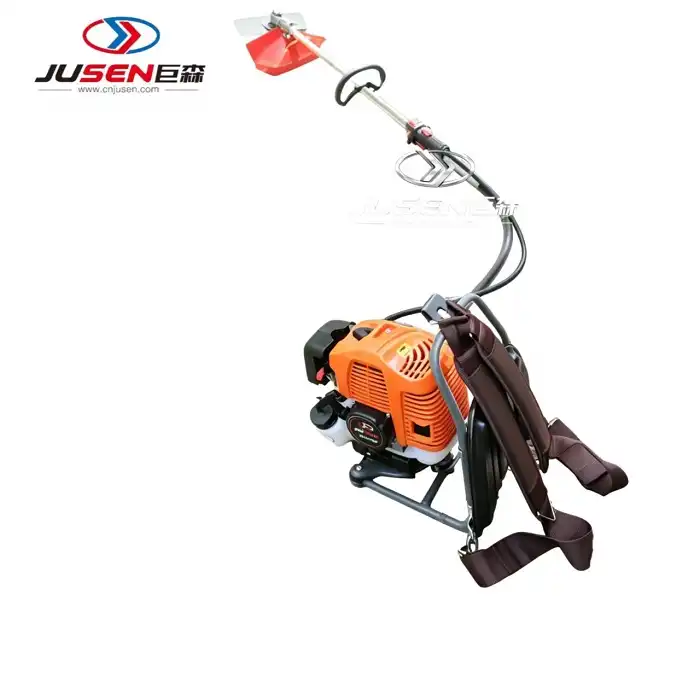 VIEW MOREBG520 52CC 2 STROKE BRUSH CUTTER
 VIEW MOREJS-BAT431-W Cordless Hedge Trimmer with External-Rotor Motor (21V/29.4V)
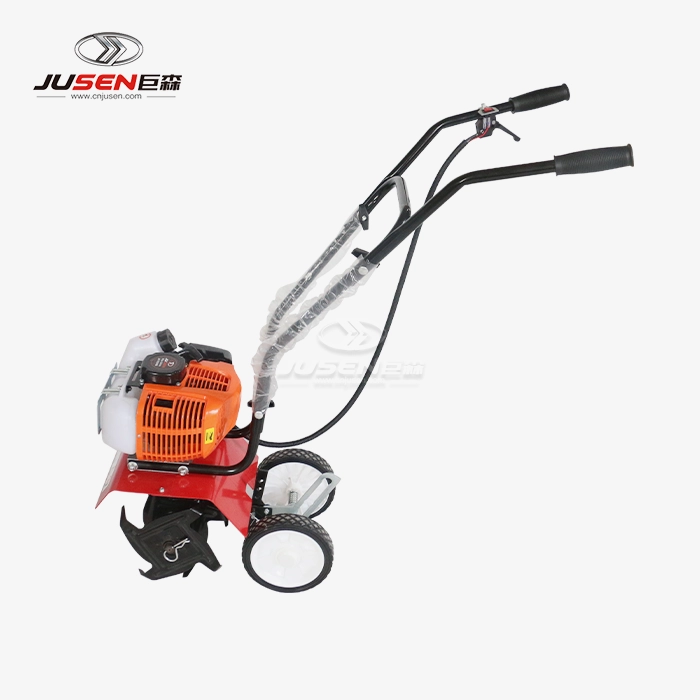 VIEW MORE2-Stroke Mini Tiller Cultivator
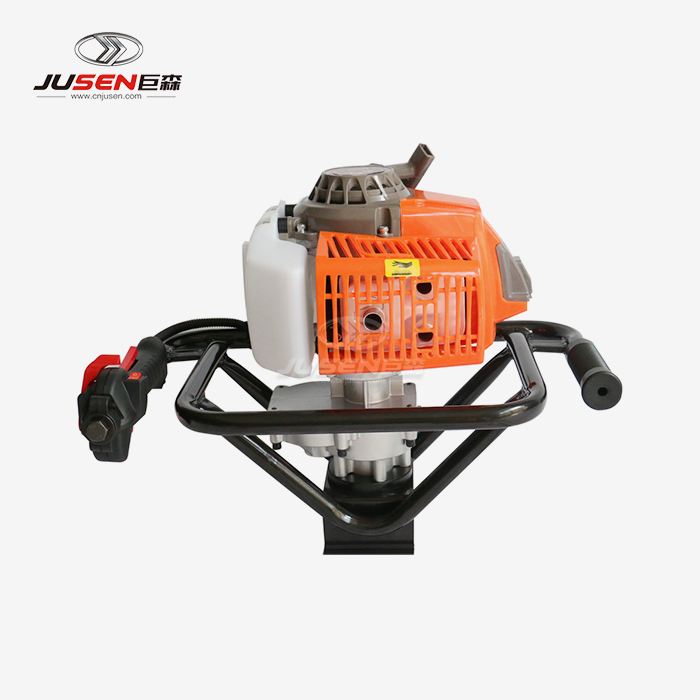 VIEW MORE63cc 2-Stroke Post Hole Digger
 VIEW MOREElectric Pruning Shears Cordless
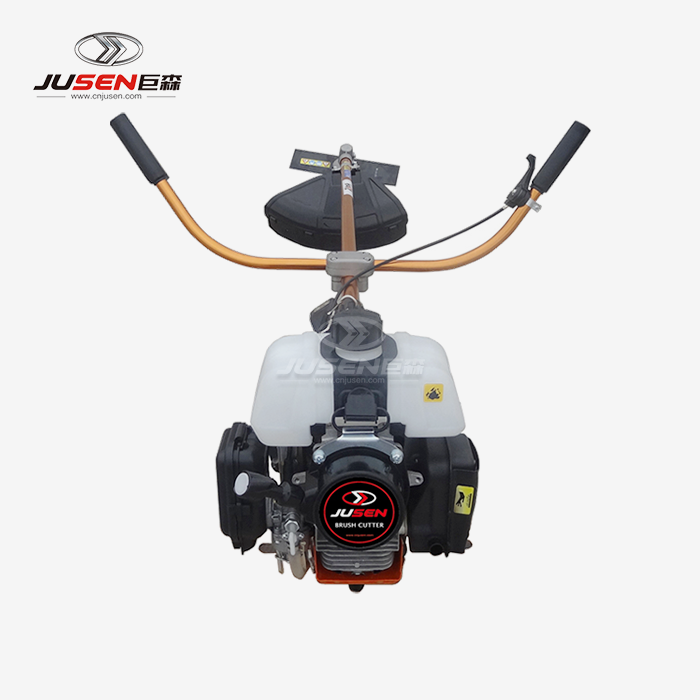 VIEW MORE42.7cc Garden Gasoline Brush Cutter
 VIEW MORE62cc Gas Powered Chain Saw
 VIEW MORE40cc 2-Stroke Gasoline Chainsaw