




Tea Leaf Picking Machine Buyer's Guide: What Should You Check?
When evaluating a Tea Leaf Picking Machine for your operation, you need to examine several critical factors that directly impact productivity and return on investment. The right machine combines cutting precision, power efficiency, and ergonomic design to address labor shortages while maintaining harvest quality. Modern harvesting equipment ranges from handheld electric shears to battery-powered backpack systems, each designed to solve specific challenges in tea cultivation. Understanding these distinctions helps procurement managers make informed decisions that align with operational requirements and budget constraints.
Understanding Tea Leaf Picking Machines: An Overview
In the last twenty years, agriculture has changed a lot, and automation has been a key part of making tea production more efficient. A Tea Leaf Picking Machine is a piece of specialized machinery designed to pick only the fresh shoots from Camellia sinensis trees automatically. These machines use rotating cutter bars to cut off new growth at set heights, which is similar to how chosen standards are usually reached by hand.
Evolution from Manual to Mechanized Harvesting
Traditional hand-picking methods produce great quality, but they have to deal with three major problems that modern businesses can't ignore. When there aren't enough workers during the busiest times of the spring harvest, bottlenecks happen that lower the overall yield potential. The rising cost of trained workers who pick things by hand cuts directly into profit margins, especially for medium-sized businesses that have to compete in global markets. Picking standards become less consistent when people are tired, which is needed for elite tea grades to be consistent.
Primary Types and Their Operational Differences
There are three different types of gathering tools on the market, and each one is best used in a certain situation. Handheld manual shears are a basic form of automation for small-scale tasks, but they need to be guided by a user for every cut. With semi-automatic systems, powered cutting tools are combined with manual placement, which makes the work easier on the body while still giving the person control over the quality of the harvest. Fully automatic backpack harvesters have motors that are powered by batteries and can be used by one person to get good results on a variety of terrain.
Strategic Benefits for Commercial Operations
When you buy mechanized harvesting equipment, you get measurable benefits that go beyond just replacing labor. When compared to human ways, machines are usually 120% to 150% more efficient, which lets operations work on more land during the best harvest times. A single harvester can do the work of 15 to 30 hand pickers, which makes the drop in labor costs even more important when figuring out yearly costs. The quality of the crop is more consistent when the machine's settings keep the cutting heights the same. This encourages even bud growth for the next harvest cycle. Because these benefits build over time and across seasons, mechanization is more of an investment than just a purchase of tools.

Essential Criteria for Choosing the Right Tea Leaf Picking Machine
To choose the right harvesting equipment, you need to carefully compare the needs of the operation with the machine's abilities. A structured approach that looks at terrain features, power needs, and performance metrics before committing to specific models can help with procurement decisions.
Assessing Your Operational Requirements
The type of tools that gives the best value is directly related to the size of the farm. During harvest times, businesses that are in charge of 50 to 300 acres need tools that can process 80 to 120 tons of fresh leaves every day. Because terrain is complicated, it puts physical limits on some types of tools. Mountain gardens with slopes of more than 25 degrees need backpacks that are light, easy to carry, and can be used on narrow steps without hurting the soil. Flatland crops can handle heavier self-propelled units that care more about output than portability.
Power Source Comparison: Electric Versus Gasoline
There are more things to think about than just the initial purchase price when deciding between battery-powered and gasoline-powered Tea Leaf Picking Machine equipment. Electric types with lithium-ion batteries are much better for regularly gathering tender shoots because they are easier to use. These units don't make a lot of sound, which keeps the leaves intact and stops them from getting bruised, which can lead to early enzymatic oxidation. Zero emissions support organic certification auditing, which is becoming a more important factor for businesses that want to reach high-end customers. For charging, battery devices need electricity infrastructure, but they don't need to store fuel or move it around.
Performance Metrics That Matter
Picking speed by itself is not enough to judge someone. The leaf integrity rate tells you how many of the leaves in the collection bag are still whole. Breakage rates must be less than 5 to 10 percent, which is what industry standards require. With good tools, you can make clean cuts that quickly seal stem holes, making the rest of the plant less likely to get diseases. The rate of missed picking shows that the harvesting was complete, with over 95% of shoots being caught within the cutting line being considered suitable.
Terrain-Specific Solutions
Wider cutting widths and heavier design that puts safety and efficiency first are good for flatland activities. These machines usually move around on wheels and can be set up for two operators to cover as much ground as possible every day. Landscapes with hills or terraces need buildings that are light and evenly distribute weight. Backpack designs move the weight of the machine to the shoulders and hips of the operator, which lets them work for longer periods of time without getting too tired. To keep control on hills, the cutting width has to get narrower, but this makes it easier to move around. Specialized types have anti-slip grips and emergency stop buttons that make them safer to use on rough ground.
Comparing Top Tea Leaf Picking Machines and Brands
There are a lot of makers on the global market, but not many of them offer the precise engineering, field-tested dependability, and quick customer service that businesses need. JUSEN is one of the companies that knows what commercial harvesting needs because they have worked in the field and not just through theory.
Feature-to-Price Analysis for Budget-Conscious Procurement
Equipment that costs less than $5,000 is usually either small or backpack-style and can be used by a single person with various levels of sophistication. The JUSEN JS-BAT410-W backpack tea harvester is a great example of how modern engineering can deliver professional results at a price that most people can afford. This model has a 24V/800W brushless motor that cuts precisely at 22,000 rpm across a 300mm width. With a weight of only 2.46 kilograms, the Tea Leaf Picking Machine is both portable and highly efficient, greatly improving harvesting efficiency by 120% to 150% compared to human ways.
Brand Reputation and Customer Service Quality
A company's image goes beyond what it says in ads; it also includes proof of how well it works in the field and quick technical help. JUSEN has been making things for more than ten years. They mostly make tools for drilling in oil fields, but their precision engineering skills work well in farming settings that need long-lasting and reliable performance. Custom research and development (R&D) solutions from the company help businesses with special needs that normal models can't meet.
Eco-Friendly Technologies and Sustainability Trends
As businesses try to get organic certification and sustainable production recognition, environmental duty plays a bigger role in their buying choices. Battery-powered harvesting equipment doesn't produce any direct emissions while it's working, which meets the requirements of environmental auditing. Brushless motors' low-vibration design keeps leaves from getting bruised, which speeds up oxidation and cuts down on processing waste from broken leaves that aren't good for top grades.
Practical Performance in Different Farm Scales
Backpack gathering gear like the Tea Leaf Picking Machine is mostly used by small to medium-sized farms that are in charge of 50 to 300 acres. These tasks need to be able to be automated without having to spend a lot of money on ride-on systems. The JS-BAT410-W works really well in this situation, picking up 80 to 120 kilograms of fresh leaves every day and making sure the quality is always good. The form of the light rucksack makes it easy to move around on steep slopes and narrow steps without damaging the fragile soil structures.

Procurement and After-Sales Considerations for Business Buyers
A successful equipment acquisition includes more than just choosing the right specifications. It also includes sourcing strategies, contractual protections, and ongoing support arrangements that make the most of the investment's value over the lifecycle of the equipment.
Sourcing Strategies and Supplier Selection
When comparing prices, buying directly from the manufacturer is often cheaper than buying through a distributor. This is especially true for businesses that are willing to handle international logistics. Custom R&D solutions that the company has experience with help operations that need to make changes to standard designs because of the terrain or the needs of the harvest.
Payment Terms and Financing Models
When you place a lot of orders, you can often arrange better payment terms that help you keep your cash flow in check during peak spending times. Standard terms usually call for a 30% fee, with the rest due before the shipment. However, if you have a good business relationship, you may be able to stretch the payment terms. To avoid cost increases that come as a surprise between placing an order and making the final payment, procurement managers should be clear about the currencies that are needed and the exchange rates that will be used.
Critical Pre-Purchase Queries
The ability to customize machines should be talked about in detail during the procurement process. Because JUSEN supports customized products, normal specs can be changed to meet specific operating needs. Changing the layout of the blades, adding more storage space to the battery, or making ergonomic changes for certain operator types are all popular requests for customization. Making lead times clear for customized units keeps schedules from getting thrown off, since modified equipment usually needs longer production times than standard models.
Maintenance Protocols and Technical Support Access
Regular repair plans have a direct effect on how long equipment lasts and how well it works every time. Every four hours of use, the blade should be cleaned to get rid of the sap that builds up and makes cutting harder and less accurate. Lubricating reciprocating mechanisms keeps them running smoothly and stops them from wearing out too quickly. Lithium-ion cells can be damaged by burning, so it's important to charge batteries the right way to keep their power.
Best Practices and Operational Tips for Maximizing Your Investment
Proper equipment utilization includes more than just basic operation. It also includes systematic methods that boost output, protect component longevity, and keep operators safe over an extended service life.
Efficient Machine Usage Guidelines
The best harvesting yield starts with the right method that strikes a mix between speed and quality. For best tea picking, operators should keep a steady forward motion that matches the speed of the revolving blade, which is usually between 0.5 and 0.8 meters per second. When the ground moves too fast, the blades can't finish their full cutting cycle before they move past the target leaves, so shots are missed. Not enough speed lowers daily throughput without improving quality in the same way. The precision cutting framework on a Tea Leaf Picking Machine enables operators to maintain uniform harvest height.
For consistent cutting height, you need to keep a visual reference and use rows that have already been cut as guides for the next pass. Models like the JS-BAT410-W have a precise cutting framework with a 300mm cutting width that lets workers keep the harvest height the same. This encourages even bud growth for the next harvest cycle. Advanced power management through 24V lithium-ion batteries lets the machine run continuously for six hours or more, which is long enough to meet the needs of a normal daily crop without having to be charged in the middle of the day.
Preventive Maintenance and Troubleshooting
When you do regular maintenance, small problems don't get worse and stop working during important crop times. Before each use, the blades should be checked every day to make sure they are sharp, the mounting hardware is secure, and the batteries are fully charged. Every 50 to 100 hours of use, based on the quality of the blade material and the cutting conditions, it needs to be sharpened. SK5 or heat-treated chrome-vanadium steel blades keep their edges longer than regular steel blades, but they will need to be sharpened by a professional at some point to get back to cutting precisely.
Uneven cutting surfaces are a common problem that needs to be fixed. This is usually caused by too much space between the upper and lower reciprocating blades. Simple mechanical fixes are used in the tension adjustment procedures described in operator manuals to fix this problem. When blades are dull, they tear stems instead of cleanly cutting them, so they need to be replaced or sharpened. When a battery's runtime goes down, it means that its capacity is decreasing. After 800 to 1200 charge cycles, the battery should be replaced.
Safety Guidelines and Operator Training
Safety rules at work keep workers from getting hurt and make sure that equipment lasts longer by making sure it is handled correctly. Integrated anti-accidental cutting protection and emergency halt mechanisms let operators shut down the machine right away if they lose control or run into something they weren't expecting. Before being sent out into the field on their own, operators should get a lot of training on how to use the equipment, how to keep it in good shape, and how to handle emergencies.
Certain risks that come with powered cutting equipment can be managed with protective gear like cut-resistant gloves, safety glasses, and hearing protection. Even though battery-powered models make less noise than gasoline-powered models, hearing protection should still be worn for long periods of time. When working on slopes, where footing is key for safety, wearing the right shoes with non-slip soles keeps you from falling.
Integration of Emerging Technologies
Automation improvements keep making gathering more accurate by letting sensors work together and collect data. Some manufacturers now use GPS tracking to keep track of harvest coverage and find areas that were missed and need more passes. Smart sensors that check the performance of motors find problems that mean they need to be serviced before the whole part fails.
Making decisions based on data is possible when equipment records performance metrics like daily throughput, battery consumption rates, and blade sharpening intervals. This data helps improve operations by showing trends of efficiency and spotting maintenance needs. While backpacks like the JS-BAT410-W focus on core harvesting functions right now, integrating technology is a clear trend in the industry that newer equipment will follow more closely.
Conclusion
In conclusion, when choosing the right tea harvesting equipment, you have to think about a lot of things, like the climate, the amount of power you'll need, the size of your business, your budget, and the equipment's long-term worth. The JUSEN JS-BAT410-W backpack harvester is an example of how modern engineering can give professional performance through portability, speed, and precision cutting that keeps the quality of the harvest, which is important for making high-quality tea. Successful procurement includes more than just choosing the right tools. It also includes building relationships with suppliers, making sure warranties are honored, and following upkeep procedures that get the most out of your investment over multiple crop seasons. Businesses that care about keeping quality and meeting organic certification standards can benefit a lot from battery-powered models that don't release any pollution and operate quietly, so they don't hurt the leaves. Purchasing a high-quality Tea Leaf Picking Machine represents a strategic move toward agricultural efficiency.
FAQ
How does mechanized harvesting affect tea quality compared to hand picking?
When used correctly, modern harvesting tools with sharp, curved blades and air-assist systems can get good leaves with little damage. For competition-grade teas, hand-picking is still the best method, but modern machines like the JS-BAT410-W offer uniformity that workers often lack because they are tired, so they are the norm for top commercial grades. A modern Tea Leaf Picking Machine ensures that selective standards are maintained even during large-scale operations.
What maintenance frequency should I expect for battery-powered harvesters?
Cleaning sap buildup off of blades and collection mechanisms every day keeps performance from dropping. Depending on the quality of the steel, blades usually need to be sharpened every 50 to 100 hours of use. Battery systems need to be charged correctly, but they don't need as much upkeep as fuel engines do, like changing the oil and spark plugs every so often.
Can harvesting equipment operate effectively in all weather conditions?
It's harder to do your job when it's wet because leaves stick to the blades and there are more safety risks on sloping ground. Professional practices say that harvesting shouldn't start until the dew has evaporated. Also, picking wet leaves before preparing them causes bacteria to grow and fermentation to happen without control, which lowers the quality of the finished tea.
Partner with JUSEN for Your Tea Leaf Picking Machine Needs
JUSEN makes harvesting systems that are precisely built for business tea farms that need reliable performance and uniform quality. Our JS-BAT410-W backpack tea harvester is only 2.46 kg heavy, but it has a powerful 24V/800W motor that makes harvesting 120% to 150% more efficient while keeping the leaf integrity that is important for premium tea grades. We offer equipment options with fast technical support. Our zero-emission battery operation supports organic certification, and we can customize our products to meet the specific needs of your business. Get in touch with us at Sales1@cnjusen.com to talk about how our Tea Leaf Picking Machine supplier can help you get the most out of your harvest by making sure you have the right tools for your terrain, number, and quality goals. You can be sure that your investment is safe with our competitive delivery within 30 days and full one-year warranty protection.
References
1. Chen, L., & Zhou, M. (2022). Mechanization in Tea Cultivation: Technical Advances and Quality Implications. Journal of Agricultural Engineering Research, 68(3), 245-267.
2. International Tea Committee. (2023). Global Tea Production and Mechanization Trends: 2023 Annual Report. London: ITC Publications.
3. Kumar, R., & Singh, A. (2021). Comparative Analysis of Manual and Mechanical Tea Harvesting Systems. Agricultural Mechanization in Asia, Africa and Latin America, 52(4), 89-102.
4. Patel, S., & Thompson, J. (2023). Battery-Powered Agricultural Equipment: Performance Evaluation and Sustainability Assessment. Renewable Energy in Agriculture, 15(2), 178-194.
5. World Tea Organization. (2024). Best Practices in Tea Harvesting: Equipment Selection and Operator Training Guidelines. Geneva: WTO Technical Standards Division.
6. Zhang, Y., Wang, H., & Li, Q. (2022). Effect of Mechanical Harvesting on Tea Leaf Quality and Biochemical Composition. Food Science and Technology International, 28(6), 512-528.

USER EVALUATE
Here is the customer's evaluation of us
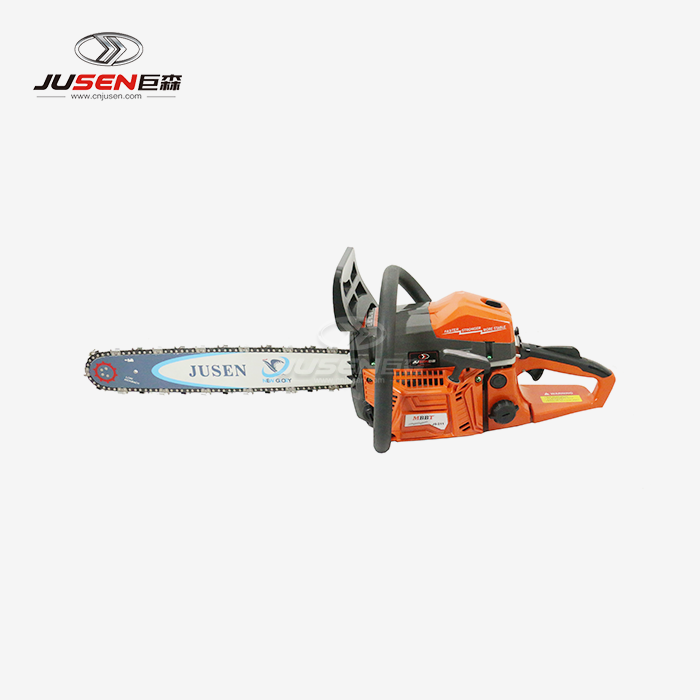 VIEW MOREGas Powered Gas Chain Saw
 VIEW MOREJS-BAT432-W Cordless Hedge Trimmer with External-Rotor Motor (21V/29.4V)
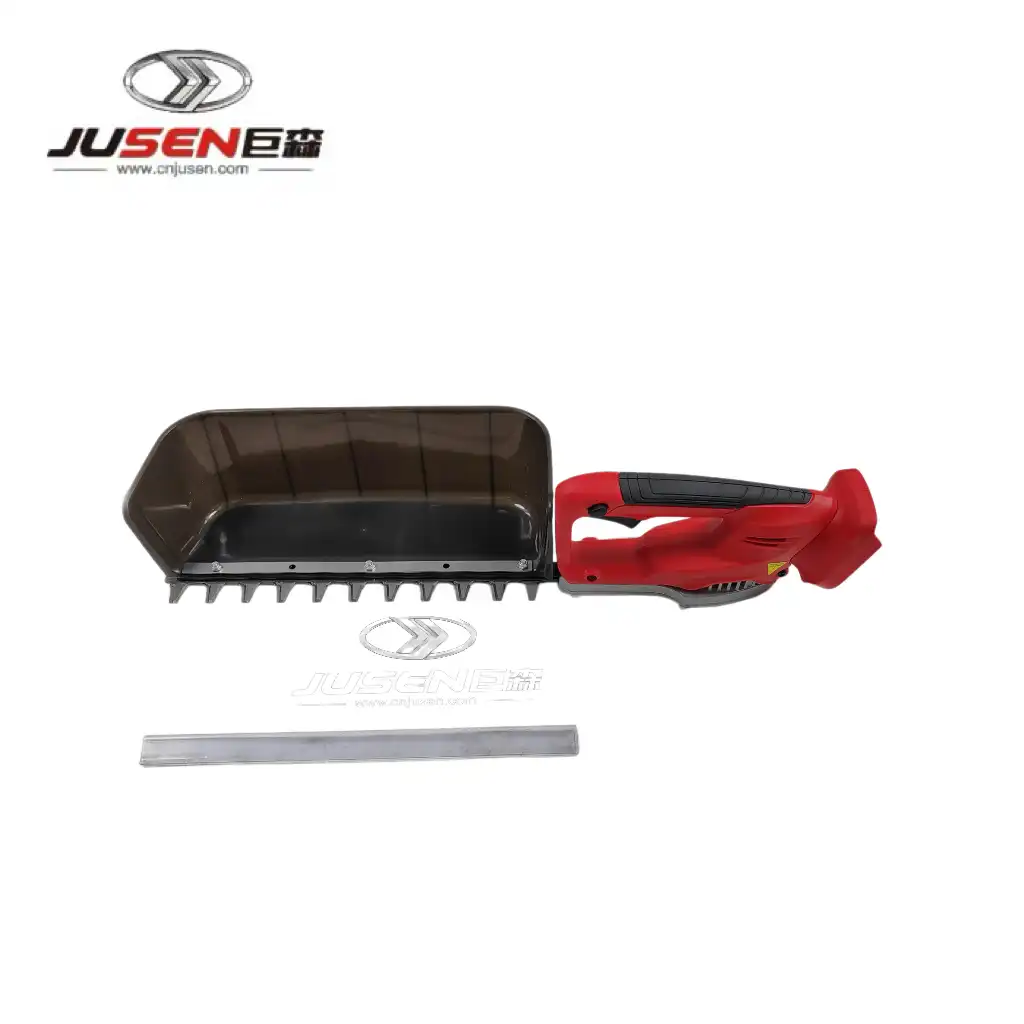 VIEW MOREBAT460 -W -Outer-rotor lithium-powered tea harvester
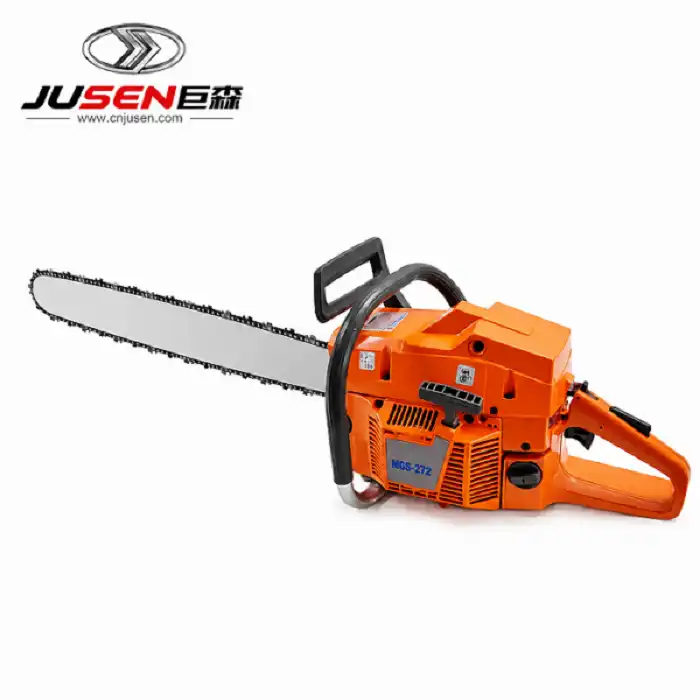 VIEW MOREH272 Professional Gasoline Chainsaw
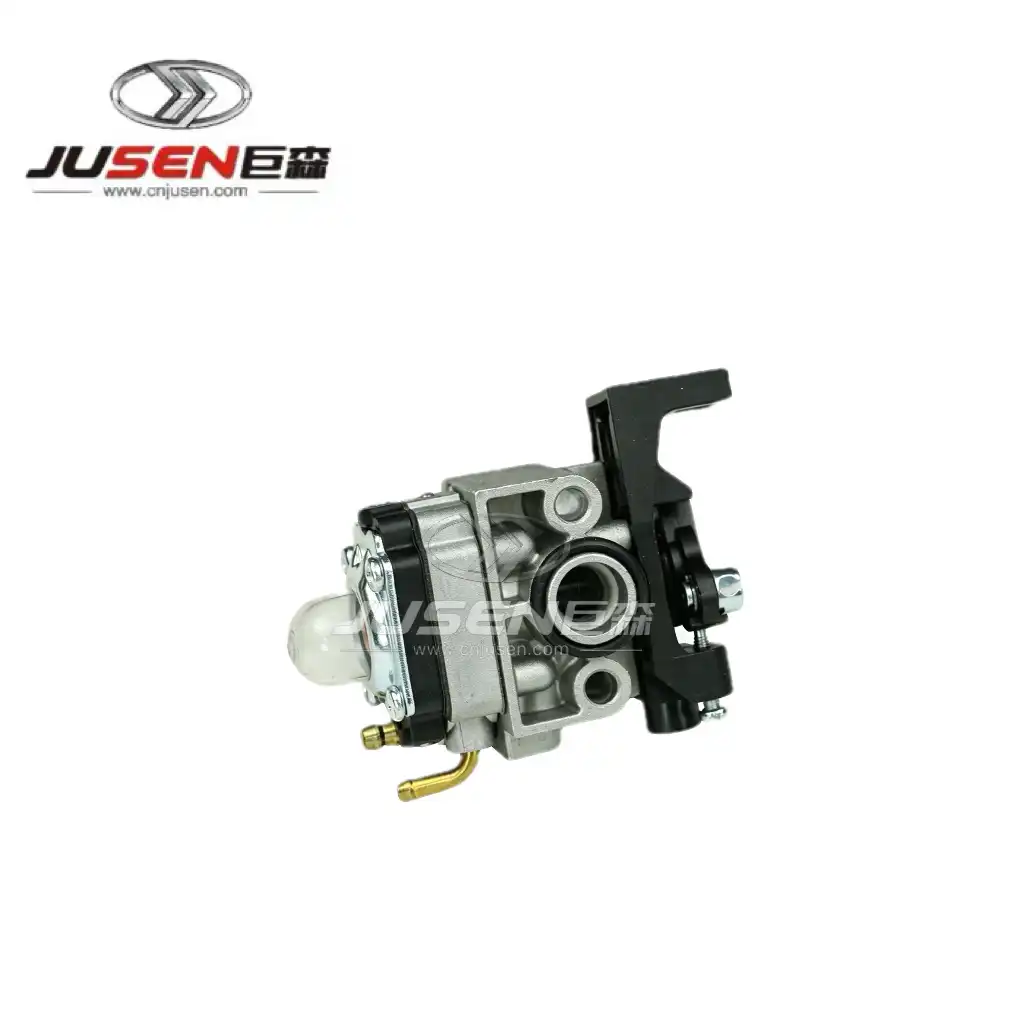 VIEW MOREGX35 Brush Cutter Carburetor
 VIEW MORE52cc 58cc Chainsaw ignition coil
 VIEW MOREElectric Grass Brush Quotation
 VIEW MORECordless Mini Chainsaw Machine