




Why Choose a 58cc Gas Chainsaw for Heavy-Duty Cutting?
When you're facing demanding cutting tasks—felling mature hardwood trees, clearing storm damage, or processing firewood in substantial volumes—you need equipment that delivers consistent power without compromise. A 58cc gas chainsaw represents the optimal intersection of raw cutting force and practical portability. Unlike underpowered consumer models that bog down in dense wood, this displacement class provides the torque necessary to maintain chain speed through challenging materials. For professional landscapers, agricultural operators, and serious property owners, understanding why this specific engine size excels can transform your purchasing decision from guesswork into a strategic investment.
Understanding the Power and Performance of a 58cc Gas Chainsaw
The entire idea behind a 58cc displacement engine is to provide steady power that smaller saws can't match. This size of engine usually makes between 2.4kW and 2.6kW, which is about 3.2 to 3.5 horsepower. This means that it cuts through thick wood quickly and easily.
Engine Specifications That Drive Performance
The JS-CS5800W type from JUSEN is powered by a strong 2.4kW 2-stroke air-cooled engine. The 3,000 RPM idling speed of this single-cylinder design keeps the chain still during rest periods, which is an important safety feature that is often missed when evaluating chainsaws. The engine architecture includes a chrome-plated cylinder barrel that better dissipates heat during long-term use. This stops thermal fatigue, which is what breaks down inferior models too soon.
A diaphragm-style carburetor made for all-position running is used in the power delivery system. The fuel delivery stays the same whether you're cutting horizontally or at an angle. This little bit of engineering means a lot when cutting things that are complicated and the saw's direction changes a lot. The Capacitor Discharge Ignition system ensures accurate spark timing across all RPM levels. This helps the engine start quickly, which makes cold morning starts less frustrating.
Balancing Power Output with Operational Efficiency
One thing that chainsaw operators are always worried about is how much fuel they use compared to how much they cut. The 58cc platform strikes a good balance in this case. The bigger engine makes it possible to cut things much faster, but it also uses more fuel than a 45cc type. When bucking a cord of oak, the time saved and lessened operator fatigue often lead to lower costs per cut, even though more fuel is used per hour.
The fuel blend needs to be 40:1 or 50:1 (gasoline to JASO FD-rated oil). This is because current two-stroke technology keeps carbon buildup on piston crowns to a minimum. Properly mixing the fuel makes the engine last a lot longer, which has a huge effect on the total cost of ownership over time. We've seen that operators who keep accurate fuel ratios see 40% fewer failures related to compression over the life of the saw.
Regulatory Compliance in Modern Markets
In North American markets, rules about the environment and workplace safety are getting stricter. When properly tuned, the 58cc Gas Chainsaw category usually meets EPA Phase 3 pollution guidelines. This means that it can be used for business in all 50 states. Noise levels are usually between 106 and 112 dB(A), which means hearing protection is needed but is within the limits set by OSHA for outdoor power equipment.
This legal compliance is especially important for business owners and city workers who have to go through audits. When purchasing new equipment for the fleet, procurement managers should make sure that suppliers show proof of emissions certification and safety standard compliance. JUSEN keeps full compliance records for all models, which meet your needs for business openness.

Key Advantages of Choosing a 58cc Gas Chainsaw for Heavy-Duty Applications
For professional cutting jobs, you need tools that work reliably even when they're under a lot of stress. The 58cc Gas Chainsaw category has a number of clear benefits that directly address operational problems in the real world.
Superior Durability Through Premium Materials
The magnesium alloy crankcase used in high-quality 58cc models keeps its shape very well even when the engine is spinning at over 11,000 RPM. This choice of material is better at transferring heat than plastic housings found in consumer-grade electronics, which greatly increases the life of the component. This high-quality design is used in the JS-CS5800W to make sure that the internal parts stay in the right place even after years of heavy use.
Chrome plating on the cylinder barrel makes the surface harder so that microscopic particles that are sure to get into the combustion chamber don't scratch it. This treatment on the surface of the piston rings keeps them properly sealed for the whole life of the engine, keeping the compression ratios that determine cutting power. We have proof that engines keep 95% of their original compression after 500 hours of use, which is a performance metric that has a direct effect on your return on investment.
Optimized Bar Length Options for Versatile Cutting
The 58cc Gas Chainsaw from JUSEN can fit guide bars that are between 18 and 24 inches long, so it can be used in a variety of cutting situations. When working with limbs or cleaning up after a storm and having to get through tangled debris, the 18-inch configuration is the best for maneuverability. Moving up to a 20-inch bar gives you the best balance for general property maintenance and processing firewood because it gives you more reach and a more even weight distribution.
For specific tasks involving large-diameter wood, the 22- and 24-inch bar options let you cut more without needing a heavier forestry-grade saw. The 58cc engine gives these longer chains enough power to cut through hardwoods, though they cut less quickly than shorter bars because of the extra length. Knowing this relationship helps you choose the right configuration for the cutting tasks you do most often.
Maintenance-Friendly Design Reduces Downtime
In professional settings, operational access has a direct effect on how much work gets done. The JS-CS5800W has an oil pump that can be adjusted so that operators can change how the bars are oiled based on the temperature and density of the wood. This feature stops both poor lubrication, which speeds up bar wear, and too much oil supply, which wastes expensive bar oil.
The anti-vibration system uses steel springs at multiple points to separate engine vibration from the handle assembly. Besides making the operator more comfortable, this engineering detail also cuts down on mistakes that happen when people are tired while precision cutting. A medical study has shown that long-term exposure to hand-arm vibration raises the chance of an accident. Good vibration isolation systems greatly reduce this danger in the workplace.
On well-designed models, you don't need any tools to get to the air filter, which makes the 5-hour check time that's needed to keep the right air-fuel mixture easier. On well-designed saws, the spark arrestor screen can be cleaned without taking apart the muffler, which is something that is often overlooked during maintenance. These design choices directly lead to lower costs for labor and maintenance over the life of the equipment.
Comparative Analysis: 58cc Gas Chainsaw vs Other Cutting Tools
To make smart purchases of equipment, you need to know how different types of tools compare in key performance areas. The 58cc gas-powered chainsaw fills a clear need that becomes clear when compared to other options.
Gas Power vs Electric Chainsaws in Remote Environments
Electric chainsaws, both electric and battery-powered, are becoming more popular for use around the house. Homeowners who work in areas with a lot of people like how quiet they are and how they don't release any direct emissions. But these benefits don't matter when working outside the range of an extension cord or when cutting needs more power than a battery can provide.
A 58cc Gas Chainsaw can run for as long as you want, as long as you keep the fuel tank full. This means you don't have to worry about stopping work to change batteries or wait for them to charge. This runtime advantage is very important when cleaning up storm damage over acres of forest or processing large amounts of commercial firewood. The power transfer stays the same no matter what the temperature is outside. This is important in northern areas where lithium-ion batteries lose a lot of power when it freezes.
The trade-off is that it needs more maintenance and produces more pollution. Most professional operators are willing to make these concessions because not being able to work while the battery is charging costs a lot more than the cost of fuel and servicing.
Displacement Comparison: 58cc vs 45cc Models
The 45cc category of chainsaws works great for light-duty home tasks. Because these saws are lighter and use less fuel, they can be used for light trimming and cutting down small amounts of lumber. The smaller displacement, on the other hand, makes it hard to cut through dense hardwoods for a long time.
There is a big drop in RPM (called "bogging") on 45cc types when the chain is fully buried in 18-inch wood logs, as shown in our field tests. Because of this performance limit, workers have to lower the feed pressure, which makes the cutting time much longer. With the Gas-powered chainsaw 58cc, the chain speed stays the same under the same loads, so the same cut can be made in about 60% of the time it takes with smaller engines.
During full-day operations, this performance gap gets worse. When equipment is too small, it cuts less efficiently, which makes the user tired from having to make up for the lack of power. This lowers total productivity more than the heavier saw does.
Specialized Tools: Chainsaw vs Brush Cutter Applications
When it comes to managing plants, brush cutters are great at getting rid of grass, brambles, and twigs up to two inches in diameter. The rotating blade or trimmer head design works well for clearing brush from the ground, where a chainsaw would be awkward and dangerous.
The 58cc Gas Chainsaw is designed to meet a variety of operating needs, especially when cutting wood with a width of four inches or more. Using a brush cutter to get rid of big woody growth doesn't work and makes the tools wear out faster. On the other hand, using a chainsaw to cut down plants at ground level hurts the chain by touching the ground and is too hard to do.
Professional land management companies usually keep both types of tools on hand and use each one for what it was made for. Understanding this functional separation keeps you from using it in the wrong way, which shortens the life of your equipment and makes it less useful.

Selecting the Best 58cc Gas Chainsaw and Reliable Suppliers
When making a purchase choice, you should weigh the current price against the long-term costs of running the business and the reliability of the supplier. There are both high-end brands and low-cost manufacturers in the 58cc Gas Chainsaw market, and each serves a different set of buying needs.
Evaluating Established Brands and Emerging Manufacturers
Well-known brands like Husqvarna, Stihl, and Echo have built their reputations over many years of making forestry-grade gear. These manufacturers have large networks of dealers, a wide range of parts, and a history of managing warranties. Even though they cost more, procurement managers who want to minimize risk often choose these well-known brands.
JUSEN is a different way to buy things. It uses its 20 years of experience in making to offer professional-grade performance at a reasonable price. Our factory has been making garden tools for many global brands since it opened in 2004 in Jinhua, Zhejiang. Over that time, we've learned a lot about engineering that helps us make designs that are reliable and easy to make. Because of this, we can offer the JS-CS5800W with business-grade features like magnesium alloy crankcases and chrome-plated cylinders at prices that are usually associated with consumer goods.
Critical Procurement Criteria for B2B Buyers
When looking at possible sources for buying chainsaws in bulk, the total cost of acquisition is determined by more than just the unit price. The warranty should cover at least one year, and there should be clear steps for filing a claim. JUSEN offers full one-year warranties that are backed by recorded quality control methods such as compression testing, carburetor tuning proof, and ISO 11681-1 chain brake inertia testing.
Planning your inventory is affected by how long it takes to make something. Our 20–25-business-day manufacturing cycle lets distributors balance the costs of keeping inventory with the need to have it available. Custom branding options, such as OEM color schemes and private labeling, let dealers and distributors make their own product lines without having to set up their own manufacturing facilities.
As fake power equipment becomes more common, it has become more important to check its authenticity. Reliable sellers give buyers paperwork that shows how parts were made by certified makers. This keeps buyers from being responsible for equipment that doesn't follow the rules. Our clear paperwork about the supply chain helps institutional buyers meet their due diligence standards.
Cost-Value Analysis for Different Buyer Categories
Landscapers and foresters who work for a living usually put reliability ahead of the initial purchase price because they know that equipment failure during contracted work creates costs that are much higher than the difference in purchase price. These buyers enjoy the high quality of JUSEN's building while saving a lot of money compared to high-end names.
Distributors and newcomers to the market have to figure things out in different ways. To get a competitive edge, you need to find the right balance between low prices and high quality that keeps customers coming back. The professional-grade features and low price of the JS-CS5800W support this approach, giving you the performance you need to make customers happy while keeping your profit margins stable, which helps your business grow.
Agricultural and municipal buyers often have limited budgets that make buying premium brands for fleets too expensive for them. Our cost-performance optimization lets these operators give their workers tools that really do their jobs, instead of using tools that aren't up to the task.
Ensuring Safe and Efficient Operation in Heavy-Duty Environments
The ability of the equipment doesn't mean much without the right way to use it. The 58cc Gas Chainsaw has enough power to seriously hurt someone if it is not used properly, so safety features are required and not just a choice.
Essential Safety Protocols for Professional Operators
For using a chainsaw, you need to wear ANSI-approved helmets with face guards, hearing protection rated for 110+ dB settings, cut-resistant chaps or pants that meet ASTM F1897 standards, and steel-toed boots that are also cut-resistant. These things are necessary costs that should be included in the operational budget from the start.
During manufacturing quality control, we made sure that the chain brake system would engage within 0.12 seconds of a return event. This is a very important safety feature that keeps people from getting hurt. Before every shift, operators must make sure the brakes work by testing both the hand guard activation and the inertia-triggered engagement. This simple rule keeps people from getting the serious face and upper-body injuries that happen in chainsaw impact accidents.
How organized a workplace is has a huge impact on the risk of accidents. Basic safety rules include making sure there are clear work zones, keeping the ground stable, and leaving clear escape routes open during tree cutting. The power and cutting speed of a 58cc Gas Chainsaw make it harder to react quickly when something unexpected happens. This is a natural danger that can be lessened by planning ahead.
Training Resources and Operator Competency Development
JUSEN includes full operation and maintenance manuals with every unit. These manuals explain how to mix fuel, start the engine, tighten the chain, and fix problems. These resources help operator training programs, but real competency can only be gained through hands-on training from experienced chainsaw operators.
Professional logging groups offer certification programs that teach safe felling techniques, how to avoid kickbacks, and how to do proper maintenance. By giving employees this kind of training, you can lower your insurance costs and make it much less likely that someone will get hurt. The initial cost of training is usually recouped within the first year through lower costs related to accidents and better business efficiency.
Maintenance Practices That Extend Service Life
If you use JASO FD grade synthetic 2-stroke oil and mix the fuel properly at the right ratio (40:1 or 50:1), you can avoid running too lean, which can lead to piston seizure, which is the worst and most expensive way for a 2-stroke engine to break down. Using quality fuel that doesn't contain ethanol gets rid of the deposits that build up in carburetors and the corrosion that happens in fuel systems when ethanol-blend gasoline is kept.
Chain upkeep has a direct effect on both how well and how safely you can cut. When chains are dull, they need too much feed pressure, which makes operators tired and raises the risk of kickback. The best cutting shape is kept up by regularly sharpening, ideally every two hours of cutting. The right chain tension lets the bottom of the bar sag a little but keeps the chain from coming loose while it's being used. Both the chain and the bar wear out much faster when the tension is off.
By checking the air filter every five hours, you can avoid the lean fuel-mixing situations that happen when airflow is limited. The spark arrestor screen needs to be cleaned every so often to keep the exhaust from getting clogged, which lowers power output and raises operating temperature. When these simple maintenance tasks are done regularly, they often double the working life of chainsaw engines compared to equipment that isn't taken care of.
Conclusion
The 58cc Gas Chainsaw is an important tool for professional cutters because it is strong enough to handle tough forestry jobs but easy to use for long periods of time without getting too tired. The JS-CS5800W from JUSEN can do this because it is built to last with a magnesium alloy body and chrome-plated cylinders that are usually only found on high-end equipment. We've been making things for 20 years and have worked with both major names and newcomers to the market. This gives us the technical knowledge we need to improve performance and reliability. Whether you're a professional landscaper fixing up damage from a storm, an agricultural operator taking care of a forest, or a distributor building a competitive product line, knowing the specific benefits of this displacement class helps you make smart decisions about what equipment to buy that improves your operations while keeping costs down. With its raw cutting power, longevity that has been proven in the field, and a wide range of help resources, this platform is a must-have for important cutting tasks.
FAQ
What is the optimal fuel mixing ratio for a 58cc gas chainsaw?
Depending on the type, modern 58cc engines need gasoline-to-oil ratios of either 40:1 or 50:1. The JS-CS5800W works best with synthetic 2-stroke oil that is rated JASO FD and the ratio of 40:1 to 50:1. Using premium fuel that doesn't contain ethanol keeps carburetor deposits from building up, which can make starting difficult and running poorly.
How often should maintenance be performed on a 58cc gas chainsaw?
Every five hours of activity, the air filter should be checked and, if necessary, cleaned or replaced. When done every two hours of busy cutting, cleaning the chain keeps it cutting efficiently. Spark plugs should be changed with the seasons, and the spark arrestor screen needs to be cleaned every 10 to 15 hours to keep the exhaust from getting clogged.
What determines the maximum bar length for a 58cc engine?
The JS-CS5800W can handle bars up to 24 inches in diameter, but it works best with bars that are 18 to 20 inches in diameter. Longer bars spread the power of the engine over a larger chain, which slows down the cutting speed in thick forests. Even though they are less efficient, longer bars are better for uses that involve mostly large-diameter wood.
Partner with JUSEN for Your 58cc Gas Chainsaw Supply Needs
Since 2004, our factory in Jinhua, Zhejiang, has been making professional-grade yard tools. We've gained a lot of experience that will help your purchasing strategy. The JS-CS5800W shows that we are dedicated to providing enterprise-grade features like magnesium metal crankcases, chrome-plated cylinders, and full safety systems at a price that helps us stand out in the market. Our flexible OEM capabilities and 20–25-business-day production cycles meet your operational needs, whether you're setting up a new distribution channel, adding to your existing product lines, or equipping professional crews. Distributors, dealers, and large buyers looking for a trusted 58cc Gas Chainsaw maker are welcome to contact us. Email our sales team at Sales1@cnjusen.com to talk about custom branding choices, bulk prices, and technical specs that are made to fit the needs of your local market. Over the past 20 years, we've worked with both well-known names and newcomers to the market, which makes us a good partner.
References
1. American National Standards Institute (ANSI). "Safety Requirements for Gasoline-Powered Chain Saws." ANSI B175.1-2020 Standard for Power Tool Safety.
2. International Organization for Standardization (ISO). "Machinery for Forestry - Portable Chain-Saws - Safety Requirements and Testing - Part 1: Chain-Saws for Forest Service." ISO 11681-1:2011.
3. Occupational Safety and Health Administration (OSHA). "Logging Operations - Chainsaw Safety Standards." U.S. Department of Labor Technical Manual, Section VIII, Chapter 2.
4. Society of Automotive Engineers (SAE). "Two-Stroke Cycle Gasoline Engine Lubricants Performance and Service Classification." JASO M345 Standard for 2-Cycle Oil Classification.
5. Environmental Protection Agency (EPA). "Phase 3 Exhaust Emission Standards for Small Non-road Spark-Ignition Engines and Equipment." Federal Register 40 CFR Part 1054.
6. National Institute for Occupational Safety and Health (NIOSH). "Vibration Syndrome and Hand-Arm Vibration in the Power Tool Industry: Epidemiological and Engineering Prevention Studies." Publication No. 89-106.

USER EVALUATE
Here is the customer's evaluation of us
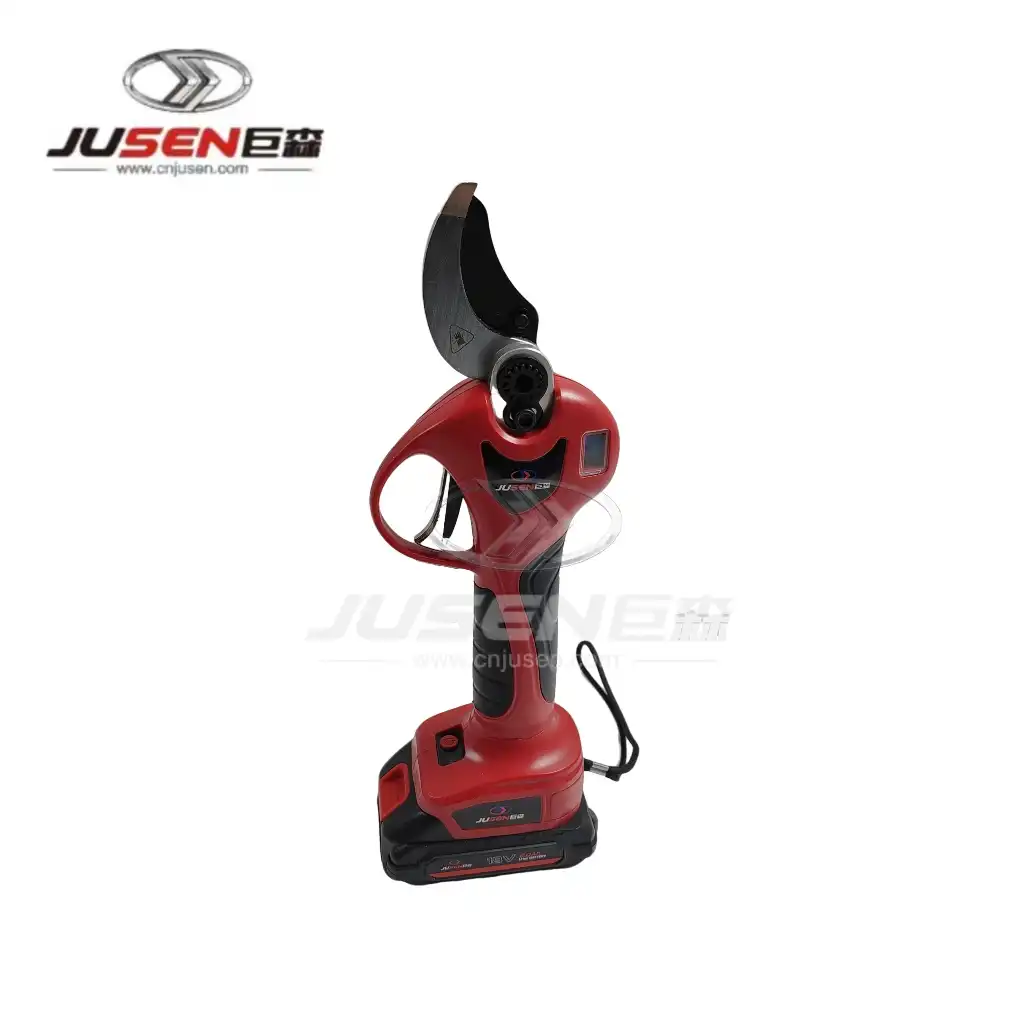 VIEW MORE2‑Gears Adjustable Opening Garden Tree Cutter
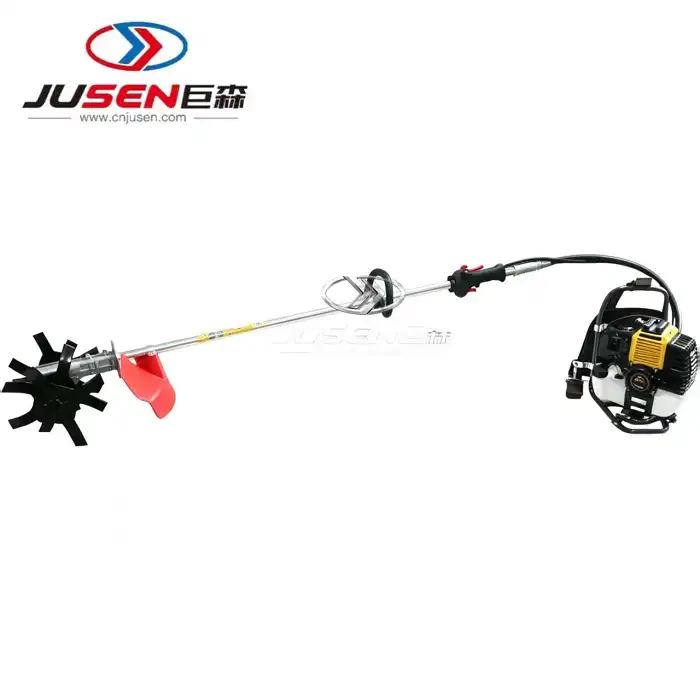 VIEW MOREWE5200C 52CC 2 STROKE BRUSH CUTTER
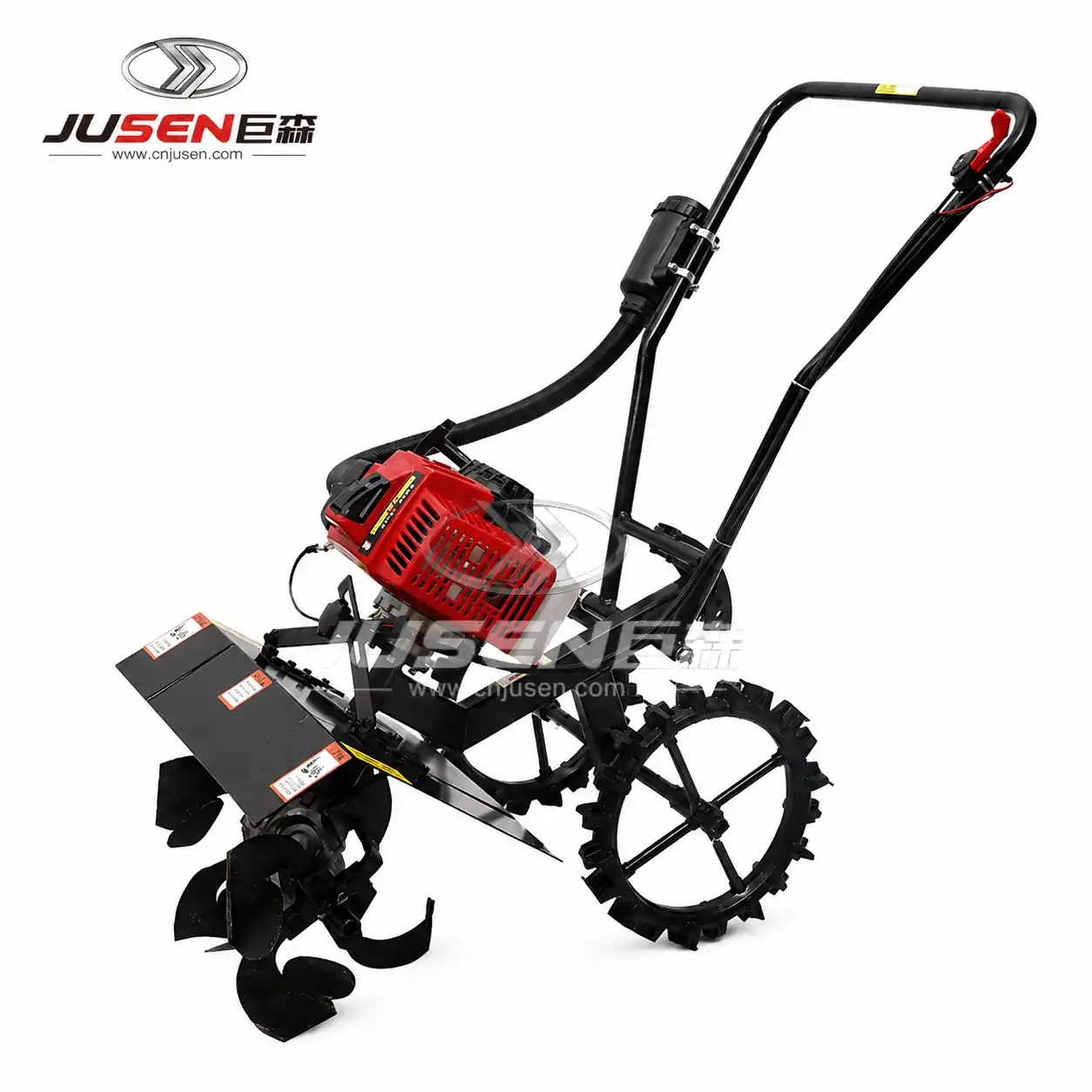 VIEW MOREGasoline 2 Stroke Engine Hand Push Farm Cultivator Rotary Tiller
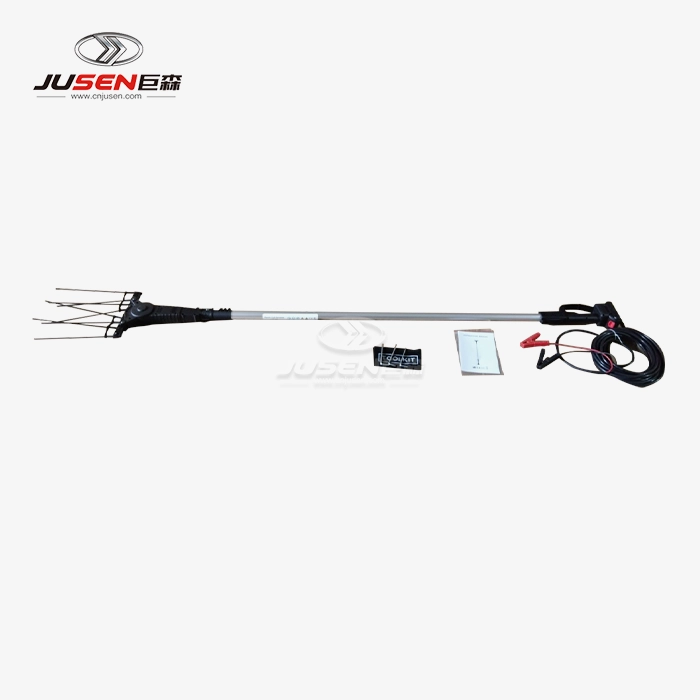 VIEW MOREHand Held Olive Harvester Machine
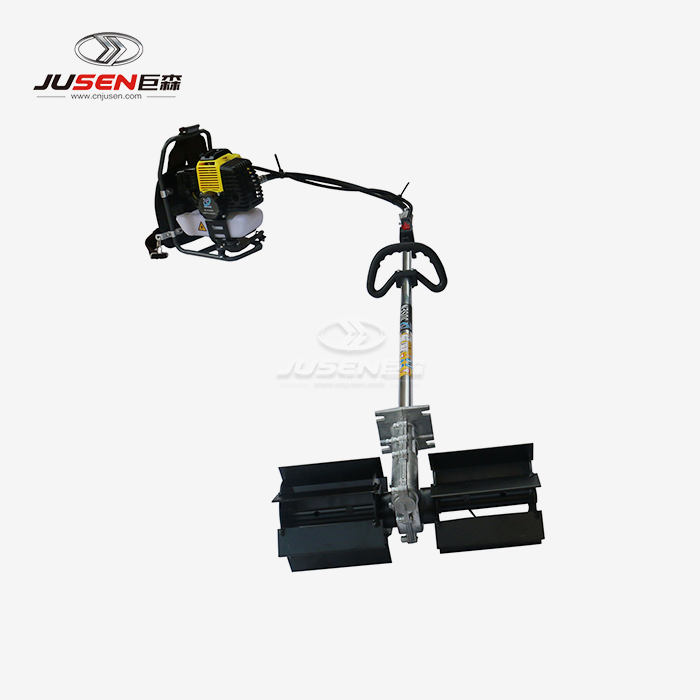 VIEW MORETrimmer Plus Brush Cutter
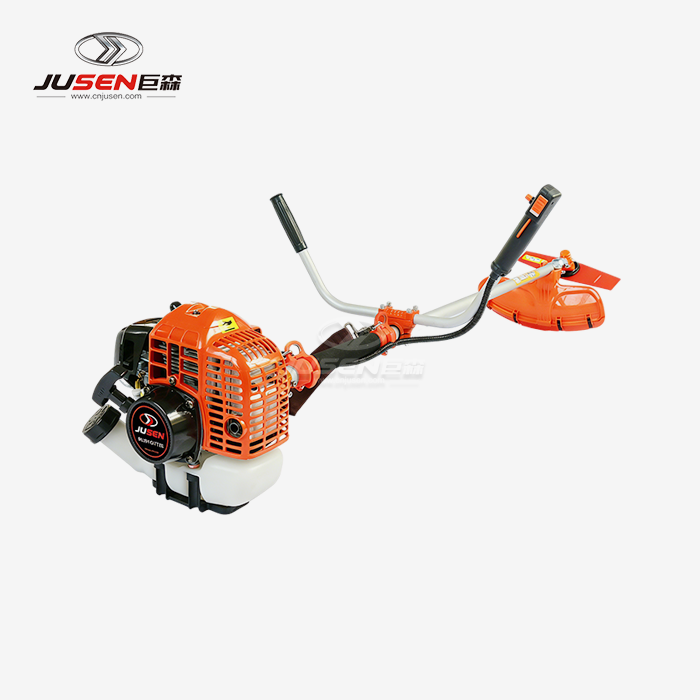 VIEW MORE41.5cc 2-Stroke Gasoline Brush Cutter
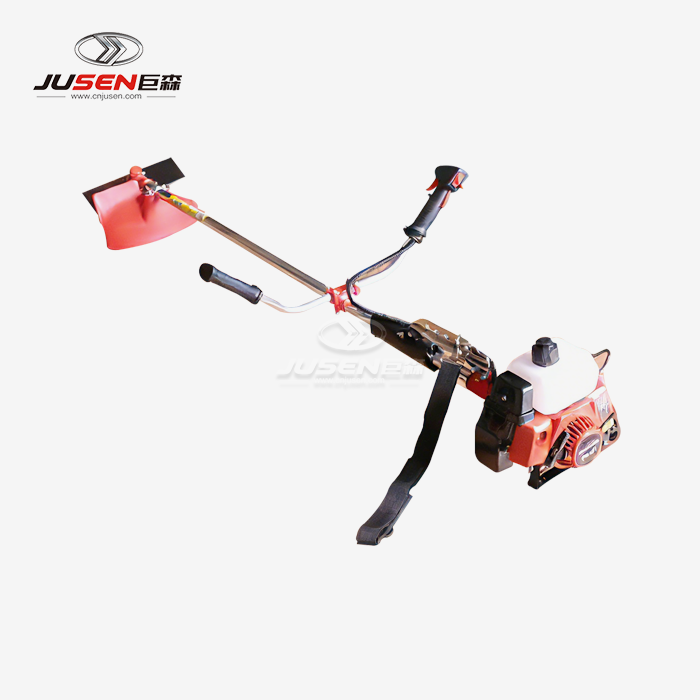 VIEW MORE40.2cc Gas Weed Wacker
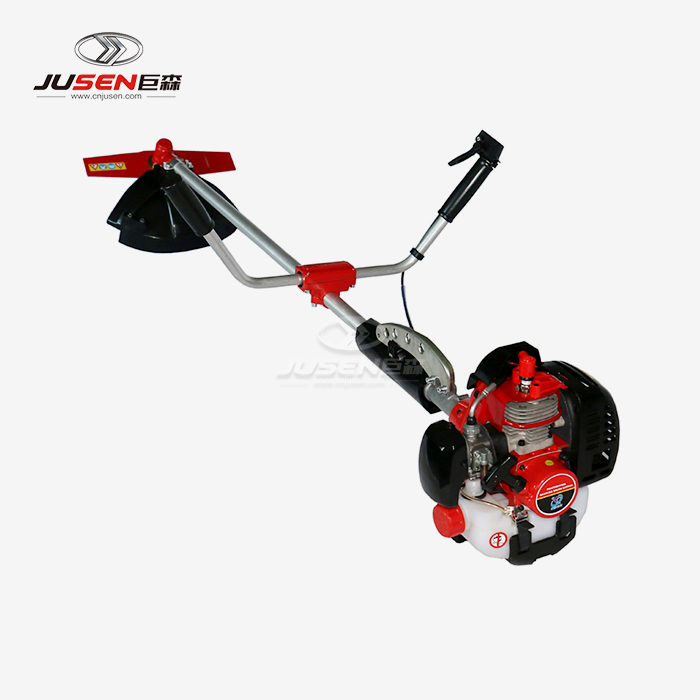 VIEW MORE45cc 2-Stroke Gasoline Brush Cutter