




Where to Buy Floating Water Pumps For Ponds for Aquaculture?
If you need reliable floating water pumps for ponds, JUSEN offers a proven solution purpose-built for aquaculture operations. The JUSEN boat-type pond pump — powered by a GX50H/142 four-stroke engine — delivers 12-meter suction lift and a 30-meter discharge head, making it a dependable choice for pond water exchange, circulation management, and emergency drainage. Whether you operate a commercial fish farm or manage large-scale shrimp cultivation, sourcing floating water pumps for ponds from an established manufacturer like JUSEN ensures you get consistent performance, a one-year warranty, and customized configurations when standard specs fall short.
How to Choose the Best Floating Water Pump for Aquaculture Needs
It's not just about horsepower when choosing a pond water pump. Before deciding on a supplier for Floating Water Pumps for Ponds, procurement managers should routinely go through a number of performance and operational factors. Pond Size and Hydraulic Demand: In intensive fish farming, aquaculture engineers say that the whole pond should be turned over at least every two hours. Match the flow rate you need to the amount of the pond, not just its surface area.
Suction Lift and Discharge Head: These two numbers show how far the pump can move hydraulically. The JUSEN floating pond pump has a 30-meter discharge head and a 12-meter suction lift. These specs allow for high header tanks, long-distance irrigation lines, and emergency dewatering in low-lying areas.
Energy Source and Runtime: Units with an engine, like the JUSEN GX50H/142 type, don't need to be connected to the grid to work. The 1.2L fuel tank allows for long-term ongoing use, which cuts down on the number of times it needs to be refueled during important pond management processes. Weight and Portability: The JUSEN unit weighs only 10.15 kg, which is light enough that a single user can move it between multiple pond cells without any mechanical help. This is helpful for aquaculture farms that are already running. Here are the main decision factors that procurement teams with a lot of knowledge always put first:
- Warranty coverage: A warranty of at least one year shows that the maker trusts the quality of the build. The Floating Water Pumps for Ponds that JUSEN sells come with a full one-year warranty.
- Delivery lead time: Delays in operations that are caused by problems in the supply chain cost money. JUSEN's normal shipping time is 30 days, but they can make arrangements that fit your needs.
- Customization capability: Farms with non-standard pond shapes or depth profiles can benefit from pump setups that are designed to work with their unique needs. JUSEN lets you fully customize its products.
All of these factors lower the risk of buying something and help you be sure that the floating pond pump you choose will work well for as long as you need it to.
Where to Buy Floating Water Pumps for Aquaculture Ponds
Evaluating Supplier Reliability Before Purchase
There is a wide range of suppliers in the US aquaculture equipment market, from large retail chains to specialized industrial suppliers. When B2B buyers need to buy a lot of Floating Water Pumps For Ponds, the reliability of the supplier is just as important as the product itself. Look for companies that have a history of working in the field, clear warranty terms, set delivery dates, and enough engineers to handle custom orders. Since 2010, JUSEN has been making fluid transfer equipment. They have over ten years of experience designing and putting equipment to use in farming, aquaculture, and emergency draining settings. Custom R&D is supported by the company's engineering team for customers with non-standard operating needs. This is a benefit that general retail sellers can't match.
Online B2B Sourcing Channels
If you want to compare floating pond pump suppliers, you can start by looking at the big B2B procurement platforms. But talking to the maker directly is the safest way to make sure you get the right product. Direct buying gets rid of markups on the middlemen, lets you get expert advice on pump sizing, and gives you access to OEM-level customization. If purchasing teams are looking for Floating Water Pumps For Ponds with proven performance specs, they can get in touch with JUSEN directly at Sales1@cnjusen.com faster than searching through third-party marketplace ads.
Installation and Maintenance Tips for Floating Water Pumps
Proper Installation Practices
Use a triangular mooring system with marine-grade ropes or stainless steel wires to attach your floating pond pump to beach anchors. This set-up stops the unit from turning because the motor force could twist and damage the links for the power or fuel lines. Always follow the manufacturer's instructions for depth and mooring to make sure the intake is in the best place.
Routine Maintenance Schedule
Engine-driven Floating Water Pumps For Ponds need to be checked every so often to keep working at their best. After a long time of use in ponds with a lot of debris, check the fuel line for damage, clean the intake screen after each use, and look for surface wear on the hull. JUSEN suggests keeping a structured maintenance log to keep track of runtime hours and plan preventative maintenance before worn-out parts cause unplanned downtime.
Conclusion
To keep dissolved oxygen levels high, prevent temperature stratification, and keep the biological balance that fish and shrimp need, aquaculture companies need to make sure that the water is constantly moving. If you need to meet those needs in a pond of any size or condition, Floating Water Pumps For Ponds are a technically sound and operationally flexible option. With its GX50H/142 engine, 12-meter suction lift, 30-meter discharge head, and lightweight 10.15 kg frame, JUSEN's boat-type floating pond pump solves the problems that procurement teams and farm operators face every day. JUSEN is a manufacturer you should talk to personally if you want reliable performance, a one-year guarantee, and 30-day delivery.
FAQ
Q1: Are floating water pumps for ponds safe for fish stock?
The water is drawn from the top layer by engine-driven floating pond pumps. In most aquaculture settings, this is well above the fish population zone. The placement of the entry keeps direct contact with fish to a minimum and keeps pathogen-carrying soil from being disturbed. When you moor the pump correctly, it stays in place, which keeps the fish from getting stressed out by the water moving around in strange ways.
Q2: How do I prevent clogging in algae-heavy ponds?
When Floating Water Pumps For Ponds are used in places with a lot of algae, the intake screen should be cleaned on a regular basis, and if necessary, the rotor should be set up so that it can handle soft organic material without getting stuck. During times when algae growth is at its highest, check the entry mesh after each use.
Q3: What happens when water levels drop significantly?
The floating hull design of the JUSEN lets the pump automatically lower as the water level drops, keeping the input depth constant without having to be adjusted by hand. As a safety measure against dry-run conditions, a low-level cut-off switch is suggested for when the pond's volume drops too low.
Q4: Can these pumps operate in cold climates?
If it freezes, the floating hull parts should be taken out of the pond or covered with a de-icing stirrer to keep the hull from breaking. During long freeze periods, engine-driven units like JUSEN's GX50H/142 model should be stored according to standard cold-weather engine storage rules.
Request a Quote From JUSEN — Trusted Floating Water Pumps For Ponds Supplier
With a proven GX50H/142 four-stroke engine, a one-year warranty, and a 30-day delivery promise, JUSEN offers enterprise-grade Floating Water Pumps for Ponds. As a well-known company that makes Floating Water Pumps For Ponds, JUSEN can make special designs to meet unique aquaculture and irrigation needs. Get in touch with our expert team at Sales1@cnjusen.com right away to talk about the details of your pond and get a custom price.
References
1. Boyd, C.E. & Tucker, C.S. — Pond Aquaculture Water Quality Management, Springer, 1998.
2. Masser, M.P. — Aeration in Aquaculture Ponds, Southern Regional Aquaculture Center, SRAC Publication No. 372, 2013.
3. Food and Agriculture Organization of the United Nations — Small-Scale Aquaponic Food Production, FAO Fisheries and Aquaculture Technical Paper No. 589, 2015.
4. Timmons, M.B. & Ebeling, J.M. — Recirculating Aquaculture, Ithaca Publishing Company, 2010.
5. Summerfelt, S.T. — Oxygenation and Degassing in Aquaculture Water Systems, Aquaculture Engineering, Elsevier, 2003.
6. US Department of Agriculture — Aquaculture Situation and Outlook Report, USDA Economic Research Service, 2022.

USER EVALUATE
Here is the customer's evaluation of us
 VIEW MORE143R Handheld 2 Stroke Gas Earth Auger
 VIEW MOREBAT460 -W -Outer-rotor lithium-powered tea harvester
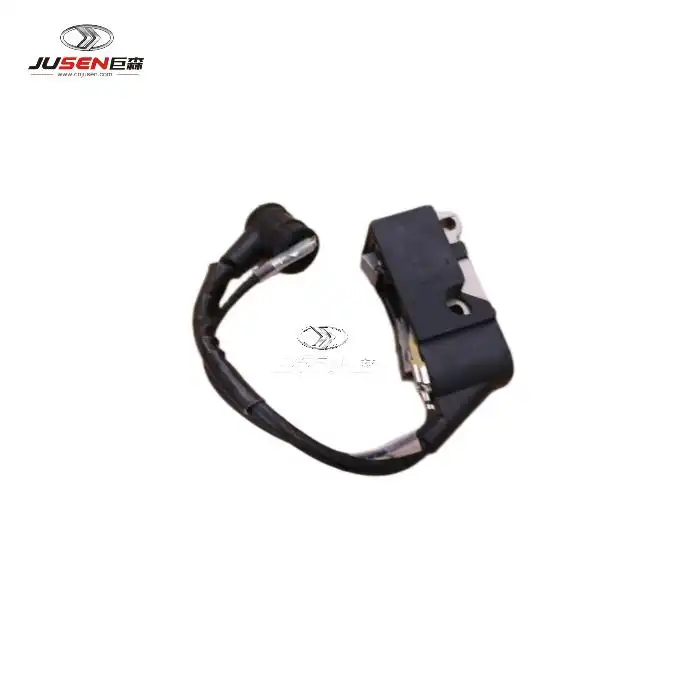 VIEW MORE52cc 58cc Chainsaw ignition coil
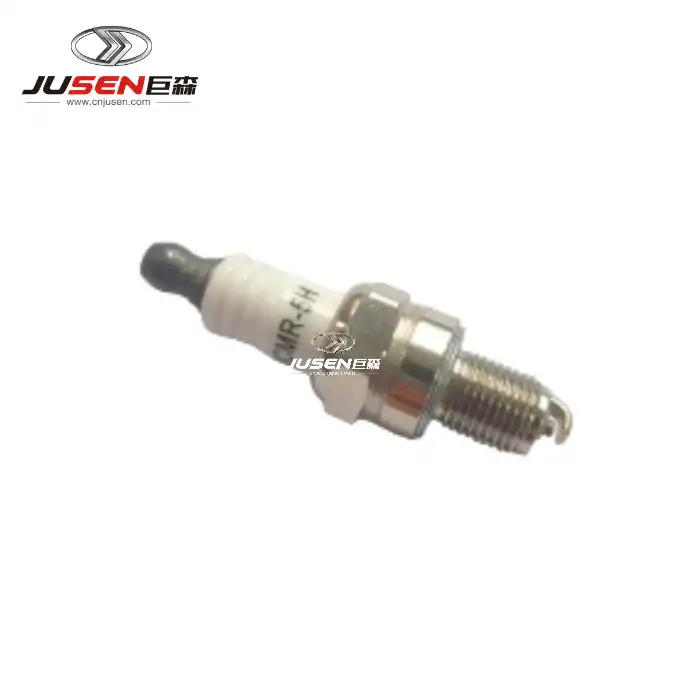 VIEW MOREGx35 brush cutter spark plug
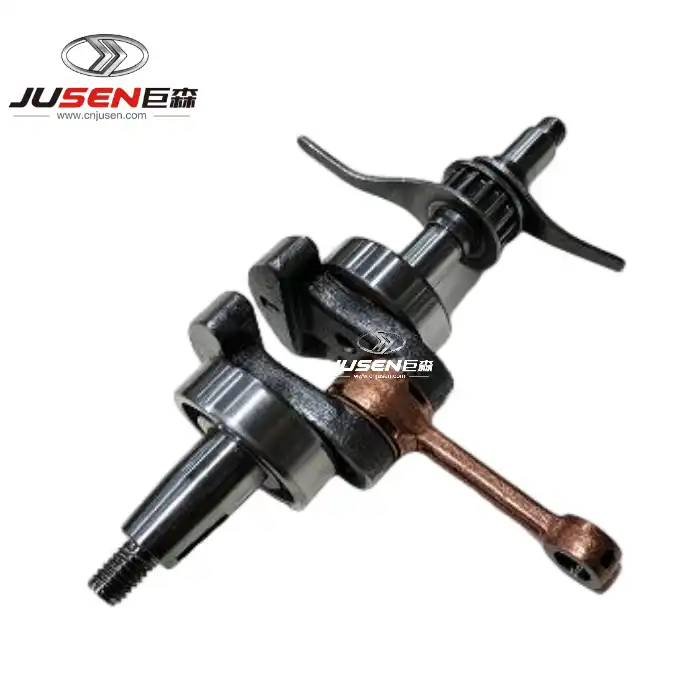 VIEW MOREGX35 Brush Cutter Crankshaft
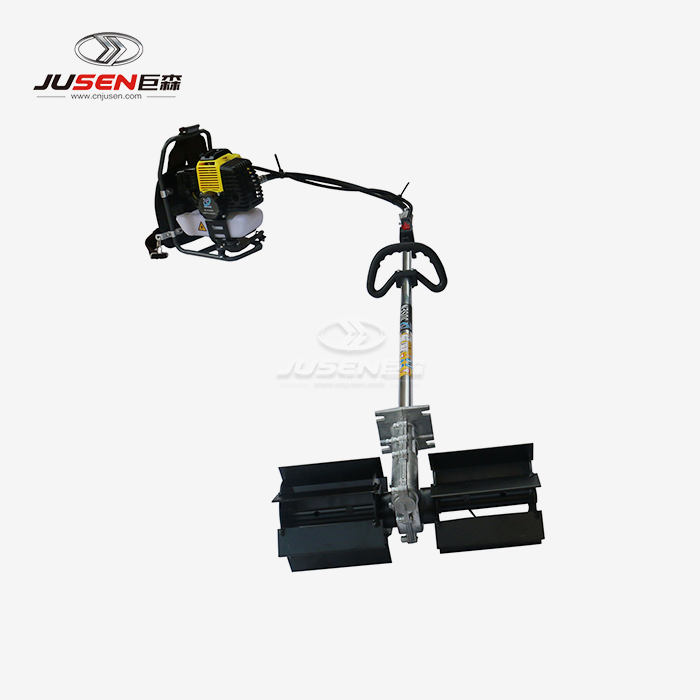 VIEW MORETrimmer Plus Brush Cutter
 VIEW MORE41.5cc 2-Stroke Gasoline Brush Cutter
 VIEW MORE62cc Gas Powered Chain Saw