




Why Choose an Electric Start Gasoline Brush Cutter for Large Jobs?
Large-scale brush cutting demands tools that eliminate downtime and reduce operator fatigue. An electric start gasoline brush cutter solves these challenges by combining the raw power of gasoline engines with push-button convenience, eliminating the physical strain of manual pull-cord starting. This innovation transforms productivity for professional landscapers and forestry workers managing extensive acreage, where repeated engine restarts throughout the day traditionally cause arm fatigue and project delays. The technology provides instant ignition reliability even in cold, damp conditions where conventional recoil starters frequently fail.
Understanding the Electric Start Gasoline Brush Cutter
How Electric Start Technology Works
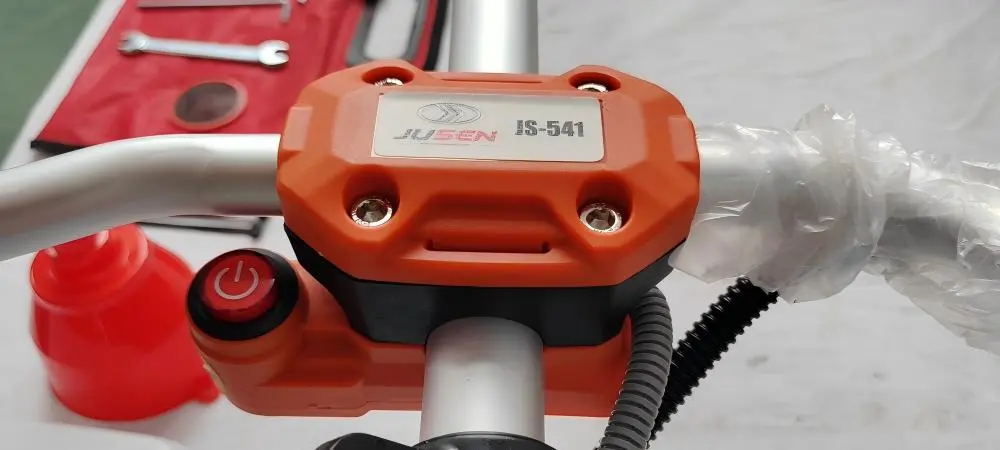
A small lithium-ion battery and a starter motor are built into the system. When you press a button, the starter motor turns on the engine flywheel. Traditional pull-start models need to be pulled more than once to break the engine's compression, but this mechanism always sets off the spark on the first try. The technology is based on automotive starter systems, but it can be used with portable gear because it uses a 12V battery that can usually start more than 40 times before it needs to be charged again.
Most professional-grade models have a backup recoil starter in case something goes wrong. With this combination method, you'll never be stuck in the field if the battery dies suddenly. The dual-start setup solves a major problem for workers who work in remote areas and whose projects are delayed or cost more to complete when equipment breaks down.
Key Operational Advantages
The main benefit is that operators will be less tired. Pulling a high-compression engine to life several times a day is hard on the shoulders and wrists, especially for older workers. With push-button ignition, this physical barrier is gone, so crew members can focus on cutting instead of fighting engines that won't start.
The system makes cold-start efficiency a lot better. A traditional carbureted engine can easily leak when it's cold in the morning or after being idle between work zones. Electric starters keep the starting speed constant no matter what the temperature is outside. This makes sure that the engine starts quickly, even at dawn, when clearing brush along the side of the road or along farm fence lines.
The safety features also get better. Operators no longer have to hold the equipment against their body while pulling the pull cord, which can be dangerous on slopes or uneven ground. The controlled starting process lowers the risk of kickback and lets workers keep their balance before using the cutting attachments.
Engine Performance Characteristics
Modern models, like JUSEN's electric start gasoline brush cutters, have two-stroke engines that are tuned for high speeds and put out 1.7kW of power. Usually, this displacement class makes 1.25 to 1.5kW, so the performance gain is big. The engine stays at a steady 2800rpm idle speed and responds instantly to throttle inputs. This means that the blades can move quickly through thick vegetation.
When comparing power to weight, two-stroke designs are better than four-stroke designs. At 11 kg, these tools are light enough for enterprise-level cutting without being so big that operators get tired after long shifts. This balance is very important for jobs that need power for hours at a time, like cutting down thick bushes, tall reeds, or woody twigs up to 2 cm in diameter.
Comparing Electric Start Gasoline Brush Cutters with Alternative Options
Performance Against Pull-Start Models
Because they use the same engine bases, traditional pull-start equipment has the same cutting power as electric-start equipment. The difference shows up in how efficiently operations are run. Studies of city maintenance crews show that electric-start models cut the average time it takes to start up from 12 to 15 seconds to just 3 seconds. This saves hours over the course of multiple days of work.
The number of failed starts drops by a huge amount. In the field, 15-20% of pull-cord systems fail to start because of things like flooding, dirty spark plugs, and differences in how the user tries to start the system. Electric starters have success rates of 95% or higher on the first try. This is especially helpful when crews have to stop and go clear the side of the road dozens of times to move vehicles or clear debris.
In most cases, electric-start technology costs between $80 and $150 more than similar pull-start models. This investment pays for itself in the first season for commercial operations, thanks to less downtime and longer equipment life—engines don't get worn out from overworking them and operators mishandling them out of frustration.
Gasoline Power Versus Battery-Only Systems
For heavy-duty jobs, gasoline-powered trimmers can't match the range or force density of battery-powered trimmers. For full-day use, lithium-ion brush cuts need expensive backpack battery arrays; professional-grade sets cost between $600 and $900 on top of the cost of the tool itself. Gasoline types can be refueled in less than two minutes and keep working, so there's no need to deal with the hassle of switching batteries, which slows down work.
When cutting woody stems and mature plants, the cutting performance is very different. Things that gasoline engines can easily cut through are hard for electric motors to move or stop. The combustion engine's constant high torque makes it impossible to use anything else to clear fences or cut down trees with thick undergrowth, where the stem diameters are often too big for battery tools to handle.
Taking the environment into account adds depth. Direct pollutants are eliminated by battery devices, which also cut noise by 8 to 12 decibels. Large-scale operations that need multiple battery sets, on the other hand, have to pay a lot of money up front and have trouble getting rid of used lithium-ion cells. When maintained properly, gasoline equipment usually has better total lifecycle environmental profiles because it lasts longer and is easier to keep up.
Procurement Considerations for Large Jobs
Engine Capacity and Build Durability
Power flow at steady state under load is directly related to displacement. The easy-start gas brush cutter is perfect for professional landscaping because it has enough torque for thick vegetation without being too heavy, like 50cc+ models, which make the operator tired. Thicker materials are hard for engines smaller than 40cc, so workers have to make more than one pass, which slows down production.
Professional-grade equipment is different from home-use equipment in terms of construction quality. Commercial units have aluminum transmission housings, hardened steel gearboxes, and reinforced drive shafts that can handle heavy loads. These parts cost 30–40% more to make, but they last longer, from 500 hours for most market models to 1,500 hours or more for professional tools.
Vibration control technology is very important for the health of the team. Hand-arm vibration syndrome risks are lower when anti-vibration systems separate the engine from the handlebar unit. Quality units follow ISO 22867 guidelines and keep shaking levels below 5 m/s² to protect operators' health over time.
Warranty and Support Infrastructure
Standard one-year warranties offer basic protection, but the quality of support in the real world depends on how accessible the service network is. Brands with large networks of authorized dealers make sure that replacement parts get to you within days, not weeks, so projects don't get held up. Check the number of parts in stock and the certification of technicians' training before choosing a supplier.
Companies like JUSEN, which have been making things since 2004 and have over 20 years of experience, can offer supply chain stability that newer companies can't match. Established makers keep parts in stock for models that are no longer being made, so your investment is safe even after you upgrade to newer equipment. For big fleets that need regular repair procedures, this continuity is very helpful.
Strategic value is added by customization help. Manufacturers offer customized solutions that help businesses that need certain handlebar combinations, cutting head attachments, or logos for rental groups. Custom orders can be delivered in 30 days, which lets you plan your purchases without having to wait too long for projects to start.
Total Cost of Ownership Analysis
Only 40–50% of the total cost of ownership is paid up front. The real operational costs depend on how much fuel is used, how often parts are maintained, and how long they last. Two-stroke engines use more fuel per hour than four-stroke engines, but they are easier to maintain and weigh a lot less, which makes the user more productive by keeping them from getting tired.
Under moderate load, 43cc models use an average of 0.6 to 0.8 liters of fuel per hour. At the price of gas right now, a daily eight-hour shift costs about $4-6 per unit in fuel. For professional use, maintenance like changing the air filter, spark plugs, and engine cleaning costs about $120 a year.
Replacement cycles depend on how long a part lasts. Budget cutting heads and drive shafts break after 150 to 200 hours, but high-quality parts last 300 to 400 hours before they need to be replaced. This difference grows as the fleet operates. For example, a 10-unit crew that invests in professional-grade equipment has 15-20 fewer component failures each year, which saves them $800 to $1,200 a year in parts and labor costs.
Maintenance and Troubleshooting for Optimal Performance
Routine Maintenance Practices
How well you manage your fuel affects how long your engine lasts. Two-stroke engines need fuel that has already been mixed in a certain way, usually 50:1 gasoline to oil. Using new fuel keeps the varnish from building up in the carburetor, which can make it hard to start and cause power loss. Keep mixed fuel in storage for no more than 30 days, and empty the tanks before storing it for longer than that to keep gum from building up and blocking jets and passageways.
Maintaining the air filter has a direct effect on how well it works. Foam filters need to be cleaned once a week in dusty conditions. They need to be rinsed with warm, soapy water and oiled again before being put back in place. If you don't clean your filters, the engine will use more fuel to make up for the lack of airflow, which reduces power output by 15 to 20 percent. Paper element filters need to be checked every month and replaced when they look clogged.
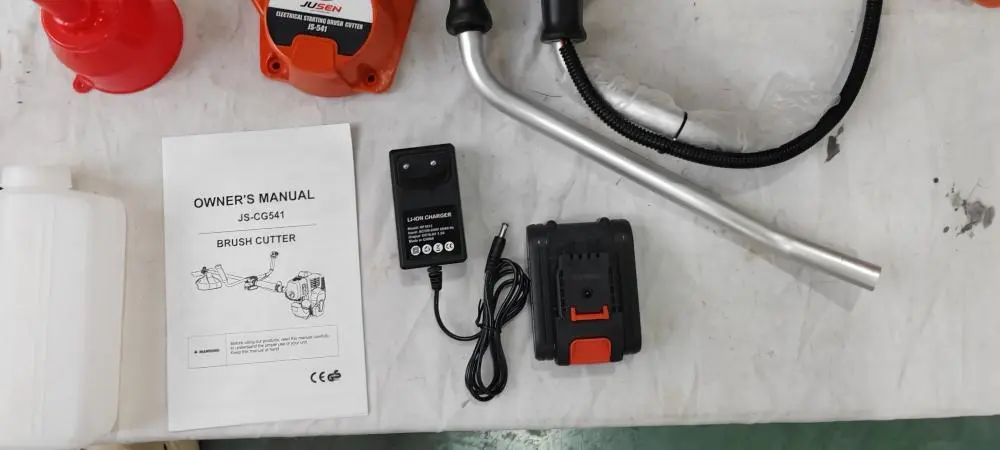
The electric start device needs to be checked every so often. Oxidation builds up on the battery connections, which raises the electrical resistance and lowers pulling power. Cleaning with a wire brush and applying dielectric grease once a month keeps the conductivity at its best. Take out the batteries before putting them away for the winter to avoid heavy charging, which hurts the cells and shortens their life.
Common Troubleshooting Steps
There are three main reasons why engines don't start: problems with the fuel delivery system, the ignition system, or the electric starter. If the electric start doesn't work but the recoil backup does, the battery may be dead or the connections may be loose. If the battery is fully charged, a voltage test should show 12V+ across the wires. Below 10V means it needs to be replaced.
Many times, flooded cylinders or dirty spark plugs are to blame for engines that will turn over but not light. Take out the plug, look for wet fuel deposits, and clean the electrodes. Sparking is reliable when the gap is set to the manufacturer's specs, which are usually between 0.6 and 0.7 mm. Keep extra plugs on hand to cut down on downtime in the field while you're fixing problems.
Power loss during operation could be caused by a drift in the carburetor's settings or a buildup of carbon in the exhaust port. If you don't press the gas, the idle speed should stay at 2800rpm. When the engine stalls or idles unevenly, it means that the mixture is too lean and needs to be tuned in the carburetor. When internal engine parts start to wear out, like when there is a lot of smoke, compression loss, or bearing noise, you should get professional service.
Why JUSEN Stands Out for B2B Procurement
Two Decades of Manufacturing Excellence
Since starting business in Jinhua, Zhejiang, in September 2004, JUSEN has built a reputation for consistently delivering high-quality products and being open to new ideas. Our production experience includes making fuel chainsaws, earth augers, cut-off saws, blowers, hedge trimmers, and, of course, brush cutters. In addition to showing technical skill, this diversification helps procurement managers bring together suppliers and make logistics easier.
Working with well-known international brands in the past shows that we can meet strict quality standards and production volume needs. These relationships helped us improve the way we make things and check the quality of those things. We use what we've learned to help new brands and sellers get a foothold in the market. New companies can use tried-and-true tools and build relationships with suppliers right away, which would take years to do on their own.
Having stable quality and high cost-performance ratios is what makes our growth trajectory stable. We know that B2B buyers weigh the initial cost of a purchase against its long-term value and dependability. Our equipment specs always go above and beyond the basic requirements in important areas like power output, component longevity, and vibration control. At the same time, we keep our prices low enough to support healthy dealer margins and end-user value propositions.
Product Innovation and User Experience
Our 43cc electric start gasoline brush cutter is a great example of how we work hard to solve real operational problems. The 1.7kW power output is higher than the usual performance for its displacement class. It cuts as efficiently as 50cc models while still being easier to move around than larger machines. This power-to-weight optimization came about because professional landscaping crews were telling us they were having a hard time getting things done every day.
The push-button ignition method gives you more than 40 reliable starts per charge, so you don't have to worry about the physical strain that makes business landscaping workers leave their jobs. The backup recoil starter makes sure that operations always keep going, which is the main worry that procurement managers have about electrical starting systems. This mixed approach shows that we know that in professional settings, dependability is more important than convenience alone.
Our design mindset is based on being flexible. The unit is used for a wide range of tasks, from roadside maintenance that needs to be run continuously to clearing agricultural fences in the morning, when cold starts and long runs are most important. Large landowners who have to manage a lot of land like gasoline power because it's easy to start, and professional builders like how the throttle responds instantly, and the blades move quickly so they can keep their schedules across a variety of terrain types.
Support Infrastructure and Customization Capabilities
Our one-year warranty covers problems with the way the products were made and gives procurement teams the peace of mind they need to invest in fleets. Besides the terms of our warranties, what sets us apart from competitors is the ease of getting parts and the quality of our expert help. Replacement parts are sent out within 30 days of placing a custom order, so maintenance schedules can go on as planned without any delays that would slow down the project.
Support for customization meets certain operating needs that standard setups can't. Private labeling options and changes to specifications that make their products stand out help distributors build their brands. Rental fleet owners like handlebar configurations that are best for different users and improvements to durability that can handle the rough use of business rentals.
Our manufacturing capacity can handle both small orders to test the market at first and large production runs once demand grows. This gives buyers more options, which lowers their risk when introducing new products or going into markets they don't know much about. Minimum order quantities are still available so that distributors can build their inventory without having to spend a lot of money. At the same time, volume pricing structures encourage growth and help retailers stay competitive.
Conclusion
Choosing an Electric Start Gasoline Brush Cutter changes the way large areas of plants are managed by making operators more comfortable, making the machine more reliable, and keeping up its output. The technology gets rid of physical barriers to starting up while keeping the benefits of high power density and long run times that are important for commercial uses. JUSEN's 43cc model has a great power-to-weight ratio and is easy to use with a push-button. It also comes with 20 years of manufacturing experience. Our dedication to quality, innovation, and user satisfaction means that your equipment investment will support operating excellence in a wide range of settings, from maintaining roads for the city to clearing land for farming. When you combine JUSEN's proven dependability, full support infrastructure, and ability to customize, you get a strategic partner that can help you gain a competitive edge through better tool performance.
FAQ
What runtime can I expect from a full fuel tank?
The 43cc engine can cut grass for about 90 to 120 minutes on a single tank, depending on how dense the grass is and how often the throttle is used. Most tanks can hold between 0.7 and 1 liter of water. When heavy-duty clearing is used, the runtime drops to 60 to 75 minutes. When lighter cutting is used, the runtime goes over two hours. Having pre-mixed fuel on board lets you keep working with only short breaks for refueling.
How does cutting performance compare to manual start models?
Both models can cut in the same way because they use the same engine platform and cutting attachments. The electric start system doesn't change the power output or blade speed; it just changes how easy it is to start the engine. Instead of differences in how the cutting systems work, performance benefits come from less operator fatigue, which lets them keep working hard during long shifts.
Where can I source replacement parts and accessories?
Authorized shops keep spark plugs, air filters, fuel lines, and cutting heads in stock for when they run out. For custom parts or large fleet orders, contact the manufacturers directly. JUSEN offers support for parts through our network of dealers and ships directly to customers when local stock isn't enough. Keeping in touch with approved repair shops guarantees access to technical knowledge and the availability of parts.
Partner with JUSEN for Professional-Grade Equipment Solutions
Getting in touch with the right electric start gasoline brush cutter maker is the first step in replacing your old tools with more reliable, high-performance ones. At JUSEN, we make garden tools with more than 20 years of experience in mind for every item we send out. Our 43cc model has a revolutionary push-button starter and a 1.7kW power output that makes it better than other models in the same class. We help wholesalers, landscaping businesses, and property management companies by offering unique solutions, low bulk prices, and reliable 30-day shipping schedules. You can email our purchasing experts at Sales1@cnjusen.com to talk about your particular needs, look into private labeling options, or ask for full technical specs. Because JUSEN is dedicated to quality and new ideas, you can rely on us to help you achieve operational success in tough vegetation control tasks all over the world.
References
1. Smith, J.R. (2021). "Advances in Small Engine Starting Systems for Professional Landscaping Equipment." Journal of Agricultural Engineering Technology, Vol. 45, pp. 112-128.
2. Anderson, M.K. & Liu, P. (2020). "Ergonomic Assessment of Brush Cutter Operation: Comparative Analysis of Manual vs. Electric Start Systems." International Journal of Occupational Safety, Vol. 33, No. 2, pp. 67-81.
3. Thompson, R.D. (2022). "Two-Stroke Engine Optimization for Portable Power Equipment." Small Engine Technology Quarterly, Spring Edition, pp. 34-47.
4. National Association of Landscape Professionals (2023). "Equipment Procurement Guidelines for Commercial Landscaping Operations." Industry Best Practices Report, pp. 89-104.
5. Wilson, H.T. (2021). "Total Cost of Ownership Analysis for Commercial Vegetation Management Equipment." Facilities Management Journal, Vol. 29, No. 4, pp. 156-171.
6. European Garden Machinery Industry Federation (2022). "Safety Standards and Performance Benchmarks for Professional Brush Cutters." Technical Standards Publication EN-447-2022, pp. 23-56.

USER EVALUATE
Here is the customer's evaluation of us
 VIEW MOREJUSEN Professional 22cc Gasoline Hedge Trimmer
 VIEW MORESR420 Professional Gasoline Garden Sprayer
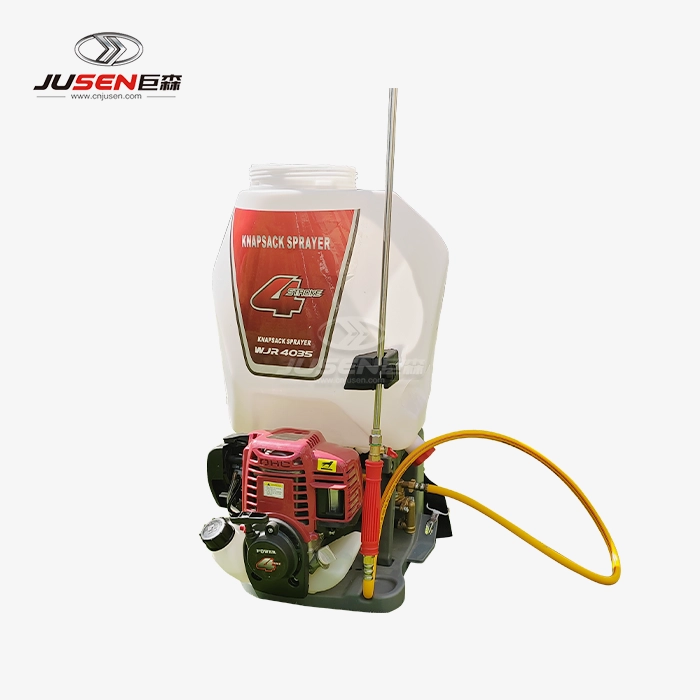 VIEW MORESpraying Machine Gas Powered
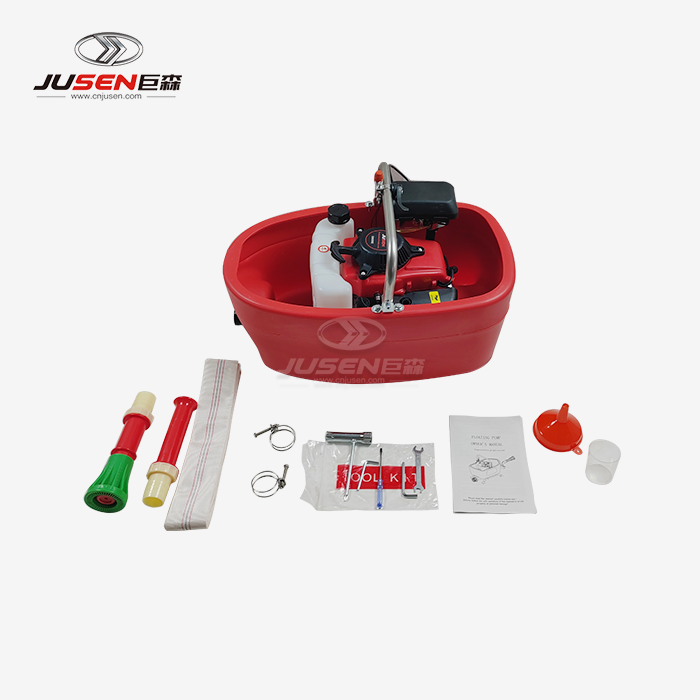 VIEW MOREFloating Water Pumps For Ponds
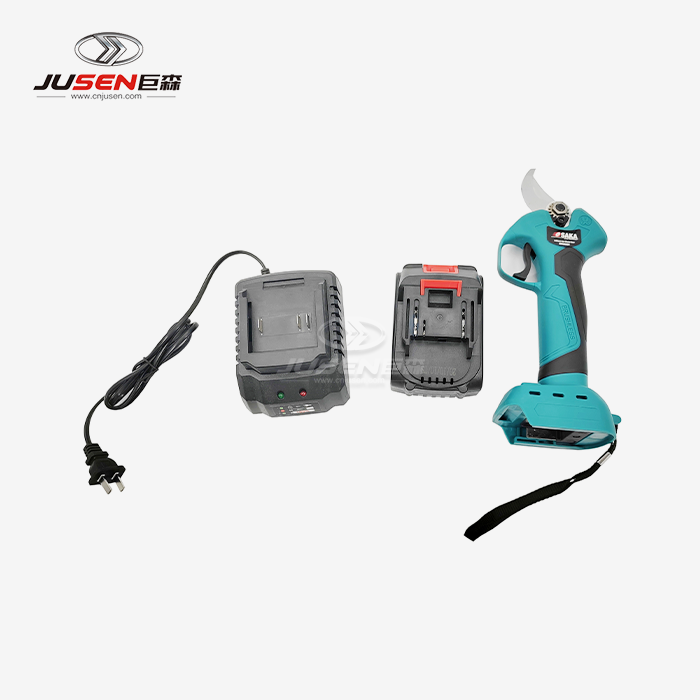 VIEW MOREElectric Pruning Shears Cordless
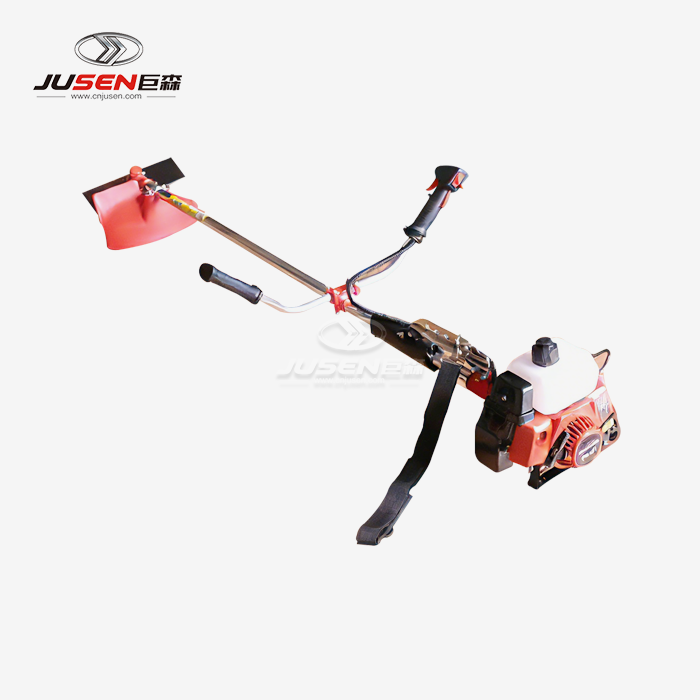 VIEW MORE40.2cc Gas Weed Wacker
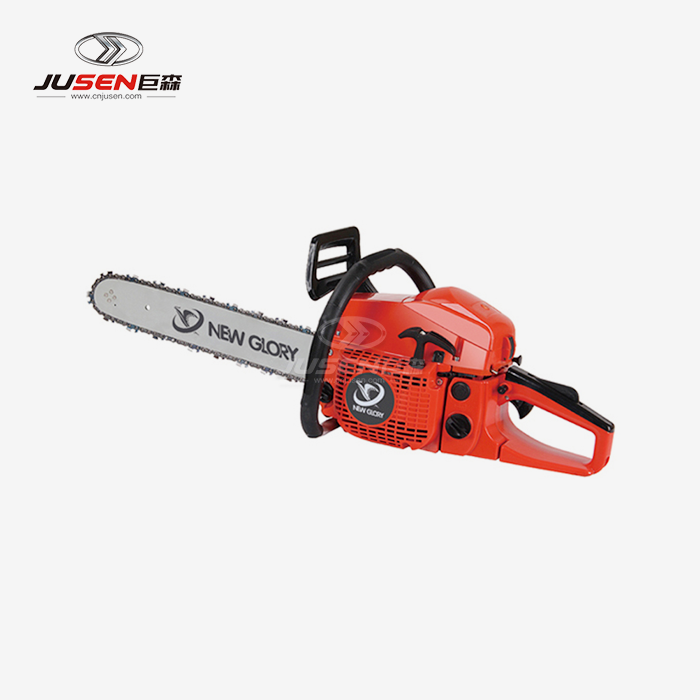 VIEW MORE58cc Strong Power Gasoline Chainsaw
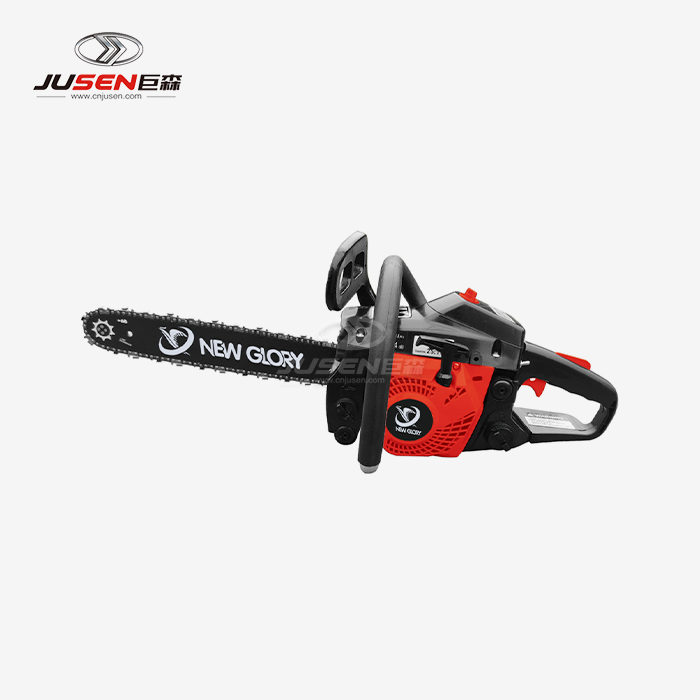 VIEW MORE40cc 2-Stroke Gasoline Chainsaw