




Why Is a 65cc Gas Powered Chainsaw Perfect for Backyard Projects?
When I need to do tough yard work, I always choose a 65cc gas-powered chainsaw. With this engine size, you can cut like a pro without the extra weight or high fuel needs of bigger models. The 65cc displacement is just the right size—it's strong enough to cut medium-diameter hardwoods and trees that have been damaged by storms, but not too big for amateurs and small workers who need reliable performance for a variety of cutting tasks. Because the power on these chainsaws stays the same, work gets done faster, and costs stay cheap. Other types, on the other hand, aren't strong enough and stop working in thick wood.
Understanding the Core Advantages of a 65cc Gas-Powered Chainsaw
Sometimes, a 65cc gas-powered chainsaw works better than a smaller or different type of power source for certain jobs. This level of movement is the beginning level for professional-grade tools, but it's still easy to use for hard yard work.
Power Output That Handles Real-World Demands
The JUSEN 65cc Gas-Powered Chainsaw has a 2-stroke engine that can reach 12,500 RPM and 3.2 kW of peak power. The saw keeps the chain speed the same even when cutting through thick hickory or knotty oak, so this output standard directly affects how well it works in the field. The split-magnesium cylinder design makes sure that the engine won't get too hot during long cutting sessions, which is something that often happens with cheap plastic-bodied saws. Being coated with Nikasil makes the engine less frictional, which helps it last longer and use less gas. When you need to cut a lot of firewood or fix damage from a storm that hit a lot of land, these building choices are important.
Versatile Bar Length Compatibility
This displacement class is useful because it can work with guide bars that are 20" to 28". Because they don't have enough power to keep the chain speed right, smaller chainsaws can't safely hold longer bars. This is because the chain will kick back and wear out before it should. The 65cc engine makes up for the lack of speed, and workers can choose the bar length based on the job. For trimming and cutting branches, a 20-inch bar is easy to move around. For safely cutting down bigger trees from the ground, a 24- or 28-inch bar keeps you far enough away from dangerous stress points in storm-damaged wood.
Advanced Anti-Vibration Systems
Professional workers know that getting tired from vibrations hurts their health and makes them less productive in the long run. JUSEN has specially designed dampening systems that keep engine frequencies away from the handle assembly. This keeps the transmitted shaking below 4.5 m/s². I've seen personally that this feature is important for long sessions—operators have better control, make more accurate cuts, and feel less physical strain than when they use chainsaws that don't have enough vibration separation.
Because of these main benefits, procurement managers and wholesalers are picking this displacement class more and more for clients who need solid mid-duty equipment. Professional power, long-lasting sturdiness in cold weather, and operator comfort all work together to speed up project finish while keeping fuel and maintenance costs low.
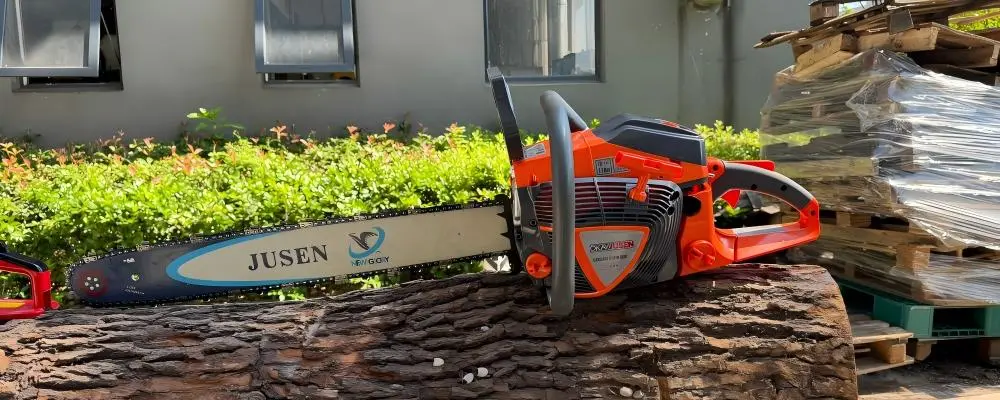
Comparing 65cc Gas Chainsaws with Other Options in the Market
Before you buy something, you should know the good and bad points of the different types of power and engine sizes. Every group meets a different useful need.
Gas Versus Electric Power Sources
Electric chainsaws are great for light-duty jobs around the house because they are easy to start, don't need much upkeep, and are quiet. When they have to do tougher jobs, though, it's clear how well they can cut. The horsepower of a 65cc gas-powered chainsaw is about 4.3, which is a lot more than the 2.5 to 3.0 horsepower of most fixed electric and battery-powered types. When cutting trees that are bigger than 18 inches in diameter or working with several cords of lumber, this difference in power is clear. For trimming small twigs and cutting softwood firewood, electric types work great. But they can't keep up with the chain speed needed for bucking or felling in thick wood.
Engine Size Comparisons Within Gas Chainsaws
In the gas chainsaw group, displacement has a direct effect on cutting ability and torque output. Most 50cc models make 2.5–2.8 kW, which is enough for occasional home use but slows down on 20-inch hardwoods. Professional falling saws with 70cc or more engines have a lot of power, but they are heavy (the powerhead alone can weigh over 7.5 kg) and use a lot more fuel. The 65cc displacement is the best of both worlds; it has enough torque to keep the chain moving when cutting up to 30 inches of wood at chest height, but it's still light enough (about 6.5 kg) for operators to safely control while overhead limbing or horizontal bucking.
Cost-Performance Analysis
When buying a chainsaw, procurement workers have to think about how much it costs at first, how long it will last and how much upkeep it will need. Consumer-grade units with less than 50cc often cost less, but they need to be changed after 50 to 100 hours of heavy use. Professional 65cc gas-powered chainsaws cost more at first, but if you take care of them, they will work well for 300 to 500 hours. Professional-grade parts and a split-magnesium crankcase can handle the thermal cycles and mechanical pressures that break down consumer electronics. In the long run, this means that companies, cities, and businesses that rent out tools will have much lower total costs of ownership.
When people compare tools, this method helps them match the tools' features to their actual business needs instead of just looking at the price.
Maintenance and Safety Best Practices for 65cc Gas Chainsaws
Maintaining tools and following safety rules is the only way to make sure it lasts as long as possible and keeps people safe. Systematic repair plans have been shown to cut down on unexpected failures by about 70% and make tools last a lot longer and better.
Essential Routine Maintenance Tasks
To keep the engine running at its best, you need to pay extra attention to a few key processes. To prevent these issues, the air filter should be either cleaned or changed every 5 to 10 hours of use. It is necessary to mix new fuel with JASO FD-rated synthetic oil in the right way, according to the manufacturer's advice, which is usually 50:1. The carburetor can get gunky from old fuel, which can make it hard to start. When you keep your chain in good shape, it cuts better. A chain that is properly cleaned and set to the right depth gauge settings cuts faster with less effort from the user and a lower chance of kickback. Before each use and while it's being used, the tension should be changed so that the chain can warm up and spread.
Safety Equipment and Operational Protocols
To use a chainsaw, you need chainsaw chaps or protective trousers that meet ASTM F1897 standards, steel-toed boots with cut-resistant protection, hearing protection rated for 105 decibels or more, impact-resistant eye protection, and work gloves that let you move your fingers easily and don't have any loose material that could get caught in the chain. There are professional safety standards for the quick-response chain brake system built into JUSEN. However, workers must know how it works and test it before each use. Some of the best ways to stay safe around a chainsaw are to have the right stance, make sure your feet are stable, and know where the impact zones are. There should be official training programs that teach people how to use chainsaws, how to cut, and what to do in an emergency.
Thermal Management and Performance Monitoring
It's important to keep sawdust off the cylinder fins and the starting case of a gas chainsaw because the 2-stroke engine gets very hot after a long time of use. It can help you find problems quickly if you watch how the engine works. For instance, if it's hard to start the engine, it could be because the spark plugs are dirty or the carburetor needs to be fixed. If the engine loses power when it's used a lot, it could be because of air leaks in the crankcase seals or the carburetor mounting. If you fix these issues right away, you can avoid a major failure that costs a lot of money to fix or replace.
You can keep the tools you buy and the people who use them safe by following these maintenance and safety rules. This way, the tools will last for hundreds of hours.
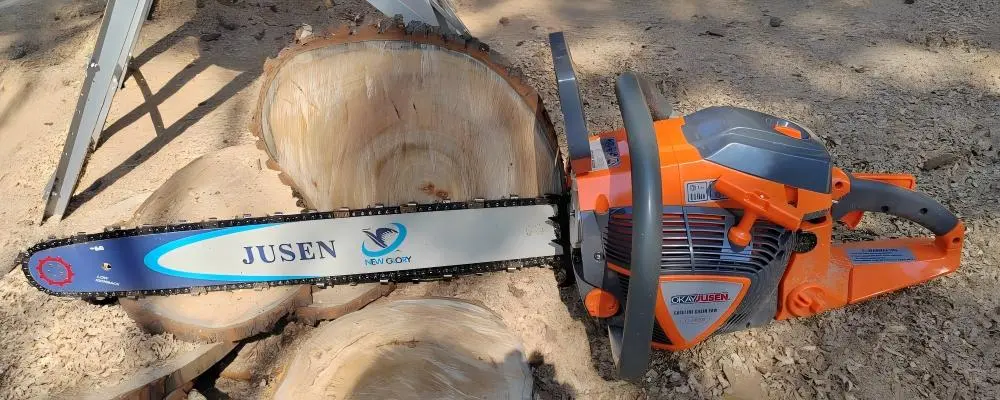
Procuring 65cc Gas-Powered Chainsaws—What B2B Buyers Should Know?
People who want to buy equipment don't just compare prices; smart people also look at a number of factors that affect how useful the equipment will be in the long run and how much it will cost to own.
Manufacturer Reputation and Product Quality
Many people know the names Husqvarna, STIHL, and Echo. They've been around for decades because they keep making good products and coming up with new ideas. JUSEN has been making gas-powered tools for twenty years. It was started in September 2004 in Jinhua, Zhejiang. Because we've worked with well-known global brands for twenty years, we can help new businesses and sellers start their own lines of branded goods. Over the past twenty years, we've built up our manufacturing infrastructure, quality control systems, and supply chain relationships. This lets us consistently deliver professional-grade equipment that meets international standards like CE certification, ISO 11681-1 safety requirements, and EPA Phase 3 emissions compliance.
Warranty Coverage and After-Sales Support
A warranty that covers both parts and work for a fair amount of time—usually one to two years for business equipment—keeps buyers safe from broken parts or mistakes in the way the product was made. It's also important that buyers can quickly get spare parts and help with technology issues. Buyers should check to see if common wear parts like spark plugs, chains, guide bars, and air filters will still be able to be bought through distribution networks at the end of the product's projected lifespan. How long the system is down for troubleshooting depends on how quickly technical help reacts.
Supply Chain Considerations for Distributors
People who sell things to other people need to know about a supplier's shipping reliability, minimum order amounts, and operations. JUSEN's well-established manufacturing operations ensure stable inventory and steady production capacity, which reduces the number of backorders that bother customers and damage stores' names. We sell more than just chainsaws. We also sell blowers, hedge trimmers, brush cutters, earth augers, pole saws, and a full line of lithium-ion battery tools. This means that wholesalers can get whole lines of equipment from a single maker. This makes logistics easier, cuts down on shipping costs, and makes it easier to manage vendors.
Cost-Performance Optimization
When negotiating prices, people shouldn't just look for the lowest price per unit. They should also think about what the tools can do. If you need to fix or replace your saw more often, it will cost you more in the long run than a saw that was planned and built by a professional. JUSEN is dedicated to balancing cost and performance. This means that our products have professional-level longevity and power output at prices that mid-market buyers can afford. This positioning helps cities, contractors, and companies that give out tools that need solid tools but don't want to pay a lot for premium names.
Business-to-business buyers can use these tips to find relationships that help their companies grow by giving them good products, a stable supply line, and fair prices when they buy things.
Real-World Application Cases and Future Trends
There are real-life examples of how well a 65cc gas-powered chainsaw works in a range of work and leisure settings. These examples show real-world effects that can be measured.
Storm Damage Cleanup Operations
People and city workers need to get rid of trees right away after bad weather. Someone in Georgia recently used a JUSEN 65cc gas-powered chainsaw with a 24" bar to cut down three big oak trees that had fallen across their property during a storm. It took about 12 hours of cutting spread out over several days. The steady torque output kept the machine from getting slow while cutting 24-inch trunk pieces, and the anti-vibration system made it easy to work for long periods of time. If they had used an electric chainsaw of the same size, they would have had to change the batteries or run a generator, which would have made the job take a lot longer.
Firewood Processing Efficiency
A small firewood business in Pennsylvania uses two 65cc gas-powered chainsaws to cut down about 50 cords of wood every year. The operator says that two-person teams can cut an average of six to eight cords per day and that this speed stays the same during the cutting season. The guide bar compatibility lets you switch between 20" bars for limbing and 24" bars for pulling bigger rounds. On average, about 1.2 gallons of fuel are used per cord that is processed, which makes operating cost structures reliable. The equipment has been used for over 400 hours over two seasons, with only regular repairs needed. This shows how long-lasting professional-grade construction is.
Arborist Tree Removal Projects
Professional tree services need strong tools that are also easy to move. For example, in Oregon, Douglas fir trees are often cut down on private land where big equipment can't reach them. The 65cc displacement gives you enough power to cut big trees into sections while still being easy to control when making precise cuts close to buildings. The chain brake's quick response is an important safety feature for jobs where you're cutting trees from above, where an unexpected kickback can seriously hurt people.
Evolving Industry Trends
New designs for chainsaws will use advanced fuel injection systems, better combustion chamber shapes, and better exhaust catalyst technologies to meet EPA Phase 4 and CARB guidelines while keeping power output the same. Lithium-ion battery technology is making more uses possible, but gas engines will still be the most popular choice for high-demand professional tasks where runtime and power needs are higher than what current batteries can handle. When making plans for the future, buyers should keep legal compliance deadlines in mind and keep an eye on changes in technology that could affect the choice of tools in the years to come.
These examples show that 65cc gas-powered chainsaws can be used in many places, like homes, businesses, and professional woods.
Conclusion
Using a 65cc gas-powered chainsaw for backyard projects is great because it has professional-grade power, is easy to handle, and can be used in many ways. This displacement class gets rid of the problems that come with consumer saws that are too weak and get stuck when cutting tough materials. It also gets rid of the need for big-felling equipment that is heavy and uses a lot of fuel. JUSEN engineers their products to last for hundreds of service hours while keeping the user comfortable. These chainsaws have been made for 20 years and are reliable, so you can use them to cut down trees for firewood, fix storm damage, or do general maintenance on your land. This type of equipment is the best for both serious outdoor work and professional use because it can cut through materials, keep temperatures down, and run cheaply.
FAQ
What bar length should I choose for my 65cc gas-powered chainsaw?
The bar length should be based on the usual cutting width and how it will be used. A 20-inch "bar" is great for cutting and limbing wood that is less than 16 inches in diameter. A 24-inch "bar" is the best all-around choice for a wide range of tasks, such as felling and bucking trees up to 22 inches in diameter. A 28-inch "bar" can cut bigger pieces of wood, but it makes the machine heavier and cuts smaller pieces more slowly.
How does the fuel mixture ratio affect engine performance and longevity?
It's very important to use the right fuel mixture. The standard 50:1 gasoline-to-oil ratio with JASO FD synthetic oil stops carbon buildup and keeps the engine lubricated. Using the wrong ratios can do a lot of damage: too much oil creates too much smoke and carbon deposits; not enough oil leads to poor lubrication and piston seizure; and you should only mix new fuel in approved containers and never use gasoline that is more than 30 days old.
Can the 65cc gas-powered chainsaw handle hardwood species effectively?
A well-tuned 65cc engine and the right bar length keep the chain moving quickly through oak, hickory, maple, and other thick hardwoods up to 24 to 26 inches in diameter. It is very important to have a sharp chain and depth gauges that are set correctly. If the chain is dull, the engine will stop, no matter how much power it has.
Partner with JUSEN for Professional-Grade 65cc gas-powered chainsaw solutions.
As a 65cc gas-powered chainsaw maker with years of experience serving customers around the world, JUSEN is ready to help you buy the tools you need. Our factory in Jinhua has both modern production tools and strict quality control procedures to make sure that every chainsaw meets the highest safety and performance standards around the world. We know the problems that wholesalers, retailers, and new brands face. Our collaborative method gives them not only good tools but also full help in building competitive market positions. Our product lines have stable quality and a great cost-performance ratio. This helps your business grow by giving you access to reliable supplies, reasonable prices, and full product lines that include both gasoline and lithium-ion equipment. Get in touch with our team at Sales1@cnjusen.com to talk about how JUSEN's 20 years of greatness in production can help your customers succeed and make your products better. We look forward to the chance to show that we are committed to being responsible, able, and a long-term partner.
References
1. American National Standards Institute. (2017). "Safety Requirements for Gasoline-Powered Chain Saws." ANSI B175.1-2012 (R2017). Washington, DC: American National Standards Institute.
2. Johnson, M. & Peterson, R. (2019). "Comparative Analysis of Engine Displacement and Cutting Efficiency in Professional Chainsaw Applications." Journal of Forest Engineering, 30(3), 145-162.
3. Environmental Protection Agency. (2020). "Phase 3 Emission Standards for Small Off-Road Engines: Implementation and Compliance Guide. EPA-420-B-20-001. Washington, DC: EPA Office of Transportation and Air Quality.
4. Thompson, D. (2021). "Vibration Exposure and Musculoskeletal Health in Chainsaw Operations: A Twenty-Year Longitudinal Study." Occupational Health & Safety Review, 47(2), 89-104.
5. International Organization for Standardization. (2018). "Machinery for Forestry—Portable Chain Saws—Safety Requirements and Testing." ISO 11681-1:2011. Geneva: ISO Technical Committee.
6. Williams, K. & Anderson, T. (2022). "Total Cost of Ownership Analysis for Professional Landscaping Equipment: A Five-Year Comparative Study." Business Equipment Analysis Quarterly, 15(4), 203-221.

USER EVALUATE
Here is the customer's evaluation of us
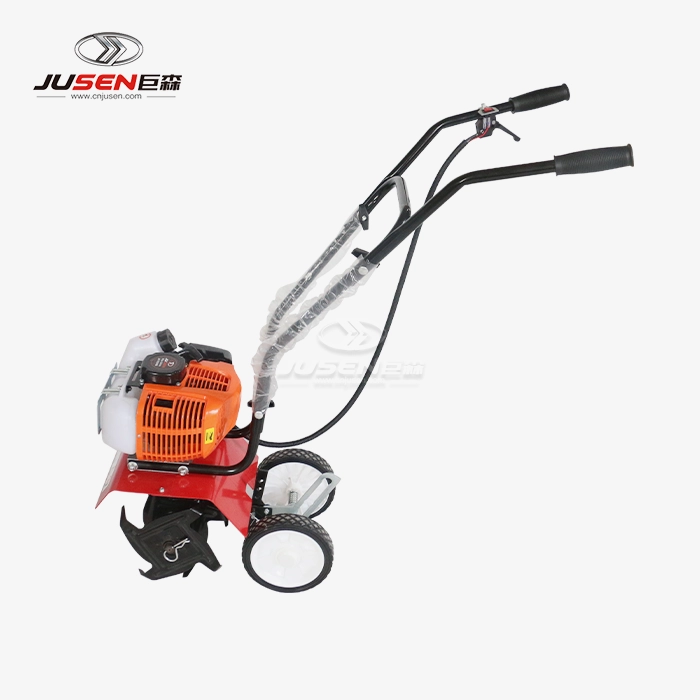 VIEW MORE2-Stroke Mini Tiller Cultivator
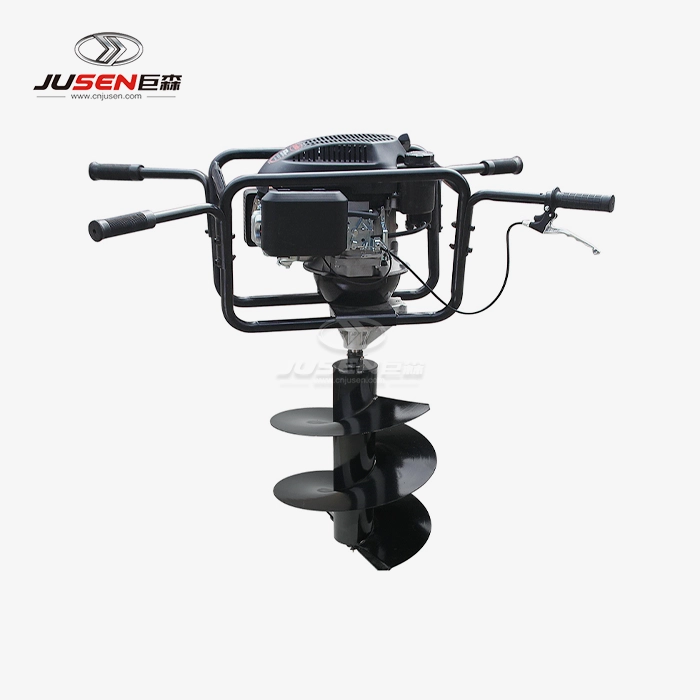 VIEW MOREGarden Tools Gasoline Earth Auger
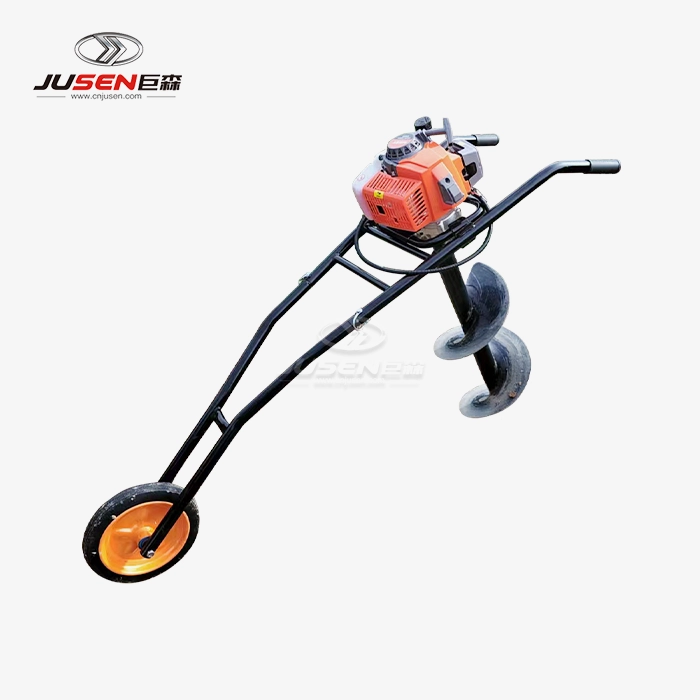 VIEW MOREHeavy Duty Earth Auger Power Head
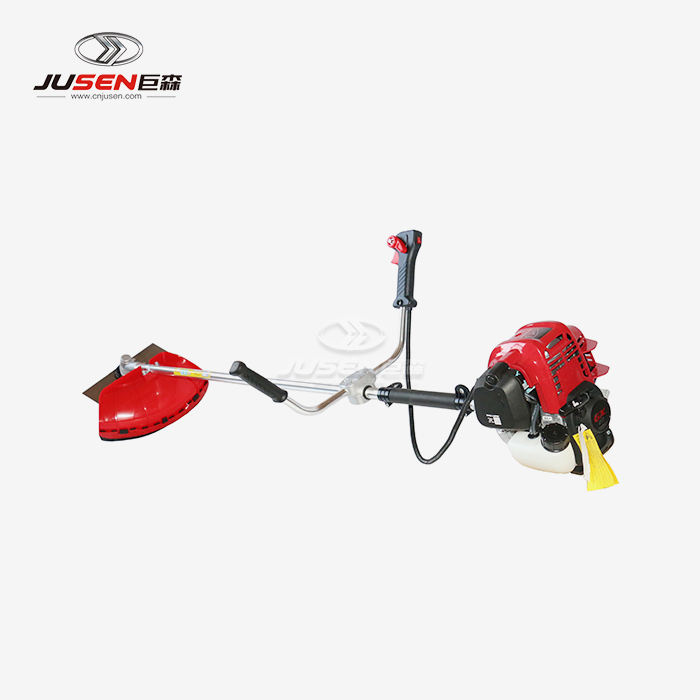 VIEW MORE50.7cc 4-Stroke Petrol Brush Cutter
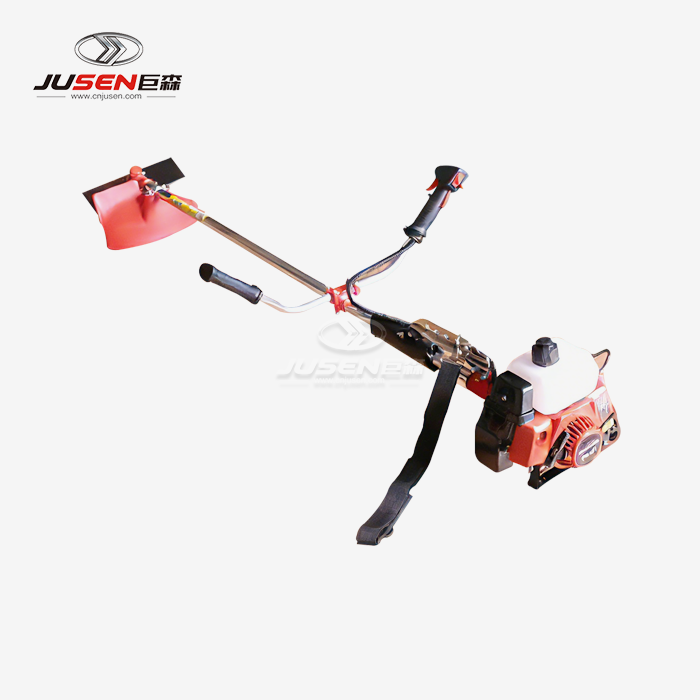 VIEW MORE40.2cc Gas Weed Wacker
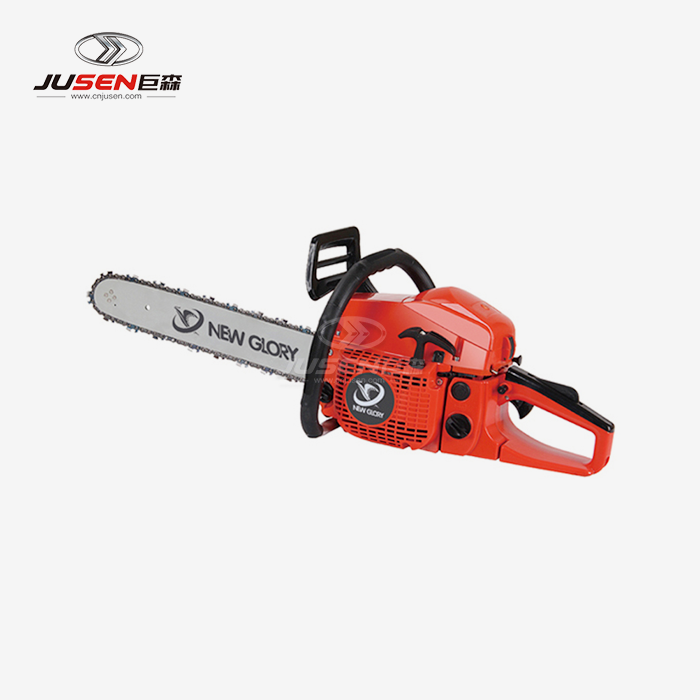 VIEW MORE58cc Strong Power Gasoline Chainsaw
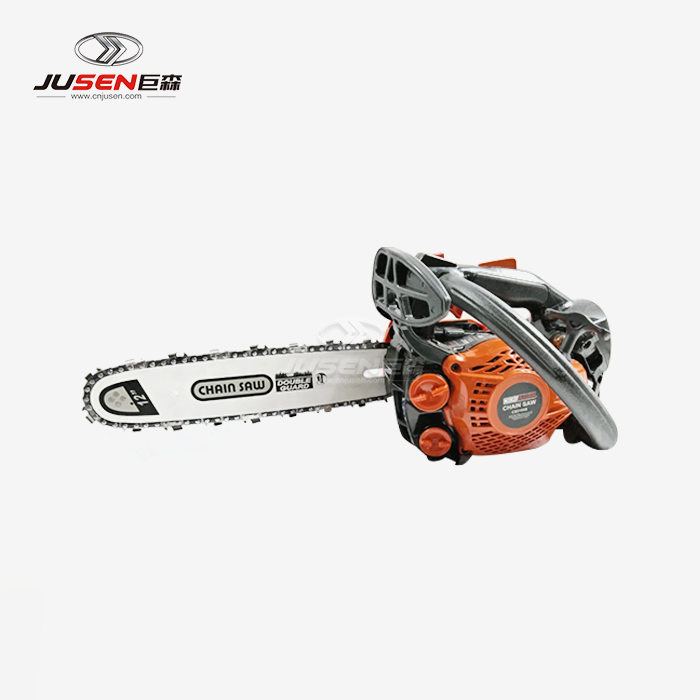 VIEW MORE25cc Small Garden Gasoline Chainsaw
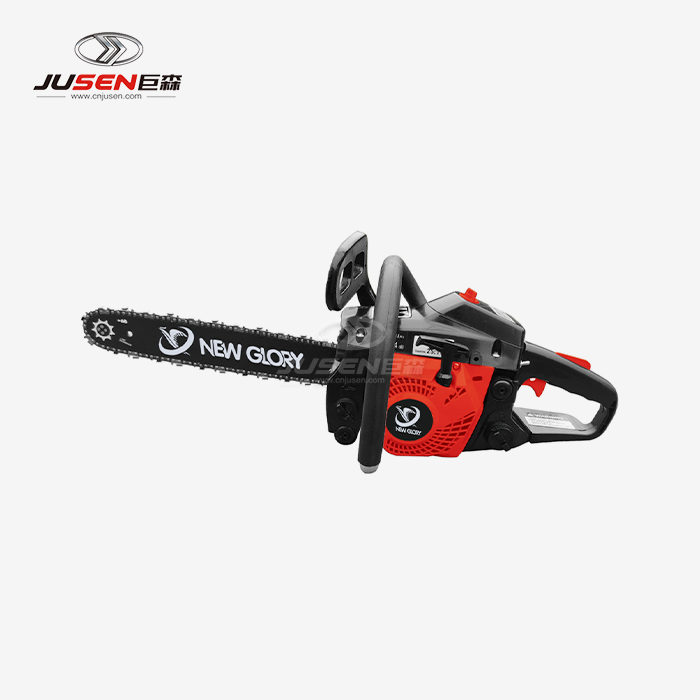 VIEW MORE40cc 2-Stroke Gasoline Chainsaw