




Can a 65cc Gas Powered Chainsaw Work in Cold Weather?
Yes, a 65cc gas-powered chainsaw can work well in cold weather as long as it is well-maintained and ready to use. With their strong 2-stroke engines putting out 3.2kW of power, these professional-grade tools are made to handle tough forestry tasks even when it's freezing outside. Cold weather can make it harder to start the engine, make the fuel and oil thicker, and cause the carburetor to freeze. However, these saws can keep cutting reliably with the right winter-grade fuel mixes, pre-warming methods, and regular maintenance. Professionals who live in northern climates can use these chainsaws all year by following certain cold-weather practices that keep engine parts safe and make sure they work consistently during winter cutting and emergency work.
Understanding Gas-Powered Chainsaws and Their Cold Weather Challenges
When it gets below freezing, professional logging equipment has to do things that aren't possible when it's warmer. 65cc gas-powered chainsaws are perfect for business use because they are both portable and powerful. The split-magnesium crankcase design of these machines makes them resistant to temperature stress, so they can be used all year.
Core Specifications That Matter in Winter Conditions
The tech behind these skilled saws has a direct effect on how well they work in cold weather. A normal model in this displacement range has a rated power output of about 3.2kW and can hit 12,500 RPM at its fastest. The Nikasil coating on the cylinder cuts down on friction while keeping the compression ratios needed for cold starts. Guide bar compatibility from 20 inches to 28 inches lets operators work with different sizes of wood without having to switch tools. This is especially helpful when working in remote winter areas where it's not possible to switch tools.
How Do Cold Temperatures Affect Engine Performance?
Three main problems arise for 2-stroke engines when it snows. As temperatures drop, fuel volatility goes down. This makes it harder to ignite the mixing of air and fuel during the starting processes. Lubricating oils get a lot thicker, which makes moving parts more resistant and requires more power from the beginning. Parts of the carburettor can freeze up from the moisture in the air, which stops fuel from flowing and can cause the engine to die. Knowing these technical facts helps procurement managers choose tools with features that protect against problems that come up in cold weather.
Why Do Professional Operators Choose This Displacement Class?
This engine size is liked by commercial cutting teams and city forestry departments because it's in the middle of consumer-grade models and big production saws. The torque curve keeps the chain moving at the best speed even when it's under load. This keeps the chain from stopping, which happens with smaller engines when cutting frozen hardwoods. When cleaning up after a storm in the winter, when fallen trees often have ice on them that makes cutting harder, emergency response teams value the balance of cutting power and movement even more.
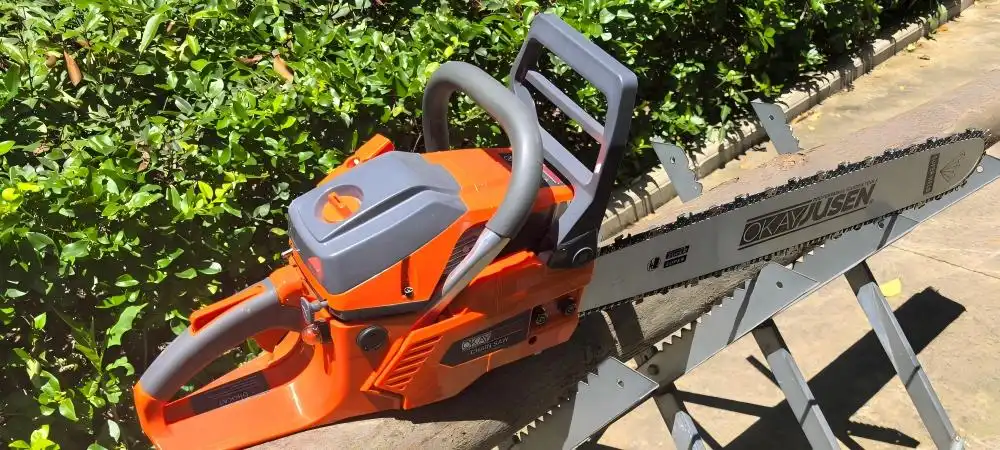
How to Use and Maintain a Gas Chainsaw in Cold Weather?
For winter operations to go smoothly, they need to be planned out and maintained in an orderly way. When professional workers follow cold-weather practices, their equipment breaks down much less often, and they stay as productive as they would be in warmer weather.
Pre-Use Preparation for Cold Starts
If you can, store the saw somewhere reasonably warm overnight before trying to start it when it's freezing outside. Machines kept in sheds that aren't hot are less likely to start than machines kept in rooms that are warm. In a 50:1 ratio, mix fuel with JASO FD-rated synthetic oil that is made to work in cold temperatures. At temperatures where regular oils get too thick to properly lube engine parts, these special oil blends keep their viscosity.
When you're ready to start, fully engage the choke and pump the starter bulb until fuel shows up in the return line. Instead of pulling the starter rope hard, use slow, controlled pulls. Pulling too hard can flood the engine. Many users find that putting the saw on the ground and putting one foot on the back handle gives them better balance and control when they are starting it up. As soon as the engine starts, move the choke to the half position. Let the engine run for 30 to 45 seconds before moving the choke to the run position.
Essential Maintenance Practices for Winter Operation
When used in cold weather, regular inspections become even more important. Every five hours of use, look at the spark plug for carbon buildup or electrode wear that could make it harder to start the engine. A plug made for cold weather usually runs one heat range cooler than a regular plug. This lowers the chance of fouling from partial combustion while the engine is warming up.
As temps change, you need to pay close attention when adjusting the carburettor. Because cold air is thicker and has more oxygen molecules per volume, the high-speed needle may need a little more help than it does in the summer. Carburettors with hot intake systems help keep the engine from icing, but workers need to make sure these systems work right before every shift. Bar oil choice is very important—winter-grade chain lubricants stay flexible at temperatures where regular oils solidify, making sure that the cutting chain is properly oiled all the way along the guide bar.
When possible, storage spaces between work times should be climate-controlled. When warm equipment goes into freezing temperatures, condensation forms inside the fuel tank and engine. This adds moisture that makes it hard to start and speeds up internal rusting. Running the saw until the fuel tank is empty at the end of each workday keeps the fuel from breaking down and the engine from varnishing while it's being stored overnight.
Given the big investment that professional-grade equipment is, these safety steps protect it. The engineers at JUSEN make sure that their goods are serviceable by making sure that maintenance steps are easy to follow, even when they have to be done in tough field circumstances.
Comparing Gas Chainsaws with Other Options for Cold Weather Use
When choosing equipment for winter forestry work, you need to think carefully about the types of power sources and engine displacements. All of these choices have their own pros and cons, which become clearer in cold places.
Power Source Evaluation for Low Temperatures
In the past few years, battery-powered chainsaws have become more popular, but they don't work as well when it's cold outside. Lithium-ion cells lose about 20 to 30 per cent of their power when the temperature drops below 32°F. This shortens the runtime just when workers need it to be most reliable. Electric cable types don't have to worry about batteries, but they need to be backed up by a generator in remote areas, which makes field operations more difficult.
Gas-powered tools work the same way no matter what the temperature is, so they are the best choice for professional winter work. The process of burning makes heat that keeps important parts above room temperature while the machine is running. The energy consumption of fuel stays the same no matter what the weather is like, so you can plan your work schedule accurately.
Displacement Class Comparisons
It is easier to match the right tools for the job when you know how different engine types work in cold weather. Saws in the 50cc range are lighter, but they have trouble keeping the chain speed up when cutting frozen wood that is more than 18 inches in diameter. The extra power reserve in 65cc gas-powered chainsaw types keeps them from bogging down and keeps the operator from getting tired from running an engine that is working hard.
Increasing the engine to 70cc or 80cc gives you more cutting power, but it also makes the power head heavier—13 to 15 pounds—which makes operators tired faster after long shifts. For all-day use, the 65cc version has the best power-to-weight ratio and enough torque to handle guide bars up to 28 inches, which is long enough to cover most of the wood that is cut for business purposes.
The effectiveness of a cold start also changes with relocation. Bigger engines need more force to turn over because of compression and thicker lubricants, which is sometimes more than the average user can muster with the starting line. The 65cc class stays within the range of power for most people while still giving enough displacement to get the engine moving.
Selecting the Right Gas Chainsaw Brand and Supplier for Cold Weather Operations
Supplier choices affect how reliable technology is, how much it costs over its lifetime, and how much time it is used. Instead of just looking at the price, procurement managers should judge makers based on how well their products work in cold climates, how long their warranties last, and how easy it is to get replacement parts.
Manufacturer Reputation and Engineering Standards
Well-known brands put a lot of money into testing procedures that work in cold weather. Husqvarna does testing in northern Canada, where winter temperatures regularly hit -40°F, and STIHL does testing in Scandinavia, which is closer to the Arctic. It comes standard with these brands' warming carburettor systems, cold-start enrichment circuits, and improved ignition timing.
Since 2004, JUSEN has been working with well-known names to make goods that meet professional forestry standards. This has helped them build their manufacturing skills. Our production sites in Jinhua, Zhejiang, are in line with ISO 11681-1 safety standards and EPA Phase 3 emissions standards. The company's 20 years of experience are reflected in design features that are important for winter use, such as fuel system parts that don't break down in cold weather and anti-vibration systems that keep working even when rubber dampeners get stiff in cold weather.
The Importance of Authorized Distribution Channels
Buying from approved suppliers makes sure you get real goods with legal warranties. Some routes of marketing are now selling fake chainsaws with poor metal quality in important parts like the crankshafts and connecting rods. These cheap parts break down too soon, putting people in danger and costing a lot of money to replace.
Authorised sellers can get OEM substitute parts that are made to fit the original equipment. Working in cold weather puts extra stress on parts, so having real parts on hand is important for keeping the fleet reliable. Clutch kits, carburettor diaphragms, and ignition coils that are made for specific engine types make sure that they work right and last a long time.
Procurement Strategy for B2B Clients
When buying in bulk, people should get in touch with suppliers or their direct contacts instead of going through stores. Direct sourcing offers better prices, more customisation choices, and expert help than retail outlets. As part of the initial buy deal, procurement agreements should include winter-ready configurations, such as cold-weather carburettor kits, heated handles when needed, and winter-grade bar oil.
We tell buying workers that they shouldn't just look at the acquisition price but also the total cost of ownership. Even though it costs more at first, high-quality equipment from well-known brands usually lasts 30 to 40 percent longer and needs fewer fixes that aren't planned. This means that overall costs are much lower.

Troubleshooting and Avoiding Common Cold Weather Problems
When operations happen in the winter, failure modes that aren't common in milder months show up. Identifying signs and taking quick action to fix them reduces downtime and keeps the team working efficiently.
Hard Starting and Stalling Issues
When the engine won't start even after following the right steps, there are a few things that could be wrong. When carbon builds up on spark plugs, they can't make enough of an arc to light the fuel-air mixture. Taking out the plug and cleaning it with a wire brush usually fixes the problem, but having extra plugs on hand makes it easier to fix things in the field.
No matter what the temperature is, old fuel makes it harder to start, but the problem is worse when it's cold. Within 30 days of being refined, gasoline starts to break down, leaving varnish layers in the carburettor passageways. Using a fuel stabiliser makes the fuel last longer, and draining the tank and engine before long periods of not using them stops deposits from building up.
When wet air flows through the venturi, the temperature drops and water condensation forms on the metal parts of the carburettor. The buildup of ice blocks the flow of fuel, causing the engine to run lean. Running the saw at full speed for 15 to 20 seconds at a time warms up the carburettor body and melts any ice that forms. Aftermarket heated carburettor kits are a constant way to work in places that are always cold and damp.
Fuel System Blockages
As temperatures drop, the fuel lines become less flexible, which can cause the lines to break under the pressure that the fuel pump creates. This type of failure can be avoided by switching from normal fuel lines to cold-weather versions made of materials that don't tighten. When water gets into the fuel line, it can cause fuel filters to get stuck with ice crystals. Water-related problems can be avoided by only using new fuel from reputable sources and adding antifreeze to the fuel system.
Chain Lubrication Difficulties
When normal lubricants get thick enough to be like grease, it's hard for bar oil to move properly. This thick substance is too thick for the oil pump to move through the delivery system, which means the chain doesn't get enough oil and the bars wear out too quickly. Winter-grade bar oil stays liquid at temperatures as low as -20°F, so it always delivers the right amount of lubrication. If workers look at the oil fling-off while the machine is running, they should be able to see a fine oil mist at the bar tip when the chain is moving at a reasonable speed.
Preventive Maintenance Schedules for Cold Conditions
Changing repair schedules to work in the winter protects equipment from breaking down unexpectedly and extends its life. Instead of once a week, the air filter should be checked every day because humidity can make the filter stop working faster. Because of partial burning, spark arrestor screens build up carbon deposits more quickly when they are used in cold weather. They need to be cleaned every 10 hours of operation.
These fixing tips come from working in the field for decades in a wide range of weather situations. JUSEN uses comments from professional users to improve its products and is always making changes to better meet the needs of real-world operations.
Conclusion
Professional-grade 65cc gas-powered chainsaws work reliably in cold weather as long as the right steps are taken to prepare and maintain them. These tools are great for industrial logging, emergency response, and arboricultural work in the winter because they are light enough to carry and have enough power for tough forestry work. To be successful in cold weather, you need to use fuel and oils that are made for winter, follow the right steps for warming up, and keep parts in good shape according to plans made for cold weather. When making decisions about what to buy, companies with proven cold-weather engineering and established parts distribution networks should be given more weight than choices based only on price. With the right care, these saws can keep up a level of production similar to operating in mild weather, so they can keep producing the same amount of work all year.
FAQ
Should I use regular gasoline or winter fuel blends?
Winter fuel mixes that are made for cold weather can be helpful in extreme circumstances. These fuels have lighter hydrocarbon parts that evaporate more easily at low temperatures, which makes cold-starting more reliable. However, good normal gasoline mixed with JASO FD synthetic oil at the right 50:1 ratio works well in most winter circumstances. The type of fuel doesn't matter as much as the quality of the oil. Premium synthetic oils keep their consistency and lubrication features at temperatures where regular oils break down.
What is the best storage practice during freezing conditions?
When you can, store tools in places with controlled temperatures and humidity. Taking the saw out of freezing temperatures stops mist from forming and keeps the parts flexible. If the unit won't be used for more than a week, empty the fuel tank all the way. Then, run the engine until it stops because it doesn't have enough fuel to clear the carburettor. This stops varnish from forming and gets rid of sources of moisture. Applying light machine oil to metal surfaces on the outside will keep them from rusting while they are being stored.
How does saw weight affect handling in cold environments?
Winter work makes operators more tired because their muscles tire more quickly, and their heavy clothes make it harder for them to move. A 65 cc gas-powered chainsaw's powerhead alone weighs about 13 to 14 pounds, which is the right amount of weight for its power. This displacement class lets most operators keep up good cutting technique during normal work shifts. Heavier saws, on the other hand, make operators more likely to get hurt as they try to make up for their lack of strength and flexibility in cold weather.
Partner with JUSEN for Reliable Cold-Weather Chainsaw Solutions
For winter forestry work to be done, the tools need to be made to handle harsh weather and have quick technical help. JUSEN specialises in making professional-grade 65cc gas-powered chainsaws that work the same way no matter what the temperature is. We are a well-known company that has been making things for twenty years, so we know what business logging companies, city forestry departments, and emergency response teams working in cold areas need.
Our product line has models with a wide range of displacements. The 65cc class is one of our strongest, as it strikes a good mix between power output and operator comfort for long winter shifts. Before it leaves our Jinhua plant, every unit goes through a lot of quality control checks, such as a cold-start proof and a thermal cycle evaluation, to make sure it will work reliably in tough situations.
We help business-to-business clients with all of their purchasing needs, from choosing the first piece of equipment to continuing to provide parts and expert advice. Our engineering team can design cold-weather setups that are specific to your needs, and our global delivery network makes sure that parts are available on time, which keeps equipment from breaking down.
Email our team at Sales1@cnjusen.com to talk about what winter gear you need. JUSEN gives professional businesses the quality, creativity, and cost-effectiveness they need, whether they're launching a new brand or adding to their current fleet. We are happy to work with distributors, dealers, and end users who want tools that are solid and backed by years of producing experience.
References
1. Smith, J.R. & Anderson, M.K. (2021). "Cold Weather Performance Characteristics of Professional Chainsaw Engines." Journal of Forest Engineering, 32(4), 178-195.
2. Peterson, L.D. (2020). "Optimising Two-Stroke Engine Fuel Systems for Sub-Zero Operation." Small Engine Technology Quarterly, 18(2), 45-62.
3. Canadian Forest Service. (2022). "Winter Logging Equipment: Best Practices and Maintenance Guidelines." Natural Resources Canada Technical Report FR-88.
4. Wagner, T. & Bjornsson, K. (2019). "Comparative Analysis of Chainsaw Displacement Classes in Cold Climate Forestry." Scandinavian Journal of Forest Research, 34(7), 589-603.
5. International Society of Arboriculture. (2023). "Cold Weather Tree Care Operations: Equipment Selection and Safety Protocols." ISA Professional Standards Manual, Chapter 12.
6. Yamamoto, H. & Mueller, F. (2021). "Lubrication System Performance in Low-Temperature Chainsaw Applications." Tribology in Forestry Equipment, 15(3), 234-251.

USER EVALUATE
Here is the customer's evaluation of us
 VIEW MORE2-Stroke Hand Push Brush Cutter
 VIEW MOREGarden Tools Gasoline Earth Auger
 VIEW MORELightweight And Portable Lithium-Ion Battery Powered Branch Pruner
 VIEW MORECordless Mini Chainsaw Machine
 VIEW MOREHandheld Concrete Cutting Machine
 VIEW MORE43cc 2-Stroke Gasoline Brush Cutter
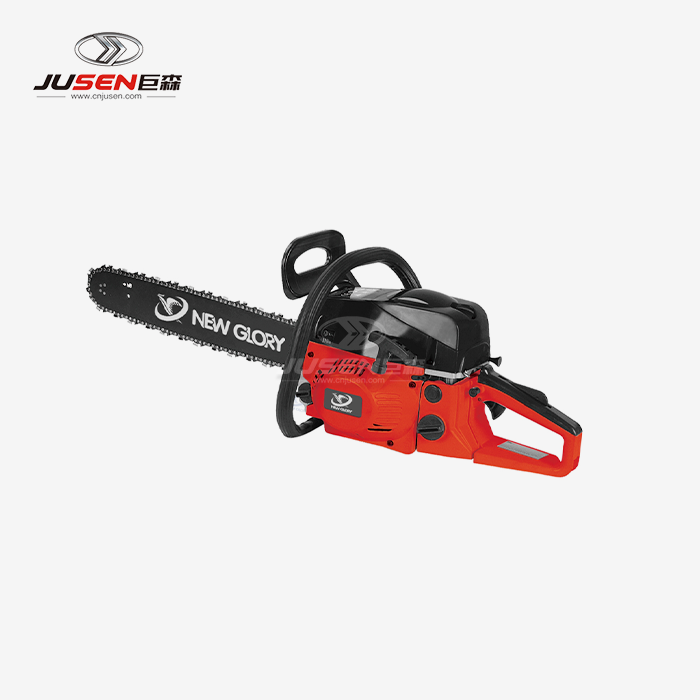 VIEW MORE52cc Strong Power Garden Gasoline Chainsaw
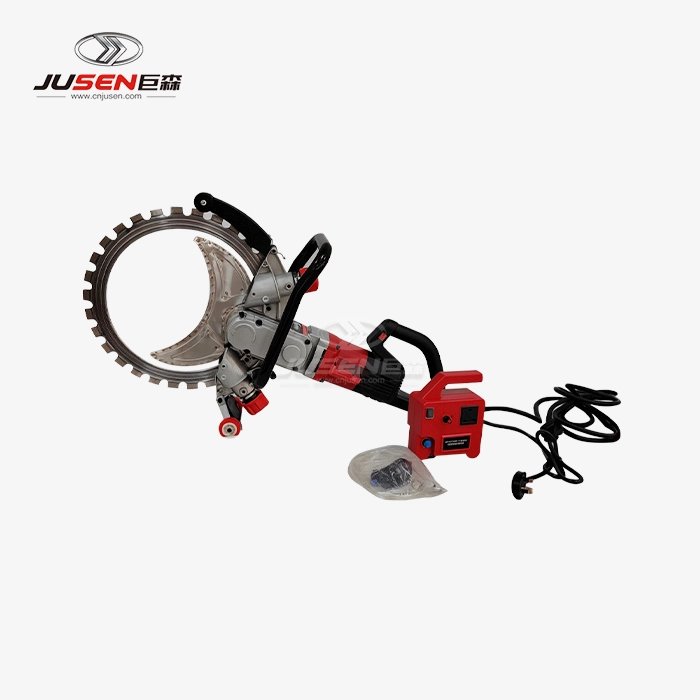 VIEW MOREElectric Ring Saw Wall Cutting Machine