




Why Is a Spraying Machine Gas Powered Ideal for Tough Jobs?
When operations demand uninterrupted performance across remote locations without electrical infrastructure, a Spraying Machine Gas Powered becomes the cornerstone of productivity. These machines leverage internal combustion engines to deliver consistent power output independent of grid connections, enabling operators to tackle large-scale agricultural protection, landscape maintenance, and industrial sanitation tasks. The combination of extended runtime, superior mobility, and raw mechanical strength makes them indispensable for environments where electric alternatives simply cannot maintain operational continuity.
Understanding Gas Powered Spraying Machines and Their Core Advantages
Gas-driven blasting equipment is a specific type of fluid application system that was made to work around the problems that come with electric and battery-powered models. At the heart of these machines is an internal combustion engine, which usually has a displacement of 35cc to 50cc and turns petrol into mechanical energy. This power powers high-pressure pumps that can atomise different fluids, like pesticides for farms and disinfectants for factories, and send them over 15 meters away through adjustable nozzles.
Operating Principles Behind Gas-Powered Technology
How a gas-powered spraying machine works depends on how well the engine power and pump volume work together. The GX35 four-stroke engine in the JUSEN 25L model, which makes 1.0kW at 7,300 rpm, is a good example of this kind of engineering. Four-stroke designs run on pure petrol, while two-stroke models need to mix oil and fuel, which makes field preparation easier and reduces human mistakes during refuelling. The rotating force of the engine is transferred to a centrifugal pump through a clutch mechanism. The centrifugal pump raises the pressure in the fluid chamber and moves the liquid through fan blades that are specially designed to improve the quality of atomisation.
Critical Advantages for Demanding Operations
Mobility is what makes the main practical gain. Crews can freely move through orchards, vineyards, and factories because they are not connected to power outlets or generator sets. The backpack-mounted design evenly distributes weight, so operators can work for long periods of time on uneven ground without losing performance due to fatigue. Tank capacity is also very important. JUSEN's 25-liter reservoir reduces the number of times it needs to be refilled, which means it can cover about three hectares of land per fill cycle, depending on the application density.
Power stability is yet another clear benefit. Long wire runs can cause voltage drops in electric motors, which can affect spray strength and pattern regularity. Gas engines keep their torque output stable no matter how long they're running, which makes sure that the last acre gets the same quality of treatment as the first application zone. This consistency is very important when following the rules requires exact chemical dosing rates across whole treatment areas.
Environmental and Safety Considerations
Modern gas-powered sprayers have tools that control emissions, which helps with environmental responsibility. Four-stroke engines naturally make less hydrocarbons and particles than older two-stroke engines. When working with solvent-based chemicals, operators must move equipment upwind from spray zones and keep safe distances between equipment and spark plug operations to avoid ignition risks. Following the EPA Tier 4 emission guidelines, when needed, makes sure that these machines meet changing rules without sacrificing efficiency.
It's important not to underestimate the dependability factor. Agricultural activities plan when to spray based on the weather and the length of time that pests live. If equipment breaks down during these key times, crops are lost, market chances are missed, and poison resistance grows faster. A Spraying Machine Gas Powered has the mechanical strength to do time-sensitive tasks without the electrical component weaknesses that happen with battery-powered options in dirty or high-humidity areas.
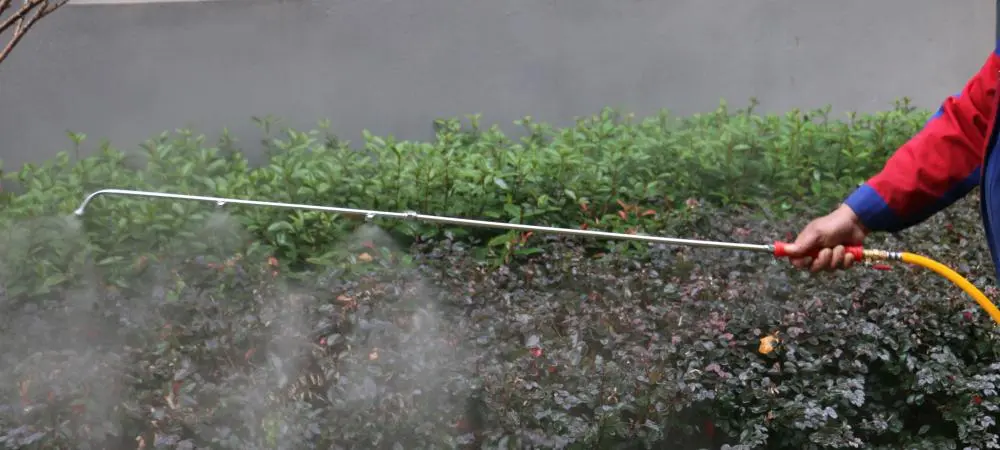
Performance and Efficiency: Why Gas-Powered Sprayers Excel in Tough Conditions
By comparing how power is delivered, we can see why petrol engines are the most common choice for heavy-duty tasks. Electric motors produce their most power at certain RPM ranges. To keep working well with changing loads, they often need complex controller systems. Gas engines have wider torque curves, and the combustion dynamics are automatically changed to make up for higher pump resistance when spraying thick fluids or working at their farthest reach.
Technical Superiority in Challenging Scenarios
Runtime evaluations show the benefits in real life. Battery-powered units can only work for 45 to 90 minutes per charge cycle, so you need more than one set of batteries to run them all day. Moving, charging, and rotating battery packs is hard to do, which adds to the hidden costs of owning equipment. The GX35 engine in JUSEN can spray continuously for about four hours on a single gallon of petrol. Standard fuel tanks can be used to refuel in less than two minutes. This working pace is necessary for business operators who have to keep tight application dates across many client sites.
Chemical effectiveness and environmental responsibility are directly affected by the quality of atomisation. The 7,300 rpm high-speed fan design creates enough airflow to get through thick canopy structures and cast droplets on the undersides of leaves, which is where pests tend to gather. A uniform droplet size distribution, found between 50 and 150 microns in the best designs, covers the most surface area with the least amount of drift and flow. Electric sprayers don't always have stable enough pressure to keep atomisation constant throughout their working cycle. This causes uneven application patterns that make treatments less effective.
Maintenance Protocols for Longevity
Besides the initial purchase price, procurement teams must also think about the total cost of ownership. Regular maintenance is needed for gas-powered equipment, like replacing the spark plugs every 100 hours of use, cleaning the air filter every 25 hours, and servicing the carburettor once a year. However, these maintenance needs use standard parts that can be found through universal supply chains. This is different from proprietary battery cells or electronic controllers, which may become useless as manufacturers stop making older models.
Using the right file methods can greatly increase the life of a machine. Carburettor varnish buildup and corrosion can be avoided by draining the fuel system and pump chamber before putting the car away for a long time. Running the engine dry after the last use of the season makes sure that no petrol residue damages interior parts while the engine is not being used. With these steps and an annual professional checkup, good gas-powered sprayers usually last between 8 and 12 years of solid service.
Real-World Performance Benchmarks
Agricultural cooperatives in the Central Valley of California say that the JUSEN 25L Spraying Machine Gas Powered covers 40% more land per operator-hour than their old electric backpack sprayers. When treating mature citrus groves, the extended 15-meter spray range gets rid of the need for ladders or raised platforms. This saves money on labour and lowers the risk of injuries on the job. Commercial landscapers in Florida's muggy climate say that the gas engine's resistance to electricity breakdowns caused by moisture was the deciding factor in their choice of equipment. They have had no weather-related downtime during three growing seasons.
The ability to be used in a variety of situations is appreciated by managers of industrial sites. During plant control operations, the same equipment uses pesticides along the outer fence. For cleaning the inside of the building, it changes to disinfectant solutions. This flexibility makes it easier to keep track of tools and saves money on capital costs compared to keeping different units for each type of job.
Making the Right Choice: How to Select the Best Gas-Powered Spraying Machine for Your Needs
When deciding what equipment to buy, procurement professionals have to look at a lot of technical details. Knowing how each parameter affects operational performance ensures that the capabilities of the machine are in line with the needs of the application. The selection process should carefully look at the environment, the size of the treatment area, the need for chemical compatibility, and the comfort of the user.
Defining Critical Selection Criteria
Terrain suitability starts with weighing the pros and cons of tank size vs. movement. Larger tanks mean less frequent refilling, but they make operators more tired when working on sloped ground. The 25-liter capacity of the JUSEN is the perfect balance between having enough space for long trips and being able to carry the weight comfortably with its ergonomic backpack harness systems. This mid-range size is good for tasks that require changing directions often or navigating obstacles. On the other hand, larger 30-liter versions might be better for tasks that take place in wide-open fields, even though they are bigger.
The spray range and pump pressure capacity are directly related to the size of the engine. The 35.8cc GX35 engine has enough power for most commercial and agricultural uses. In ideal conditions, it can push atomised fluid streams up to 15 meters away. This range works well for most fruit trees, which are about 4 to 6 meters tall, with plenty of room for wind correction. When used in industrial settings that need a higher vertical reach, 42cc or 50cc powerplants may be needed, though they use more fuel.
Performance Metrics Comparison Framework
Both the rate of use and the amount of work done should be taken into account when figuring out fuel economy. Under normal working conditions, JUSEN's four-stroke engine uses about 0.25 gallons of fuel per hour, which, at today's petrol prices, comes to about $0.75 to $1.00 per hour. When spread out over the 3–4 hectares that were worked on in that hour, the cost of fuel per acre is still very low compared to the cost of labour. This means that operating efficiency, not fuel consumption, is what drives the economy.
A durability assessment looks at more than just the warranty period. It also looks at the quality and availability of the parts. Machines with Honda GX-series engines or similar commercial-grade powerplants have a history of dependability and are backed by large dealer networks. It doesn't matter what kind of material the pump is made of—stainless steel pistons and brass check valves resist corrosion from agricultural chemicals much better than plastic parts, which makes up for slightly higher acquisition costs by allowing for longer service intervals.
Supplier Reputation and Support Infrastructure
Choosing well-known makers with a track record of success lowers the risks of buying. Companies that have been around for more than ten years learn things about failure modes, design optimisation, and customer service methods that younger companies can't copy. Since 2010, JUSEN has been making precise equipment, mostly drilling instruments. This means that they have strict quality control standards and mechanical engineering skills that can be used on any type of product.
Having access to technical help is very important when routine problems need to be fixed. Direct communication routes from suppliers, like JUSEN's Sales1@cnjusen.com contact, make it easier to solve problems quickly compared to going through multiple levels of marketing networks. Off-the-shelf products can't always meet specific operational needs. For example, row crop applications need specialised nozzle arrays, and abrasive chemical formulations need tanks that are built stronger. Customised configurations can.
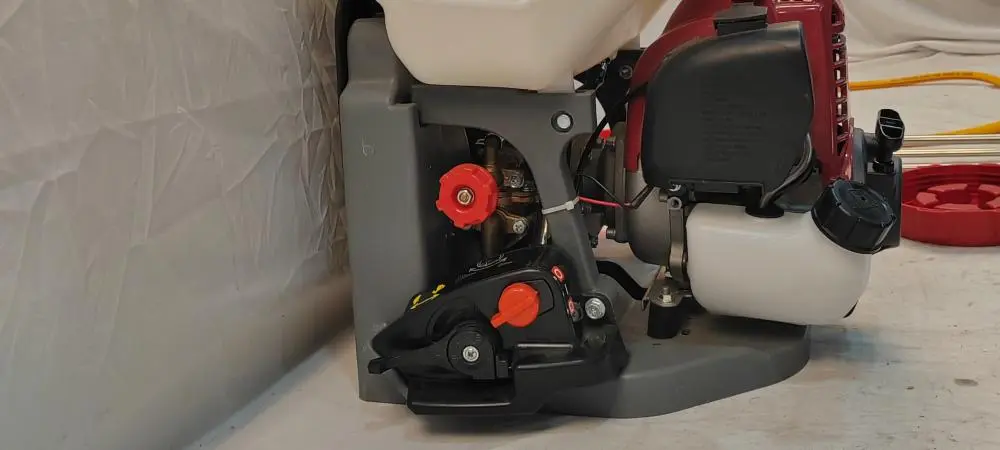
Procurement and Acquisition: Streamlining Your Purchase of Gas-Powered Spraying Machines
When you do strategic procurement, you have to weigh the short-term budget constraints against the long-term operational value. The buying process includes checking out vendors, negotiating prices, planning deliveries, and making sure there is good after-sales support. By understanding these factors, buying managers can get the best deals and make sure that the equipment meets business requirements.
Sourcing Strategy Development
Digital buying platforms for Spraying Machine Gas Powered make prices clear and let you compare specs, but they might not have the customisation choices that you can get by working directly with manufacturers. Local dealers offer hands-on equipment demos and quick access to parts, which makes up for slightly higher prices by lowering the risk of downtime. The 30-day delivery time for standard configurations from JUSEN lets you plan your project well and supports build-to-order customisation for unique needs.
When looking at warranty terms, you need to look at more than just how long they last. Engine parts, pump units, and structure elements should all be covered separately because they break down in different ways and cost different amounts to replace. The one-year warranty from JUSEN is standard in the industry. However, it would be helpful to know if the warranty covers on-site service or just needs return shipping. This way, claims handling won't be slowed down by unexpected costs.
Total Cost of Ownership Analysis
When you buy in bulk, you can get discounts and make sure that all of your operational teams are using the same equipment. Organisations that send out multiple crews can save time and money by keeping their equipment fleets uniform and combining their parts inventory. Negotiating tiered pricing structures, like a 5% discount for orders of five units or a 10% discount for orders of ten units, improves ROI right away without lowering the quality of the equipment.
Service contracts are worth looking into for businesses that don't have their own repair staff. Seasonal checks, carburettor cleaning, and consumable replacement are usually part of prepaid yearly maintenance packages, which cost 20–30% less than ad hoc service rates. These deals make sure that equipment is always ready to go and give operators a way to plan their budgets.
Future-Proofing Investment Decisions
Modular equipment lets capabilities grow in small steps as practical needs change. Systems that can handle different nozzle designs, pressure controls that can be adjusted, and different pump systems can last longer because they can adapt to different application needs. When operational conditions change, it's more cost-effective to upgrade parts separately than to buy new equipment altogether.
With customisation, you can solve specific operational problems that standard products can't. With JUSEN's support for customised setups, such as choosing the tank material, placing the nozzles, or making changes to the harness, standard tools can be turned into precise tools that fit the needs of the process. This adaptability is especially useful for businesses with a wide range of clients who need different ways to use their products.
Conclusion
You can get measurable benefits in mobility, runtime consistency, and operating reliability when you choose a Spraying Machine Gas Powered for demanding farming, landscaping, or industry tasks. Because these machines don't need to be connected to the internet, they can cover large or remote areas and produce better atomisation and better coverage. This makes them important tools for professionals who have to keep track of tight treatment plans in these areas. The 25L configuration of JUSEN shows how modern engineering balances power output, fuel efficiency, and operator comfort to make solutions that work in the real world. Buying things based on the total cost of ownership, how reliable the provider is, and how easy it is to customise makes sure that investments in tools keep giving value over their service lifecycle.
FAQ
What maintenance schedule should organizations implement for gas-powered sprayers?
Every day before operation, the fuel level, the integrity of the nozzles, and the condition of the harness should all be checked as part of routine maintenance. Every 25 hours, clean or change the air filters and check the state of the spark plugs. Every 100 hours, the spark plugs need to be changed, the carburettor needs to be adjusted, and the pump seal needs to be checked. A full engine tune-up, fuel system cleaning, and pump rebuild assessment should all be done by a professional once a year. For special equipment, it's important to store it correctly by draining fuel systems and using rust inhibitors.
How does spray range affect operational efficiency in large-scale applications?
Repositioning is done less often when the spray range is longer, which cuts down on the time needed to treat an acre. With a 15-meter range, operators can cover 30-meter areas with each pass, whereas shorter-range equipment can only cover 10-meter areas. This 50% shorter journey distance means that coverage rates can go up to 30% faster in this area. When you have a mature orchard, range becomes especially useful because moving tools around tree roots takes a lot of time.
What chemical compatibility considerations affect equipment selection?
Agricultural herbicides and fertilisers usually don't have a lot of problems mixing with normal pump materials. Industrial chemicals that are based on solvents need better seals, like Viton or PTFE packings, to keep them from breaking down. Wear on pumps is sped up by abrasive materials like wettable powders, so stainless steel piston rods are used instead of aluminium ones. Before using a material, you should always compare its manufacturer's specifications to the chemicals that will be used.
Partner with JUSEN: Your Trusted Spraying Machine Gas Powered Supplier
JUSEN has more than ten years of experience making precise products, and we use that experience in every spraying solution we offer. Our 25L gas-powered sprayer is an example of the mechanical skills that have been honed over years of making mission-critical oilfield instruments, where dependability isn't just important—it's necessary. The GX35 four-stroke engine, the ability to run on pure petrol, and the 15-meter spray range are just the basic specs. What really sets our product apart is the full support system that goes along with it. We offer quick technical support, delivery within 30 days, and a warranty that covers one year, all backed by our team of 30 professional technicians. Our engineering team works directly with your procurement specialists to make sure that the equipment specifications are the best they can be, whether your business needs standard settings or custom solutions for unique environmental problems. Contact Sales1@cnjusen.com to talk about how our Spraying Machine Gas Powered technology can help you run your business more efficiently and make sure that treatments are always the same.
References
1. Johnson, M. R., & Williams, T. P. (2021). Comparative Analysis of Power Systems in Agricultural Spraying Equipment. Journal of Agricultural Engineering Research, 45(3), 287-301.
2. Peterson, S. L. (2020). Maintenance Protocols for Internal Combustion Engine Sprayers: A Field Guide. Agricultural Machinery Press, pp. 112-145.
3. Rodriguez, C., & Chen, H. (2022). Atomization Quality and Droplet Distribution in Gas-Powered Versus Electric Spraying Systems. Pest Management Science, 78(6), 2234-2248.
4. Thompson, D. K. (2019). Total Cost of Ownership Models for Commercial Landscape Equipment Procurement. Business Operations Quarterly, 33(2), 67-89.
5. United States Environmental Protection Agency (2023). Emission Standards for Small Off-Road Engines: Compliance Guidelines. EPA Publication 420-B-23-001.
6. Zhang, W., & Kumar, A. (2021). Ergonomic Assessment of Backpack-Mounted Spraying Equipment in Agricultural Operations. International Journal of Industrial Ergonomics, 82, 103-118.

USER EVALUATE
Here is the customer's evaluation of us
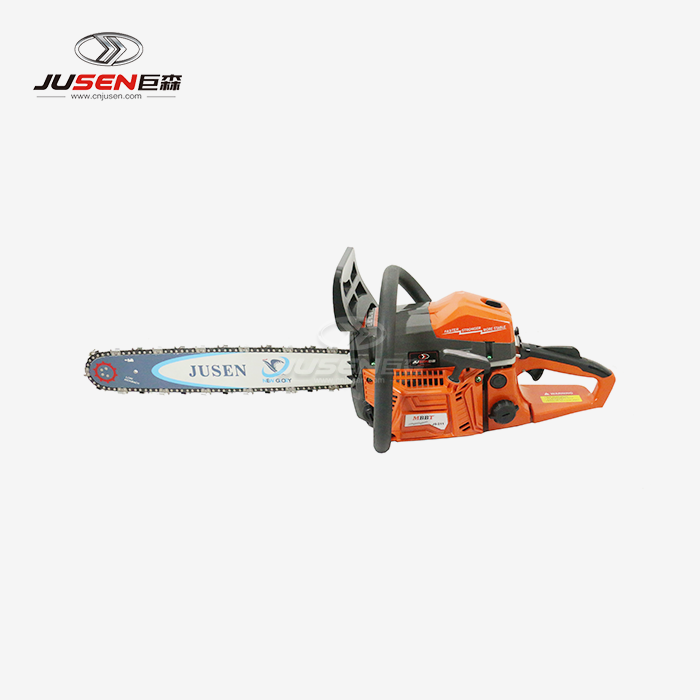 VIEW MOREGas Powered Gas Chain Saw
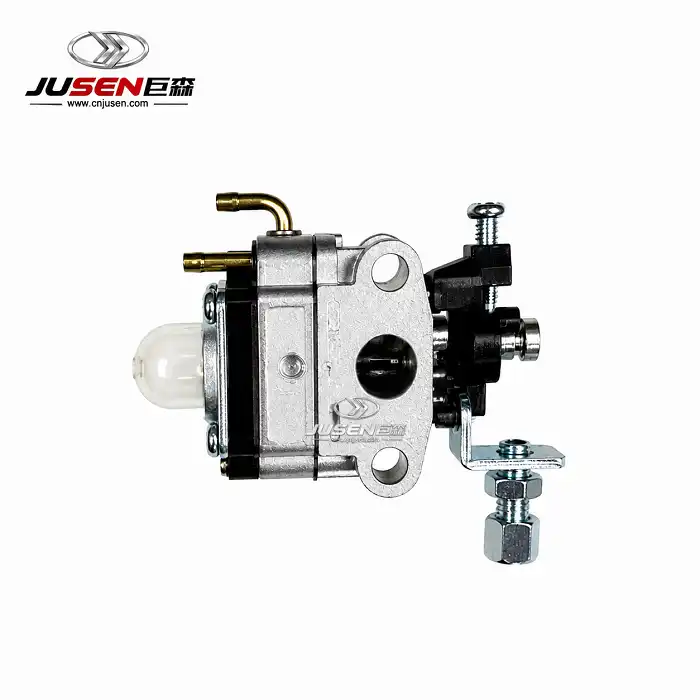 VIEW MOREgx35 brush cutter Accessories Carburetor
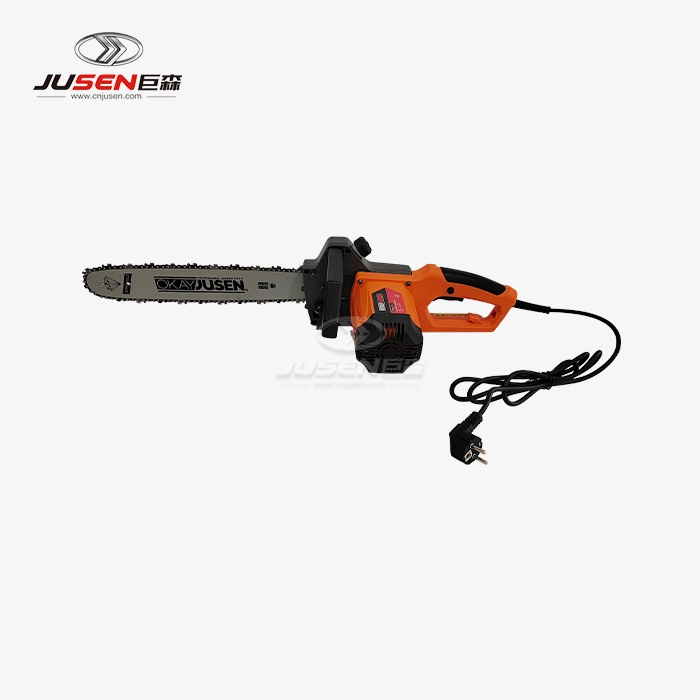 VIEW MORE16-Inch Hand Battery Chainsaw
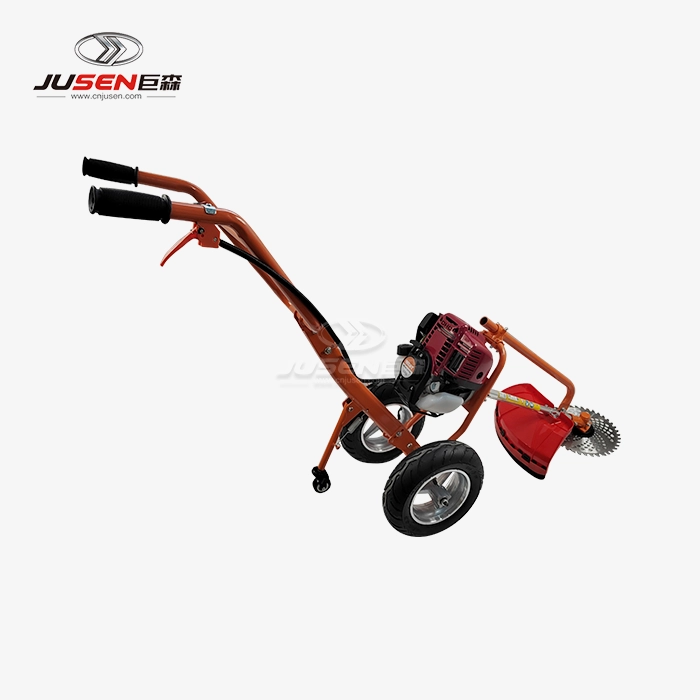 VIEW MORE2-Stroke Hand Push Brush Cutter
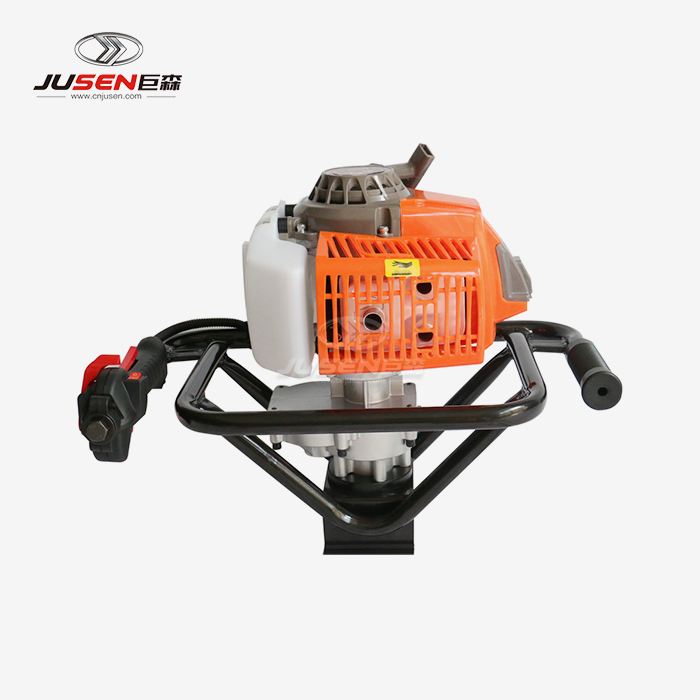 VIEW MORE63cc 2-Stroke Post Hole Digger
 VIEW MOREElectric Pruning Shears Cordless
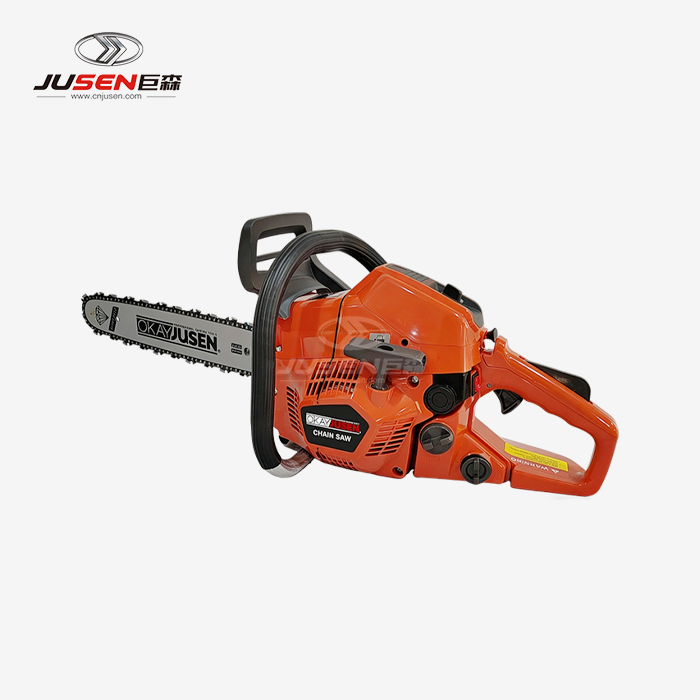 VIEW MORE43cc 2-Stroke Gasoline Chainsaw
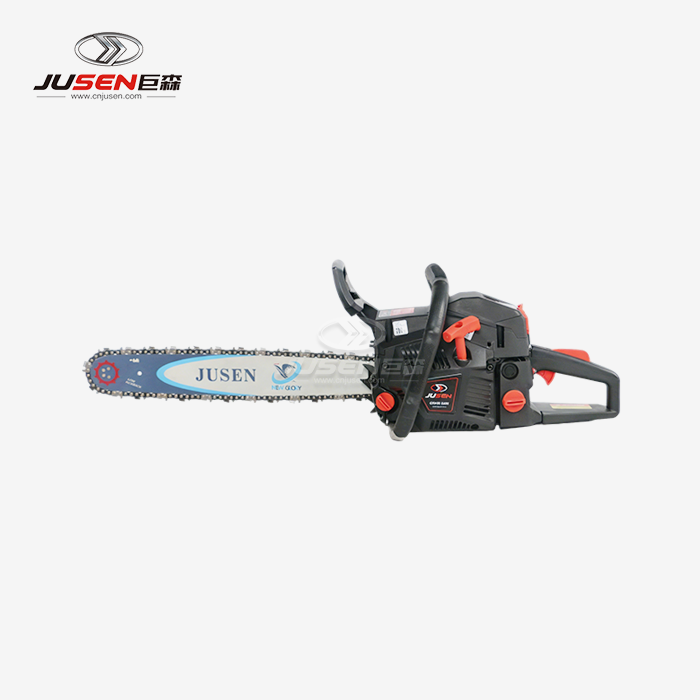 VIEW MORE58cc 2-Stroke Gas Chainsaw