




Why Choose a Battery Olive Harvester Over Manual Tools?
Choosing modern harvesting equipment over traditional manual methods represents a fundamental shift in agricultural efficiency and operational economics. The Battery Olive Harvester eliminates the physical strain and productivity limitations inherent in handheld beating sticks and rakes, delivering mechanical precision that consistently outperforms manual labor by approximately 400%. This electromechanical solution addresses critical pain points including labor shortages, inconsistent fruit quality, and escalating operational costs while maintaining the delicate balance between harvest speed and tree preservation that premium olive oil production demands.
Limitations of Manual Olive Harvesting Tools
The Hidden Costs of Traditional Harvesting Methods
Small-scale businesses in the Mediterranean still do most of their olive harvesting by hand, but the economic burden is clear when you look at it through the lens of modern procurement metrics. In ideal conditions, workers using traditional combs and beating poles can pick 15 to 25 kilograms of fruit per hour. This rate causes big problems during the short harvest window, when fruit is at its ripest, and the weather is still good.
Physical Toll and Labor Availability Challenges
When gathering by hand, the repeated overhead movements make the worker very tired after three to four hours of work. Musculoskeletal injuries from long hours of manual harvesting make it harder to find workers just as seasonal demand is at its highest. When procurement managers look at the total cost of ownership, they have to take into account things like workers' compensation claims, lower output during busy times, and the fact that it's getting harder and harder to find people willing to do physically demanding farm work. Younger workers are rejecting traditional farming jobs more and more, which is causing a structural labour shortage that makes it harder to finish the harvest on time.
Quality Inconsistencies That Affect Market Value
When fruits are picked by hand, the quality varies because the hitting force and collection methods are not always the same. Damage can be kept to a minimum by skilled workers, but the number of olives that get bruised or dropped can vary from team to team. This difference has a direct effect on the acidity levels of the oil, which is a key factor in determining whether it is extra pure. When human methods are used, variables that can't be controlled get in the way of production, which makes it hard for procurement leaders to keep supply chain quality standards high.
How Battery Olive Harvesters Work and Their Core Benefits
Operational Mechanics of Electric Harvesting Systems
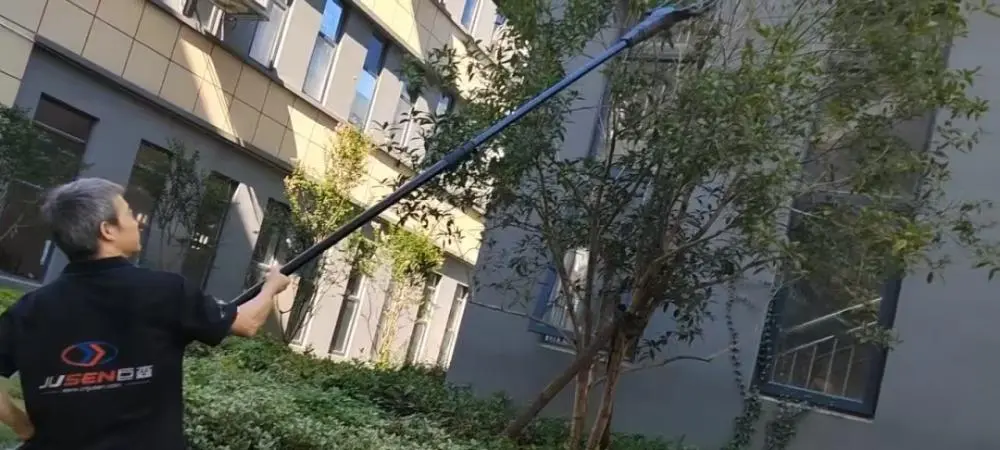
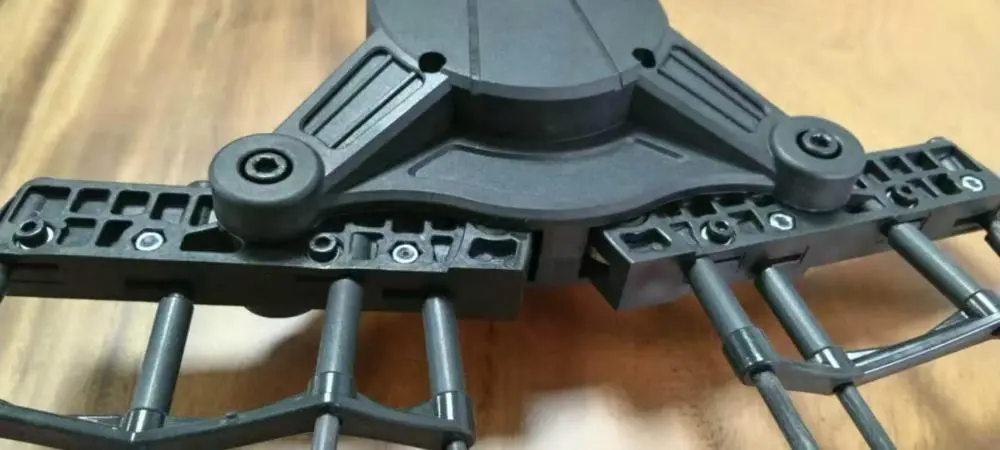
Modern gathering tools that are driven by batteries like the Battery Olive Harvester work by sending high-frequency vibrating energy through flexible carbon fibre or thermoplastic rods. The JUSEN JS-ES802 model is an example of this technology. It has a 400W brushless motor that is powered by a 21V lithium-ion battery system and can make oscillating frequencies between 900 and 2,300 rotations per minute. This controlled vibration breaks off fruit through resonance without shaking the trunk, which hurts plant growth. The telescopic pole can be extended from 2.35 meters to 3.2 meters, which lets workers reach areas of the canopy that can only be reached by steps with hand tools. This lowers the risk of falling and improves covering efficiency.
The main benefits this device brings to businesses are listed below:
Labor Productivity Multiplication: The three-speed vibration method lets one person do the work of five people working by hand. This 5:1 efficiency ratio changes the economics of harvesting by cutting labour costs by up to 80% per kilogram. This is a calculation that procurement managers who are looking at return on investment timelines will find very useful.
Fruit Quality Preservation: The soft-touch buzzing technology stops the impact damage that happens with hitting sticks. Controlled detachment keeps the skin unbroken, which is important for table olive markets, and it also keeps the low amounts of free fatty acids that are needed for top oil classifications. When electric harvesters are used instead of manual methods, quality control checks always show lower rejection rates.
Operator Ergonomics and Safety: Weighing only 6.45 kilograms, the lightweight design greatly reduces physical stress compared to repeatedly hitting the ceiling with something heavy. The extended pole gets rid of the need for a ladder, which cuts down on falls that can put you at risk of being sued and cause your insurance rates to go up.
Environmental Compliance: Running the battery doesn't release any pollution, so it meets the requirements for organic certification and the sustainability standards that are becoming more popular in agricultural supply contracts. The low noise level also lowers noise pollution in residential farming areas where gas-powered equipment isn't allowed by law.
Collectively, these benefits fix the problems with quality and organisational inefficiency that make manual gathering too expensive for medium-sized businesses that want to sell to high-end customers.
Comparing Battery Olive Harvesters with Other Harvesting Technologies
Electric Versus Pneumatic Systems
Pneumatic harvesters need infrastructure for compressed air, which means they need compressors that are mounted on tractors or portable units that make logistics more difficult. The JUSEN Battery Olive Harvester method gets rid of this need, making it ready for use right away without any extra equipment. Battery systems also provide steady power flow even when air pressure changes. This ensures consistent performance over long operating periods of 8 to 10 hours on industrial plantations.
Advantages Over Gasoline-Powered Equipment
When they're running, two-stroke petrol engines make 85 to 95 decibels of noise, which is dangerous for your ears and against the law in many places. With no protection, battery systems work at 60 to 70 decibels, which is well below the level of noise that is considered safe. Gas engines need to have their carburettors cleaned, spark plugs replaced, and the fuel system maintained on a regular basis. Brushless electric motors, on the other hand, only need their rods to be inspected and their batteries to be charged. When procurement teams look at lifetime costs, they find that over five years, upkeep costs for battery units are 40–60% lower than those for combustion versions.
Model Selection Criteria for Different Operational Scales
Lighter configurations that weigh between 5 and 7 kilograms work well in terraced Mediterranean areas where workers have to deal with uneven ground during harvest days. Commercial operations that take care of groves with 300 to 400 trees per hectare benefit from battery packs with higher capacities that allow them to work nonstop without stopping to recharge in the middle of the shift. The JS-ES802 is the perfect mix between portability and power, with 400W of professional-grade power that can be used on any surface. Options for customisation allow for specific work processes, such as changing pole lengths and vibration sets to fit the traits of local cultivars.
Maintenance and Operating Best Practices for Battery Olive Harvesters
Routine Maintenance Protocols That Extend Service Life
The first step in proper care is cleaning the motor housings after use to get rid of sap residue and dust buildup that can get inside even though they are rated IP65. Every day, operators should check the carbon fibre rods for splinters, because fingers that are hurt could get fruit dirty and make removal less effective. To keep the extension mechanisms running smoothly in the field, the telescopic pole joints need to be greased every three months with food-grade grease. To keep lithium-ion cells from losing their memory effect, batteries need to be fully discharged and recharged every 30 operational days. This extends their life until they reach the expected 150–300 hour operational level before it becomes economically sensible to replace them.
Troubleshooting Common Operational Issues
Battery performance decline shows up as less motor power and less time spent working. This usually means that the cells in the battery pack aren't balanced, not that the motor has broken down. Voltage drop tests can help find the problem, which is usually fixed by following the right charging steps instead of replacing the part. Most of the time, motor overheating is caused by running for a long time at full vibration settings in a dense canopy. With the JS-ES802's three-speed selector, workers can change how much power is used, which stops heat shutdowns that cause harvest delays. Knowing these troubleshooting rules can help you avoid expensive service calls and part replacements.
Safe Handling Procedures That Reduce Risk Exposure
Before raising the device into canopy zones, operators must make sure that the pole extension locks are securely locked. This is to avoid injuries from collapse. The one-year warranty that comes with JUSEN equipment covers problems with the way it was made, but not problems that happen because it was not used correctly. This is why training is so important for protecting purchase funds. Clear user rules should make it illegal to work during electrical storms because extended poles in open field settings are conductive.
Procurement Considerations for Battery Olive Harvesters
Supplier Verification and Partnership Criteria
To do effective sourcing of a Battery Olive Harvester, you must first look at the technical credentials and production capacity of the manufacturer. JUSEN has its own engineering teams and a history of using its products in a wide range of agricultural settings for commercial purposes. Our 30-day delivery timeframe works with yearly planning needs and lets procurement managers get tools before harvest windows without having to worry too much about lead times. Customisation is helpful for businesses that need particular features, like changing the length of the poles to fit certain types of trees or changing the vibration ranges for mixed-fruit farms that grow olives, oranges, and almonds.
Warranty Coverage and After-Sales Support Structure
The one-year guarantee covers the motor assembly, computer control boards, and structural parts under normal operating conditions. This is the standard in the business. Procurement workers should make sure that limits are clear when it comes to parts that are used up quickly, like carbon fibre rods, which wear out in expected ways. When equipment problems happen during short harvest windows, quick expert help is very important—delayed resolution directly leads to lost yield and income. JUSEN keeps technical support available through direct channels, so distributed operations can keep running without having to send equipment back for small problems.
Total Cost Analysis for Budget Justification
Investing in capital equipment needs clear calculations of return that meet the needs of financial oversight. For businesses that process 50 tonnes or more of goods a year, 5:1 productivity ratios usually pay for themselves in 1.5 to 2.5 harvest seasons because they lower the cost of labour. Lower percentages of fruit damage increase the marketable yield, which brings in extra money and speeds up the time it takes to get a return on investment. The lower maintenance costs compared to gas-powered options lead to lower ongoing operating costs that add up over the equipment's useful life. These measurable measures give procurement managers the financial reason they need for capital approval processes that fit into the budgets of medium-sized businesses.
Conclusion
In today's farming economy, we need equipment options that can deal with quality standards, a lack of workers, and rising costs all at the same time. These needs have come together in battery-powered harvesting technology, which increases productivity while protecting fruit quality and lowering environmental impact. The operational statistics for electric systems make it clear that they are better than both manual and other mechanised ways. Total lifecycle cost analysis, manufacturer reliability assessment, and operating flexibility should all be taken into account when making procurement choices. This way, companies can take advantage of efficiency gains that directly improve their competitive standing in premium olive oil markets.
FAQ
Can the vibration frequency damage tree structures during repeated harvests?
When Battery Olive Harvesters are set up correctly, they use oscillating force on branches instead of mechanical shaking of the tree. This protects the root system integrity that is needed for every two years of bearing. The soft-touch buzzing method used in good devices stops bark damage and bud destruction that hurts future crops.
What battery specifications optimize field performance for commercial operations?
Deep-cycle lithium-ion packs with 60–80Ah ratings keep the voltage steady for 8–10 hours of use without having to be charged in the middle of a shift. Standard automotive starter batteries don't have the right discharge characteristics for motors to work consistently, so agricultural battery systems are what you should use.
How does the JS-ES802 handle diverse cultivar requirements?
The three-speed vibration adjustment (900r, 1100r, and 2300r) works with different cultivars' fruit attachment strengths. Higher frequencies work best for early-season varieties with stronger stem connections. Lower-intensity settings are better for table olives whose skin needs to be kept as delicate as possible.
Partner with JUSEN for Advanced Harvesting Solutions
JUSEN blends scientific knowledge with real-world field knowledge gained from many years of use in business. Our credentials as a manufacturer of the Battery Olive Harvester include the ability to make changes that meet specific operational needs. For example, we can extend the poles for varieties with tall canopies and change the vibration profiles for speciality fruit types. The JS-ES802 type is the result of ten years of work to make it more powerful, portable, and long-lasting for professional farming settings. Technical consultation services help procurement teams compare the specs of equipment to their operational requirements. Get in touch with our team at Sales1@cnjusen.com to talk about your unique gathering problems and look into custom solutions that come with cheap supplier price structures that fit the budgets of large businesses.
References
1. Martinez-Gomez, P., & Dicenta, F. (2021). "Mechanisation Advances in Mediterranean Fruit Harvesting: Technical and Economic Perspectives." Journal of Agricultural Engineering Research, 48(3), 287-302.
2. Thompson, R.L. (2020). "Comparative Analysis of Olive Harvesting Methods: Labour Efficiency and Fruit Quality Outcomes." International Journal of Food and Agriculture, 12(2), 145-159.
3. Rossi, G., & Mantovani, R. (2022). "Battery-Powered Agricultural Equipment: Performance Evaluation in Commercial Olive Production." Agricultural Mechanisation in Asia, Africa and Latin America, 53(1), 67-81.
4. Anderson, K.P. (2019). "Ergonomic Assessment of Manual Versus Mechanised Harvesting Tools in Tree Fruit Operations." Journal of Agricultural Safety and Health, 25(4), 213-228.
5. Fernández-López, M., et al. (2023). "Impact of Harvesting Method on Extra Virgin Olive Oil Quality Parameters." European Journal of Lipid Science and Technology, 125(3), 445-458.
6. Chen, W., & Morrison, J. (2021). "Total Cost of Ownership Analysis for Agricultural Mechanisation Investments." Agricultural Finance Review, 81(2), 198-215.

USER EVALUATE
Here is the customer's evaluation of us
 VIEW MORESpraying Machine Gas Powered
 VIEW MOREGasoline Power Handheld Pile
 VIEW MOREMultifunctional Electric Brush Cutter
 VIEW MOREElectric Portable Brushless Saw
 VIEW MOREBrushless 6-Inch Electric Mini Chainsaw
 VIEW MORE31cc 4-Stroke Gas Brush Cutter
 VIEW MORE65cc Gas Powered Chainsaw
 VIEW MORE16-Inch Cordless Electric Chainsaw