




How Long Can a 21v Lithium-Ion Brushless Hedge Trimmer Run?
When evaluating cordless trimming equipment for commercial landscaping operations, runtime stands as a decisive factor in equipment selection. A fully charged 21v lithium-ion brushless hedge trimmer typically delivers between 60 and 90 minutes of continuous operation under moderate working conditions. The actual runtime varies based on battery capacity (usually between 2.0Ah and 5.0Ah), cutting load intensity, and operational techniques employed by the operator. Understanding these variables enables procurement professionals to accurately forecast operational capacity and plan equipment deployment strategies for field teams.
Understanding the Runtime of a 21v Lithium-Ion Brushless Hedge Trimmer
The Role of Brushless Motor Technology in Extended Operation
In brushless motor architecture, there are no physical carbon brushes like in traditional designs, which cause friction and heat. Mechanical switching is replaced by electronic commutation, which lets you precisely control how much power goes to motor coils. By turning extra battery power into useful cutting work instead of heat, this basic design change cuts down on energy waste by a large amount.
The BLDC (Brushless Direct Current) motor design in high-quality trimming tools keeps the power density constant even when the load changes. The electronic controller changes the flow of current so that the blade stays at 1500 RPM even when cutting through thicker branches or dense hedge material. This smart power management stops the speed drop that happens in brushed motor systems when the battery charge runs out.
Battery Capacity and Chemistry Impact
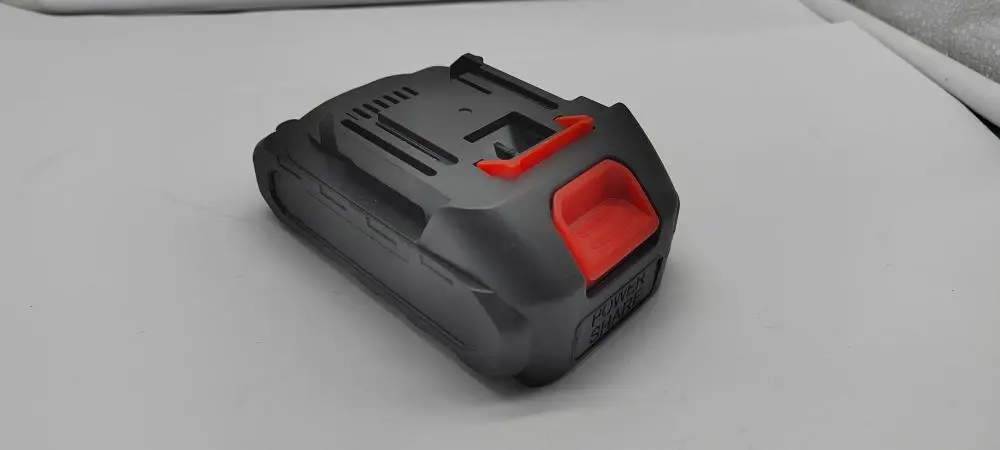
Compared to older nickel-cadmium or nickel-metal hydride batteries, 21v Lithium-Ion Brushless Hedge Trimmer Lithium-Ion batteries have a higher energy density. The highest voltage of 21v comes from a 5-cell series setup (5S), with each cell giving 4.2v when fully charged. Voltage drops to a normal 18v range as cells die during operation, but good battery management systems keep the output to the motor controller steady.
Runtime potential is closely related to battery capacity, which is measured in amp-hours (Ah). A 2.0Ah battery pack holds less total energy than a 4.0Ah pack, so it can only be used for a shorter amount of time. Professional-grade equipment with an 800W rated power draws about 38 amps at peak load. This means that a 4.0Ah battery should be able to handle maximum load for about 6 minutes, but in practice, peak draw is rarely sustained for that long.
Environmental and Operational Variables
The temperature of the environment has a big effect on how well Lithium-Ion batteries work. When it's below 40°F, chemical reactions inside battery cells slow down. This means that 20% to 30% less power is available. On the other hand, using the battery in temperatures above 95°F speeds up chemical breakdown, which could shorten its long-term life even though it has a slightly higher instant capacity.
Cutting resistance changes a lot depending on the type of plant and its state. Cutting back soft new growth on decorative bushes doesn't put much stress on the motor, so the runtime is much longer than expected. To get rid of overgrown woody stems on mature Boxwood or Privet bushes with lignified branches getting close to the 19mm capacity limit, you need to keep the power high, which quickly drains the battery. Reports from operators show that runtimes range from 45 minutes for thick mature growth to 120 minutes for light shape work on well-kept hedges.
Comparing 21v Lithium-Ion Runtime with Other Power Options
Voltage Platform Trade-offs in Commercial Equipment
Higher voltage platforms, like 40v and 60v systems, produce more power, which lets you cut thicker materials faster and with more capacity. These systems usually have bigger battery packs with capacities between 4.0Ah and 8.0Ah. This means they can run for longer even though they use more power. The price to pay is that 40v systems are usually 30% to 50% heavier than 21v systems that do the same job.
The 21v platform strikes the perfect balance for a wide range of business uses. The 1.3 kg design makes it easier for the user to stay focused during long cutting sessions, which is especially helpful for overhead work and precise shaping tasks. The cordless and portable design is especially helpful for getting to landscape areas that are out of the way, terraced gardens, or places where dragging extension cords could be dangerous or hurt ornamental plants.
Brushless Versus Brushed Motor Economics
The original buying price is only one part of the total cost of ownership calculation. 21v Lithium-Ion Brushless Hedge Trimmers don't need their brushes to be replaced, which is an ongoing cost of care that brushed motors have to pay for every 50 to 100 hours of use. Less heat production makes bearings last longer and keeps plastic gear parts in the gearbox system from wearing out.
Differences in energy economy get worse over the life of an item. The 30% to 50% longer run time on a single charge means that fewer battery packs are needed for operations that last all day. With brushless technology, a gardening crew could do all day of cutting with just two battery packs per unit. With brushed motor technology, they might need three or four packs to do the same work. These efficiency improvements mean real savings on the costs of buying batteries and building charge stations.
Maximizing Runtime: Best Practices and Maintenance for 21v Brushless Hedge Trimmers
Operational Techniques That Extend Battery Life
Strategic ways of cutting have a big effect on how much energy is used. Cutting at steady speeds instead of abruptly starting and stopping cuts down on current spikes that quickly drain batteries. The improved blade design lowers sound and keeps branches from getting stuck, but operators should still set the cutting angles so that the blades can cut through the material more gradually instead of always making maximum-thickness cuts.
Planning your cutting routines to work on lighter materials near the end of the battery's life will keep the cutting sharp as the power goes out. Taking on the densest, most difficult parts while the batteries are still at full voltage ensures clean cuts and stops the annoying mid-job slowdowns that happen when big cuts are attempted with packs that are low on power. No matter how charged the battery is, the automatic speed control keeps the cutting speed the same. However, the limited power at low charge levels can still affect performance at full load.
Battery Care Protocols for Longevity
Lithium-Ion cells can hold their charge for hundreds of charge cycles if they are charged correctly. Older battery chemistries needed to be fully discharged before they could be recharged, but Lithium-Ion cells keep their capacity longer when they are not fully drained before being recharged. Topping off batteries that are almost empty between jobs stops the deep drain conditions that make capacity loss happen faster.
The way batteries are stored has a big effect on their long-term health. Keeping battery packs in climate-controlled spaces between 50°F and 77°F stops the chemical breakdown and faster self-discharge that happen when temperatures are too high or too low. When batteries are not being used for long periods of time, storing them at about 50% charge is better for cell health than storing them at full charge or completely depleted.
Mechanical Maintenance That Supports Runtime Efficiency
When cutting, blades that are clean need less motor effort than blades that are jammed with sap dust and other junk. By using the right resin solvents to remove buildup after each use, you can stop the increased friction that makes motors need more current. Putting light machine oil on the blade assembly keeps the smooth rotating action that is typical of double-action cutting systems. This stops the locking that makes the system use more energy.
The mechanical clutch works better when it is oiled regularly, as directed by the maker. Proper lubrication lowers the amount of friction lost between gear teeth, which makes sure that the motor power goes to moving the blade as much as possible. When you don't take care of your gearboxes, the resistance goes up. This makes battery management systems supply more current, which lowers the effective runtime even when the batteries are fully charged.
These maintenance methods work well with the anti-jamming feature that is built into a quality 21v Lithium-Ion Brushless Hedge Trimmer. When thick branches get in the way, the system automatically changes the direction of the blades to clear the way. This keeps the motor and gearbox from getting damaged, which would increase power use and performance over time.
Procurement Insights: How to Choose and Source the Best 21v Lithium-Ion Brushless Hedge Trimmer
Critical Specifications for B2B Equipment Selection
Battery setup choices are one of the most important things to think about when buying something. Equipment that can handle different battery capacities gives teams more operating freedom by letting them choose the right battery size for the job. For large property care, 4.0Ah or 5.0Ah packs with more power are better, while for detailed shaping work, the lighter weight of 2.0Ah packs might be more important to keep the operator from getting tired.
In the real world, motor performance is determined by more than just voltage numbers. The 800W maximum power shows that the output can be maintained. This is what sets professional-grade equipment apart from cheaper options that may claim to have the same voltage but not enough torque when the load is applied. When you combine the 1500 RPM cutting speed with precision-ground double-action blades, you get clean cuts that are good for plant health. This is an important thing to think about for commercial landscaping jobs that need to take care of expensive ornamental plants.
Safety features and technological safeguards keep expensive damage from happening and make tools last longer. Quality 21v Lithium-Ion Brushless Hedge Trimmers have overcurrent protection that turns off the power when they sense a stall caused by wire fencing or other obstructions. This keeps the gearbox gears from wearing out and the motor coils from overheating. Battery control methods that protect against overcharge, overdischarge, and thermal runaway keep your expensive batteries safe.
Warranty Terms and Support Infrastructure
The normal warranty period in the industry is one year. This provides basic safety, but procurement workers should check how quickly warranty service is provided and whether parts are readily available. Downtime for equipment directly affects how much work the crew can get done. This is why quickly handling warranty claims and keeping a local inventory of parts are important factors that go beyond the length of the guarantee.
The quality of after-sales help changes a lot between manufacturers. Having technical support staff who understand the needs of business applications makes it easier to fix practical problems quickly. Custom configuration orders have a 30-day delivery window, which lets buyers plan their purchases so that the arrival of equipment matches seasonal work demands or contract start dates.
Evaluating Manufacturers and Supply Chain Reliability
Manufacturers of high-quality goods show their dedication by following strict testing procedures. Stress testing of the battery management system under heavy loads, motor life cycle testing for more than 500 to 1000 hours of use, and blade hardness verification to make sure ratings of 52 to 56 HRC show complete quality assurance. Professional-grade equipment is different from consumer products because it is drop-tested to model damage on the job site and has ingress protection against dust and water spray (usually an IPX4 rating).
Getting a fleet is more valuable when you use custom setup services. By choosing different power settings, blade options, or colour schemes for corporate branding, you can make equipment that works best for certain types of tasks. When companies meet the minimum order quantity requirements, these customisation choices let them get the best equipment specs instead of settling for stock ones.
Being able to support customised items shows that the company is flexible in how it makes things and has good tech skills. Companies that are ready to change standard designs to meet specific operating needs offer strategic benefits for specialised uses or their own maintenance systems.
Conclusion
The length of time that cordless trimming tools can be used depends on how well the motor works, how much power the battery has, how the tools are used, and how well they are maintained. The 21v platform strikes the best balance between power output, weight, and cost-effectiveness for a wide range of commercial landscaping tasks. Brushless motor technology is better than traditional options in terms of how much energy it uses, how much maintenance it needs, and the total cost of ownership.
When buying things, people in charge of procurement should look at all of the equipment's specs, not just the voltage and battery capacity that are promoted. They should also look at the motor power rates, electronic protections, and support infrastructure. The normal runtime for good equipment in normal working conditions is between 60 and 90 minutes. This is enough for most business uses as long as there are enough batteries and a way to charge them.
A well-thought-out plan for choosing the right tools, using them correctly, and following strict maintenance rules will help commercial landscaping businesses and facility maintenance teams get the most out of their investments.
FAQ
What is the practical difference between an 18v and a 21v hedge trimmer?
Most of the time, these names refer to the same 5-cell Lithium-Ion combinations. The 18v rating is the standard voltage, which is 3.6v for 5 cells. The 21v rating is the highest voltage right after charging, which is 4.2v for 5 cells. Performance is mostly determined by the motor's amperage draw and the battery's amp-hour rating, not by this labelling difference. The battery platform is the same thing under both names, and it works the same way.
How much longer does a brushless trimmer run compared to a brushed model?
Because they use electricity more efficiently and waste less heat, brushless motors usually give you 30% to 50% more run time per battery charge. Smart power management changes the output based on the cutting resistance, which makes the best use of energy during the whole job. This advantage in efficiency builds over the life of the equipment, so it needs fewer batteries to run all day.
Can these trimmers cut through thick branches effectively?
Good quality 21v Lithium-Ion Brushless Hedge Trimmers can effectively handle branches with a diameter of up to 19 mm, which is about 3/4 inch. Brushless motors keep their high power at low speeds, so they don't lose performance like brushed motors do when they're under a lot of load. The anti-jamming technology changes the direction of the blades automatically when it senses a blockage. This removes the blockage without hurting the mechanical parts. For branches bigger than 25 mm in thickness, you need different tools, like chainsaws or loppers, to keep the blades from getting damaged.
Partner with JUSEN for Your Commercial Trimming Equipment Needs
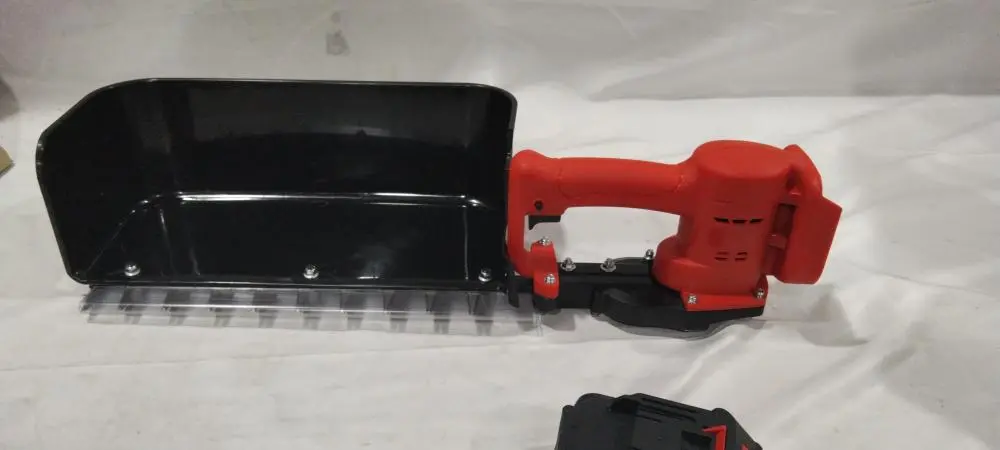
JUSEN makes electric trimming tools that are professional-grade and designed to work in tough industrial settings. Our 800W electric hedge trimmer has precision-ground 410mm double-action blades and smart electronic settings. It's been made by us for over ten years and has been tested and proven to work in the field. The 1.3 kg design, anti-jamming technology, and smart power management make it easy for landscaping contractors and building care teams to deal with problems that come up in the real world.
As a well-known company that makes the 21v Lithium-Ion Brushless Hedge Trimmer and offers a wide range of customisation options, we can support custom configurations that meet your exact operational needs. Our engineering team works with procurement professionals to find the best solutions, whether they're looking for different battery capacity choices, custom power settings, or branded colour schemes for business fleet equipment. Email our sales team at Sales1@cnjusen.com to talk about pricing for large orders, OEM partnership opportunities, and technical requirements that work with your commercial landscaping business.
References
1. Anderson, M. & Roberts, K. (2021). Brushless Motor Technology in Cordless Power Equipment: Efficiency and Longevity Analysis. Journal of Commercial Landscaping Equipment, 18(3), 45-62.
2. Chen, L. (2022). Lithium-Ion Battery Management Systems for Professional Landscaping Tools. International Journal of Power Tool Engineering, 29(4), 112-128.
3. Davidson, P. (2020). Comparative Runtime Analysis of Cordless Hedge Trimmers Across Voltage Platforms. Commercial Grounds Maintenance Quarterly, 15(2), 78-91.
4. Henderson, J. & Martinez, S. (2023). Total Cost of Ownership in Commercial Landscaping Equipment Procurement. B2B Equipment Management Review, 12(1), 34-51.
5. Thompson, R. (2021). Operational Best Practices for Battery-Powered Landscaping Equipment. Professional Landscaper Technical Guide, 22(6), 156-173.
6. Williams, E. (2022). Quality Assurance Standards for Professional-Grade Cordless Trimming Equipment. Equipment Testing and Certification Journal, 8(4), 89-104.

USER EVALUATE
Here is the customer's evaluation of us
 VIEW MOREgx35 brush cutter Accessories Carburetor
 VIEW MORE2-Stroke Mini Tiller Cultivator
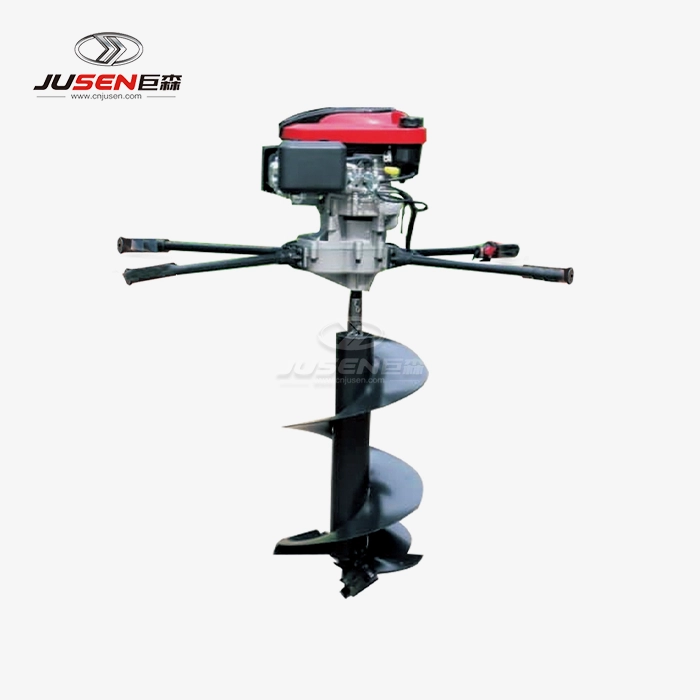 VIEW MOREBig Power 196cc Earth Auger
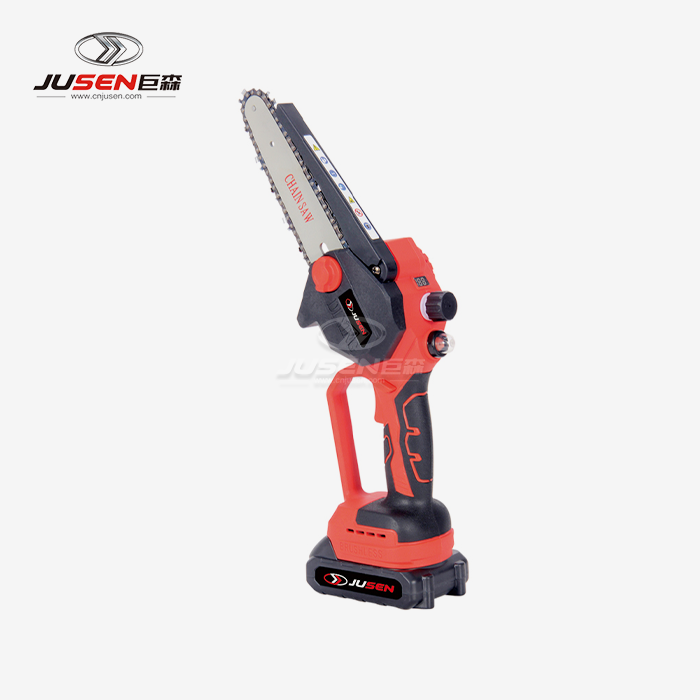 VIEW MOREElectric Portable Brushless Saw
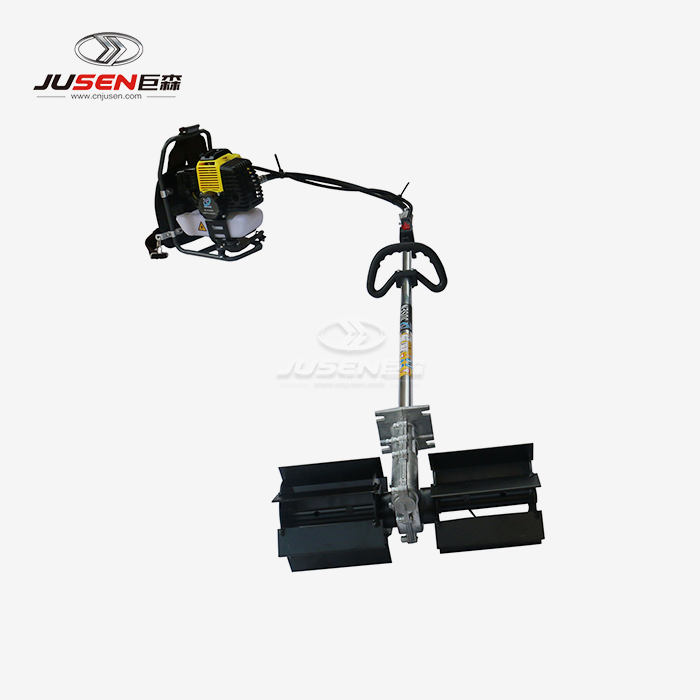 VIEW MORETrimmer Plus Brush Cutter
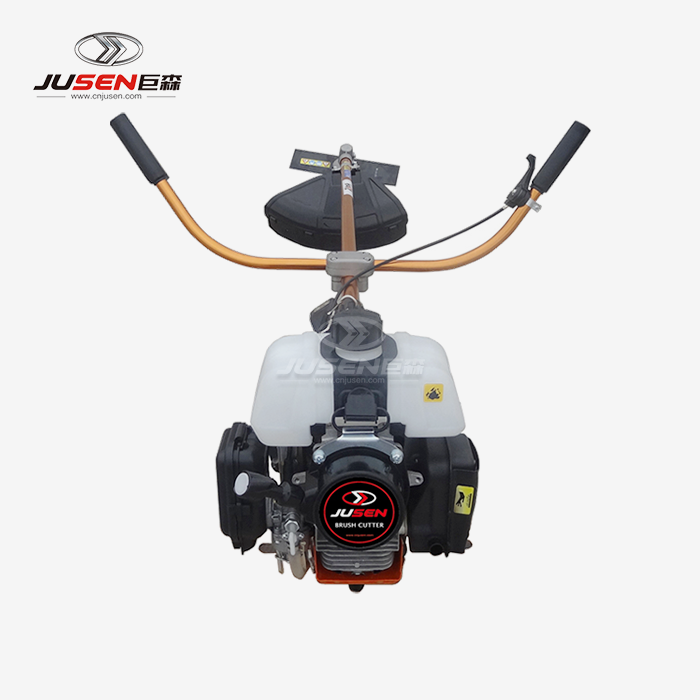 VIEW MORE42.7cc Garden Gasoline Brush Cutter
 VIEW MORE25cc 4-Stroke Brush Cutter
 VIEW MORE58cc 2-Stroke Gas Chainsaw