




Solar Filling Pump Solutions for Farms and Gardens
Modern agricultural operations demand reliable water management systems that balance efficiency with sustainability. Solar pumping technology addresses this need by converting sunlight directly into pumping power, eliminating grid dependency while delivering consistent performance across diverse farming and gardening applications. These Solar Filling Pump systems utilise photovoltaic panels paired with DC motor technology to create independent water supply solutions capable of handling everything from small-scale greenhouse irrigation to large agricultural field operations. The versatility of solar pumping solutions makes them invaluable for remote locations where traditional electrical infrastructure proves impractical or cost-prohibitive.
Understanding Solar Pumping Pumps and Their Benefits
What Makes Solar Pumping Technology Different
Direct transfer of sunshine into mechanical energy is how Solar Pumping Pump systems work. Photovoltaic panels collect sunlight and turn it into direct current (DC). This current powers special pump motors that are made to work with changing input conditions. Unlike traditional systems that are connected to the power grid, these units can work without any outside power sources, which makes them perfect for farming areas that are far away from other places.
The basic structure is made up of a few important parts: high-efficiency solar panels that can work in agricultural settings, a DC brushless motor that doesn't need much maintenance, a controller unit that adjusts performance to work best in different light conditions, and the pump assembly itself. This unified design gets rid of the problems and points of failure that come with separate inverters and grid connections.
Core Advantages for Agricultural Operations
Using Solar Filling Pump solutions leads to measured changes in how things work. After the original investment, there is no more energy needed because sunshine is a free fuel source. This directly leads to higher profit margins, especially for businesses that run pumps for several hours every day during growth seasons.
As carbon emissions from water distribution processes go away, the company's environmental reputation get stronger. Agricultural businesses are under more and more pressure to show that they care about the environment. Switching to Solar Filling Pumps is a measurable way to show that you care. The systems work quietly because they don't burn fuel, so they don't make noise or release diesel fumes into the air.
When used in the field, reliability is exceptional. Because there are fewer moving parts than in traditional pump systems, mechanical problems happen much less often. Weather-resistant building can handle changes in temperature, dust, and water that would damage regular electrical equipment.
Application Versatility Across Farm Operations
Modern Solar Filling Pump technology meets many of the water needs of farms. Irrigation systems work best during the day because they naturally match the amount of water crops need—pumping happens during peak sun hours, when evaporation rates are highest. Watering stations for animals in faraway fields get a steady source of electricity without having to dig trenches across property.
Drip irrigation systems are used in greenhouses because they allow for precise flow control. Nursery facilities, on the other hand, keep the moisture levels stable for fragile plant stock. Solar Filling Pumps are used in aquaculture to keep the water moving and add air to ponds, which is important for fish health. Garden water features and ornamental ponds don't need any upkeep during the season.
Comparing Solar Filling Pumps with Conventional Pumps
Performance Metrics That Matter
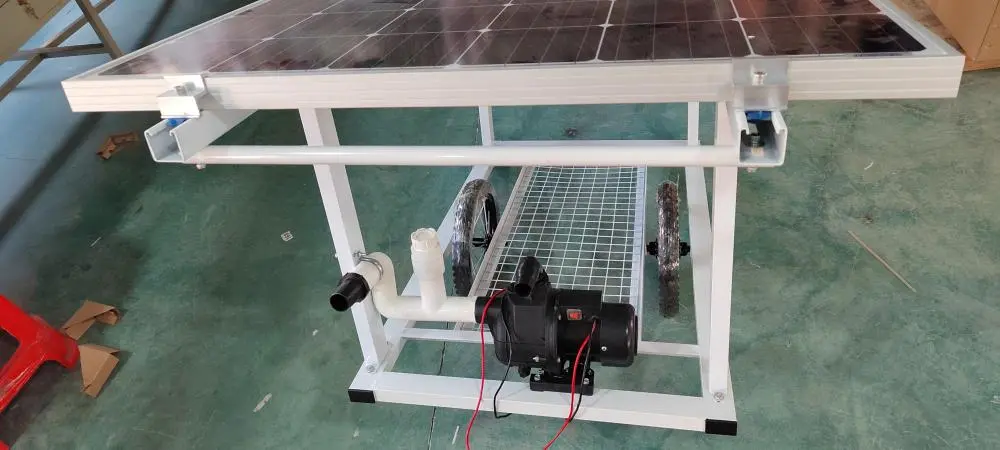
To evaluate Solar Filling Pump solutions, you need to know about the most important performance requirements. How fast water moves from the source to the use point is determined by the flow rate, which is given in cubic meters per hour. Head pressure, measured in meters, tells you how far up and down the line the pump can go and how much friction it can handle. Our JS-SEWP300 has a 15-meter highest head and an amazing 20m³/h flow capacity, which is the same as or better than many grid-powered options in its class.
The operating lifespan is directly related to how long the material lasts. Good Solar Filling Pumps have aluminium housings that don't rust, stainless steel shafts, and engineered polymer impellers that can handle chemicals and suspended solids. When compared to lightweight consumer-grade goods, the 42kg build weight of professional units shows that a lot of material was used to make them.
Solar Filling Pump systems are different from gasoline options because they make noise. When a DC motor is running, it makes very little noise—usually less than 50 decibels at full speed. This is very different from diesel pumps that are louder than 80 decibels, which can be dangerous at work and bother animals.
Total Cost Analysis Over Operational Life
Solar Filling Pump systems are more expensive to buy at first than regular electric pumps, but over their entire useful life, Solar Filling Pump solutions are clearly more cost-effective. Grid-powered pumps always have to pay for energy, and those costs add up over time. Diesel engines need to be fuelled, have their oil changed, and have regular maintenance, all of which add up to a lot of money.
These ongoing costs are completely taken care of by Solar Filling Pumps. The JS-SEWP300 doesn't use fuel and doesn't have utility bills. Depending on local power rates and water needs, it pays for itself in three to five years. Maintenance tasks are cut down to cleaning and checking every so often, which field staff can do without any special training.
Adding a battery backup makes operations more reliable when they need to water at night or keep the flow steady when it's cloudy. Even though they cost more, battery systems offer operating freedom that makes the investment worth it for important tasks like watering livestock when a power outage could put their welfare at risk.
How to Choose the Right Solar Filling Pump for Your Needs
Matching System Capacity to Water Demands
To get the right size for a Solar Filling Pump, you must first figure out how much water you actually need. How much irrigation is needed depends on the type of crop, the amount of land, how well the earth drains, and the weather in the area. Livestock companies figure out how much water their animals need by counting them and knowing how much water each type needs. In greenhouse systems, the flow must be precisely matched to the volume of the drip line.
The JS-SEWP300 specifications are good for medium-sized operations that need to move water every day. This unit can handle wells and surface water sources that are common on agricultural properties. It has a maximum power output of 300W and a suction lift of 4- 5 meters. Depending on how well the water is distributed, the 20m³/h flow rate can water about 2-3 acres of food crops or 50-75 head of cattle.
The people in charge of buying things should make sure that the pump's head capacity is greater than the total system resistance. This includes the vertical lift from the water source, changes in elevation across the property, and friction losses through the pipe networks. When the head capacity is too small, the flow is too low to meet practical needs during important times.
Evaluating Supplier Credentials and Support
Picking the right provider is just as important as picking the right tools. Performance curves, material specifications, and compliance certifications from well-known manufacturers show that they are good at engineering. Because our company has been making precise tools for tough industrial uses for ten years, we have very high quality standards that we stick to.
Warranty terms show that the company that made the product is confident in its longevity. The JS-SEWP300 comes with a one-year warranty that shows we stand behind our engineering. When operating problems happen during planting or harvest windows, when delays cost money, having help available for longer periods of time is very important.
Customisation lets you meet the specific needs of your site that standard products can't. We offer modification services by our expert team for situations where the lift needs to be odd, the fluid needs to be compatible with certain types, or the system needs to be integrated with other farm management systems. Our technical freedom comes from our background in designing custom oilfield equipment, where unique methods are used to solve difficult problems downhole.
Strategic Procurement Considerations
When businesses use multiple Solar Filling Pump stations on large properties, they can save a lot of money on each unit by buying in bulk. The way our sales team sets prices for bulk orders takes into account the economies of scale that apply to both shipping and making the goods. The 30-day shipping window gives you enough time to plan for seasonal installation dates.
Payment rates and financing choices have an impact on managing cash flow, especially in farming businesses that need a lot of capital. Talking about money matters during the quote phase makes sure that budgets for buying things and plans for installing them are in sync.
Technical consulting services help figure out the best ways to set up systems without making them too complicated. Our team looks at site studies, data on water sources, and distribution needs to suggest the best pump types and solar panel arrays. The consultation stops mistakes that cost a lot of money, like buying systems that are too small or spending too much on systems that have too much capacity.
Installation, Maintenance, and Troubleshooting Guide
Professional Setup Protocols
A thorough site assessment is the first step to a successful Solar Filling Pump installation. Think about where to put the solar panels so that they get the most southern exposure and don't get shaded by buildings, trees, or changing shadow patterns. The gear for attaching panels has to be able to handle the wind loads that are common in farming areas with no wind breaks in the open fields.
When placing the pump, both the distance to the water source and the distance to the solar panels are taken into account. Voltage drop, which lowers system efficiency, is kept to a minimum by keeping DC wiring runs under 15 meters. The JS-SEWP300's 36V DC design gives it a safe working voltage and enough power for reliable performance.
Using the right electrical connections keeps your business running smoothly and keeps you safe. Marine-grade fittings that can handle being outside should be used, and all connection spots should be sealed to keep water out. To keep the system frame from getting shocked or damaged by lightning, ground it.
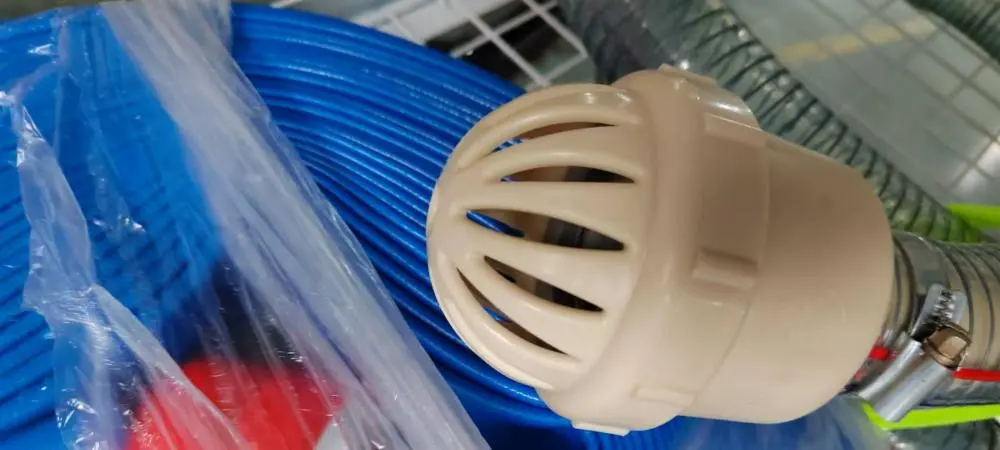
Preparing the water source guarantees that the flow works well. Put in foot valves and strainers to keep dirt and other things from getting into the pump. When the machine is first turned on, prime the suction line to get rid of any air pockets that could cause cavitation and poor flow.
Preventive Maintenance Schedules
Regular maintenance increases the life of equipment and keeps it from breaking down at crucial times for farming. We suggest setting up regular maintenance times that are in line with the changing of the seasons. The following care list helps businesses keep their performance at its best:
Clean the solar panels monthly during dusty times of the year because the buildup of farm dust lowers power production by 15-25%. To keep panel surfaces from getting scratched, use soft cloths and mild soap. Check the tools for attaching the panel to see if it has become loose from wind and vibration.
Every three months, check the connections between electrical devices for corrosion, especially in places with a lot of humidity. To keep the terminals from oxidising, put dielectric grease on them. Check that the DC voltage numbers match what you would expect to see in full sun.
Before each irrigation season, check the pump housing and inlet screen. Clear out the strainer basket of any sediment that has built up and make sure the fan can turn easily. Listen for strange bearing noise that means the lubrication is running out or a part is wearing down.
Common Issues and Solutions
When Solar Filling Pump performance drops, it's usually because of clear reasons. Lower flow rates when there is enough sunlight suggest that the strainer is clogged or the fan is wearing out. Take the pump's outlet apart and clean it out. Then, look at the rotor blades to see if they have been worn down by rough particles.
When it works sometimes when it's fully sunny, it means there are problems with the electrical connections. Check that each wire section is connected and that the device works. When working in the field doesn't lead to a solution, our expert support team helps with diagnostic processes.
Most of the time, problems with suction loss start in the intake line instead of the pump. Check that the foot valve works and that the joints in the suction pipe stay airtight. The 4-5 meter suction lift standard says that all air leaks must be fixed for the specified performance to be reached.
Why Partner with Trusted Solar Filling Pump Suppliers
Manufacturer Credentials That Matter
Agricultural Solar Filling Pump solutions are provided by Baoji Changyou Petroleum Equipment Co., Ltd, which does business under the JUSEN name and has a lot of technical experience. When we started our business in 2010, we focused on making precise equipment for the oil and gas exploration industry, which has high standards. This background in making reliable tools for drilling and testing at the surface applies directly to quality standards for farm pumps.
Our manufacturing plant is 3,000 square meters and has 50 experienced production workers and 30 dedicated engineering pros. This level of technology knowledge lets us offer unique design services that set us apart from companies that only sell items from catalogues. We've used our ten years of experience in the field to come up with Solar Filling Pump solutions that can work in the harsh conditions that are common in farming.
Quality control protocols made just for oilfield equipment make sure that every piece works up to very high standards. Before goods are shipped, they are put through endurance cycling, flow verification, and pressure testing to make sure they work as expected.
Comprehensive Support Throughout Product Lifecycle
Procurement partnerships are more than just buying things together. Our pre-sales tech support helps customers choose the right options for their specific needs. Site surveys and load calculations make sure that the right-size system is installed to meet operational needs without spending too much money.
Installation advice speeds up testing and stops common mistakes that happen during setup. Our technical documentation has clear instructions, and if you have any questions, you can also get help directly. This help is useful for farming operations that don't have their own engineering staff.
After-sales help keeps the system running smoothly for as long as it is used. Troubleshooting technical issues quickly helps find problems, reducing downtime during important times. Our spare parts inventory and efficient operations make sure that when repair is needed, parts can be replaced quickly.
Our customisation services use the research and development (R&D) tools we've built for specific oilfield uses. Our engineering team has a lot of experience fixing problems, and they can help agricultural operations that are having unique problems, like needing very high lifts, water that is corrosive, or integrating with current automation.
Conclusion
Solar Filling Pump technology has grown into a reliable and inexpensive way to control water in farms. By getting rid of operational energy costs, as well as the need for very little maintenance and high reliability, this offers great value for farms of all sizes. Modern farming needs machines that are well-designed and work well, and our JS-SEWP300 meets those needs. The system's 300W power capacity, impressive 20m³/h flow rate, and sturdy build give procurement professionals the dependability they need when choosing critical infrastructure. By working with manufacturers that show they have the technical know-how and full support to back up their products, agricultural operations can get water supply systems that work reliably for decades and help them reach their sustainability goals.
FAQ
How do solar water pumps perform during cloudy weather?
Solar Filling Pump systems usually only produce 30-50% of their full-sun output when it's cloudy outside. The JS-SEWP300's 36V DC motor works at its best even when there isn't much light, pumping at lower flow rates to keep things running smoothly. Battery backup systems can store extra power generated during the day so that it can be used when there isn't enough light for operations that need a steady flow of power no matter the weather. The direct-drive design gets rid of inverter efficiency losses, so it can get the most water from the sun.
What maintenance frequency is recommended for agricultural applications?
Compared to regular tools, Solar Filling Pump systems don't need as much maintenance. During dusty times of the year, we suggest cleaning the solar panels once a month, checking the electrical connections every three months, and checking the pump case every season before heavy watering times. The brushless DC motor design gets rid of the need for regular maintenance that diesel engines need. An annual expert inspection gives a full evaluation of the system, but many operations can keep their units in good shape by having their own staff follow our upkeep procedures.
How do solar pumps compare economically to diesel alternatives?
Quality Solar Filling Pump systems cost 40–60% more to install at first than gasoline pumps, but in the long run, solar is much more cost-effective. Diesel engines constantly use expensive fuel and need to have their oil changed and parts replaced. Solar Filling Pump systems don't need any fuel, so they save you money on costs like fuel and maintenance by about 75%. Usually, it takes three to five years for a solar system to pay for itself. After that, it pumps water for free for the rest of its useful life, which can last more than 20 years with proper care.
Transform Your Farm Water Management with JUSEN Solar Solutions
When you need a Solar Filling Pump configuration that fits your special farming needs, our tech team is ready to make it. The JS-SEWP300 has been tested and proven to work well, and comes with full technical support. It can be used to manage large irrigation networks, set up remote watering points for livestock, or design greenhouse systems. As a well-known company that makes Solar Filling Pumps, JUSEN uses its background in precision engineering and its knowledge of farming to offer solutions that lower costs and make water supply more reliable. Email our team at Sales1@cnjusen.com to talk about your water management problems and get full technical specs. We have low prices for large orders and flexible customisation services that can change standard goods to fit the needs of each place. Let us improve your farm's water distribution system using the ten years of experience we have making precise equipment.
References
1. Agricultural Water Management Institute, "Solar Pumping Systems for Irrigation: Technical Guidelines and Performance Standards," Agricultural Engineering Handbook Series, 2023.
2. Renewable Energy in Agriculture Research Consortium, "Comparative Analysis of Solar versus Conventional Pumping Technologies for Farm Applications," Journal of Agricultural Engineering Technology, Volume 28, 2024.
3. International Society of Agricultural Engineers, "Best Practices for Solar Water System Installation and Maintenance in Commercial Farming Operations," ISAE Technical Publication 2024-07.
4. Smith, Robert J., "Economic Evaluation of Solar Pumping Investments in Modern Agriculture," Farm Equipment and Technology Quarterly, Spring 2024, pp. 45-67.
5. National Agricultural Equipment Association, "Solar Pumping System Specifications and Performance Testing Protocols," NAEA Standards Document 2023-12.
6. Thompson, Maria K. and Chen, David L., "Sustainable Water Management Technologies for Remote Agricultural Sites," Environmental Agriculture Press, 2023.

USER EVALUATE
Here is the customer's evaluation of us
 VIEW MORE43cc 2-Stroke Electric-Start Earth Auger
 VIEW MORECordless Electric Pruning Shears Rechargeable Battery Powered
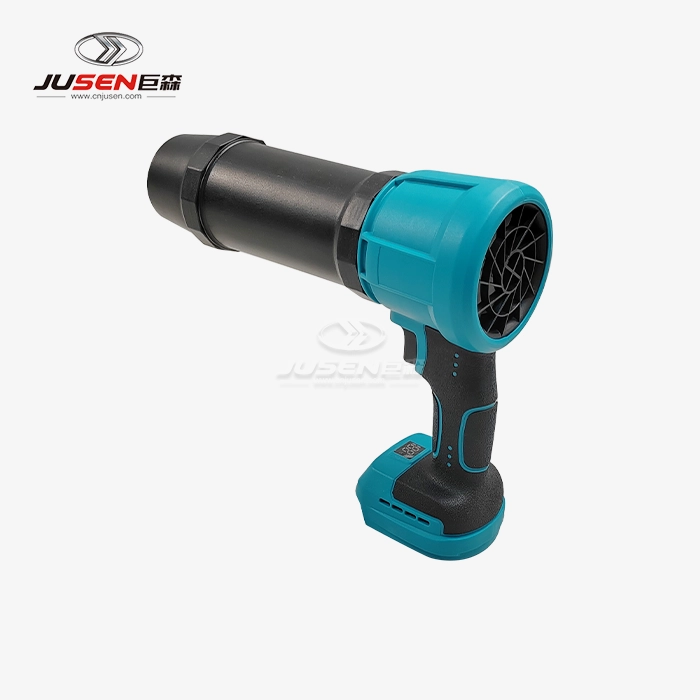 VIEW MORESmall And Strong 21v Power Blower
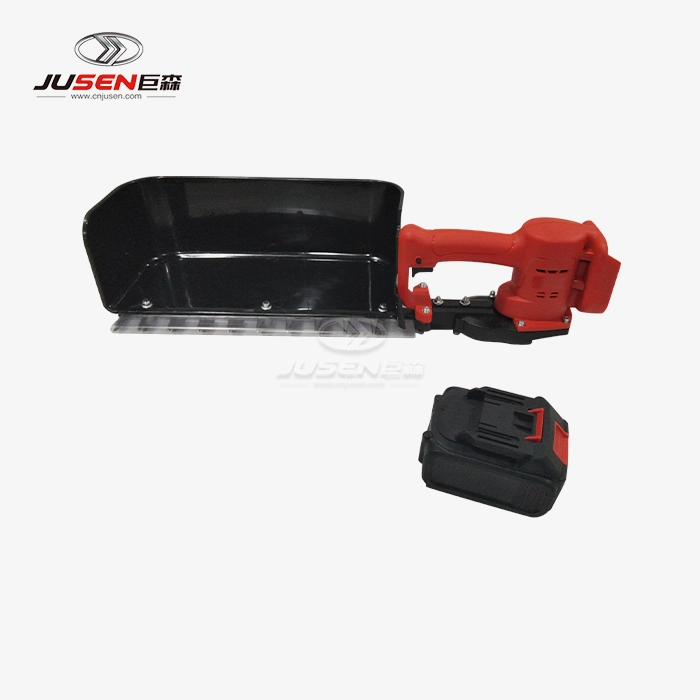 VIEW MORE21v Lithium-Ion Brushless Hedge Trimmer
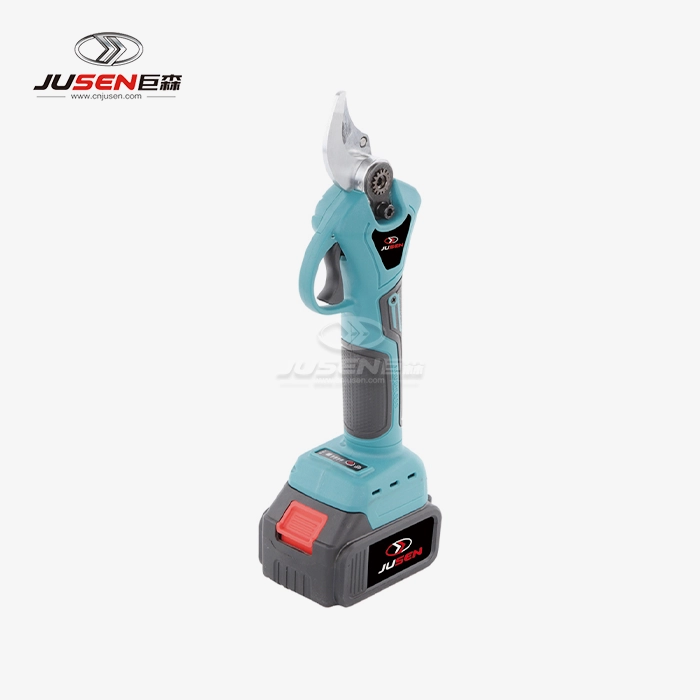 VIEW MORELong Reach Lithium-Ion Garden Shears 21v
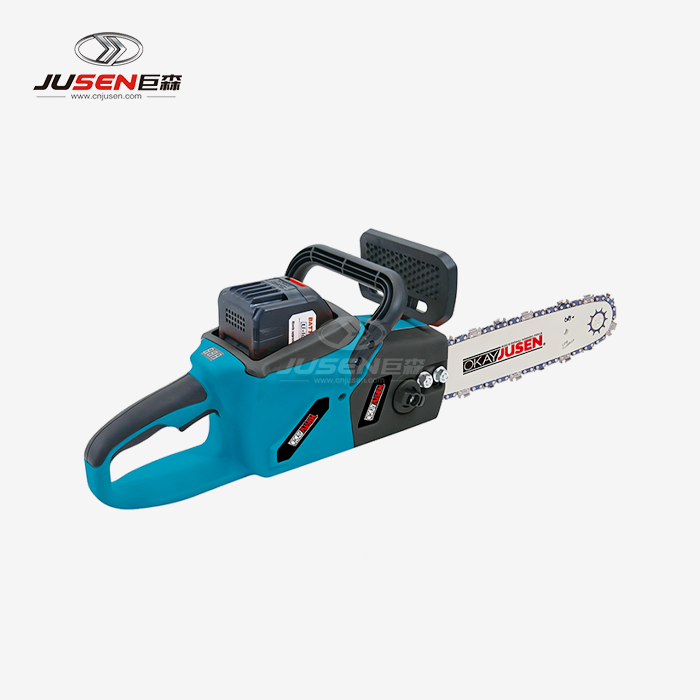 VIEW MORELightweight And Durable Brushless Electric Chainsaw
 VIEW MORETrimmer Plus Brush Cutter
 VIEW MORE58cc Gasoline Chainsaw