




Best Floating Water Pumps For Ponds Buying Guide 2026
Selecting the right floating water pump for pond management in 2026 requires understanding both technical specifications and operational reliability. Floating Water Pumps For Ponds represent specialized hydraulic systems designed to operate at the water surface, combining buoyant pontoon structures with high-efficiency pumping mechanisms. Unlike traditional bottom-mounted equipment, these units maintain consistent intake depth regardless of water level fluctuations—a critical advantage for agricultural irrigation, aquaculture operations, and emergency drainage applications. This comprehensive buying guide walks procurement managers and field engineers through the selection criteria that matter most when investing in surface-mounted pumping solutions that deliver lasting value.
Understanding Floating Water Pumps: How They Work and Their Benefits
Learn about Floating Water Pumps For Ponds, including how they work and what they can do for you.
Floating Water Pumps For Ponds are very different from underwater and standard pond pumps in how they work and how they take in water. A Floating Water Pump For Ponds stays on the surface of the water with the help of specially designed buoyancy chambers. These chambers are usually made of high-density polyethylene or marine-grade materials, and the pump mechanism pulls water from just below the surface.
Operational Principles and Distinctions
Modern Floating Water Pumps For Ponds are built like boats, so the equipment can change itself as the water level rises or falls. The Floating Water Pumps For Ponds from JUSEN have a 1.7KW GX50H/142 four-stroke engine and a boat-shaped body that can handle 12 meters of suction lift and 30 meters of release head. This surface-level input method stops sediment from getting into impellers, which usually damages them in bottom-mounted setups. This makes the equipment last longer and requires less upkeep.
Traditional underwater pumps are placed at the bottom of the pond, where they can get sludge, rough particles, and temperature stratification problems. Floating Water Pumps For Ponds don't have these issues because they get their oxygen from the higher-concentration epilimnion layer, which is especially helpful for farming and wastewater cleaning.
Core Benefits for Pond Management
The benefits of Floating Water Pumps for Ponds include better environmental performance, lower operational costs, and less need for upkeep. When the water is shallow or the bottom isn't level, these systems work great in places where regular equipment has trouble keeping up with performance.
When pumps work at the right depths without sediment getting in the way, water circulation works a lot better. Floating Water Pumps For Ponds keep the water moving all the time, which breaks up thermal layers. This helps keep the temperature even across the whole pond. This temperature mixing is very important for fish farms with a lot of fish, because low oxygen levels in the lower water columns can kill a lot of animals.
Applications Across Commercial and Industrial Contexts
If procurement teams are looking at Floating Water Pumps For Ponds technology, they should be aware of the many situations where these systems work better than other pumping methods. Agricultural activities can depend on water moving reliably from sources with different depths, like rivers, retention ponds, and irrigation pools. During droughts, when water levels drop a lot, the moving design keeps the flow rates steady so that the water doesn't run out or get stuck.
These pumps are used in aquaculture sites to both move water around and share it. The surface-level entry keeps the trash that has built up on the bottom of the pond from moving around and encourages good thermal mixing. In prawn and fish farms with a lot of animals, keeping the water column's dissolved oxygen levels at the right amount is directly linked to the health and growth of the animals.
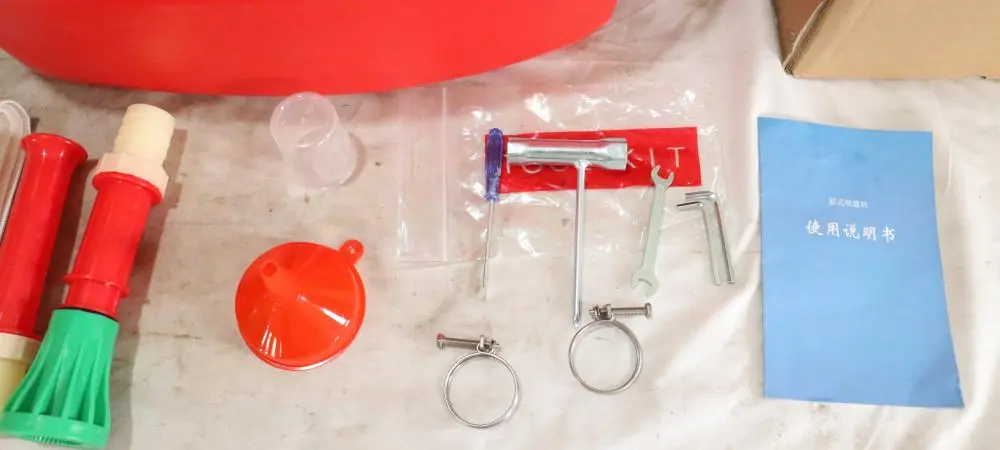
Choosing the Right Floating Water Pump: Criteria and Comparison
When buying Floating Water Pumps For Ponds, procurement managers have to think about a lot of technical factors. Matching the pump's capabilities to the needs of the application avoids both problems with underperformance and spending too much money on equipment that is too big for the job.
Assessing Pond Requirements and Performance Specifications
The first step in the sizing process is to accurately measure the pond's size and the amount of water that will be moving through it. Figure out the total volume of the pond and then choose the change rate you want based on the type of application. For aquaculture activities, the water needs to be completely exchanged every 24 to 48 hours. For irrigation reservoir management, the times may be different.
Flow rate specs have a direct effect on the choice of pump. With a 30-meter discharge head, JUSEN's Floating Water Pumps For Ponds can provide the right flow rates for watering in farms, water exchange in ponds, and emergency draining. This vertical lift capacity is very important for moving water to high-level distribution systems or over long distances.
Technical Metrics That Matter
When you look at how much energy something uses, you should think about how much fuel it uses and how much it costs to run over its whole life. Fuel economy is better with four-stroke engines than with two-stroke engines, which lowers long-term running costs. The 1.7KW power rating on JUSEN's GX50H/142 engine strikes a good balance between strong performance and low fuel use, which is very important for long pumping operations.
The amount of noise affects where to put equipment, especially in residential or mixed-use areas. Floating Water Pumps For Ponds that are powered by engines make noise that needs to be taken into account when planning the site. When noise pollution is a problem for businesses or towns close by, look at decibel ratings at different distances.
Comparing Leading 2026 Models
When procurement professionals compare different models of Floating Water Pumps For Ponds, they should look at a few key differences. Reliability of the engine is very important—power plants that have been used before from well-known makers are less likely to break down than alternatives that have not been used before. The GX50H/142 four-stroke engine used in JUSEN tools has been proven to work well in a wide range of situations.
Different product lines have very different suction and release powers. Equipment with a 12-meter suction lift and a 30-meter release head can handle tough jobs that are too hard for pumps with lower specs. Check that the rated performance takes into account things like hose friction losses and changes in elevation.
Weight and portability affect how flexible deployment can be. The 10.15 kg weight of JUSEN's Floating Water Pumps For Ponds makes it easy for one person to move and set up quickly at different job sites that don't need heavy equipment. This ability to move around is helpful when the need for pumping changes with the seasons or when there is an emergency.
Installation, Maintenance, and Troubleshooting Best Practices for Longevity
Correct construction methods and regular repair schedules have a direct effect on the life and dependability of a Floating Water Pump for Ponds. When figuring out the total cost of ownership, procurement teams should take these lifetime factors into account.
Site Preparation and Deployment Procedures
A thorough site assessment is the first step to a successful installation. Find the best place for the pump by taking into account changes in water volume, distance from the shore, and the location of the release point. The moving design lets you move it around, but careful placement cuts down on hose lengths and friction losses.
Drift caused by wind or water currents can't happen when there are anchoring systems in place. Use marine-grade rope or stainless steel wires connected to beach anchors or concrete weights to set up triangular moorings. This set-up stops the cable from twisting during startup and operation, which is caused by pump torque.
Routine Maintenance and Seasonal Inspections
Systematic maintenance makes equipment last longer and keeps it from breaking down when it's needed most. Make maintenance plans that include both regular tasks and seasonal needs based on how often the equipment is used and the conditions of its operation.
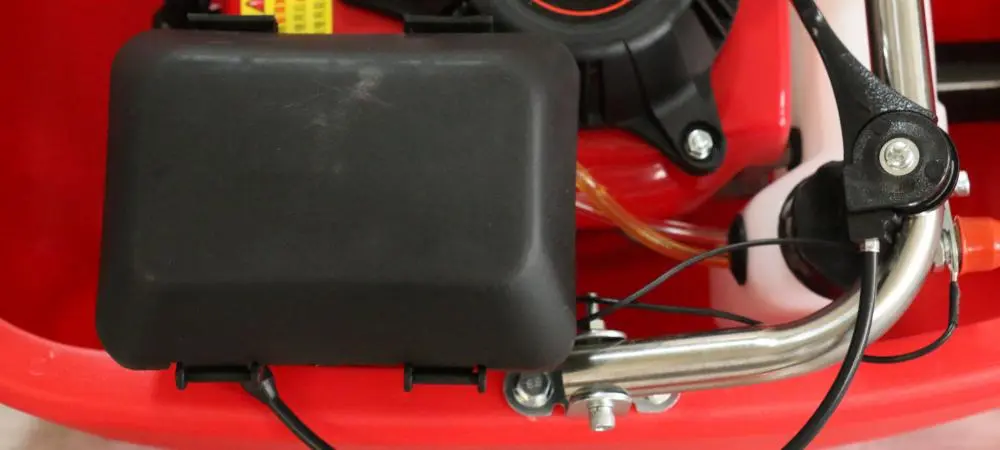
Standard four-stroke engine maintenance includes changing the oil regularly, checking the air filter, and replacing the spark plugs at the manufacturer's suggested times. The GX50H/142 engine works well at 6800 RPM when it is well taken care of, but if it isn't, it wears out faster and is less reliable.
When you check the impeller, you can find damage from debris getting inside it before it starts to lose performance badly. Take out the intake screens every so often to get rid of any plant matter or other things that are blocking the flow of water. This easy preventative step keeps the rated flow performance and stops cavitation damage.
Troubleshooting Common Performance Issues
Knowing the most common ways that things go wrong lets you quickly figure out what's wrong and fix it when equipment doesn't work right. Less flow often means that the impellers are wearing out, the intake is clogged, or the engine is losing power. Systematic fixing finds the root reason and tells you what to do to fix it.
When Floating Water Pumps For Ponds have trouble starting, it's usually because of problems with the fuel system, spark plug fouling, or the carburettor. If the engine won't start after following the right steps to start it, check the fuel source, look at the spark plugs, and clean the carburettor lines. These problems are less likely to happen with a solid four-stroke engine than with less advanced options.
Too much vibration could mean that the impeller is damaged or that the mounting is loose. If vibrations quickly get worse, you should turn off the equipment right away because keeping it running could speed up damage. Check the balance of the impeller and fix the attachment tools to get it working smoothly again.
Market Landscape and Procurement Options for B2B Clients
When looking for Floating Water Pumps For Ponds providers, industrial buyers should carefully evaluate each one to find the best partners in terms of product quality, expert support, and business terms. The procurement process includes more than just the initial purchase price. It also looks at the total cost of ownership and how reliable the supplier is.
Global Supplier Landscape and Differentiation Factors
Many companies make Floating Water Pumps For Ponds, and their engineering, production quality, and customer service skills vary. Established companies like JUSEN stand out because they have a lot of experience in the field. Over a decade of engineering skill in tough environments gives customers faith that the equipment will work as promised.
The ability to manufacture affects both the quality of the product and the degree to which it can be customised. Companies with their own production sites and skilled technical teams can change standard designs to fit the needs of specific applications. Customised product development is something that JUSEN does for clients who have specific needs that aren't met by standard catalogue items.
Procurement Channels and Volume Considerations
Depending on the number of orders and unique needs, business-to-business buyers can get Floating Water Pumps For Ponds equipment through several different routes. When buying in bulk, direct relationships with manufacturers often offer the best value, especially when orders include multiple units or need to be customised. JUSEN's 30-day release schedule works well for planning projects and making sure that production runs smoothly.
When you make a bigger commitment, the price per unit goes down because of volume pricing. When procurement forecasts support volume commitments, talk about quantity discounts, multi-year supply agreements, and partnership opportunities. Building smart relationships with suppliers has benefits beyond just getting better prices. These benefits include getting better technical help and priority scheduling for production.
Value-Added Services and Partnership Benefits
Full warranty protection keeps your equipment investments safe from flaws in the manufacturing process and early failures. JUSEN's one-year warranty shows that they are confident in the quality of the build and the way it was made. When evaluating a seller, make sure you understand the guarantee terms, such as the area of coverage, how to file a claim, and the service response time promises.
Long-term serviceability depends on parts being available. When compared to sellers who need longer wait times for component orders, vendors who keep replacement parts in stock allow for quick repairs. This investment in infrastructure shows a real focus on partnerships instead of simple sales.
Top Floating Water Pumps of 2026: Reviews and Recommendations
Procurement experts can find the best options for their business needs by evaluating specific product offers. This review is mostly about equipment that has been shown to work well in tough commercial and industrial settings.
Selection Criteria and Performance Standards
Given the harsh conditions these pumps work in, durability is the most important factor in the selection process. Longer service life is affected by the quality of construction, the choice of materials, and the dependability of the parts. When designed to work continuously in aquaculture, agriculture, and industry, equipment has to be able to handle extreme temperatures, changes in water chemistry, and physical stresses.
Energy efficiency has a direct effect on operating costs, especially in situations where pumping times need to be extended. When compared to older two-stroke engines, the four-stroke technology used in top models gets better gas mileage. When considering options with different efficiency scores, you should add up the total cost of fuel over the expected life of the equipment.
Noise levels affect how well equipment works in different deployment settings. While Floating Water Pumps For Ponds make noise when they're working, well-designed models reduce noise by using good filter design and vibration separation. When choosing tools for places that are sensitive to noise, you should think about how well it handles sound.
JUSEN Floating Water Pump: Professional-Grade Performance
The Floating Water Pumps For Ponds for boats made by JUSEN is high-quality business equipment made for tough commercial uses. The 1.7KW GX50H/142 four-stroke engine works steadily and reliably in a variety of situations, such as for emergency drainage, aquaculture pond management, and watering in farms. This professional water transfer method solves important problems in the industry by being well-thought-out and using high-quality parts.
With a 12-meter suction lift, water can be taken from deep sources or variable-depth reservoirs where water levels change with the seasons. With a 30-meter output head, this equipment can handle long-distance water transfer needs that are too hard for less-specific options. With these specs, the pump can be used in deep ponds and other situations that need a lot of vertical lift.
The 1.2L tank and four-stroke engine technology save fuel and extend the runtime, so you don't have to refuel as often during important operations. This operating continuity is very important for scheduling irrigation or responding to emergencies, where breaks make things less effective.
Application-Specific Recommendations
Agricultural activities gain a lot from the steady water movement that this equipment provides. Farms that use rivers, retention ponds, or variable-depth irrigation lakes get stable results even when the water level changes. For irrigation rotations, the moving design keeps the water flowing even during dry times, when bottom-mounted pumps would break.
Aquaculture sites should focus on getting equipment that helps the water move around effectively without upsetting the sediments on the bottom of the pond. Floating Water Pumps For Ponds designs use a surface-level intake to keep sediment from mixing with the water and to help with thermal mixing, which is important for keeping fish and shrimp farms healthy. The JUSEN pump works great in this tough job because it can reliably move water and keep an eye on the water quality.
In emergency sewage situations, you need tools that can be set up quickly and work well even when things are tight. This Floating Water Pumps For Ponds is great for quickly getting rid of floodwater on construction sites, in low-lying areas of cities, and on farmland after heavy rain because it is portable and has a strong pumping motor. Contractors and city operations benefit from having equipment that can be sent right away to any emergency water removal situation.
Conclusion
To choose the right Floating Water Pumps For Ponds equipment, you have to weigh the technical specs, the operational needs, and the overall value over the product's lifetime. When it comes to avoiding sediment, changing water levels, and being able to work in a variety of situations, surface-mounted pumping systems are clearly better than traditional options. The boat-type Floating Water Pumps For Ponds from JUSEN is an example of professional-grade equipment designed for tough commercial settings. It has a proven four-stroke engine, a well-thought-out hull design, and solid construction. When making purchasing choices for farming, aquaculture, or industry, purchasing managers should give more weight to tools with proven performance, full support, and real partnerships with experienced sellers. Investing in high-quality Floating Water Pumps For Ponds pays off in the long run because they are more reliable, last longer, and cost less to own overall than cheaper options.
FAQ
What advantages do floating water pumps offer compared to submersible pond pumps?
Floating Water Pumps For Ponds put their intake parts close to the surface of the water. This keeps sediment from getting into the impellers, which over time damages submersible pumps. This surface-level process cleans the water, makes the equipment last longer, and lowers the number of times it needs to be serviced. Floating designs can also adapt to changes in the water level without having to be moved, which is very important for situations where the depth changes with the seasons or the tides.
How long should quality floating water pump equipment last with proper maintenance?
When kept according to the manufacturer's instructions, industrial-grade Floating Water Pumps For Ponds with four-stroke engines usually work well for five to ten years. How long an item lasts depends a lot on how it is used, how well it is maintained, and how often it is used. When compared to equipment that isn't taken care of, equipment that gets regular oil changes, filter replacements, and yearly checks lasts a lot longer. The one-year insurance from JUSEN protects you in the beginning, and regular upkeep will keep it in good shape for a long time.
Can floating water pumps handle agricultural irrigation for large-scale operations?
Professional-grade Floating Water Pumps For Ponds are perfect for large farming tasks. Models that can handle a 12-meter suction lift and a 30-meter discharge head can move large amounts of water over long distances. The key is to match the pump's specs to the needs of the irrigation system, such as the total flow volume, operating pressure, and distribution area. Talk to experienced suppliers like JUSEN for help with the right size for your application to get the best performance.
Partner With JUSEN: Your Trusted Floating Water Pumps For Ponds Manufacturer
JUSEN has been a leader in engineering for over ten years and has a wide range of production skills that allow them to make Floating Water Pumps For Ponds solutions that meet the strictest business needs. Our boat-style Floating Water Pumps For Ponds solve important problems in farming, agriculture, and industry by using tried-and-true four-stroke engine technology and smart design. We help make customised products to meet particular needs, provide quick and helpful technical support, and stay committed to our customers' success by offering full guarantee coverage and ongoing support. As a Floating Water Pumps For Ponds seller with a lot of experience, we know what buying managers have to deal with and only sell equipment that is built to last. Talk to our technical team at Sales1@cnjusen.com about your unique pumping needs and find out how JUSEN equipment provides better value through dependability, efficiency, and teamwork.
References
1. Anderson, M. (2025). Surface Water Management Systems: Engineering Principles and Applications. Industrial Press Publishing.
2. Chen, L., & Roberts, K. (2024). Pump Selection Guide for Agricultural and Aquaculture Operations. American Society of Agricultural Engineers.
3. Davidson, P. (2025). "Floating Pump Technology Advances in Commercial Water Management." Journal of Hydraulic Engineering, 151(3), 45-62.
4. Miller, S. (2024). Industrial Dewatering Equipment: Selection, Installation, and Maintenance. Professional Engineering Publications.
5. Thompson, R. (2025). "Comparative Performance Analysis of Surface-Mounted versus Submersible Pumping Systems." Water Resources Management Quarterly, 38(2), 112-128.
6. Wilson, T., & Garcia, M. (2024). Modern Irrigation Equipment: Technology and Best Practices. Agricultural Engineering Society Press.

USER EVALUATE
Here is the customer's evaluation of us
 VIEW MOREAdjustable Electric Ring Saw
 VIEW MORESmall And Strong 21v Power Blower
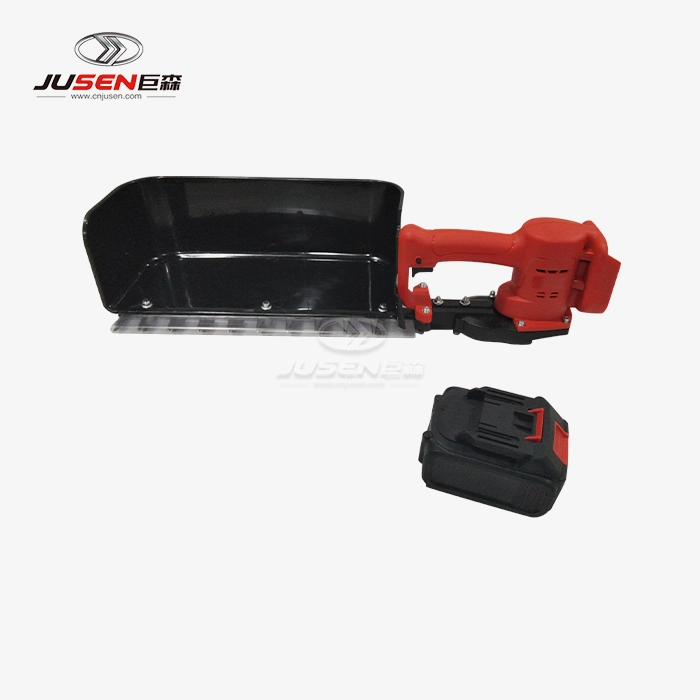 VIEW MORE21v Lithium-Ion Brushless Hedge Trimmer
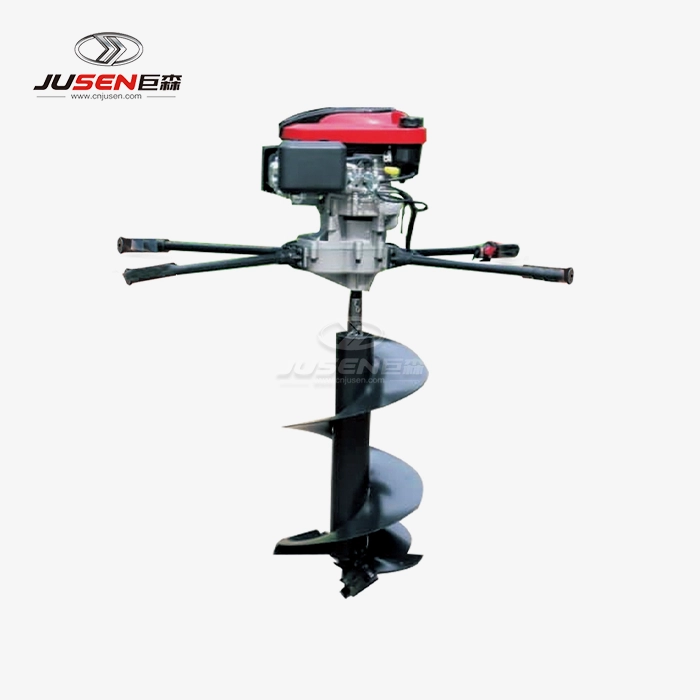 VIEW MOREBig Power 196cc Earth Auger
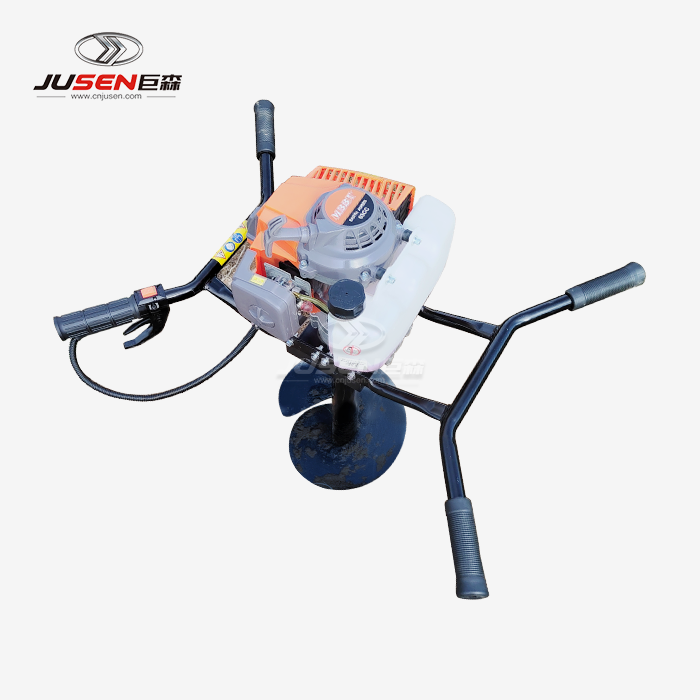 VIEW MORE63cc Double-Handed Grip Handle Earth Auger
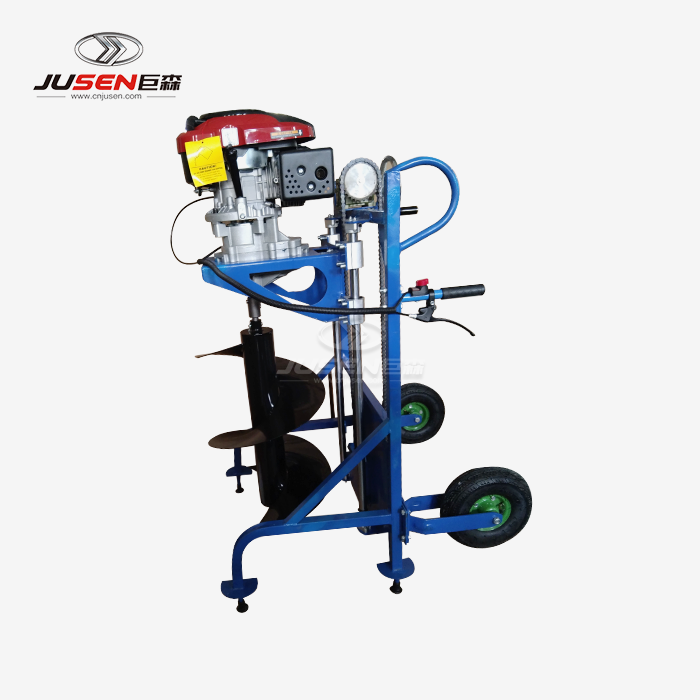 VIEW MORE4-Stroke Power Gasoline Engine Earthaugers Machine
 VIEW MOREElectric Pruning Shears Cordless
 VIEW MORE52cc Petrol Brush Cutter