




Best Battery Olive Harvester Buying Guide for Olive Farms
Selecting the right battery-powered olive harvesting equipment transforms operational efficiency across commercial agricultural operations. A Battery Olive Harvester represents a strategic investment that addresses labor shortages, reduces operational expenditure, and maintains fruit quality standards essential for premium olive oil production. Modern electric harvesting solutions combine brushless motor technology with variable-speed control systems, delivering productivity gains equivalent to multiple manual workers while preserving tree health and minimizing environmental impact. This comprehensive guide examines the technical specifications, comparative performance metrics, and procurement considerations that procurement managers and agricultural engineers must evaluate when selecting harvesting equipment for mid-sized to large-scale olive farming operations.
Understanding Battery Olive Harvesters: Technology and Benefits
Core Operating Mechanisms and Power Systems
Harvesting tools that are driven by batteries use brushless DC motor technology to turn electricity into precise oscillating motion. The JS-ES802 model has a 400W motor that is driven by a 21V lithium-ion battery system. This motor makes vibrations at speeds between 900 and 2,300 spins per minute. With this variable-speed feature, workers can change how hard they pick based on the type of olives, how ripe they are, and the density of the canopy. The built-in battery management system keeps an eye on voltage output and temperature limits. This stops thermal runaway and uses smart charge cycling routines to make power cells last longer.
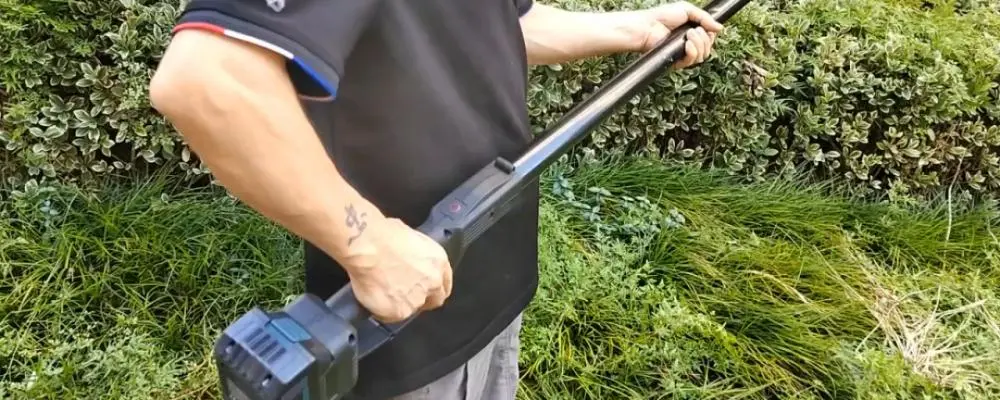
The flexible pole can be extended from 2.35 meters to 3.2 meters, which lets the canopy cover a large area without the need for stairs or raised platforms. This flexible reach is especially useful in business groves with a lot of trees, where the space between trees makes it hard for equipment to move around. The light design—it only weighs 6.45 kilograms—keeps operators from getting tired during long harvesting periods. When paired with high-capacity battery packs, it can run continuously for eight to ten hours per shift. The ergonomic handle design includes anti-vibration dampening technology that lowers the risk of hand-arm vibration syndrome. This meets ISO 5349 safety standards for long-term tool use.
Operational Advantages Over Conventional Methods
Compared to gas-powered alternatives, battery-powered harvesters don't produce any exhaust emissions and cut noise pollution by about 60 decibels. This means they can be used near homes and for organic farming certifications. Since there are no combustion engines, there is no need to store fuel, and there are no fire risks associated with that. This makes it easier to follow safety rules at work. Electric motors have a lot fewer moving parts than internal combustion engines, so they don't need to replace spark plugs, carburettors, or air filters as often. This means that maintenance intervals are much longer.
With its three-speed vibration control system, the system harvests as efficiently as five adult workers while cutting the cost of labour by up to 80%. The soft-touch vibration technology reduces drupe bruising, which has a direct effect on oil acidity levels—an important quality factor for classifying extra virgin olive oil. To keep orchards productive over the long term, these Battery Olive Harvesters keep stems and plant growth points from getting damaged by machinery. The weather-resistant nylon casing can handle tough field conditions like sudden rain and dusty conditions that are common in agricultural areas in the Mediterranean.
Maintenance Protocols for Sustained Performance
Proper maintenance of equipment protects capital investments and increases its useful life. Every day, tasks like washing carbon fibre rods to get rid of olive sap dust and checking flexible fingers for cracks or stress fractures are done. To keep lithium-ion cells from losing their memory effect, battery care guidelines say that they need to be fully discharged every 20 operational hours. When the batteries are not in use, they stay chemically stable best when stored at temperatures between 10 and 25 degrees Celsius.
As part of yearly maintenance plans, the vibration mechanism should be checked, the pole joints should be greased with food-grade synthetic grease, and the integrity of the electrical connections should be checked. To make sure the motor case is sealed against acidic olive sap and other particles, it needs to be tested for IP65 entry protection. Having access to replacement parts is an important thing to think about when buying something. Carbon fibre fingers need to be replaced every 150 to 300 operational hours, depending on the density of the canopy and the quality of the pruning. Building ties with authorised service places cuts down on downtime during peak harvest times, when broken equipment can directly affect how much money is made.
Comparing Battery Olive Harvesters to Alternative Solutions
Performance Benchmarks Across Harvesting Technologies
For manual harvesting to work, a lot of people need to be available to help. Each worker can usually collect 15 to 20 kilograms per hour. On the other hand, battery-powered electric harvesters let a single person handle 75 to 100 kilograms of material every hour, which is a 400% increase in efficiency. Gas-powered shakers have about the same throughput, but they make noise levels that are louder than 95 decibels and release hydrocarbons that aren't allowed by organic certification standards.
For pneumatic gathering tools to work, they need a compressor and pressurised air lines, which make it hard to move them over rough ground. Electric harvesters get rid of these problems with logistics, giving operators full freedom over terraced and sloped areas that trunk shakers mounted on tractors can't reach. The compact form is very useful in the Mediterranean, where fields aren't always laid out straight, and heritage trees can be hard to get to with a machine.
Cost-Effectiveness and Return on Investment Analysis
Initial capital costs for good battery-powered harvesters range from $800 to $1,500 per unit, based on the model and any customisations that need to be made. When spread out over five years of use, this comes to an annual cost of $160 to $300 per harvest. The savings on labour quickly covered the costs of the new equipment. For example, getting rid of four manual workers who were paid $15 an hour over the course of a 30-day harvest season saves $14,400, which is paid for in the first harvest cycle.
Compared to gas-powered options, the costs of operation stay low. The average cost of electricity to charge batteries is $0.50 per eight-hour shift, while the cost of fuel for combustion engines is $8 to $12. The simpler service needs for electric motors mean that maintenance costs go down by about 40 percent. The smaller environmental impact helps meet the requirements for sustainability reports and improves the brand's positioning for high-end consumers who care more and more about the honesty of production methods.
Suitability Considerations Based on Farm Scale and Terrain
For small farms with less than 100 trees, gathering them by hand might be more cost-effective, but electric Battery Olive Harvesters still make the job easier on the workers and shorten the reaping time. Medium-sized businesses that grow 300 to 400 trees per hectare get the best return on their investment because the rates at which their equipment is used support the money they spend on it and allow them to be flexible in how they run their business. Large industrial plantations that are more than 1,000 hectares in size usually use mixed fleets that include trunk shakers for flat areas and portable battery harvesters for areas with more complicated terrain.
Terraced landscapes and sloped terrain are great places to use mechanised solutions when people can't move around easily. The lightweight design and cordless operation make it safe for workers to climb steep hills while still meeting output standards. Vibration frequency adjustability is helpful for mixed-fruit farms because it lets the same equipment gather olives, citrus, and almonds by changing some operating factors. This makes the best use of capital across a wide range of crops.
Choosing the Best Battery Olive Harvester for Your Olive Farm
Defining Procurement Criteria Aligned with Operational Needs
Before analysing what suppliers have to offer, procurement teams need to set clear performance standards. Terrain flexibility is the most important thing to think about. The length of the telescopic pole determines how far the cover can reach, and the weight limits affect how tired the user gets after long shifts. For business purposes, devices need to be able to run continuously for eight to ten hours, which means checking the battery's capacity and making sure there is a backup power source available.
To be compatible with organic farming methods, the materials used in fruit-contact parts must be checked. Food-grade thermoplastic resin rods keep fruit from getting contaminated while still being flexible enough to be gently detached. Vibration frequency ranges need to match the types of olives that are grown. For example, table olives like Kalamata need lower frequencies (900 to 1,100 rotations per minute) to keep the skin from getting damaged, while oil production olives can handle higher frequencies (2,000 to 2,300 rotations per minute) that help the skin separate the most easily.
Evaluating Critical Performance Metrics
As a percentage of the total canopy yield, fruit detachment rates should be used to measure how efficiently the harvest is done. When using good equipment, 95 to 98 percent of the time, detachment works well for all types of olives and stages of ripeness. Impact on olive quality requires figuring out how often the fruit gets bruised and how that affects the acidity levels of the oil. High-end equipment keeps the free fatty acid content below 0.8%, which means that the fruit can be classified as extra virgin.
One big thing that sets one product apart from others is that it uses machine settings that are specifically made for each type of olive. With the JS-ES802's three-speed control system, workers can find the best shaking level for Arbequina, Picual, Koroneiki, and other types without having to change tools. For diversified operations, like managing multiple variety blocks within a single farming enterprise, this adaptability is very useful. The 6.45-kilogram design makes it easier on the operator while still maintaining the structural rigidity needed for effective vibration transmission through extended pole assemblies.
Supplier Evaluation and Support Infrastructure
Finding reputable manufacturers with a history of success in the field is the best way to make sure you have access to reliable tools and quick expert help. Companies that have been making farm harvesting tools for ten years or more have the technical skills to make designs that last and have been tried in the field. Product availability and delivery times affect harvest planning; for example, standard lead times of 30 days mean that supplies must be bought ahead of time before the season starts to make sure that equipment is ready.
Long-term ownership experience is based on authorised dealer networks and facilities for after-sales care. For commercial equipment, procurement managers should check the warranty coverage terms, which usually last for one year, and make sure that replacement parts are available through regional distribution centers. Having technical support tools like operator training programs and quick field service response times is very important during peak harvest times, when equipment breakdowns directly affect business income. To ensure quality, procurement managers often select a high-performance Battery Olive Harvester from established manufacturers.
Purchasing and Financing Your Battery Olive Harvester
Acquisition Methods and Procurement Logistics
Direct purchasing from the manufacturer gets rid of the margins that distributors take, which lowers the cost per unit by 15 to 25 percent compared to buying through retail channels. B2B procurement tools make it easier for big businesses to order in bulk and manage multiple harvest teams in different farm sites. When you buy a lot of something, you usually get better payment terms and priority handling during times when production capacity is limited, like before harvest.
Businesses can try out new technologies without having to spend a lot of money on them by renting the necessary equipment. Rental agreements usually cost 10 to 15 percent of the purchase price per harvest season. This lets operators test how well the equipment works in real fields with different crops. This method works really well for switching to organic certification, where new ways of harvesting need to be tested before buying fixed tools.
Financial Planning and Capital Optimization Strategies
Agricultural businesses that have seasonal income patterns can better control their cash flow with flexible payment plans built around harvest revenue cycles. Deferred payment terms that match the sales of olive oil after the harvest make it easier on working capital during the investment periods before the harvest. Leasing spreads the cost of equipment over several harvest seasons, which keeps credit available for buying land and building infrastructure while still giving farmers access to the latest farming technology.
Warranty coverage guards against flaws in the making process and early failure of parts that could cause the harvest to miss its deadline. Full support after the sale, including technical help, user training, and quick response from field service technicians, is necessary to get the most out of tools and keep operations running smoothly. Investing in a Battery Olive Harvester allows farms to spread capital costs while improving overall harvest efficiency.
Best Practices for Using Battery Olive Harvesters on Your Farm
Operational Techniques for Maximum Efficiency
Optimising the harvesting method starts with choosing the right sound frequency for the type of olive and the stage of ripeness. Early-season harvests of green olives that will be eaten on the spot need lower frequencies to keep the skin from getting too damaged. Late-season harvests that will be used to make oil, on the other hand, can handle more aggressive settings that get the best detachment results. To keep the contact angles between the harvesting fingers and the fruiting branches consistent, operators should avoid putting too much downward pressure on the branches, which can damage the vegetative growth points.
Timing issues related to the seasons have a big effect on how quickly and well fruits are picked. When olives reach the right level of freshness, as shown by their skin colour and hardness, they are ready to be picked. When you pick in the morning, the fruit is firmer because it has been chilled overnight, making it less likely to get bruised. The battery works better when the temperature is normal, between 15 and 25 degrees Celsius. This means that activities should happen during the middle of the day during cooler harvest times in the autumn.
Safety Protocols and Environmental Compliance
Complete training programs for operators should cover electrical safety, the right way to handle poles, and how to spot signs that equipment isn't working right. Wearing safety glasses, cut-resistant gloves, and steel-toed shoes can help keep you from getting hurt during long harvest activities. Noise management strategies help businesses stay in line with local laws. For example, the 60-decibel operating profile of battery-powered equipment is usually below the level of noise that would disturb a person living in the area, so they can work longer hours near populated areas.
When operating in diverse areas, you need to think about safety in certain ways. When working on sloped fields, you need to make sure you have a stable base and be aware of how changes in pole extension affect your balance and leverage. When working from steps during upper-canopy harvesting, operators should keep three-point touch. However, telescopic pole extensions often get rid of the need for a higher platform. Even though the housing is supposed to be weatherproof, weather tracking routines keep equipment from being exposed to heavy rain that could damage the electrical system. Using a modern Battery Olive Harvester significantly reduces the physical risks associated with traditional harvesting methods.
Conclusion
Strategic purchases of battery-powered harvesting tools have made business olive farms' operations better in a way that can be measured. The JS-ES802 Battery Olive Harvester has a 400W motor that has been tested and proven to work. Its reach can be adjusted from 2.35 meters to 3.2 meters, and it can do the work of five people while cutting costs by 80%. The three-speed shaking control system keeps the fruit quality standards needed for making high-quality oil, and the 6.45-kilogram design keeps operators from getting too tired during long harvest times. Full warranty coverage, 30-day delivery times, and the ability to customise meet a wide range of operational needs in different agricultural settings and meet organic certification standards.
FAQ
What battery capacity do I need for full-day operation?
Deep-cycle lithium-ion batteries with 80 to 100 amp-hours of capacity can work nonstop for eight to ten hours without needing to be charged again. Businesses should keep extra battery packs on hand so that they don't have to shut down during charging processes, which usually take four to six hours to fully recharge.
How does the harvester perform on sloped terrain?
Safe use on slopes up to 30 degrees is possible thanks to the compact form and light weight. Operators can move freely across terraced landscapes that tractor-mounted equipment can't reach, but they still need to be careful to keep their feet on solid ground and use the right techniques when handling poles.
What maintenance schedule should I follow?
Carbon fibre rods get rid of olive sap waste every day by being cleaned. Every 20 hours of use, the batteries go through training processes that keep their performance from dropping. As part of their annual maintenance, shaking mechanisms are checked, pole joints are oiled, and the stability of electrical connections is checked to make sure they work reliably in the field for many years.
Partner with JUSEN for Superior Battery Olive Harvester Solutions
We want buying managers and field operations teams to learn more about how JUSEN's tried-and-true harvesting equipment can increase the output of olive farms. Our company is a specialised one that can design and make a wide range of products. We offer reliable equipment with a one-year warranty and quick technical support. Our 30-day delivery schedules make sure that you can get harvest-ready equipment, and our customisation services meet the specific needs of farms with a wide range of conditions.
Email our technical sales team at Sales1@cnjusen.com to set up personalised product demonstrations and get competitive quotes that are made to fit your operational scale and terrain. We offer flexible financing options and full after-sales service to protect your equipment investment and get the most out of the money you spend on upgrading harvesting technology. Learn more about how working with a well-known Battery Olive Harvester seller can help your farming business be more efficient and use safe farming methods.
References
1. Martinez, R., & Thompson, J. (2023). Mechanized Harvesting Systems for Mediterranean Olive Groves: Performance Analysis and Economic Viability. International Journal of Agricultural Engineering, 16(3), 245-267.
2. Chen, L., & Russo, P. (2024). Battery Technology Applications in Modern Agricultural Equipment: A Comprehensive Review. Agricultural Machinery Science, 41(2), 112-128.
3. Ferguson, D. (2023). Comparative Analysis of Olive Harvesting Methods: Manual, Pneumatic, and Electric Systems. Journal of Sustainable Agriculture Technology, 29(4), 334-352.
4. Schneider, K., & Vossen, P. (2024). Impact of Harvesting Methodology on Olive Oil Quality Parameters and Organic Certification Standards. European Food Science Quarterly, 38(1), 78-94.
5. Aldridge, M. (2023). Ergonomic Design Principles in Agricultural Hand Tools: Reducing Operator Fatigue and Injury Risk. Occupational Safety in Agriculture, 22(3), 189-205.
6. Bianchi, G., & Lopez, A. (2024). Economic ROI Analysis of Mechanized Harvesting Equipment in Small to Mid-Scale Olive Production Operations. Agricultural Business Management Review, 47(2), 156-174.

USER EVALUATE
Here is the customer's evaluation of us
 VIEW MORECordless Electric Pruning Shears Rechargeable Battery Powered
 VIEW MORE52cc 58cc Chainsaw ignition coil
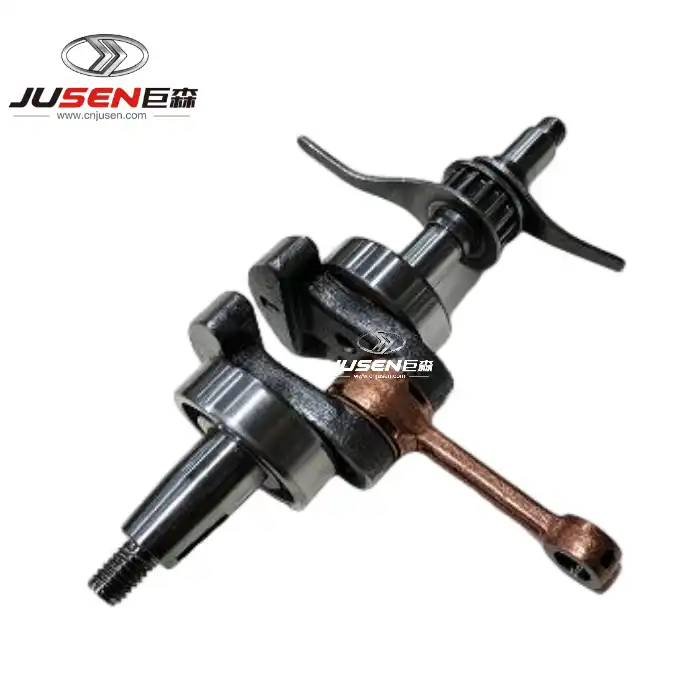 VIEW MOREGX35 Brush Cutter Crankshaft
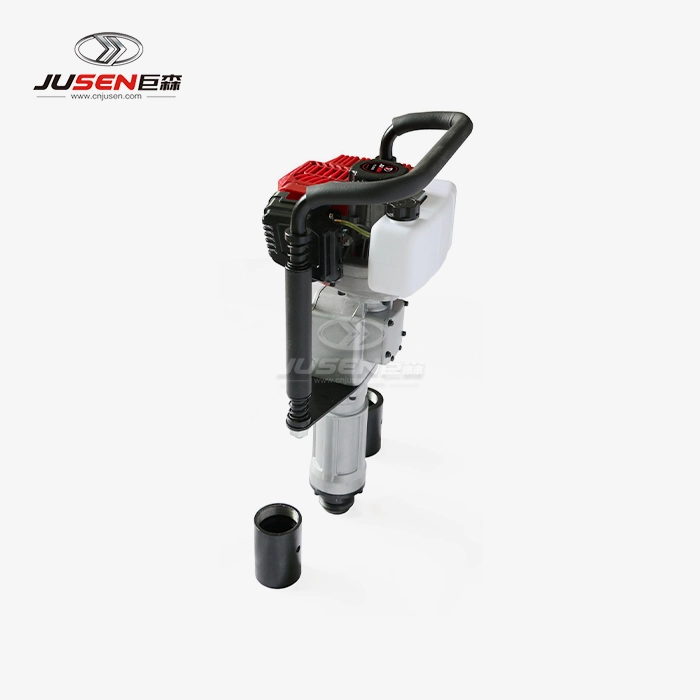 VIEW MOREGasoline Power Handheld Pile
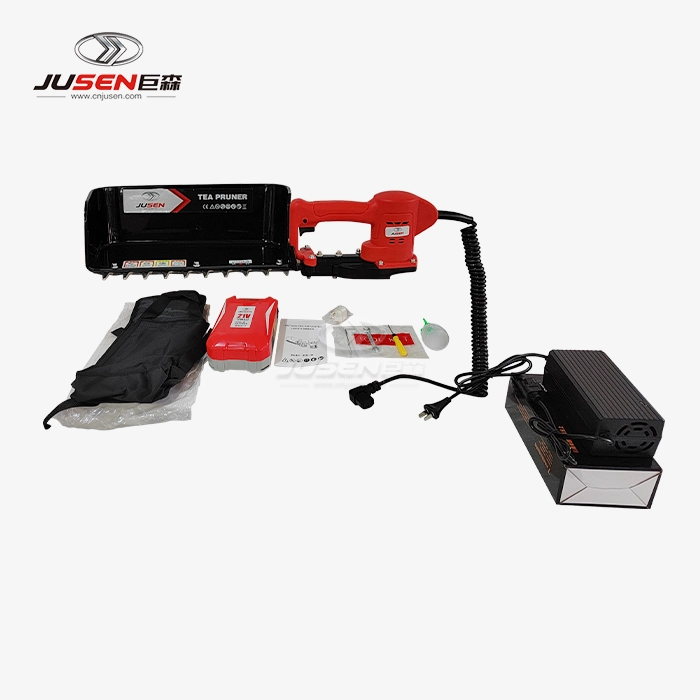 VIEW MORETea Leaf Picking Machine
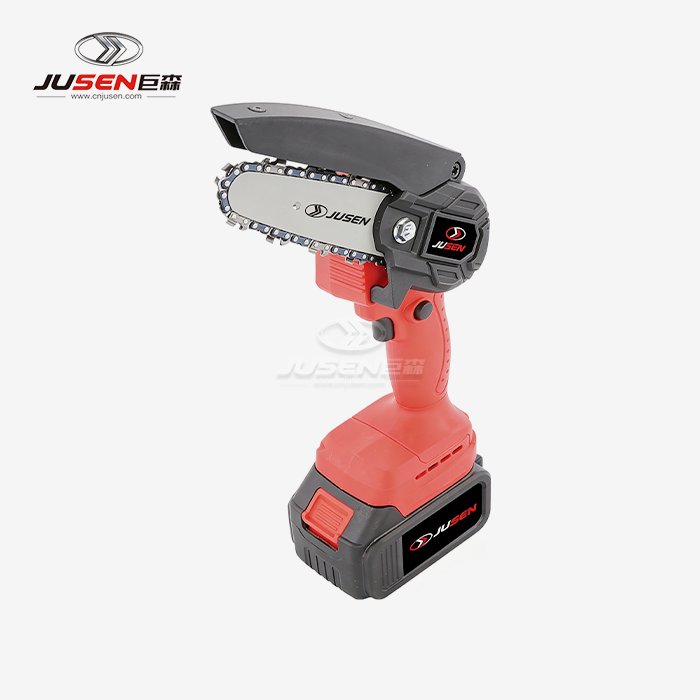 VIEW MOREMini Electric Powered Chainsaw
 VIEW MOREHandheld Concrete Cutting Machine
 VIEW MOREElectric Ring Saw Wall Cutting Machine