




How to Select the Right Floating Water Pumps For Ponds?
Selecting the right Floating Water Pumps For Ponds requires a clear understanding of your operational environment, performance expectations, and long-term maintenance commitments. These specialised hydraulic systems operate on the water surface, drawing from the upper layer to maintain circulation while avoiding sediment-laden bottom zones. When properly matched to your application, floating pump systems deliver superior efficiency, reduced maintenance costs, and extended equipment lifespan. This guide walks you through the technical specifications, performance metrics, and strategic considerations that matter most to procurement managers and technical directors overseeing industrial pond operations.
Understanding Floating Water Pumps for Ponds
To promote oxygenation and prevent stagnation, Floating Water Pumps for Ponds draw water from the pond's surface and circulate it. Unlike submersible or fixed pumps, these units move on the water's surface. This makes them easy to place and maintain, which greatly lowers the amount of time that the system isn't working.
Core Components and Operating Principles
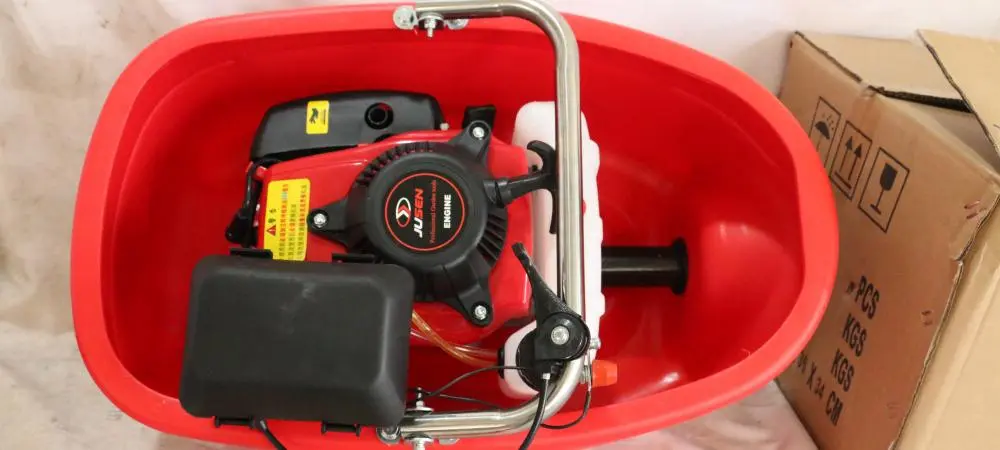
Three main parts work together to make up the basic structure of a floating pump system. For business use, the pump engine usually makes between 1.5KW and 2.0KW of mechanical energy. This rotating force is turned into hydraulic pressure by the propeller, which allows the lift to go up and the release to go down. The floating platform is made of high-density polyethylene or marine-grade aluminium, which gives it stable buoyancy and keeps the intake in the best place even when the water level changes.
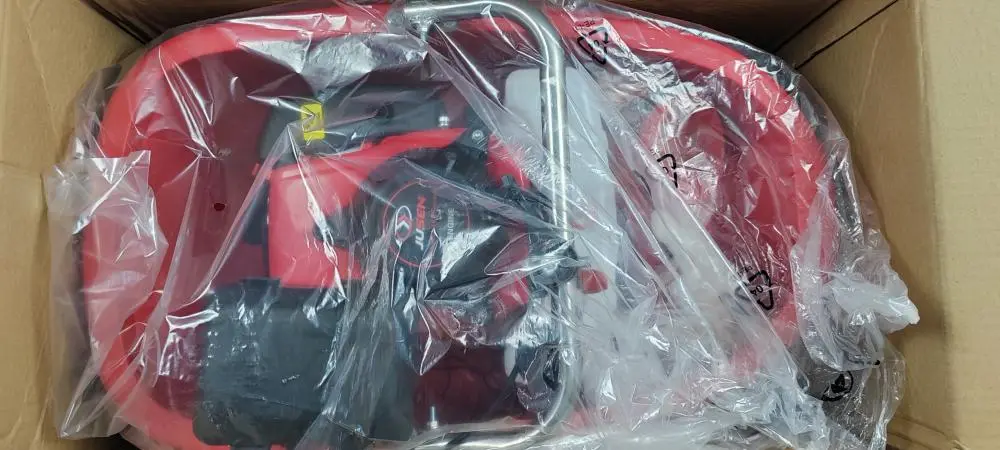
The boat-style Floating Water Pumps For Ponds made by JUSEN have a GX50H/142 four-stroke engine that delivers 1.7KW at 6800 RPM. This makes sure that they work steadily and reliably even in rough field conditions. This setup solves a common problem in the industry: keeping the intake depth constant when water levels in retention ponds and farm lakes change by up to several meters throughout the year.
Operational Advantages in Commercial Settings
The benefits go beyond just moving water around. Floating Water Pumps For Ponds improve the quality of the water by spreading dissolved oxygen more evenly. They also protect aquatic life by keeping the water from freezing over, and they use little energy, making them perfect for large commercial ponds. The surface intake design stops the suction of benthic sludge and abrasive particles that damage impellers in bottom-mounted configurations. This can save up to 40% on replacement part costs over a three-year operational cycle.
When business-to-business clients understand these basics, they can better understand the operational benefits and environmental impacts of floating pump systems. This technology is especially useful in places where building standard shore-based pumping stations would cost a lot of money or where they need to be moved around a lot to fix specific water quality problems.
Core Criteria for Selecting Floating Water Pumps
Before picking out the right Floating Water Pumps For Ponds, you should look at the pond's size, depth, and aquatic life, as well as the weather in your area, which can affect when it works.
Pond Size and Hydraulic Requirements
It is important to get the flow rate calculations right so that the goals of aeration or circulation are met. As a general rule, aquaculture ponds should be completely turned over every 24 to 48 hours. To figure out flow rates, divide the total volume of the pond by the desired turnover time. Details about the technology used are very important in this case. JUSEN's floating pump systems can handle a discharge head of 30 meters and a suction lift of 12 meters. This makes them ideal for use in shallow water and on uneven surfaces, where other pumps might lose their prime or experience cavitation.
Power Consumption and System Sustainability
Power use and pump size are two technical factors that have a direct effect on operational costs and the long-term viability of a system. Four-stroke engines usually use 20–30% less fuel than two-stroke engines and put out less pollution, which is important to keep in mind when working near areas that are important to the environment. The JUSEN's 1.2L fuel tank gives it more runtime between refuelling cycles, which saves money on labour costs and keeps operations going during important times for water exchange or irrigation.
Strategic Installation Planning
Some strategic placement things to think about are the shape of the pond, the direction of the wind, and any floating plants or trash that might get in the way. Putting the pump input away from the discharge points creates good circulation patterns, and marine-grade cables used in triangular mooring systems keep the cables from twisting from rotational force. This part tells procurement professionals how to make sure that pump specs are perfectly in line with technical and environmental needs. This helps investors get the most out of their investments in industrial water management by lowering the number of times they need to be maintained and making the system use less energy.
Comparing Floating Water Pumps with Alternative Solutions
Figuring out how Floating Water Pumps For Ponds compare to other technologies can help you figure out when floating designs are really better and when underwater or shore-based systems might be better.
Performance Differentiation
Operational noise patterns are one of the main differences between floating and submersible pumps. Floating units usually record 5–10 decibels higher noise levels because they are located on the surface, but this rarely causes problems in farming or industrial settings. Floating designs are better for variable-depth applications because they keep the best net positive suction head without the pressure benefits that come with fully submerged units. Different types of maintenance are needed for different things. For example, Floating Water Pumps For Ponds can be inspected and serviced without having to dewater or dive, which cuts down on downtime from days to hours.
Technology Innovations and Market Trends
Modern inventions like solar-powered units and models that can change the flow of water meet environmental regulations' growing calls for flexibility and sustainability. Solar-hybrid Floating Water Pumps For Ponds are becoming more popular in rural areas where connecting to the grid is hard or expensive. However, they are more expensive to buy at first (60–80% more than regular engine-driven pumps).
Comparative Analysis Factors
When comparing products, you should focus on how well they filter. Surface-intake systems naturally don't get bigger debris, but they need pre-filters to protect against fine grit. Materials that don't rust, like 304/316 stainless steel housings and marine-grade aluminium bronze parts, are signs of a good build. These materials will last longer in salty or chemically treated water. Warranty terms are a reliable way to tell if a product is of good quality. For example, JUSEN's one-year complete warranty shows that the company is confident in its products, and 30-day shipping promises help meet project deadlines.
Real-world performance data from aquaculture facilities shows that Floating Water Pumps For Ponds of the right size lower fish death rates by 15–25% compared to circulation systems that aren't big enough, which has a direct effect on the business's ability to make money. This proof helps clients find the best technology solutions based on measurable business results instead of just looking at specification sheets.
Procurement Strategies for Floating Water Pumps
To be successful at procurement, you need to do more than just choose the right products. You also need to manage your budget, find competitive prices, and build partnerships with reliable suppliers.
Market Positioning and Pricing Dynamics
Industrial-grade Floating Water Pumps For Ponds cost between $800 and $3,500 right now, based on their power ratings, building materials, and feature sets. When you buy in bulk, you usually get a discount starting at five units, and it goes up to 12–18% for orders over twenty units. When comparing total cost of ownership, OEM sourcing tactics for foreign buyers should take into account things like import taxes, shipping costs, and the availability of local service networks.
Supplier Evaluation Framework
In this field, a brand's reputation is very important. Well-known brands have consistent quality control, records of how well they do in the field, and expert help networks that are quick to respond. Procurement managers should check that possible sellers meet ISO 9906 compliance for rotodynamic pumps and IEC 60034 certification for rotating electrical machines. This way, they can be sure that the goods meet international standards for safety and performance.
JUSEN's Value Proposition
JUSEN adds unique value by creating engineering solutions that are specifically suited to the well conditions and operational needs. Our engineering team has more than ten years of experience designing and making specialised equipment. They bring this knowledge to difficult tasks that have already been used in the field. Our Floating Water Pumps For Ponds solutions help solve important problems in many industries, such as reducing sediment in mines, adapting to changes in water levels in seasonal farming ponds, and controlling thermal stratification in facilities with a lot of fish.
Best Practices and FAQs for Long-Term Pond Pump Success
Floating Water Pumps For Ponds work best when they are regularly serviced, troubleshot, and cared for at the right time of the year. This way, small problems don't get worse and cost a lot to fix.
Maintenance Protocols and Operational Checklists
Facility management teams should include checking the moving platform visually once a month for cracks or deformation on a thorough maintenance list. This is especially important around mounting spots where stress builds up. Every three months, the engine needs to have its oil level checked, its spark plugs checked for damage, and its fuel system checked for contamination or wear. The mechanical seal system needs extra care, and the oil chamber needs to be checked every 500 hours of operation. Oil that looks milky or mixed means the seal is broken, and it needs to be replaced right away to keep the stator from getting damaged.
Seasonal care is different in each temperature zone. In places where it gets cold, winterisation is necessary because ice can break plastic flotation parts and damage pipes that are out in the open. It is suggested that the pump chamber be completely drained, fuel stabiliser be added to keep varnish deposits from building up in the carburettor, and the engine be physically moved indoors for storage when long periods of freezing weather are expected.
These maintenance practices have a direct effect on how long equipment lasts and how reliably it works. Field data from farming operations shows that facilities that follow organised maintenance routines have 40–60% longer service intervals and 70% fewer emergency repair situations than facilities that use reactive maintenance methods. This kind of useful information helps the Floating Water Pumps For Ponds stay reliable, cuts down on downtime, and keeps the pond in good shape while getting the most out of the investment.
Conclusion
To choose the best Floating Water Pumps For Ponds, you need to weigh the technical specs against the needs of the business and the overall cost of ownership. The decision framework in this guide covers important selection criteria such as hydraulic performance specs, power consumption profiles, ease of maintenance, and supplier dependability. JUSEN's floating pump solutions meet the high standards for performance and engineering quality that industrial operations need. They have a proven four-stroke engine, a stable boat-style hull, and great suction-discharge capabilities. When purchasing managers and technical directors follow these guidelines, they regularly get longer-lasting equipment, lower running costs, and better pond management results in industrial, aquaculture, and farming settings.
FAQ
When looking at Floating Water Pumps For Ponds for their businesses, procurement and engineering teams always ask a few key questions.
How do you properly size a floating pump for a specific pond application?
To figure out the right size, you need to know how big the pond is in cubic meters, how fast you want it to turn over (based on the application), and how much pressure you need (taking into account both the vertical lift and the horizontal release distance). In aquaculture, the water needs to be changed every 24 to 36 hours, but in an emergency, the highest flow rate is more important than the circulation patterns. The expert team at JUSEN helps with application-specific sizing to make sure that the right equipment is chosen.
What energy efficiency differences exist between engine types?
The fuel efficiency of four-stroke engines is higher than that of two-stroke engines. They use about 25% less fuel per hour of operation and produce a lot less pollution. This means lower operating costs and better environmental compliance. This is especially important for operations in watersheds that are regulated or close to sensitive ecosystems.
Which brands offer the best reliability for industrial applications?
When choosing a brand, you should look for ones with good field performance, thorough warranties, and easy-to-reach technical help networks. JUSEN's Floating Water Pumps For Ponds systems use marine-grade materials and the proven GX50H/142 engine technology. They also come with quick technical support and the ability to be customised to meet special operational needs that go beyond normal catalogue requirements.
Partner with JUSEN for Superior Floating Water Pump Solutions
JUSEN makes professional-grade Floating Water Pumps for Ponds that are designed to work in harsh industrial, farming, and aquaculture settings. Our boat-type pump design and GX50H/142 four-stroke engine technology make sure that it works reliably in tough field conditions where other equipment fails. As a manufacturer of Floating Water Pumps For Ponds with a lot of experience, we can make configurations that are specific to your needs, from the suction lift specifications to the discharge head capabilities.
Our engineering team has more than ten years of experience designing, making, and supporting hydraulic tools in the field. We know the technical problems you're having because we've fixed them many times in a wide range of situations, from emergency drainage to precise farming water management. Email Sales1@cnjusen.com to talk to one of our procurement experts about your unique needs and get full technical specs that are tailored to your operational situation. We offer full application support, competitive bulk pricing for fleet purchases, and reliable 30-day delivery schedules that help you stay on track with your projects.
References
1. Chen, W., & Morrison, R. (2021). Hydraulic Performance Standards for Surface-Mounted Water Circulation Systems. Industrial Fluid Dynamics Press.
2. Agricultural Water Management Institute. (2020). Best Practices for Irrigation Pond Equipment Selection and Maintenance. Technical Bulletin Series, Volume 47.
3. Roberts, K. L. (2022). Aquaculture System Design: Water Quality Management Through Mechanical Circulation. Marine Technology Publishers.
4. International Pump Manufacturers Association. (2019). Comparative Analysis of Floating versus Submersible Pump Systems in Variable-Depth Applications. Technical Report No. 2019-08.
5. Sullivan, P., & Zhang, H. (2023). Energy Efficiency in Agricultural Pumping: Four-Stroke versus Two-Stroke Engine Performance. Journal of Agricultural Engineering Technology, 38(2), 145-162.
6. Environmental Protection Agency. (2021). Guidelines for Pond Management Equipment in Sensitive Watershed Areas. EPA Publication 840-B-21-003.

USER EVALUATE
Here is the customer's evaluation of us
 VIEW MORESR420 Professional Gasoline Garden Sprayer
 VIEW MORE52cc 58cc Chainsaw Carburetor
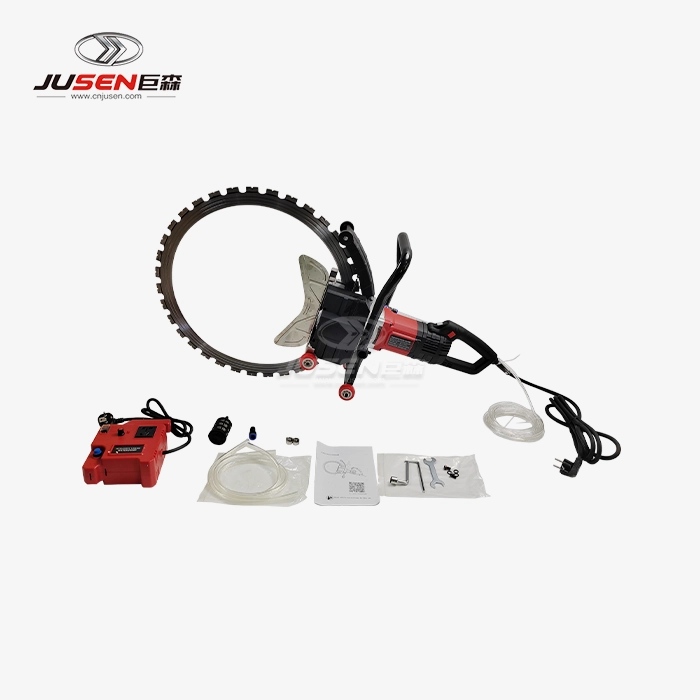 VIEW MOREAdjustable Electric Ring Saw
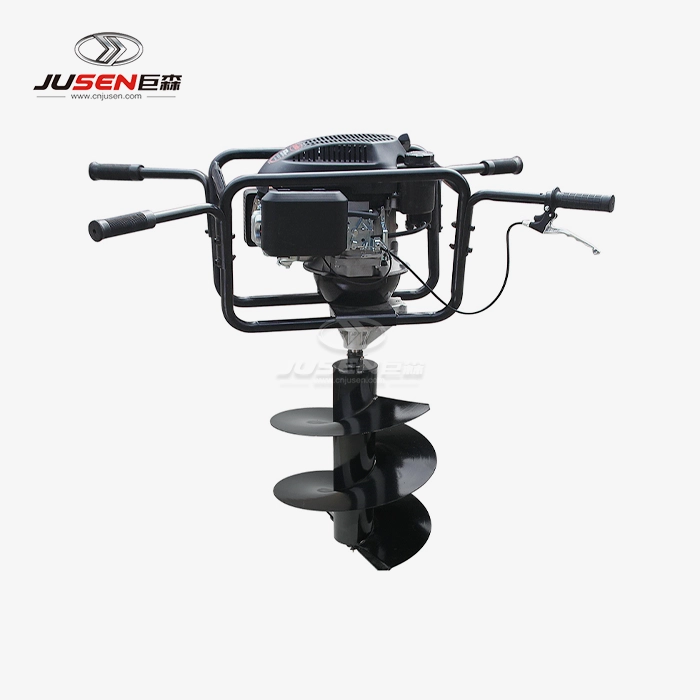 VIEW MOREGarden Tools Gasoline Earth Auger
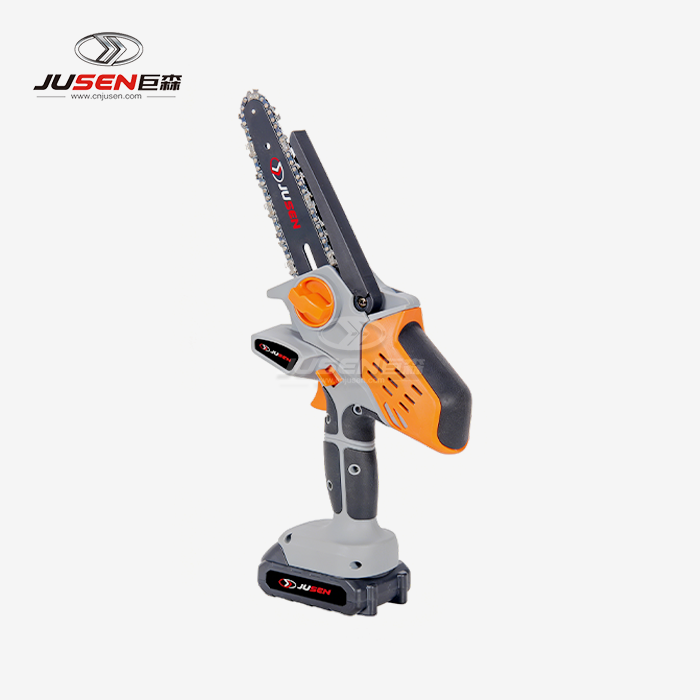 VIEW MORECordless Mini Chainsaw Machine
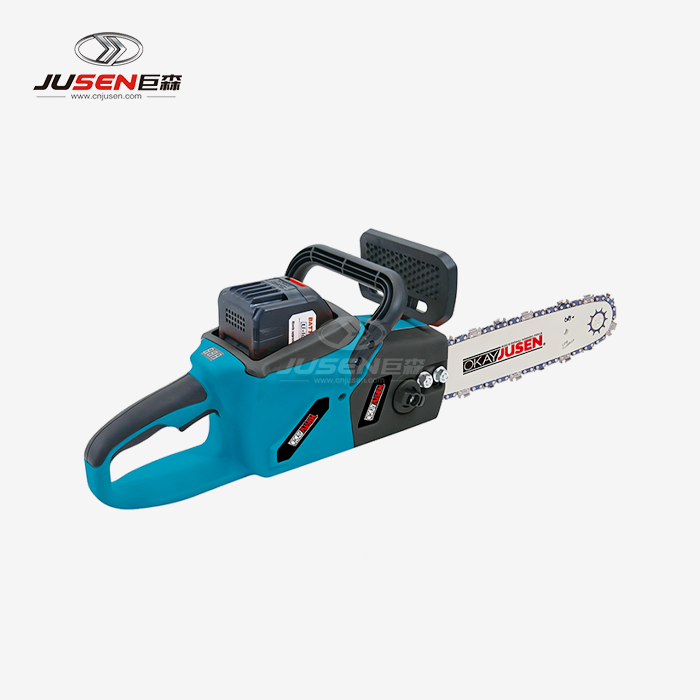 VIEW MORELightweight And Durable Brushless Electric Chainsaw
 VIEW MORE41.5cc 2-Stroke Gasoline Brush Cutter
 VIEW MORE58cc Gas Chainsaw