



Why Invest in a High-Quality Solar Filling Pump?
Investing in a high-quality Solar Filling Pump transforms operational efficiency across industries requiring reliable off-grid water solutions. Unlike conventional electric-powered systems, premium solar-powered water pumps harness renewable energy to deliver consistent performance in remote locations where traditional infrastructure proves impractical or cost-prohibitive. These advanced systems integrate photovoltaic technology with robust pump mechanisms, eliminating ongoing fuel expenses while reducing environmental impact. The reliability of quality solar pumping equipment directly influences project success rates, operational continuity, and long-term return on investment.
Understanding Solar Filling Pumps and Their Core Benefits
Solar Filling Pumps are a big change in how businesses deal with water management problems. These units use photovoltaic panels, DC motor technology, and special pump parts to make water supply systems that don't need to be connected to the power grid or run on diesel engines.
How Solar-Powered Water Systems Work
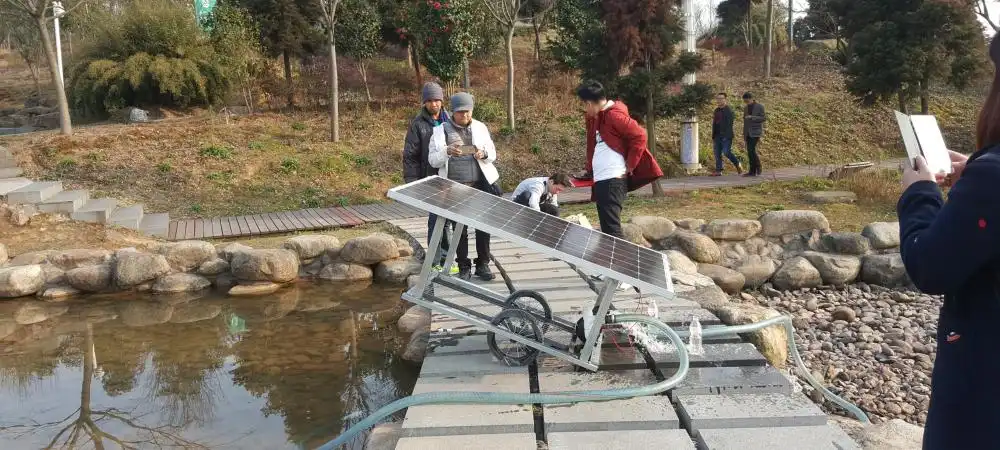
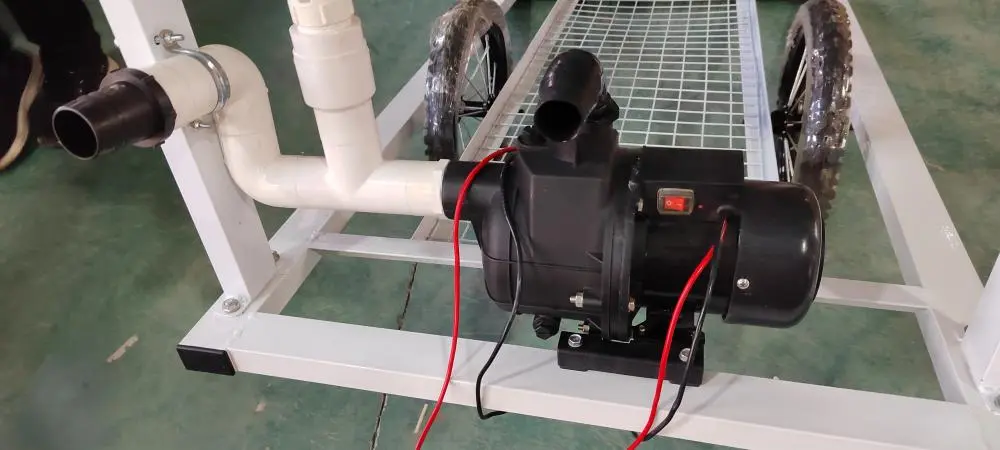
Photovoltaic panels in modern Solar Filling Pump technology directly turn sunlight into electricity. This electricity then powers special DC motors that are made to work with different solar input conditions. This way of engineering is shown by the JS-SEWP300, which has 36V DC solar direct drive technology, that means it doesn't need batteries for most uses. This design simplicity cuts down on places where parts can fail while also increasing the efficiency of energy flow. The 300W maximum power output keeps working well even when the sun isn't shining, so operations can depend on getting water when they need it most. DC Solar Filling Pumps are easy to install and don't require a lot of technical know-how, unlike AC-powered options that need inverters and complicated electrical infrastructure.
Key Advantages for Industrial and Commercial Operations
The main reason people use Solar Filling Pumps is to lower their operational costs. Facilities that use these systems don't have to pay for electricity at all, so the money they save can be used to increase production or build up infrastructure. Not only do solar installations save money, but they also help the environment by cutting carbon emissions by thousands of pounds each year compared to diesel-powered alternatives. Solar Filling Pump technology freedom is especially helpful for activities that take place in remote areas. In places that don't have access to the power grid, mining camps, farms, and forestry stations can set up water infrastructure without having to pay for expensive line upgrades or deal with ongoing fuel supplies. Weather-resistant construction makes it reliable all year, and high-quality units keep working even when temperatures are extreme, dust is present, and it rains, which would break down less durable equipment.
Comparing Solar Technology to Traditional Pumping Methods
Traditional electric pumps have ongoing costs and rely on infrastructure that Solar Filling Pump options don't have. Grid-connected devices could lose power during storms or maintenance times, which could stop important activities. Diesel-powered pumps have even higher operating costs because they use more fuel, need regular repair, and have to follow strict emission rules. Solar Filling Pumps work reliably and have few moving parts that need to be serviced. AC induction motors need to be serviced more often than DC motors, which are used in high-quality units like the JS-SEWP300. When setups follow the right size and installation guidelines, operational lifespans are greatly extended. Many systems can provide reliable service for fifteen years or more with basic preventive care.
Comprehensive Guide to Selecting the Right Solar Filling Pump
When choosing Solar Filling Pump tools for business use, people in charge of procurement have to think about a lot of things. Long-term satisfaction and performance depend on how well system capacity is matched to operational needs.
Evaluating Technical Specifications for Your Application
The needs for water supply are the basis for choosing the right method. The JS-SEWP300 can handle up to 20 m³/h of flow rate and 15 meters of head. It can be used for irrigation systems, watering animals, and providing water to facilities that are far away. Knowing exactly how much you need makes sure you have enough capacity during times of high demand without buying too much equipment, which raises the initial cost without being necessary.
The Solar Filling Pump's suction lift power tells you how much water it can pull from the source. The 4-5 metre suction lift range is good for most surface water jobs, like ponds, streams and small wells. For tasks that need to get deeper into the ground, different configurations or multistage pump designs are needed. Changes in the site's elevation between the water source and the delivery point also affect the choice of Solar Filling Pump. According to the pump performance curve, each metre of vertical lift lowers the flow rate that can be delivered.
Matching Pump Capacity to Operational Scale
Agricultural operations usually need different conditions than process water uses in industry. During the day, irrigation systems gain from steady moderate flow rates that work exactly with the sun's availability patterns. The 20 m³/h capacity can water about two hectares of row crops or several watering spots for animals, based on how much is used.
Different performance traits may be more important in industrial settings where tanks need to be filled, or process water needs to be supplied. If your business needs to quickly fill up tanks in a short amount of time, you might want to look into multiple units or models with more space. On the other hand, ongoing moderate-flow uses make Solar Filling Pumps work better by matching daily patterns of demand with daily patterns of solar supply. Off-grid facilities get the most out of Solar Filling Pump technology by scheduling operations that use a lot of water for peak sunlight hours, when pumps are running at full capacity.
Critical Component Quality Indicators
Premium Solar Filling Pump systems are set apart by the parts they use and how well they are put together. Multiple materials are used to make the JS-SEWP300. It has plastic, aluminium, and metal parts that were chosen to last in harsh weather conditions. Corrosion-resistant materials last a long time even when they are constantly exposed to water and the weather.
Motor technology has a big effect on how reliable it is and how often it needs to be maintained. Brushless DC motors don't have the wear points that come with brush-type motors, so they need less maintenance and work more efficiently. Manufacturers of good products choose motors with sealed bearings and weatherproof housings to keep moisture out, which is a common way for cheap products to break. Another important quality factor is the technology used in controllers. Advanced controls improve performance even when the amount of sunlight is changing. They protect motors from voltage fluctuations and increase water flow when sunshine levels are low.
Installation, Maintenance, and Troubleshooting for Optimal Performance
Installing Solar Filling Pump systems correctly determines whether they work as well as they could or fail early and not live up to their full potential.
Professional Site Assessment and System Configuration
Positioning of solar panels has a big effect on how well the system works during different seasons. Panels should face true south in places in the Northern Hemisphere and true north in places in the Southern Hemisphere. The tilt angles should be chosen based on the latitude of the site. Avoiding shade from buildings, plants, or natural features during the middle of the day will help you collect the most energy. The features of the water source affect how the intake is set up and how much filtering is needed. Surface water sources that have sediment or organic matter in them need the right strainer screens to keep the Solar Filling Pumps from breaking. To keep air from getting in during operation, the entry should be placed below the minimum predicted water level.
Routine Preventive Maintenance Protocols
Solar Filling Pumps don't need as much maintenance as other types, but regular maintenance will make them last longer. Cleaning the panels gets rid of the dust and other debris that builds up and makes power generation less efficient. In farming areas, cleaning every three months keeps the output at its highest level. In places with less dust, cleaning may only be needed every six months. Visual checks are done once a month to make sure the connection is solid, the mounting is secure, and there is no physical damage. By making sure there is proper support and checking hose lines for leaks, you can keep things from breaking too soon from vibrations or UV light.
The JS-SEWP300 comes with a one-year guarantee that covers problems with the way it was made. However, if you keep it in good shape, it will last much longer than the warranty time. Keeping clear records of service activities helps with warranty claims if problems happen during the coverage period. Monitoring the quality of the water stops acidic or abrasive conditions from doing long-term damage. Testing things regularly finds chemical traits that might make parts wear out faster, so you can stop this before it happens by filtering the fluid or upgrading the materials. When sediment builds up in intake areas, they should be cleaned out before limits make performance worse.
Common Issues and Resolution Strategies
Less flow usually means that the input is limited, the impellers are worn out, or the output from the solar panels is going down. Cleaning the intake screens and panels generally fixes these problems without having to repair any parts. Consistently low flow despite clean parts suggests internal wear that needs to be fixed by a professional. Unusual noise during operation could mean that the bearings are wearing out or that there isn't enough inlet pressure, which causes cavitation. Taking care of these symptoms right away stops further damage from happening from continuing to run the machine under abnormal conditions. Electrical problems show up as system failure or activity that stops and starts. Many of these problems can be fixed by making sure all the electrical connections are still tight and free of corrosion. Controller problems might need help from the maker, which shows how important it is to choose suppliers with quick expert support.
Why Quality Matters: Risks of Low-Quality Solar Filling Pumps
The initial cost savings from cheap equipment quickly disappear when repairs, replacements, and business interruptions that quality Solar Filling Pumps avoid happen.
Performance Reliability and Total Cost of Ownership
Solar Filling Pumps of poor quality often break down, which stops operations and costs more to fix than the initial savings. Motors with bad designs get too hot when they're under a lot of load for a long time, which causes them to break down early and leave facilities without water at crucial times. Having easy access to new parts is another hidden cost of cheap tools. When manufacturers make cheap units, they often stop making models quickly or keep a small stock of parts, which means that broken units have to be replaced completely. Good manufacturers back up their products with easily accessible parts and instructions for use for as long as the product is supposed to last.
Environmental Durability and Construction Quality
The 42 kg weight of the JS-SEWP300 shows that it was built with strong engineering and long-lasting materials. To keep costs down, budget options that use lightweight construction sacrifice durability, making units that break under normal operating pressures. Weather exposure speeds up the failure of poorly built Solar Filling Pumps. Plastics that have been exposed to UV light break down and leak, and electrical parts rust when they are not sealed properly. Quality units use UV-stabilized materials and full environmental protection that keeps their integrity for years of use outside. Temperature changes caused by seasonal changes and day-night swings put stress on parts by making them expand and contract over and over again. Premium Solar Filling Pumps take these stresses into account by choosing materials and putting them together in a way that keeps the seals intact even when the temperature changes.
Support Infrastructure and Warranty Coverage
Comprehensive warranty support is what sets high-quality suppliers apart from cheap ones. The one-year warranty that comes with JUSEN equipment shows that the company is confident in its products and protects procurement investments. Quick expert help answers questions about installation and fixes problems that come up during deployment. When suppliers don't have the right help system, customers have to handle problems on their own, which often means paying for expensive third-party service providers or replacing things too soon. Customisation lets you meet the specific needs of your application that normal goods can't. With JUSEN's custom product support, specifications can be changed to fit specific needs, ensuring peak performance even in tough working conditions. Budget makers don't usually offer customisation services, so customers can only choose from catalogue items that fit their needs.
Procurement Insights: How to Buy Solar Filling Pumps for Your Business
Strategic buying practices make sure that investments in procurement get the most out of them by making sure that Solar Filling Pumps work well, suppliers are reliable, and there are lots of support services available.
Evaluating Supplier Credibility and Manufacturing Capabilities
Unknown suppliers who join the market at the wrong time are a bigger risk than well-known producers with a track record of success. Companies that have been in the business for more than ten years know about application needs and possible failure modes that newer companies haven't seen yet. Product accuracy and shipping depend on how much can be made and how well quality control systems work. Facilities with specific inspection and testing methods keep quality standards high across all production runs, making sure that every unit meets requirements. The JS-SEWP300 can be delivered in 30 days, which means that the company can make enough of them to meet project deadlines without having to wait too long for parts to arrive, which would slow down operations. Delivery times may be longer for rush orders or large quantities, so it's important to involve suppliers early on in projects that need to be finished on time.
Navigating Purchase Models and Contract Structures
Dealing directly with manufacturers can save you money compared to going through distributors, and you can be sure that the goods you buy are real and get direct expert support. When you buy in bulk for big projects or deployments across multiple sites, you can often get volume discounts that make the cost per unit much lower. Establishing supplier ties that offer consistent price and priority service is helpful for businesses that need to buy things regularly. Specialised applications that need different specs or special setups can use customisation contracts. Technical collaboration during the creation of specifications makes sure that customised units meet operational needs and uphold reliability standards.
Integration of Delivery, Installation, and After-Sales Support
Full project support speeds up operations from placing an order to putting it into action. Suppliers who give installation advice or coordination services lower the risks of implementation and speed up the time it takes to finish. Long-term satisfaction with purchasing decisions depends on how easy it is to get help after the sale. When operating questions and troubleshooting needs come up during the service life of a Solar Filling Pump, responsive expert help takes care of them.
Conclusion
Quality Solar Filling Pump systems have measurable operational benefits in a wide range of industrial settings, from watering crops to providing water to remote facilities. With its 36V DC drive system, strong 300W power output, and large 20 m³/h flow capacity, the JS-SEWP300 is a great example of current technology. When procurement professionals look at solar water solutions, they should put technical specifications that match operational needs, supplier credibility based on manufacturing experience, and a full support infrastructure that guarantees long-term satisfaction at the top of their list of priorities. When you strategically buy good equipment, you can avoid the hidden costs and business interruptions that come with cheaper options. This gives you a better total cost of ownership because the equipment will work well and last longer.
FAQ
Can solar pumps maintain consistent performance during cloudy conditions?
It is proportional to the amount of cloud cover; solar filling pumps produce less power when it is cloudy. The DC motor technology in good units works well even when the power changes, and it keeps pumping at a slower rate when there is some sunlight. Operations that need to keep running no matter what the weather is like should think about battery backup systems or hybrid configurations that use more than one power source for important tasks.
What maintenance schedule should operations follow for solar pumping systems?
Basic care includes cleaning the panels every three months, visually inspecting the links and mounting hardware every month, and doing a full service once a year to look at the Solar Filling Pump's parts and electrical systems. Panels may need to be cleaned more often for remote sites in dusty areas to keep working at their best. Keeping upkeep logs helps with guarantee claims and finds problems before they become major.
How does the warranty coverage protect procurement investments?
The one-year guarantee covers problems with the way the Solar Filling Pump was made and parts that break down during regular use within certain limits. Damage caused by bad installation, operation that doesn't follow the rated specifications, or environmental factors that go beyond the design limits of the equipment is not covered by the warranty. If problems happen during the warranty time, proper installation paperwork and upkeep records can help with warranty claims.
Partner with JUSEN for Reliable Solar Filling Pump Solutions
Over ten years of specialised knowledge have helped JUSEN make high-performance Solar Filling Pump systems for tough industrial uses. As a well-known company that makes these products, we offer engineered solutions that combine tried-and-true technology with quick expert help. Our JS-SEWP300 model is the result of design principles that have been tried in the field and high-quality production. It delivers water reliably to farms, rural facilities, and industrial settings when the power goes out. We help procurement workers with every step of a project, from the original advice on specifications to delivery, installation direction, and ongoing expert support. Get in touch with our team at Sales1@cnjusen.com to talk about your specific water management needs and find out how our solutions can help you solve operational problems while also providing great value and dependability.
References
1. Martinez, R. & Thompson, K. (2021). Solar Pumping Systems for Agricultural Water Management: Design Principles and Field Applications. Agricultural Engineering Press.
2. Chen, L., Rodriguez, P., & Williams, D. (2022). "Performance Analysis of Photovoltaic-Powered Water Pumping in Remote Applications." Journal of Renewable Energy Systems, 48(3), 412-429.
3. International Renewable Energy Agency (2023). Solar Water Pumping for Irrigation: Technology Brief and Market Assessment. IRENA Publications.
4. Anderson, J.M. (2022). Off-Grid Water Solutions: Engineering Sustainable Pumping Systems for Remote Operations. Industrial Press Incorporated.
5. Global Solar Council (2023). "Total Cost of Ownership Analysis: Solar versus Conventional Water Pumping Technologies." Solar Industry Technical Report Series, Volume 17.
6. Peterson, S.R. & Nakamura, H. (2021). Procurement Best Practices for Industrial Solar Equipment: A Guide for Engineering and Operations Professionals. Technical Management Publishers.

USER EVALUATE
Here is the customer's evaluation of us
 VIEW MORE4-Stroke Mini Tiller Cultivator
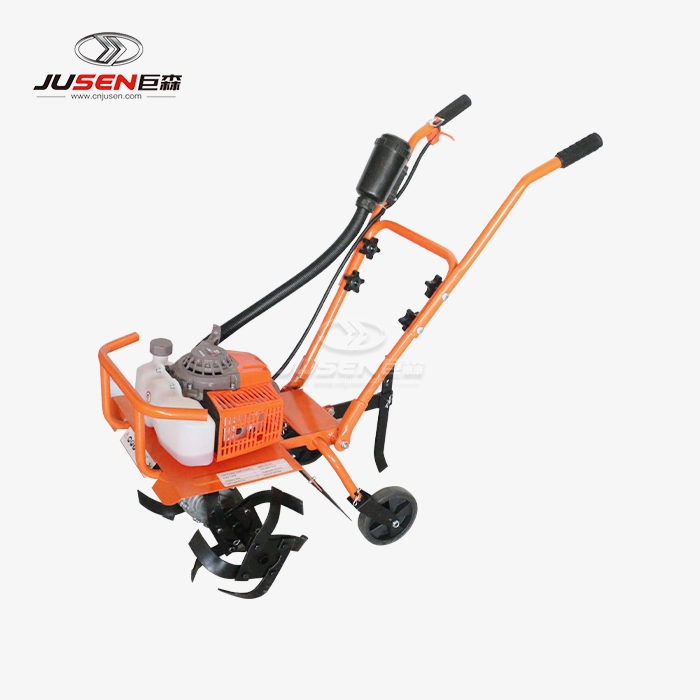 VIEW MORE63cc 2 Stroke Mini Power Tiller
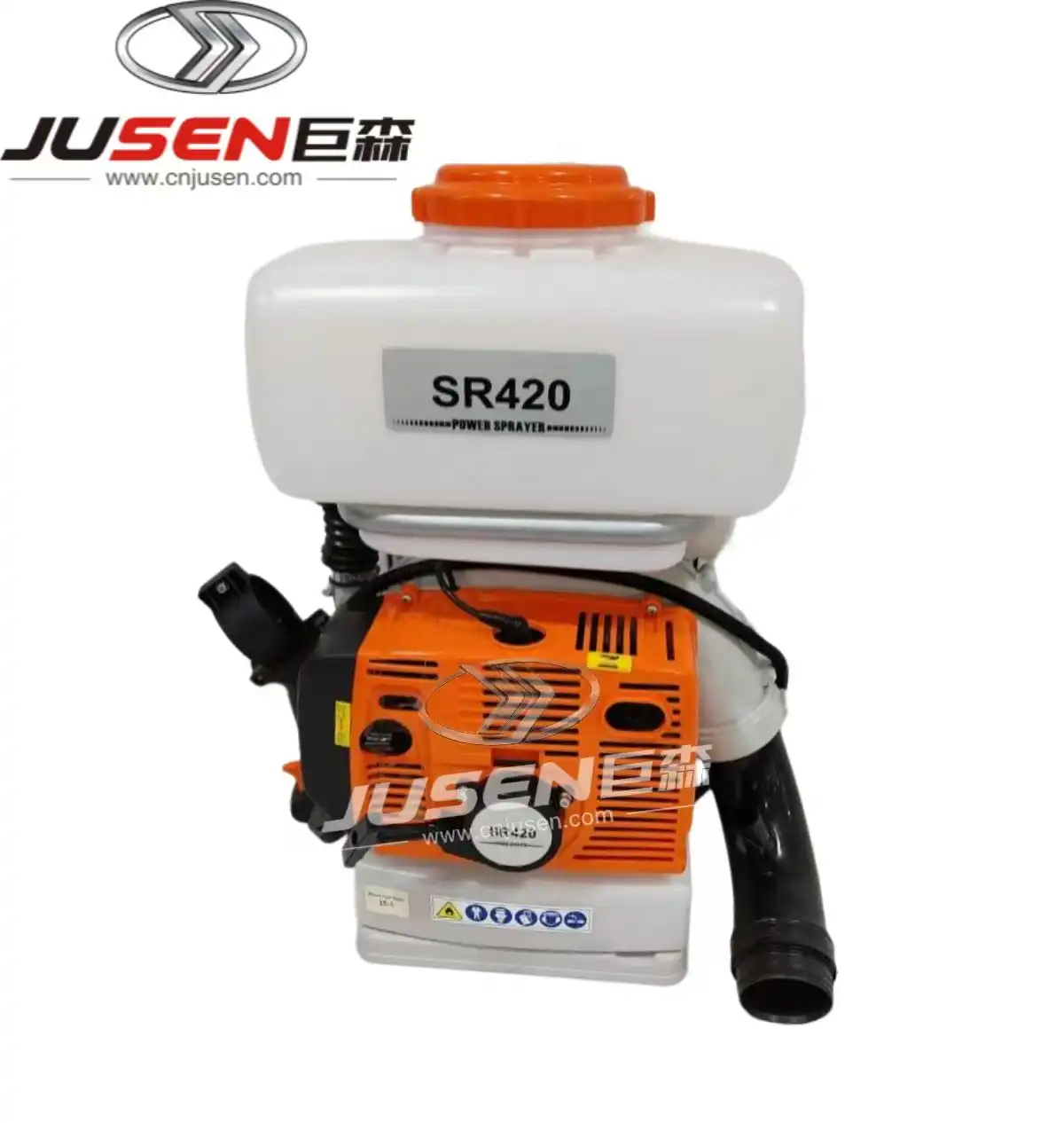 VIEW MORESR420 Professional Gasoline Garden Sprayer
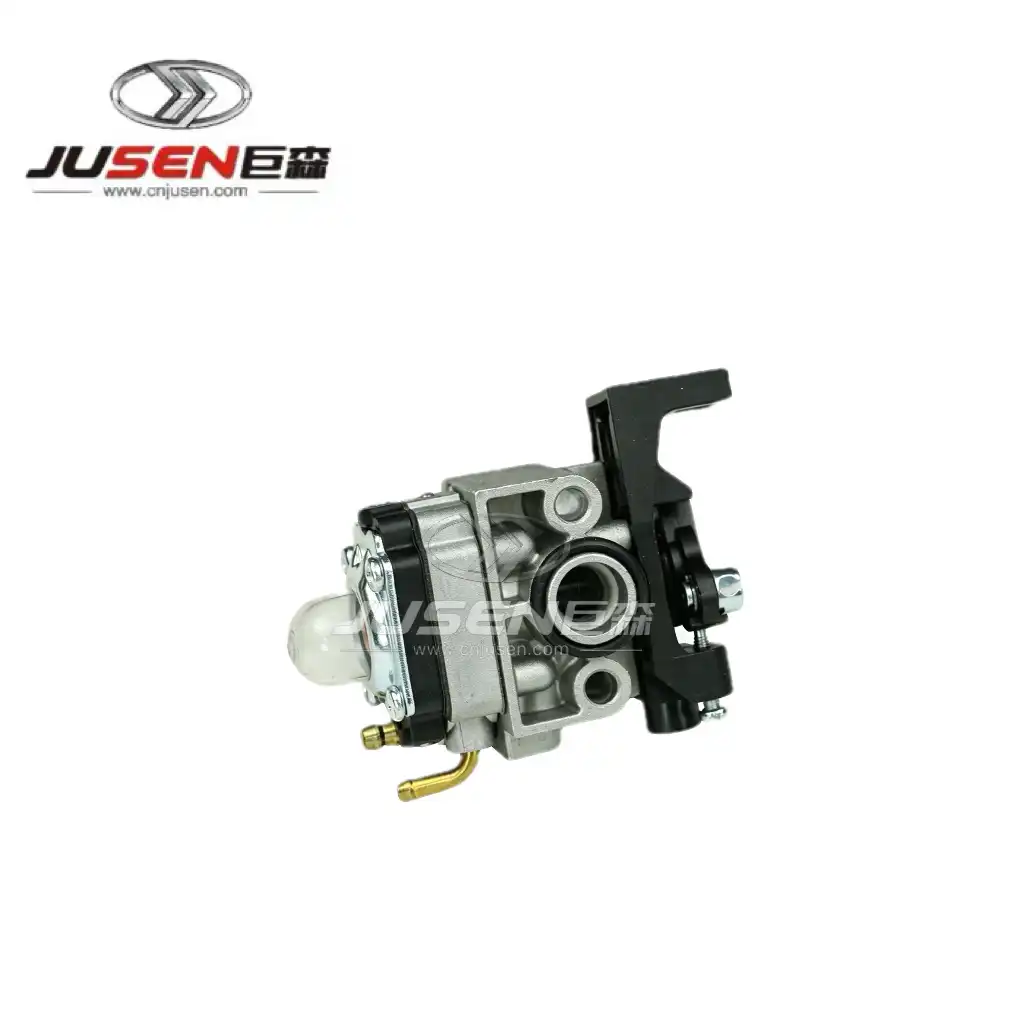 VIEW MOREGX35 Brush Cutter Carburetor
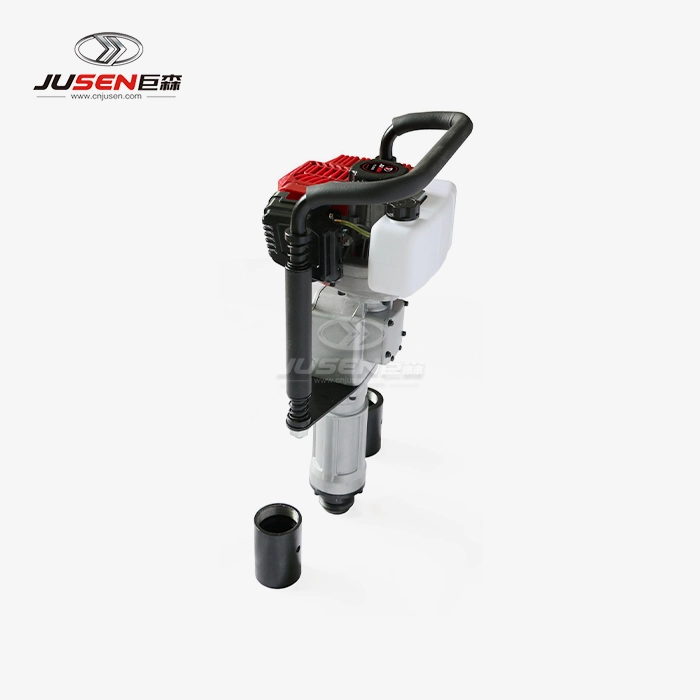 VIEW MOREGasoline Power Handheld Pile
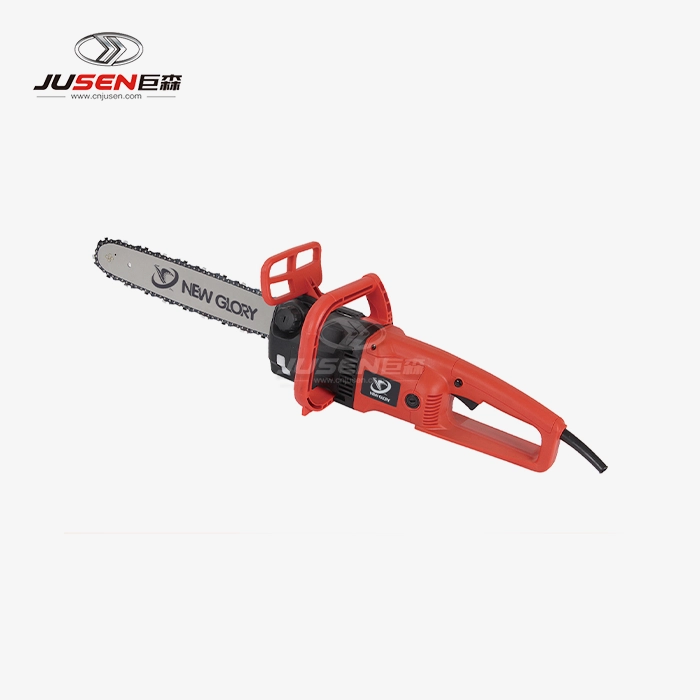 VIEW MOREBattery And Electric Chainsaw
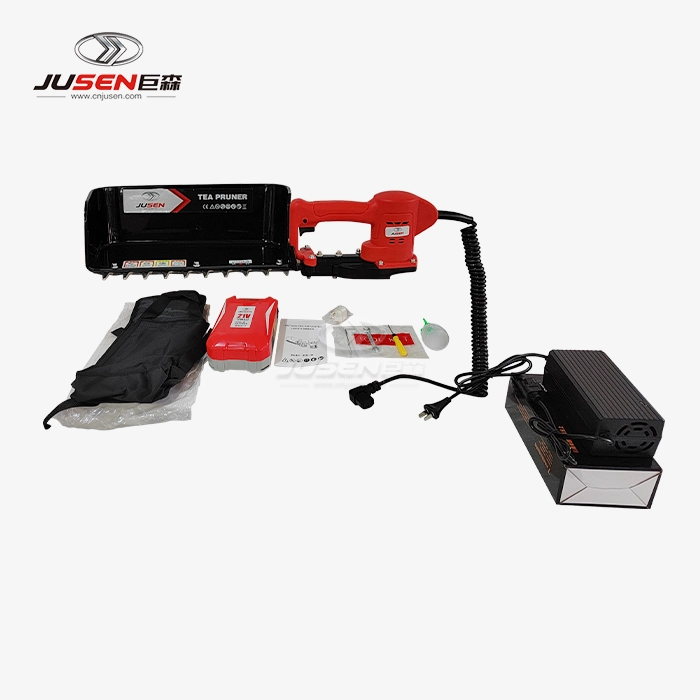 VIEW MORETea Leaf Picking Machine
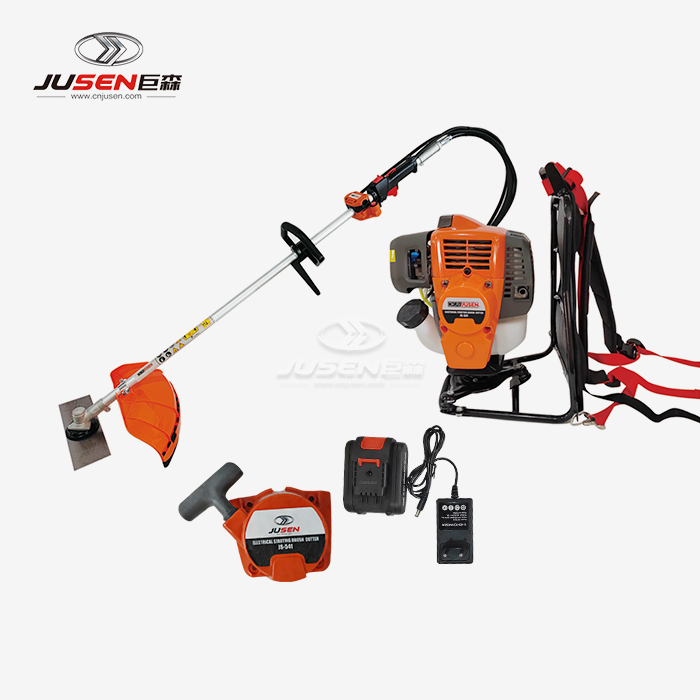 VIEW MORE43cc Electric Start Gasoline Brush Cutter