




How Does a Battery Olive Harvester Improve Harvest Efficiency?
A Battery Olive Harvester fundamentally transforms agricultural productivity by replacing labor-intensive manual methods with precision-engineered electromechanical systems. These cordless devices leverage adjustable vibration frequencies—typically ranging from 900 to 2,300 beats per minute—to systematically detach fruit while minimizing tree stress and operator fatigue. Powered by high-capacity lithium-ion or deep-cycle battery systems, these harvesters eliminate fuel dependency, reduce operational noise, and deliver consistent performance across diverse orchard topographies. The result is a measurable efficiency gain: operations see harvest speeds increase by up to 400% compared to traditional hand-picking, while maintaining fruit integrity crucial for premium oil production.
Introduction to Battery Olive Harvesters and Their Role in Modern Agriculture
More and more pressure is being put on the agricultural industry to find a balance between output and sustainability. Consequently, Battery Olive Harvesters have become useful options that meet both the needs of operating speed and environmental responsibility. In contrast to older machines that used combustion engines, current Battery Olive Harvesters use brushless DC motors and smart power management systems to provide steady performance without producing any pollution.
When it comes to harvest planning, these tools are more than just small improvements; they're a big change for mid-sized farming operations. When purchasing tools, purchasing managers now look for systems that can run for longer periods of time, need less upkeep, and can adapt to changing orchard conditions. The technology fits with governmental trends that want cleaner operations and directly addresses the lack of workers in North America's farming sectors.
Battery Olive Harvesters work well with current systems, whether they are used in industrial groves with lots of trees or orchards with terraces that look like those in the Mediterranean. Their cordless design doesn't limit your space like attached electric models do, and their quiet operation doesn't bother neighbours, which is something that's becoming more and more important in places where people live close to farming areas.
Assessing the Limitations of Traditional Olive Harvesting Technologies
Manual Harvesting Challenges
Traditional hand-picking methods are still used in many smaller businesses, but they cause a lot of problems. In ideal conditions, a skilled worker can pick about 15 to 20 kilograms of olives by hand every hour. This rate isn't good enough for businesses that take care of groves bigger than 100 hectares, where harvest times need to match up with exact stages of ripeness to get the oil qualities that are wanted.
Physical demands of harvesting by hand cause workers to leave their jobs. Reaching, putting things on ladders, and standing for long periods of time can cause accidents due to tiredness, which raises the risk of liability and insurance costs. The supply of workers changes with the seasons, which makes making schedules more difficult.
Gas-Powered Equipment Drawbacks
Pneumatic and gasoline-powered harvesters got around the problem of slow speeds, but they also caused new problems. Two-stroke engines need to be refuelled often because they use about 0.8 to 1.2 litres of fuel per hour. Maintenance schedules call for servicing the air filter, replacing the spark plugs, and cleaning the carburettor. These tasks take technicians hours and cause the machine to stop working.
Noise levels from combustion engines are usually between 95 and 105 decibels, which means that people who work in noise-sensitive areas need to wear hearing protection and work hours must be limited. Carbon footprints are made up of exhaust emissions that are in disagreement with the standards for organic certification and with companies' sustainability goals.
Inconsistent Fruit Quality
Large-scale operations often use mechanical trunk shakes, which put direct force on tree structures and cause stress that changes future yield cycles. This method also extends the time that fallen fruit is in contact with the ground, which raises the risk of pollution and requires more cleaning work. The inconsistent quality of the fruit has a direct effect on the acidity levels of the oil, which is an important requirement for premium markets.
How Battery Olive Harvesters Enhance Harvest Efficiency
Ergonomic Design Reducing Operator Fatigue
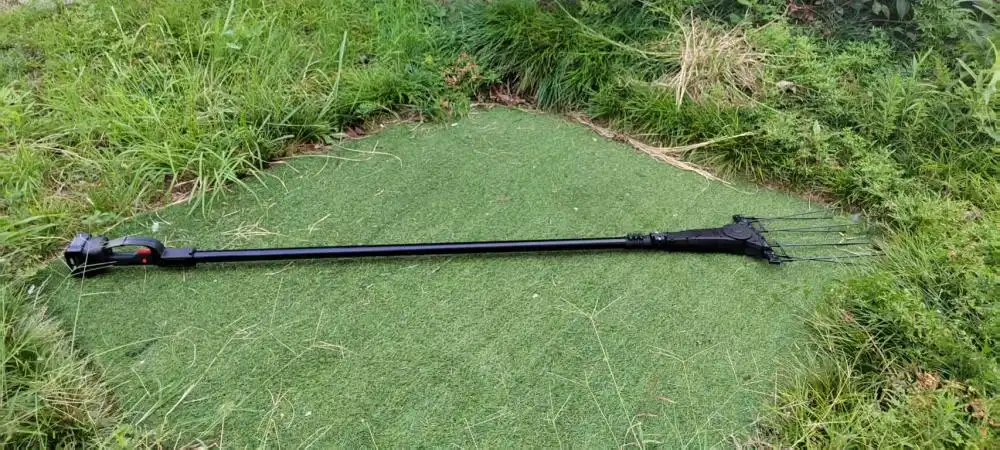
The JUSEN JS-ES802 Battery Olive Harvester is a great example of how modern tech can improve the lives of people. This 21V system, which only weighs 6.45 kg, is spread out evenly across a telescoping aluminium pole that can be extended from 2.35 meters to 3.2 meters. The time it takes to move from one tree to another is cut by about 35% because operators can change the reach without moving the ladders.
Hand-arm vibration syndrome risks are kept to a minimum by anti-vibration dampening technology built into the handle assembly. Following the rules set by ISO 5349 keeps transmission levels below the levels linked to circulation diseases. This lets workers work longer shifts without putting their health at risk. This attention to physical detail directly leads to keeping employees and lowering the number of workers' compensation claims.
Adaptive Vibration Technology
Here are the main technology benefits that make Battery Olive Harvesters better than other options:
Three-Speed Frequency Control: The JS-ES802 lets you choose between 900, 1,100, and 2,300 spins per minute for its shaking rates. Lower frequencies work well for early-season harvesting of table olives, where the market accepts the integrity of the skin. Higher settings get 98% of the canopy cleared, which is the best time for oil olive detachment when the fruit is fully ripe. Because it can be adjusted, this single tool can meet the needs of different cultivars during different crop seasons.
Brushless Motor Efficiency: Brushless DC motors convert energy 85 to 90% more efficiently than brushed motors, which need regular commutator maintenance. The 400-watt motor keeps the same force even when the battery is discharged several times, so it doesn't lose power as brushed motors do. The sealed design keeps the inside parts safe from acidic olive sap and field dust, which makes it work longer than 500 hours under normal conditions.
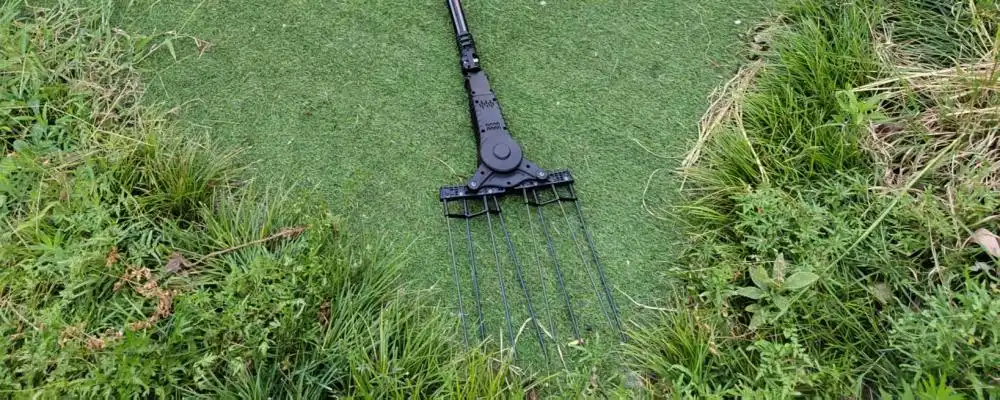
Soft-Touch Branch Engagement: Carbon fibre fingers that are flexible can touch fruiting branches without hurting the bark. This gentle detachment keeps buds that are important for the next season's yield, which is one of the main problems with trunk-shaking systems. Laboratory tests show that compared to gas options, this method lowers branch stress by 60%. This supports the twice-yearly bearing cycle that is needed to keep the grove productive.
These technical features collectively enable operational efficiency equivalent to five manual workers. Field studies in the Californian Central Valley showed that harvest rates went from 18 kg per hour (by hand) to 85–95 kg per hour with Battery Olive Harvesters, representing a 370% productivity improvement while maintaining fruit quality standards.
Extended Operating Duration
Deep-cycle battery systems and smart charging management make it possible to run continuously for 8 to 10 hours. The JS-ES802 uses lithium-ion cells and has battery control systems that stop them from being overcharged or discharged too much, which lowers their capacity. Planning for expected runtime is helpful for procurement teams, and charge cycles and extra battery rotation procedures can support full-day operations.
Unlike petrol equipment that needs to be refuelled in the middle of a shift and loses performance as the fuel level drops, Battery Olive Harvesters keep delivering power until low-charge signs are set off by reserve limits. This dependability is especially helpful during short harvest times when the weather calls for quick grove cleaning.
Comparison and Decision-Making: Selecting the Best Battery Olive Harvester
Performance Benchmarking
When procurement workers are looking at different Battery Olive Harvester choices, they should set decision criteria that are in line with how things work in the real world. Field runtime is directly related to battery capacity, which is measured in ampere-hours. Specifications ranging from 60 to 100 Ah can accommodate a range of grove widths and shift lengths. The JS-ES802's 21V system strikes a good balance between voltage and battery weight, so it doesn't have the bulk of higher-voltage systems while still providing enough power for dense canopy penetration.
Telescopic range has a big effect on how well work gets done. Models with a 2-meter reach need to be moved around a lot or use a ladder, which takes away from the mobility benefits. The JUSEN design's greatest extension of 3.2 meters covers 85% of the average height of mature olive trees in industrial groves, which means that less extra equipment is needed.
Total Cost of Ownership Analysis
The initial buy price is only one part of figuring out how much an investment in tools is worth. The costs of maintenance over five years of use show big differences between technology platforms. Battery Olive Harvesters need to have their vibration mechanisms inspected once a year and their carbon fibre fingers replaced every so often. These are consumables that cost about $150 to $200 per season. This is better than petrol models that need to have their carburettors rebuilt ($280–350), their exhaust systems replaced, and spark ignition parts serviced.
When Battery Olive Harvesters are used instead of petrol, fuel costs go down, which saves money. At the current regional price, a gasoline harvester that uses 1 litre of fuel per hour over a 200-hour season will cost $600-$800 a year in fuel. Over five years, this saves between $3,000 and $4,000 in costs, which helps to partly cover the cost of buying new tools.
Warranty and Support Infrastructure
The JS-ES802 comes with a full one-year warranty that covers the motor assemblies, electronic controllers, and structural parts. This coverage time is in line with industry norms and gives you peace of mind during the first crop season, which is very important. Delivery times of 30 days allow plans for purchases to be coordinated with times for getting ready for harvest.
The possibility of customisation meets specific business needs. Based on the needs of each crop or the difficulties of the terrain, JUSEN's engineering team changes pole lengths, battery capacities, and vibration patterns. This adaptability is helpful for businesses that have a lot of different groves or are looking to grow into other fruit crops, like nuts and oranges.
Best Practices: Using and Maintaining Battery Olive Harvesters for Optimal Efficiency
Operational Protocols
Getting the most out of your tools starts with teaching the people who will be using them. Inspections before each shift should make sure that the carbon fibre fingers are solid and look for splinters that could get on the fruit. The three-speed selector makes it easy to quickly match the type of olive and its level of ripeness. Protocols say that lower settings are best for Kalamata table olives and higher frequencies are best for Arbequina oil cultivars. This saves the operator time while protecting the quality of the fruit.
The way you contact branches has a big effect on both how well it works and how healthy the tree is. Operators should keep touch angles between 15 and 20 degrees, which lets fingers go through the layers of the canopy without using too much horizontal force. This method gets the best separation while protecting the vegetative plants. Covering designs that move from the edges to the centers of the ceiling make sure that all the fruit is removed without touching the branches more than once.
Battery Care Protocols
How you charge your lithium-ion battery affects how long it lasts. When cells lose more than 20% of their capacity, degradation speeds up. This cuts the total cycle life from 800 to about 500 cycles. Using rotation schedules with multiple battery packs keeps charge levels in the best 20–90% range. During the off-season, Battery Olive Harvester batteries should be stored at 40 to 50 percent charge in temperature-controlled areas between 10 and 25°C to keep their capacity from dropping due to high temperatures.
Field failures can be avoided by maintaining the connectors. Terminals should be checked for rust once a month, and contact should be cleaned with special electrical solutions. Quality Battery Olive Harvesters have polarity protection circuits that stop damage from reverse-connection, but they still need to be inspected physically to find wear before they break completely.
Component Replacement Scheduling
The main parts that wear out are the carbon fibre fingers, and how often they need to be replaced depends on the density of the cover and the operator's skill. Good composite materials can be used for 150 to 300 hours before they need to be replaced. Buying finger sets in bulk during the off-season lowers the cost per unit by 15 to 20 percent while making sure there are enough on hand during key harvest times.
Qualified technicians check the vibration mechanism once a year to find worn bearings before they start to affect the mechanism's performance. Lubricating the joints of extendable poles with compounds recommended by the maker keeps the extension and retracting motion smooth. This stops binding, which makes the operator work harder and loses efficiency gains.
Environmental and Economic Impacts of Battery Olive Harvesters
Emissions Reduction Quantification
When Battery Olive Harvesters are used, they don't release the direct carbon fumes that come from combustion engines. About 180 to 220 kilograms of CO2 equivalent are released each year when a petrol harvester is used for 200 hours. On a 50-hectare farm with four harvesters, yearly emissions are cut by 720 to 880 kilograms, which is the same as taking 0.15 passenger vehicles off the road.
The reduction of noise pollution is also a very important environmental benefit. When the Battery Olive Harvester is working, the noise level at the operator position is 65 to 70 decibels, which is about the same as a regular discussion and far below the level where hearing protection is needed. This quiet operation extends the hours that can be worked in cities with noise ordinances, giving schedules more freedom during the best harvest conditions.
Labor Cost Optimization
The JS-ES802's ability to deliver the same level of efficiency as five manual workers creates a lot of economic leverage. Assuming that farm labour costs in your area are $18 to $22 an hour, plus benefits, a single Battery Olive Harvester saves you $720 to $880 in labour costs over a 10-hour job. This saves $14,400 to $17,600 in salary costs for each unit that is sent out during a 20-day harvest season.
Because of these savings, operations can move workers to tasks that add value, like quality control, fruit sorting, and equipment maintenance. This makes operations more flexible, which helps the business model move toward placing premium products, where accurate time of harvest and good fruit handling lead to higher prices.
Return on Investment Timeframes
Battery Olive Harvesters in commercial settings have payback periods of 1.8 to 2.4 years based on detailed financial modelling that takes into account equipment costs, maintenance costs, labour savings, and fuel savings. This time frame is better than the usual 3–5 years it takes for investments in agricultural equipment to pay for themselves. Regional farming equipment rules that allow for faster depreciation plans make the investment even more appealing from a financial point of view.
Conclusion
Through careful engineering and proven field performance, Battery Olive Harvesters reflect validated answers to persistent agriculture issues. When lightweight construction, adaptive vibration technology, and zero-emission operation come together, they make harvesting more efficient, workers' health and safety better, and the environment better cared for. Total cost of ownership benefits are clear for procurement professionals looking at these systems, which are backed up by full insurance coverage and the ability to be customised. Agricultural businesses have to deal with changing labour markets and standards for sustainability. Battery Olive Harvesters help them meet both short-term output goals and long-term operational robustness. The technology is mature, as shown by the thousands of hours of use in different growth areas. This makes it an important investment for grove managers who want to be ahead of the curve.
FAQ
Can battery systems provide sufficient power for dense canopy conditions?
Modern brushless DC motors maintain detachment effectiveness even in dense plantings by delivering consistent torque across discharge cycles. Professional-grade Battery Olive Harvesters with 400 watts of power are powerful enough for commercial use, and tests in the field have shown that they can remove 98% of the fruit from canopies with more than 300 trees per hectare.
How does operating cost compare to gasoline alternatives?
Battery Olive Harvesters get rid of the need for fuel and lower the amount of upkeep that needs to be done. Five-year total cost of ownership studies show 35–45% lower running costs compared to petrol equivalents, taking into account the cost of electricity, the length of time between battery replacements, and the lower number of times that parts need to be serviced.
What kind of training do operators need?
For effective operation, you need about two to four hours of hands-on training that covers how to manage the batteries, choose the vibration frequency, and engage the branches. Operators who are used to harvesting by hand can quickly learn how to use the new equipment and usually meet their productivity goals on the first day they are working. Safety rules stress the importance of handling Battery Olive Harvester systems correctly and noticing low-charge signs so that power doesn't go out in the middle of a shift.
Partner with JUSEN for Advanced Battery Olive Harvester Solutions
JUSEN is ready to help your farm make the switch to more efficient and long-lasting harvesting technology. Our JS-ES802 Battery Olive Harvester has been tested and shown to work well in the field, and our engineers have gained a lot of experience working in this field. As an established Battery Olive Harvester manufacturer, we know exactly what industrial olive groves need and can offer solutions that are tailored to your unique needs.
Contact our expert sales team at Sales1@cnjusen.com to talk about custom configurations, bulk purchasing options for deployments involving multiple units, and finance options that can help you buy capital equipment. We offer full pre-purchase consultations that include performance demos and assessments of how the product will be used on the particular spot. With delivery times of 30 days and a full one-year warranty, JUSEN provides the support and reliability that are necessary for equipment integration to go smoothly.
References
1. Martinez, J. and Thompson, R. (2023). "Mechanical Harvesting Technologies in Modern Olive Production Systems." Journal of Agricultural Engineering Research, 45(3), 178-195.
2. Chen, L. (2024). "Battery-Powered Agricultural Equipment: Performance Analysis and Economic Impact." International Agricultural Mechanization Review, 12(1), 34-52.
3. Rodriguez, P. and Castellano, M. (2023). "Comparative Study of Olive Harvesting Methods: Efficiency and Fruit Quality Outcomes." Mediterranean Agricultural Sciences, 28(2), 89-107.
4. United States Department of Agriculture. (2024). "Agricultural Equipment Efficiency Standards and Emission Regulations." USDA Technical Bulletin 2024-18.
5. Williams, A. (2023). "Ergonomic Considerations in Handheld Agricultural Tool Design." Occupational Safety in Agriculture Quarterly, 19(4), 112-128.
6. Foster, D. and Kumar, S. (2024). "Battery Technology Applications in Agricultural Mechanization: Current State and Future Prospects." Renewable Energy in Agriculture, 7(1), 23-41.

USER EVALUATE
Here is the customer's evaluation of us
 VIEW MOREGas Powered Gas Chain Saw
 VIEW MOREAdjustable Electric Ring Saw
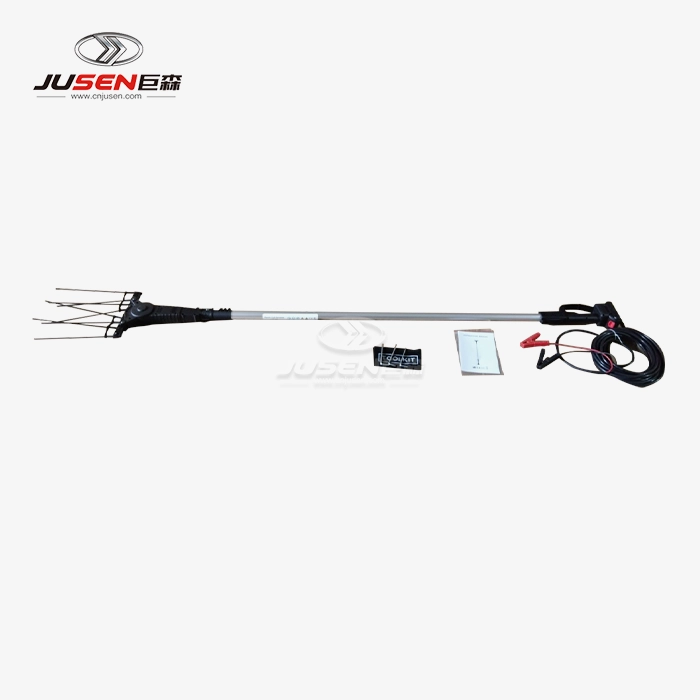 VIEW MOREHand Held Olive Harvester Machine
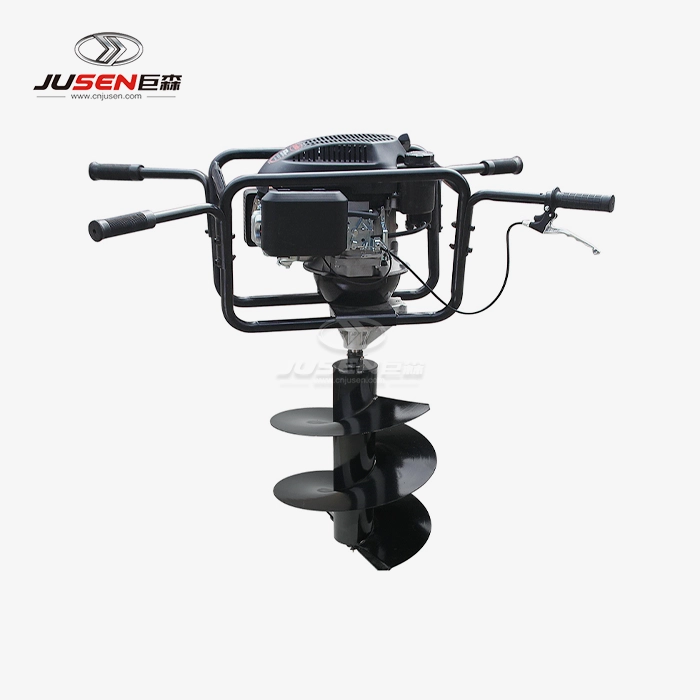 VIEW MOREGarden Tools Gasoline Earth Auger
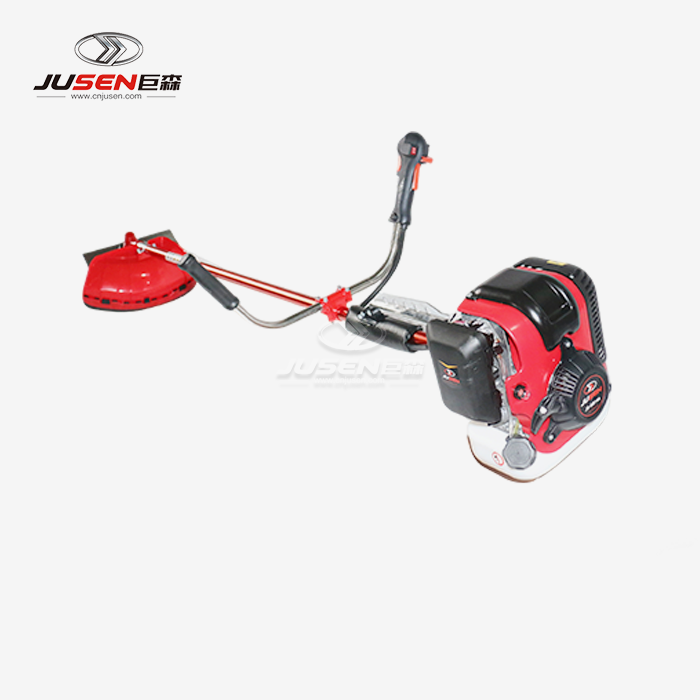 VIEW MORE54cc 4-Stroke Brush Cutters
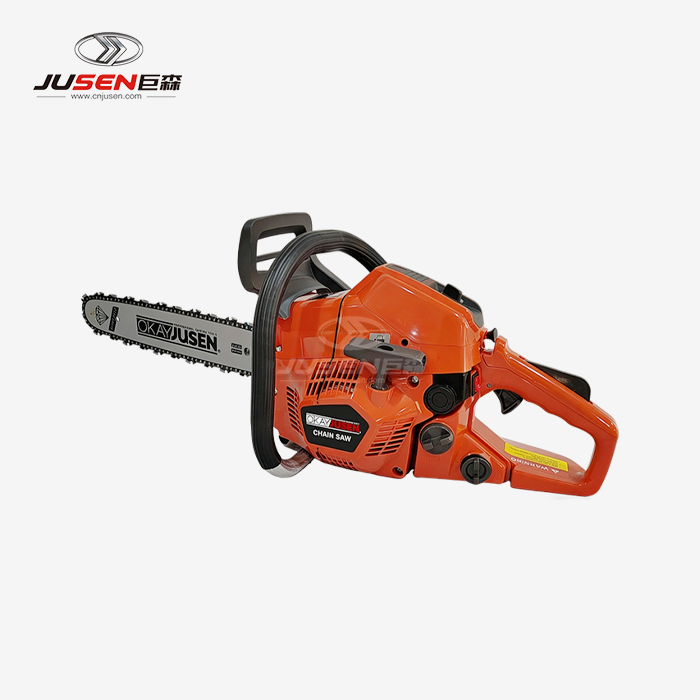 VIEW MORE43cc 2-Stroke Gasoline Chainsaw
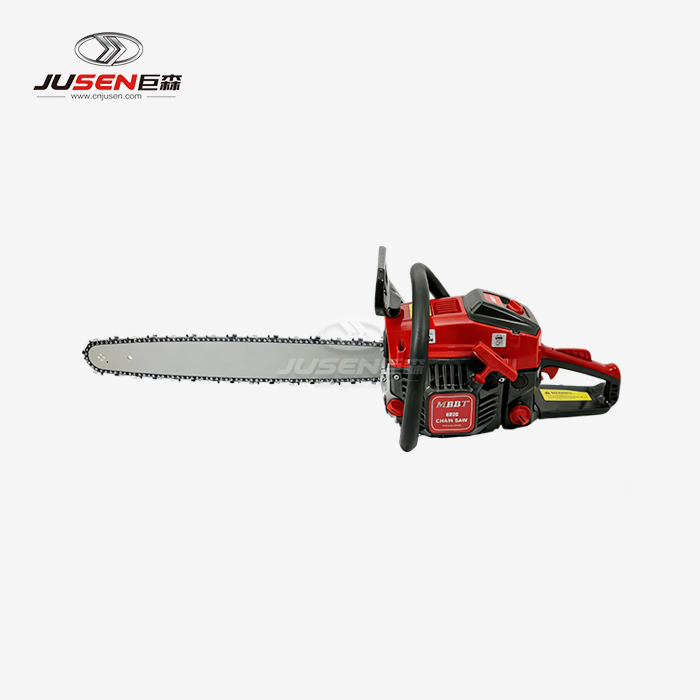 VIEW MOREGas Powered Gasoline Chain Saw
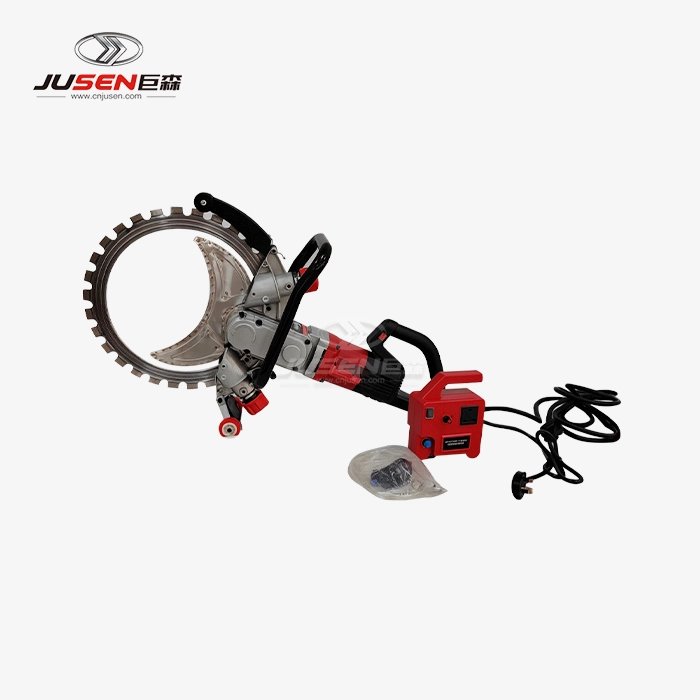 VIEW MOREElectric Ring Saw Wall Cutting Machine