




Spraying Machine Gas Powered Applications Across Modern Farming
The Spraying Machine Gas Powered has become an indispensable asset for large-scale agricultural operations requiring reliable, high-output fluid application systems. These robust units, typically equipped with four-stroke engines ranging from 25cc to 390cc, operate independently from electrical infrastructure—solving critical challenges faced by farms in remote locations. Their ability to maintain consistent atomization pressure while handling viscous pesticides, fertilizers, and protective coatings makes them the preferred choice for orchards, vineyards, and expansive farmlands where operational autonomy and performance reliability directly impact crop yield and protection efficacy.
Understanding Gas Powered Spraying Machines in Modern Farming
Agricultural production depends on how well systems protect crops and supply nutrients. These needs are met by modern Gas-Powered Spraying Machines that combine mechanical power with precise fluid dynamics.
The Mechanics Behind Gas-Powered Agricultural Sprayers
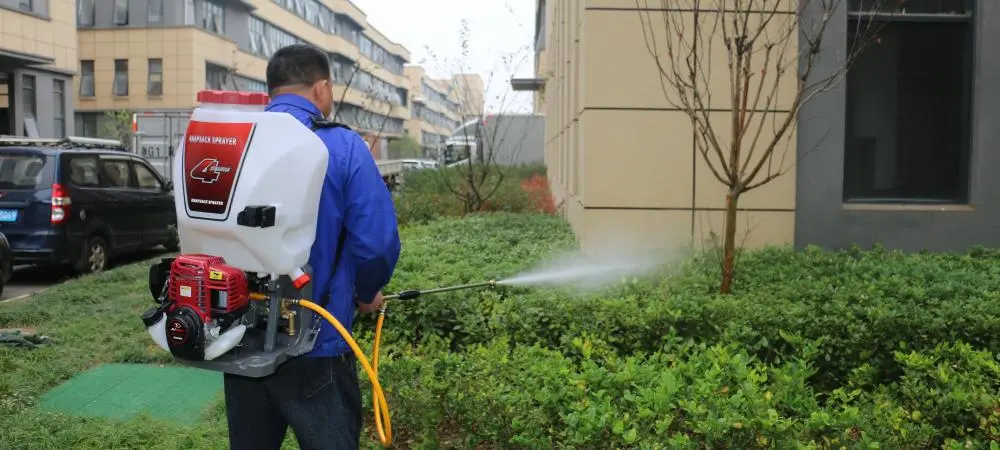
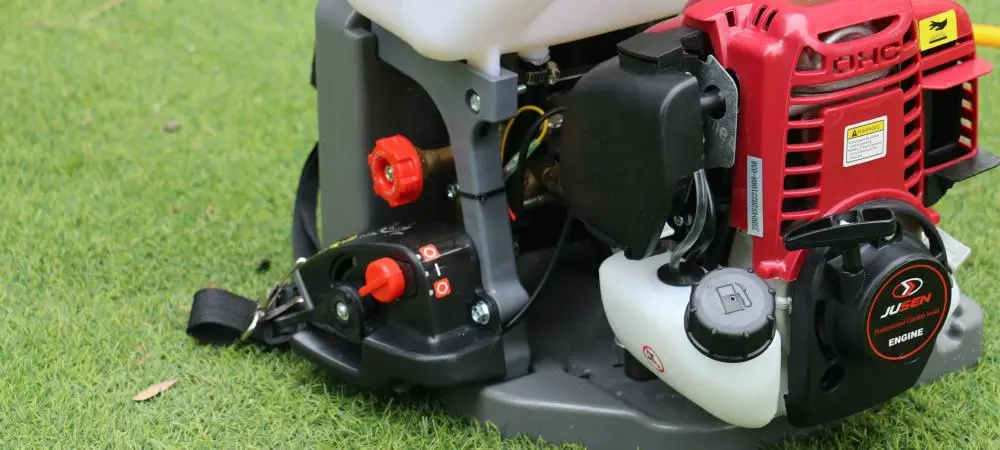
Agricultural Spraying Machine Gas-Powered units use built-in pump systems to turn the energy from the combustion process into hydraulic pressure. The GX35 four-stroke engine is a big step forward in this field; it produces a stable 1.0kW of power at 7300 rpm without mixing oil and gasoline. It's much easier to work in the field with this design than with older two-stroke models that needed exact fuel amounts and put out a lot of pollution.
The main benefit of four-stroke technology is that it has better power properties. When there is a lot of demand, like when spraying thick trees or going up steep hills, the engine keeps the crankshaft speed constant. This keeps the pressure from changing, which would affect the regularity of droplet size. This way of engineering is shown by JUSEN's 25L backpack sprayer, which has a 35.8cc displacement motor that keeps the quality of the atomisation over long duty cycles.
Key Components That Define Performance
The power plant, the fluid handling unit, and the distribution device are the three parts of a sprayer that make it work. The power plant needs to make enough horsepower to make up for friction losses in long hose runs while keeping the speed stable through the governor. When an engine isn't the right size, the pressure drops over time, which is a common way for undersized units to break.
The tank storage, suction filter, pump body, and pressure control valves are all parts of a fluid handling assembly. The 25-liter tank size means that it doesn't need to be refilled as often, and operators can cover about 2 to 3 acres per fill, based on the rate of application. Particulate pollution that wears out pump seals and check valves too quickly can be stopped by suction filters.
The way that distribution works depends on the entry method. Fan-assisted sprayers use fast airstreams to move atomised droplets into the canopy of plants. Professional-grade units have a high-speed fan design that creates enough motion to reach 15 meters horizontally, reaching into tall fruit tree tops where foliar diseases usually start. This longer range feature cuts down on the time needed for repositioning and makes the application more consistent across vertical growing structures.
Advantages Over Electric and Battery Alternatives
Spraying Machine Gas Powered units have clear benefits in three areas of operation: runtime autonomy, power density, and adaptation to different environments. Runtime autonomy is very important for time-sensitive tasks like applying fungicides before a storm. A 25L Spraying Machine Gas Powered that runs on pure gasoline can be used continuously for 4 to 6 hours, while battery-powered models need to be charged or swapped out during the shift.
Power density, which is output per unit weight, strongly favours combustion engines. The 1.0kW power from JUSEN's GX35 engine weighs about 4.2 kg, while similar electric motor systems with battery packs weigh more than 7 kg and need more time to run. This difference in weight is especially noticeable when the operator is wearing a rucksack and getting tired, which directly limits the daily acreage covered.
It's not just about being able to handle different temperatures; operating terrain is also part of environmental adaptation. Below 40°F, electric sprayers work less well because the battery chemistry is less efficient. Spraying Machine Gas Powered units keep working at full capacity from -5°F to 110°F, so they can be used for both early-season dormant oil applications and summer bug control.
Selecting the Right Gas-Powered Spraying Machine for Your Farm
Instead of choosing based only on how much it will cost to buy, strategic equipment selection means matching machine specs to practical factors.
Assessment Framework for Farm Requirements
The F-1 Criteria Screening Approach gives the most weight to area, crop design, application regularity, and the features of the land. Backpack sprayers with a 12+ metre reach are best for farms with more than 50 acres of tree crops. By combining portability with a large enough tank to keep refilling time to a minimum, the Spraying Machine Gas Powered configuration fits these criteria.
Crop design affects which tool to use and how much pressure is needed. Dense overhead structures, like grape trellises, need wind that can get to the ground to cover the plants below. The 7300 rpm fan speed specification directly meets this need by creating air speed high enough to flip leaves over and deposit active ingredients on hidden surfaces where fungal pathogens can grow.
Core Evaluation Metrics
Long-term value is based on things like engine size, fuel efficiency, building materials, and how well the unit can be serviced. The 35.8cc displacement range is the best balance for backpacking because bigger displacements add weight without making more power, and smaller engines don't have enough torque for tough conditions.
The design of the combustion chamber and the accuracy of the ignition timing affect how much fuel is used. At the same power level, four-stroke engines use about 25% less fuel than two-stroke engines of the same size. This advantage in efficiency grows over longer periods of ownership, especially for businesses that apply chemicals once a week during growing seasons.
Corrosion resistance and impact tolerance are determined by the materials used in construction. Unlike fibreglass units, which crack under stress, tanks made of high-density polyethylene don't break down when exposed to farming poisons. To be able to handle acidic fertiliser solutions, pump housings should be made of marine-grade aluminium or stainless steel.
Serviceability includes things like the availability of parts, the length of time between repair checks, and the ability to get expert help. When equipment breaks down during treatments that need to be done quickly, having a warranty that lasts a year and a delivery promise of 30 days shows that the manufacturer trusts the supply chain and is stable.
Making the Informed Purchase Decision
Buyers should make sure that the tank size, engine power, and spray patterns they want to use are all compatible. The 25L capacity and 1.0kW output are well-known ratios that work well together. They provide enough power to keep the quality of the atomisation while also allowing for a fair amount of working time. When tanks lose weight during operation, engines that are too small have a hard time keeping the pressure up, which leads to uneven droplet spectra.
Testing optimal factors before buying keeps you from being unhappy, which costs a lot of money. Backpack sprayers should use padded strap systems to spread the weight across the shoulder and hip touch points. Operators who work on more than 10 acres every day need gear that stays comfortable even after long periods of time wearing it.
Maintenance and Safety: Ensuring Longevity and Operational Excellence
Preventive repair has a direct effect on how long technology lasts and how reliably it works. Spraying Machine Gas Powereds need regular maintenance on their fuel systems, air filters, and pump units.
Routine Maintenance Protocols
Clean fuel and free airflow are important for keeping engines running for a long time. Every 50 hours of use or once a year, whichever comes first, fuel filters need to be replaced. When fuel is contaminated, it varnishes the carburettor, which limits flow and leads to lean combustion conditions that cause the engine to overheat. Ethanol-mixed fuels break down and leave behind gum layers when they are stored. When equipment will be idle for more than 30 days, workers should use fuel stabilisers.
By maintaining the air filter, coarse dust is kept out of the cylinder bores. Foam pre-filters need to be cleaned once a week with soap and water and then oiled again with special filter oil. It is better to change paper cartridge filters than to clean them, since washing them damages the filtering media and lets particles get through.
Seal integrity and valve function are the most important parts of pump upkeep. To keep pesticide from crystallising in the pump chambers, the spray system should be flushed with clean water every time it is used. Pump covers should be replaced once a year to stop pressure loss and fluid leaks. Check valve check finds dirt that is blocking the valve's seating, which is a frequent cause of priming problems.
Seasonal Storage Best Practices
During the off-season, crops are stored until they are ready for the next growing season. To keep the carburettor from rusting and gum from forming, engines need to have their whole fuel system drained. Spraying fogging oil into the spark plug holes protects the cylinder walls and keeps them from rusting when the unit is stored in a wet place. Taking out the spark plugs and checking the electrode gap makes sure that the timing of the spark is right when the season starts.
When you clean pump parts with pump armour or antifreeze solutions, they stop interior corrosion. Seals that are kept in wet places stay flexible, but seals that are stored in dry places shrink and break when they are used again. Keeping tools in climate-controlled areas makes parts last a lot longer.
Safety Standards and Protective Measures
Safe operation starts with following the right steps for handling fuel. Gasoline should be kept in approved barrels that are away from things that could start a fire. To avoid vapour ignition, refuelling must be done outside while the engine is completely cool. When using solvent-based formulas, operators should keep 10 feet of space between spray zones and engines that are working.
Personal protective equipment includes gloves that won't get damaged by chemicals, eye protection, and respirators that are right for the level of toxicity of the pesticide. Spraying Machine Gas Powered makes a fine mist that stays in the air. If you wear the right respiratory protection, you won't breathe it in. For skin protection, you need long sleeves and trousers made of tightly woven materials that don't let liquid through.
Comparing Gas Powered Sprayers to Electric and Battery Powered Options
The choice of technology affects how flexible operations can be, how much maintenance is needed, and the total cost of ownership over the lifecycle of an item.
Performance Metrics Comparison
In portable settings, the power output is what sets Spraying Machine Gas Powered engines apart from electric motors. Gas-powered units can produce up to 1.0kW, which is more than battery-powered units that can only produce 0.6 to 0.8kW to save battery life. This difference in power has a direct effect on the spray distance and depth, which are both very important for use on tall crops.
Runtime comparisons clearly show that combustion engines are better. Refuelling takes two to three minutes and gives the vehicle another four or more hours of use. Charging batteries takes at least 60 to 90 minutes, which means you need to buy backup batteries or shut down your business. Spraying Machine Gas Powered configurations are more productive for operations that cover a lot of land.
Refuelling infrastructure requirements differ substantially. Spraying Machine Gas Powered tools can be used anywhere that fuel can be carried. Electric sprayers can only be used in areas with stable power or that are connected to the grid. This makes them less useful in remote fields or areas that are still growing as agricultural areas.
Environmental and Regulatory Considerations
Emission patterns are different for each type of engine. Modern four-stroke engines meet CARB (California Air Resources Board) standards and put out a lot less gas and particulate pollution than older two-stroke engines. The pure gasoline process gets rid of all the waste products that come from burning oil.
Noise levels are important for activities that are close to residential places. At the operator position, Spraying Machine Gas Powered engines make 85 to 95 dB, while electric motors make 60 to 70 dB. In places where noise is a problem, electric options may be better, even if they don't work as well.
Maintenance and environmental impact include getting rid of oil products instead of reusing batteries. Getting rid of used engine oil and fuel filters is dangerous work. Getting rid of lithium batteries is hard when it comes to cleaning and getting resources, but they don't produce any pollution when they're in use.
Application Context Suitability
Spraying Machine Gas Powered units work best in situations where there is a lot of demand for long-term output without any support infrastructure. The independence and power that these units offer are good for orchards, wineries, and field crops that cover 20 acres or more. Spraying Machine Gas Powered is the mainstay of commercial operations that need to maximise throughput to make money.
Electric sprayers work well for small businesses, greenhouses, and places with noise restrictions. Their instant-start feature and lack of direct emissions make them appealing to urban farming and organic businesses that want to reduce their carbon footprint.
Market Insights and Procurement Strategies for Gas-Powered Spraying Machines
For strategic buying to work, you need to know about the skills, warranty structures, and after-sales support networks of your suppliers. These all affect how happy you are with your purchase over the long run.
Current Market Landscape
The market for agricultural sprayers is split into three groups: consumer-grade, professional-grade, and industrial. When it comes to professional-grade gear that is both powerful and portable, 25L backpack Spraying Machine Gas Powereds with four-stroke engines are the clear winners. As core technologies have become more mature, market leaders stay ahead of the competition by improving engineering rather than coming up with new, disruptive ideas.
Leading manufacturers show their expertise by using designs that have been tested in the field and are backed up by large parts networks. Buying equipment with a one-year warranty that spells out exactly what it covers gives you peace of mind. Manufacturers who promise delivery in 30 days keep enough goods on hand and have established transportation skills, which are signs of operational maturity.
Procurement Decision Framework
When setting prices, the total cost of ownership should be taken into account, not just the cost of acquisition. Equipment that costs 15 to 20 percent more than entry-level options is often more reliable, which lowers the cost of downtime and increases the time between replacements. Differences in fuel efficiency get bigger over time—for high-use businesses, a 25% improvement in fuel economy pays for itself in just two to three seasons.
The terms of the warranty show how confident the maker is in the customer's promise. Full coverage that includes the cost of tools, labour, and delivery is a good way to protect yourself. Limited warranties that don't cover wear items or that require the owner to pay for return shipping aren't worth much.
After-sales service networks decide how easy it is to get help. When suppliers keep regional service centers or authorised repair facilities open, they can get things fixed quickly during important application windows. Operations in rural areas should make sure that parts are available and that expert help is quick to respond before they buy.
JUSEN's Role in Supporting Agricultural Operations
JUSEN brings specialised knowledge to the market for farm sprayers by offering solutions that can be changed to fit specific operating needs. We have specialised in making oilfield drilling equipment and downhole testing tools for the oil and gas development industry since 2010. Recently, we've added precision fluid handling systems for farming markets to the things we can make.
Our 3,000-square-meter building is home to 50 experienced production specialists and 30 engineers who are experts in hydraulic systems and mechanical design. We use the same high standards for precision production to make effective spraying systems as we do for our drill stem test tools and surface test equipment. This way of engineering is shown by the 25L Spraying Machine Gas Powered, which has industrial-grade parts and strict quality control rules.
Our offering stands out because it can be customised. Our R&D services can be used by clients with specific needs to create customised configurations, such as changing the size of the tank, adding different pump designs, or changing the mounting systems to fit specific uses. This adaptability is appealing to businesses that want unique solutions that go beyond what's available in the catalogue.
Conclusion
The Spraying Machine Gas Powered is an important piece of technology for modern farms that need reliable, high-performance crop protection tools. Compared to electric options, gas-powered configurations offer measurable benefits in terms of runtime autonomy, power output, and operating freedom. Strategic selection means matching the specs of the tools to the specifics of the farm, such as the size of the land, the way the crops are grown, and how often they need to be applied. The health and longevity of equipment are both increased by following the right maintenance and safety procedures. Knowing how the market works and how much something costs to own helps you make decisions about what to buy that will give you long-term value. JUSEN is ready to help farming operations with spraying solutions that can be tailored to their needs, backed by engineering know-how and full service after the sale.
FAQ
What maintenance schedule should I follow for gas-powered sprayers?
Routine maintenance for a gas-powered spraying machine includes cleaning the air filter once a week, changing the fuel filter every 50 hours, and inspecting the carburettor once a year. To keep the pressure stable, pump covers need to be replaced every year. For proper storage during the off-season, the fuel must be completely drained, and the cylinders must be fogged to stop corrosion.
How does fuel efficiency compare between gas and electric sprayers?
Spraying Machine Gas Powered units use about 0.4 gallons of gasoline per hour, which means that one tank can run for 4 to 6 hours. Electric sprayers don't need fuel, but they need to be charged every 60 to 90 minutes, which limits the amount of land they can cover each day. The total cost of running the business depends on how much electricity costs compared to fuel costs and how often it is used each day.
What safety certifications should I verify before purchasing?
Check that tank assemblies meet EPA emission standards, ANSI safety standards, and are certified as pressure vessels. The equipment should meet OSHA standards for farm tools, which include having the right guards and an easy way to turn it off in an emergency. Material safety data sheets for hydraulic fluids and specs for suggested protective equipment should be included in the manufacturer's paperwork.
Partner with a Trusted Spraying Machine Gas Powered Supplier
To meet your farm spraying needs, JUSEN blends high-quality production with solutions that are focused on the customer. Our 25L Spraying Machine Gas Powered is reliable and performs well enough for large-scale operations. It comes with a one-year warranty and is guaranteed to be delivered within 30 days. Our engineering team is here to help you with any questions you have during the whole procurement process, whether you need standard configurations or changes made just for your purpose. We know how important it is for equipment to work properly during time-sensitive application times and keep enough goods on hand to support quick fulfilment. Simply email our team at Sales1@cnjusen.com to talk about your needs and find out how JUSEN can improve your crop protection efforts with dependable Spraying Machine Gas Powered solutions. As a well-known company that makes high-quality products for demanding industries, we bring technical precision and high standards for quality assurance to agricultural markets that want professional-grade tools.
References
1. Agricultural Sprayer Technology and Application Methods, Journal of Agricultural Engineering Research, 2021
2. Four-Stroke Engine Performance in Portable Power Equipment, Small Engine Technology Conference Proceedings, 2020
3. Comparative Analysis of Agricultural Spray Equipment for Orchard Applications, International Journal of Fruit Science, 2022
4. Maintenance Best Practices for Gas-Powered Agricultural Equipment, Farm Equipment Manufacturers Association Technical Bulletin, 2023
5. Safety Standards for Pesticide Application Equipment, American Society of Agricultural Engineers, 2022
6. Total Cost of Ownership Models for Agricultural Machinery Procurement, Agricultural Economics Review, 2021

USER EVALUATE
Here is the customer's evaluation of us
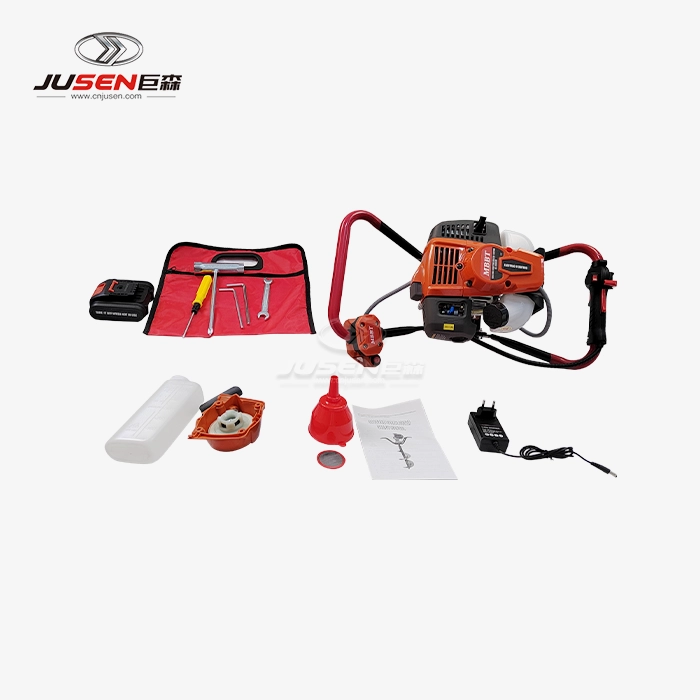 VIEW MORE43cc 2-Stroke Electric-Start Earth Auger
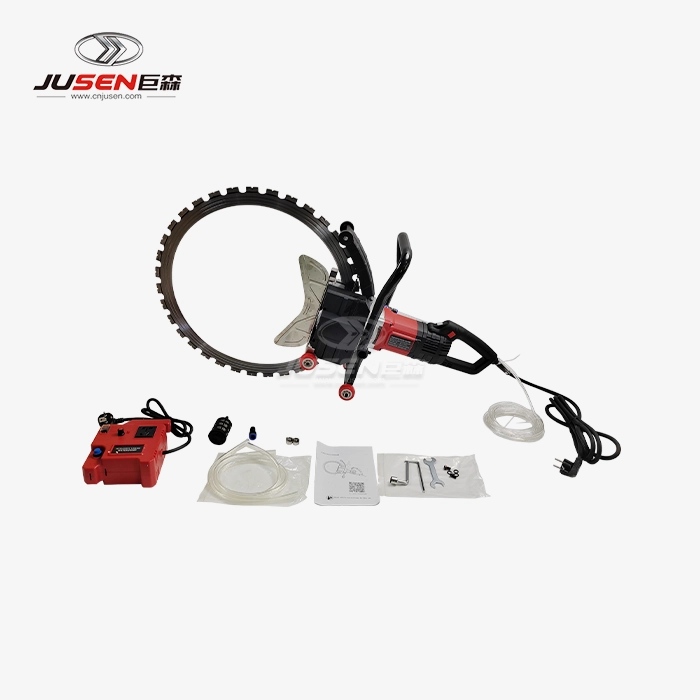 VIEW MOREAdjustable Electric Ring Saw
 VIEW MOREBrushless 6-Inch Electric Mini Chainsaw
 VIEW MORECordless Mini Chainsaw Machine
 VIEW MOREBrushless Mini Cordless Chainsaw
 VIEW MOREMini Chain Saw Battery Powered
 VIEW MORE43cc 2-Stroke Gasoline Brush Cutter
 VIEW MORE58cc Gas Chainsaw