



How to Maintain a Solar Filling Pump for Longer Life?
Maintaining a Solar Filling Pump properly can extend its operational lifespan by years while maximizing your return on investment. The solar panels, DC motors, and hydraulic parts should not wear out too quickly. People who use solar power to move water through these systems should check them often. There should be frequent times in a well-thought-out repair plan to check the electricity and clean and grease the parts. Sometimes, technical teams that know what solar-powered pumping equipment needs can keep it running at its best and cut down on downtime. This can help with things like giving water to farmers who need to water their crops or helping rural areas that are having a hard time.
Understanding Solar Filling Pumps and Their Common Maintenance Challenges
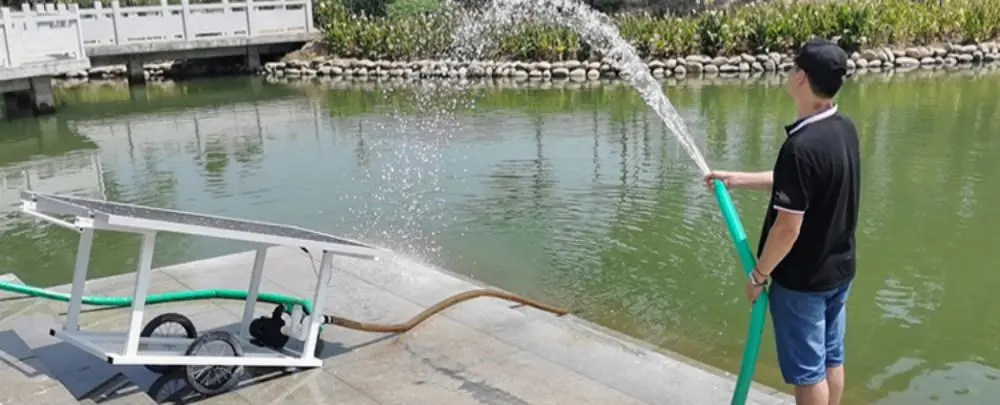
Water pumping systems that are driven by the sun are a big improvement over what we can do when we're not tied to the power grid. The sun powers the DC motors in these units, so they don't need to be hooked up to the power grid or have gas engines. The JUSEN JS-SEWP300 has this kind of technology. It can move up to 20 m³/h, reach a height of 15 m, and pull water up to 4–5 m deep. It can give off up to 300W of power through 36V DC solar direct drive.
Fundamental Operating Principles
Solar panels use light from the sun to make direct current energy, which powers brushless DC motors that are linked to centrifugal or helical rotor pumps. This setup keeps the water flowing steadily during the day without the need for battery storage in many situations. How well the system works depends a lot on how much sunlight hits it, how the panels are positioned, and how well the electrical connections are made.
Environmental and Mechanical Challenges
These pumps are put in harsh environments that speed up component wear in remote deployment locations. In dry areas, dust buildup on solar panels lowers their ability to collect energy by 15 to 25 percent. Extreme temperatures put stress on gaskets and seals, and UV light breaks down plastic housings over time. The JS-SEWP300 is made of strong materials like aluminium, steel, and engineered plastics that are designed to work in these tough environments for long periods of time.
Electrical System Vulnerabilities
Solar pumps have different electricity problems than regular pumps. Voltage changes caused by uneven sunlight can put stress on motor windings. When connections at terminal blocks rust, they make resistance hotspots that waste energy and put the system at risk of failing. For our JS-SEWP300's 36V DC system, it's important to pay close attention to polarity when checking the wiring and use crimped connection points that won't come loose when the machine shakes.
Key Maintenance Practices for Extending Pump Life
Systematic preventive maintenance turns fixes that are done after the fact into control of the product's useful life. We've made useful guidelines from our experience working in aquaculture, agriculture, and remote water supply installations where the reliability of equipment has a direct effect on the ability to keep operations going.
Routine Inspection Schedules
Setting up frequent inspections every three months keeps small problems from turning into expensive failures. First, look at the sides of the solar panels to see if they are cracked, delaminated, or blocked by plants. Check all the wires that you can see for damage from rodents or worn-out insulation. There shouldn't be any signs of water getting into the motor case through the gasket covers. To keep the system pressure from dropping, torque checks must be done on all piping connections.
Panel review only takes twenty minutes, but it shows that performance is getting worse in a big way. To clean the surfaces of modules, use soft brushes, pH-neutral soap, and distilled water. Do not use rough materials that can scratch the protected coats. Check the soundness of the fixing bracket because hardware that is too loose can cause wind vibrations that wear out electrical connections. The weather-resistant build of the JS-SEWP300 reduces these risks, but regular checks are still needed.
Motor and Pump Component Care
The DC motor is the most important part of your Solar Filling Pump system. Compared to brushed designs, brushless designs like the ones in the JS-SEWP300 don't need as much maintenance, but regular checks make sure they last as long as possible. Listen for unusual bearing noise while it's running—grinding or squealing sounds mean the bearings need more oil. Check the balance of the shaft by looking for strange sound patterns that could mean the coupling is wearing out.
Every year, the impeller has to be partially taken apart for cleaning. Take out the inlet strainers and look for debris buildup or erosion damage caused by suspended particles. Centrifugal impellers should be able to spin easily and not wobble. The blade surfaces should also have very little wear. To avoid major leaks, manufacturers usually suggest replacing mechanical seals every 3,000 hours of operation.
Cleaning Protocols for Optimal Performance
Solar cells are only part of the cleaning process; the whole hydraulic route needs to be cleaned as well. Every three months, flush the intake lines with clean water to get rid of biofilm and sediment buildup. The JS-SEWP300 can handle a large 20m³/h flow rate, and keeping the openings clear stops cavitation that hurts the impellers. Discharge pipes should be flushed every so often to get rid of scale deposits that raise head pressure and lower efficiency.
How often a solar field is cleaned depends on the weather. Installations in the desert may need to be cleaned every two weeks during dust storm seasons, while installations near the coast need to be cleaned once a month to get rid of salt spray waste. Mineral spots that block light can be avoided by using deionised water for the last rinse. Our 300W system's well-maintained panels make sure that the voltage stays the same during all of its operating processes.
Lubrication Requirements
Even though brushless DC motors don't need as much lubrication, mechanical parts still need to be taken care of. High-temperature lithium-based grease needs to be put on shaft bearings every 2,000 hours or once a year, whichever comes first. Access ports on high-quality units like the JS-SEWP300 make maintenance easier without taking the whole thing apart. Put on grease until you hear a small purging sound at the seals. This means that the space is properly filled.
When the pump is oiled, the coupling parts that connect the motors to the shafts need to be checked. Check flexible parts for cracks or deformation that means they need to be replaced. Applying an anti-seize compound to threaded fasteners during reassembly keeps stainless steel parts that are exposed to water from galling. By taking these easy steps, you can avoid technical problems that could stop the water supply from working.
Electrical Connection Maintenance
Electrical stability decides how reliable a solar system is. Check all of the sealed leads for discolouration, which could mean they have high-resistance connections. During peak activity, use thermal imaging cameras to find areas where the temperature is more than 10°C higher than the surrounding air. Follow the manufacturer's instructions for how tight to turn the terminal screws. Too much torque can damage the wires, while too little torque can cause a spark.
Even though the 36V DC device in JUSEN's JS-SEWP300 works below dangerous voltage levels, it is still important to follow the right procedures. Put dielectric grease on all of your outdoor connections to keep water out. The polarity marks should still be readable, and the order of the connections should match the installation instructions. Testing the resistance between the conductors and the ground once a year makes sure that the insulation is still good and finds any damage before it causes a short circuit.
Troubleshooting Common Solar Filling Pump Problems
Rapid diagnosis cuts down on business delays that hurt revenue and output. Structured troubleshooting methods that methodically look at hydraulic, mechanical, and electrical subsystems are helpful for technical teams.
Diagnosing Flow Rate Reductions
Less water flow can mean several different problems. First, compare the actual flow rate to the rated capacity. The JS-SEWP300's 20m³/h rating can serve as a starting point. When intake strainers get partially clogged, performance usually drops by 30 to 40 percent. Take out and clean the mesh filters, and look for damage that lets dirt get into the pump chamber.
Wear on the impeller is another common cause. When pumps deal with rough water, the rotor wears out faster and needs to be replaced every 18 to 24 months. Cavitation damage shows up as pitting on the vane surfaces. This means there are problems on the suction side, such as not enough submersion or air leaks in the joints of the pipes. The JS-SEWP300 can pull air up to 4- 5 meters, but the entrance must be placed correctly to keep vapour from forming.
Addressing Mechanical Noise Issues
Sounds that don't sound normal during operation can help with diagnosis. Grinding sounds usually mean that a bearing is failing and needs to be shut down right away to avoid major damage. If parts are rattling, they may be loose. Check the impeller mounting bolts and nuts that hold the impeller in place. High-frequency noise is often a sign of cavitation or discharge line limits that make the flow rough.
Using accelerometer apps on a smartphone to analyse vibrations can find problems with imbalance. Readings higher than 7mm/s RMS mean there are problems that need to be fixed. Check that the pump mounting is still securely attached to the base. The 42-kilogram JS-SEWP300 needs strong grounding to keep it from moving when working forces are applied. If vibrations keep happening even after all the connections are tightened, the flexible couplings may need to be replaced.
Managing Overheating Conditions
When temperatures rise too high, they hurt the motor windings and wear out the mechanical parts. Most Solar Filling Pump systems should shut down when the temperature goes above 70°C, according to thermal sensors. Motors that use pumped fluid for cooling get too hot when there isn't enough water flow. Make sure the outlet valves are still fully open and that there are no blockages in the pipes that are stopping the flow.
When the voltage from the solar panels is higher than the motor's rated voltage, the motor overheats because it draws too much current. Check the open-circuit voltage at the panels when they are in full sun. It shouldn't be more than 10% higher than what the system calls for. Voltage control in the JS-SEWP300's 36V DC design keeps it from breaking, but connection mistakes can get around security. Environmental factors, such as not enough airflow around motor housings, also play a role, especially in installations that are closed off.
Electrical Fault Identification
Intermittent operation points to electrical issues instead of mechanical ones. Visual inspection and conductivity tests should be used to check all links for corrosion. During running, the voltage readings at the motor terminals should stay within 5% of the power from the solar panels. Voltage drops that are too big or too small can cause high-resistance connections.
In units with electrical controls, system performance is affected when the controller doesn't work right. Diagnostic codes that show specific problems are shown on LED indicators or display screens. The JS-SEWP300's direct-drive design keeps the driver as simple as possible, which makes it more reliable. When controls break, replacing them with original parts makes sure that the voltage and current are set correctly to meet the needs of the motor.
When Professional Service Becomes Necessary
Some situations are too bad for field repair to handle. To fix a motor winding failure, you need special tools and knowledge. To straighten a shaft, you need machining skills that can't be found at remote sites. Technicians who are taught and have the right test tools are needed to do complex electrical diagnostics on controller circuit boards.
Through authorised service networks, JUSEN offers full support after the sale. Our one-year warranty covers problems with the way the product was made and parts that break down under normal use.
Comparing Solar Filling Pumps to Other Pump Types in Maintenance Needs
To make choices about what to buy, you need to know the total costs of owning, which go beyond the initial purchase price. Maintenance needs have a big effect on both long-term costs and the reliability of different pumping technologies.
Maintenance Frequency Comparison
Solar-powered systems like the JS-SEWP300 need to be checked every three months to make sure the connections are correct and the panels are clean. Electric pumps need the same care as motors and other mechanical parts, but they also need more care for their electrical infrastructure. Diesel engines need to have their fuel systems checked once a week, their oil changed every 100 to 200 hours, and their filters replaced. Solar Filling Pumps, on the other hand, don't need any of these maintenance tasks.
Cost Analysis of Routine Service
The real story is told by the annual upkeep costs. Solar pumps usually need $150 to $300 a year for cleaning supplies, bearing grease, and sometimes new seals. Electric pumps raise energy costs, and repair of transformers and electrical panels could add up to $400 to $600 a year. Diesel engines cost between $800 and $1,500 a year to run because they need fuel, oil, filters, and upkeep on the exhaust system.
Operational Simplicity Benefits
Solar pumps work on their own, without having to be fuelled or connected to a power source. The JS-SEWP300 is very useful for remote sites like mining camps, logging stations, and farms that don't have easy access to infrastructure. A weather-resistant building can handle being outside in conditions that would hurt equipment that isn't made to be tough.
Best Practices for Procurement and After-Sales Support
Strategic sourcing includes more than just technical specs. It also looks at the supplier's skills, infrastructure for support, and the possibility of a long-term partnership. Professionals in procurement get the most value by carefully checking the qualifications of manufacturers and the service environments they offer.
Selecting Reliable Manufacturers
Reliability is higher for Solar Filling Pump from well-known makers with a history of working in the field. The fact that JUSEN was founded in 2010 and focuses on making precision equipment shows that it is dedicated to engineering excellence. Our 3,000-square-meter building is home to 50 experienced workers and 30 professional technicians who are working on new solutions for a wide range of industries.
Evaluating Product Specifications
Perfectly match technical skills to the needs of the application. The 15-meter maximum head and 20m³/h flow rate of the JS-SEWP300 make it perfect for watering crops and animals. Check the suction lift requirements—our 4-5-meter range can handle most surface water sources without the need for boosters. For daily function to be consistent, the power flow must match the size of the solar array.
Understanding Warranty and Support Terms
Full warranty coverage keeps your investment safe. The JS-SEWP300 comes with a one-year warranty that covers production flaws and part breakdowns in normal use. Know what your coverage doesn't cover—wrong installation or neglecting to do regular maintenance can usually void your coverage. For important uses that need extra risk reduction, extended warranty choices may be offered.
Building Supplier Relationships
Long-term partnerships are more valuable than one-time deals. Set up clear ways to talk to technical support teams before you finish the purchase. Submit technical questions before the sale to see how attentive they are. Quick, detailed answers show that the support system is strong. The engineers at JUSEN advise on how to use their products and help make sure that the systems they build are as reliable as possible.
Conclusion
When Solar Filling Pump equipment is properly maintained, it goes from being an investment to a long-term tool that can be used. Systematic checks, proactive cleaning, electrical integrity verification, and strategic troubleshooting are some of the things that can be done to make equipment last longer and prevent unexpected breakdowns. Compared to traditional options, solar technology has built-in benefits like less frequent maintenance, no fuel costs, and easier operation. If you choose trusted makers like JUSEN that have a history of good engineering and a full support network, you can be sure that your investment will work well in even the most demanding situations. Start doing these repair tasks right away to protect your equipment investment and get the most out of its working uptime.
FAQ
What is the expected lifespan of a Solar Filling Pump with proper maintenance?
With proper maintenance, a good solar pump should last between 15 and 20 years. The brushless DC motor technology and corrosion-resistant design of the JS-SEWP300 make it last longer. Panels may need to be replaced every 20 to 25 years because they lose their effectiveness, and mechanical parts like seals and bearings need to be replaced every 3 to 5 years, based on how they are used.
How often should I clean solar panels on my pumping system?
How often you clean depends on the conditions of the area. During dust seasons, installations in the desert should be cleaned every two weeks. Installations in warmer areas should be cleaned once a month. Keep an eye on the output voltage. Drops of more than 10% from the baseline show that cleaning is needed. The JS-SEWP300's 300W system works at its best when panels are cleaned regularly with soft brushes and pH-neutral cleaners.
Can I perform electrical repairs myself or should I hire professionals?
Trained repair staff can do basic electrical upkeep tasks like tightening connections and cleaning terminals. Professional knowledge is needed to do complex repairs involving motor windings or controller circuits. Even though the 36V DC system in our JS-SEWP300 works below the dangerous voltage levels, you must still follow all electrical safety rules. You can get help from JUSEN's support team in figuring out when professional help is needed.
What maintenance tools should I keep on hand for routine service?
Some important tools are soft-bristle brushes for cleaning panels, torque wrenches for checking connections, multimeters for testing electricity, and high-temperature lithium grease for lubricating bearings. Thermal imaging cameras help find places where electricity is flowing too quickly before they break. Keep spare parts made by the manufacturer on hand, like mechanical seals, gaskets, and impellers, so they can be quickly replaced and downtime in the field is kept to a minimum.
Partner with JUSEN for Reliable Solar Pumping Solutions
JUSEN provides high-quality solar-powered water management solutions for businesses, backed by excellent engineering and full support. Our JS-SEWP300 Solar Filling Pump manufacturer uses 36V DC solar direct drive technology and strong 300W performance to give up to 20m³/h of flow through a build that is weatherproof and made for tough environments. Our one-year warranty and 30-day shipping promise back up the fact that we can make goods that are exactly what you need for your business. Get in touch with our technical team at Sales1@cnjusen.com to talk about your Solar Filling Pump supplier needs and find out how our years of experience in the field can help you turn operational problems into long-term solutions.
References
1. Anderson, M.T. & Richardson, K.L. (2021). Solar-Powered Water Pumping Systems: Design, Installation, and Maintenance Best Practices. Renewable Energy Technical Press.
2. Chen, H.W. (2022). "Predictive Maintenance Strategies for Photovoltaic-Driven Hydraulic Equipment." Journal of Industrial Equipment Management, 45(3), 178-195.
3. International Solar Pump Association (2023). Field Maintenance Manual for Off-Grid Solar Water Systems. Technical Publication Series, Volume 12.
4. Peterson, D.R. & Martinez, S.A. (2020). Comparative Analysis of Pumping Technologies in Remote Applications: Cost, Reliability, and Sustainability. Industrial Press Technical Division.
5. Solar Energy Industries Technical Committee (2022). Standard Maintenance Protocols for Photovoltaic-Powered Fluid Handling Equipment. Industry Guidelines Document SEITC-2022-08.
6. Williams, J.K., Thompson, E.M., & Davis, R.L. (2023). "Lifecycle Cost Analysis of Solar Versus Conventional Pumping Systems in Agricultural Applications." Agricultural Engineering Quarterly, 58(1), 42-67.

USER EVALUATE
Here is the customer's evaluation of us
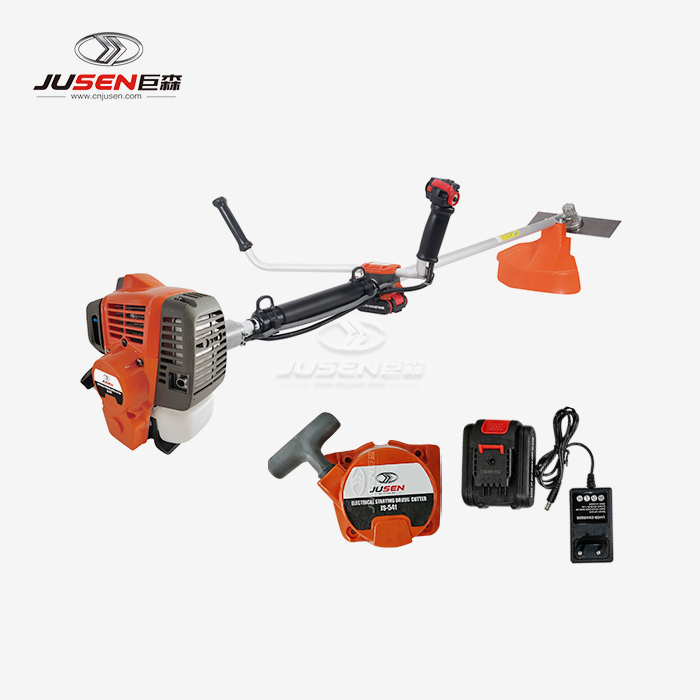 VIEW MOREElectric Start 2-Stroke Gasoline Brush Cutter
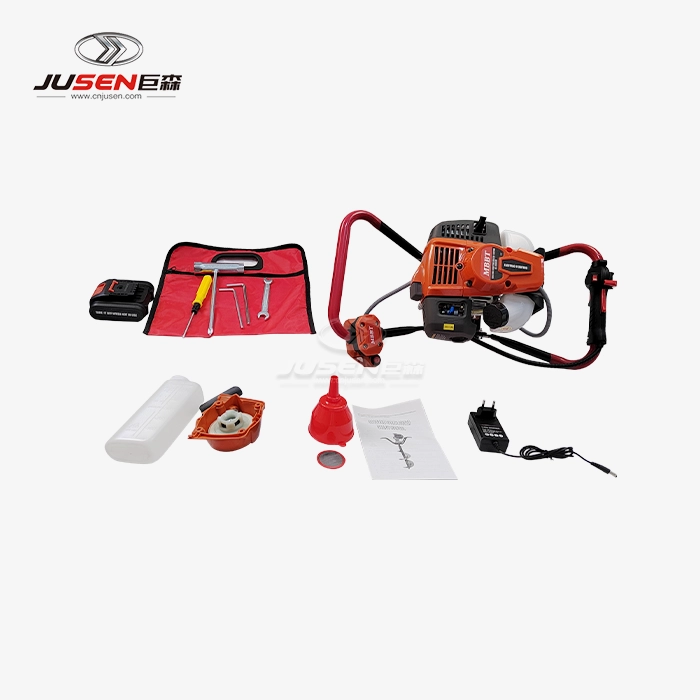 VIEW MORE43cc 2-Stroke Electric-Start Earth Auger
_1778216324004.webp) VIEW MORE52cc 2-Stroke Hand Pushed Sweeping Machine
VIEW MORE52cc 2-Stroke Hand Pushed Sweeping Machine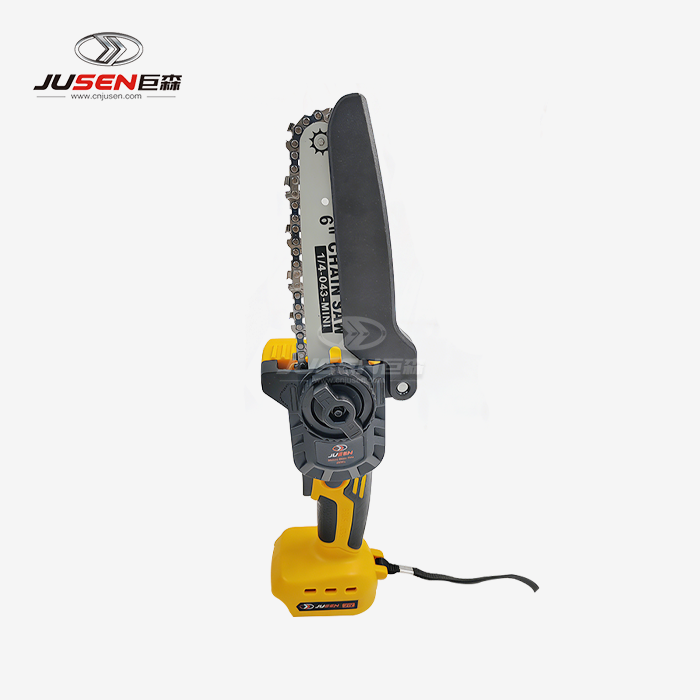 VIEW MOREBrushless Mini Cordless Chainsaw
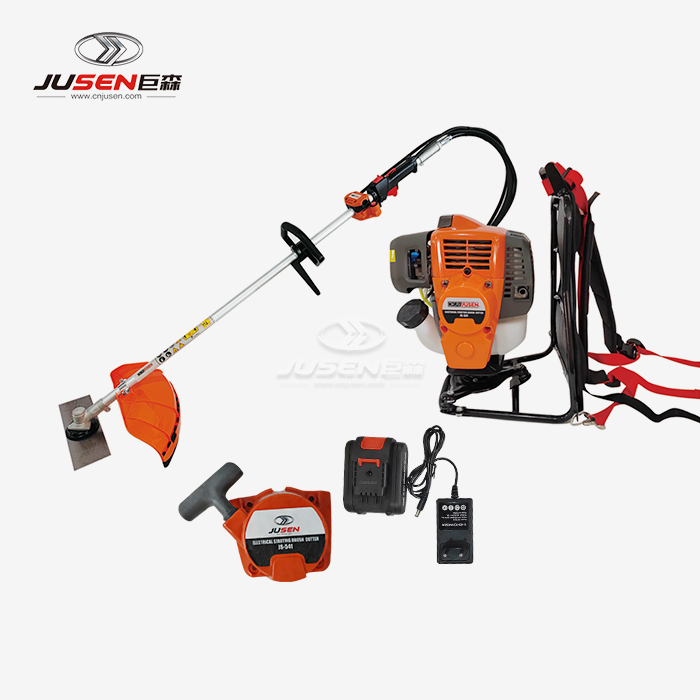 VIEW MORE43cc Electric Start Gasoline Brush Cutter
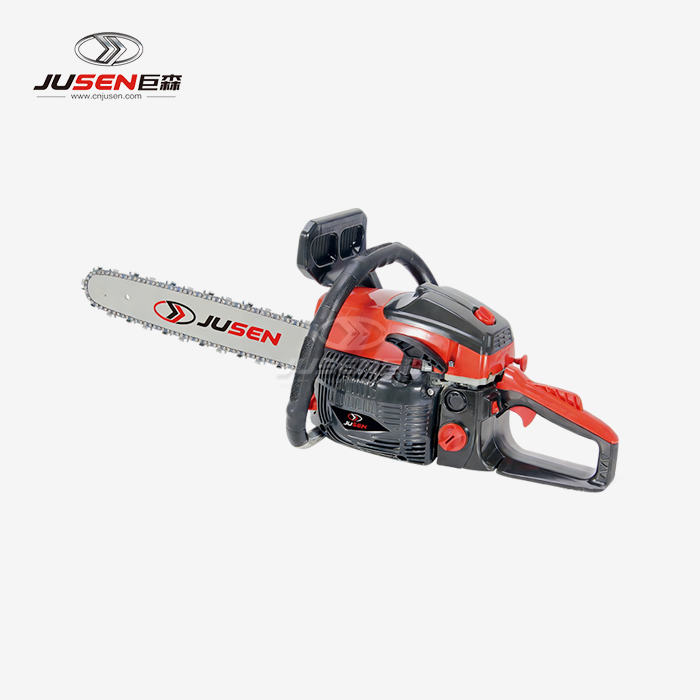 VIEW MORE62cc Gas Chain Saw
 VIEW MORE37.2cc Gasoline Chainsaw
 VIEW MORE65cc Gas Powered Chainsaw