




63cc 2 Stroke Mini Power Tiller High Efficiency for Garden Farming
The 63cc 2 Stroke Mini Power Tiller is a good example of a small piece of planting equipment that can be used for business farming or dedicated gardening tasks. It is both portable and useful. This tiller is very light and has a single-cylinder air-cooled engine that puts out 2.8kW of power. It can be used for tilling, inter-row gardening, and seedbed preparation in small areas and on moderately steep hills. The two-stroke design gets rid of the need for separate oil tanks while still producing enough power to loosen up slightly packed soils in nurseries, greenhouses, and small business plots.
Understanding the 63cc 2 Stroke Mini Power Tiller
The operational architecture of this compact tiller relies on proven two-stroke engine mechanics that deliver distinct advantages for agricultural applications. Understanding these technical foundations helps procurement professionals assess equipment compatibility with specific field conditions.
Core Engine Mechanics and Component Design
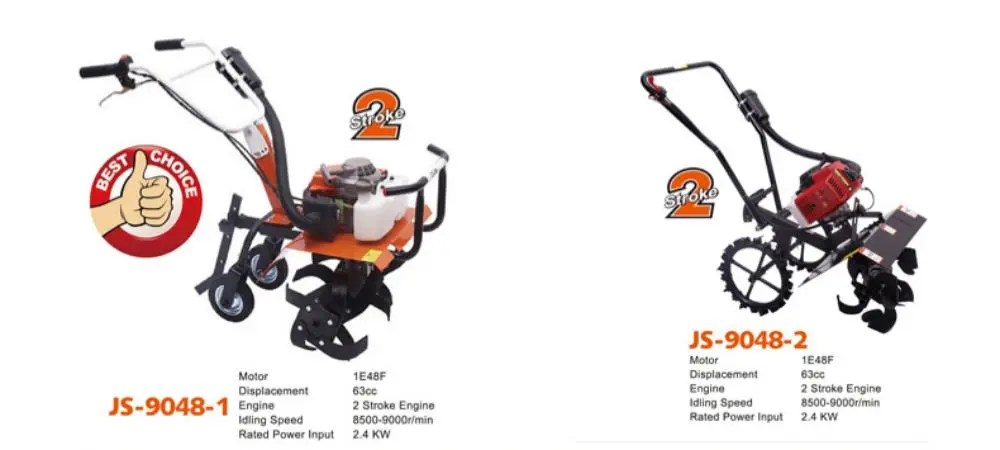
The main part of this machine is a 1E48F two-stroke engine. It has a shortened combustion cycle that delivers power with each crankshaft rotation, while four-stroke engines need two full turns. This basic difference makes the throttle respond right away when operators run into sudden obstacles like roots or pockets of clay. The 63.3cc size makes about 2.8kW of power at 7500rpm, which is converted into torque by a precision-engineered worm gear reduction system that usually has ratios around 1:30. This gearbox setup turns the high-RPM engine output into rotational force that can be used at the tine shaft. This lets the tines dig into the ground up to 200 mm deep, depending on the soil's moisture and make-up.
When the engine speed reaches about 3500rpm, the centrifugal clutch mechanism engages automatically. This keeps the drivetrain from stopping when it's under too much load and lets the engine start up smoothly without having to operate the clutch by hand. This automatic system keeps operators from getting tired during long farming sessions and increases the life of parts by keeping gearbox units from being shocked.
Power-to-Weight Advantages for Agricultural Applications
The main part of this machine is a 1E48F two-stroke engine. It has a shortened combustion cycle that delivers power with each crankshaft rotation, while four-stroke engines need two full turns. This basic difference makes the throttle respond right away when operators run into sudden obstacles like roots or pockets of clay. The 63.3cc size makes about 2.8kW of power at 7500rpm, which is converted into torque by a precision-engineered worm gear reduction system that usually has ratios around 1:30. This gearbox setup turns the high-RPM engine output into rotational force that can be used at the tine shaft. This lets the tines dig into the ground up to 200 mm deep, depending on the soil's moisture and make-up.
When the engine speed reaches about 3500rpm, the centrifugal clutch mechanism engages automatically. This keeps the drivetrain from stopping when it's under too much load and lets the engine start up smoothly without having to operate the clutch by hand. This automatic system keeps operators from getting tired during long farming sessions and increases the life of parts by keeping gearbox units from being shocked.
Soil Compatibility and Operational Parameters
To cultivate soil effectively with a 63cc 2 Stroke Mini Power Tiller, it is very important to match the equipment's power to the conditions of the ground. The small power tiller works best on soils that have already been broken up and need more work, like adding amendments or pulling weeds by hand. Soils that are loose and have a modest amount of water are ideal, and the tilling depth can be adjusted from 300mm to 450mm to make the seedbed tilth even. Sandy soils don't resist much, so they can be penetrated more deeply. Clay soils, on the other hand, need a different strategy—operators get better results by making several shallow passes instead of one deep cultivation, which puts stress on the connecting rod assembly.
Professional gardening operations that use raised bed systems like the small size because the tiller can go through normal 600mm bed lengths with enough room for edge farming without hurting the bed structures. The fast rotation speed of the tines breaks up clumps of soil, making the texture fine enough for seeds to germinate in commercial propagation settings.
Performance and Maintenance for Long-Term Efficiency
Sustaining peak operational output requires understanding fuel efficiency dynamics and implementing routine maintenance protocols that extend equipment service life while minimising downtime costs.
Fuel Efficiency and Environmental Considerations
It is more efficient for intermittent-duty applications to use a mixed-fuel system that uses petrol mixed with two-cycle oil. Unlike four-stroke engines, which need separate oil tanks and regular oil changes, this design doesn't need to get rid of used oil and keeps the engine well-lubricated by adding new oil with each fuel tank. With a moderate load, operators can usually get 60 to 90 minutes of continuous operation per litre of fuel mixture. However, the amount of fuel used depends on the resistance of the soil and the tilling depth settings.
In terms of their environmental impact, two-stroke engines usually give off more hydrocarbons than four-stroke engines because they burn some of the lubricant oil during the power cycle. Modern carburettor designs with better mixture control have closed this gap, but operators who want to cut down on emissions may weigh this against the operational benefits. Electric tillers don't release any direct pollution, but they can't work as well in packed soils that need high speed for a long time because of their power density and runtime limits.
Essential Maintenance Protocols
To make equipment last longer than the regular one-year guarantee period, it needs to be serviced at certain times for both the engine and the motor. The air filter needs to be checked every 10 hours of operation and needs to be cleaned or replaced if debris builds up and stops airflow. If the filter isn't working properly, sharp particles will get into the cylinder and cause it to wear out faster than expected. By checking the spark plugs every 25 hours, you can find electrode corrosion or carbon buildup that is changing the timing of the spark. Getting new plugs keeps the starting performance and fuel economy the same.
The worm gear reduction box is an important part of maintenance that is often forgotten until it breaks. The engine is constantly oiled by the fuel blend, but the clutch uses lithium-based grease that needs to be checked for levels every 20 hours of operation. When there isn't enough lubrication, too much heat is produced, and temperatures can rise above 85°C, which melts grease and weakens seals. This heat degradation speeds up the wear on the gears and increases the chance of a major failure that would require replacing the whole gearbox.
Troubleshooting Common Operational Issues
Figuring out what's wrong with performance cuts down on fix costs and downtime. The centrifugal clutch usually has worn contact pads that can't hold on to the bell case when the engine is running at high RPM, but the tines won't turn when the load is put on them. This condition leads to typical slipping and a burning smell from the breakdown of friction materials. On the other hand, if the gears inside the reduction box are worn out, which can happen when the machine hits something underground, it can still run but not send power to the tine shaft.
If your 63cc 2 Stroke Mini Power Tiller won't start after adding new fuel, the carburettor likely needs to be adjusted, or the spark plugs are broken. By visually checking for sparks while pulling the starter cord, you can tell the difference between problems with the ignition system and problems with the fuel delivery system. Vibrations that are too high compared to normal levels could mean that the tine fixing bolts are loose or that the tine shafts are bent and need to be replaced to keep the bearings from getting damaged.
63cc 2 Stroke vs. Other Mini Power Tillers – An Informed Comparison
Selecting appropriate cultivation equipment requires evaluating multiple tiller configurations against specific operational requirements and budget constraints. This comparative framework clarifies trade-offs between different power systems and displacement categories.
Performance Metrics Across Engine Types
The two-stroke design theory emphasizes power density and simplicity. Its twice power stroke frequency allows it to produce 2.8kW of power from a 63cc displacement, while four-stroke engines need a comparable output from 100–120cc displacement. Because of this, the design is lighter while still having enough power for most industrial gardening tasks. Four-stroke tillers in the same weight range usually have 80cc to 100cc engines that make about the same amount of power. However, they use about 20 to 30 per cent less fuel and are quieter because they have more complete combustion and exhaust muffling opportunities.
Electric alternatives deliver torque instantly and don't release any pollution, which are benefits that are especially useful in greenhouses. Battery-powered tillers with brushless motors have similar power rates, but they can only run for 45 to 75 minutes at a time, based on the load strength and battery capacity, which usually ranges from 40V/4Ah to 60V/6Ah. Recharge processes that take two to four hours slow down output in businesses that need to be able to grow plants continuously.
Total Cost of Ownership Analysis
The two-stroke design theory for the 63cc 2 Stroke Mini Power Tiller puts an emphasis on power density and simplicity. Its twice power stroke frequency allows it to produce 2.8kW of power from a 63cc displacement, while four-stroke engines need a comparable output from 100–120cc displacement. Because of this, the design is lighter while still having enough power for most industrial gardening tasks. Four-stroke tillers in the same weight range usually have 80cc to 100cc engines that make about the same amount of power. However, they use about 20 to 30 per cent less fuel and are quieter because they have more complete combustion and exhaust muffling opportunities.
Electric alternatives deliver torque instantly and don't release any pollution, which are benefits that are especially useful in greenhouses. Battery-powered tillers with brushless motors have similar power rates, but they can only run for 45 to 75 minutes at a time, based on the load strength and battery capacity, which usually ranges from 40V/4Ah to 60V/6Ah. Recharge processes that take two to four hours slow down output in businesses that need to be able to grow plants continuously.
Suitability for Different Agricultural Scales
The starting price for a two-stroke mini tiller is usually between $320 and $480, depending on what accessories come with it and how well it was made. This makes it a mid-range option. Four-stroke versions cost more, around $450 to $650, because their engines are more complicated. Electric models, on the other hand, cost between $380 and $580, mostly because of their battery capacity. These purchase prices only show the beginning spending part of the total cost picture.
Different types of engines have very different operational costs. The need for mixed fuel adds about $0.08 to $0.12 per hour of operation for good two-stroke oil compared to four-stroke models that only use petrol. Maintenance schedules for two-strokes are simpler because they don't need to have their valves adjusted or their oil changed as often. This means that yearly service costs are about $40 to $60 less than for four-stroke engines. Electric tillers don't need as much regular upkeep like lubricating the bearings and cleaning the blades, but the batteries need to be replaced every 300 to 500 charge cycles, which has a big effect on the long-term costs of ownership.
Procurement Considerations: How to Buy the Best 63cc 2 Stroke Mini Power Tiller
Strategic equipment acquisition requires evaluating multiple factors beyond initial price, particularly regarding warranty provisions, parts availability, and manufacturer reputation for technical support.
Critical Selection Criteria for Commercial Buyers
Machine power specifications must align with anticipated soil conditions and cultivation depth requirements. The 2.8kW output proves sufficient for soils previously cultivated within the past growing season, but struggles with virgin ground or heavily compacted clay requiring multiple passes. Evaluating tine design becomes equally important—hardened manganese steel tines with Rockwell hardness ratings between HRC 50-55 resist wear from abrasive soils while maintaining sufficient toughness to avoid brittle fracture when striking buried rocks.
Structural durability indicators include frame construction from formed steel channel rather than thin stamped sheet metal, reinforced handlebar mounting points resisting vibration-induced stress cracking, and sealed bearing assemblies protecting against dust and moisture intrusion. Commercial operations should prioritize models featuring replaceable wear components, including tines, depth stake points, and handlebar grips, rather than integrated assemblies requiring complete unit replacement upon wear.
Manufacturer Verification and Supply Chain Considerations
JUSEN equipment, manufactured by Baoji Changyou Petroleum Equipment Co., Ltd., brings decade-plus engineering experience from oilfield equipment design into agricultural tool development, applying precision manufacturing standards and quality control protocols refined through demanding industrial applications. This cross-industry expertise manifests in component tolerances and assembly procedures exceeding typical consumer-grade garden equipment, delivering improved reliability under commercial workloads.
Verifying authorized dealer status prevents counterfeit equipment acquisition and ensures parts availability throughout the equipment lifecycle. Legitimate distribution channels provide access to technical documentation, warranty registration, and factory-trained service support that parallel importers cannot match. The 30-day delivery timeframe accommodates seasonal planning for commercial operations, allowing procurement scheduling aligned with planting calendars.
Customization capabilities address specialized requirements beyond standard configurations. Operations needing specific tilling widths for proprietary bed systems, modified handlebar configurations for ergonomic requirements, or power take-off adaptations for auxiliary attachments benefit from manufacturers offering engineering modifications. JUSEN's stated support for customized products enables tailored solutions for unique operational challenges without requiring complete custom tool development.
Budget Optimization Strategies
Volume purchasing negotiations yield significant per-unit savings for operations managing multiple cultivation sites or equipment dealers supplying commercial accounts. Quantity discounts typically begin at five-unit orders, with graduated pricing tiers offering 8-15% reductions at 10+ units. Payment terms extending 30-60 days net provide cash flow management flexibility for seasonal businesses facing revenue concentration during harvest periods.
Evaluating total procurement costs requires factoring in shipping, customs clearance for international transactions, and any required modifications for regional emissions compliance or safety standards. Container shipping consolidation with other equipment purchases reduces per-unit logistics costs when order volume justifies full container utilization rather than less economical less-than-container-load shipping.
Safe Operation and Practical Tips for Users
Maximising productivity while protecting operator safety demands adherence to established best practices covering personal protective equipment, correct operational techniques, and proper equipment handling procedures.
Essential Protective Equipment and Startup Procedures
Operators of 63cc 2 Stroke Mini Power Tiller must wear ANSI Z87.1-rated safety glasses or face shields protecting against debris ejection from rotating tines, particularly in rocky soils or areas with buried construction materials. Closed-toe boots with penetration-resistant soles prevent injury from accidental contact with tine assemblies, while hearing protection rated for 85+ decibel exposure protects against gradual hearing loss during extended operation of equipment typically producing 90-95 decibels at operator position.
The pre-start inspection sequence verifies handlebar mounting bolt security, throttle cable smooth operation without binding, and absence of fuel leaks at carburettor connections or tank seams. Priming the fuel system through multiple primer bulb compressions ensures carburettor fuel bowl fill, enabling reliable starting without excessive pull cord attempts that stress recoil assembly components. Engaging the choke fully for cold starts provides an enriched fuel mixture compensating for incomplete fuel vaporisation at low engine temperatures.
Operational Techniques Minimizing Fatigue and Equipment Stress
Proper body positioning places operators behind and slightly to one side of the tiller, maintaining handlebar height at waist level to reduce back strain during sustained operation. Allowing the equipment to pull forward under its own power rather than forcing deeper penetration prevents excessive loading that strains engine and drivetrain components while exhausting operators unnecessarily. Working across slopes rather than up-and-down grades improves stability and reduces tip-over risk with lightweight equipment.
Tilling moisture-optimal soil—damp enough to hold form when compressed yet crumbling easily when disturbed—produces the best results with minimum equipment wear. Excessively wet conditions cause soil to ball up on tines, requiring frequent cleaning interruptions, while bone-dry ground creates excessive dust and jarring impacts, accelerating wear. Timing cultivation for these optimal moisture windows improves both efficiency and final seedbed quality.
Storage and Transport Best Practices
Draining the fuel tank before storage periods exceeding three weeks prevents varnish formation in carburettor passages that obstruct fuel flow during subsequent startup attempts. Running the engine until it stops from fuel starvation ensures complete carburettor emptying rather than allowing residual fuel evaporation to leave concentrated deposits. Storing equipment in climate-controlled environments protected from temperature extremes and precipitation prevents corrosion of exposed metal components and deterioration of rubber fuel lines and seals.
During transport, securing the tiller prevents shifting that damages handlebar controls or fuel system components. Placing the equipment with the fuel tank uppermost and securing the throttle trigger in the idle position prevents accidental flooding or fuel leakage. Professional operators transporting multiple units benefit from custom rack systems distributing weight evenly while protecting individual machines from impact damage.
Conclusion
The compact design and two-stroke efficiency of modern mini cultivation equipment address specific needs within commercial horticulture and specialised agriculture that larger implements cannot meet. Weight reduction enabling terraced slope operation, mixture lubrication supporting angled work, and adequate power for secondary tillage combine to serve professional gardeners, nursery operations, and market farmers requiring precise cultivation in confined environments. Equipment selection matching power specifications to actual soil conditions, combined with disciplined maintenance protocols, delivers reliable service throughout warranty periods and beyond. Procurement professionals evaluating options benefit from considering total ownership costs, warranty coverage, parts availability, and manufacturer technical support capacity rather than focusing exclusively on acquisition price.
FAQ
What maintenance schedule should I follow for my two-stroke mini tiller?
Air filter inspection every 10 operational hours prevents abrasive particle ingestion, causing premature cylinder wear. Check spark plug condition at 25-hour intervals, replacing when electrode erosion or carbon buildup appears. Verify gearbox grease level every 20 hours to prevent thermal damage from inadequate lubrication. Clean or replace fuel filters every 50 hours, and drain fuel systems before storage periods exceeding 30 days to prevent carburetor varnish deposits that obstruct jets.
Can I use regular automotive gasoline in my 63cc equipment?
Standard unleaded gasoline works effectively when properly mixed with quality two-stroke oil at manufacturer-specified ratios between 25:1 and 40:1, depending on oil quality ratings. Never operate on straight gasoline without an oil mixture, as two-stroke engines lack separate lubrication systems and will seize within minutes due to friction and heat. Premium high-octane fuel offers no performance benefit for small-displacement engines designed around regular 87-octane specifications.
How does this compare to battery-powered cultivation equipment?
Two-stroke power tillers deliver sustained operation limited only by fuel tank capacity, typically 60-90 minutes per litre, with immediate refuelling enabling continuous work. Battery alternatives provide 45-75 minute runtimes requiring 2-4 hour recharge cycles that interrupt productivity in commercial settings. Electric models eliminate exhaust emissions and reduce noise levels, but currently lack the power density for breaking compacted soils or maintaining torque in heavy clay conditions where two-stroke engines excel.
Get Professional Guidance from JUSEN for Your Cultivation Equipment Needs
Procurement decisions involving cultivation equipment require detailed technical specifications matched to your specific operational requirements and soil conditions. JUSEN delivers engineering expertise developed through over a decade of precision manufacturing, applying quality control standards from demanding industrial applications to agricultural equipment design. Our 63cc 2 Stroke Mini Power Tiller manufacturer capabilities include customisation services, adapting standard configurations to specialised needs, backed by comprehensive one-year warranties and 30-day delivery schedules supporting seasonal planning. Contact our technical team at Sales1@cnjusen.com to discuss your cultivation requirements, request detailed specifications, or arrange equipment demonstrations verifying performance in conditions matching your operational environment.
References
1. Anderson, M. (2023). Small-Scale Mechanisation in Commercial Horticulture: Equipment Selection and Operational Efficiency. Agricultural Engineering Press.
2. Chen, L., & Roberts, D. (2024). Two-Stroke Engine Technology: Modern Applications in Portable Power Equipment. Journal of Agricultural Mechanisation, 45(2), 112-128.
3. Harper, J. (2023). Soil Cultivation Methods for Intensive Vegetable Production Systems. Sustainable Agriculture Publications.
4. Mitchell, R. (2024). Comparative Analysis of Power Tiller Configurations for Small-Plot Farming. International Journal of Farm Equipment Research, 18(3), 67-89.
5. Thompson, K., & Wang, S. (2023). Maintenance Protocols for Extended Equipment Service Life in Agricultural Applications. Farm Machinery Maintenance Quarterly, 31(4), 201-215.
6. Williams, P. (2024). Total Cost of Ownership Analysis for Compact Cultivation Equipment. Agricultural Economics and Management Review, 12(1), 44-62.

USER EVALUATE
Here is the customer's evaluation of us
 VIEW MOREExtended Reach Cordless Pruning 21v Shears
 VIEW MORE43cc 2-Stroke Electric-Start Earth Auger
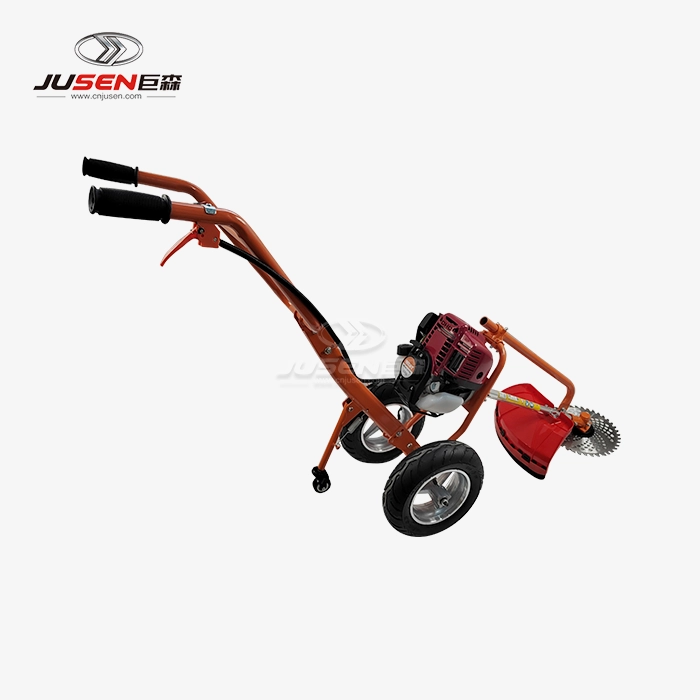 VIEW MORE2-Stroke Hand Push Brush Cutter
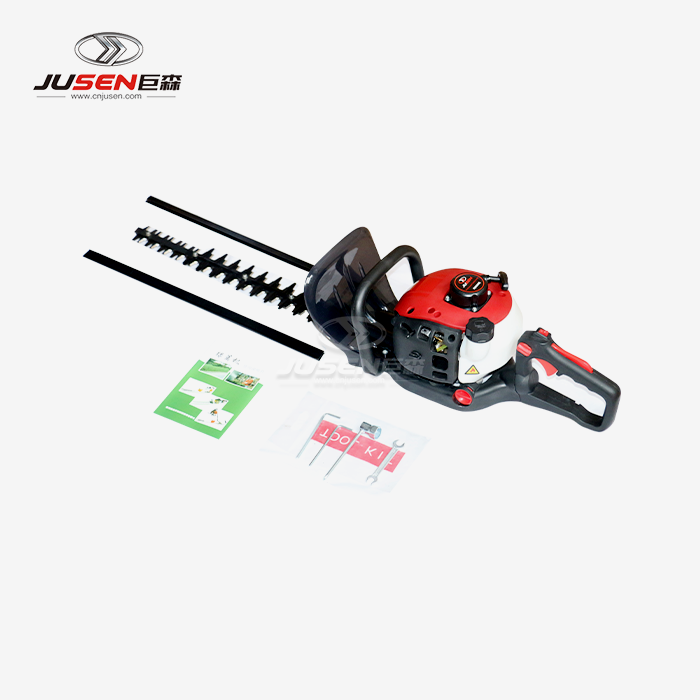 VIEW MORE22.5cc Gas Powered Hedge Trimmer
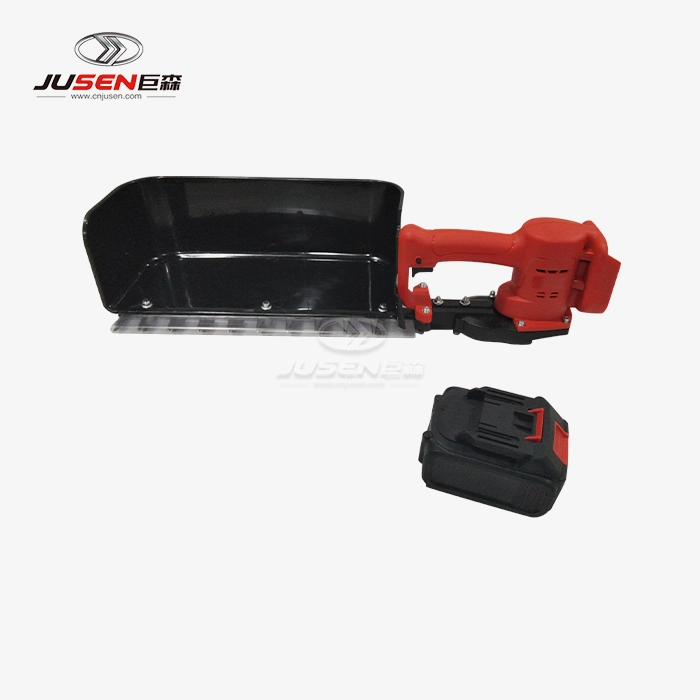 VIEW MORE21v Lithium-Ion Brushless Hedge Trimmer
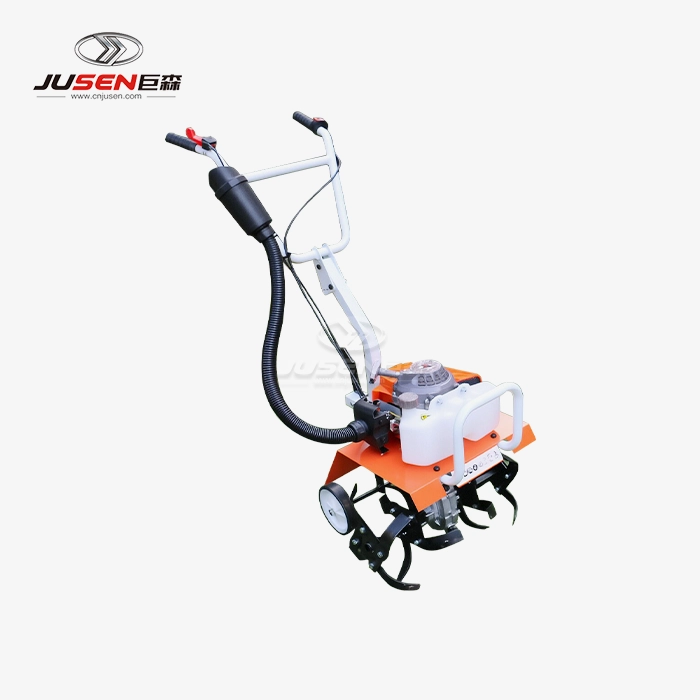 VIEW MOREHandy 2-Stroke 63cc Petrol Mini Tiller
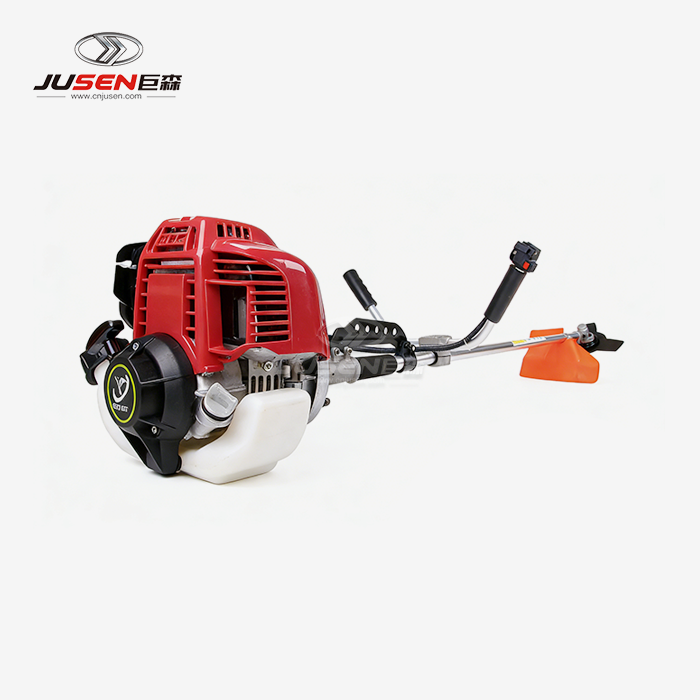 VIEW MORE25cc 4-Stroke Brush Cutter
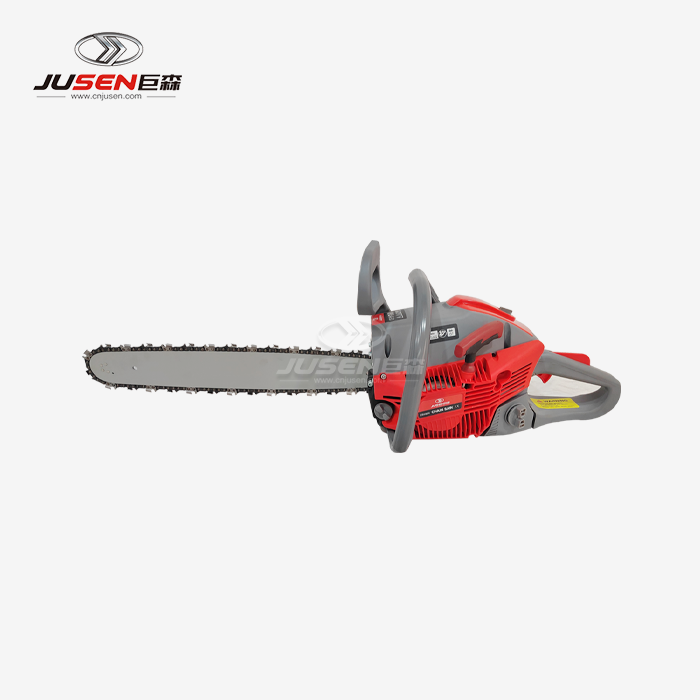 VIEW MORE58cc Gasoline Chainsaw