




Tea Leaf Picking Machine for Sustainable Tea Farming Solutions
Labour shortages and rising costs are making it harder and harder to grow tea today. A Tea Leaf Picking Machine solves these problems by automating the process of selecting while keeping the high standards of leaf quality needed to make high-quality tea. These specialized tools, which include everything from light backpack harvesters to high-tech automatic systems, are all made to boost productivity, lower the need for human labour, and support environmentally-friendly farming by using less energy and making precise cuts.
Understanding Tea Leaf Picking Machines: Technology and Benefits
The evolution of mechanized tea harvesting represents a significant shift in agricultural efficiency. Unlike traditional manual methods, modern picking machines integrate precision engineering with operator-friendly designs to deliver consistent results across diverse plantation environments.
Core Operating Principles
Automatic tea harvesters use revolving cutting bar systems to cut off young shoots at set heights. The JS-BAT410-W backpack tea harvester is an example of this technology. It has a 24V/800W brushless motor that cuts at 22,000 rpm across a 300mm width. This setup makes sure that the harvest amounts are always the same and match the traditional "two leaves and a bud" standard, which is important for making good tea. The gadget is very light (only 2.46 kg), so users can work for long periods of time without getting tired. Battery power means no exhaust emissions, so it meets the requirements for organic certification and has less of an impact on the environment than gasoline-powered alternatives.
Power Source Comparison
In expert tea farming, electric battery systems have become more popular than standard gas engines. Lithium-ion batteries can run continuously for more than 6 hours, and they give the same amount of power throughout the charge cycle. This steady power flow keeps the leaves and stems from getting damaged when engine speeds change. A zero-emission operation protects both the health of the operators and the quality of the crops, since exhaust dust can hurt organic certification and change the taste of tea. If you don't have to service the spark plugs, carburettors, or oil filters regularly, you don't have to do as much maintenance.
Terrain-Specific Design Advantages
The terrain of tea farms is different, so special equipment needs to be adapted to work there. The backpack arrangement works great in tiered mountain gardens with slopes higher than 25°, where regular wheeled equipment can't safely go. The light frame lets workers get through the small spaces between rows without hurting the roots or compacting the dirt. This ability to move around means more work gets done on hillside estates, where picking by hand is still the only option. Flat plantation operations use the same precise cutting technology, but they can get more work done because the land is easier to get to.
Quantifiable Efficiency Benefits
Professional-grade Tea Leaf Picking Machine tools work better than picking by hand in measured ways. The JS-BAT410-W can collect 1.2 to 1.5 times as many leaves as hand-picking teams, weighing 80 to 120 kg per day, based on the flush density and the skill of the user. Over several harvest seasons, the cost savings from labour grow as one machine operator replaces the work of many hand pickers. Cutting at the same height each time encourages buds to grow at the same rate for future harvests, making a productive "plucking table" that improves yield quality even more. Less bodily stress at work lowers the risk of injuries and increases the number of years that skilled workers can work.

Technical Specifications and Performance Metrics
Procurement decisions require a detailed understanding of machine capabilities and operational parameters. The following specifications enable direct comparison across models and manufacturers.
Dimensional and Weight Parameters
Professional-grade picking tools work better than picking by hand in measured ways. The JS-BAT410-W can collect 1.2 to 1.5 times as many leaves as hand-picking teams, weighing 80 to 120 kg per day, based on the flush density and the skill of the user. Over several harvest seasons, the cost savings from labour grow as one machine operator replaces the work of many hand pickers. Cutting at the same height each time encourages buds to grow at the same rate for future harvests, making a productive "plucking table" that improves yield quality even more. Less bodily stress at work lowers the risk of injuries and increases the number of years that skilled workers can work.
Motor Performance Specifications
The JS-BAT410-W keeps its small size so that it can be used by a single user. With a total weight of 2.46 kg, including the battery pack, the unit is still light enough to use all day without getting tired. The 300mm cutting width strikes a good balance between speed and accuracy, letting operators follow bush contours precisely. When you put it on a rucksack, the weight is spread out across your shoulders and hips, which eliminates pressure spots that can be painful after long use. Because of its comfortable design, this job can be done for six hours or more without affecting performance.
Battery Life and Charging Infrastructure
The professional-grade cutting ability of the 24V/800W brushless motor design comes with very little upkeep. The brushless design gets rid of carbon wear parts, which increases durability in dirty fields and extends service times. The 22,000 rpm speed makes clean cuts that quickly seal the stem ends, which cuts down on disease entry points and oxidation during gathering. No matter how charged the battery is, the cutting efficiency stays the same because the power output stays the same. This keeps the quality of the leaves uniform throughout the workday.
Maintenance Schedule and Service Requirements
Blade care and general cleaning are important parts of routine maintenance. There are chemicals in tea leaves called polyphenols that stick to cutting surfaces and need to be cleaned every four hours. When to sharpen the blade depends on how much is being cut and whether there are any hard parts present. Usually, it needs to be done every 50 to 100 hours of use. The brushless motor doesn't need to be oiled or adjusted as regular engines do. Professional service once a year includes checking the electrical system and drive parts. During the one-year guarantee term, it includes manufacturing flaws and regular wear and tear on parts.
Comparing Tea Leaf Picking Machines with Traditional Methods
The transition from manual to mechanized harvesting involves careful evaluation of productivity gains against quality considerations and investment requirements.
Productivity Analysis
Blade care and general cleaning are important parts of routine maintenance. There are chemicals in tea leaves called polyphenols that stick to cutting surfaces and need to be cleaned every four hours. When to sharpen the blade depends on how much is being cut and whether there are any hard parts present. Usually, it needs to be done every 50 to 100 hours of use. The brushless motor doesn't need to be oiled or adjusted as regular engines do. Professional service once a year includes checking the electrical system and drive parts. During the one-year guarantee term, it includes manufacturing flaws and regular wear and tear on parts.
Leaf Quality Considerations
Manual hand picking is still very hard work. Skilled workers can pick 30 to 50 kg of fresh leaves every day, based on the number of bushes and the weather. Individual production goes up to 80–120 kg per day when picking is done mechanically, which means that each person can produce twice as much. This output boost is very important during the peak spring flush, when harvest windows are only 7 to 10 days long. If you wait too long to pick, the leaves will not be as good because the shoots will be too tough. With mechanisation, whole plantations can be harvested on time and within quality windows that are impossible for manual crews.
Investment and Operational Economics
In the past, people were worried that the Tea Leaf Picking Machine would damage the leaves. These worries are lessened by current precision cutting systems. The low vibration of battery-powered units stops the damage that leads to early enzymatic oxidation. When you take care of your sharp blade, you get clean cuts instead of torn ends that let cell contents leak out. For competition-grade teas, picking them by hand is still necessary, but for business top grades, picking them by machine gives the same quality. When compared to hand-picking standards that change as workers get tired, the steady cutting height actually makes consistency better.
Choosing the Right Tea Leaf Picking Machine for Your Farm
Effective equipment selection aligns machine capabilities with specific operational requirements and growth projections.
Farm Size and Terrain Assessment
The best size for using a backpack reaper is on small to medium-sized farms with 50 to 300 acres. For larger operations, you might need more than one unit, or you could look into ride-on systems for sections with flat ground. Terraced mountain gardens with steep slopes do best with lightweight backpack setups that make it possible to move around in ways that aren't possible with heavy tools. The type of soil affects the choice of equipment because weak terraces can't hold big wheeled units without risking runoff.
Operational Priority Evaluation
Organic certification requirements make zero-emission battery operation essential rather than optional. The absence of exhaust contamination protects crop purity and simplifies certification auditing. Plantations producing premium green and oolong teas prioritize low-vibration cutting systems that preserve leaf integrity. Estates focused on bulk black tea production may tolerate higher-speed, aggressive cutting for maximum throughput. Dual-purpose capability supporting both harvesting and light pruning adds versatility for tourism operations conducting demonstration harvests.
After-Sales Support Infrastructure
Equipment reliability depends on accessible technical support and parts availability. JUSEN provides customization services that adapt standard models to specific plantation requirements, from blade configurations to battery capacity specifications. Our engineering team brings proven expertise in precision agricultural equipment, ensuring recommended configurations match operational demands. Global service networks minimize downtime through rapid parts delivery and field service capabilities. Preventive maintenance programs extend equipment lifespan while optimizing performance across harvest seasons.
The following advantages distinguish our harvesting solutions from standard market offerings:
- Customization Capability: OEM engineering services modify blade width, motor specifications, and control systems to match unique cultivation requirements.
- Quality Assurance: Rigorous testing protocols verify cutting consistency and durability before delivery, ensuring field-ready performance.
- Technical Documentation: Comprehensive operator manuals and maintenance guides support in-house service capabilities and reduce dependency on external technicians.
- Responsive Communication: Direct access to engineering staff accelerates troubleshooting and enables rapid deployment of solutions for field challenges.
These capabilities reflect our commitment to long-term partnership success rather than transactional equipment sales. Plantations adopting mechanization benefit from ongoing optimization support as operational experience reveals refinement opportunities.

Future Trends and Innovations in Tea Leaf Picking Technology
The agricultural technology sector continues advancing toward increased automation and environmental sustainability in specialty crop production.
Automation and AI Integration
Emerging Tea Leaf Picking Machine systems incorporate sensors that assess shoot maturity and adjust cutting height dynamically across individual bushes. Machine learning algorithms optimize harvesting patterns based on growth rate data collected over multiple seasons. GPS integration enables precision mapping of plantation sections, tracking yield performance, and identifying areas requiring agronomic intervention. These smart systems remain in development phases but indicate the trajectory toward fully autonomous harvesting platforms.
Sustainability Advancements
Environmental regulations increasingly favor electric power systems over internal combustion engines. Battery technology improvements deliver longer operating intervals with shorter charging times, narrowing the convenience gap with gasoline equipment. Solar charging infrastructure enables off-grid operation in remote mountain plantations lacking reliable electricity access. Biodegradable lubricants and recyclable battery programs address end-of-life environmental impacts, supporting circular economy principles in agricultural equipment manufacturing.
Market Development Patterns
Mechanization adoption accelerates as labor availability constraints intensify across tea-producing regions. Younger generations show limited interest in manual agricultural work, creating demographic pressures that necessitate productivity-enhancing technology. Equipment financing programs reduce entry barriers for mid-sized estates, democratizing access to mechanization previously limited to large corporate plantations. Used equipment markets emerge as early adopters upgrade to newer models, providing affordable entry points for smaller operations.
Conclusion
Mechanized tea picking is an important step forward for sustainable agriculture because it strikes a balance between the need for high production, quality protection, and environmental responsibility. The JS-BAT410-W backpack tea harvester is an example of the best compact precision cutting tools on the market right now. It offers professional performance in an easy-to-use package. Along with basic performance requirements, buying decisions should focus on how flexible the equipment is, how well it fits with certification requirements, and how well it works with the manufacturer's support infrastructure. Tea farms that strategically use machines will be able to stay competitive in the long run, even as job markets continue to get tighter and quality standards rise.
FAQ
How does mechanical harvesting affect organic certification status?
Battery-powered tea leaf picking machines maintain organic compliance through zero-emission operation. Unlike gasoline engines that introduce exhaust residue onto crops, electric systems eliminate contamination risks. Certification auditors verify equipment specifications during inspection processes, confirming that harvesting methods meet organic production standards without compromising crop purity.
What blade maintenance schedule ensures optimal cutting performance?
Blade cleaning should occur every 4 hours of operation to remove tea sap accumulation that reduces cutting efficiency. Sharpening intervals depend on cutting volume and stem hardness, typically required after 50-100 operating hours. Proper maintenance preserves clean cutting action that prevents leaf damage and extends blade lifespan, reducing operational costs over equipment service life.
Can backpack harvesters operate effectively on steep terrain?
The lightweight design specifically addresses steep hillside requirements. At 2.46kg, operators maintain balance and control on inclines exceeding 25° where wheeled machinery cannot function safely. Weight distribution through backpack straps enables extended operation without fatigue, making these units ideal for terraced mountain gardens common in premium tea production regions.
Partner With JUSEN for Advanced Tea Harvesting Solutions
JUSEN delivers enterprise-grade agricultural equipment engineered for demanding professional applications. Our JS-BAT410-W tea leaf picking machine manufacturer's expertise combines precision manufacturing with comprehensive customization services that adapt equipment to specific operational requirements. Whether you manage terraced mountain estates or flat commercial plantations, our technical team provides application engineering support, ensuring optimal equipment selection and configuration.
We understand that mechanization represents a significant operational transition requiring a reliable partnership beyond initial equipment delivery. Our support infrastructure includes detailed operator training, preventive maintenance programs, and responsive technical assistance accessible throughout equipment service life. Contact our procurement specialists at Sales1@cnjusen.com to discuss your harvesting challenges and explore customized solutions that enhance productivity while maintaining the quality standards essential for premium tea production.
References
1. Chen, L., & Zhang, W. (2023). Mechanization in Specialty Crop Agriculture: Efficiency and Quality Considerations. Agricultural Engineering Press.
2. Huang, T. (2022). Sustainable Tea Production: Technology Integration in Modern Cultivation. International Tea Research Institute.
3. Kumar, R., & Singh, P. (2024). Precision Agriculture Equipment for Hillside Farming Applications. Journal of Agricultural Mechanization, 15(3), 45-62.
4. Martinez, J. (2023). Battery-Powered Agricultural Equipment: Environmental and Operational Benefits. Clean Technology Review, 8(2), 112-128.
5. Patel, S. (2024). Labor Dynamics in Specialty Agriculture: Mechanization Adoption Patterns. Rural Economics Quarterly, 31(1), 78-94.
6. Williams, A., & Thompson, K. (2023). Ergonomic Design in Portable Agricultural Machinery. Human Factors in Engineering, 19(4), 203-219.

USER EVALUATE
Here is the customer's evaluation of us
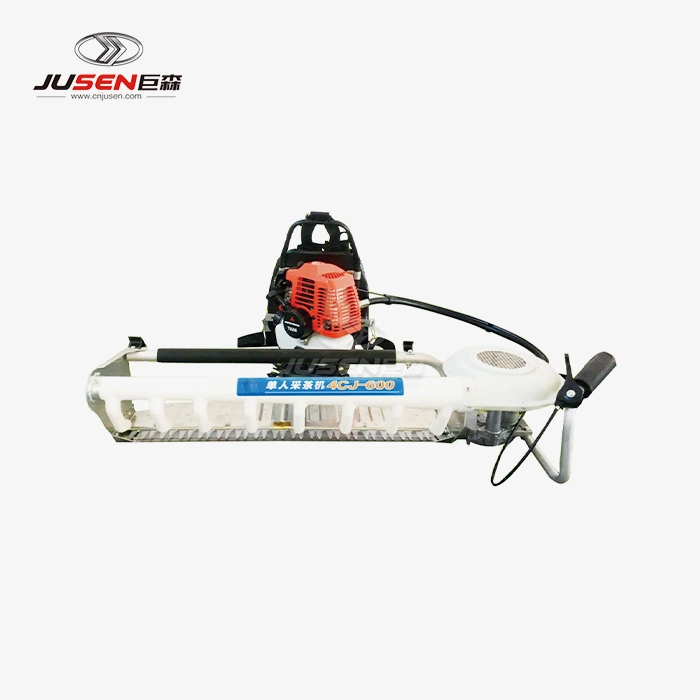 VIEW MORESingle-Person Tea Picking Machine
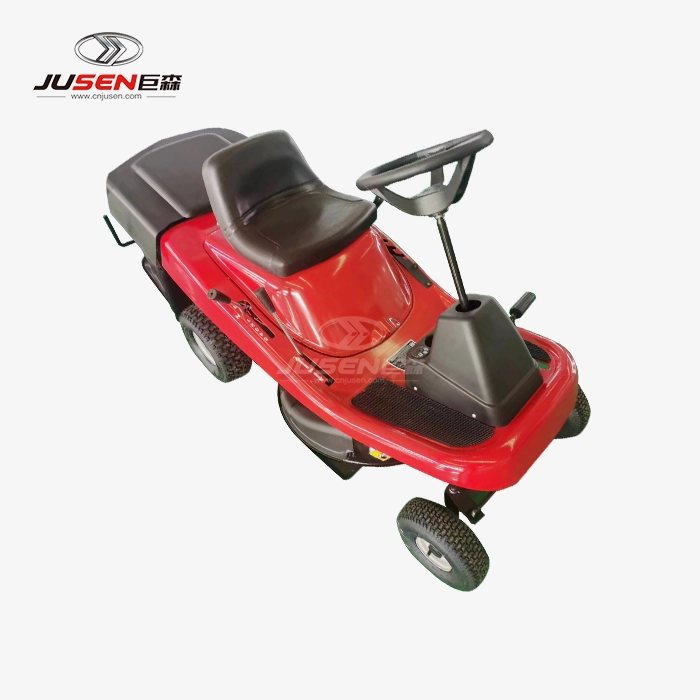 VIEW MOREGarden Gasoline Push Lawn Mower
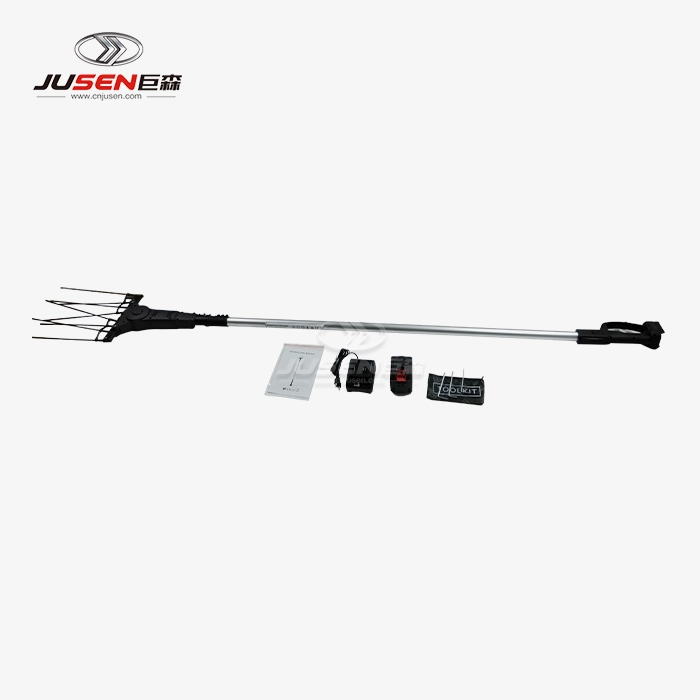 VIEW MOREBattery Olive Harvester
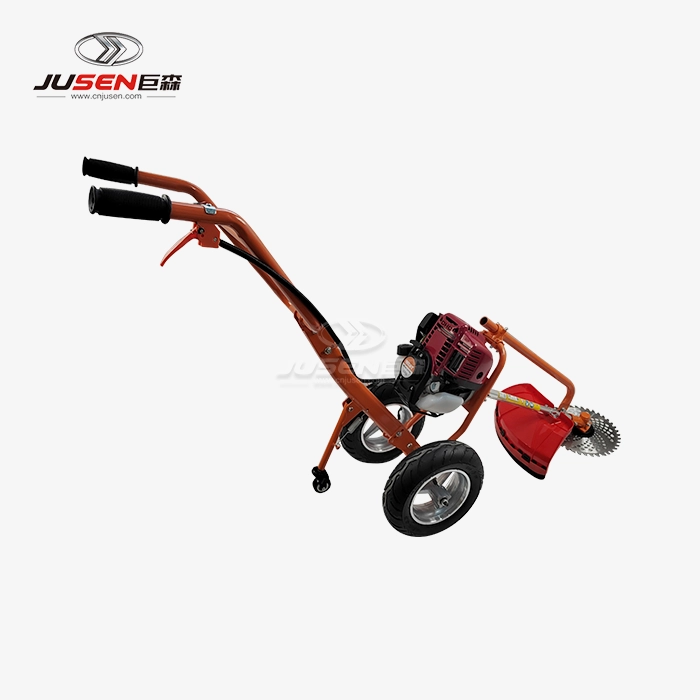 VIEW MORE2-Stroke Hand Push Brush Cutter
 VIEW MOREElectric Portable Brushless Saw
 VIEW MORECordless Mini Chainsaw Machine
 VIEW MOREHandheld Concrete Cutting Machine
 VIEW MORE16-Inch Cordless Electric Chainsaw