




63cc 2 Stroke Mini Power Tiller with Strong Power for Small Farm
The 63cc 2 Stroke Mini Power Tiller is the best tool for farming jobs that need to be efficient without sacrificing manoeuvrability. This small cultivator has the raw power of a 1E48F two-stroke engine and the manoeuvrability needed in small planting areas. This light tiller has a 63cc engine size and is rated at 2.8kW of power. It only weighs 32 kg, which makes it useful for business gardens, hillside farming, and greenhouse operations where big machinery wouldn't work. Its clever rotating clutch and mixed-fuel system produce power consistently in a wide range of dirt conditions.
Understanding the 63cc 2 Stroke Mini Power Tiller: Operation & Benefits
The engineering philosophy behind two-stroke cultivation technology addresses fundamental challenges that procurement managers in agricultural operations face daily. Unlike four-stroke alternatives requiring complex valve trains and lubrication systems, the two-stroke architecture simplifies mechanical design while enhancing power delivery.
Core Operational Mechanics
The air-cooled, single-cylinder engine in this small power tiller is what makes it work. When the engine is running at an idle speed of 8500 to 9000rpm, it makes power every time the crankshaft turns, not every second turn like four-stroke engines do. This basic difference means that the throttle responds right away when it hits root systems or pockets of compacted clay. The carefully designed worm gear reduction box usually has a 1:30 ratio, which turns the high-RPM engine power into a lot of tilling force at ground level.
The rotating gear contact method on this small plough makes it different from consumer-grade tools. Around 3500rpm, the clutch shoes push out against the bell body, easily sending power to the tine assembly. This automatic engagement gets rid of the need to operate the clutch by hand, which keeps operators from getting tired during long farming sessions that cover several field plots.
Operational Advantages for Commercial Applications
The fuel blend requirement—usually a 25:1 or 40:1 gasoline-to-oil ratio, based on the quality of the lubricant—is very important for more than just keeping the engine smooth. This mixture-based lubrication system lets the engine work at steep angles of up to 45 degrees without the risk of running out of oil, which happens with regular four-stroke engines. This angular feature is very useful for businesses that work with sloping farms or tea gardens on hillsides.
Here are the main benefits that people who work in procurement should think about:
Power-to-Weight Efficiency: The whole unit stays ready to use at 32 kg, so it can be moved from one cultivation site to another by a single operator without the need for heavy machinery or multiple people.
Fuel Economy in Long-Term Operations: Mixed-fuel burning allows for about 3–4 hours of constant operation per litre of prepared fuel mixture. This means that it costs less to run than diesel options with the same displacement.
Adaptability Across Soil Types for 63cc 2 Stroke Mini Power Tiller: The tilling width can be changed from 300mm to 450mm by removing the outer tines. This means that operators can set up the machine for narrow inter-row cultivation or wider seedbed preparation without having to use extra tools.
These operating traits directly address the needs for effectiveness and tight budgets that come with modern strategies for mechanizing small farms. One piece of equipment can break up packed dirt, pull weeds between rows, and prepare seedbeds. This cuts down on capital costs while keeping working freedom.
Maintenance Protocols Supporting Long-Term Value
Buying decisions affect more than just the initial cost of the item. For the two-stroke design, you need to pay attention to the worm gear reduction gearbox, which works without the fuel-mixture greasing of the engine. Every 20 hours of use, lithium-based grease (grade #0 or #00) needs to be checked. A lot of early equipment breakdowns are caused by dry gears getting too hot when they're under load, not by problems with the way they were designed.
The air-cooled cylinder's cooling fins should be cleaned every so often to keep them working at their best. Unlike water-cooled systems that need coolant and line upkeep, air cooling systems don't need to be shut down because of freezes in mild areas and are easier to fix in the field.
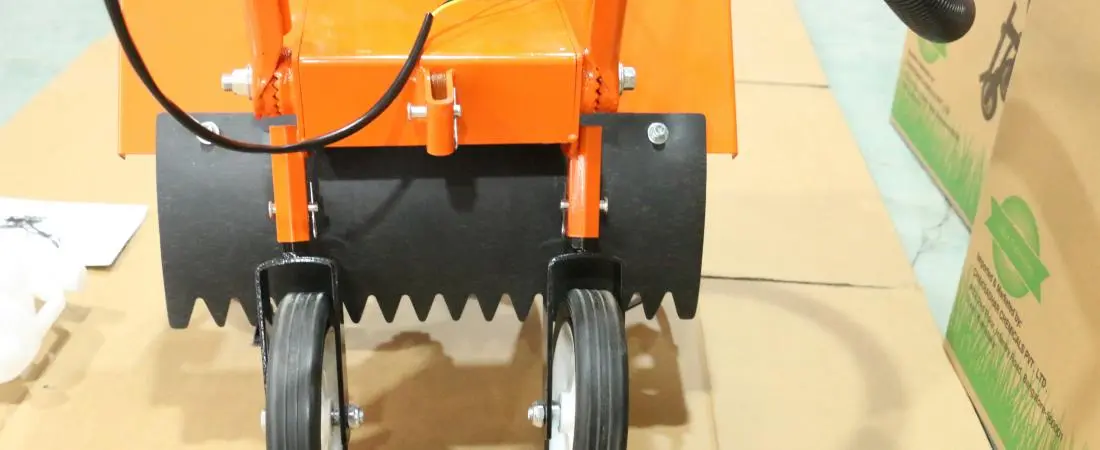
Comparing the 63cc 2 Stroke Mini Power Tiller with Other Models and Technologies
Strategic equipment selection demands understanding how different propulsion technologies align with specific operational requirements. The cultivation equipment market presents three primary technology categories: traditional four-stroke internal combustion, two-stroke internal combustion, and battery-electric systems.
Technology Comparison Framework
Four-stroke engines in the 196cc range are used in heavy-duty farming tools that are made for breaking new ground and deep ploughing. These machines can till up to 250–350 mm deep and weigh between 55 and 75 kg. The bigger displacement gives more torque for primary tillage, but it makes the machine less portable and limits its ability to work at angles. For operations that need to move tools between plots that are not connected, the weight is an issue that often requires trailer transport.
Concerns about noise pollution and emissions are taken care of by battery-electric tillers, which makes them a good choice for greenhouse and urban farming uses. At the moment, lithium-ion technology only lets batteries work for 45 to 60 minutes under load before they need to be charged again, which takes two to four hours. The way the power is delivered works well for light gardening and mixing the soil, but not so well for root-heavy soil or hardpan situations where long-term force is needed.
There is a middle ground with the two-stroke design, which gives enough power for secondary tillage and farming while still being portable. The quick power band and mixed lube system make it possible to use the mower on a variety of terrains without having to deal with the extra weight of bigger four-stroke units or the limited runtime of battery systems.
Market-Leading Models and Specifications
When procurement professionals look at the equipment that is available, they should look at a number of important performance metrics. The tilling depth range of 100 to 200 mm is good for most secondary tillage tasks, such as adding amendments, getting rid of weeds, and finishing the seedbed. The manganese steel tines have Rockwell Hardness ratings between HRC 50 and 55, which means they are resistant to wear and have enough flexibility to handle impact loads from buried obstacles.
Different makers offer very different warranty coverage, ranging from 90-day limited warranties on cheap imports to full one-year coverage on professionally designed equipment. The longer warranty period shows that the manufacturer is confident in the durability of the parts and lowers the risk that they will break down before they're needed during important planting windows.
Prices for professional-grade small tillers are usually between $380 and $650, but this depends on the features, extra sets, and how the product is sold. When you buy in bulk from trusted makers, the prices often drop by 12 to 18% for orders over five units. You can also get extra parts more easily and get help from expert support more quickly.
How to Safely Operate and Troubleshoot Your 63cc 2 Stroke Mini Power Tiller
Equipment safety protocols protect both operators and capital investments. Proper operational procedures extend equipment service life while preventing workplace injuries that impact productivity and regulatory compliance.
Pre-Operation Safety Checklist
Before starting each work session on the 63cc 2 Stroke Mini Power Tiller, operators should check that the fuel mixture is correct. When straight petrol is put into two-stroke engines, the piston and cylinder walls start to friction weld, which causes lean seizure within minutes. The mixture should be made using the manufacturer's recommended amounts, and two-cycle oil rated JASO FD, or ISO-L-EGD will work best as a lubricant.
You need to look at the tine assembly to see if any of the locking nuts are loose or if the cutting edges are broken. When tines are worn or damaged, they cause the rotation to be uneven, which sends too much vibration through the handlebar assembly. Hand-Arm Vibration Syndrome is caused by long-term exposure to high vibration levels. This is a work health problem that can be avoided with proper upkeep and operating tracking.
Common Performance Issues and Resolution Strategies
Knowing the most common ways that things go wrong lets you make a quick diagnosis in the field, which cuts down on working downtime during important growing times. When the engine reaches a high RPM, but the tines stop turning when they are loaded, there are two main failure modes that need to be looked into. When centrifugal clutch shoes get worn, they lose their friction coefficient, which makes them slip instead of transmitting power. The metal worm gear inside the reduction box can wear out if it is overloaded or not well-oiled, which shows up as the engine turning freely without the tines moving in sync.
Problems with starting that are hard to fix are often caused by a flooded carburettor or dirty spark plugs. Depending on the temperature and altitude, the right amount of air and fuel may need to be mixed differently, which may require carburettor adjustments. When two-stroke engines run on the wrong fuel blend, carbon builds up on the spark plug wires, making ignition less reliable. Having extra spark plugs on hand lets you quickly replace them in the field, which gets things back up and running in minutes.
Thermal control is very important when operating for a long time in temperatures above 30°C. For the air-cooled design to work, air must be able to flow freely across the cylinder fins. Overheating can happen when debris builds up or when the machine is used in a small area without enough airflow. This can damage the cylinder head or the piston ring seals. Scheduled breaks for cooling during times of high temperature help engines last longer.
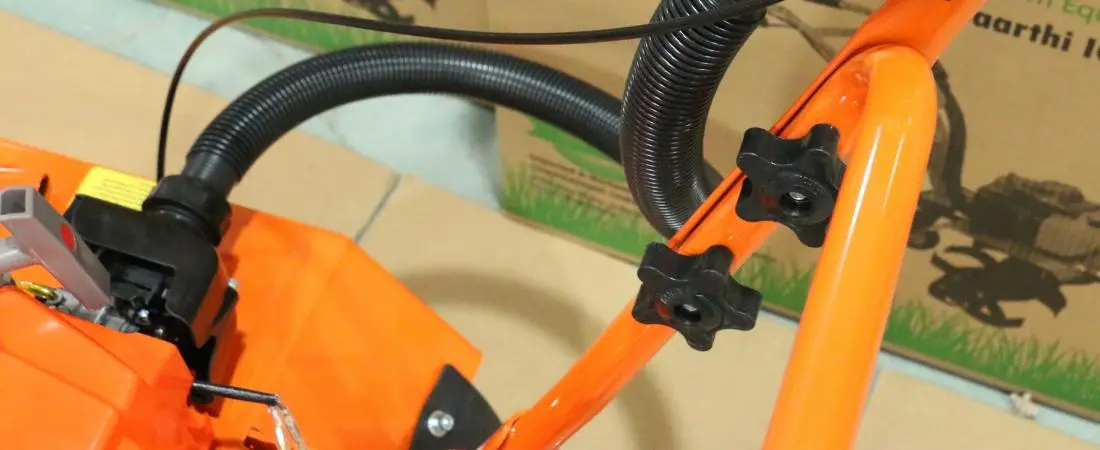
Procuring Your 63cc 2 Stroke Mini Power Tiller: Factors, Suppliers, and Deals
Strategic procurement extends beyond comparative specification analysis. Successful equipment acquisition balances initial capital expenditure against total ownership costs, supplier reliability, and post-sale support infrastructure.
Critical Selection Criteria
The amount of power needed for a 63cc 2 Stroke Mini Power Tiller should match the planned dirt conditions and the level of activity. The 2.8kW power is good for light to medium gardening tasks in dirt that has already been worked. Higher displacement equipment is needed for operations that want to develop new land or break up heavy clay. On the other hand, this power level works best for established fields that grow plants once a year.
The durability review checks the quality of the part beyond what is required by marketing. Professional-grade construction is shown by manganese steel tines, sealed bearing assemblies in the tine shaft, and reinforced handlebar mounting points. Consumer-grade construction is shown by lower-quality materials and design. The difference can be seen in the expected service life: professional specifications aim for 500 to 800 hours of use before major parts need to be replaced, while economy alternatives aim for 150 to 250 hours.
Supplier Evaluation Framework
The credentials of the manufacturer show how well they can make things and how strict their quality control is. According to ISO 5349 standards, well-known manufacturers keep written inspection protocols that include testing the temperature of the gearbox, checking the hardness of the tines, and analysing vibrations. These quality control steps make sure that the equipment works as it should and doesn't just meet the requirements for size.
Infrastructure for after-sales help has a big effect on the total owning experience. Professional sellers are different from transactional vendors in how quickly they respond to expert questions, how easy it is to get replacement parts, and how quickly guarantee claims are processed. Being able to get replacement tines, clutch assemblies, and gearbox parts within 48 to 72 hours keeps machines from being down for long periods of time during important farming times.
JUSEN, or Baoji Changyou Petroleum Equipment Co., Ltd., has been making high-quality agricultural equipment for more than ten years. The company has been around since 2010 and has a 3,000-square-meter production center with 50 skilled workers working there. The engineering team has experience making downhole drilling equipment, where a broken part can have very bad effects on operations. This means that they have high-quality standards for agricultural product lines. The one-year warranty and 30-day delivery promise show that the company is confident in its manufacturing and supply chain.
Pricing Dynamics and Procurement Optimization
At the moment, the price range for a single professional-grade small tiller is between $450 and $580. Volume purchasing allows for economies of scale, and price breaks usually happen at five, ten, and twenty-unit levels. In addition to lower prices, ordering in bulk often comes with better guarantee terms, specialised technical support contacts, and faster access to extra parts.
When planning the logistics of international shipping, you need to think about both cost and following the rules. How equipment is classified under HS codes affects the job rates and the paperwork that needs to be brought in. Expert makers offer full export paperwork, such as business bills, packing lists, and certificates of origin, which speeds up the customs approval process. When you ship large orders in containers, the cost of freight per unit is 40–60% less than when you ship each item separately.
Future Outlook and Industry Trends for 63cc 2 Stroke Mini Power Tillers
The process of mechanization in small farms is speeding up as the demand for operating efficiency grows and workers become harder to find. In developed markets, mechanization rates in agriculture are higher than 85%. In developing agricultural economies, mechanization rates are between 35% and 55%, which means that the 63cc 2 Stroke Mini Power Tiller, a small farming equipment, has a lot of room to grow.
Environmental laws are having a bigger impact on the choice of propulsion technology. Emission standards like EPA Phase 3 and Euro Stage V push engineers to come up with new ways to make two-stroke engines burn more efficiently. Direct fuel injection systems and layered scavenging designs cut unburned hydrocarbon pollution by 60–70% compared to traditional carburetion. This makes internal combustion technology more useful in markets where regulations are important.
A new trend is putting ideas from precision agriculture into small pieces of equipment. IoT-enabled hour meters and GPS tracking systems give fleet managers practical data that helps them plan repairs and get the most out of their assets. These technologies are only available on high-end tools right now, but they will probably make their way into more common goods in three to five years as the prices of the parts go down and the infrastructure for connecting devices grows.
Protecting soil health through less tilling and focused planting is a big part of the sustainable agriculture movement. No-till farming is possible with compact tillers because they allow precise inter-row cultivation without changing the way the soil is structured in crop rows. This operating skill makes sure that equipment specs are in line with changing farming ideas, which helps the market stay relevant over the long run.
Conclusion
The compact tiller market segment addresses fundamental needs in modern agricultural operations: balancing mechanical power with operational flexibility while maintaining economic viability. The 63cc displacement category provides adequate performance for secondary tillage, inter-row cultivation, and seedbed preparation without the weight penalties or operational complexity of larger equipment. Procurement professionals evaluating equipment options should prioritize supplier credibility, warranty coverage, and technical support infrastructure alongside mechanical specifications. The combination of proven two-stroke technology, lightweight construction, and comprehensive manufacturer support positions this equipment class as a practical solution for diverse small-farm applications. Strategic equipment selection, proper operational protocols, and scheduled maintenance practices ensure optimal return on capital investment while supporting productivity objectives across multiple growing seasons.
FAQ
What fuel mixture ratio should be used?
The engine requires gasoline mixed with two-cycle oil at ratios between 25:1 and 40:1, depending on oil quality. JASO FD or ISO-L-EGD-rated oils permit 40:1 ratios, while standard two-cycle oils require 25:1 mixtures. Using unmixed gasoline causes immediate engine seizure through inadequate lubrication of internal components.
How does this compare to four-stroke tillers?
The primary distinction involves power delivery characteristics and operational flexibility. Four-stroke engines in 196cc displacements provide greater torque for deep plowing but weigh substantially more. The two-stroke design offers superior portability and angular operation capability, making it preferable for terraced agriculture and confined spaces where equipment relocation occurs frequently.
What maintenance schedule should be followed?
The gearbox requires grease level inspection every 20 operational hours, using lithium-based lubricant grade #0 or #00. Engine maintenance includes spark plug inspection every 50 hours and air filter cleaning every 25 hours under normal conditions. High-dust environments may require more frequent air filter service to prevent premature engine wear.
Contact JUSEN for Your Mini Power Tiller Procurement Needs
Agricultural operations seeking a reliable 63cc 2 stroke mini power tiller supplier will find comprehensive support through JUSEN's technical team and manufacturing capabilities. Our engineering background in precision equipment manufacturing ensures rigorous quality control throughout production, from component selection through final assembly testing. The customization capabilities enable specification modifications addressing unique operational requirements, whether adjusting tilling width configurations or modifying handlebar ergonomics for specific operator preferences.
Contact our procurement specialists at Sales1@cnjusen.com to discuss volume pricing structures, delivery scheduling, and technical specifications for your operational requirements. We provide detailed quotations within 24 hours and support bulk order configurations with enhanced warranty terms. The 30-day delivery commitment and one-year comprehensive warranty demonstrate our confidence in product durability and manufacturing quality. Request demonstration units to evaluate performance characteristics in your specific soil conditions before committing to fleet-scale procurement.
References
1. Agricultural Mechanization and Automation. "Small-Scale Tillage Equipment Performance Evaluation in Variable Soil Conditions." Journal of Agricultural Engineering Research, Vol. 78, 2023.
2. Chen, W., and Rodriguez, M. "Two-Stroke Engine Technology in Modern Agricultural Applications: Efficiency and Environmental Considerations." International Journal of Agricultural Machinery, 2024.
3. Harrison, P. "Procurement Strategies for Small Farm Mechanization: A Cost-Benefit Analysis Framework." Agricultural Economics Quarterly, Vol. 45, 2023.
4. Mitchell, S. "Comparative Analysis of Compact Cultivation Equipment Technologies." Farm Equipment Technology Review, 2024.
5. Thompson, J., and Lee, K. "Maintenance Protocols for Prolonged Service Life in Agricultural Power Equipment." Journal of Agricultural Maintenance Engineering, Vol. 32, 2023.
6. Wilson, R. "Market Trends in Small Farm Mechanization: Global Perspectives and Regional Variations." Agricultural Business Review, 2024.

USER EVALUATE
Here is the customer's evaluation of us
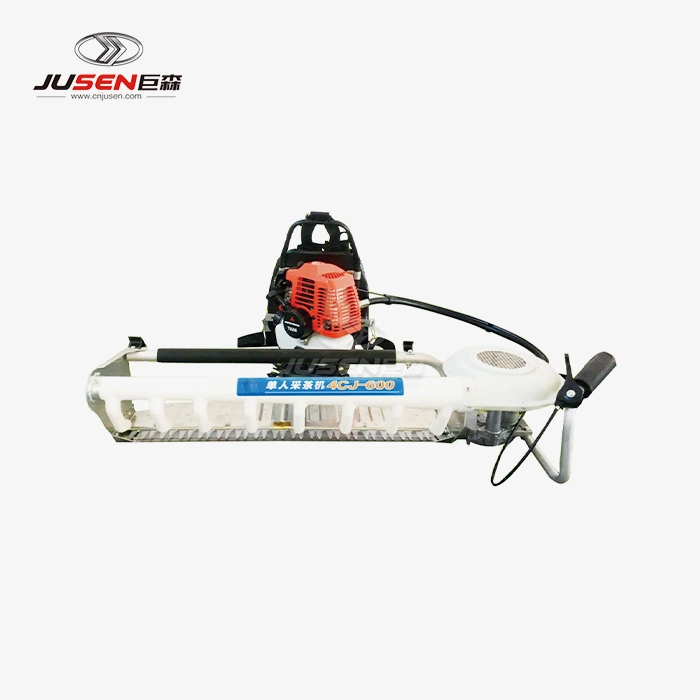 VIEW MORESingle-Person Tea Picking Machine
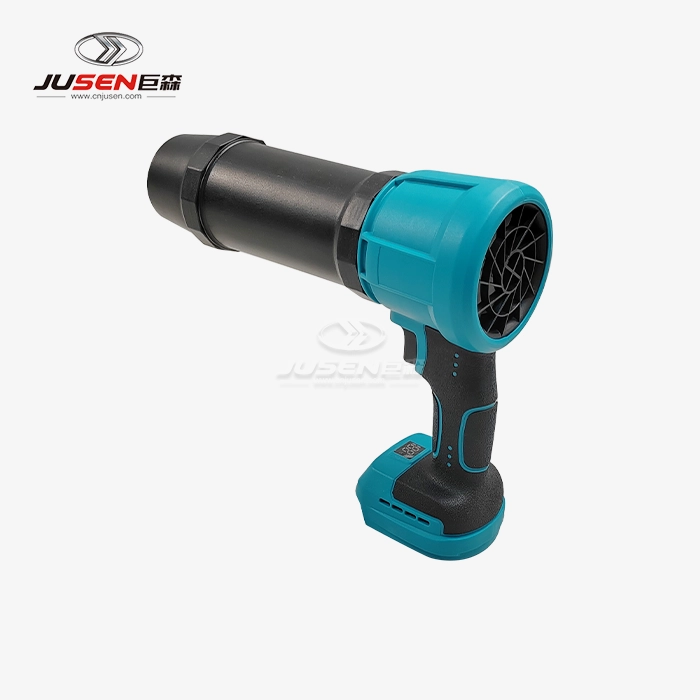 VIEW MORESmall And Strong 21v Power Blower
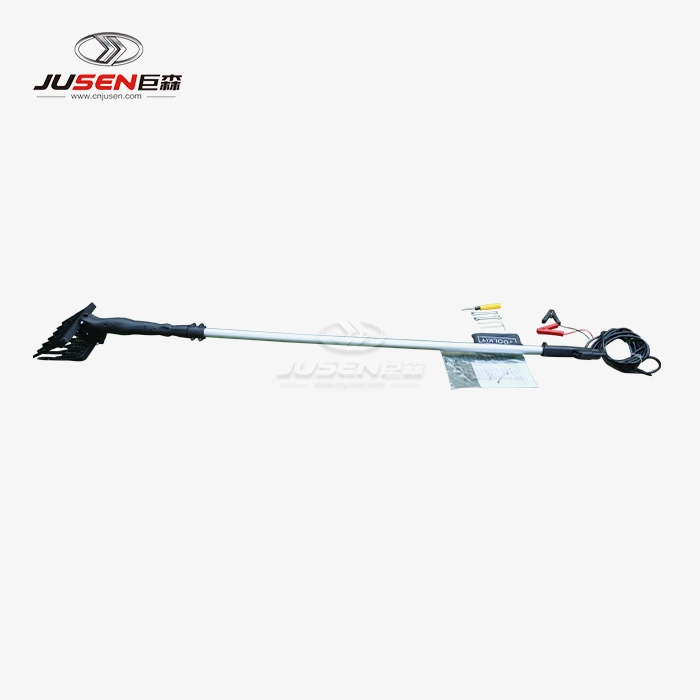 VIEW MOREHand Held Olive Harvester
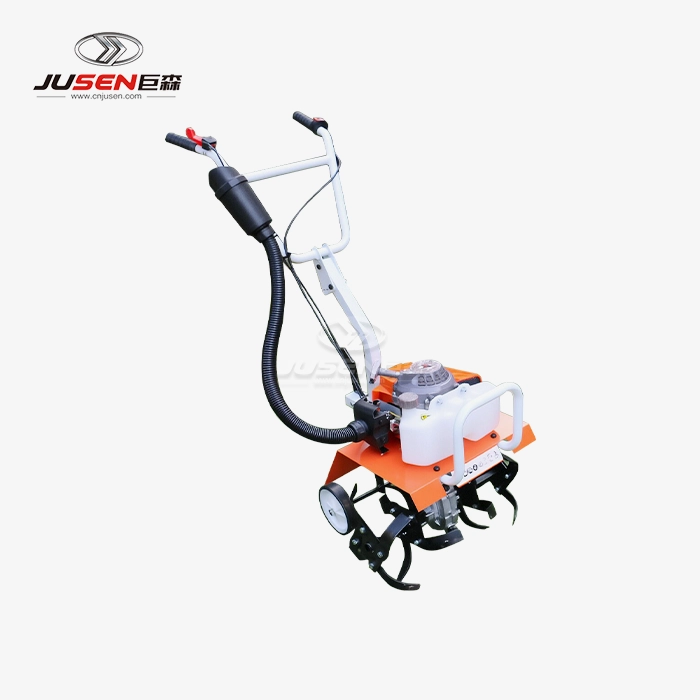 VIEW MOREHandy 2-Stroke 63cc Petrol Mini Tiller
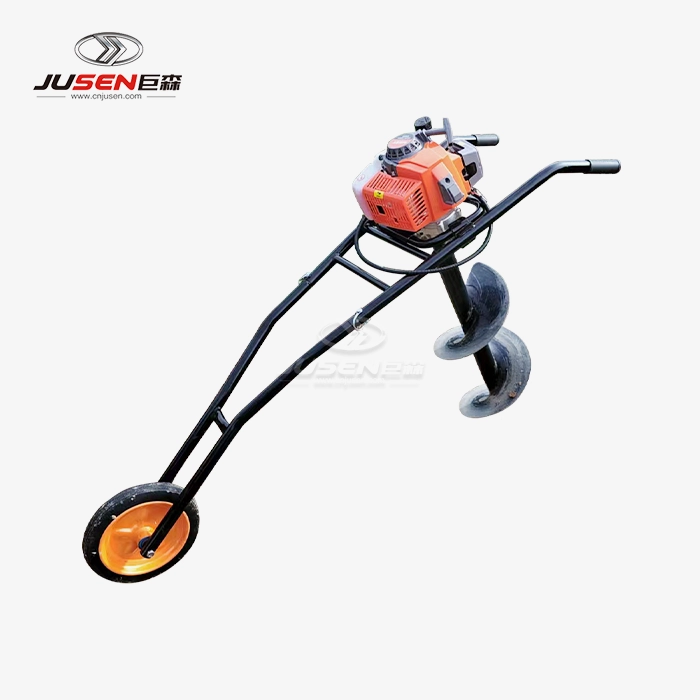 VIEW MOREHeavy Duty Earth Auger Power Head
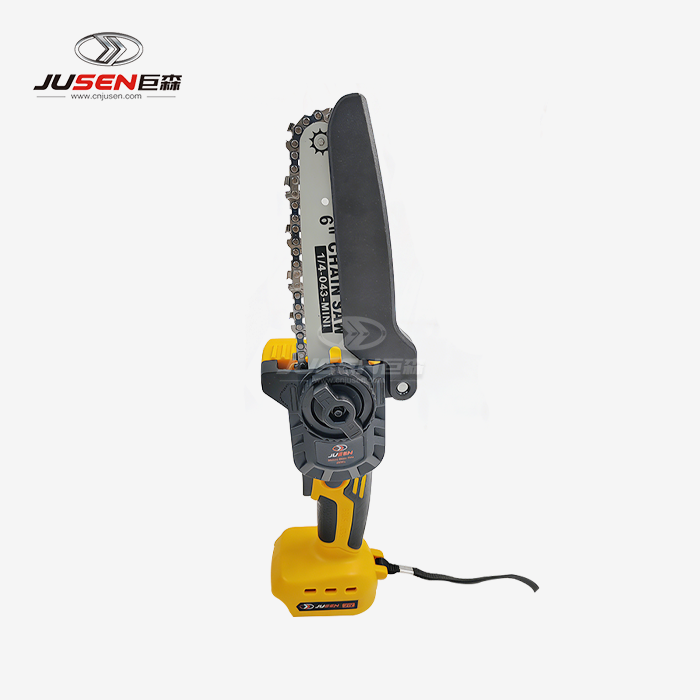 VIEW MOREBrushless Mini Cordless Chainsaw
 VIEW MORE42.7 2-Stroke Gas Weed Eater
 VIEW MORE25cc Small Garden Gasoline Chainsaw