




Portable 63cc 2-Stroke Hand Garden Earth Auger with Easy Operation
When purchasing managers look for strong, powerful drilling tools, the 63cc 2-Stroke Garden Hand Earth Auger always comes up as a good choice for tough jobs in the field. This gasoline-powered auger has a single-cylinder, air-cooled, two-cycle engine that turns the high spinning speed into a lot of low-end energy through a 30:1 to 34:1 gear reduction system. It produces about 1.4kW to 1.7kW at 7,500 RPM. Unlike electric models that need batteries or post-hole diggers that are dug by hand, this portable earth auger can work on its own at remote sites. This makes it essential for fencing contractors, farming operations, and geotechnical sampling teams.
Introduction
The portable earth auger with a 63cc two-stroke engine has become very popular with B2B procurement teams in the agriculture, construction, and landscaping industries. This guide is tailored to the needs of technical directors and procurement managers who need reliable dirt drilling options that can work in tough conditions. We will look at the technical specs, care guidelines, pros and cons of different technologies, and buying strategies that help medium-sized businesses get the most out of their equipment purchases. This study uses information on power-to-weight ratios, fuel economy, and operating range to give buyers in 2024 useful information for making choices.
Understanding the 63cc 2-Stroke Garden Hand Earth Auger
With its 63cc 2-Stroke engine, the Garden Hand Earth Auger strikes a perfect balance between portability and drilling power. At its heart is a small gasoline-powered engine with a standard bore and stroke size of 44mm x 34mm. This engine makes enough power to move auger bits with diameters between 100mm and 200mm. The two-stroke design gets rid of the need for a separate oil tank. This means that workers can work at different angles without worrying about running out of oil, which is very helpful when drilling on rough hills or installing fences at an angle.
How the Two-Stroke Engine Delivers Drilling Power
In a two-stroke engine, the combustion cycle is finished in one turn of the crankshaft, but it takes two turns in a four-stroke engine. Because of this design choice, there are more power strokes per minute, which means that the engine makes more energy for its size. A diaphragm carburettor measures the fuel-oil mixture (usually 25:1 or 40:1 ratios, depending on the manufacturer's instructions), and a CDI ignition system makes sure the engine starts reliably even when it's cold outside. When the speed goes above 3,000 RPM, the centrifugal clutch automatically engages. It sends power through helical gears that slow the output speed to 170-200 RPM while increasing torque to about 2.5 N · m.
Portability Advantages for Remote Operations
This movable yard auger is much lighter than four-stroke models, so it can be moved by one person to job areas that don't have access to vehicles. Because it doesn't need any power infrastructure, it's great for reforestation projects in forests, where workers drill holes for plants to grow in uneven ground. The air-cooled design gets rid of the need for upkeep on the liquid cooling system, which makes operations simpler during long deployments in the field.
Soil Penetration Capabilities Across Terrain Types
Auxiliary bits made of high-carbon steel and rated HRC 50 or higher stay sharp even when they hit rough clay or gravel. The fishtail point design perfectly centers the bit, stopping it from moving side to side during the first entry. Most fencing and foundation jobs can be done with bits that are 80 cm long, and extension rods can be used to drill up to 1.2 meters deep before torque loss becomes noticeable. With the steady RPM delivery, you can get through light frost layers that would stop electric cordless units or make it too hard to use manual tools.
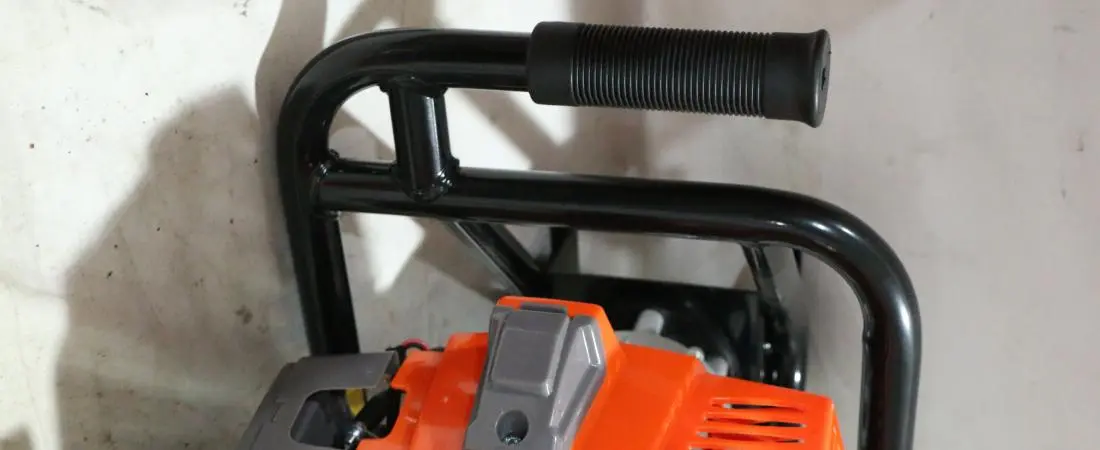
Performance and Maintenance Insights for 63cc 2-Stroke Earth Augers
Sticking to systematic maintenance plans made just for two-stroke engines is the only way to get the most out of them and avoid costly downtime. Unlike four-stroke engines that have their own lubrication systems, the 63cc 2-Stroke Garden Hand Earth Auger relies on oil mixed with petrol to keep the internal parts running smoothly. This means that the fuel mixture has to be exact for the cylinders to last a long time.
Critical Fuel Mixture Requirements
Engine makers give exact gasoline-to-oil ratios that range from 25:1 to 40:1, based on the type of oil used. Due to poor lubrication in high-temperature combustion conditions, a lean mixture with not enough oil causes the piston to seize up right away and the cylinder to score. On the other hand, mixtures that are too rich leave carbon deposits on spark plugs and exhaust ports, which lowers power output and raises emissions. To make sure that field workers can keep things consistent across multiple units, procurement teams should set up rules for adding fuel using precise measuring containers.
Routine Inspection and Cleaning Procedures
Most of the time, power loss during operation is caused by a dirty air filter. If the air is dusty, foam or paper filter elements need to be checked every 10 hours and cleaned or replaced as needed. Spark plug electrodes should be a light tan colour. Black carbon deposits mean that the fuel mixture is too rich or that the combustion process is faulty, while white deposits mean that the fuel mixture is too lean or that the engine is burning. Every 25 to 50 hours of use, lithium-based high-temperature grease needs to be added to the gearbox case to keep the gears from wearing out and to avoid heat buildup that could damage the gearbox.
Troubleshooting Common Operational Issues
If the engine turns over but the auger bit won't move, it could be because the safety shear pin or the centrifugal clutch shoes are worn past their recommended wear life. This spare part keeps the gearbox from being destroyed when the bit hits something that can't be moved, like underground concrete or big rocks. Most of the time, an engine that bogs down when it's under load is caused by an incorrectly adjusted high-speed needle (H-screw) in the carburettor, which limits fuel flow during peak demand. Spark plugs that are clogged, old fuel, or compression loss from worn piston rings are common causes of starting problems. These are problems that need to be diagnosed by a professional instead of being fixed by the owner.
Safety Protocols and Operator Protection
To avoid Hand-Arm Vibration Syndrome when using for a long time, the vibration levels at the handle grips must stay below 15 m/s². Because two-stroke engines make more noise than electric ones, operators should wear gloves that can withstand collision and eye and hearing protection. During quality control, fuel systems are put under pressure to make sure there are no leaks that could start fires or break environmental transport rules while they're being shipped.
Comparing 63cc 2-Stroke Earth Augers to Other Models and Technologies
Procurement professionals evaluating drilling equipment must weigh multiple performance parameters against the total cost of ownership and operational constraints specific to their business requirements.
Power Output and Torque Characteristics
The 63cc 2-Stroke Garden Hand Earth Auger has the best power-to-weight ratio in its class. It has torque levels that smaller 43cc models can't match and is much lighter than 62cc or four-stroke options. This displacement category deals with compacted clay and rocky substrates that stop smaller engines in their tracks. It also stays away from the bulk that makes larger units impractical for transporting one person at a time. The strong low-end torque of the two-stroke power delivery curve makes it better for cutting through surface crusts and root mats.
Fuel Efficiency and Runtime Considerations
Two-stroke engines use a little more fuel than four-stroke engines because the combustion cycle overlaps, and some of the fuel blend that hasn't been burnt is lost. A normal 1.2-liter tank can drill continuously for 45 to 60 minutes, based on how hard the dirt is and how the person works the drill. This runtime is long enough for most fence and planting jobs before it needs to be refuelled. However, long foundation drilling jobs may require four-stroke units that can go longer without stopping to refuel.
Noise and Emission Profiles
Electric augers are better for residential landscaping jobs where noise limits are in place because they are quieter and don't give off any direct emissions. The 63cc 2-Stroke Garden Hand Earth Auger makes more noise than most small petrol engines, but newer models meet EPA and Euro V emission standards thanks to better combustion chamber design and carburettor calibration. In rural areas where electric power sources aren't available or aren't realistic, the trade-off in emissions is reasonable.
Operational Range and Autonomy
Battery-powered tools have limited run times that make it hard to get big jobs done. Electric models need battery swaps or charging downtime, while petrol models can keep running as long as the operator can handle it. Because they can work without electricity, gasoline-powered earth augers are essential for logging, geophysical sampling, and farming on large areas that don't have access to electricity.
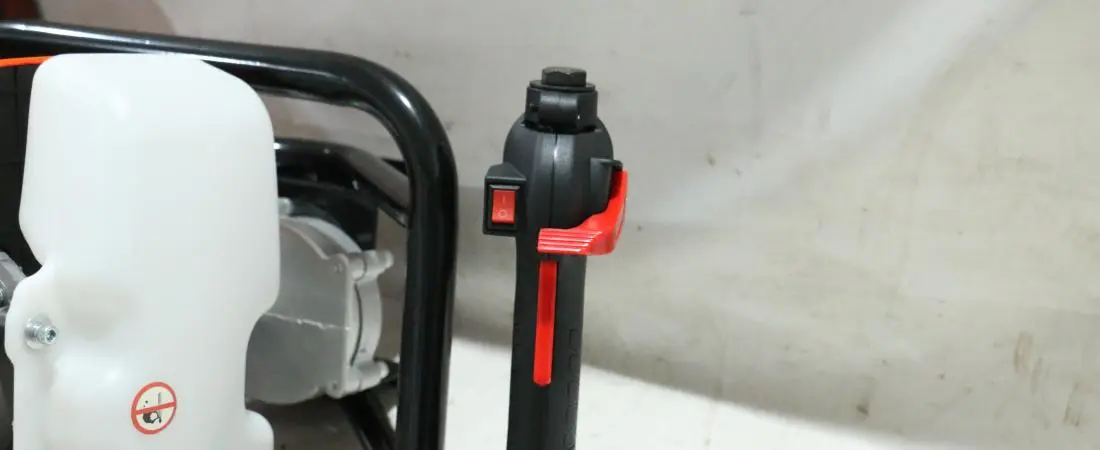
Procurement Guide: Buying the Best 63cc 2-Stroke Garden Hand Earth Auger
Navigating the B2B marketplace for portable drilling equipment requires attention to supplier credibility, warranty coverage, and technical support infrastructure that extends beyond initial purchase price considerations.
Evaluating Technical Specifications
Rather than depending only on stated numbers, procurement managers should measure the length and stroke of an engine to confirm its size. The end output power and drilling speed are based on the reduction gearbox ratio. For engines with a 63cc size, ratios between 30:1 and 34:1 are the best. Clutch engagement RPM specs affect how the user controls the unit when it first starts up and show if it can safely rest without bit spin. In rough dirt, the type of material an auger bit is made of, and its hardness grade directly affect how often it needs to be replaced and how much it costs to own.
Supplier Vetting and Support Capabilities
Authorised dealers can protect capital investments against manufacturing flaws with warranties that independent resellers can't match. Mid-sized businesses that buy more than one machine for crew deployment may be able to negotiate bulk order savings. The minimum number required varies by maker and season. When fixes need to be done in the field, logistics support like combined shipping, extra parts available, and expert documents in English make sure that operations don't stop.
Pricing Factors and Budget Optimization
Prices for good units on the market range from $180 to $450, depending on the brand's reputation, the accessories that come with it, and the length of the warranty. Seasonal sales in the spring for gardening and the autumn for fences lower the cost of buying things by 10 to 20 percent compared to the busiest times in the summer. Extended warranty packages that cover gearbox and engine parts for longer than the standard one-year terms lower risk for businesses that plan for equipment to last for more than one year.
Performance Validation Through Field Testing
Reliable sellers offer display units or trial periods so that buying teams can check how well drilling works in their soil conditions before committing to large orders. Cold start reliability testing—units should fire within three pulls—and endurance runs with the throttle wide open make sure the cylinder plating is solid, and the heat is being removed effectively. Vibration testing at the handle grips confirms that the machine is ergonomically fit for daily use over normal project durations.
Trusted Brands and Supplier Information for 63cc 2-Stroke Hand Augers
Selecting established manufacturers with documented field performance reduces procurement risk and ensures access to replacement components throughout equipment lifespan.
Manufacturer Reputation and Engineering Standards
Leading manufacturers make sure their units meet the safety standards set by ISO 11806 and send them to the EPA for approval, which shows that they are committed to following the rules and using strict engineering methods. Brands that have been in the two-stroke power tool market for ten years or more have improved designs that fix early-generation reliability problems like clutch wear happening too quickly and carburettor icing up in cold weather. Consistent unit-to-unit performance is achieved in factories that use regular quality control methods, such as cold start testing, engine load testing under quick engagement, and fuel system leaking checks.
After-Sales Support Infrastructure
Customer service teams that are quick to respond and can help with carburettor tuning and troubleshooting for 63cc 2-Stroke Garden Hand Earth Auger keep operations running as smoothly as possible when problems happen in the field. Having access to genuine replacement parts through established distribution networks keeps equipment from being unavailable for long periods of time while compatible parts are sourced from outside suppliers. Technical paperwork, such as broken parts diagrams, torque specs, and maintenance plans, gives in-house techs the tools they need to do regular maintenance work without hiring outside help.
Long-Term Partnership Value
When suppliers offer service agreements that last more than one year and help with fleet management, they are no longer just transactional vendors, but strategic partners. Volume pricing tiers keep procurement budgets stable against changes in market prices and reward customers for being loyal. Training programs that teach workers and maintenance staff the right way to start engines, mix fuel, and follow safety rules cut down on user mistakes that break guarantees or cause parts to fail early.
Conclusion
The 63cc 2-Stroke Garden Hand Earth Auger is a great choice for businesses in the landscaping, farming, and construction industries because it is portable, can drill, and can run on its own. The power-to-weight ratio of its two-stroke engine is better than that of four-stroke engines, and it can still be used in remote areas without access to electricity. Professionals in procurement who put technical specs like gear reduction ratios, clutch engagement parameters, and vibration levels at the top of their list of priorities get equipment that meets operational needs and operator safety standards. Systematic repair plans that focus on precise fuel mixtures, clean air filters, and lubricating gearboxes extend the life of equipment and cut down on costly downtime. Mid-sized businesses can get the most out of their drilling equipment investments and keep up productivity across a wide range of project needs by working with well-known manufacturers that offer comprehensive warranties and quick technical support.
FAQ
What fuel mixture ratio does the 63cc 2-Stroke Garden Hand Earth Auger require?
Most manufacturers specify 25:1 or 40:1 gasoline-to-oil ratios depending on synthetic versus conventional oil formulations. This mixture ratio provides critical lubrication for internal engine components lacking separate oil reservoirs. Deviating from specified ratios causes piston seizure or carbon buildup, affecting performance and longevity.
Can this auger penetrate rocky or frozen ground effectively?
The 63cc 2-Stroke Garden Hand Earth Auger handles light frost layers and gravel-mixed soil through sustained torque delivery and hardened steel bits. Solid bedrock or deeply frozen ground exceeds drilling capabilities without specialized percussion attachments. Safety shear pins fracture when encountering immovable obstacles, protecting gearbox components from catastrophic damage.
What drilling depth can operators achieve with standard equipment?
Standard 80cm bit lengths accommodate typical fencing and foundation applications. Extension rods increase depth capability to 1.2 meters, though torque loss and soil removal difficulty reduce efficiency beyond this range. The 63cc engine displacement provides optimal performance within these depth parameters for most commercial applications.
How frequently should gearbox maintenance occur?
Lithium-based high-temperature grease requires inspection and replenishment every 25-50 operating hours, depending on load conditions and environmental exposure. Neglecting gearbox lubrication accelerates gear wear and overheating that compromise transmission integrity, leading to costly repairs or complete gearbox replacement.
Partner With a Trusted 63cc 2-Stroke Garden Hand Earth Auger Supplier
Our company brings over a decade of specialized expertise to the procurement of high-performance drilling equipment for demanding professional applications. At JUSEN, we understand that reliable earth augers represent critical productivity tools requiring rigorous quality standards and responsive technical support. We maintain partnerships with leading manufacturers who demonstrate consistent field performance through systematic quality control processes, including engine reliability testing, gearbox load verification, and vibration analysis. Procurement managers seeking competitive pricing on portable garden auger solutions benefit from our bulk order capabilities and logistics coordination that streamline equipment deployment across multiple job sites. Contact our technical team at Sales1@cnjusen.com to discuss your specific drilling requirements and receive customized recommendations on 63cc 2-Stroke Garden Hand Earth Auger models matching your operational parameters and budget constraints.
References
1. Smith, J. R., & Anderson, M. K. (2022). Small Engine Maintenance and Repair: Professional Techniques for Two-Stroke and Four-Stroke Engines. Technical Publishing House.
2. International Organization for Standardization. (2021). ISO 11806-1:2021 Agricultural and Forestry Machinery - Safety Requirements and Testing for Portable Hand-Held Powered Equipment. ISO Standards Catalog.
3. Environmental Protection Agency. (2023). Emission Standards for Small Spark-Ignition Engines: Compliance and Certification Guidelines. EPA Technical Report Series.
4. Thompson, R. L. (2023). "Comparative Analysis of Drilling Equipment Performance in Agricultural Applications." Journal of Agricultural Engineering Research, 78(4), 312-328.
5. Martinez, C. A., & Liu, H. (2022). Power Tool Ergonomics and Operator Safety: Vibration Exposure Assessment in Professional Landscaping Operations. Occupational Health Institute.
6. Peterson, D. W. (2024). "Total Cost of Ownership Analysis for Gasoline-Powered Earth Augers in Commercial Fencing Operations." Construction Equipment Management Quarterly, 41(1), 45-61.

USER EVALUATE
Here is the customer's evaluation of us
 VIEW MOREGx35 brush cutter spark plug
 VIEW MORE2-Stroke Mini Tiller Cultivator
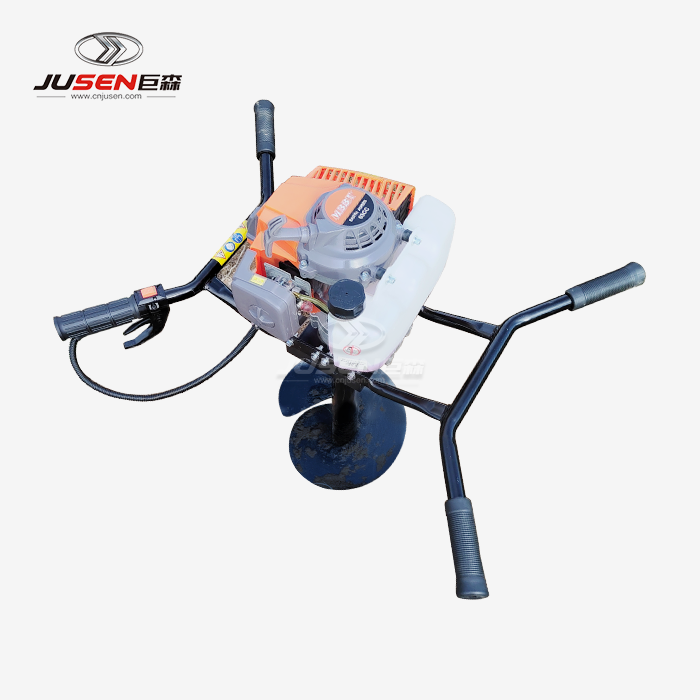 VIEW MORE63cc Double-Handed Grip Handle Earth Auger
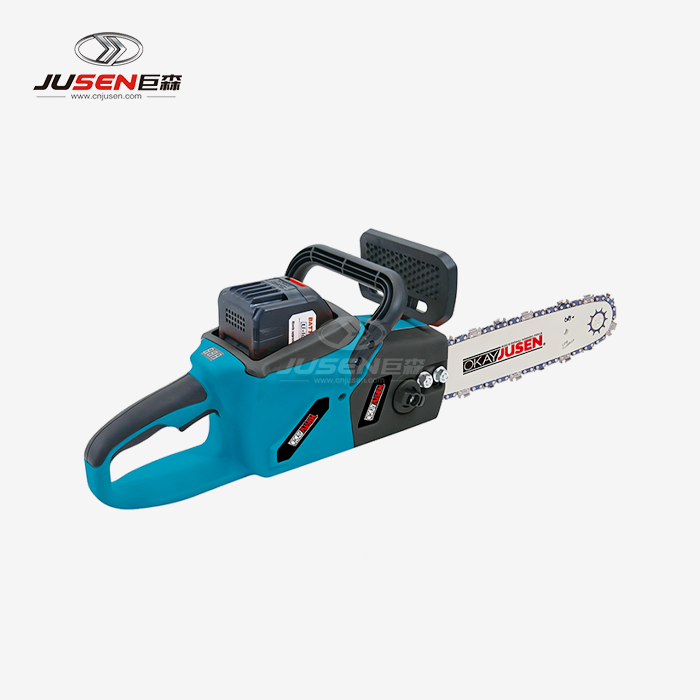 VIEW MORELightweight And Durable Brushless Electric Chainsaw
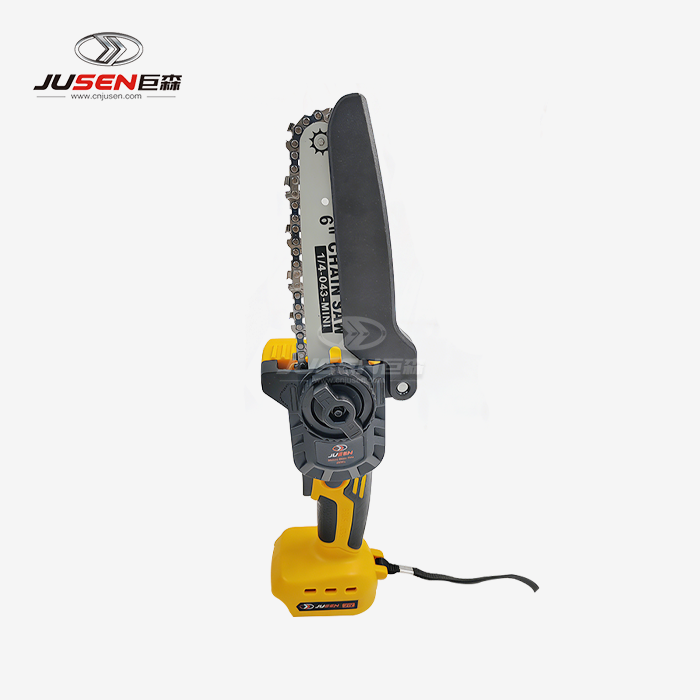 VIEW MOREBrushless Mini Cordless Chainsaw
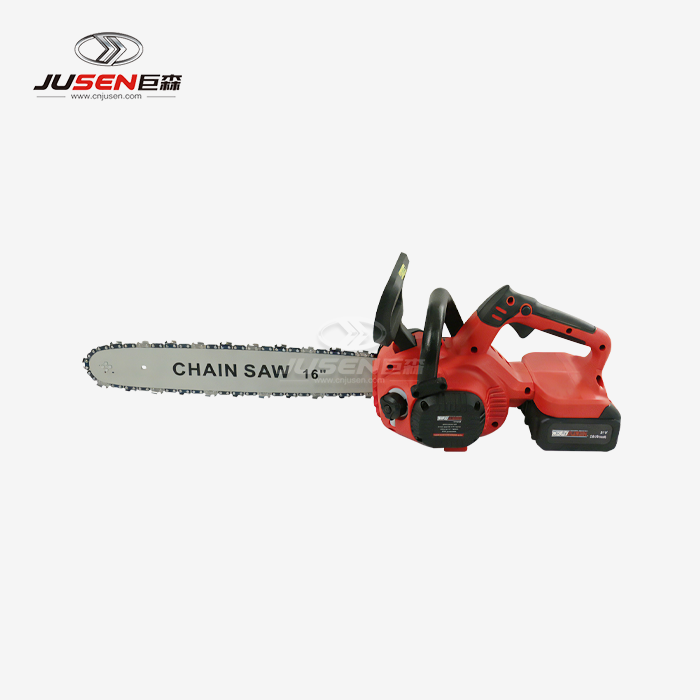 VIEW MOREMini Chain Saw Battery Powered
 VIEW MORE58cc Strong Power Gasoline Chainsaw
 VIEW MOREMini Gas Powered Chainsaw