




Electric Automatic Tea Plucking Machine with Low Noise
A key development in contemporary agricultural mechanization is an electric automated tea plucking equipment that produces consistent tea leaf harvesting by combining battery-powered operation with noise-reduction engineering. This specialized tea leaf picking machine maintains the quality requirements required by premium tea growers while addressing severe labour shortages during harvest seasons. Compared to conventional gasoline-powered vehicles, modern electric models run below 75dB, significantly decreasing operator fatigue and environmental disturbance. Understanding the technical capabilities and operational advantages of these machines allows B2B procurement experts assessing harvesting solutions to make strategic investments that balance long-term cost effectiveness, sustainability, and productivity in a variety of plantation conditions.
Understanding Electric Automatic Tea Plucking Machines
How Electric Tea Plucking Machines Work
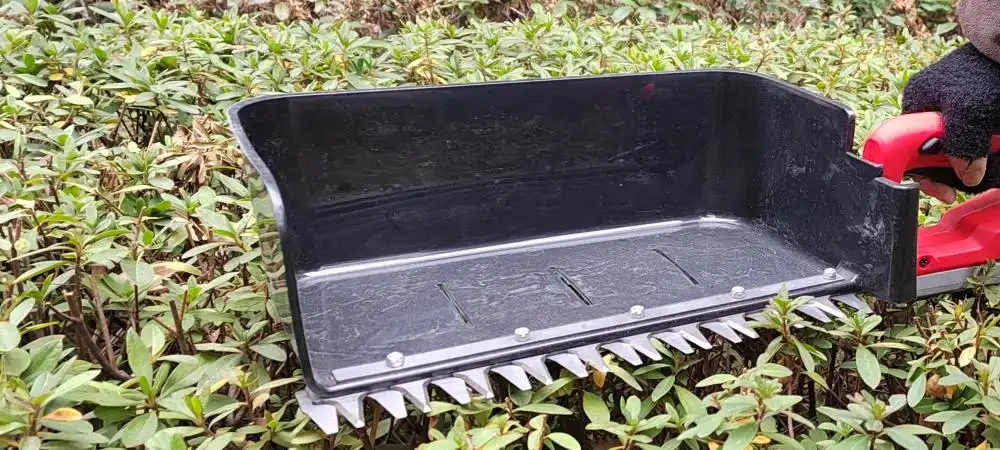
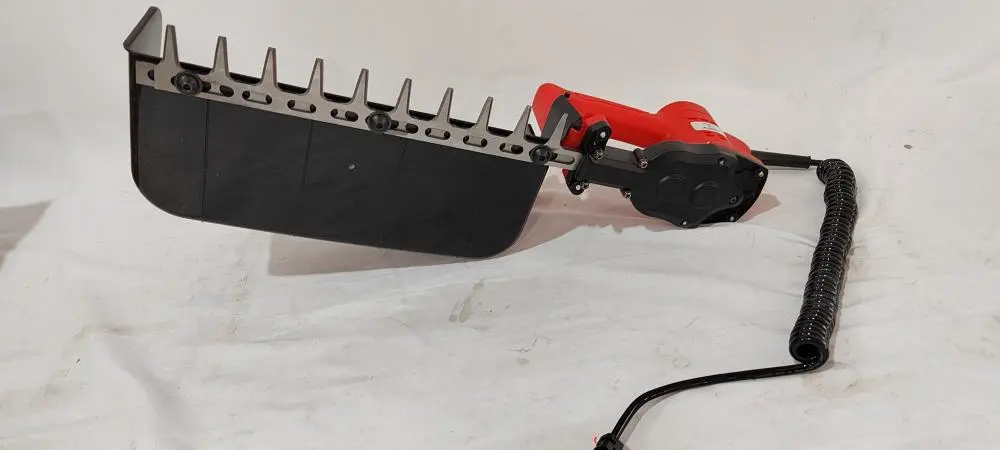
Fresh growth is sheared at preset heights by brushless DC motors attached to reciprocating blade systems in electric automated tea plucking equipment. These automated techniques provide a consistent plucking surface across the tea bush canopy, in contrast to human picking, which selectively selects individual shoots. A 24V or 48V lithium-ion battery pack, motor controller, and blade assembly designed to resemble the "two leaves and a bud" standard—which is essential for premium tea grades—usually make up the electrical architecture.
Noise Reduction Technologies in Modern Designs
Three technical advancements are responsible for the modern Tea Leaf Picking Machine models' low noise levels. The friction and electrical arcing that cause high-frequency noise in conventional motors are eliminated by brushless motor technology. By separating the cutting mechanism from the operator interface, vibration-damping mounts lower the transmitted sound by 15–20 dB. Motor components are surrounded by sound-absorbing housing materials that keep operating noise under acceptable workplace standards. In contrast to 90–95dB for fuel counterparts, these integrated technologies allow operation at 68–75dB, which is close to typical conversation levels.
Market Categories and Model Variations
Three technical advancements are responsible for the modern Tea Leaf Picking Machine models' low noise levels. The friction and electrical arcing that cause high-frequency noise in conventional motors are eliminated by brushless motor technology. By separating the cutting mechanism from the operator interface, vibration-damping mounts lower the transmitted sound by 15–20 dB. Motor components are surrounded by sound-absorbing housing materials that keep operating noise under acceptable workplace standards. In contrast to 90–95dB for fuel counterparts, these integrated technologies allow operation at 68–75dB, which is close to typical conversation levels.
Advantages of Using Electric Automatic Tea Plucking Machines
The economics and operational efficiency of plantations are drastically changed by switching to electric tea harvesting equipment. The measurable advantages go beyond basic labour substitution and include long-term cost structures that improve competitive standing in international tea markets, environmental compliance, and consistent harvest quality.
Operational Efficiency and Labour Cost Reduction
Depending on the density of the garden and the difficulty of the terrain, a single operator utilizing an electric tea leaf picking machine may gather 80–120 kg of fresh leaves per day, replacing the output of 15–30 hand pickers. The persistent labour shortages that afflict tea-growing countries during spring flush seasons, when fragile shoots must be picked within constrained quality windows, are addressed by this productivity multiplication. By standardizing plucking heights, the automated method promotes consistent regrowth patterns that maximize successive harvest cycles. The unpredictability brought about by worker weariness, experience levels, and subjective quality judgements that jeopardize manual procedures is lessened by operational consistency.
Environmental and Workplace Benefits
Petroleum residue contamination near food crops is prohibited by organic certification processes, which are supported by electric models that completely remove hydrocarbon emissions. Harvesting in enclosed greenhouses and shade-grown areas where ventilation constraints prohibit the use of petrol engines is made possible by the zero-emission profile. Hand-Arm Vibration Syndrome, a cumulative trauma disease identified by occupational health authorities, is prevented by low-vibration operation. Lower noise levels allow for longer harvesting schedules without going against local noise regulations, allowing for activities in the cooler morning and evening hours that maintain leaf quality.
Economic Returns and Maintenance Advantages
Over the course of their normal 5-7 year operating lifecycles, electric tea leaf picking machines show better total cost of ownership when compared to petrol counterparts. Brushless motors reduce yearly service expenses by 40–60% by doing away with regular maintenance for air filters, ignition systems, and carburettors. With lithium-ion cells retaining 80% capacity after 1000 cycles, battery technology developments currently provide 800–1200 charge cycles before capacity decline necessitates replacement. During crucial harvest times when equipment downtime directly affects income, the streamlined mechanical design lowers field breakdown incidence and maintains operational uptime over 95%.
Purchasing Guide: Choosing the Best Electric Tea Plucking Machine
Technical characteristics must be systematically compared to operational needs in order to choose the best harvesting equipment. In order to ensure that chosen equipment provides sustained performance across a variety of seasonal circumstances and topographical problems, procurement teams must strike a compromise between immediate budget restrictions and lifespan expenses.
Critical Evaluation Criteria
Cutting capacity and operating longevity are closely correlated with motor power parameters. While 48V/1200W systems handle commercial operations larger than 500 acres, a 24V/800W brushless motor design is suitable for daily harvesting quantities of 80-120 kg throughout 50-300-acre plantations. The period of continuous operation is determined by the battery capacity expressed in ampere-hours; a 4Ah battery normally offers 5–6 hours of active cutting, which corresponds to usual harvest shift lengths. Maneuverability and productivity are balanced when choosing cutting widths; 300mm widths are ideal for terraced gardens and 800–1200mm for flatland estates.
Comparing Leading Equipment Specifications
For backpack-style tea harvesting equipment, the JUSEN JS-BAT410-W is a superb example of modern engineering standards. A 24V/800W brushless motor with a 22,000 rpm blade speed and a 300mm cutting breadth is included in this tea leaf picking machine. The power pack and cutting assembly are included in the 2.46 kg operating weight, which allows for single-person operation across difficult terrain. Low vibration design avoids leaf bruising, which causes early oxidation, and battery-powered architecture guarantees organic certification compliance. 80–120 kg of fresh leaves may be harvested each day while preserving the quality uniformity needed to produce premium green and oolong tea.
Evaluating Supplier Capabilities and Support
Supplier selection takes into account technical support infrastructure and customization capabilities in addition to equipment specs. By providing quick parts availability and on-site repairs during crucial harvest times, manufacturers with field service networks reduce downtime. A 12-month warranty covers manufacturing flaws, while vendors that enable customized configurations take care of unusual plantation needs like longer battery packs for distant operations or modified blade geometries for certain cultivar traits. Operational training from reputable vendors with verified field expertise speeds up operator competency and equipment utilization rates.
Maintenance and Performance Optimization
Sustained equipment performance requires disciplined maintenance protocols that preserve noise reduction features and mechanical precision. Comprehensive servicing schedules address both preventive maintenance and diagnostic procedures that identify emerging issues before operational failures occur.
Daily and Periodic Maintenance Protocols
Supplier selection takes into account technical support infrastructure and customization capabilities in addition to equipment specs. By providing quick parts availability and on-site repairs during crucial harvest times, manufacturers with field service networks reduce downtime. A 12-month warranty covers manufacturing flaws, while vendors that enable customized configurations take care of unusual plantation needs like longer battery packs for distant operations or modified blade geometries for certain cultivar traits. Operational training from reputable vendors with verified field expertise speeds up operator competency and equipment utilization rates.
Troubleshooting Common Issues
Uneven cutting surfaces are a sign of dulling or misadjusted blade gaps that need to be fixed right away. Worn dampening mounts that impair noise performance and operator comfort are indicated by excessive vibration transfer. Cell imbalance necessitating specific charging procedures or pack replacement is indicated by battery runtime deterioration. When a motor overheats under typical loads, there may be a ventilation blockage or a drift in the controller's calibration. By using operating logs to record these symptoms, service workers may effectively identify the underlying reasons and reduce the time needed for repairs.
Optimizing Operational Efficiency
Appropriate operating procedures that are in line with manufacturer requirements are necessary for optimal equipment performance. Blade oscillation frequency may make clean cuts without ripping stems when the ground speed is kept constant. Leaf adherence to collecting bags and blade surfaces, which lowers efficiency, may be avoided by avoiding moist harvesting circumstances. Harvesting within ideal moisture conditions reduces mechanical stress on cutting devices while maintaining leaf quality. Training initiatives that prioritize these operational best practices result in quantifiable increases in productivity and longer equipment lifespans.
Future Trends and Innovations in Tea Plucking Technology
The tea harvesting equipment sector experiences rapid innovation driven by battery technology advancements, sensor integration, and automation sophistication. These emerging capabilities address evolving sustainability mandates and labour market constraints that reshape global tea production economics.
Battery and Power Management Advancements
Next-generation lithium iron phosphate batteries deliver 2000+ charge cycles with enhanced thermal stability compared to current lithium-ion technology. Solid-state battery architectures promise 30-40% weight reductions while increasing energy density, extending operational duration without proportional weight increases. Intelligent battery management systems optimize charge/discharge profiles to maximize cell longevity while providing predictive replacement alerts that prevent unexpected failures during harvest periods.
Sensor Integration and Precision Harvesting
Emerging Tea Leaf Picking Machine designs incorporate optical sensors that measure shoot density and growth stage, automatically adjusting cutting height to optimize yield and quality. Load sensors detect blade resistance patterns, alerting operators to dull blades or mechanical obstructions before damage occurs. GPS integration enables precision mapping of harvest patterns, identifying underperforming garden sections requiring agronomic intervention. These smart diagnostic capabilities transform equipment from passive tools into data-generating assets that inform broader plantation management decisions.
Market Demand and Sustainability Drivers
Global tea production increasingly concentrates in regions facing acute labour shortages and rising wage expectations that accelerate mechanization adoption. Environmental regulations targeting agricultural noise pollution and emission standards create compliance pressures favouring electric equipment. Corporate sustainability initiatives from major tea buyers mandate carbon footprint reductions throughout supply chains, incentivizing growers to adopt zero-emission harvesting technologies. These converging market forces drive projected annual growth rates of 12-15% for electric tea harvesting equipment through 2030.
Conclusion
Electric automatic tea plucking machines with low noise operation represent essential infrastructure for modern tea cultivation, facing labour constraints and sustainability mandates. These battery-powered Tea Leaf Picking Machine units deliver productivity multiplications of 15-30x versus manual methods while maintaining quality standards for premium tea grades. Technical advantages, including zero emissions, reduced maintenance requirements, and operator-friendly ergonomics, combine to produce compelling economic returns across typical 5-7 year equipment lifecycles. For procurement professionals evaluating harvesting solutions, a systematic assessment of motor specifications, battery capacity, cutting width, and supplier support capabilities ensures optimal alignment between equipment capabilities and operational requirements. The sector's rapid innovation trajectory promises continued performance improvements that strengthen the strategic value of electric harvesting technologies.
FAQ
How does harvest quality compare between electric machines and manual picking?
Modern electric Tea Leaf Picking Machine units with sharp, precision-ground blades achieve quality approaching manual methods for commercial-grade teas. While hand-picking remains standard for competition-grade or specialty teas requiring extreme selectivity, advanced electric models consistently execute the "two leaves and a bud" standard with minimal leaf bruising. Low-vibration operation prevents the enzymatic oxidation triggered by rough handling, preserving the biochemical profiles required for premium green and oolong tea production.
What maintenance practices preserve low noise operation?
Noise reduction performance depends on maintaining vibration-damping mounts and motor ventilation systems. Quarterly inspection of rubber isolation mounts identifies compression deterioration requiring replacement before vibration transmission increases. Monthly cleaning of motor cooling vents prevents debris accumulation that forces higher motor speeds, generating additional noise. Annual bearing lubrication maintains smooth motor operation without the friction-induced sounds that accompany worn components.
Are financing options available for bulk procurement?
Reputable Tea Leaf Picking Machine suppliers typically offer structured payment terms for orders exceeding 10 units, including 30-60 day payment windows or installment schedules aligned with harvest revenue cycles. Leasing arrangements provide alternative acquisition paths that preserve working capital while securing equipment access. Some manufacturers collaborate with agricultural finance institutions to facilitate equipment loans with competitive interest rates tied to projected productivity improvements.
Partner with JUSEN for Advanced Tea Harvesting Solutions
JUSEN delivers enterprise-grade Tea Leaf Picking Machine technology engineered for demanding plantation environments. Our JS-BAT410-W backpack harvester combines a 24V/800W brushless motor with 22,000 rpm precision cutting across a 300mm width, achieving 1.2-1.5x efficiency improvements versus manual methods. The 2.46kg lightweight design enables comfortable operation across terraced terrain exceeding 25-degree slopes where conventional equipment fails. Zero-emission battery operation meets organic certification requirements while low-vibration architecture preserves leaf quality essential for premium tea production. We support customized configurations addressing unique operational requirements, backed by comprehensive one-year warranties and 30-day delivery commitments. Our engineering team brings specialized expertise in agricultural mechanization, ensuring equipment specifications align precisely with your plantation's terrain, scale, and quality objectives. Contact our procurement specialists at Sales1@cnjusen.com to discuss your harvesting requirements with a trusted Tea Leaf Picking Machine manufacturer committed to delivering measurable operational improvements.
References
1. Chen, M., & Wang, L. (2021). Mechanization Technologies for Sustainable Tea Production. Agricultural Engineering Press.
2. International Tea Committee. (2022). Annual Bulletin of Statistics: Global Tea Production and Mechanization Trends. London: ITC Publications.
3. Kumar, R., Singh, P., & Patel, A. (2020). "Comparative Analysis of Manual and Mechanical Tea Harvesting Methods." Journal of Plantation Crops, 48(3), 156-164.
4. Thompson, J. (2023). Electric Agricultural Equipment: Engineering Principles and Field Applications. Cambridge: Agritech Publishing.
5. Zhang, Y., Liu, H., & Zhou, Q. (2022). "Noise Reduction Technologies in Battery-Powered Agricultural Machinery." International Journal of Agricultural Mechanization, 15(2), 78-91.
6. World Tea Association. (2023). Sustainability Standards and Mechanization Guidelines for Tea Estates. Hangzhou: WTA Research Division.

USER EVALUATE
Here is the customer's evaluation of us
 VIEW MORE63cc 2 Stroke Mini Power Tiller
 VIEW MORE21v Lithium-Ion Brushless Hedge Trimmer
_1778216324004.webp) VIEW MORE52cc 2-Stroke Hand Pushed Sweeping Machine
VIEW MORE52cc 2-Stroke Hand Pushed Sweeping Machine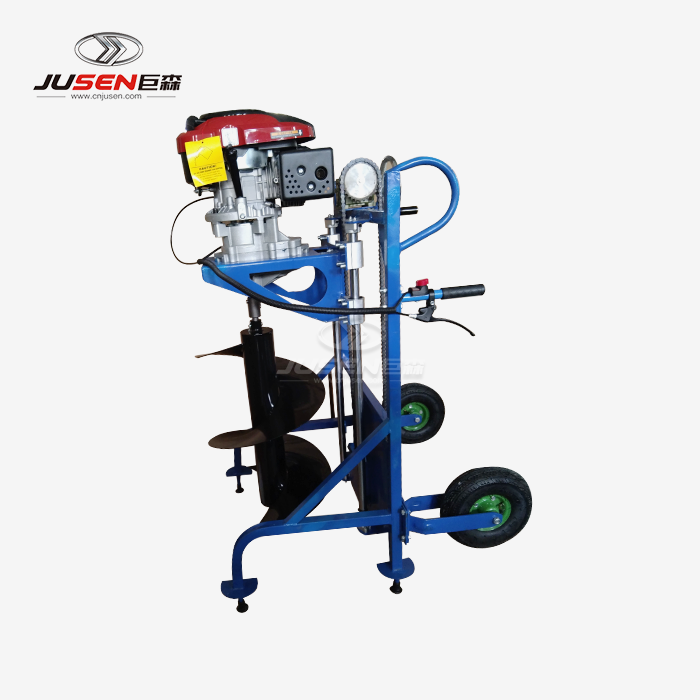 VIEW MORE4-Stroke Power Gasoline Engine Earthaugers Machine
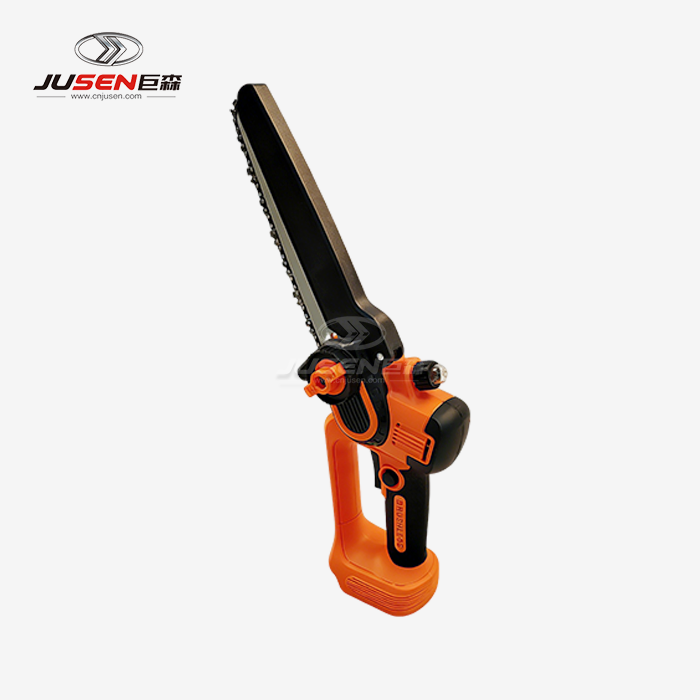 VIEW MOREBrushless 6-Inch Electric Mini Chainsaw
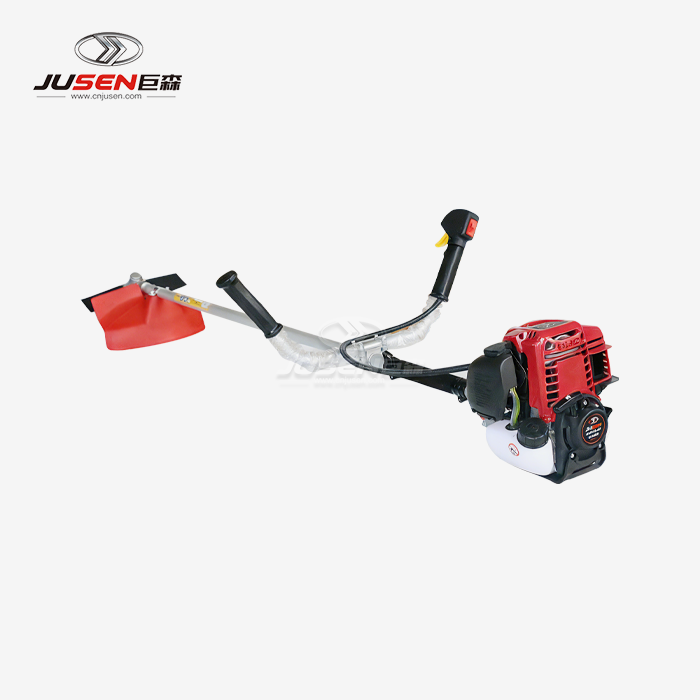 VIEW MORE35.8cc 4-Stroke Petrol Brush Cutter
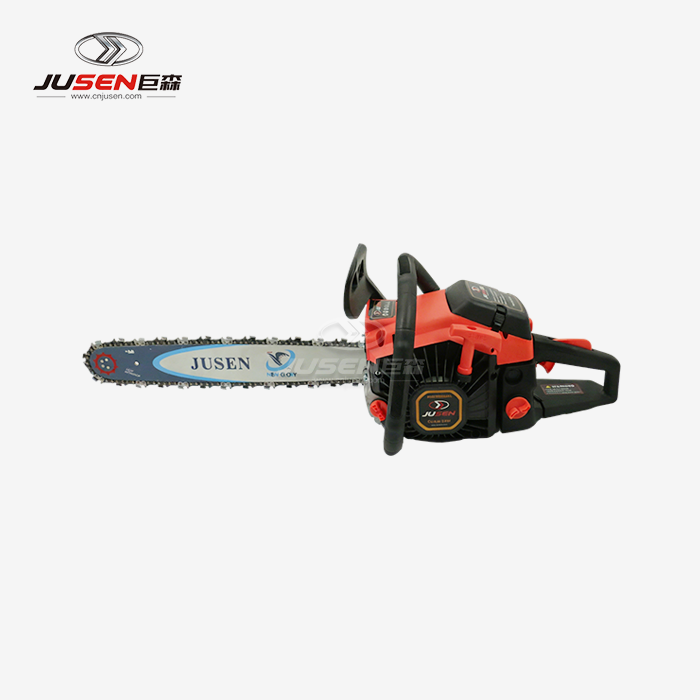 VIEW MORE58cc Gas Chainsaw
 VIEW MORE16-Inch Cordless Electric Chainsaw